
We may earn revenue from the products available on this page and participate in affiliate programs.
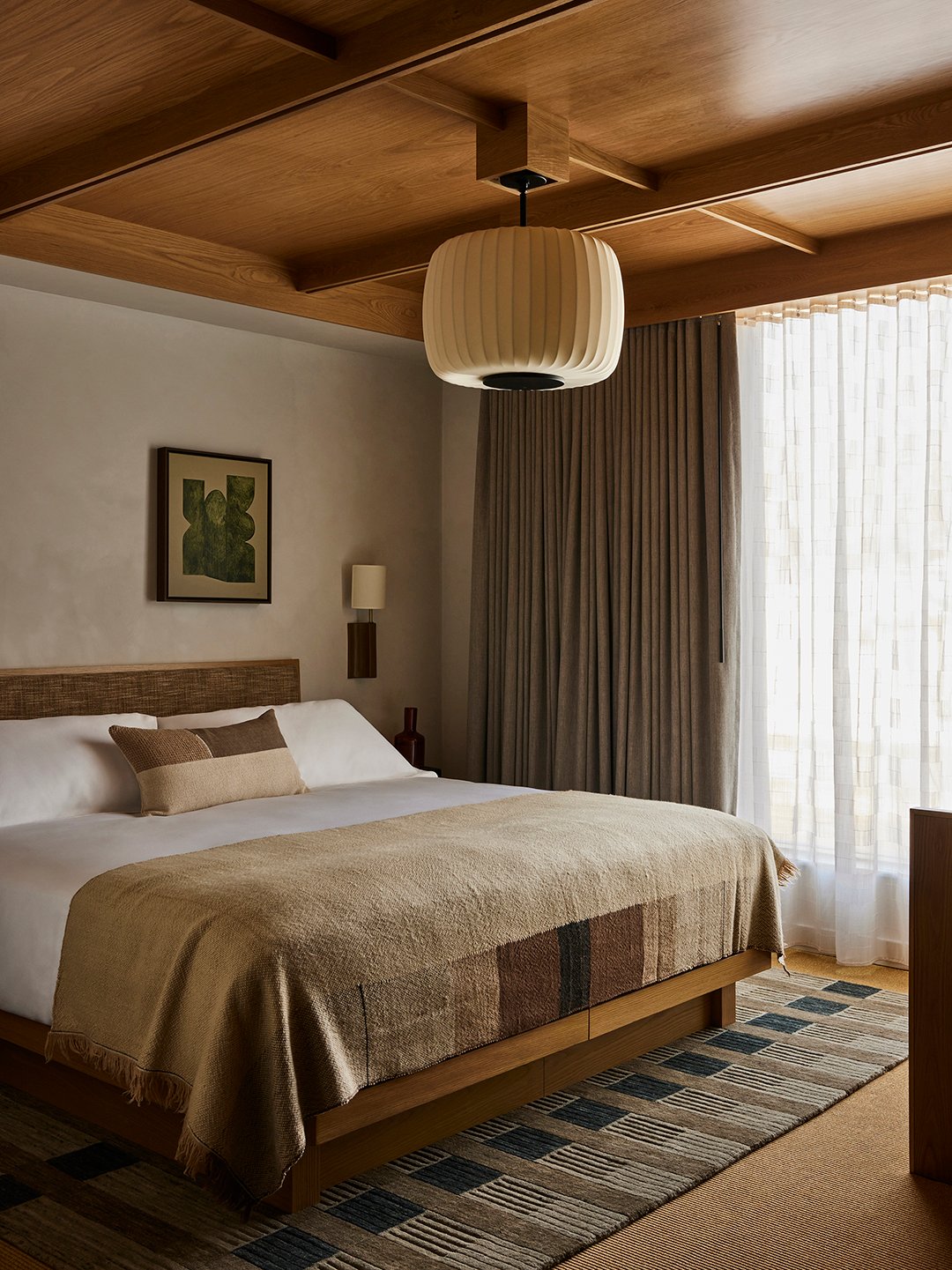
When Ruben Caldwell, Leigh Salam, and Jou-Yie Chou, the three co-founders behind design firm Post Company, first started working on hospitality projects together 15 years ago, they were particularly focused on making the public spaces in their hotels special. “Because we were young and wanted to hang out with people,” notes Caldwell. But these days? “We like to be in bed early to read,” he says with a laugh. It’s no accident that the bedrooms Post Company designs are immensely inviting and are often stocked with everything you’d need throughout the day: a breakfast table, a desk, a decked-out mini bar.
To be fair, the firm’s bedrooms have been thoughtfully designed from the jump. The proof is in their first book, Post Company: Character Studies. The new monograph captures 15 projects, from Inness, the Hudson Valley hotel shaped by Shaker-inspired simplicity, to The Lafayette Hotel and Club, a 139-room in San Diego with no shortage of fringe and tassels. The trio’s combined expertise in making retreat-worthy spaces for boutique stays translates to their residential projects, a handful of which are also featured in the book. Every sleeping quarter is different, but they do all share a similar cozy quality. “The height of bedside lamps, the accessibility of outlets, the space between the bed and the wall—there are a ton of rules we generally apply when we’re doing these kinds of projects,” says Caldwell.
Ahead, we asked Chou and Caldwell to break down how to decorate a bedroom like it’s a cult-favorite getaway.
Do: Create Some Lead Up to the Frame
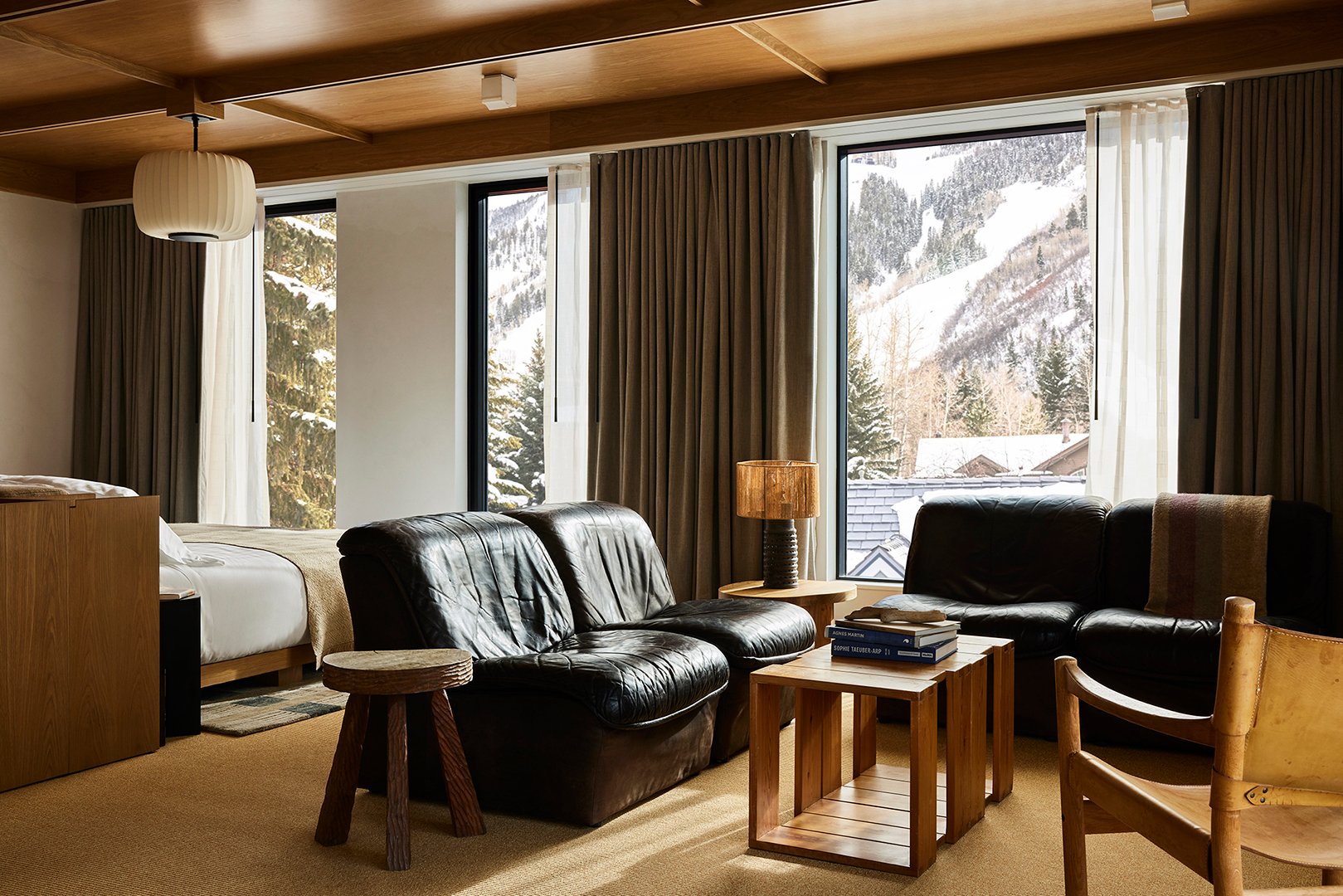
If the designers can help it, the bed won’t be the first piece of furniture you see when you walk in the room. Instead, they like to create some anticipation. One way to do that might be lining the bedroom entryway with closets. “We often use that in spaces to create a threshold and additional storage. It’s a fun move that accomplishes multiple goals,” shares Caldwell. Or, you might walk into a bedroom only to first find an inviting sitting area or a long dining table.
Don’t: Tech Out the Room
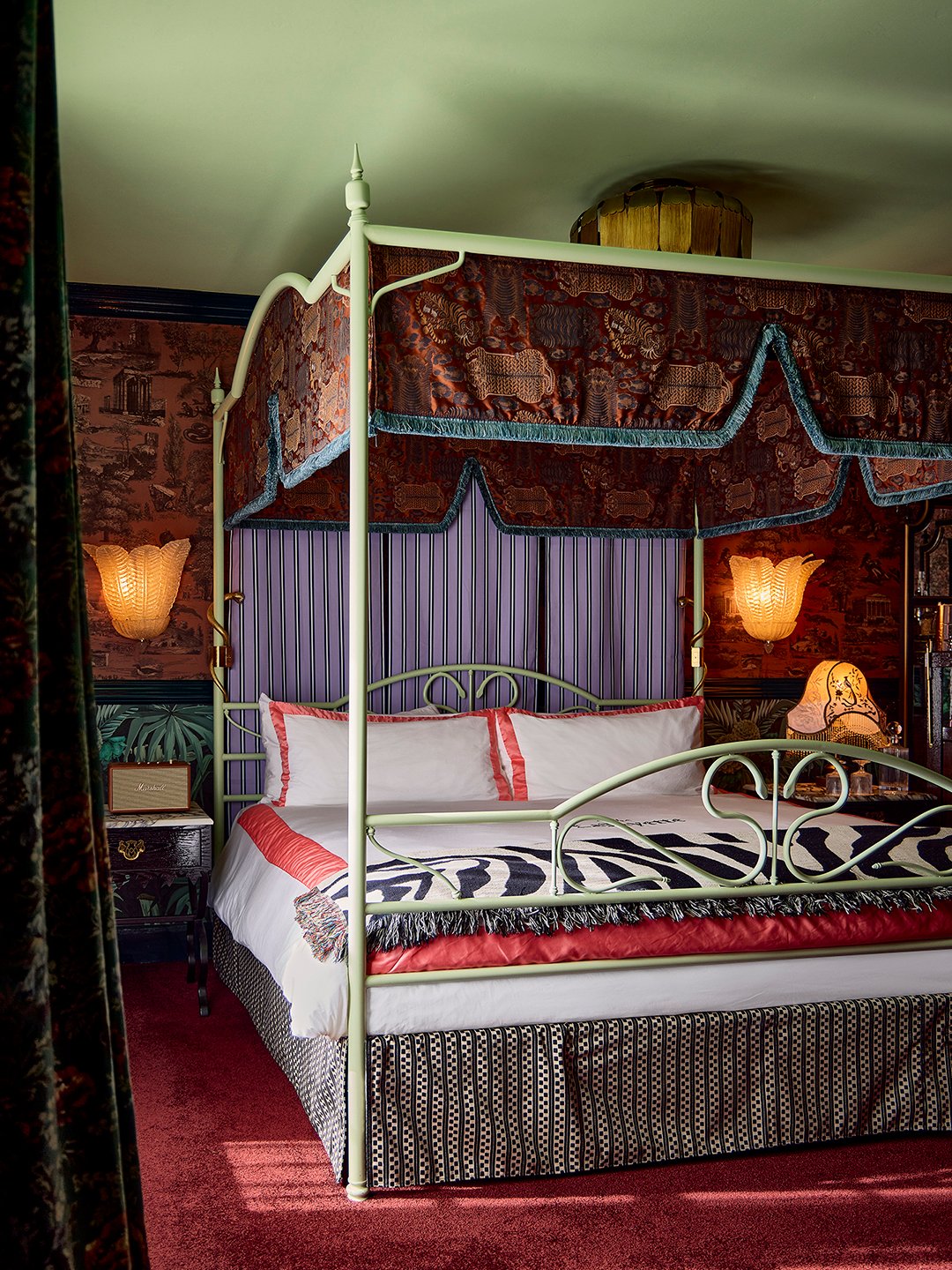
You won’t find lamps with integrated outlets or headboards with USB-C ports in Post Company’s hotels, and the same low-tech sentiment applies to their residential projects. “We try to future-proof with proper placements of traditional duplex outlets that have stood the test of time,” says Chou. Trends—and charging cords—change, so it’s best to stick to the basics.
Do: Bring in Plenty of Furniture
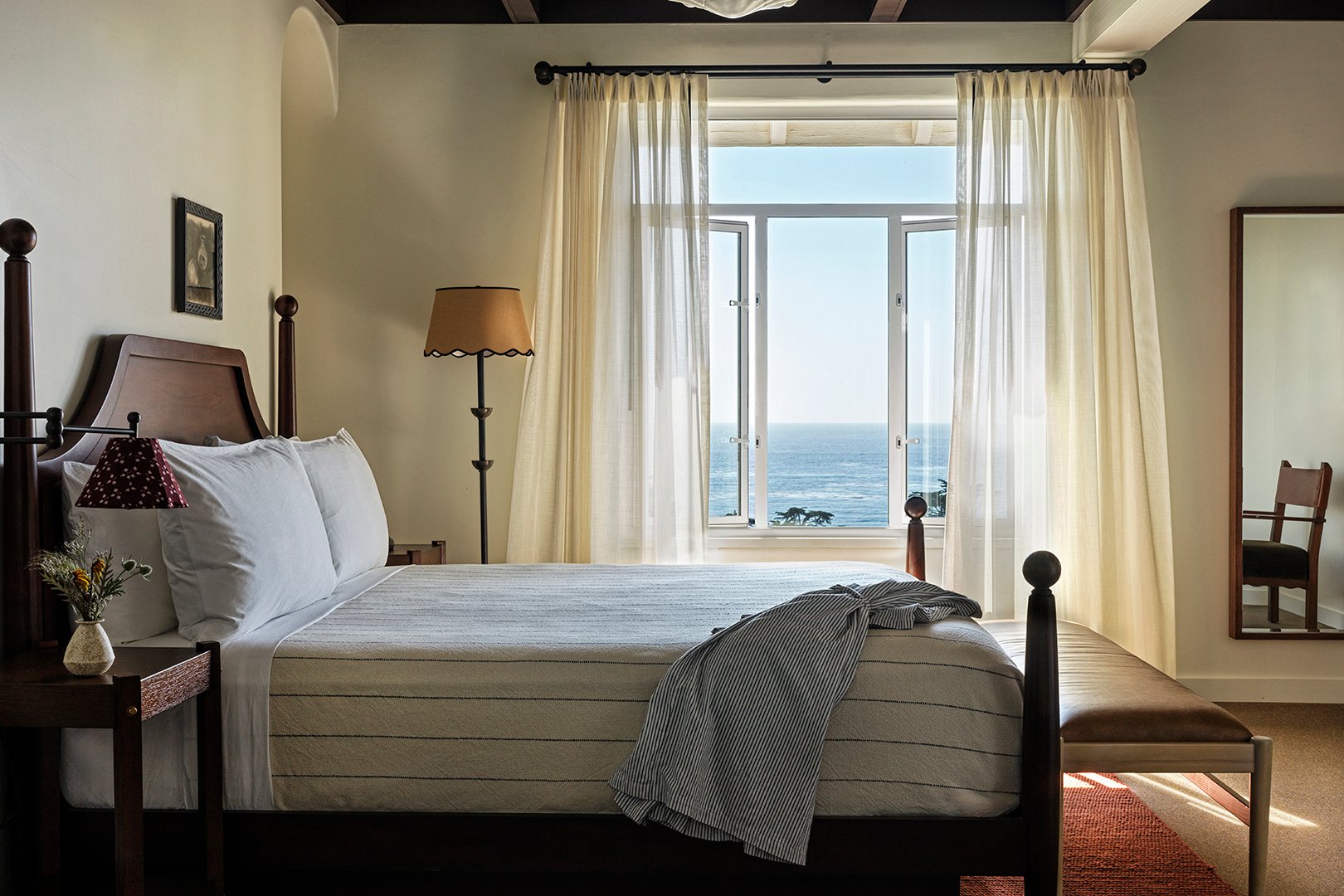
In case it wasn’t clear already: “We’re always interested in creating a few different experiences within the room; not just a space where you’re going to sleep,” says Caldwell. A worn-in vintage leather sofa, a linen slipcovered armchair, or even a small bistro table lets you use your bedroom in other ways, at other points of the day, whether you have emails to send or takeout food to finish.
Don’t: Buy a Puny Nightstand When You’re Not a Minimalist
For Caldwell, a perfect bedside table is one that meets your storage needs. Recently, he got so into the weeds of a client’s nightly routine (Where does their phone go at night? Do they take a glass of water with them to bed?) it resulted in a 24-by-24-inch table with a drawer for stashing away clutter. “All those conversations around how people actually live are really for us what drive the outcome,” he says.
Don’t: Be Bored by White Walls
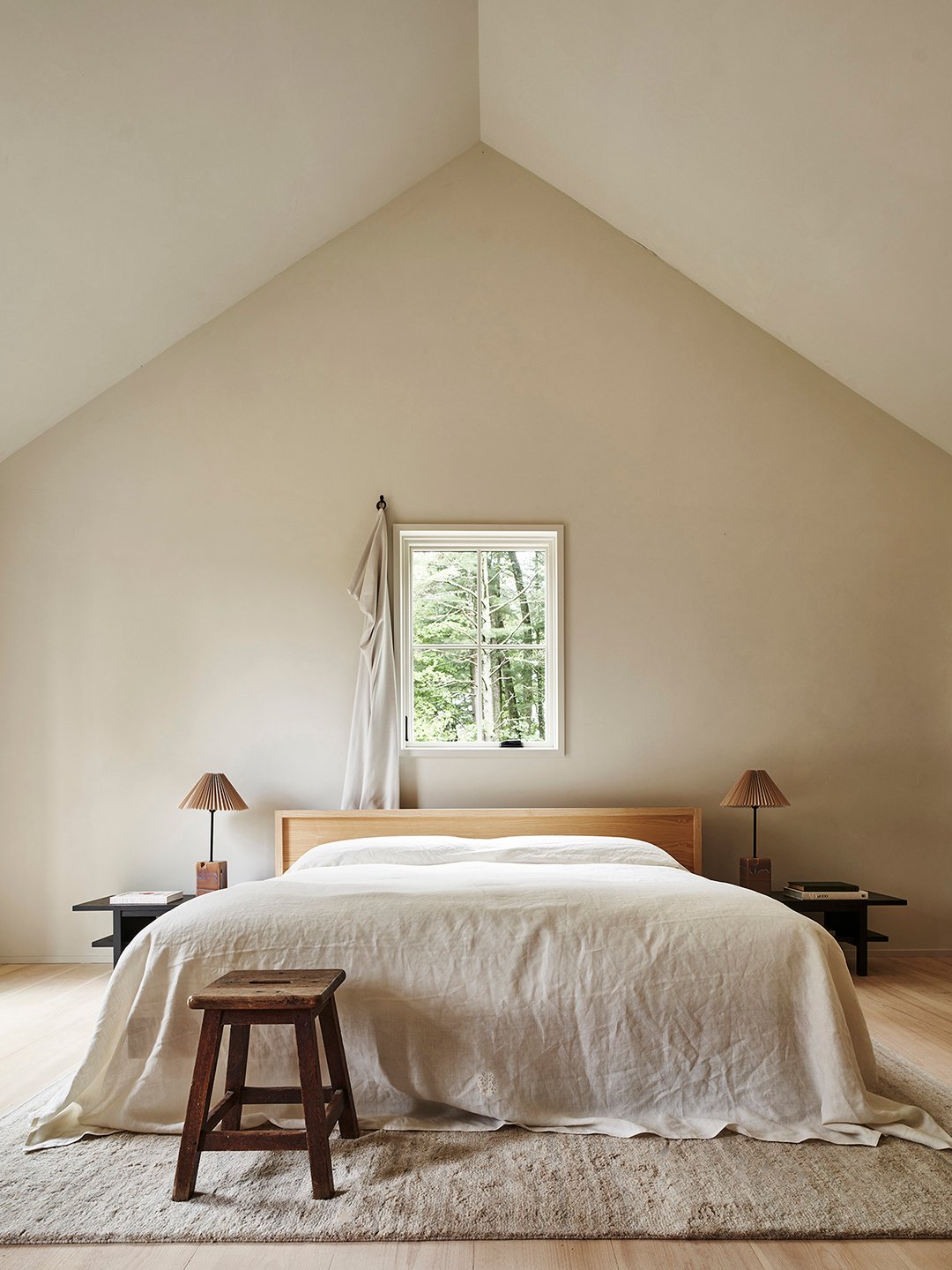
While Post Company isn’t afraid of a moody bedroom hue like the dark gray limewash they used in this New York renovation, they usually gravitate toward warmer tones of white like Farrow & Ball’s School House White and Portola’s Kashmir, says Chou.
Do: Layer Lighting
“We almost never use recessed lighting,” insists Caldwell. Instead, the firm likes to incorporate a variety of fixtures (ceiling pendants, task lights, floor lamps) in one space so that there’s always a way to be in control of the mood, whether that calls for super-bright lighting for getting dressed or a dim glow. “It really helps add intimacy and warmth to the room,” adds Chou.
Do: Stick to Solid Colored Bedding
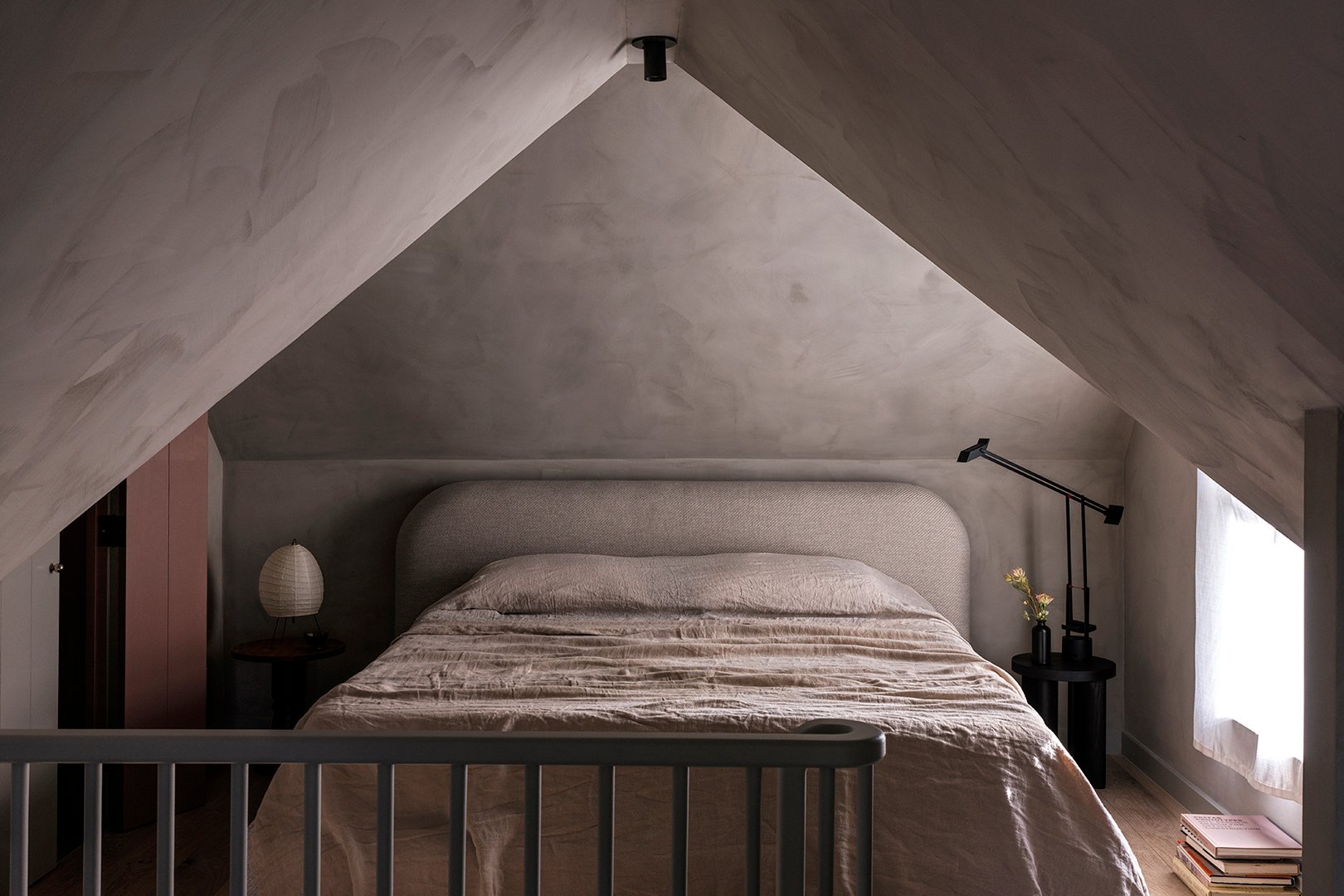
When clients ask if they should buy patterned sheets or pillow cases for their bed, the designers tend to point them in another direction. “We’re pretty much a hard no on it,” says Caldwell. What he reaches for: “Solid colors. Just white. Percale. Linen.” They’re not taking risks with bedding, even though Caldwell secretly wants to test out having two twin duvets on a king bed for practical purposes.
Don’t: Let Space Under the Bed Go to Waste
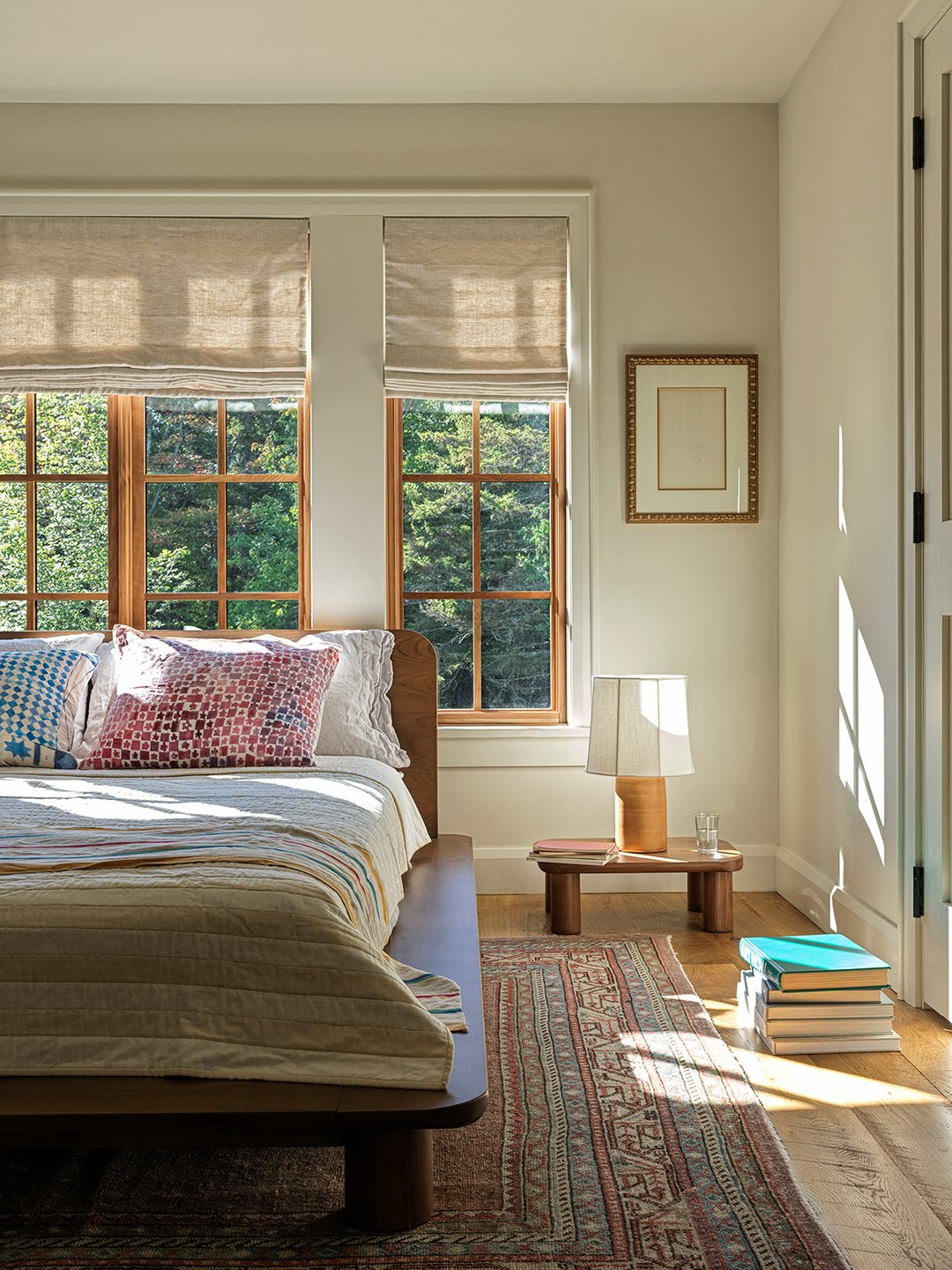
While floor-to-ceiling cabinets, like the hand-painted ones at Hotel Saint Augustine in Houston, are the ideal clothing storage scenario, the designers will add shallow drawers on wheels under the bed when short on space. Vintage trunks are an even easier way to gain organization at the foot of the mattress. “It provides seating but also a ton of storage,” says Caldwell.
Do: Invest in a Wool Blanket
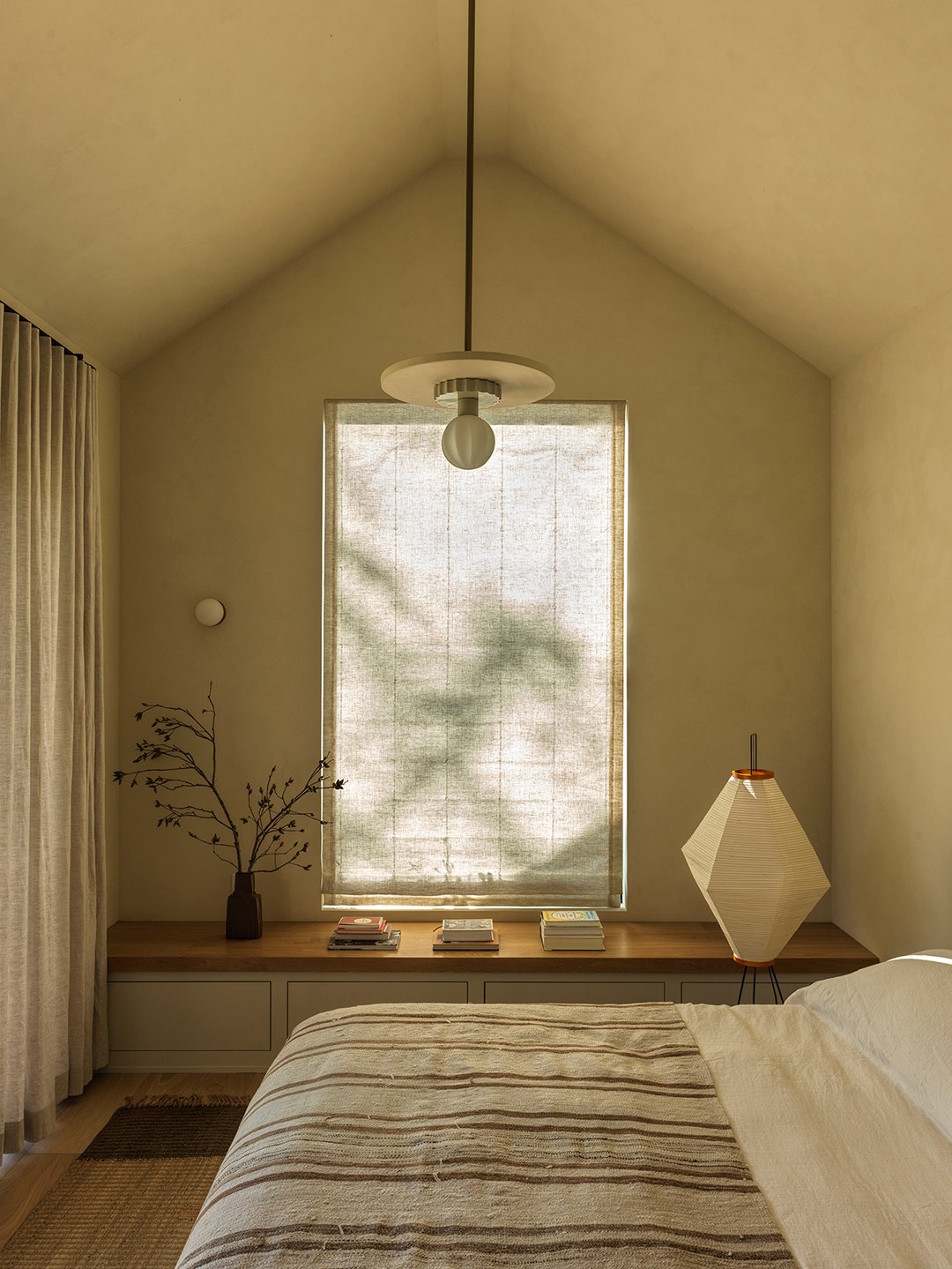
Want to make one cozy fall bedroom update this season? Caldwell and Chou love a good throw. “Layering and textures make things a lot cozier for the fall and winter months,” says Chou. His top choice: a vintage wool blanket—you’ll never tire of it.