We may earn revenue from the products available on this page and participate in affiliate programs.
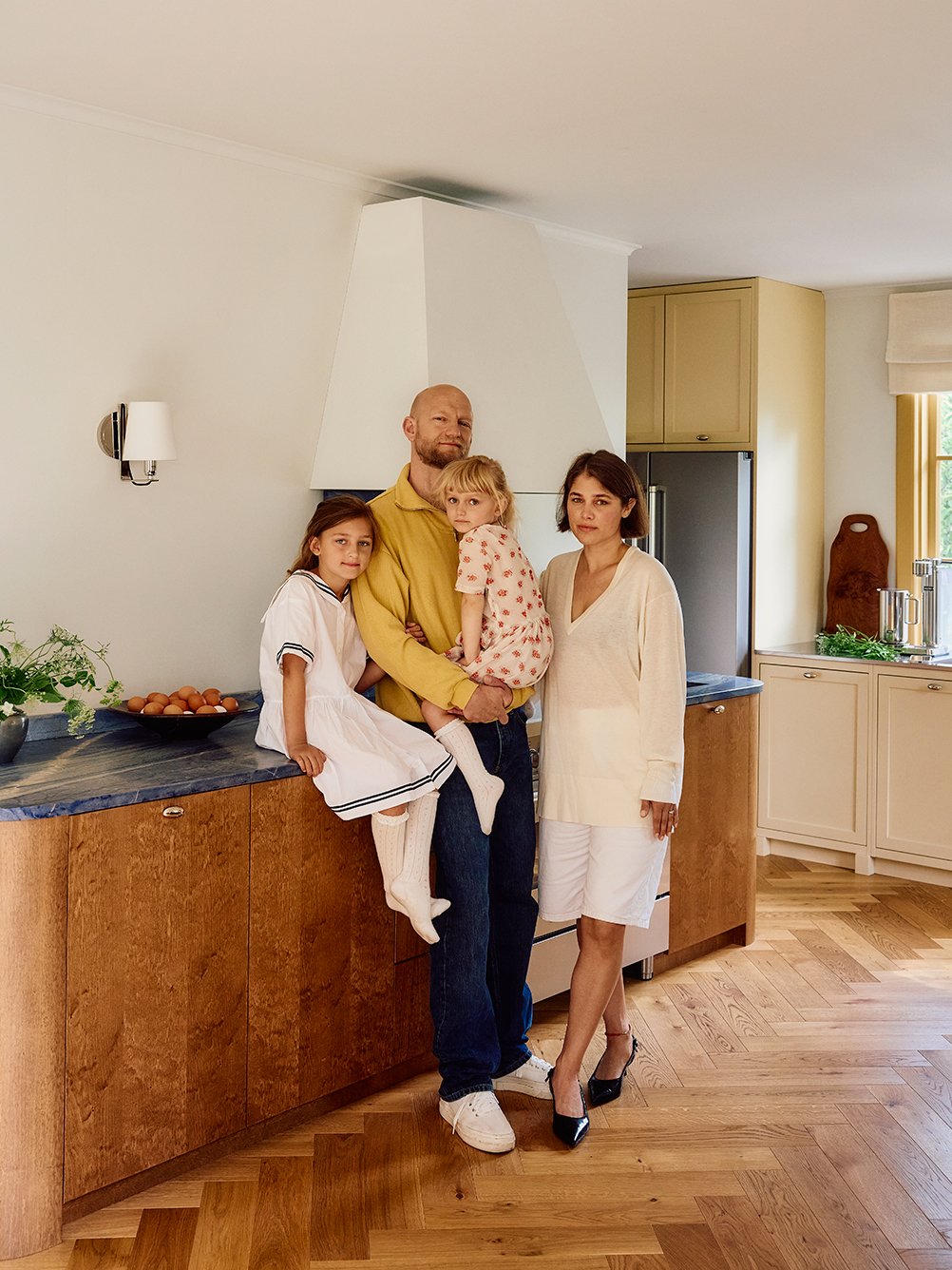
When Swedish fashion stylist Julia Stridh and her husband, attorney Dan Örnfjäder, went looking for a home for their family of four in the suburbs of Stockholm, there was a single non-negotiable. “For us, it was very important that if we renovate, we have to do it because the house needs it, not because the house is not our taste,” Stridh explains. In the town of Bromma, one of the boroughs where they focused their search, this weeded out a lot of listings. “The people who lived there before didn’t understand the houses and the time when they were built,” says the stylist, who found many renovations unsympathetic to the houses but hated the idea of renovating a perfectly livable property.
When the couple happened upon a 1925 home with a steeply pitched roof and handcrafted exterior details that hadn’t been touched in 50 years, suddenly Stridh could picture her dream home. The house was in rough shape after years of deferred maintenance, but “the bones were very, very good,” she says. Turns out houses from this time period in the neighborhood were built with “exceptional quality,” and miraculously no former owner had come in and carelessly changed this one up.
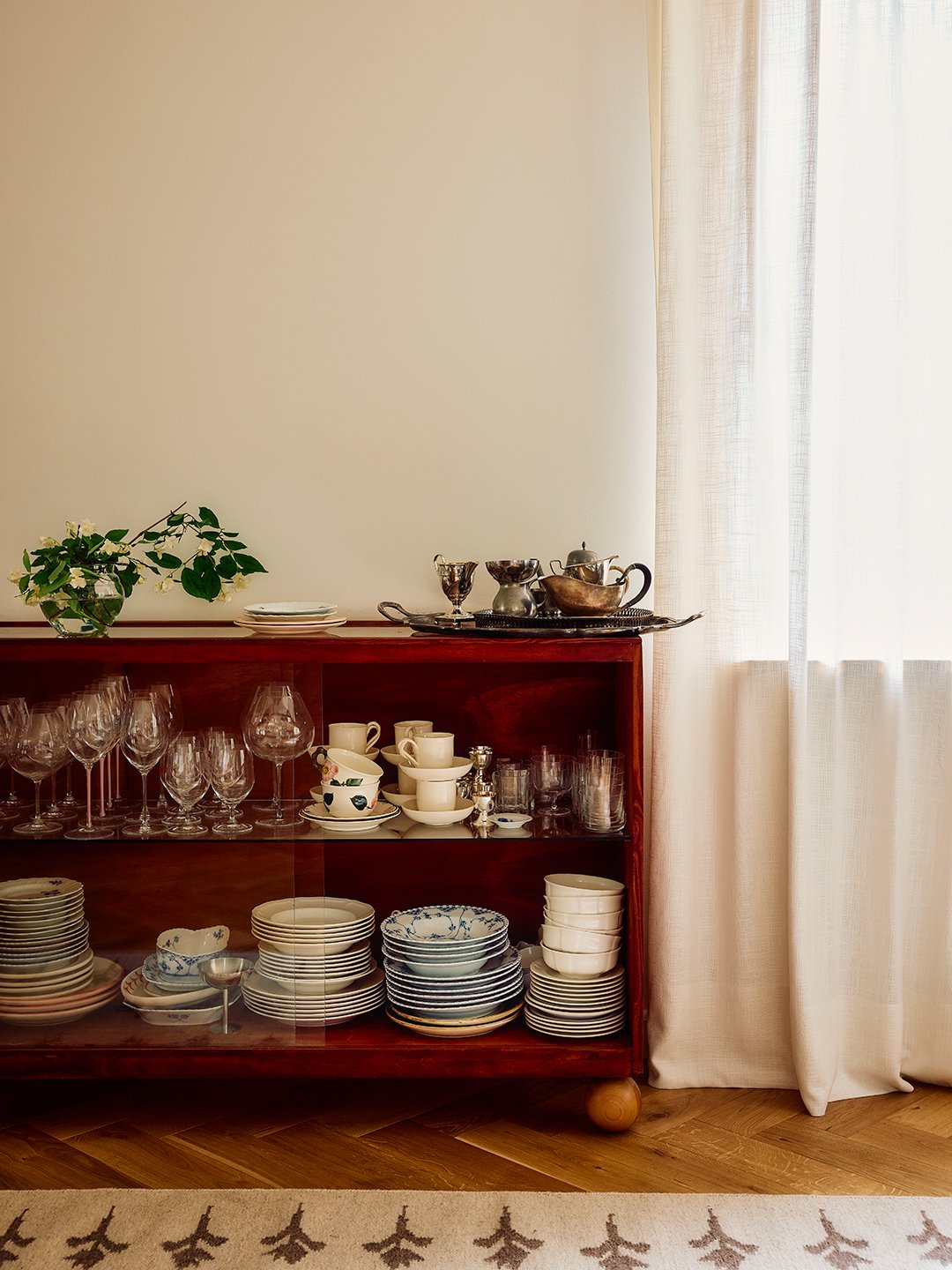
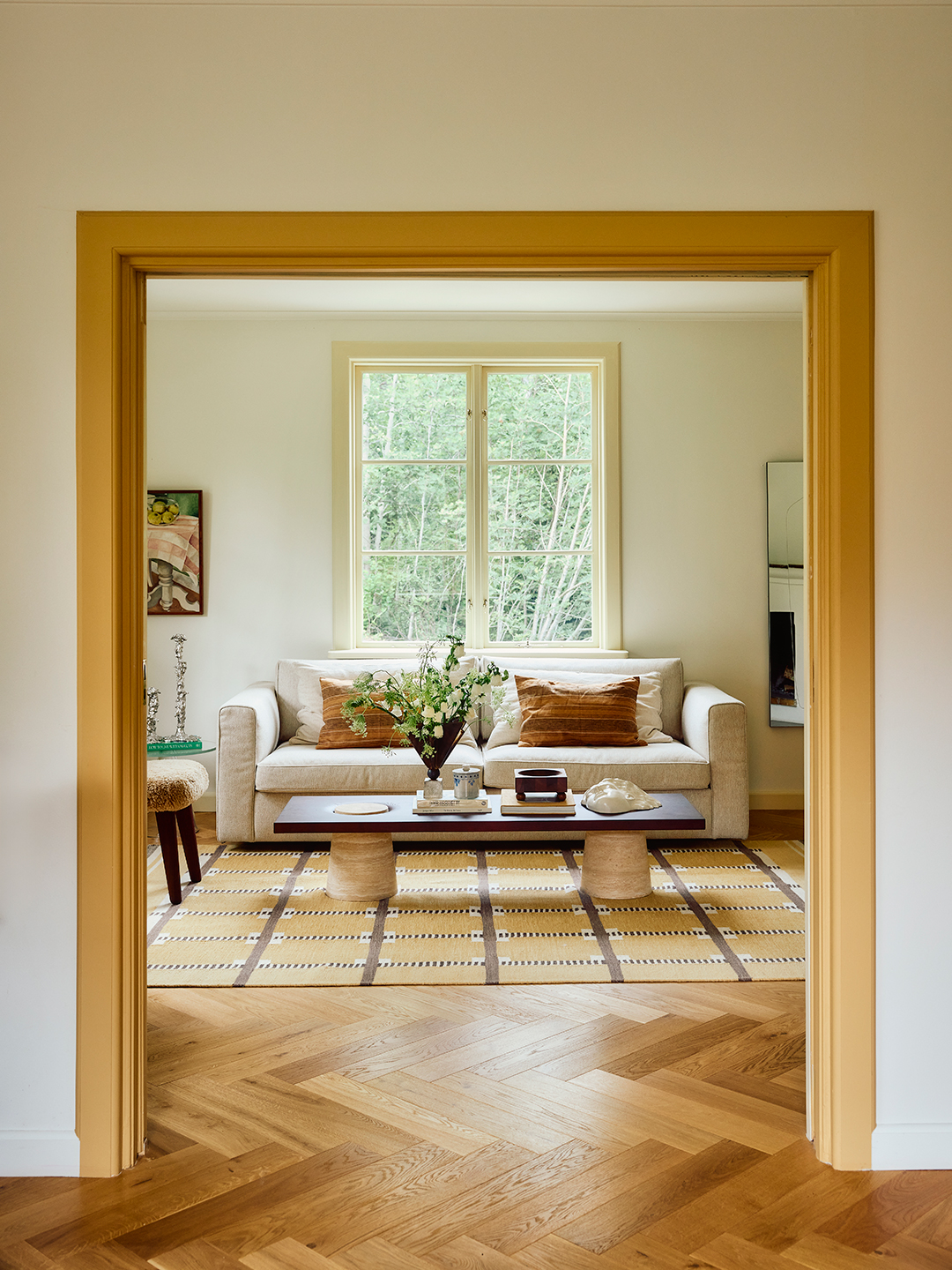
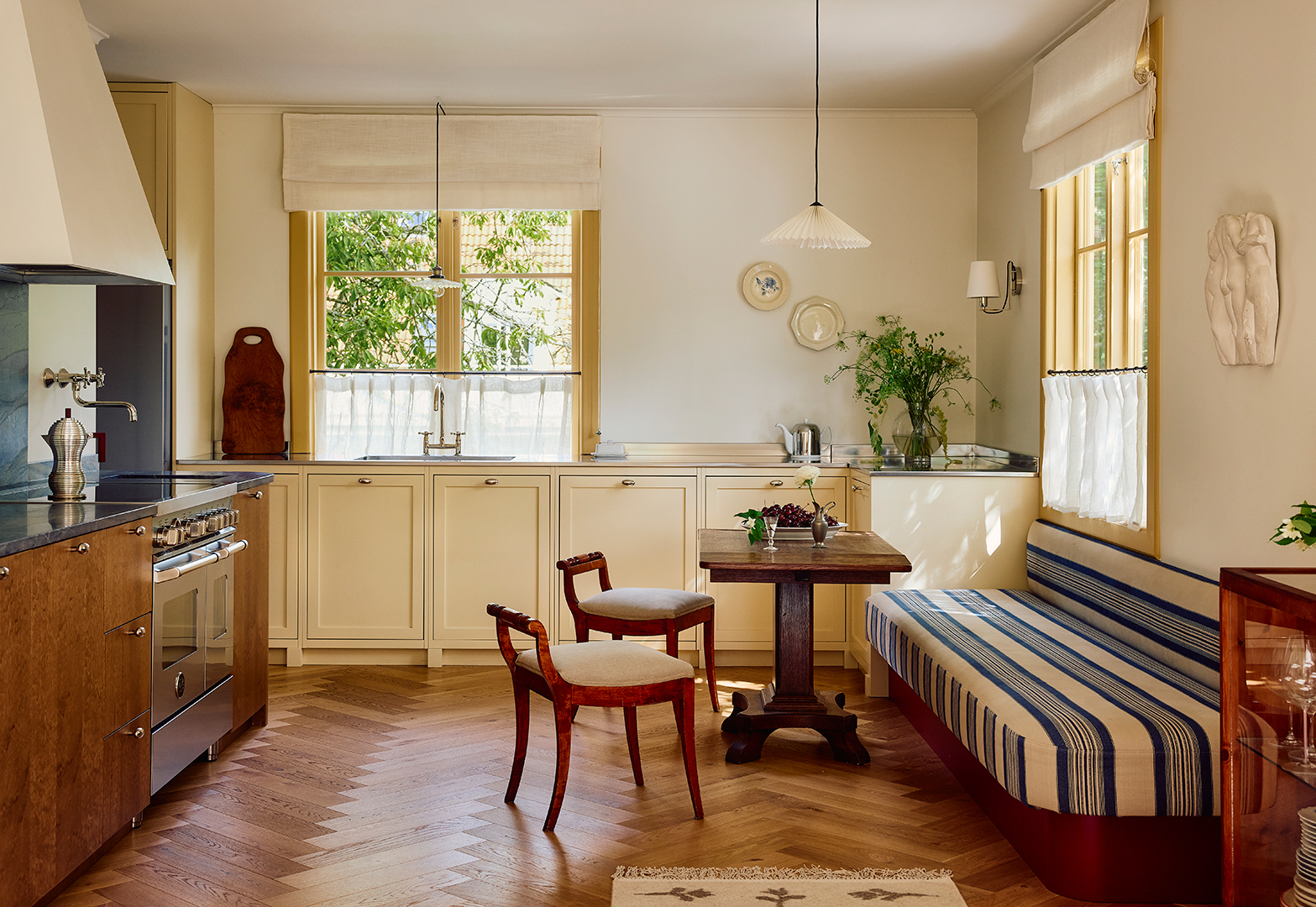
With only the renovation of a city apartment under their belts, the couple decided to undertake the project without the help of an architect or interior designer. Stridh would oversee the renovation with her stylist’s eye. They didn’t plan to expand the house or change its configuration, rather they wanted to bring it back to life. Part of the reason she kept rooms where they were was that they captured the best light at the right times of day: Eastern morning light in the kitchen and “a beautiful golden hour” in the sunroom, which they use as a dining room. Nonetheless, the house needed a new roof, floors, electrical wiring, kitchen, and bathrooms. It would be a years-long project.
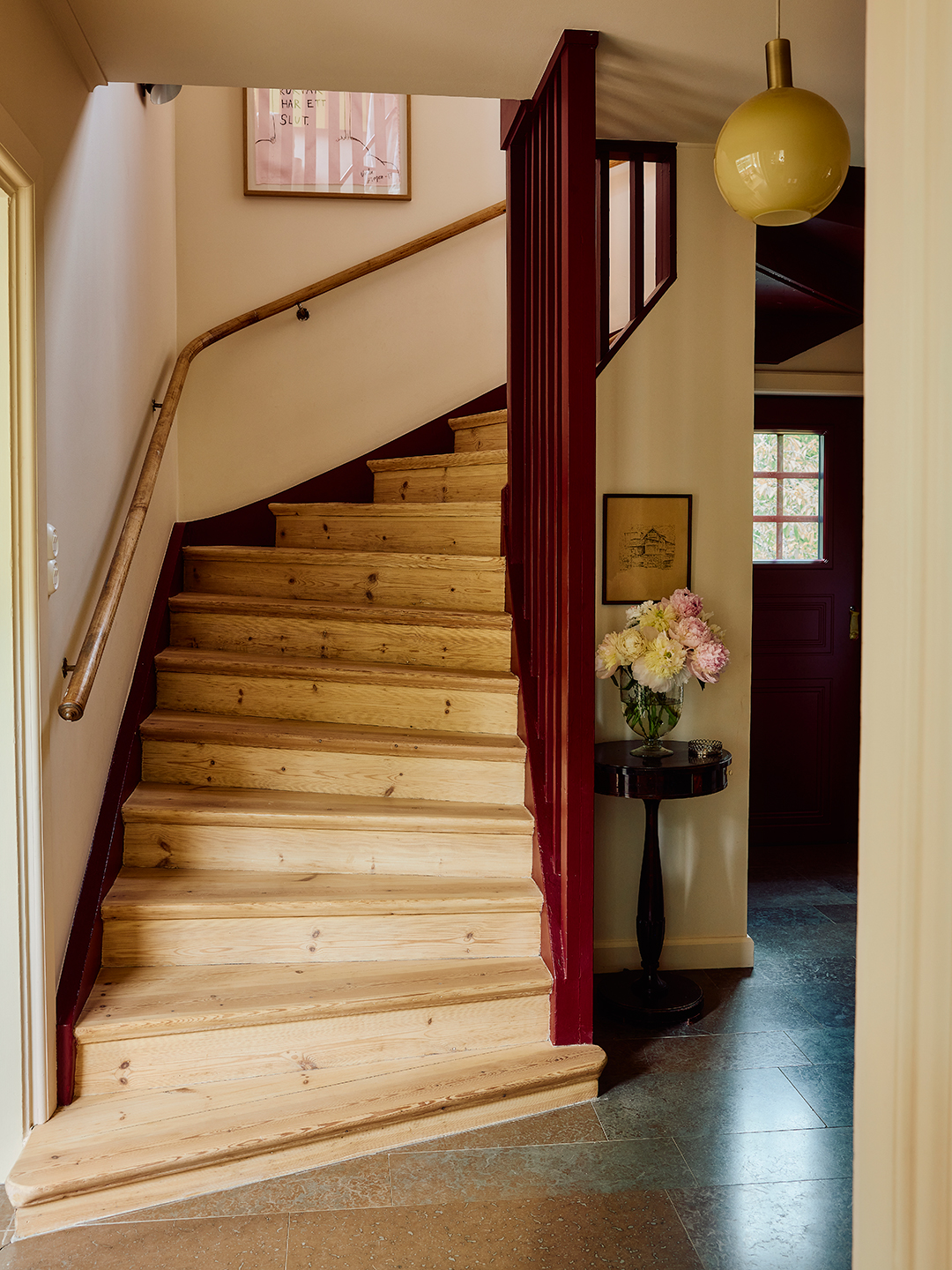
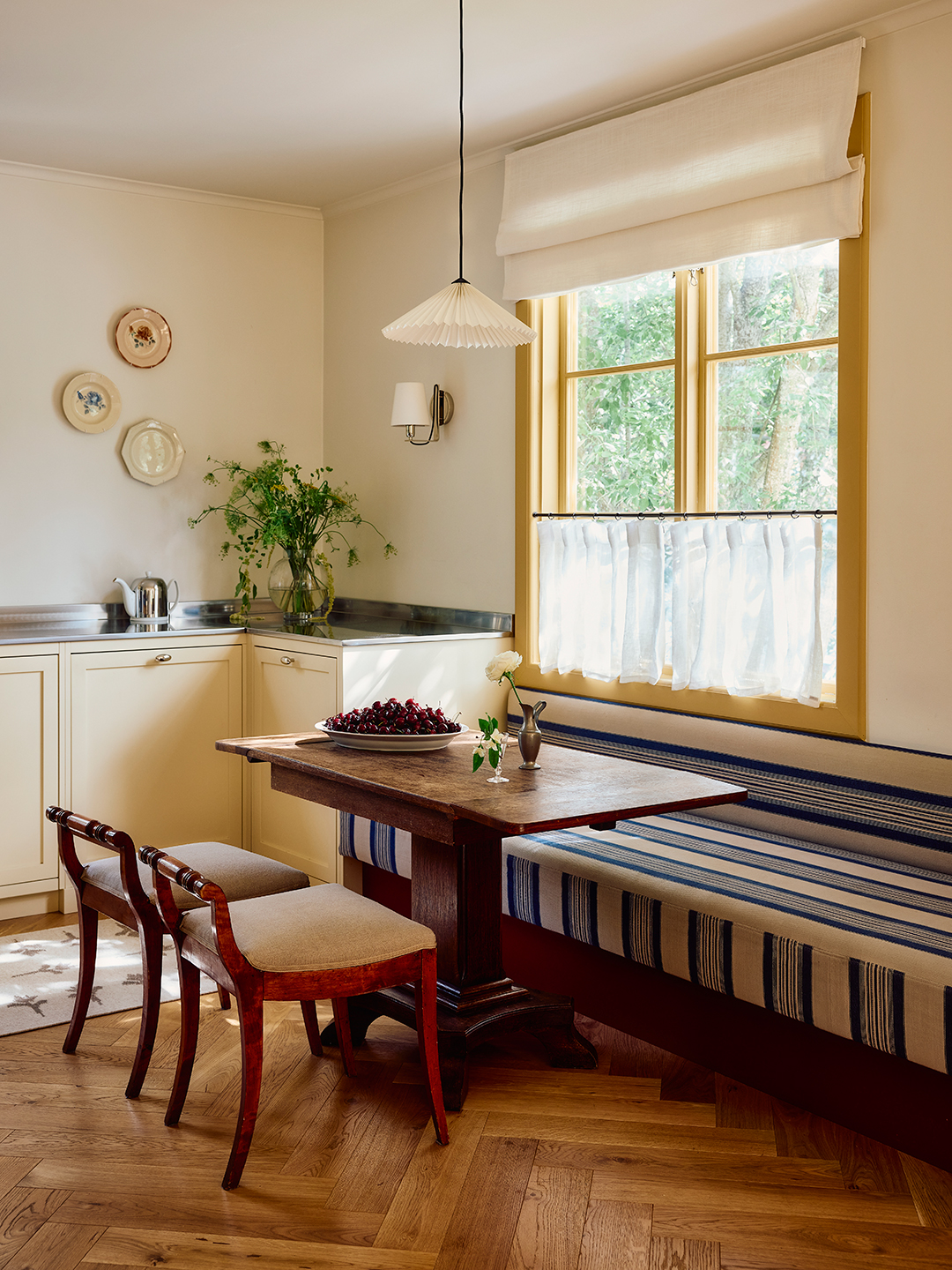
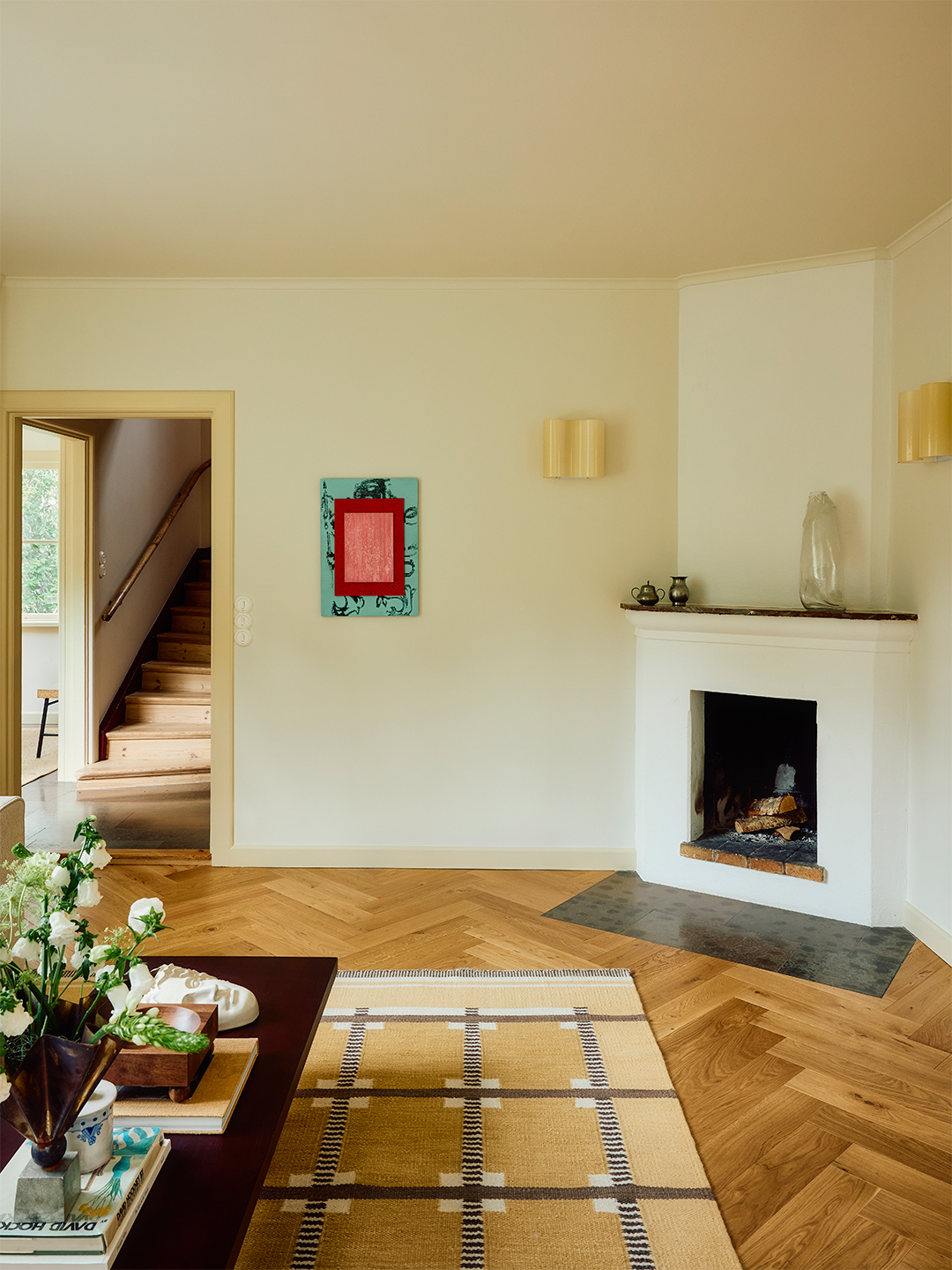
Stridh confesses she’s often non-committal when it comes to decor. “I repaint a lot, but that’s my process. I have to do it that way—and I love to do it that way because I’m always in a mood,” she says. “I always want to change a room.” (In fact, the color of the living room changed between the time Domino reached out to Stridh and when our photographer arrived to shoot it.) But the couple planned to stay in this house for a long time, so she was especially focussed on getting the fixed, hard-to-change elements right.
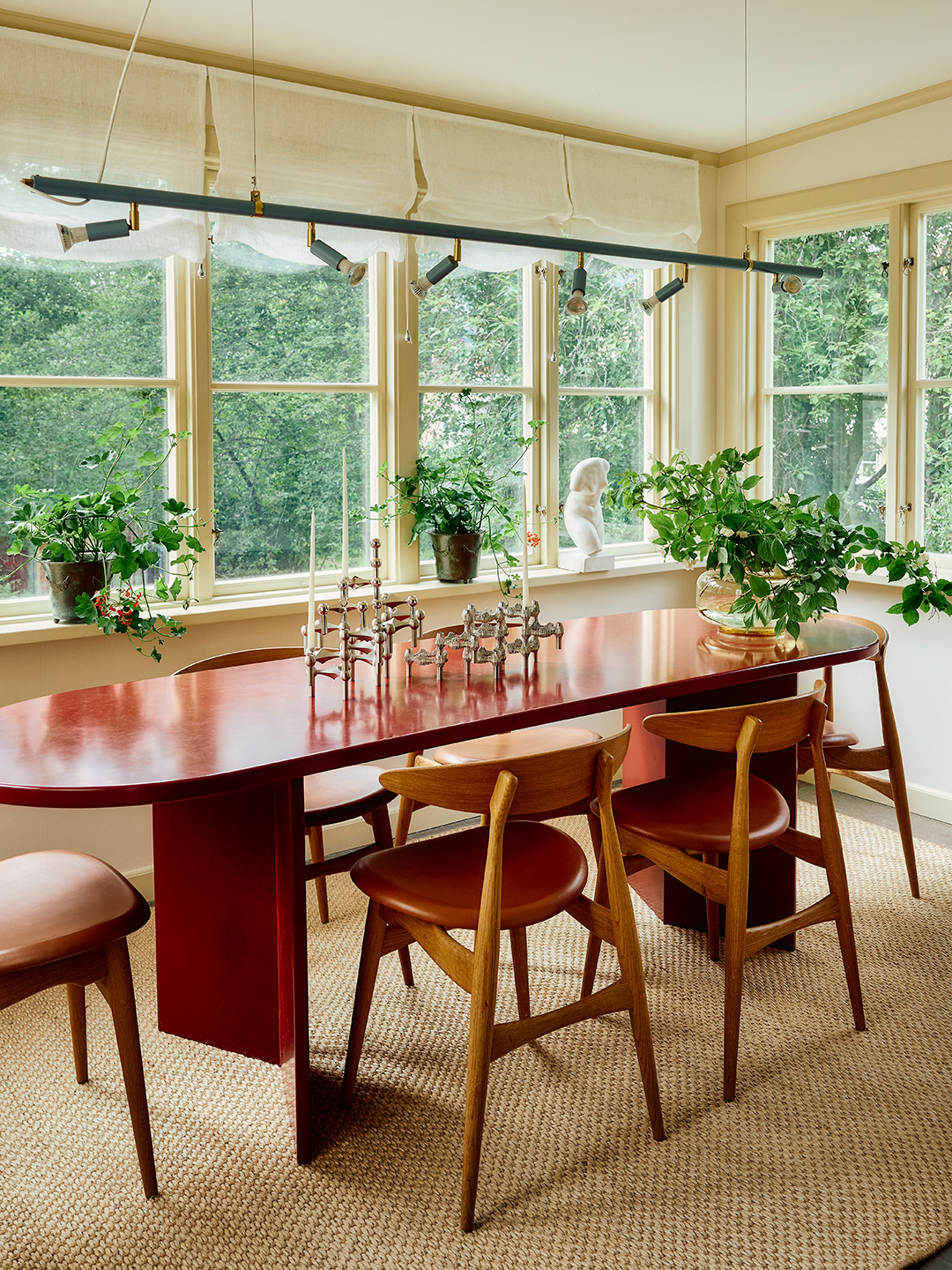
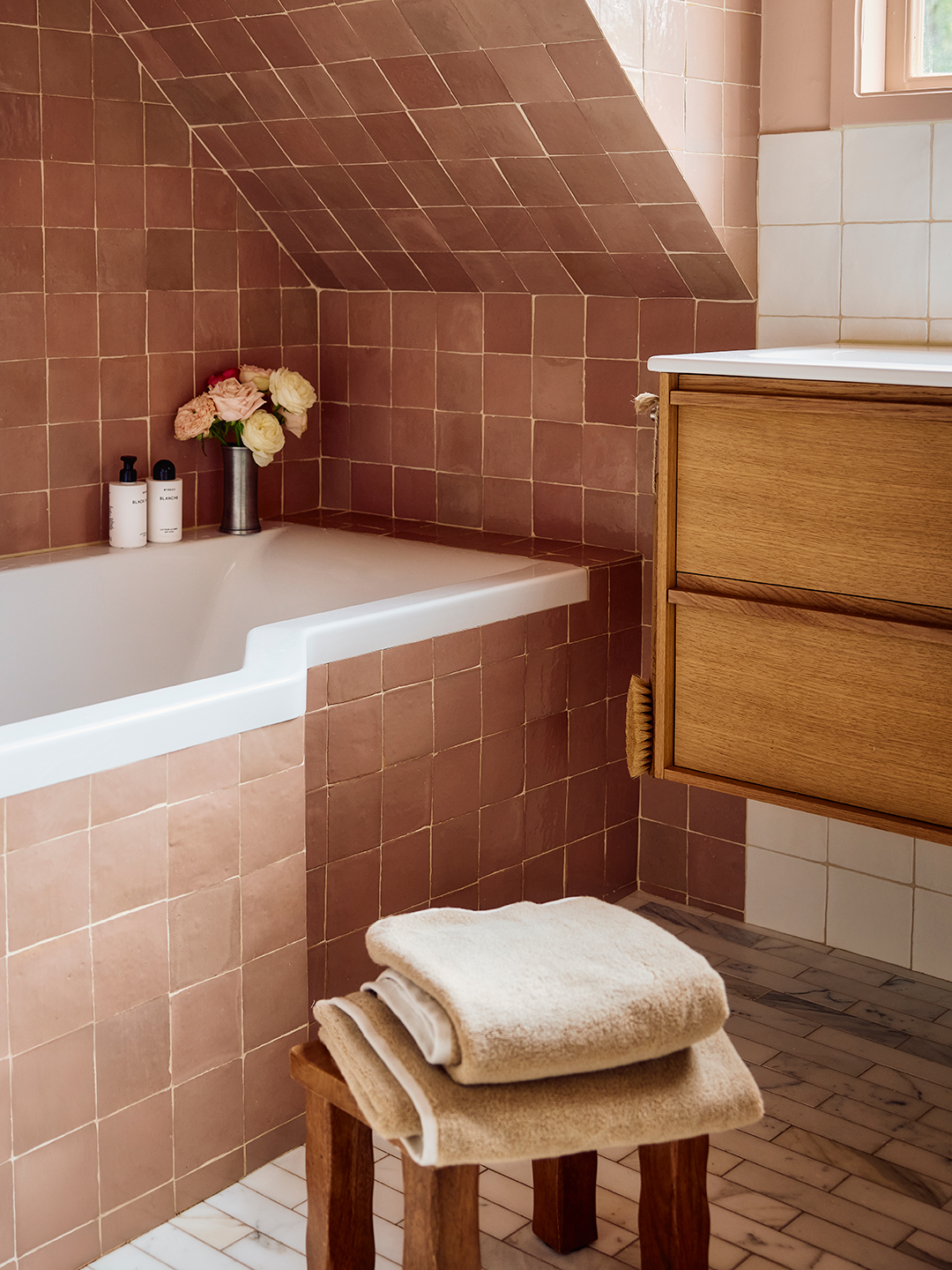
Designing her dream kitchen and dream primary bathroom, Stridh didn’t worry too much if the two looked like they belonged together. “My inspiration was France and Italy because we have traveled there a lot, and my mom was born in Italy,” she says. Her other overarching goal was to make the house feel like a welcoming place. “When you walk into the kitchen and it’s too anonymous or too strict, it doesn’t feel like a home,” she explains. “I was sure that I wanted to mix wood and painted cabinets. And then I also wanted to flirt with the 1920s era of the house.”
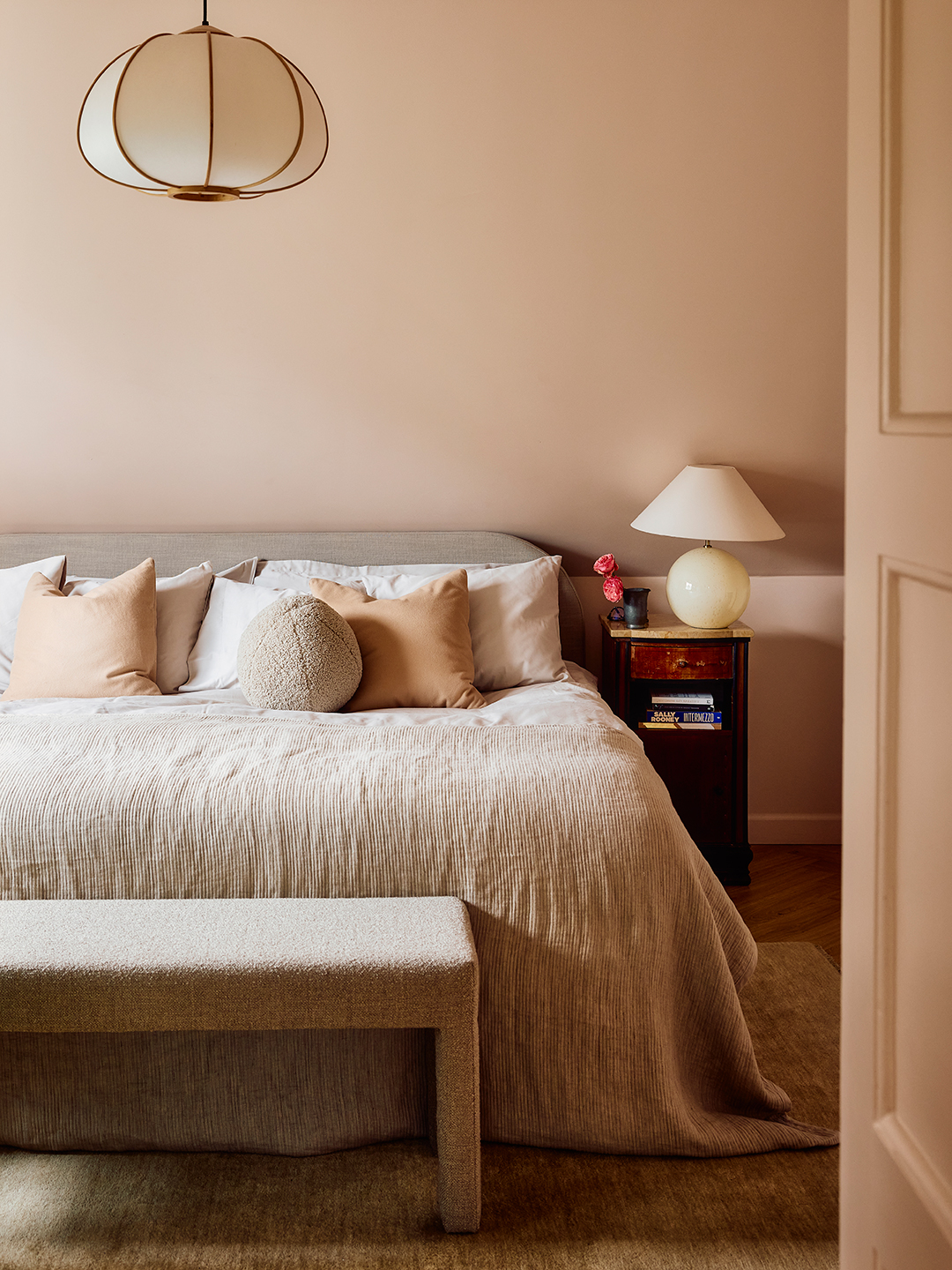
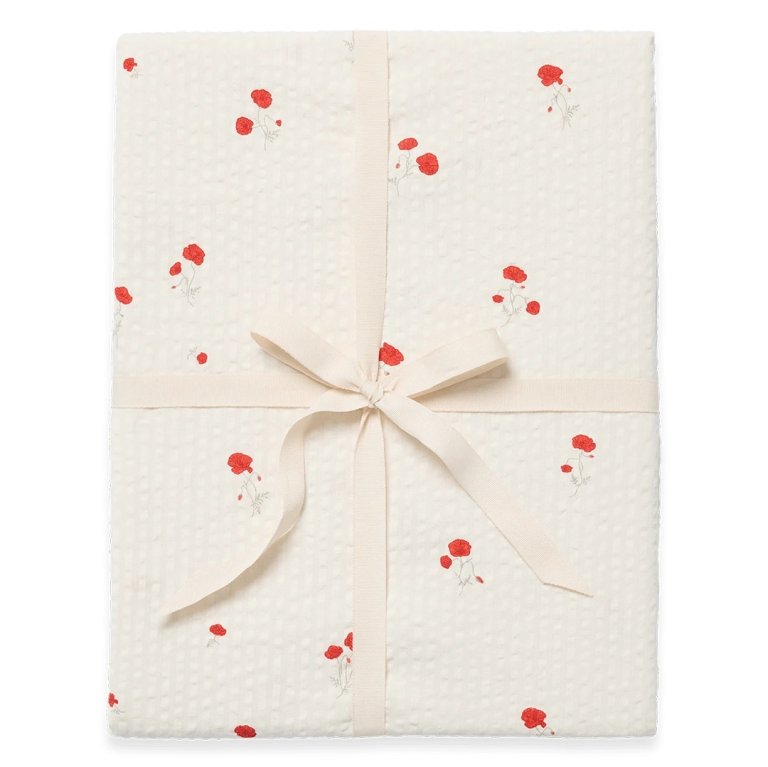
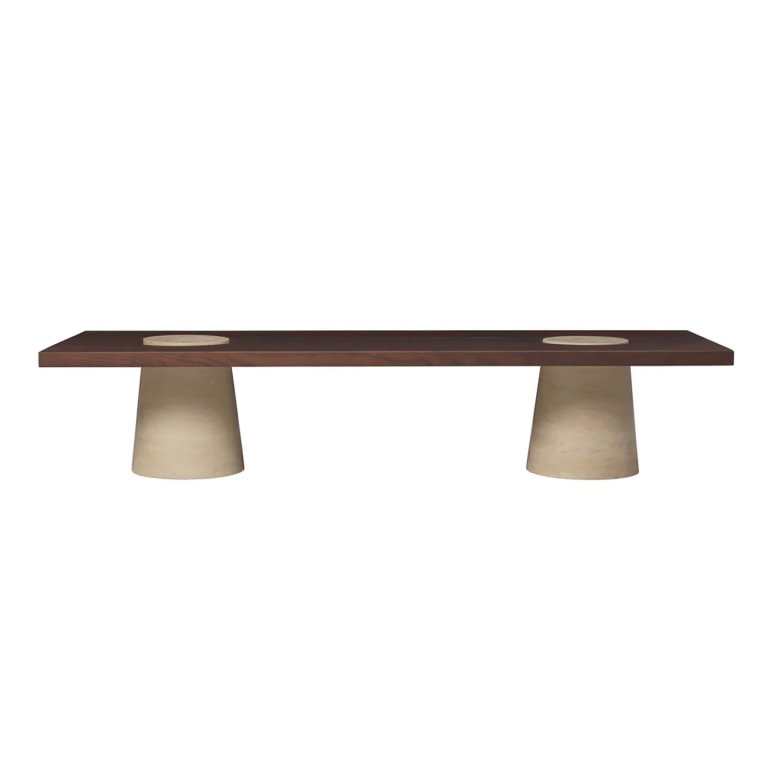
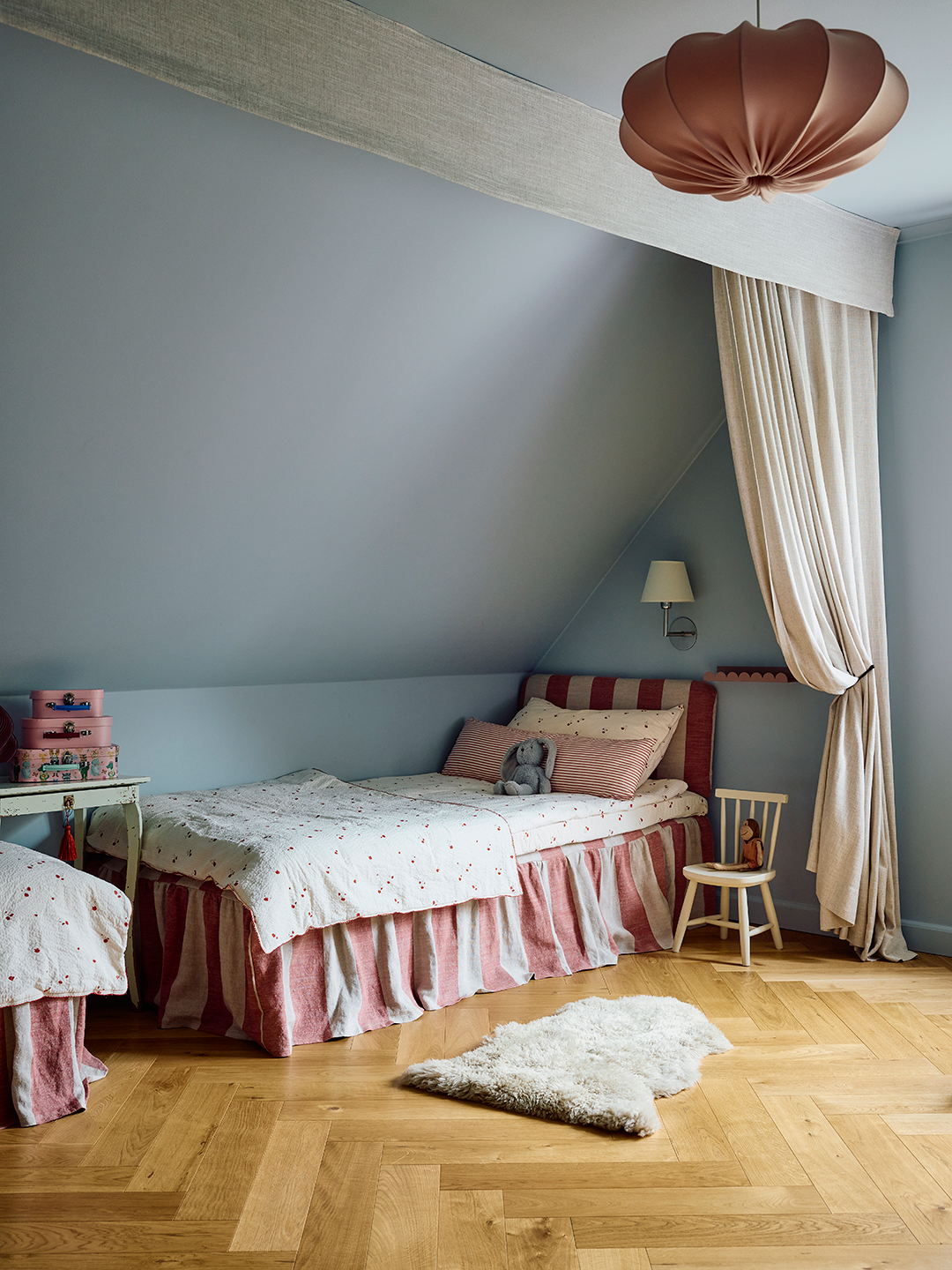
After a year and a half of renovations with many pieces of the work still to be finished, the family moved into the house in the summer of 2024 while Stridh, Örnfjäder, and their two daughters had time off–nevermind that the kitchen didn’t yet have counters. Stridh has been tweaking the decor ever since, mixing old and new and high and low. She’s constantly trying out new pieces and, if she likes them, selling the old ones online. If she can’t find what she likes, she often makes it herself, as was the case for her daughter’s bed dressings and the dining table.
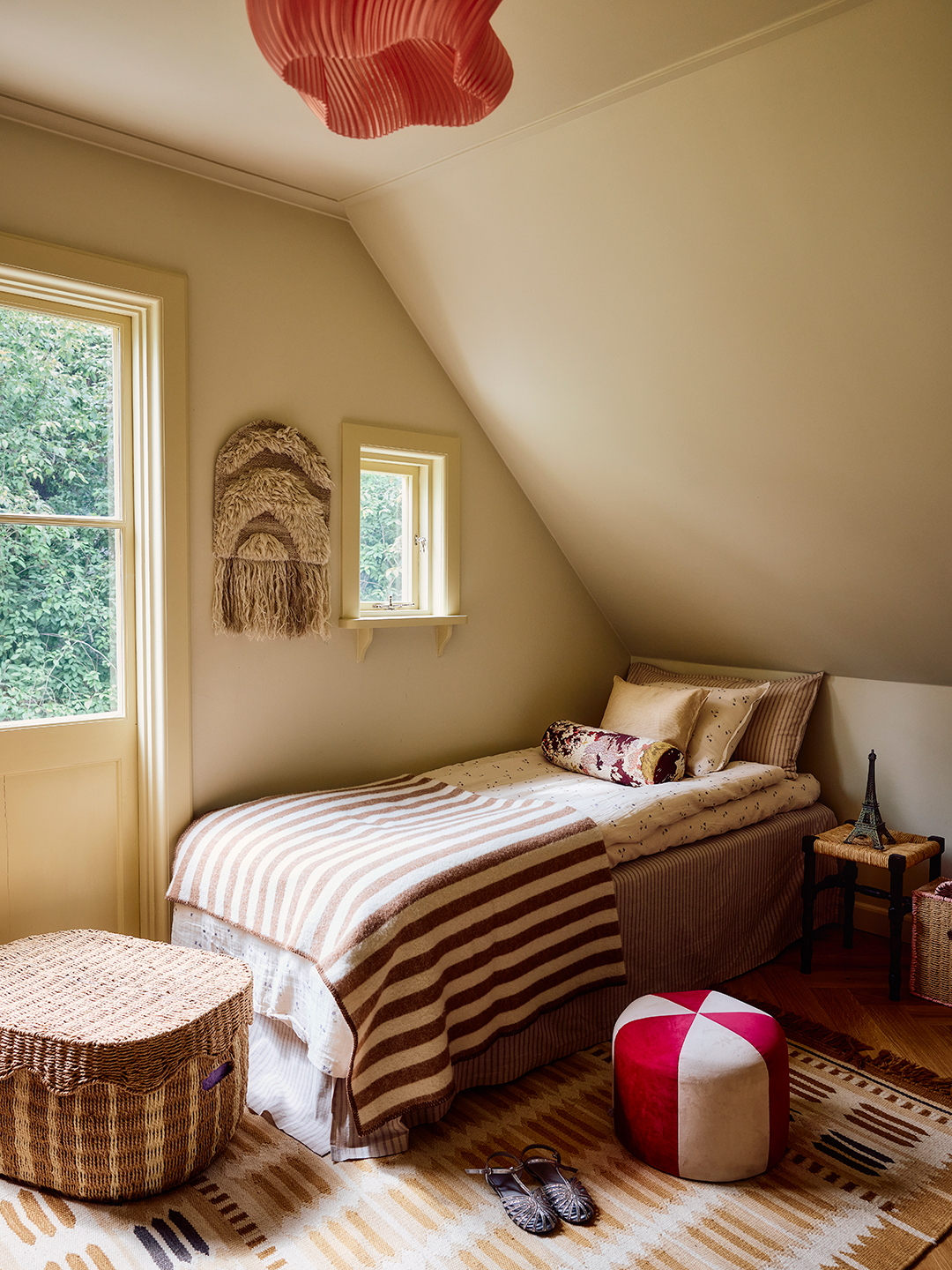
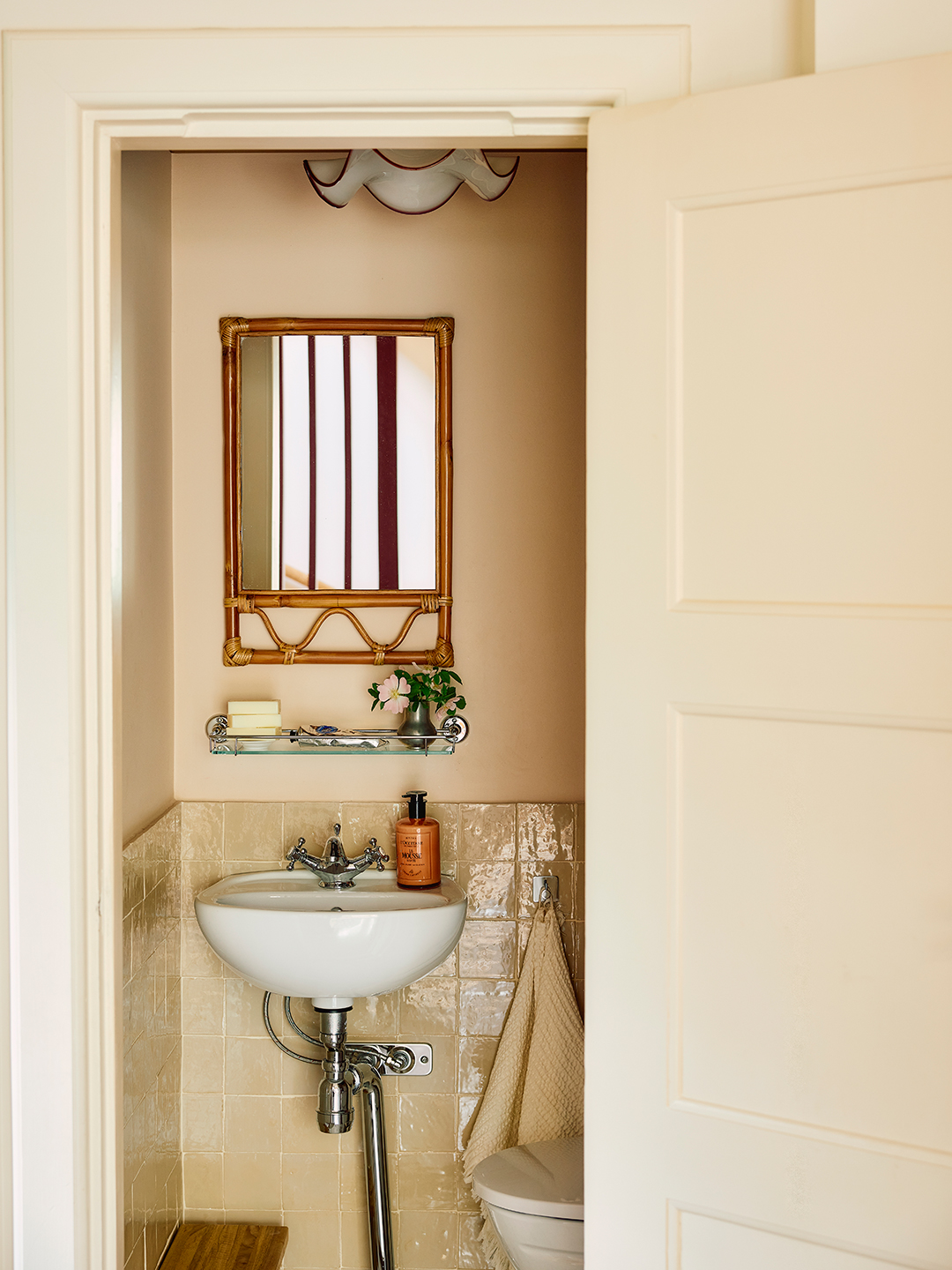
One thing Stridh doesn’t do is worry about it all going together or having a consistent aesthetic. “The ‘red thread’ is my touch,” she says, referencing a popular Nordic metaphor of a thread that runs through and connects themes, stories, or rooms within a home. “I don’t need everything modern or everything French country style or Italian. I just want to mix things that I like and that’s the style.” Indeed, the house has a singular point of view that holds it all together in a beautiful way, proving that knowing your own taste is the most important decorating rule of all.
Shop the Look