
We may earn revenue from the products available on this page and participate in affiliate programs.
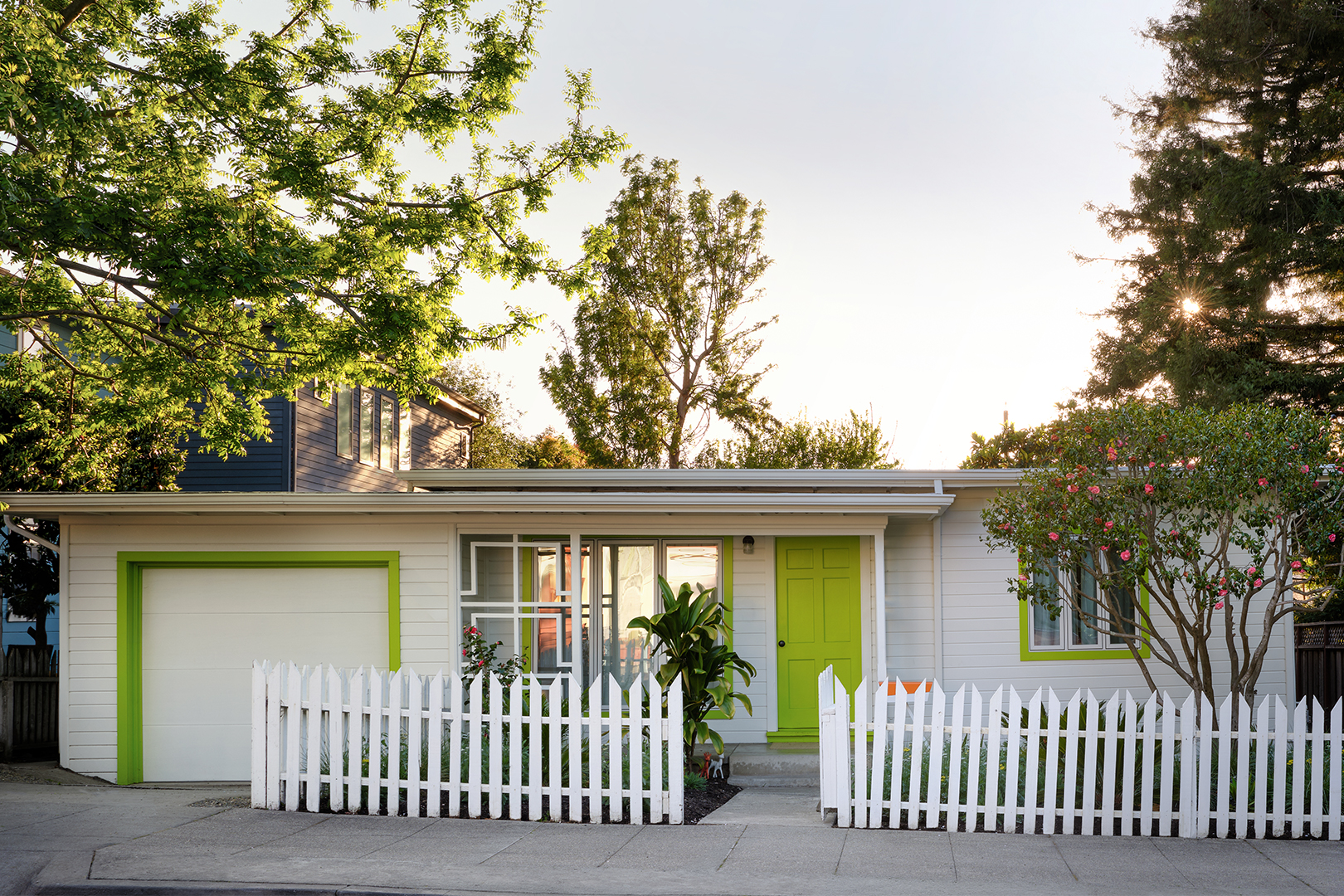
It all started with an email. Jihan Spearman, owner and principal of Spearman Spaces, was driving to her clients’ home in Berkeley, California, for a design presentation when she saw a message from them pop up on her phone. “I remember the intersection I pulled over at. I still pass it to this day and I’m like, I was pulled over there for like 20 minutes in shock.”
It wasn’t a quick note that they were running late, but rather a bombshell: They purchased a new house. After quickly scanning their message to find the important information—Was she fired? Were they moving out of state? —Spearman saw what she was looking for. “The email went on to say, we’d love for you to design the second home as well, if you have time to talk about it after this meeting.”
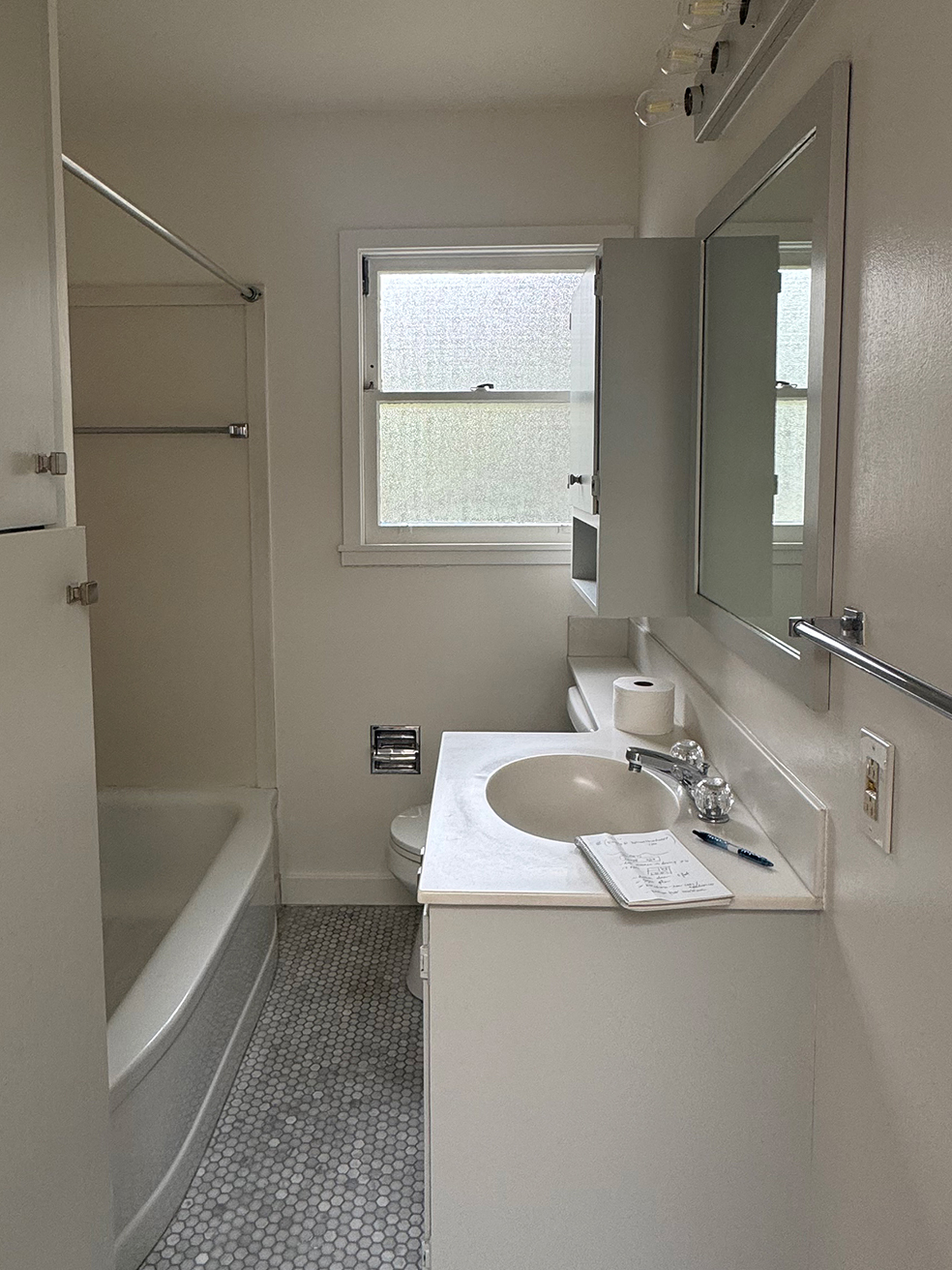
Her clients were already about to embark on a multi-year renovation of their 1949 mid-century modern home, as they were set on staying in their neighborhood. But when a nearby house went up for sale, they jumped at the chance to make it their family’s interim home during construction. As Spearman remembers, it had potential to be a cute little bungalow, though it had been stripped of character from so many remodels over the years. “It felt to me like it wanted to be broken out of this very sad beige jail,” she says.
Gratitude for a second project quickly turned into nervousness. They were about to begin demolition on the primary home and Spearman Spaces and their contractor at MN Builders both had a full schedule of projects. To get this bonus bungalow ready for move-in day, they would need to complete the renovation in three months. It was a once-in-a-lifetime design challenge. “I don’t think I would’ve taken on the project if it wasn’t for these clients because they are so trusting and they are so fun,” remembers Spearman. Here’s how they were able to pull it off in a flash.
Shop Only What’s In Stock
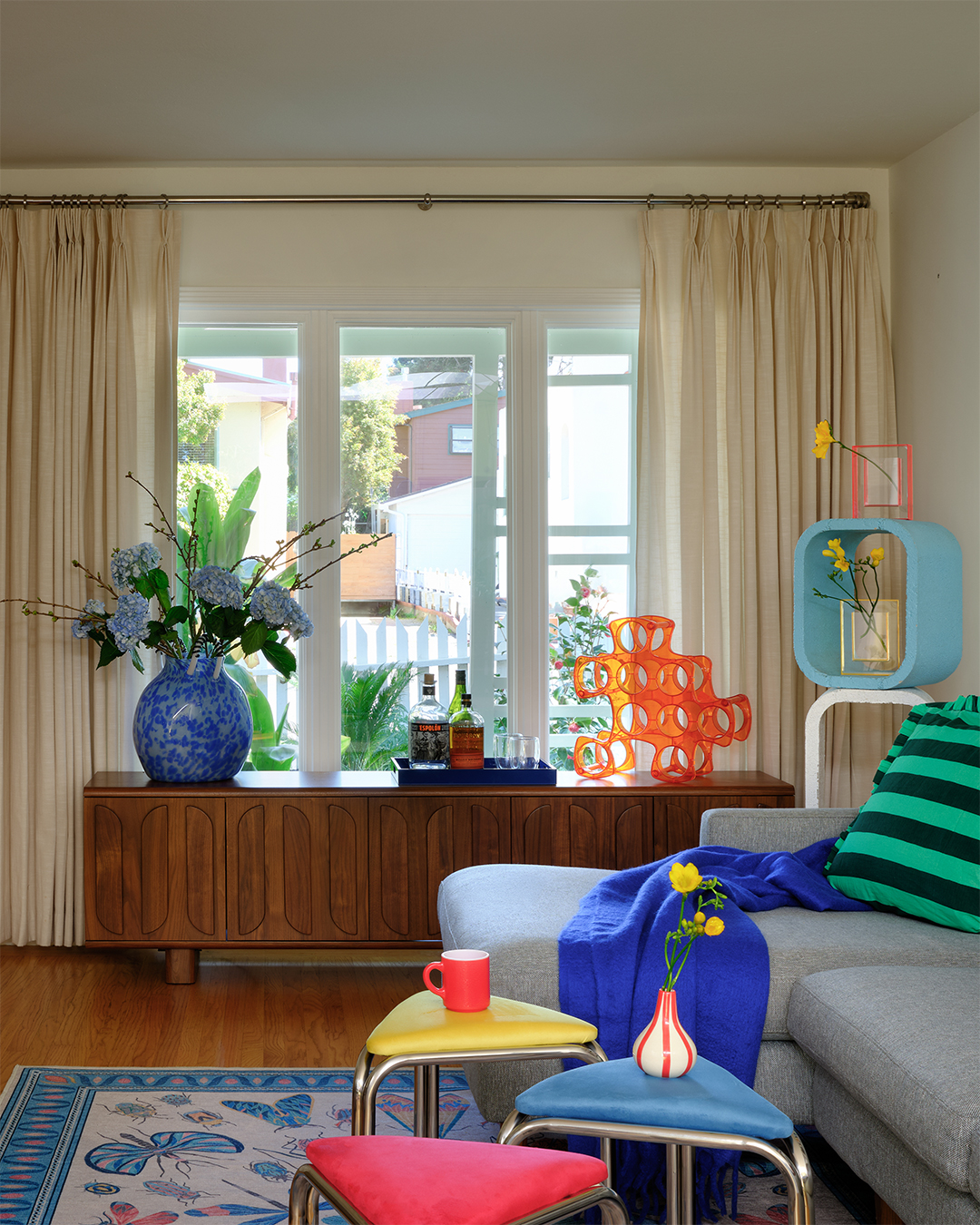
Spearman threw her buttoned-up process out the window, a painful exercise for the Type A designer, and instead embraced a speedier approach. Two weeks after seeing the house for the first time, the team presented plans. One week later, they began purchasing. They stuck to in-stock items only and shipped them directly to the property, not their receiving warehouse. Miraculously, it went relatively smoothly—only two items arrived broken. When the lead time for pieces was too long, they purchased the floor models and not a single custom piece went into the home. Materials were installed by the builder as they arrived. Crossing their fingers and pivoting design plans on a weekly basis paid off.
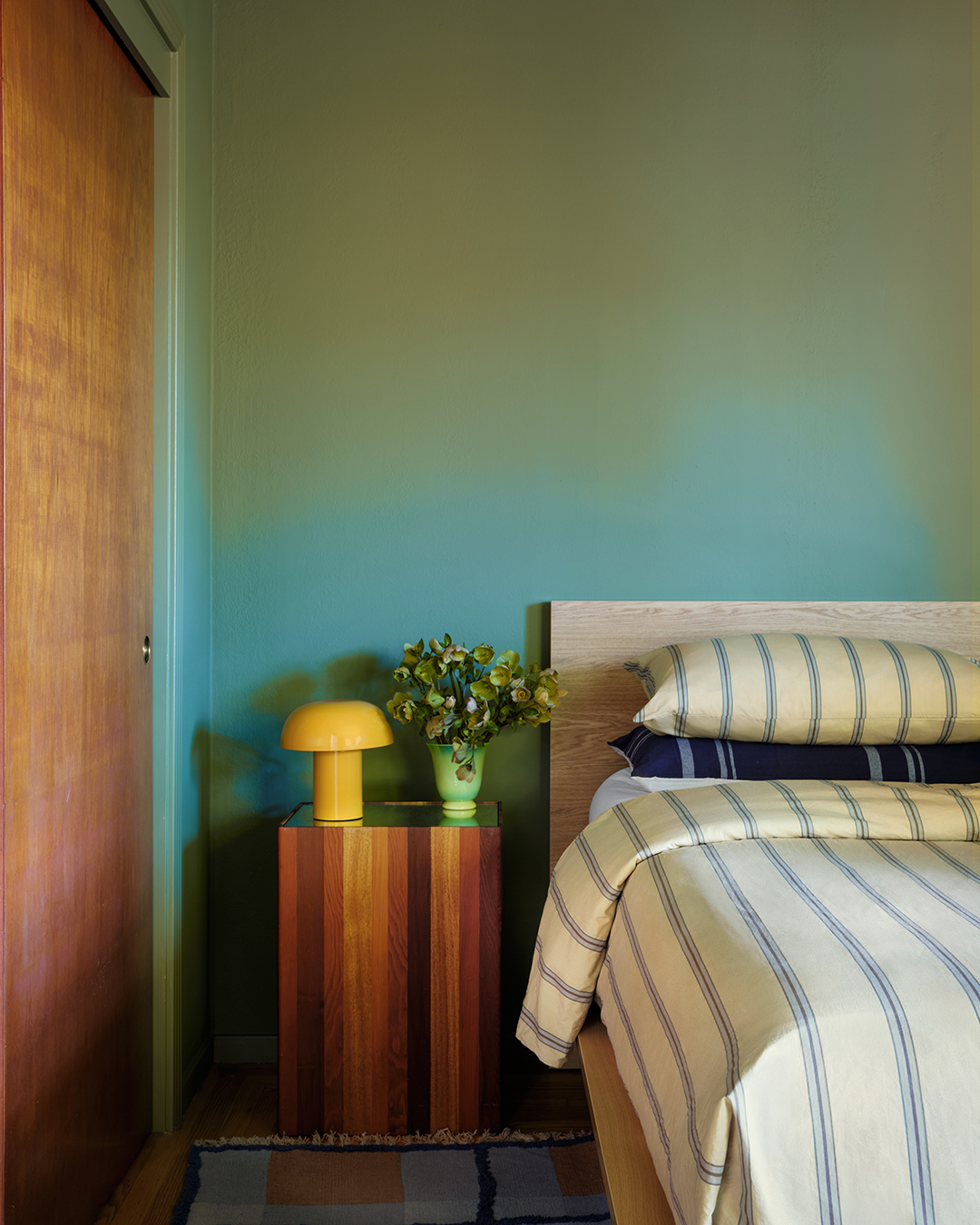
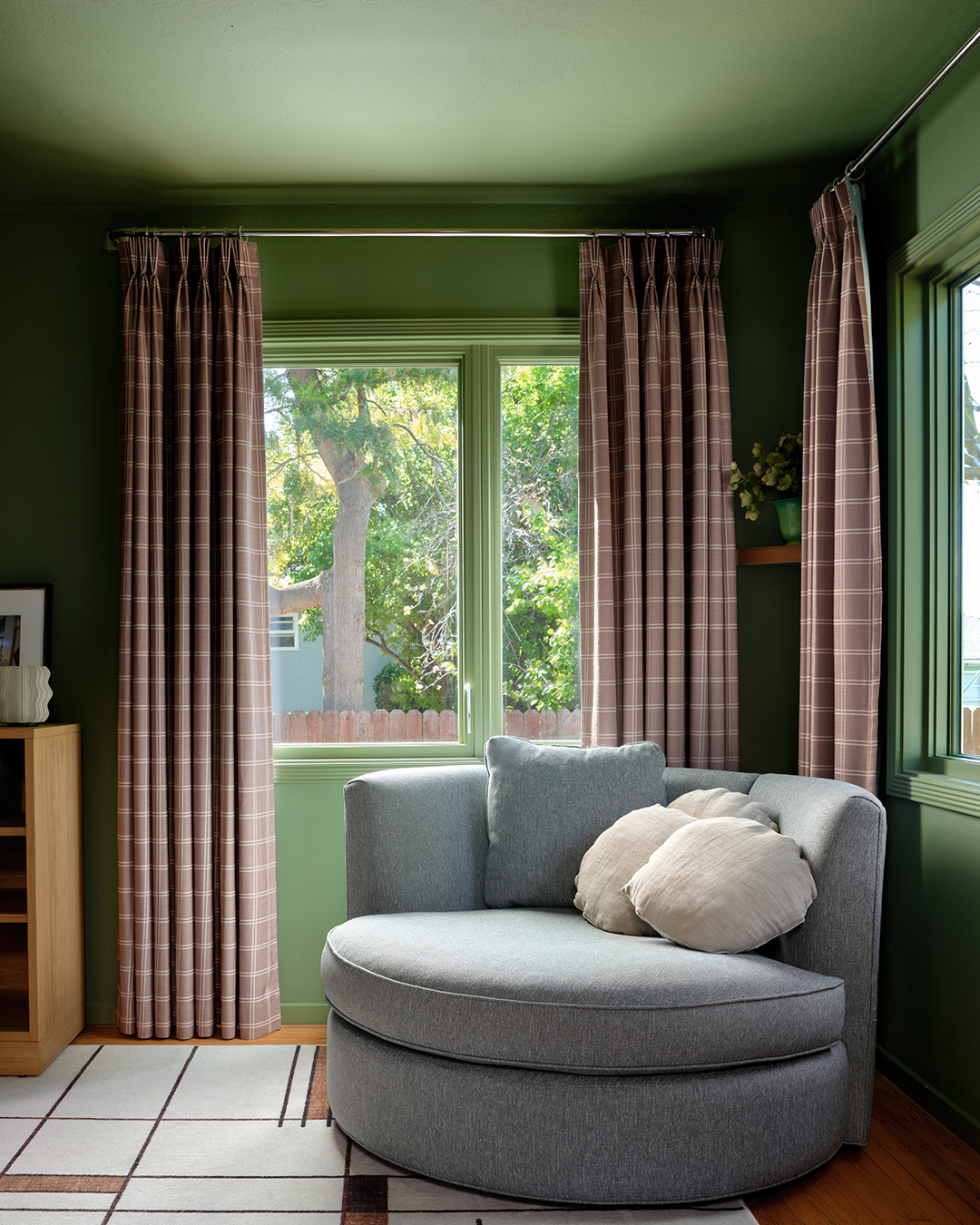
“All of these design ideas are just kind of spilling out of our brain,” she remembers of the accelerated process. “And then, you know, the items are arriving on site, there’s very little, ‘Does this go well with that? Can we do this? Are we breaking too many rules?’ It was really spontaneous.”
Embrace the Layout You’re Given
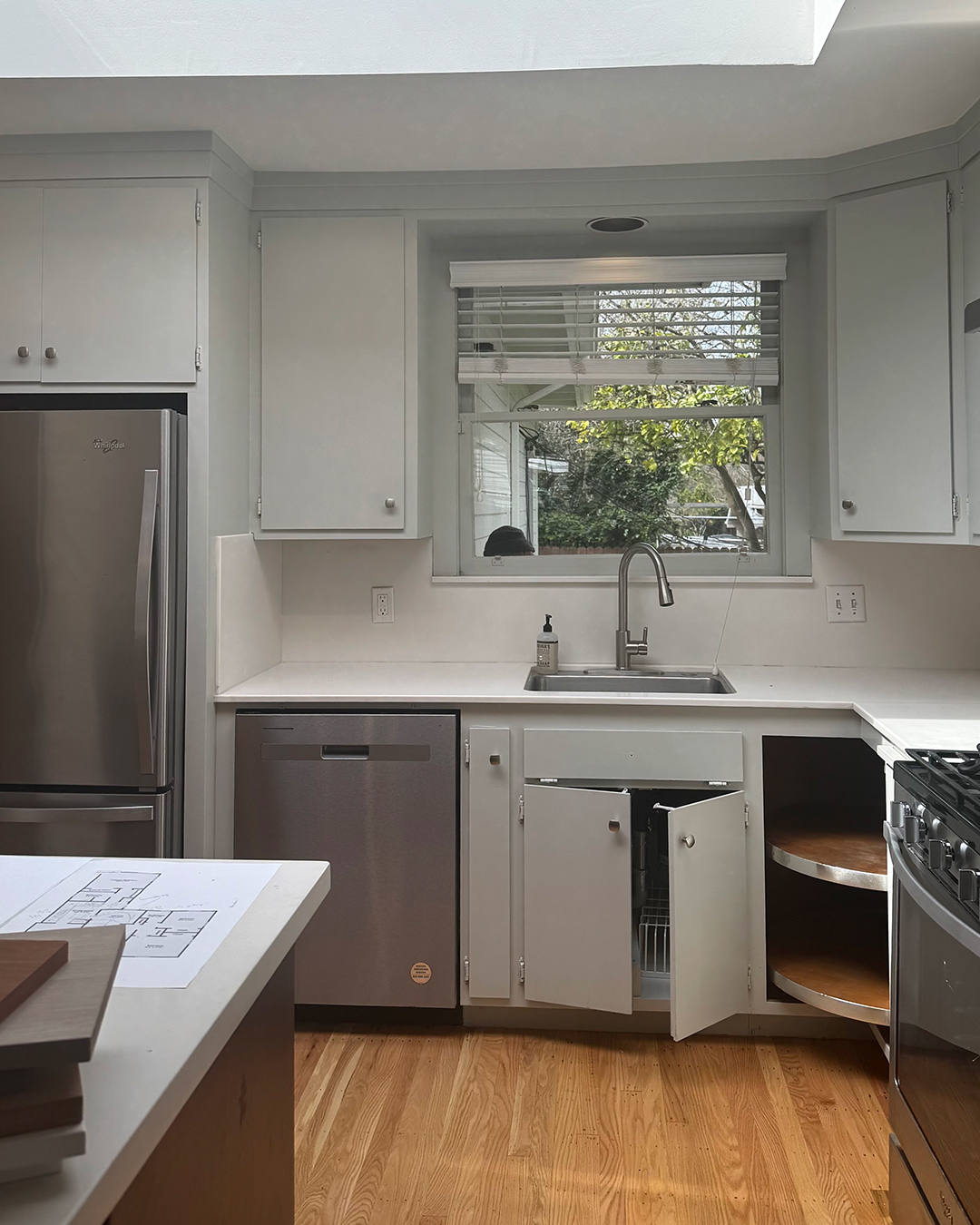
Because this home will be rental property in the future—and to keep the renovation as streamlined as possible—they didn’t move any walls, they left the skylight in the kitchen uncentered, and they didn’t fix the flow between rooms. “It was a struggle to ignore the fact that this is not a perfect layout,” the designer says.
Her team’s process usually includes intense cataloging of their clients’ belongings, including linear feet of books and shoes, down to the number of serving trays and mugs, that way they can carve out the perfect place to store them. “We just had to ignore that with this house,” she continues. “It was like, look, things are going to be where they’re going to be.” Luckily, there’s a lot of interesting things you can do with tile, a can of paint, and an adventurous aesthetic.
Go Bold in the Bathrooms
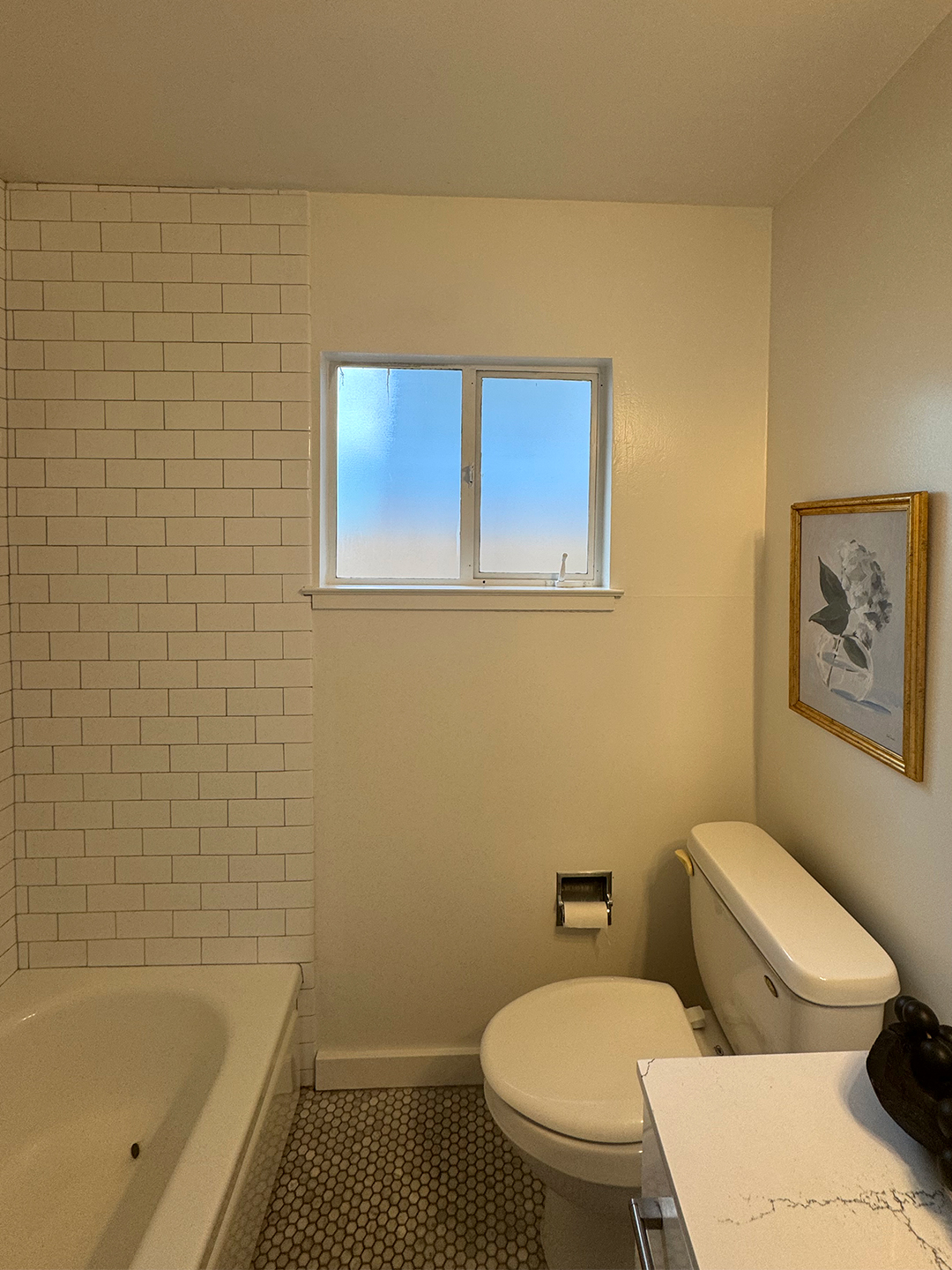
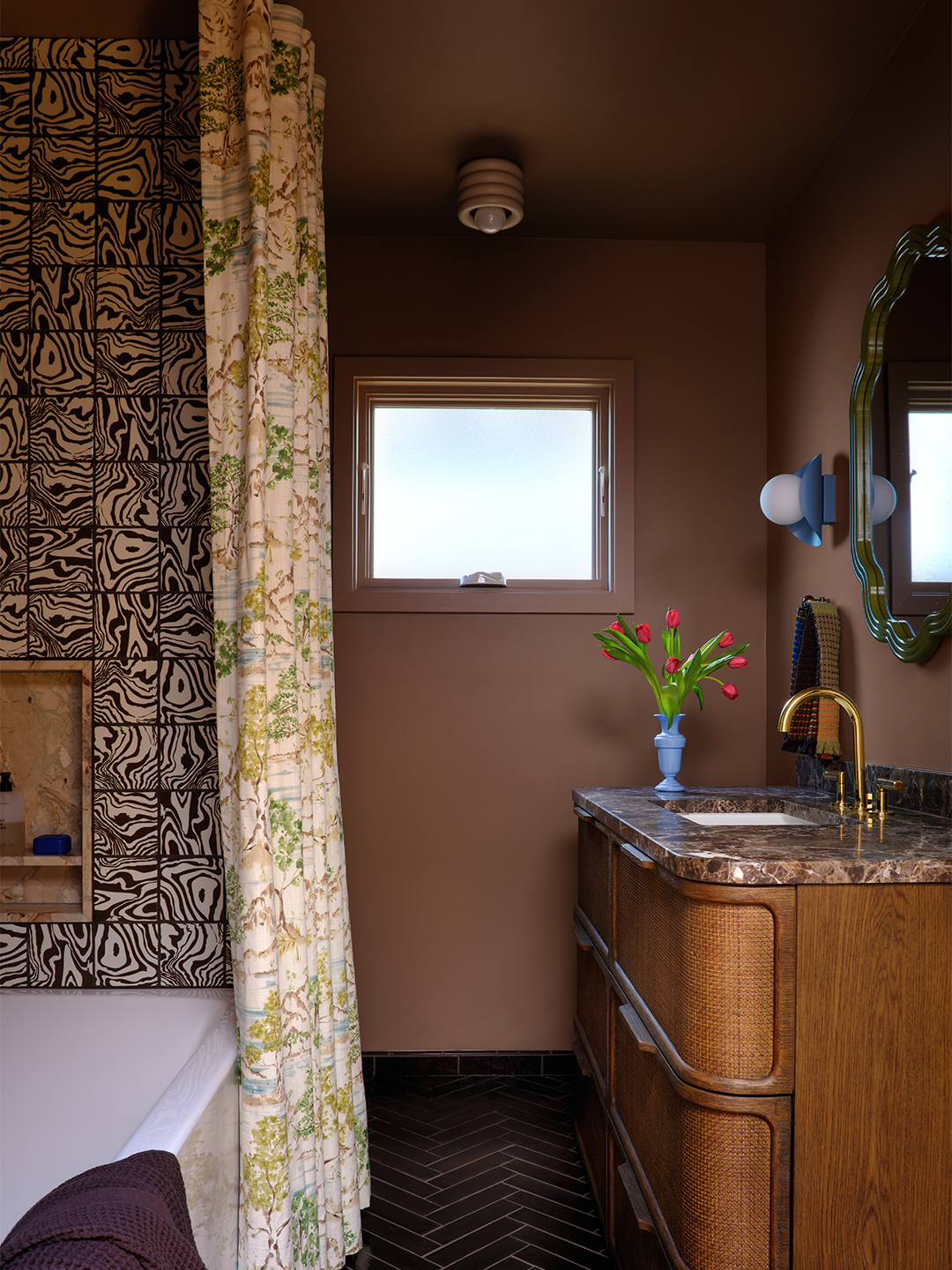
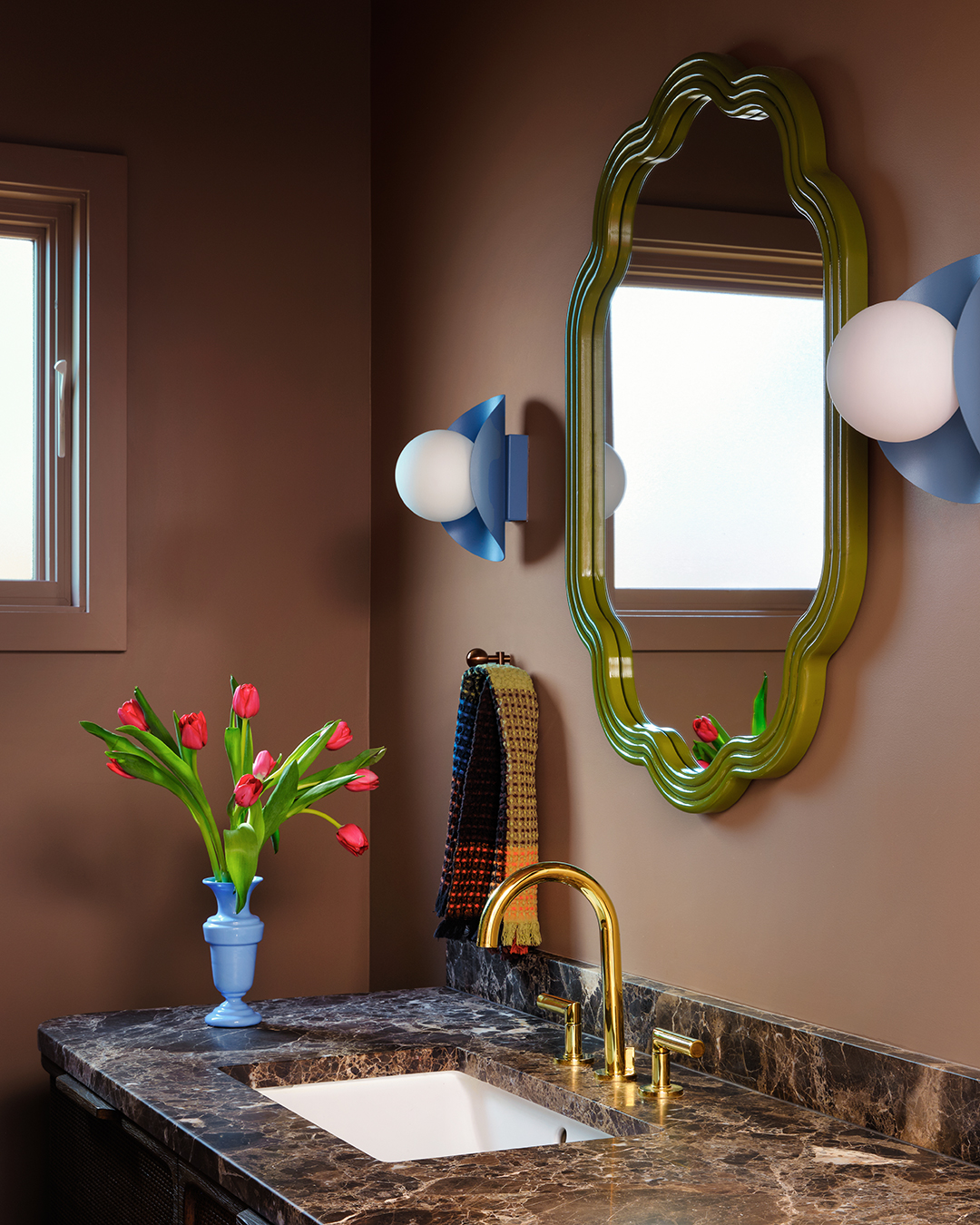
Two locations that were greatly improved: the bathrooms and kitchen—but not without some aesthetic risks. “For their primary bathroom we thought, what is something we could do that no client would ever let us do in the history of the world?” she says. The answer was an all-brown space. They painted the walls Rookwood Brown by Sherwin-Williams, clad the shower walls in groovy glazed tiles, went with glossy herringbone tiles on the floor, and topped the vanity with a heavy slab of Emperador Marble. “It feels like a sanctuary, more like a spa,” she says. “You can make brown really sophisticated and luxurious and feel really intentional and wonderful.”
Choose a Goes-with-Anything Cabinet Color
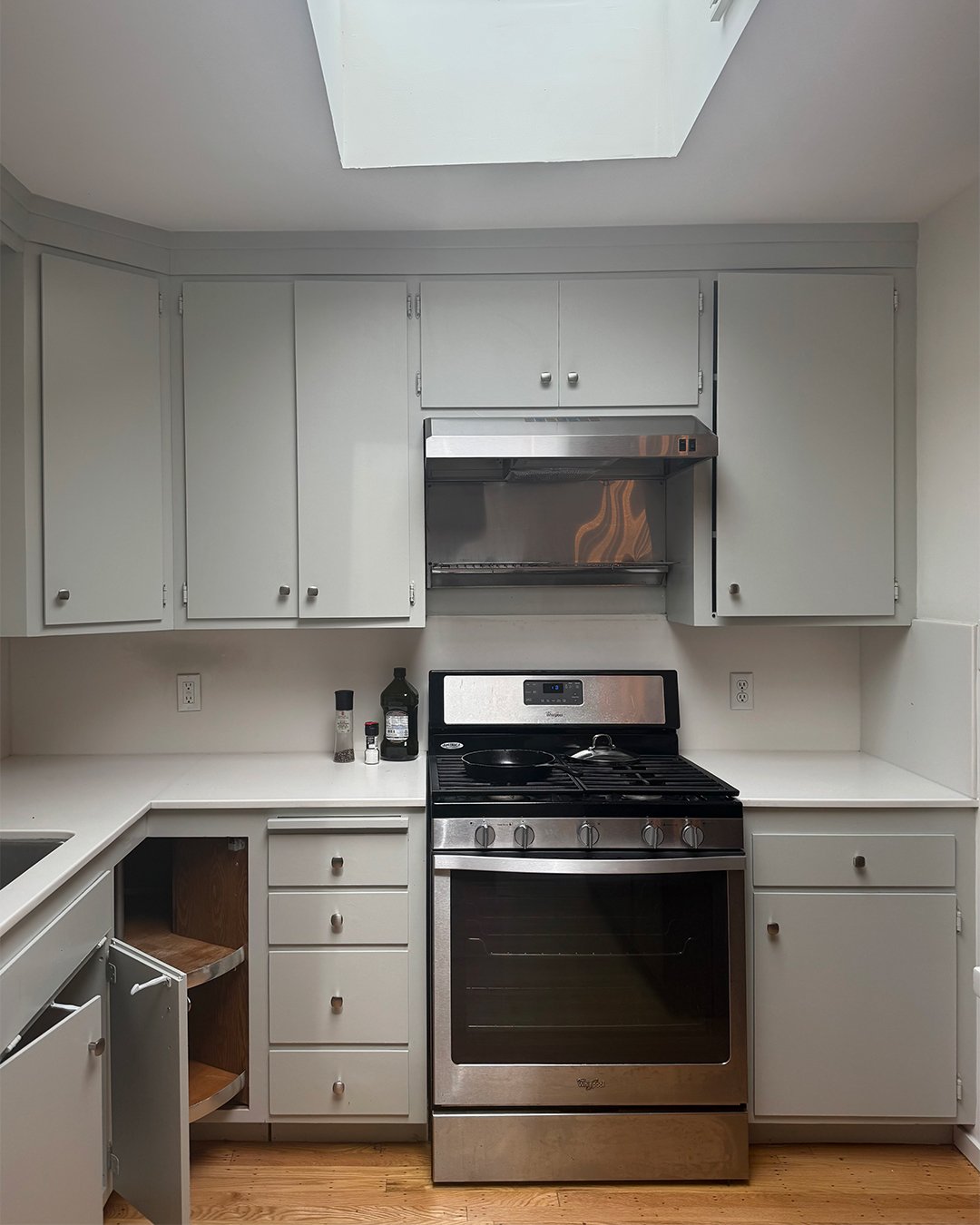
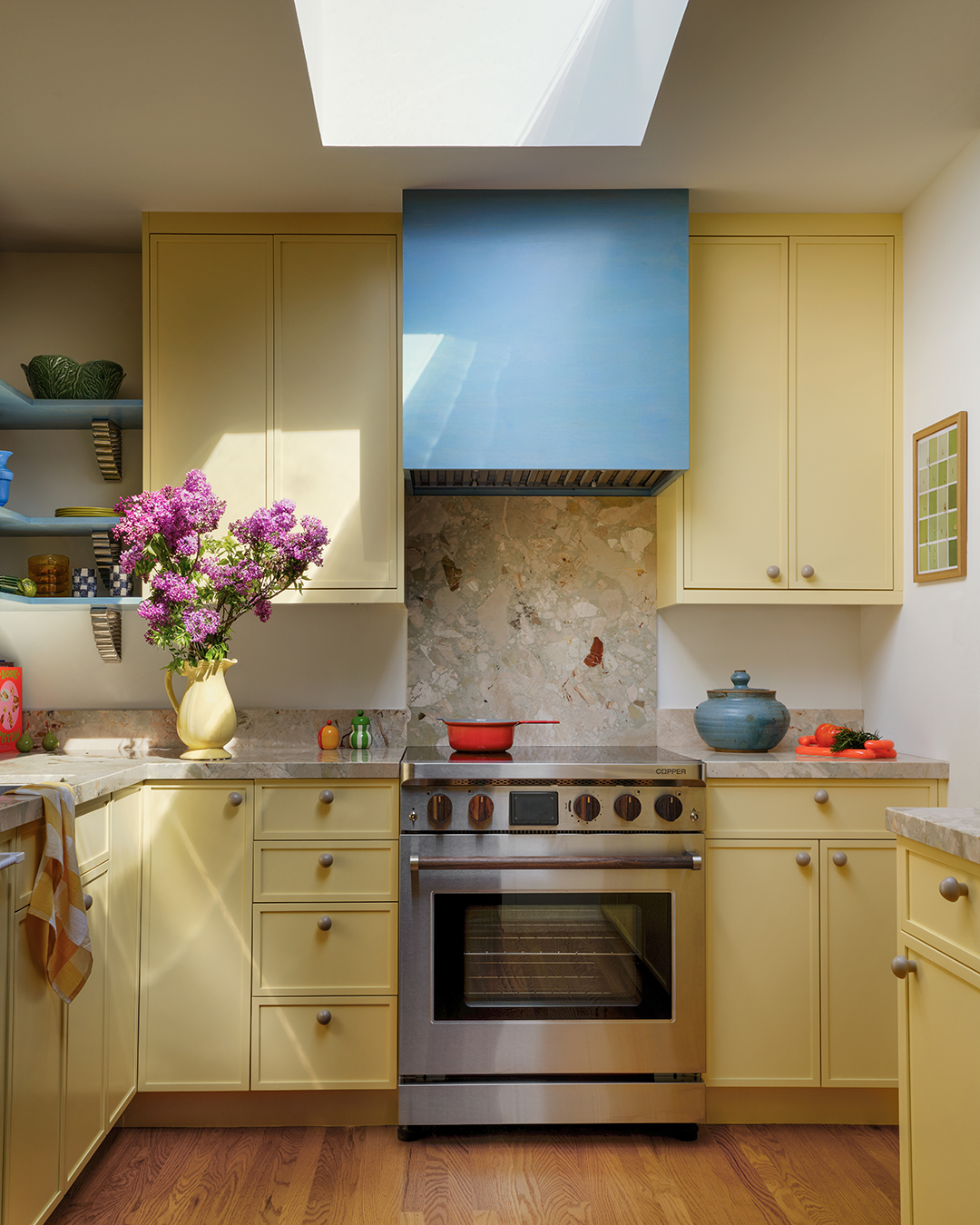
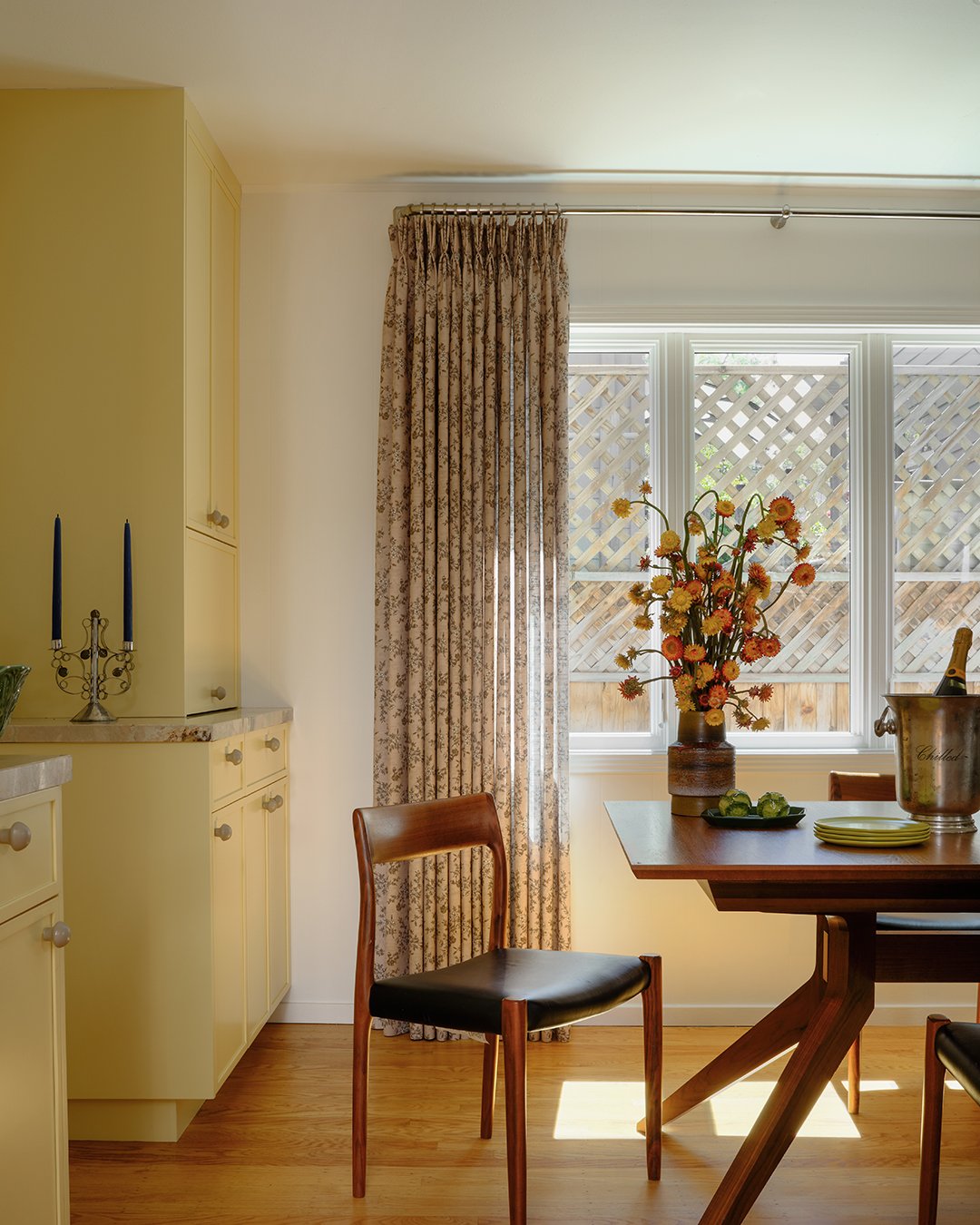
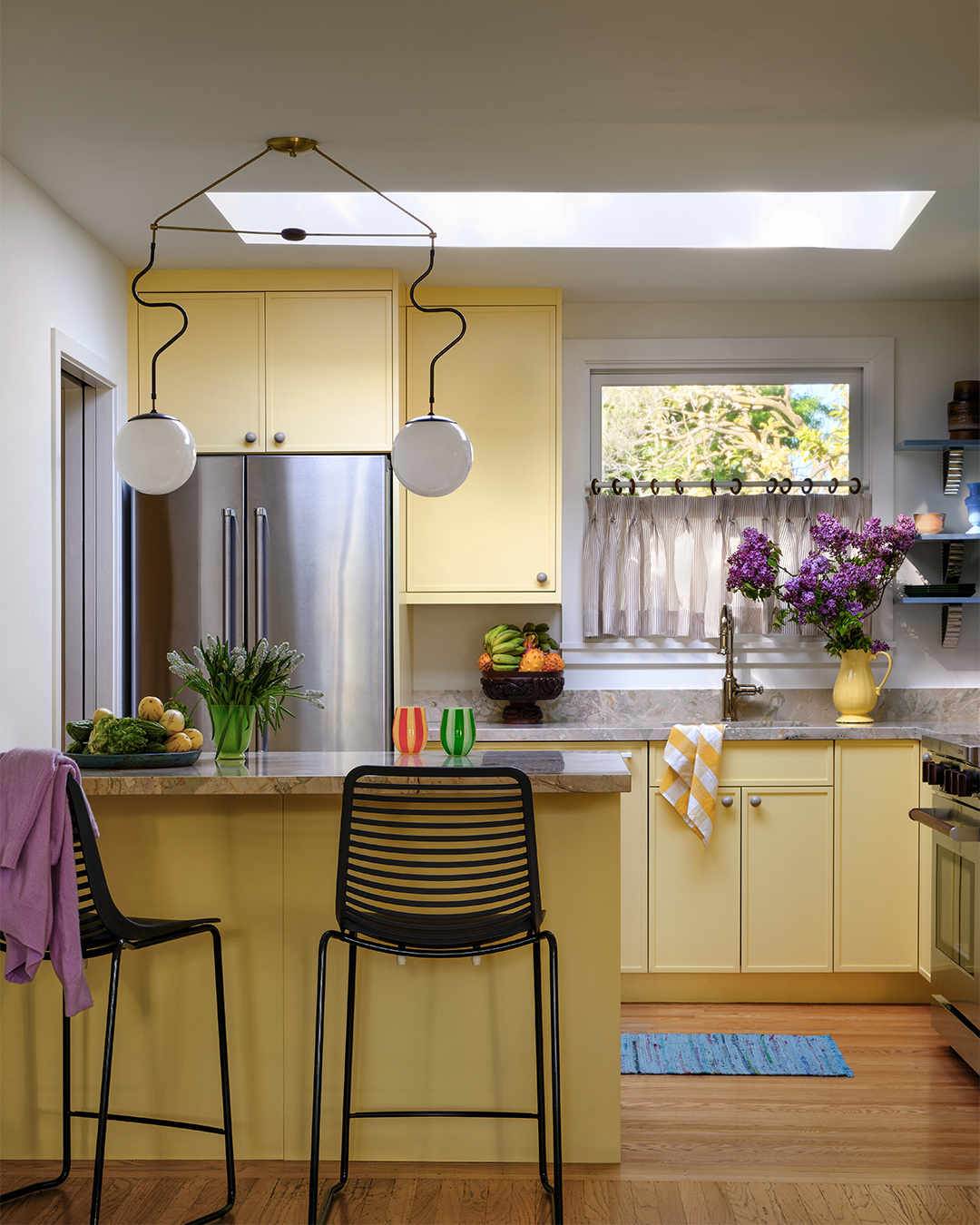
The kitchen inspiration was less controversial, yet still humorous and adventurous in its own way. The countertop from All Natural Stone in Berkeley is called Quattro Stagioni, which is also the name of a pizza. “It’s really funny because when you Google it, you either get this gorgeous Italian marble slab or…a photo of pizza,” she says.
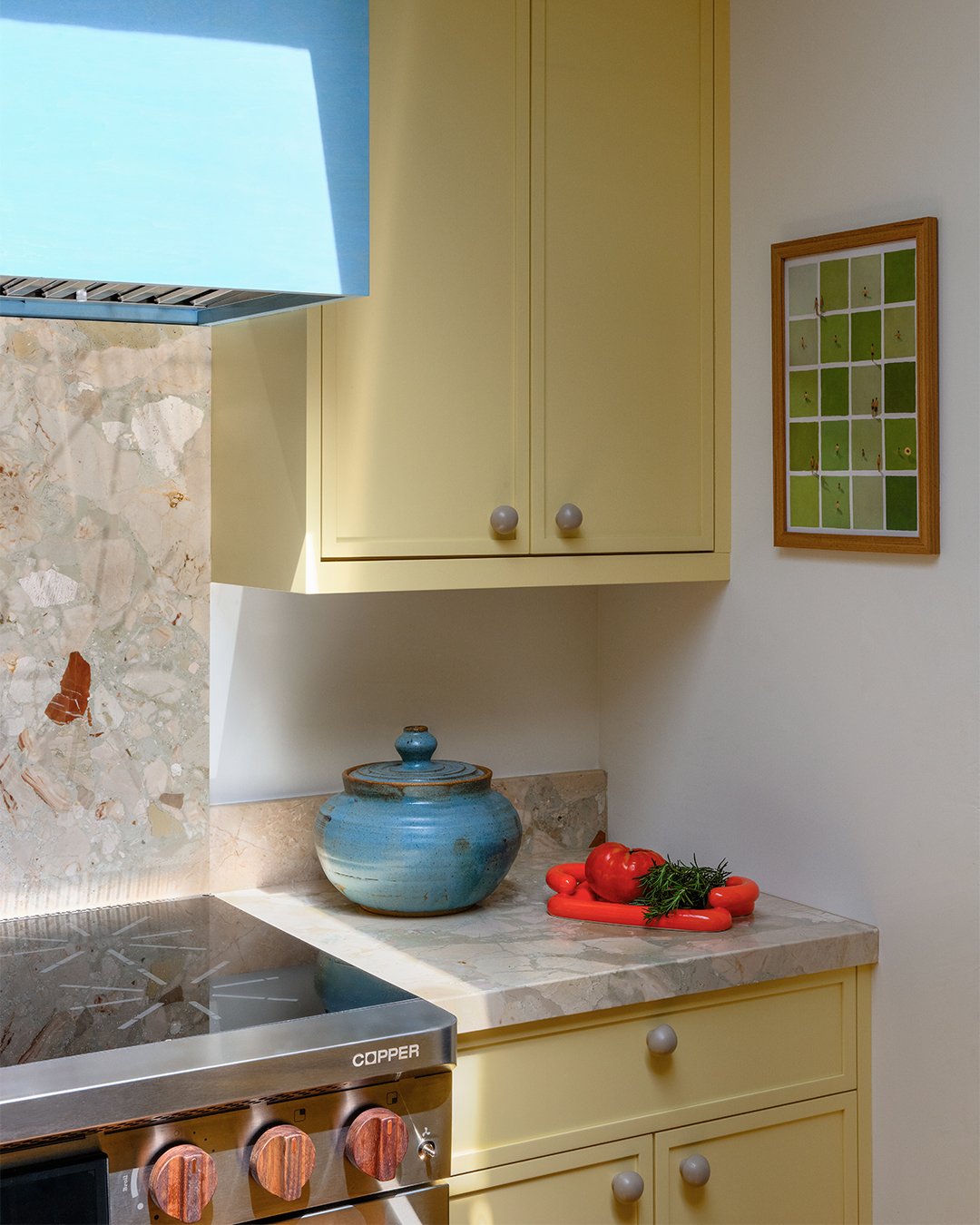
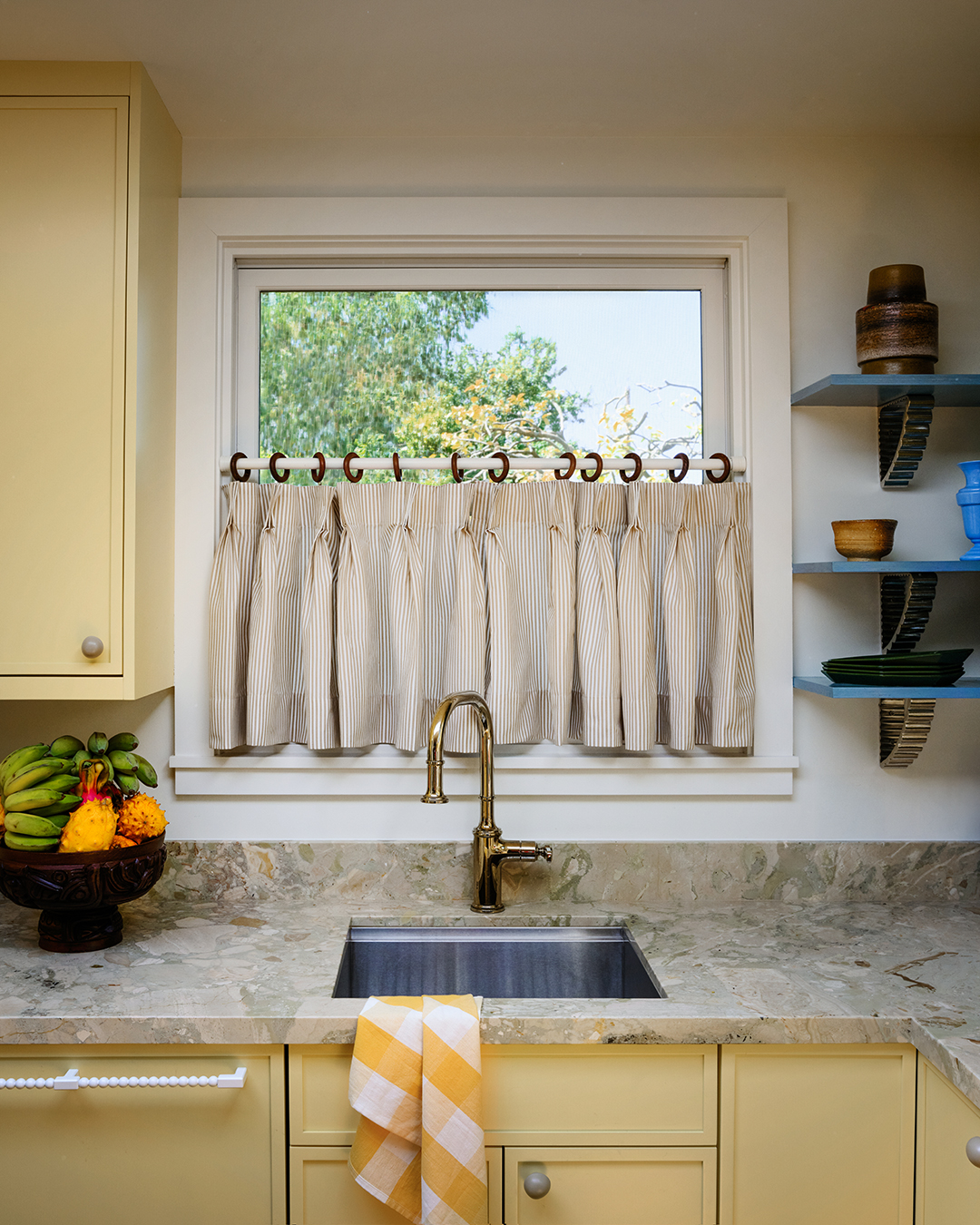
The catch? The kitchen cabinets needed to be ordered first, so they had to select a paint color not knowing what the worktop was going to be. Turns out, Friendly Yellow by Sherwin-Williams was a safe—yet still stylish—choice that paired well with the “pizza marble.” Round knobs from Lo & Co, a blue-stained wood hood, and quirky lighting from Lostine brought more playfulness and personality to the space.
Avoid Matchy-Matchy
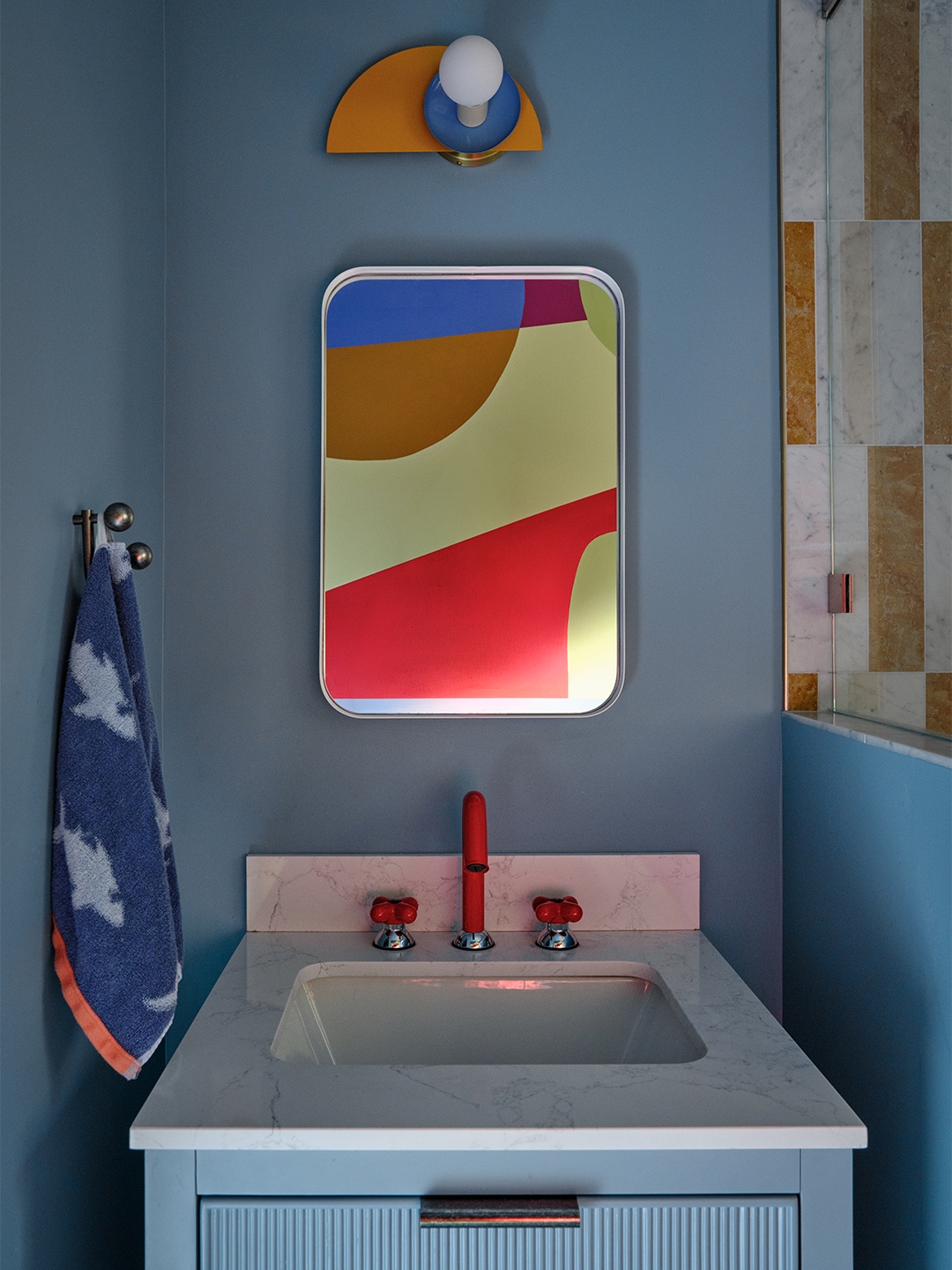
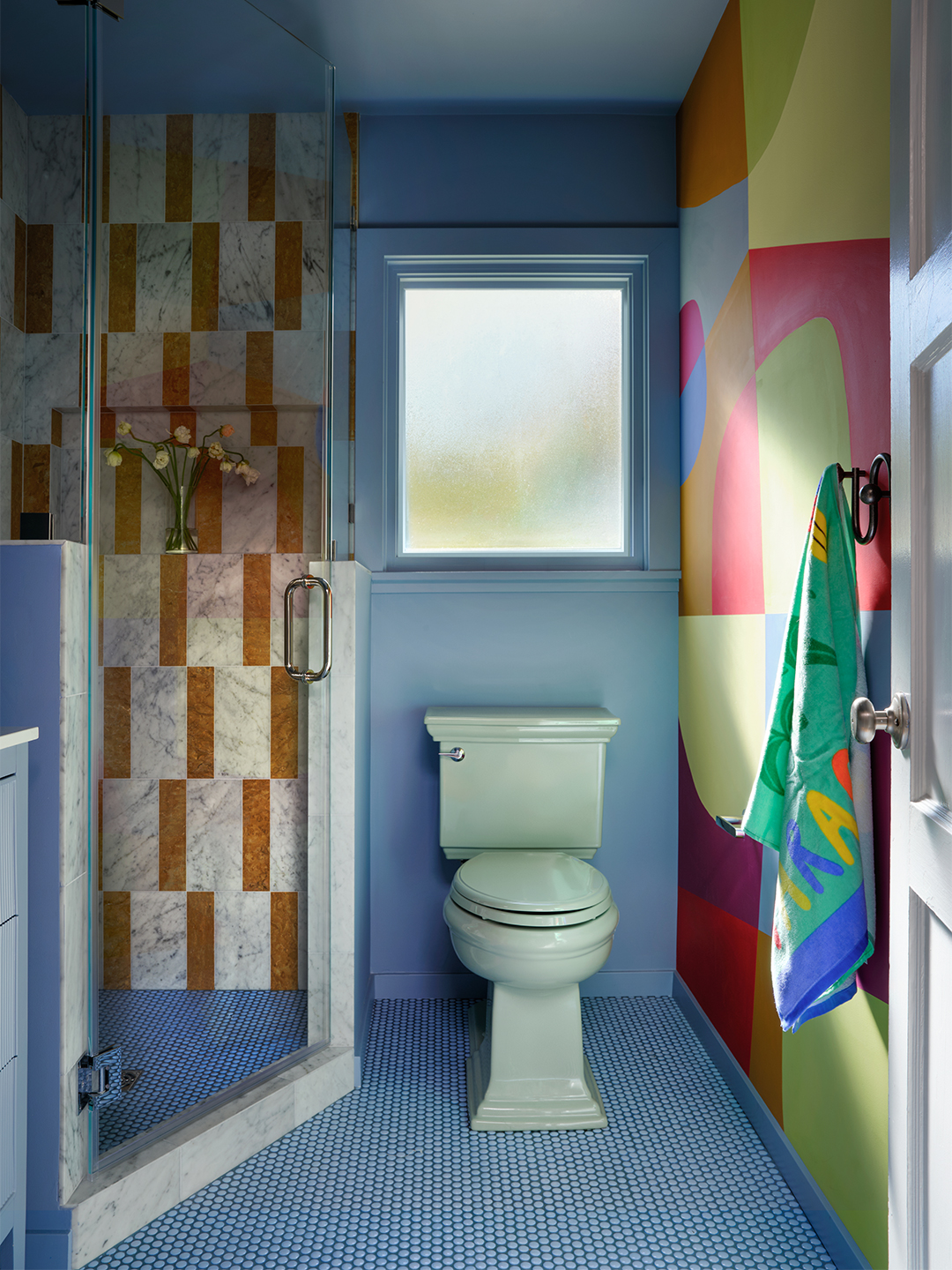
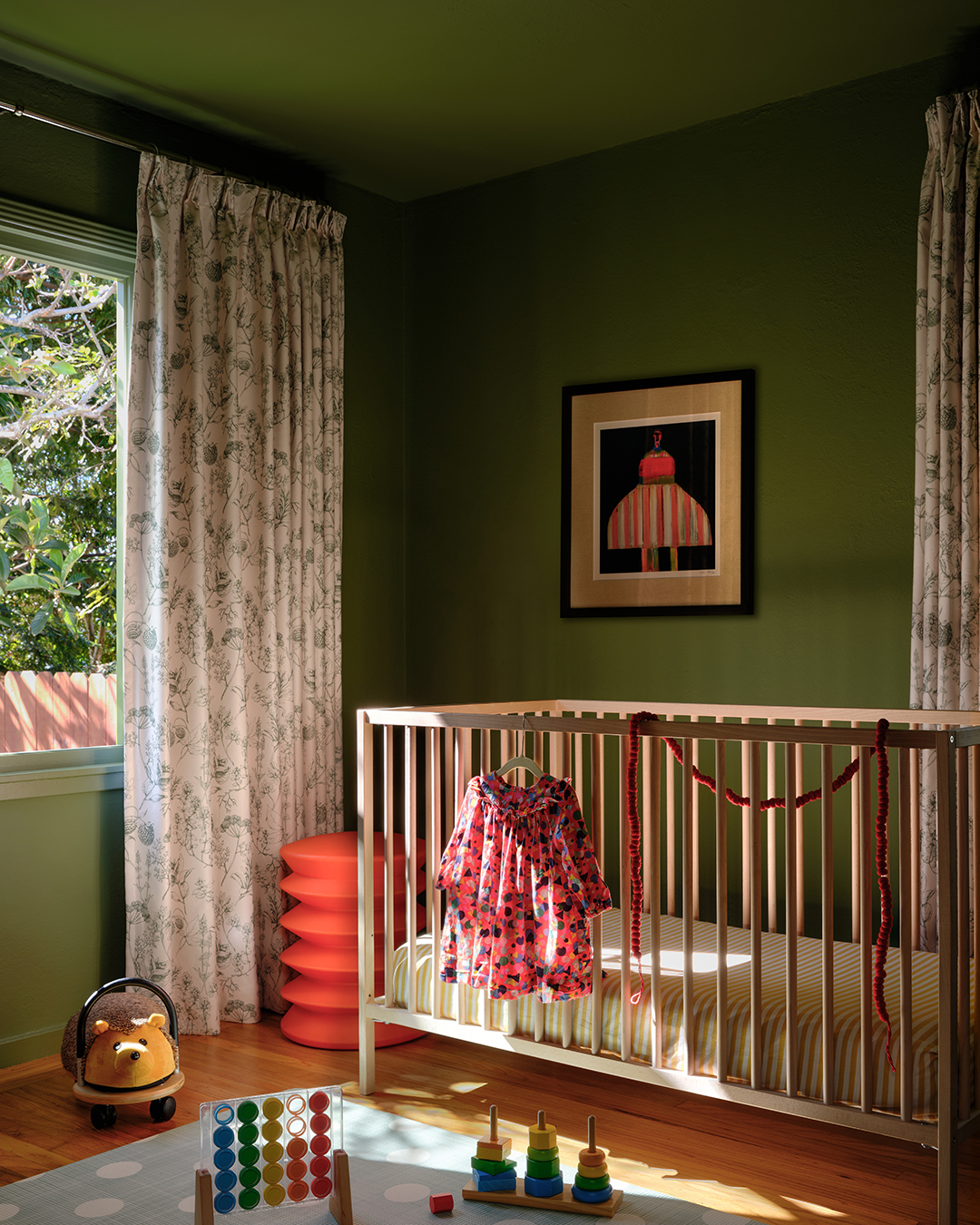
When it comes to selecting colors, Spearman has an airtight approach: come up with the craziest ideas possible before backing into concepts everyone can get behind. Some schemes are easier to sell, like drenching the kids’ bedroom in a punchy blue to contrast with the bright orange Room & Board bunk bed. Others, like adding a hand-painted mural by artist Samantha Crocker of Studio Provecho in the bathroom, took time to get just right.
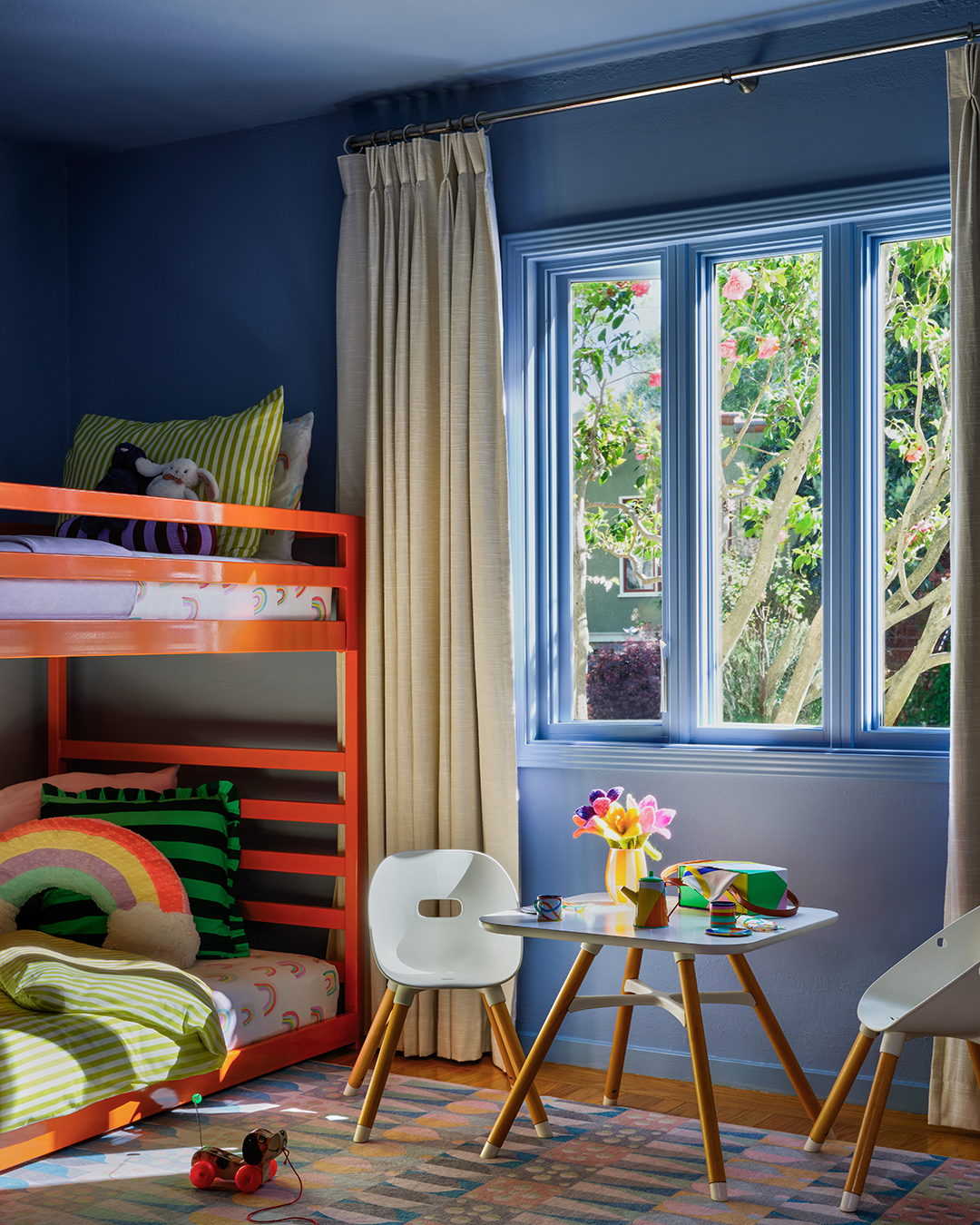
“My personal design aesthetic tends to be a bit untamed. I’m often choosing items where there is some natural tension, I don’t like to do matchy-matchy,” she says. Even the lime green trim of the home (which everyone realized was reminiscent of “Brat Green” after the fact) turned out to be a hit.