
We may earn revenue from the products available on this page and participate in affiliate programs.
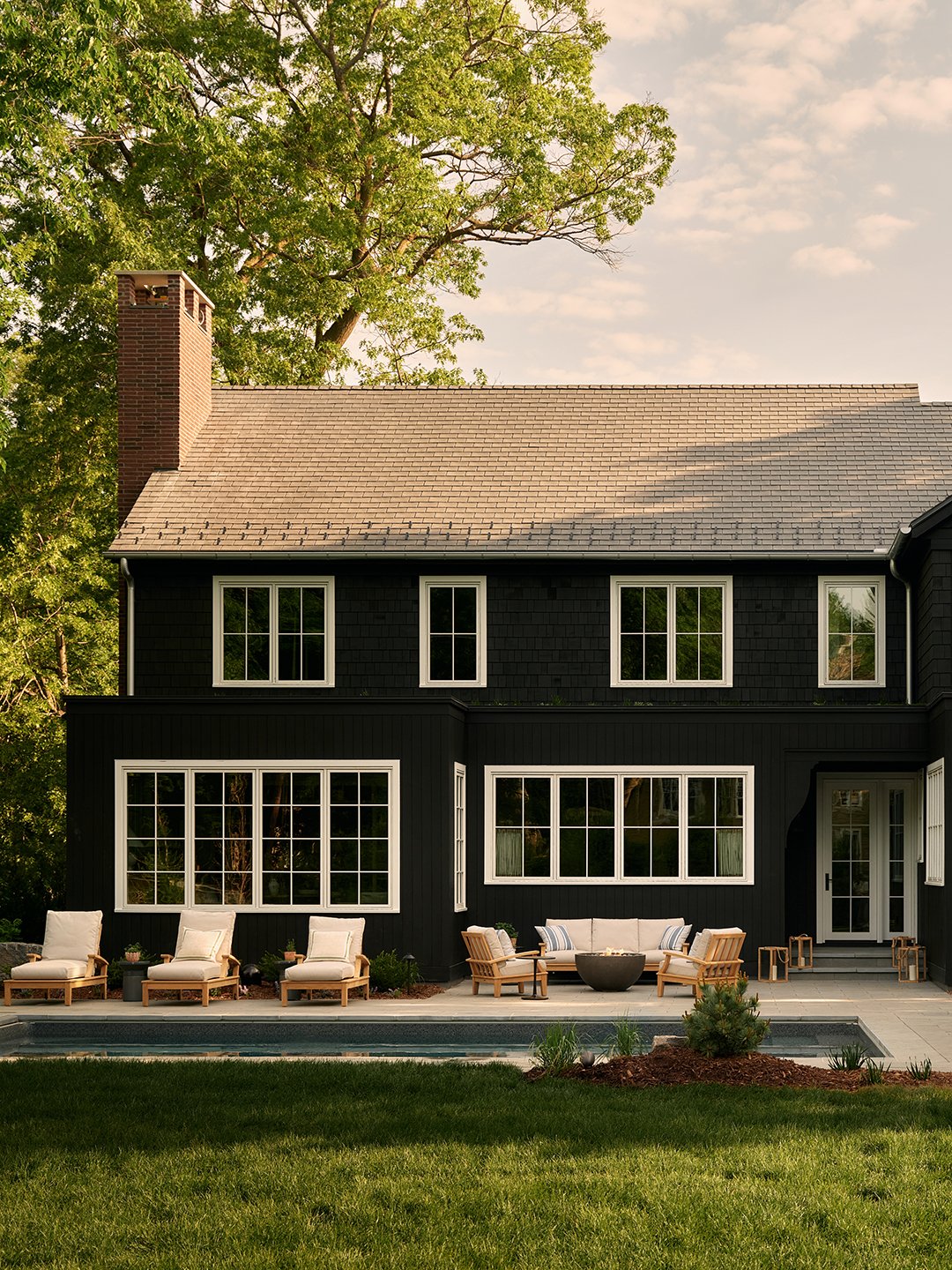
Interior designer Melissa Oholendt has a habit of going wild the moment any new-build project comes along. But when a brief for a spec house in Cottagewood, Minnesota, landed on her desk, the founder of Minneapolis-based Oho Interiors knew she had to think way outside the box. The builder, Mark Williams of Mark D. Williams Custom Homes, didn’t want just any home; he wanted one designed for an imaginary family of five who didn’t exist quite yet. “They didn’t have names, but they absolutely had personalities and habits,” enthuses Oholendt, who partnered with architect Karl Adalbert of KA Design. To bring them to life, she, Adalbert, and Williams modeled the family loosely on Williams’s own—three young kids and all—“which gave us something much more useful than designing for some nebulous idea of ‘a buyer,’” she says. They named it Mysa Hus, Swedish for “Cozy House.”
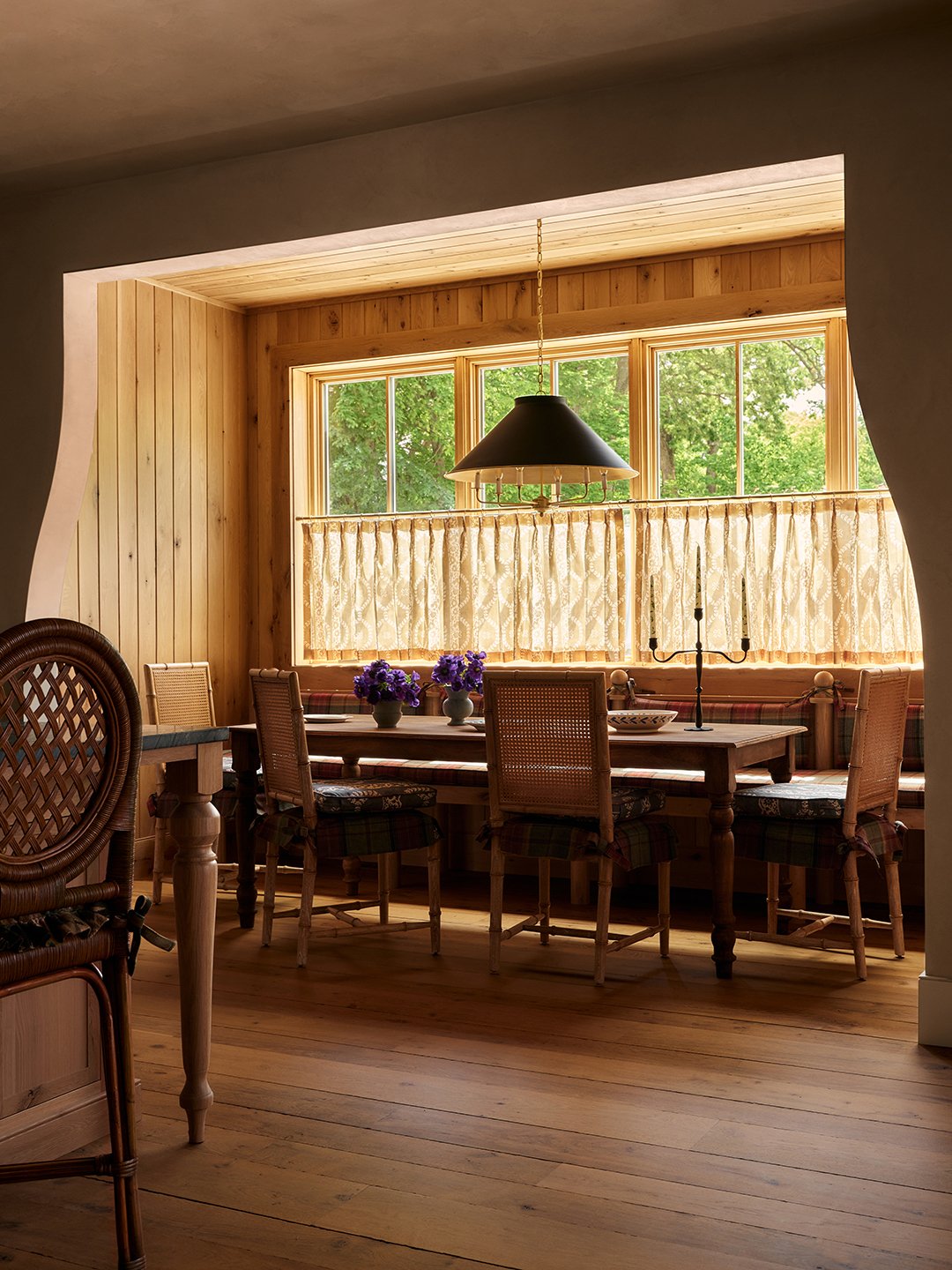
The family may have been fictional, but Oholendt held herself to true standards. “We talked about how they would actually move through a day,” she explains. “Where does mom put her bag when she walks in? Where does someone sit with coffee before everyone else wakes up? Where do the kids disappear with a book? Where does the family pile together, and where can someone retreat when they’ve had enough of everyone?” So really, they weren’t only inventing five people—they were also inventing their schedules for busy Tuesday mornings, snowy Saturday afternoons, and fun Wednesday nights. “Once we saw those moments,” she says, “designing for them became surprisingly real.”
Oholendt skipped the usual “cozy” playbook of throw pillows and cable-knit blankets. Instead, she chased warmth through brass and antique wooden objects, firelight, sun exposure, and “places where your body naturally wants to settle.” The other ingredient? Imperfection through layering things that don’t look like they arrived on the same truck. She chose hand-plastered surfaces over perfectly flat drywall, and picked naturally finished wood floors, handmade tile, and custom ironwork. Ahead, the designer walks us through the home, pointing to how a make-believe family became the blueprint for a very real one.
Was there an object that got the whole vibe rolling?
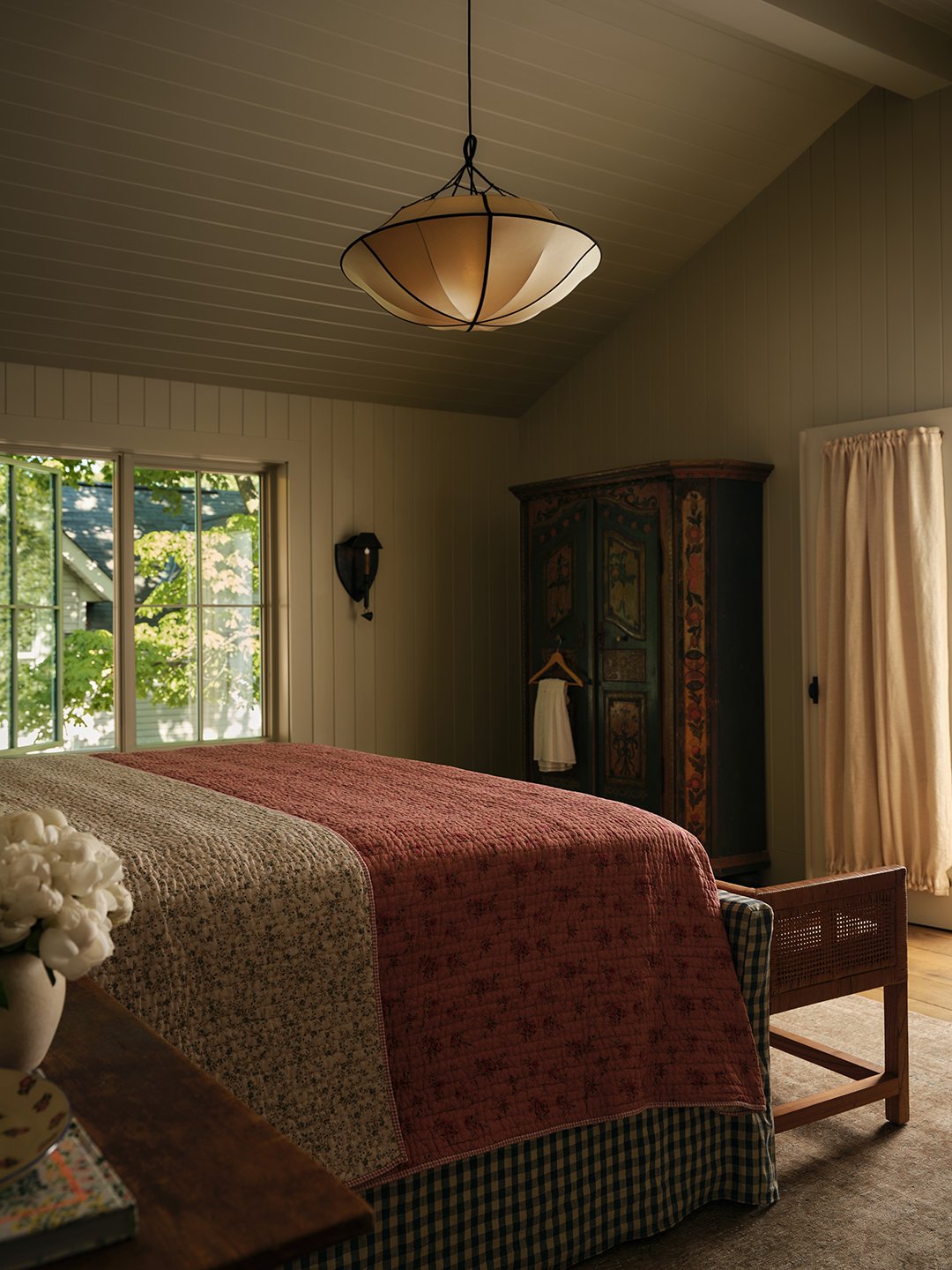
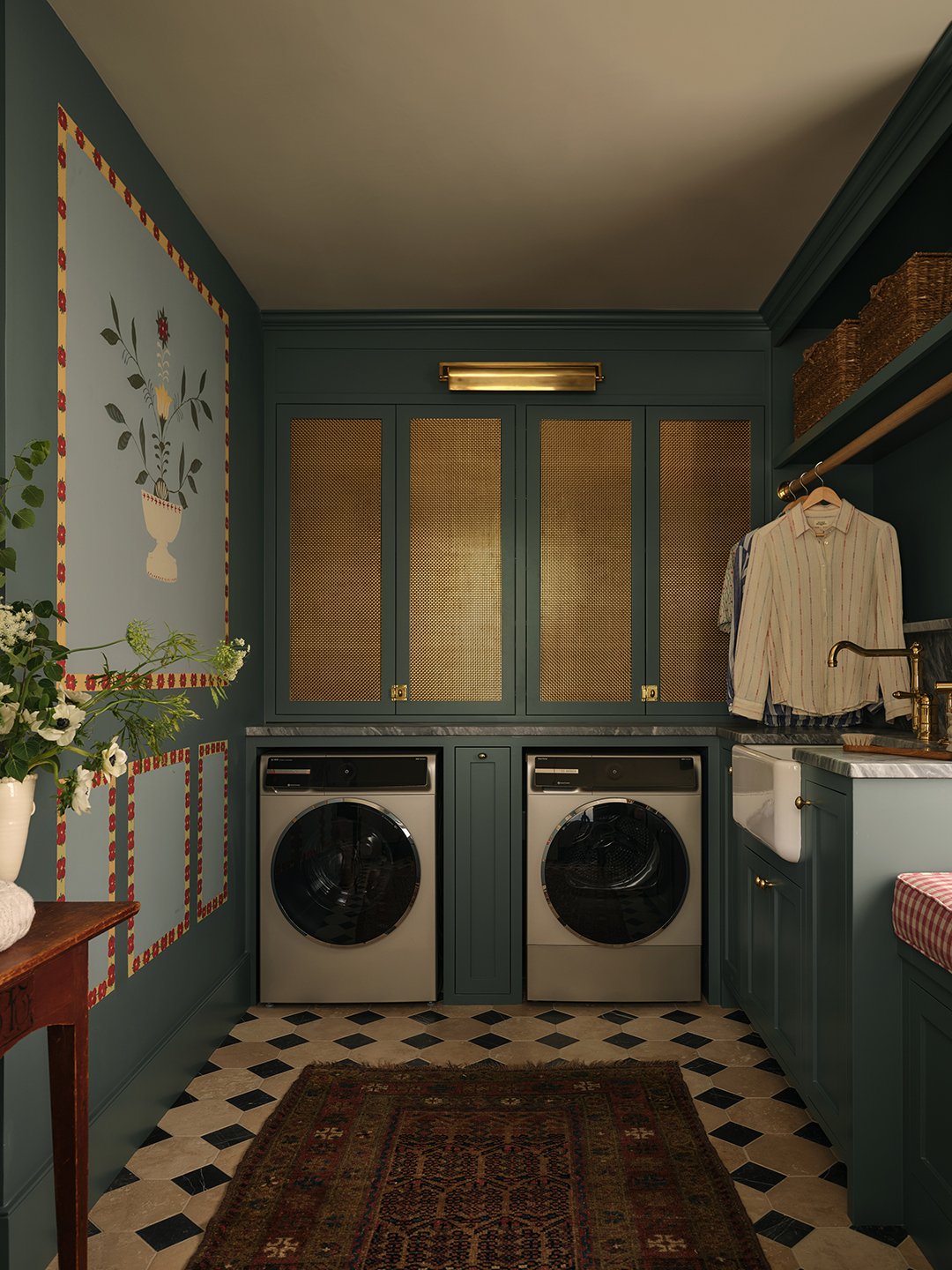
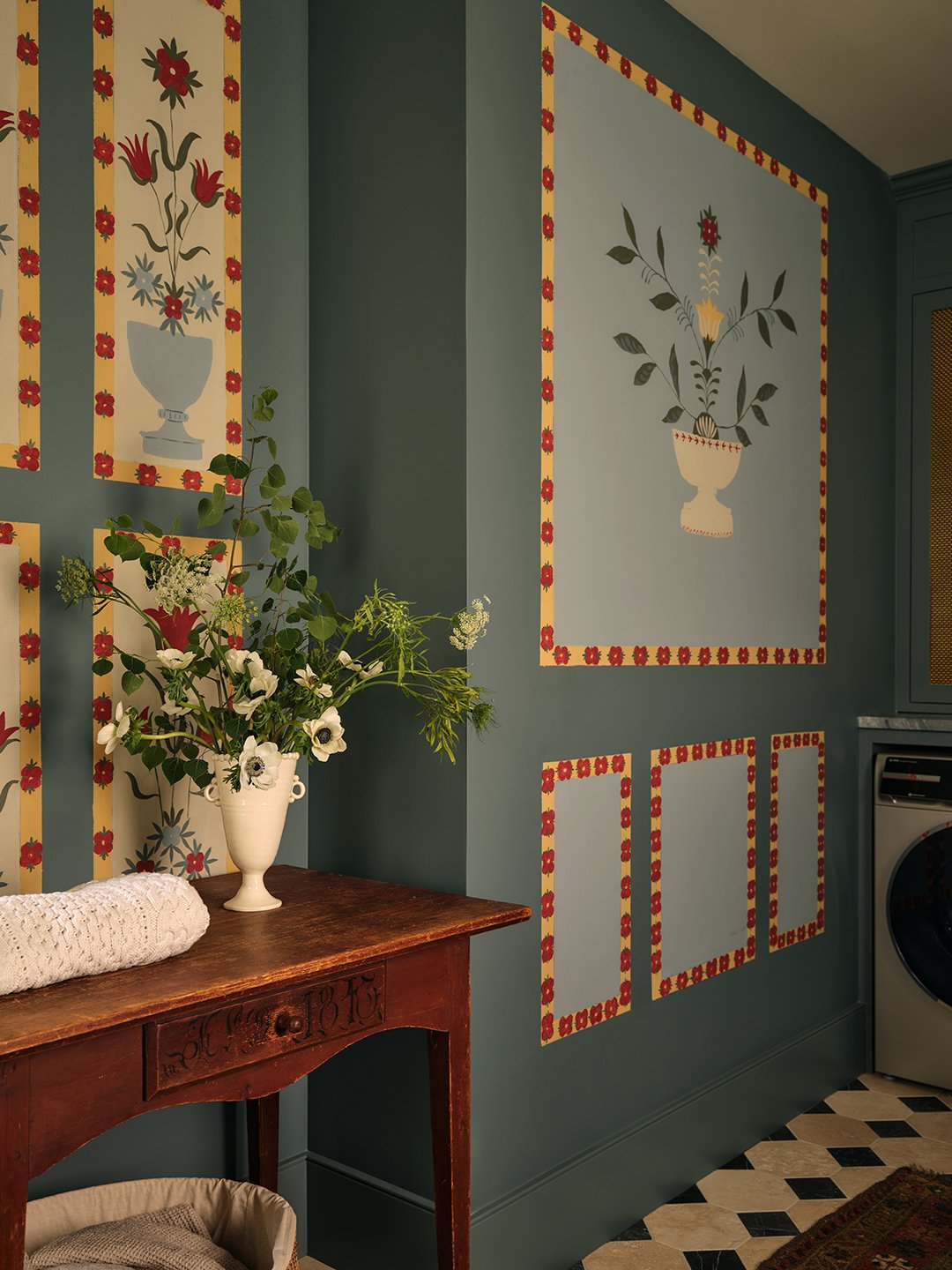
We never wanted to wait until the end and ‘decorate’ history into the house—we wanted that sense of age and story to inform the design itself. From the very beginning, likely even before the Mysa Hus concept was green-lit, I had an 18th-century Swedish rosemaling cabinet saved from 1stDibs. It sold before I could buy it, but that search led me down a path to finding the right one—and it informed some of the hand-painted elements we wove into the architecture of the home itself.
What’s the one decision that felt like the biggest gamble?
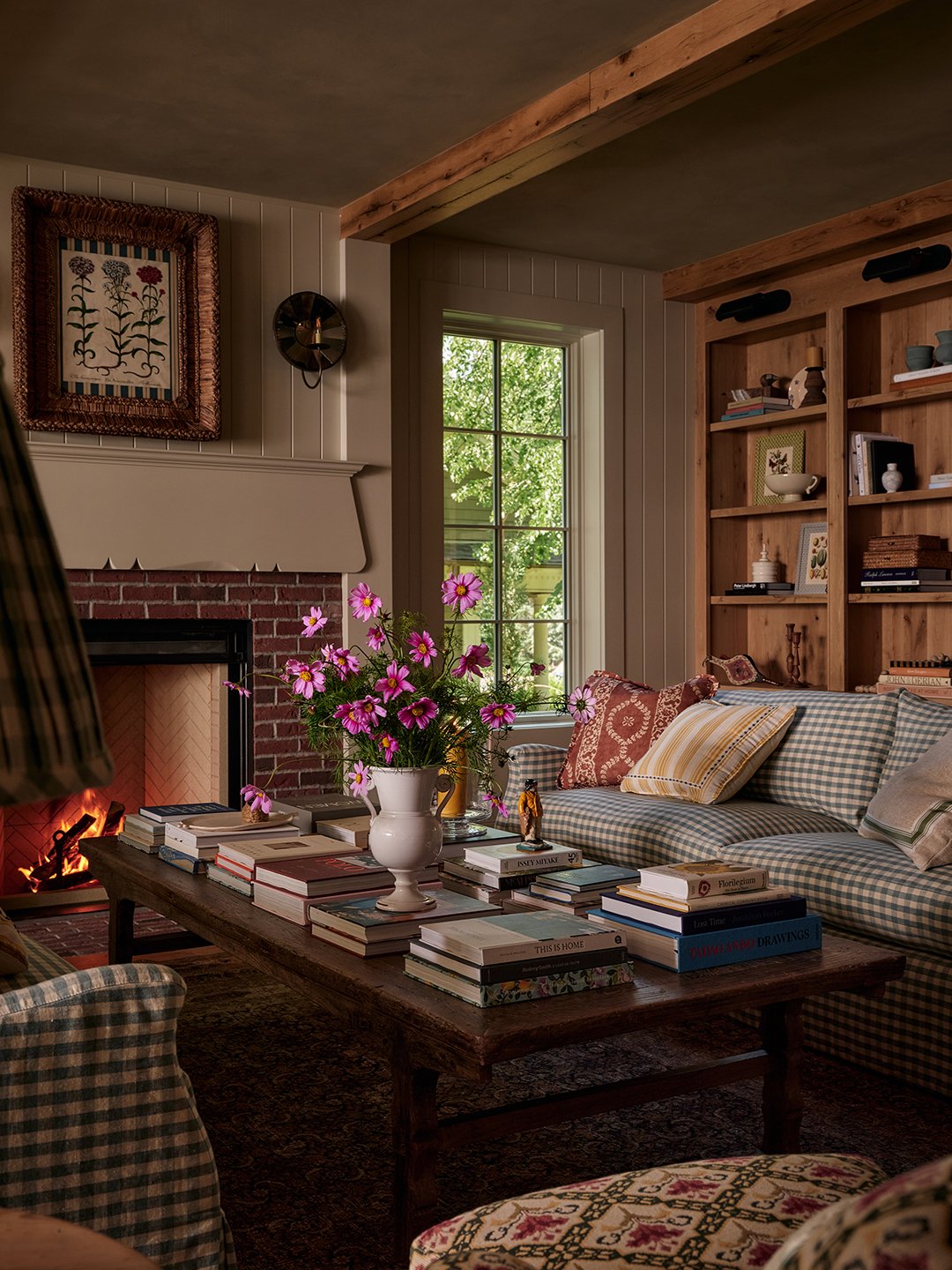
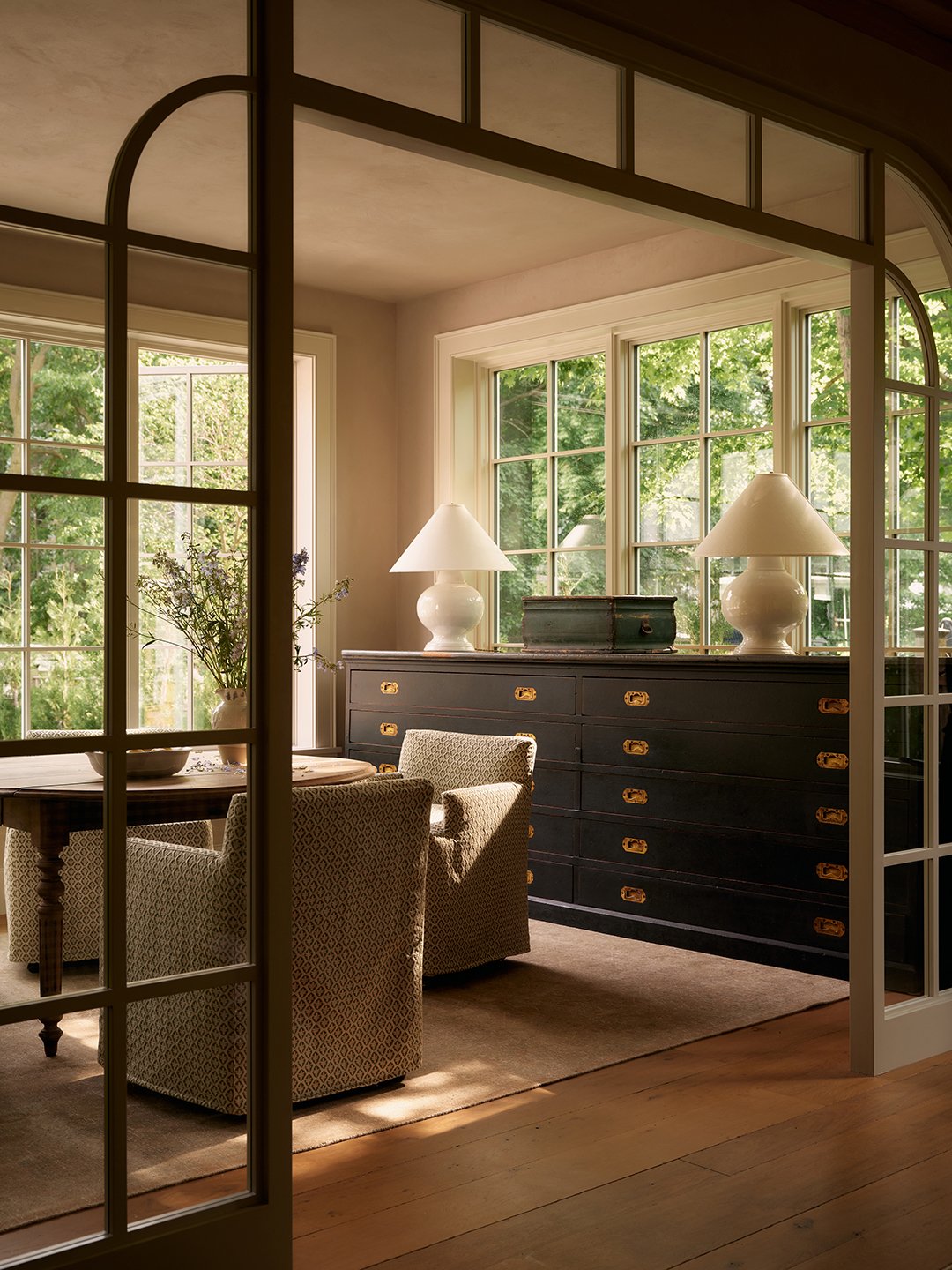
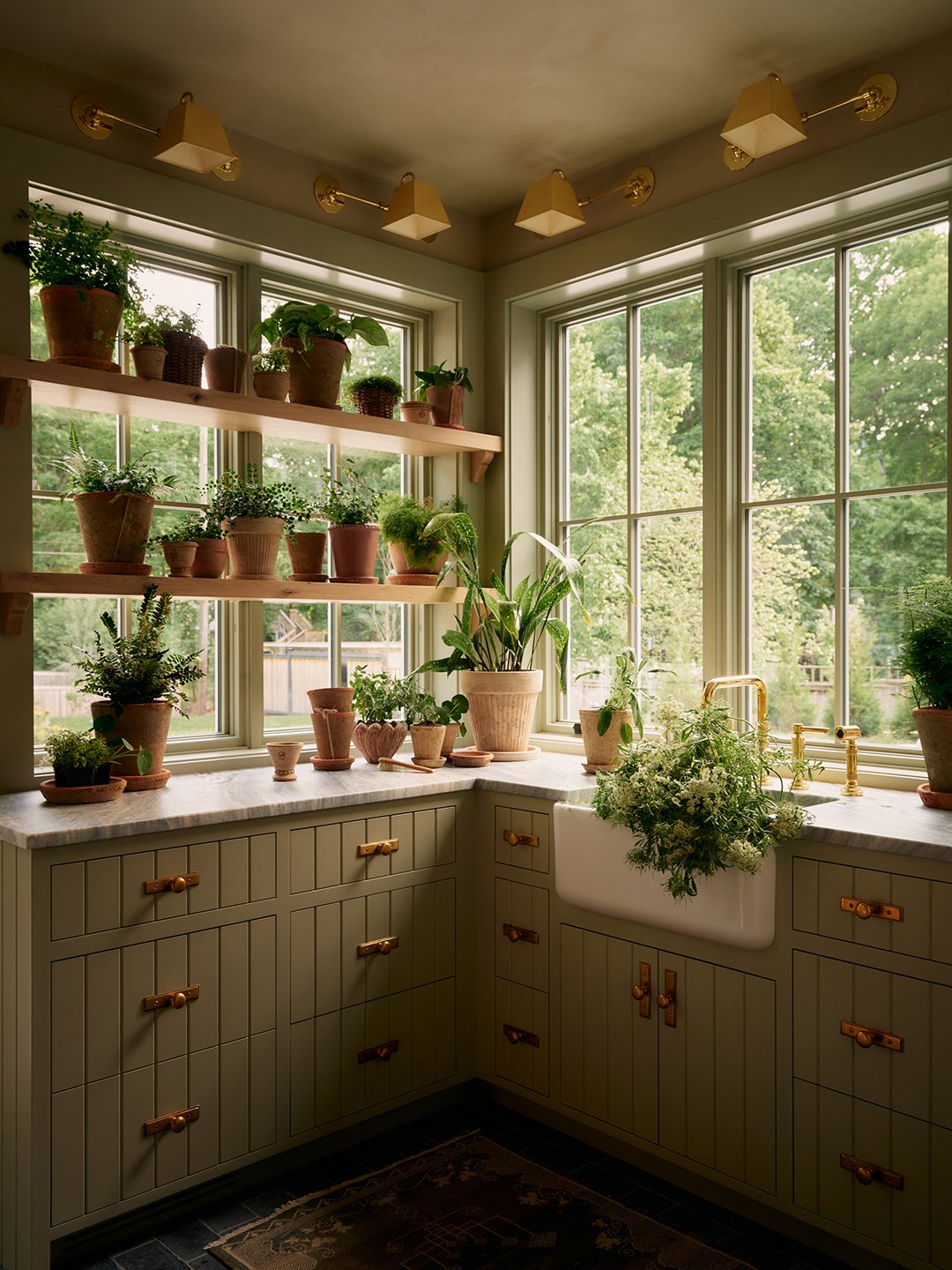
Honestly? Resisting the urge to make the home feel new and luxurious in all the expected ways. We actually made rooms smaller and cozier. We used a real wood-burning fireplace instead of an easier gas option. We chose materials that are imperfect, handmade, and designed to patina. None of those choices are about pristine perfection. There’s always a little fear when you’re designing a house without a specific client—that you should make every decision as universally appealing as possible. We kept asking, “What would Mysa Hus do?” and trusted that a house with a specific point of view would feel more compelling, cozier, and more design-forward than one built to appeal to the masses.
What’s one splurge you don’t regret?
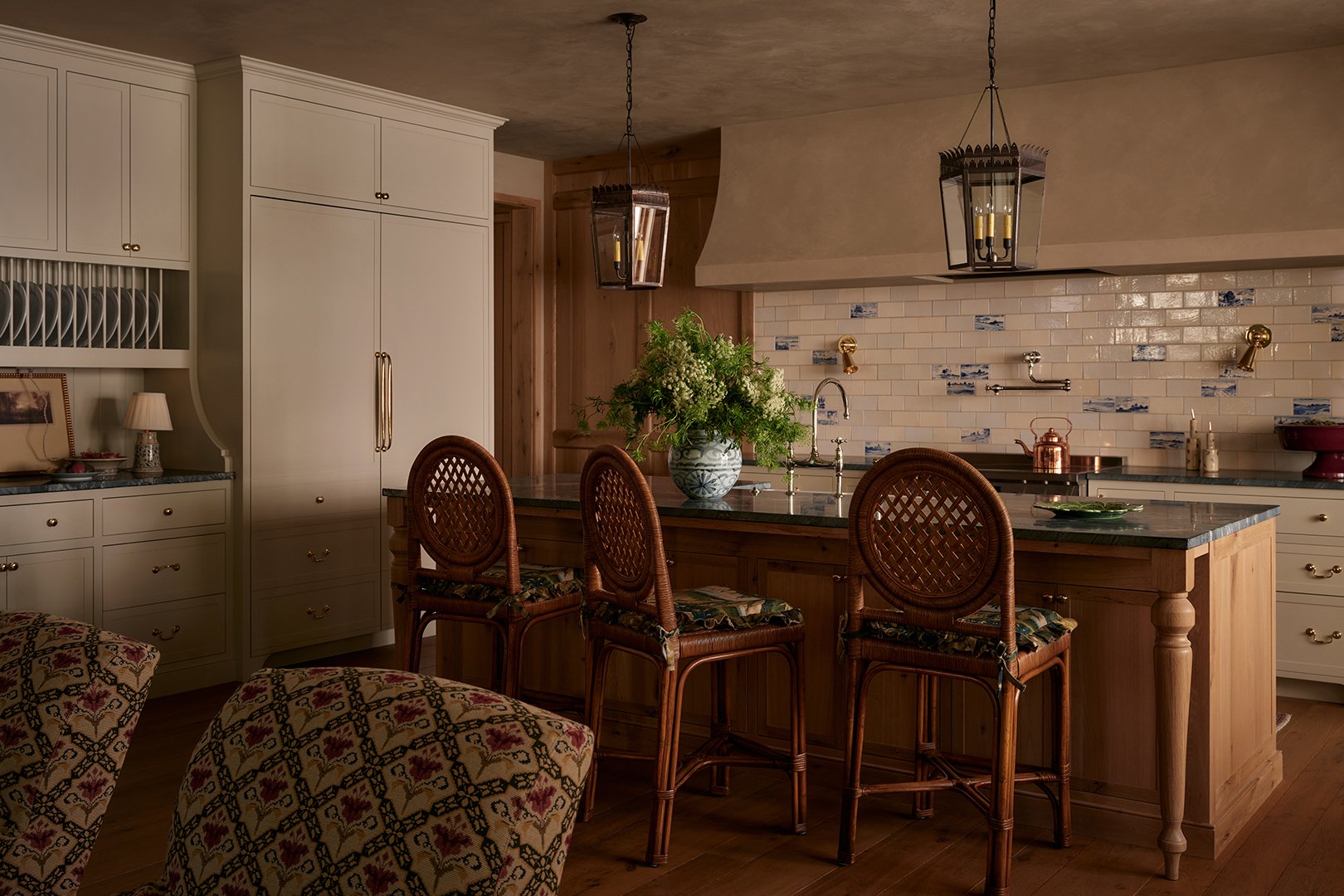
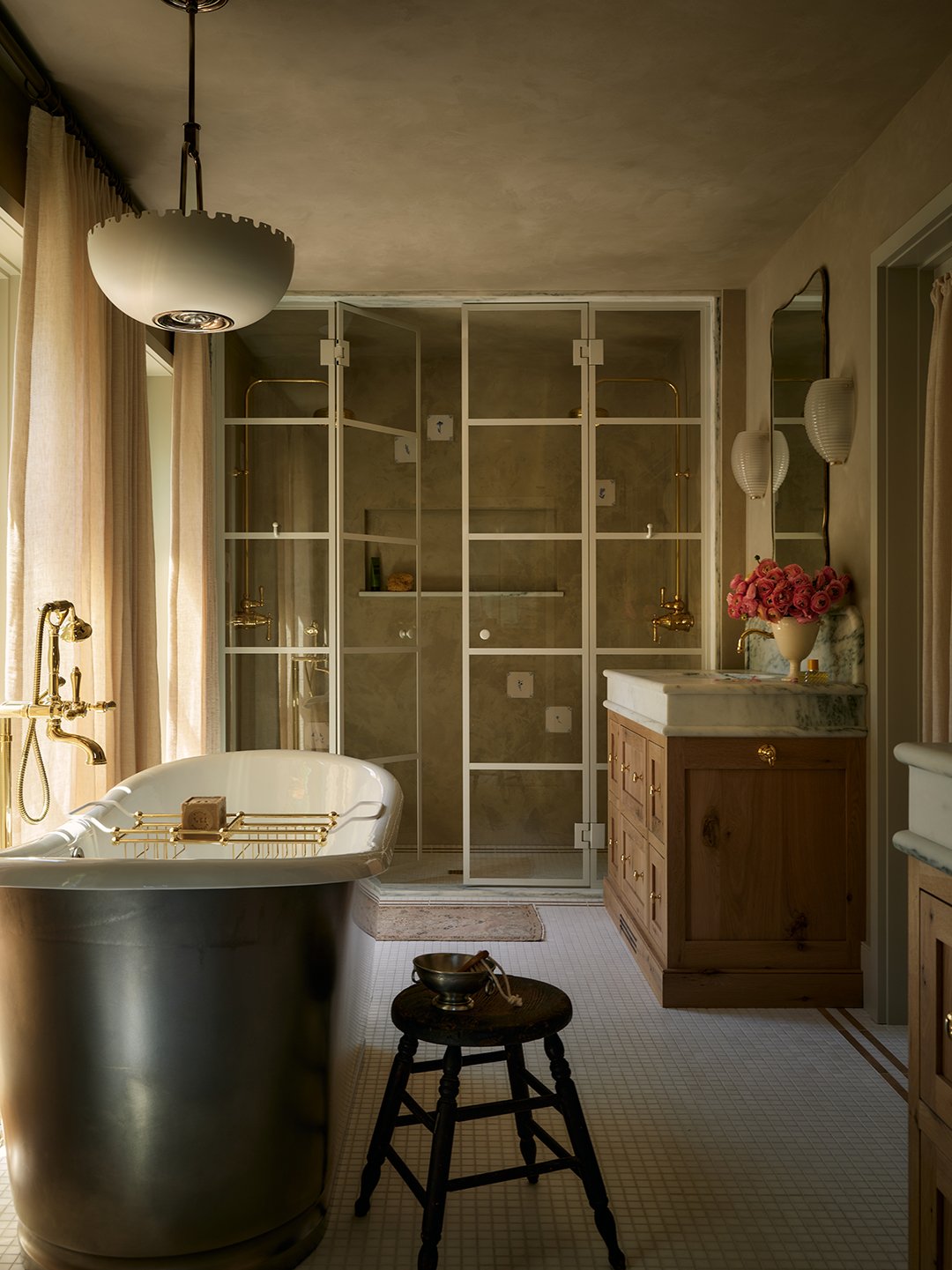
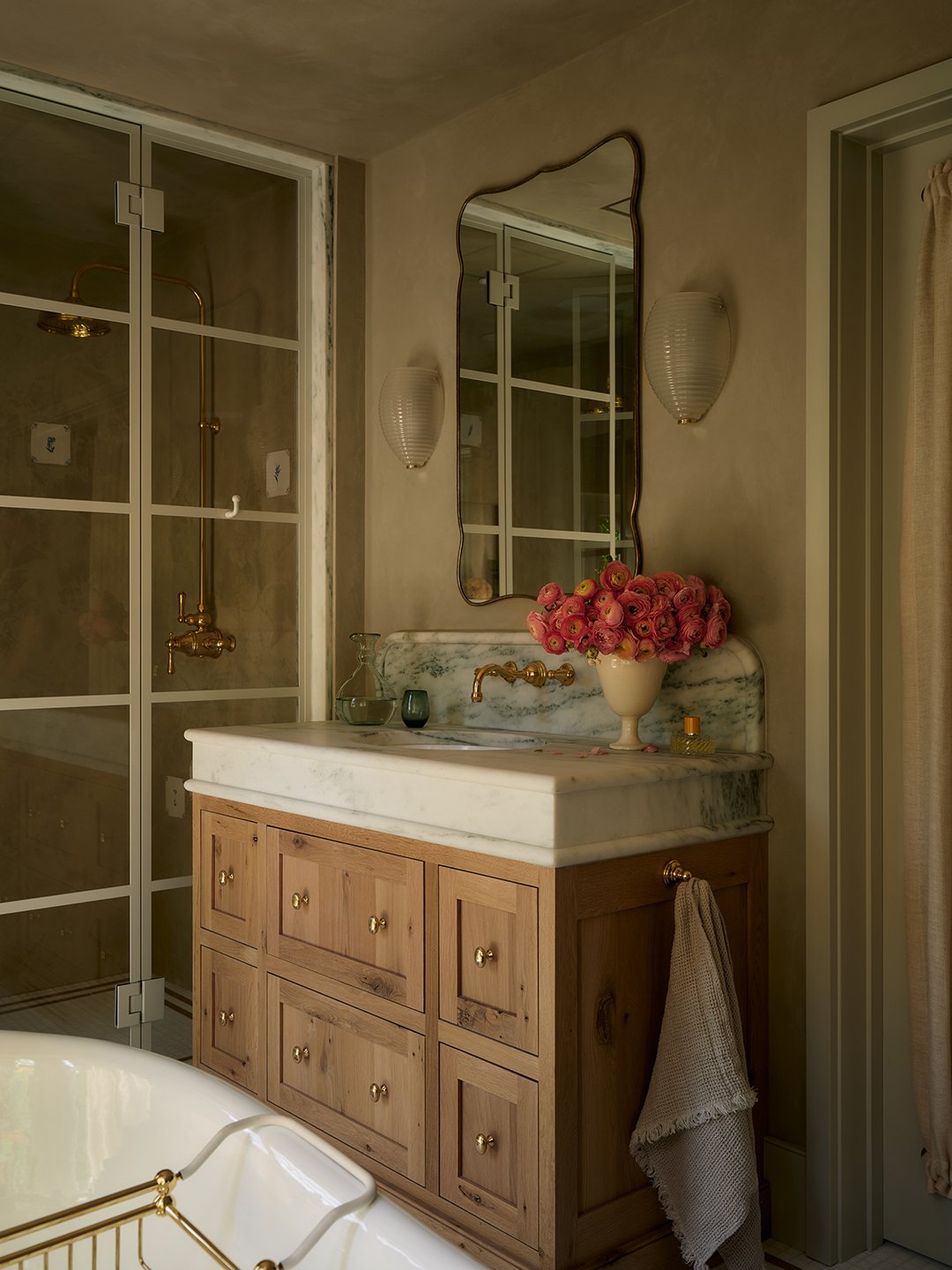
We splurged on things that are very difficult to fake: hand-plastered walls, custom millwork, handcrafted ironwork, brass stars cut into the parquet wood floors in the entry, custom Delft tile, and natural materials that will only become more beautiful with age. There are certainly expensive individual pieces in the house, but I think the greatest luxury is the amount of human touch throughout it. You can feel the multiple artisan hands that shaped this project.
Where’d you pull off the best bargain?
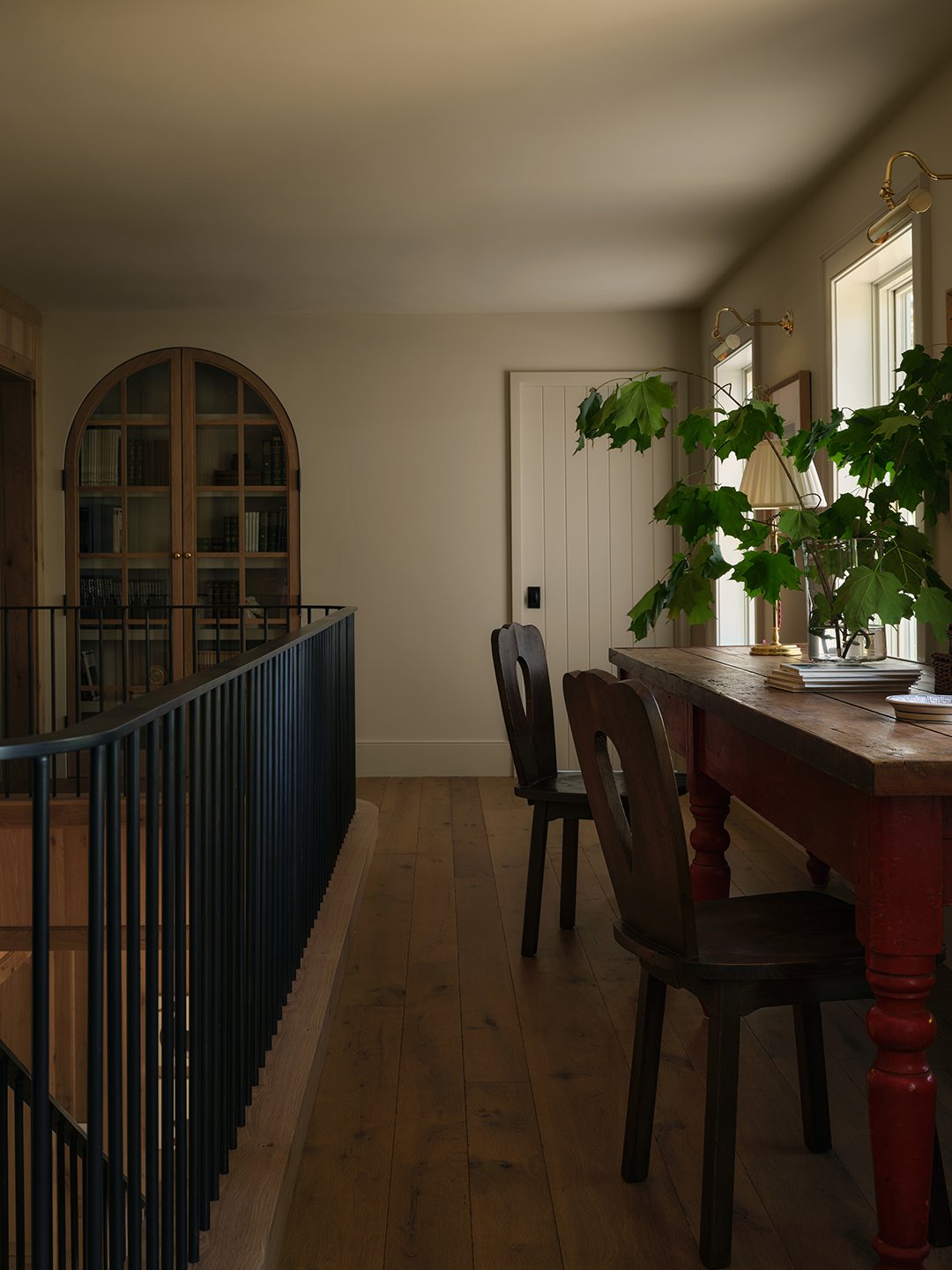
Antiques! Some of the pieces with the most personality in the house aren’t necessarily the most expensive. I love that an antique cricket table or an old piece with a little wear can bring more soul to a room than something ten times its price.
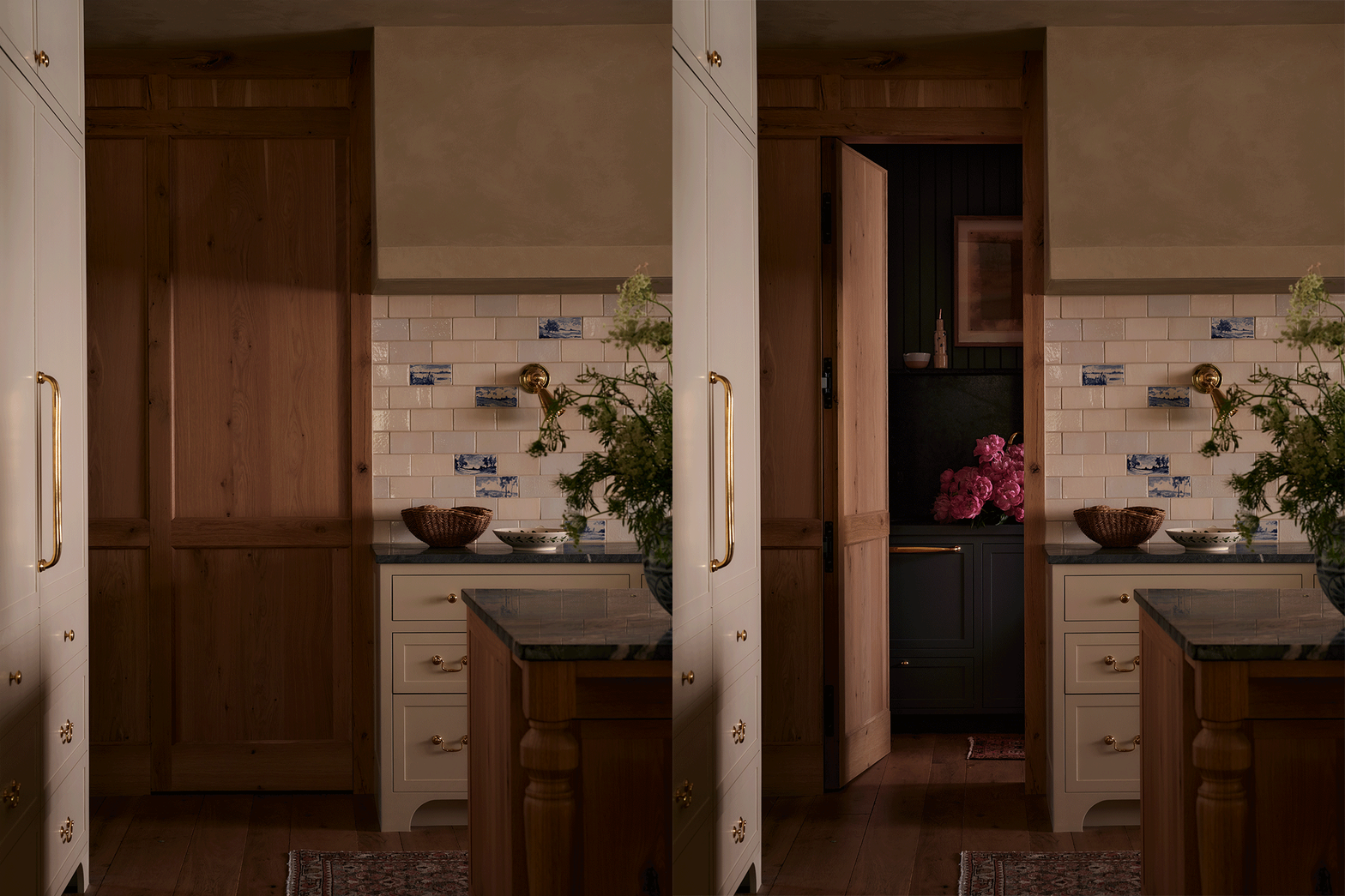
You sourced materials from 22 (!) countries—how did you keep that from feeling like a world tour?
We never sourced internationally just to say something came from somewhere interesting. Everything had to pass through the same filter: does it feel natural, tactile, and right for this particular house? Then, we got intentional about pulling those global influences back home. My favorite example is the Delft tile. [It has] centuries of European history behind it, but ours was hand-painted by a local Duluth artist with Minnesota landscapes and native florals—an Old World craft suddenly telling a local story. The house is tuned in to Minnesota; its light, its landscape, its seasons, the way people actually live here. It doesn’t feel like a collection of souvenirs. It feels like everything slowly found its way home.
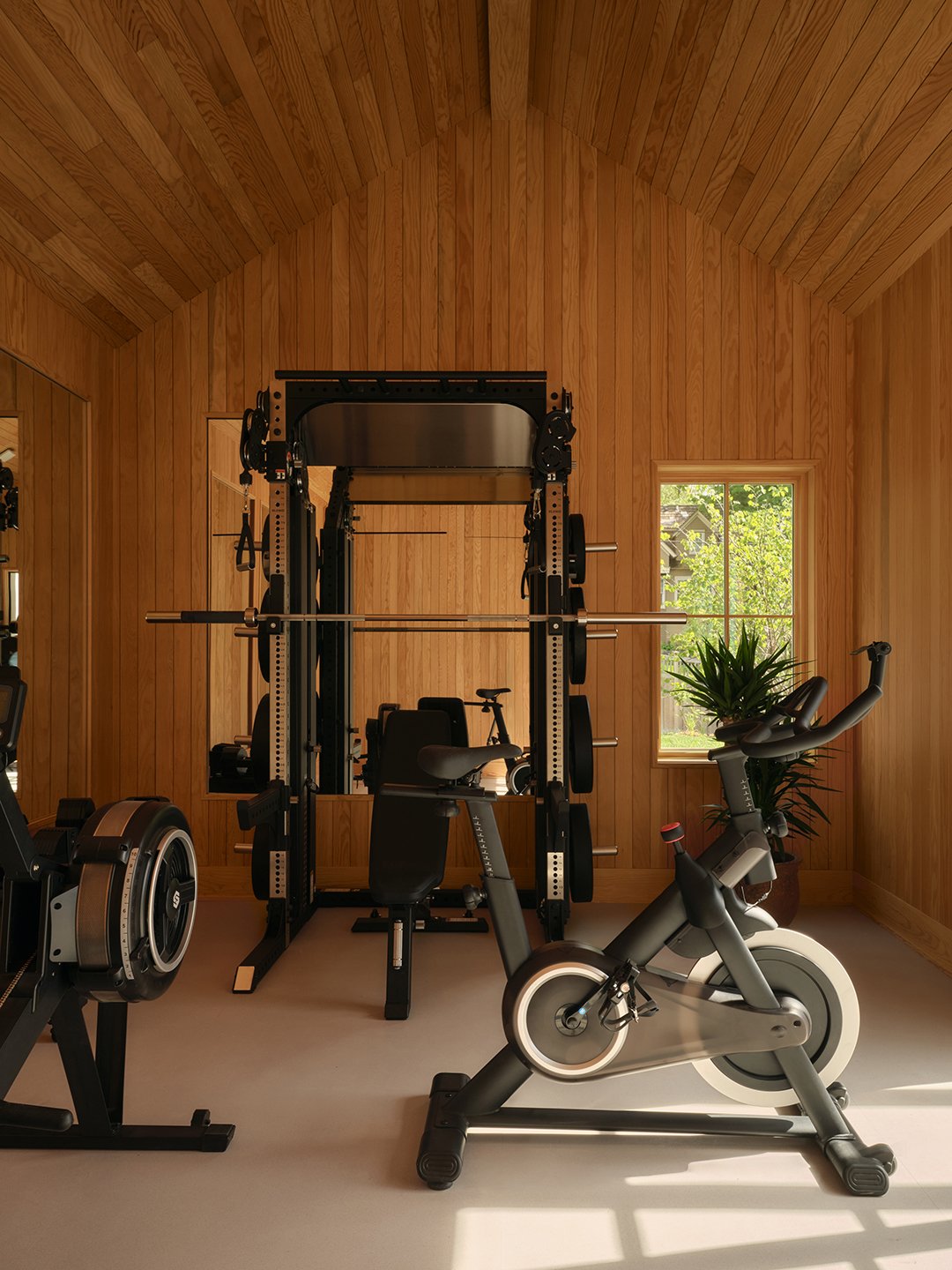
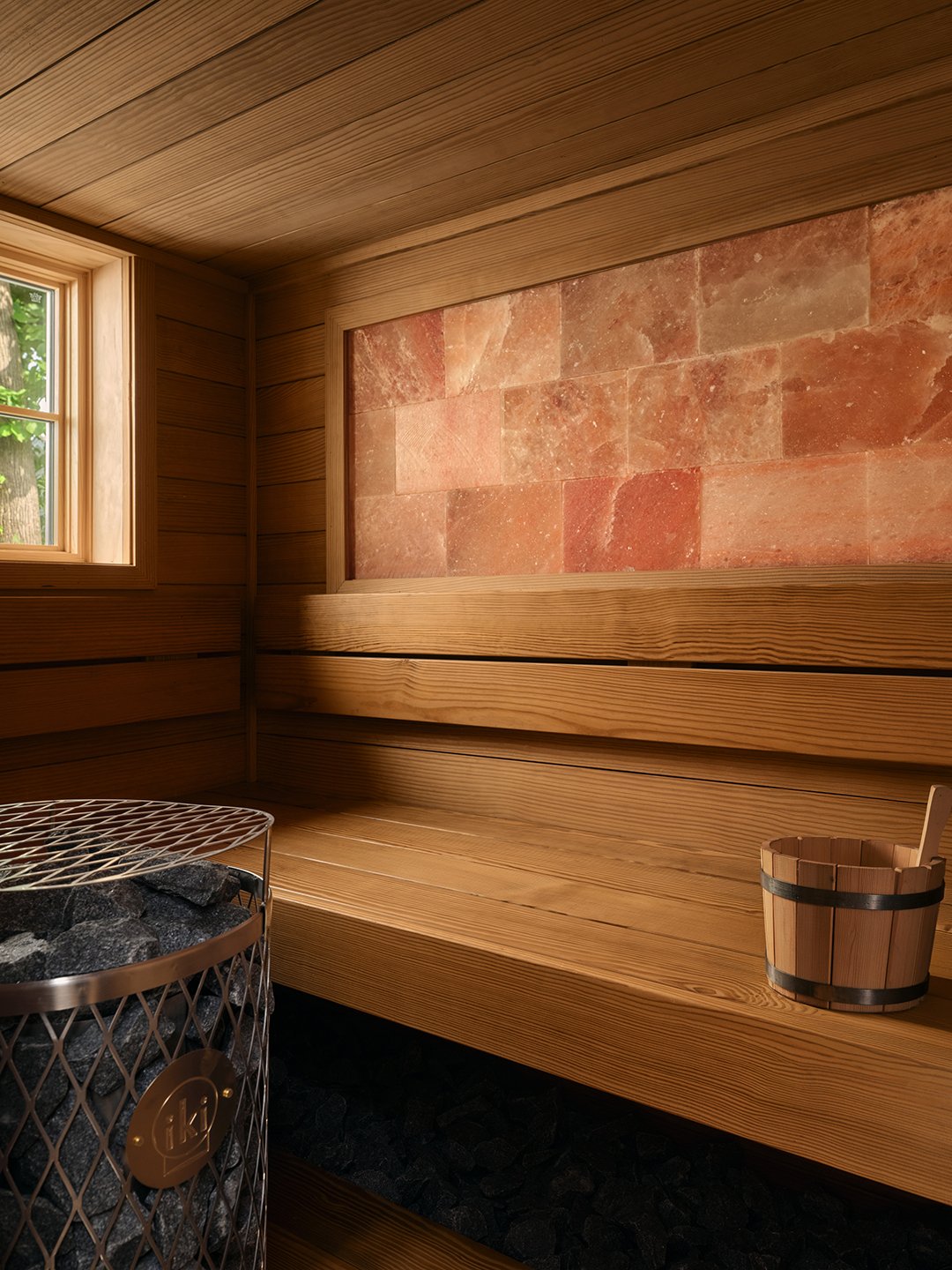
Minnesota winters are brutal. How do you make a saltwater pool and outdoor shower feel like a good idea in January instead of certifiably insane?
The trick was ditching the idea of wellness as an amenity and treating it as a ritual instead. The wellness studio isn’t a basement with a treadmill shoved in a corner—it’s a destination. The magic is in the contrast: warm sauna, freezing air, cold plunge, warm house again. It’s one continuous experience, and the architecture makes that indoor-outdoor transition feel intentional, not accidental. Even the sauna is deliberately intimate: thermally modified wood, a fiber-optic ceiling overhead. In Minnesota, we’re never pretending January feels like July, and honestly, that’s the wrong goal anyway.
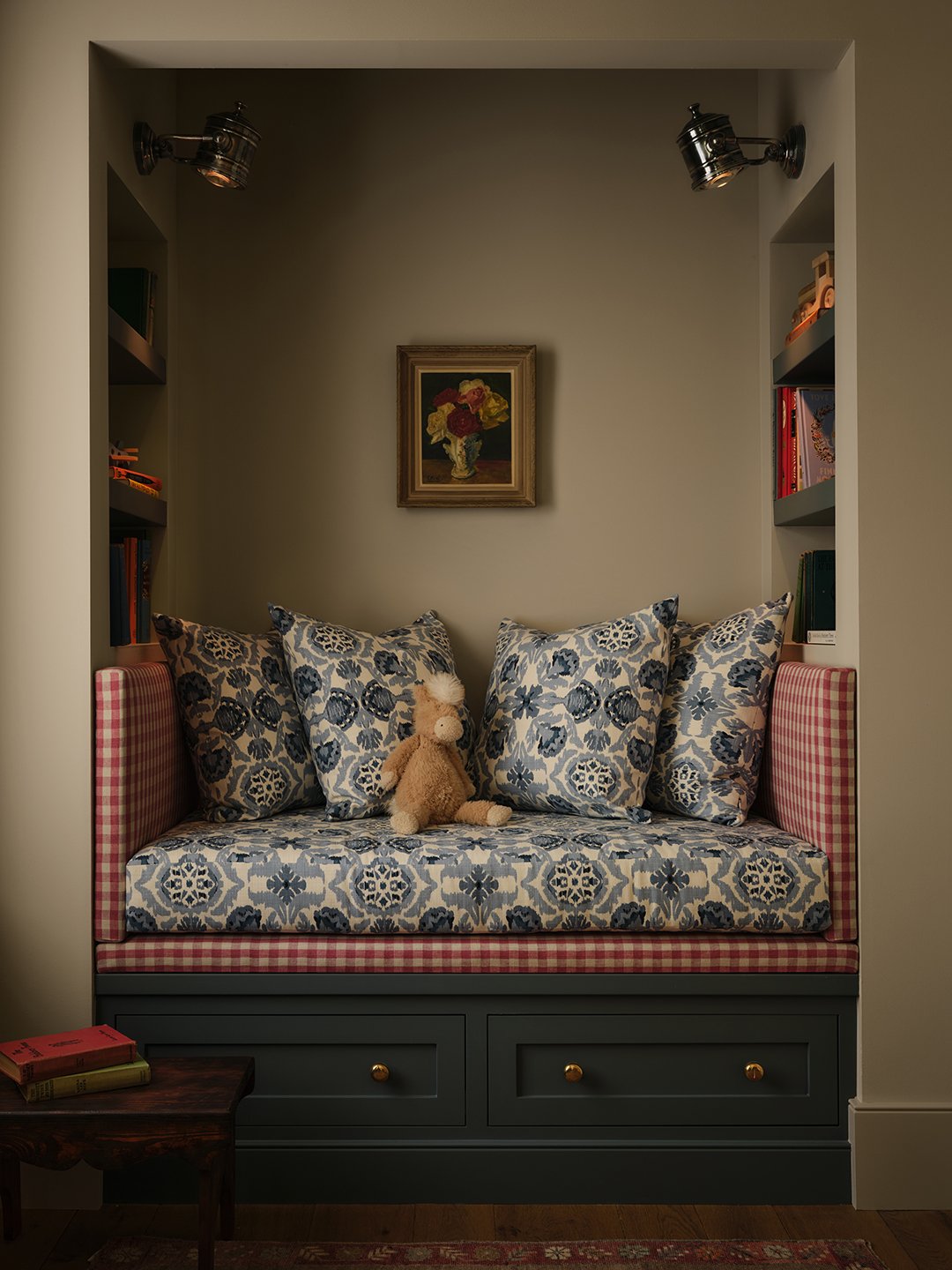
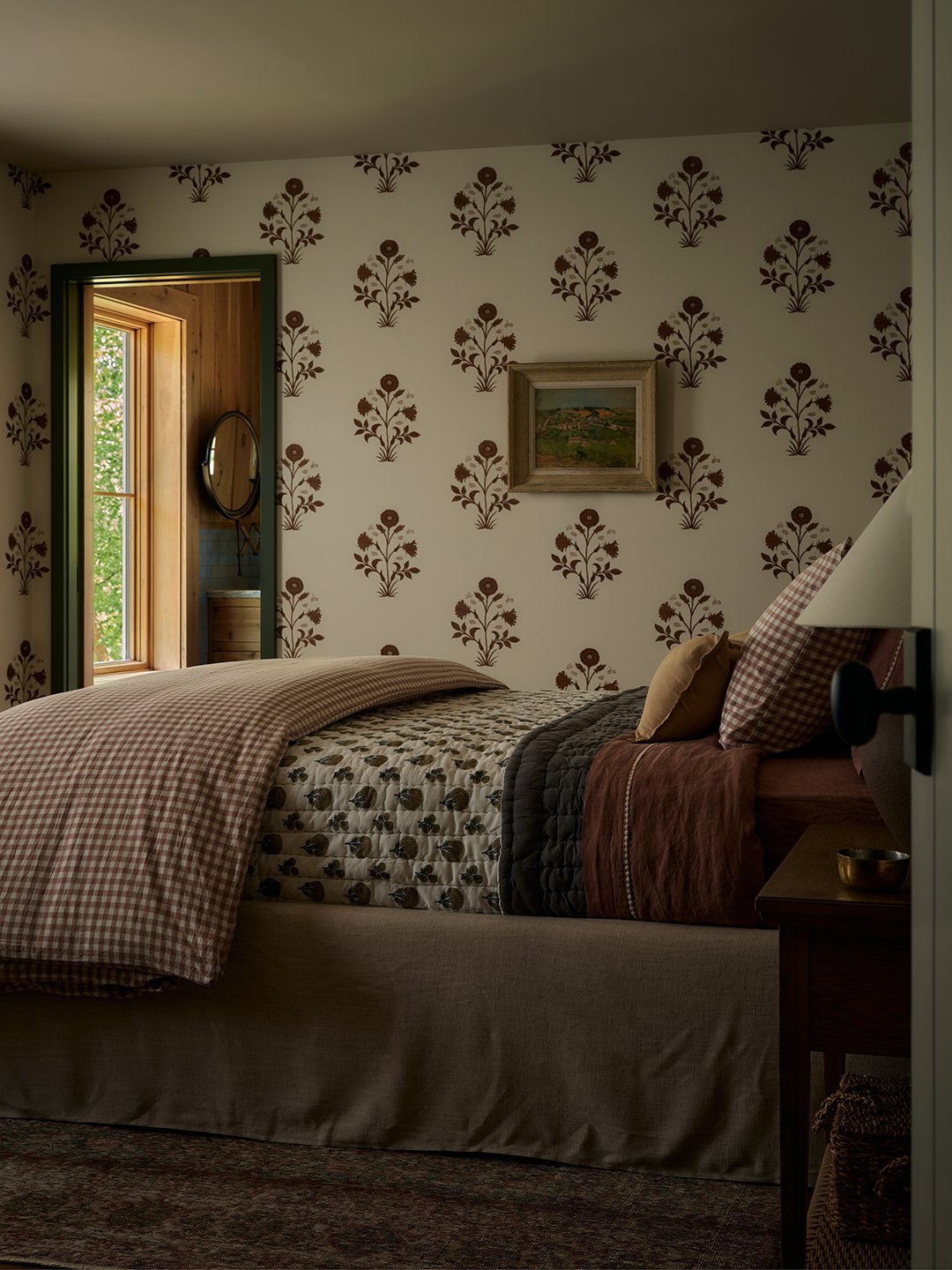
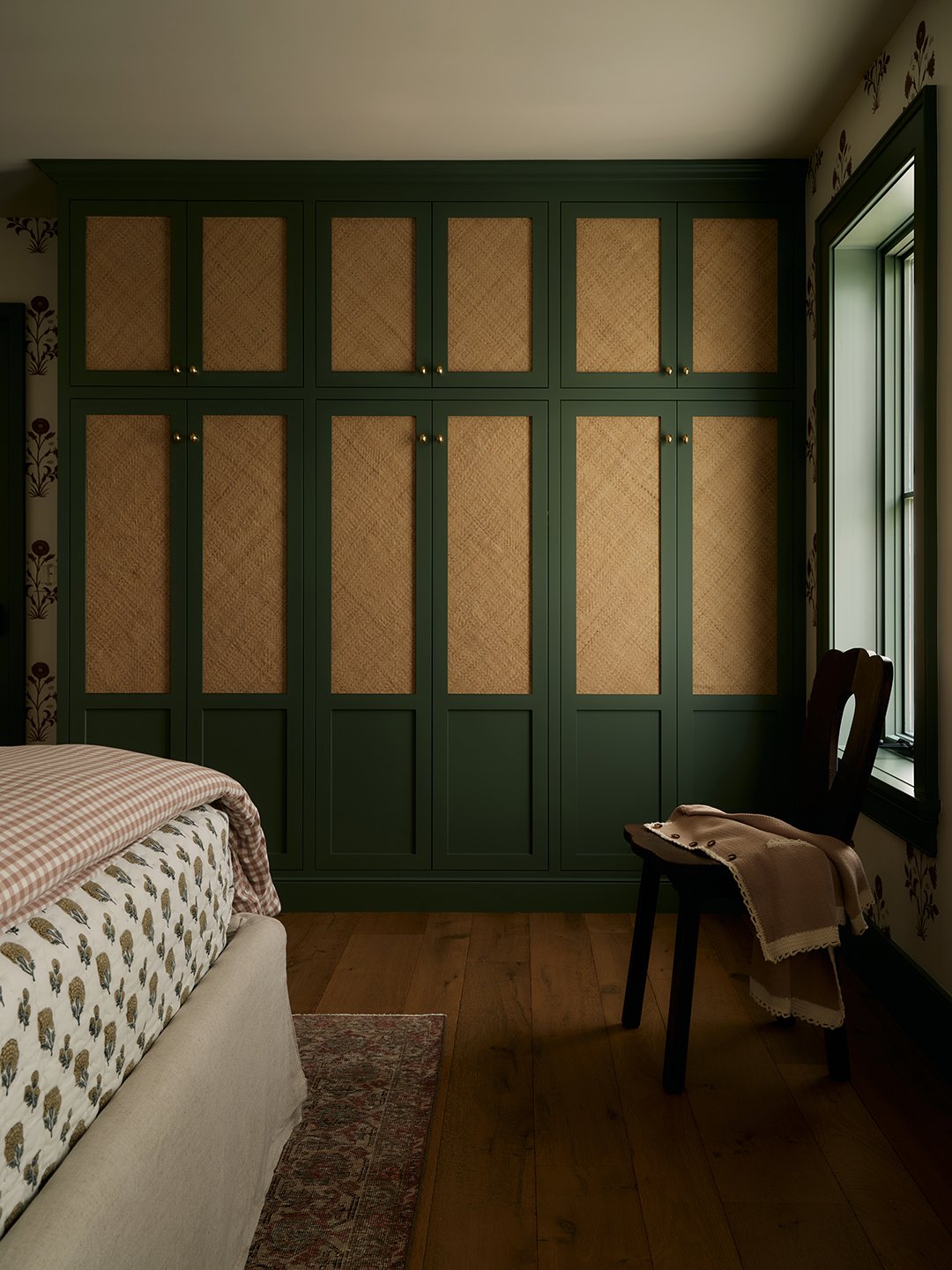
New construction usually reads as pristine and untouched. What are some tricks that made Mysa Hus feel like it’s already got years on it?
I always want the architecture of a house to be interesting before a single piece of furniture shows up, but Mysa Hus really came alive once the layers went in. The gingham sofas, an armchair fabric that almost reads as needlepoint, old tables, books collected from bookstores and antique vendors alike—suddenly the rooms had a history. Nothing’s too precious or too perfectly coordinated. It feels collected over time, which, ironically, is what makes a brand-new house feel permanent.