
We may earn revenue from the products available on this page and participate in affiliate programs.
Katie Lowson’s love of old things dates back to her childhood in England. “My parents never bought anything new. We lived in a very old farmhouse, and they used to spend all their time at auctions buying up old pieces of furniture and rehabilitating them,” she recalls. After university, Lowson embarked on a career in fashion that went on to span 25 years—most recently, she was head of studio at Acne overseeing accessories design—and led her and her Swedish husband to Stockholm. The impulse to work with antiques and vintage never left.
“I started playing with the idea of starting a company, but not a stuffy antique shop,” says Lowson. “I wanted to show that, just like with fashion, you can mix high street with designer items and vintage.” In 2019, after having a baby, she started to take the idea more seriously. She launched Collection Apart as a side hustle, collecting antique and vintage pieces and selling them online before setting up a showroom in 2022. These days, it’s a full-time gig: She “drops” five collections a year.
“The look of the collections evolves a lot, but the running theme is putting older pieces into contemporary contexts,” Lowson explains. “Sometimes it will be Deco inspired; sometimes it’s rustic, or really modernist. It really depends on what I find, and then I build from there.”
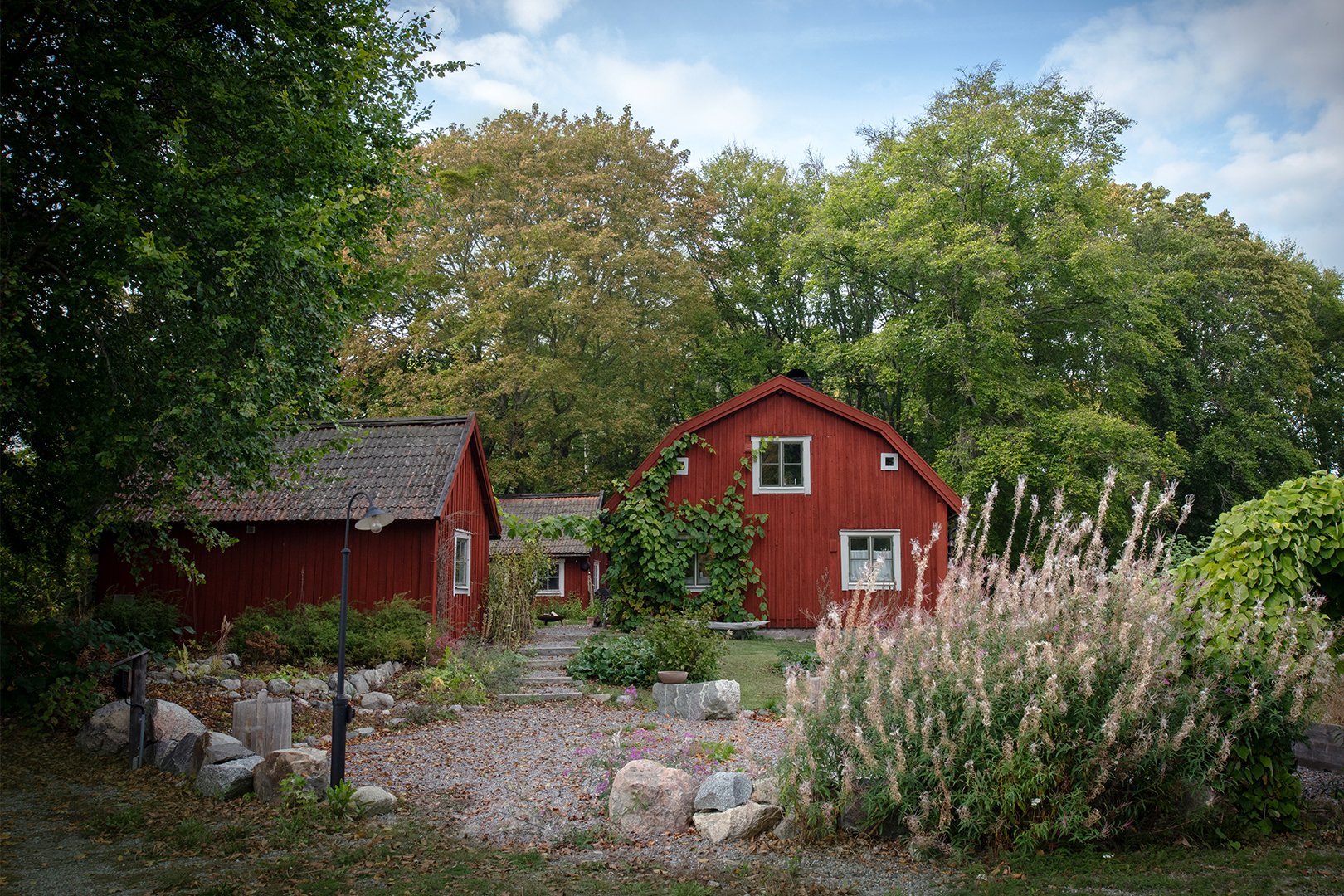
Along the way, she also embarked on another project that puts her love of contrasting the very old and new into livable practice: an idyllic escape in the Swedish countryside, where she and her family spend most weekends as well as a large part of the summertime. We spoke with Lowson about how the ethos of Collection Apart is on display in this darling weekend home—as well as the lessons of renovating a centuries-old structure and learning to love its flaws.
This home is truly the ultimate fantasy of a Swedish cottage. Can you share some details about the history of the structure and how you wound up with this place?
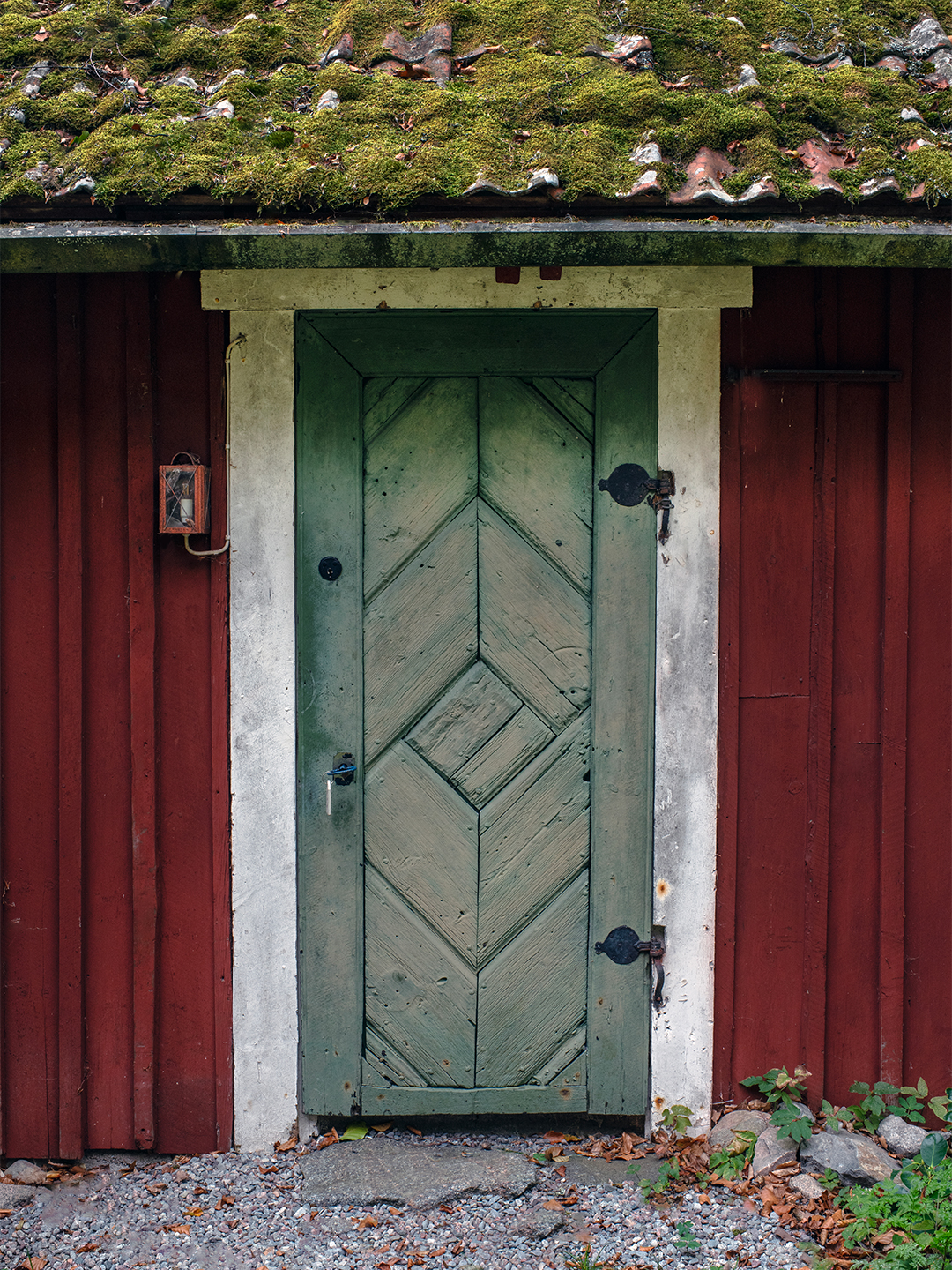
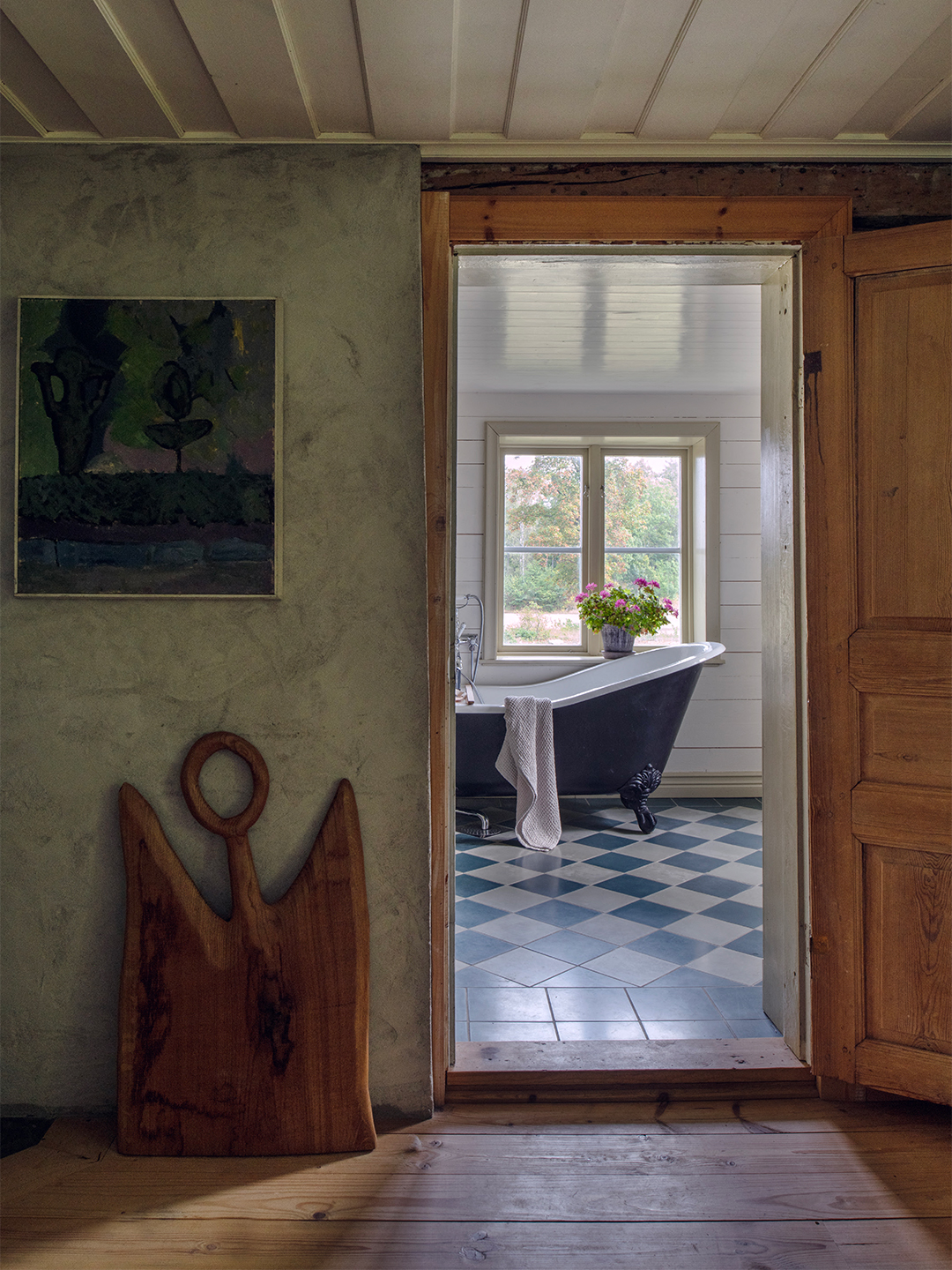
The cottage dates back to the 1700s. It was originally in a nearby village, and it was relocated to this estate property when the existing building burned down in the 1960s. It was built from timber stock, and each piece of wood was numbered, disassembled, and then reassembled. After that, it became a rental for a few decades and fell into a state of disrepair. Luckily, we were naive enough to buy it and believe we could rehabilitate it.
If you knew then what you do now, would you have bought the place?
Oh my God, there is no way! We really wanted a country house where we could escape from Stockholm on the weekends. It’s only about an hour away and the landscape is gorgeous, with lots of deciduous trees like oak and beach, so the setting feels a little more English than Swedish. Truly, I was just besotted with everything about it.
How long did you spend bringing it up to snuff?
Along with our three-year-old, we embarked on about five years of weekends renovating the place, with help. There were plenty of practical things that needed changing, like water and electricity. When we bought it, my husband couldn’t even stand up upstairs because the ceilings were so low. But mostly it was just peeling back the layers to find the original structure—houses that are hundreds of years old really need to breathe—and then build it up again. We used a sawmill that used trees from a local forest and wood pulp insulation. It’s rustic but quite beautiful.
The exposed framework really plays into the rustic feeling of the space. What are some of the most interesting materials you used or discovered in the renovation?
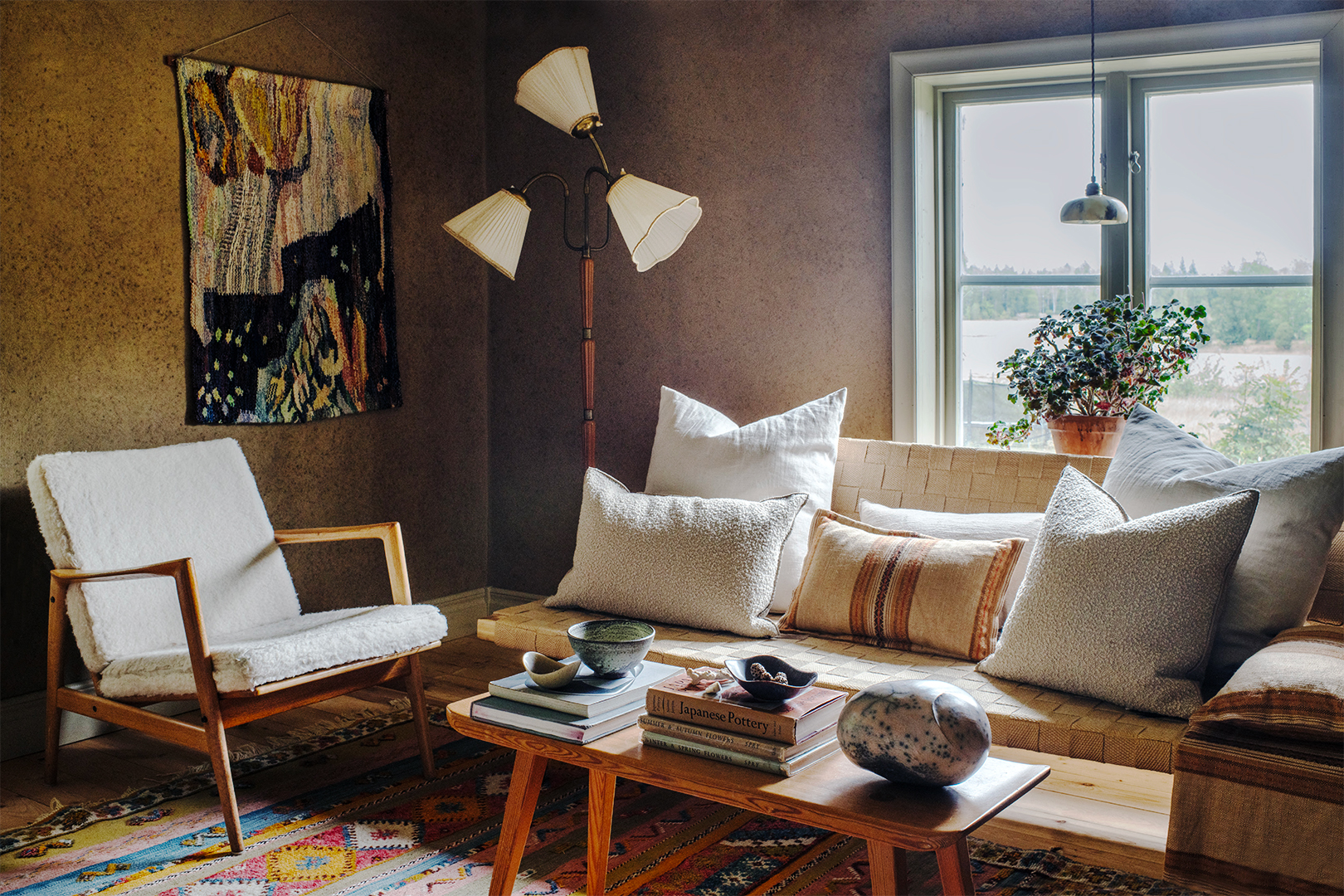
Yes. One material I really love is traditional plaster. We used two types: Kalkputs in the kitchen and on the walls behind the wood burners, and Lerklining on the walls of the living room. It is a very breathable, environmentally friendly material.
“Lerklining” translates to “clay plaster”—it’s a historic insulation method in old timber houses to insulate walls that dates back to Viking Age, made with just clay, water, and straw. Often it is done as a base for painting or wallpapering, but we left it raw in the living room. That muddy color is just what it naturally looks like, and it’s just gorgeous.
The colorful and more contemporary furnishings are such a nice juxtaposition in that room. Tell me more about the pieces in this space.
There is a little green chair that was actually one of my first antique finds from when I started Collection Apart. I had done a road trip to England and went to loads of antique fairs, and there was this cute little Edwardian chair that wasn’t quite good enough to sell. But I thought, “Okay, I’ll just paint it a color and see what happens.” It’s one of my favorite things now. It just moves around the house.
That lamp in the corner is a classic Swedish design from the 1940s—I think we picked it up at a junk shop, which is also where I found the beautiful wall tapestry by a local artist. The carpets are from a trip to Morocco. The day bed is actually Ilse Crawford for IKEA. The mix of old and new is my Swedish husband’s influence. The Swedes are particularly good at taking modern pieces and putting them in old spaces.
The natural light washes through the cottage, particularly in the kitchen. What had to happen to bring that room to life?
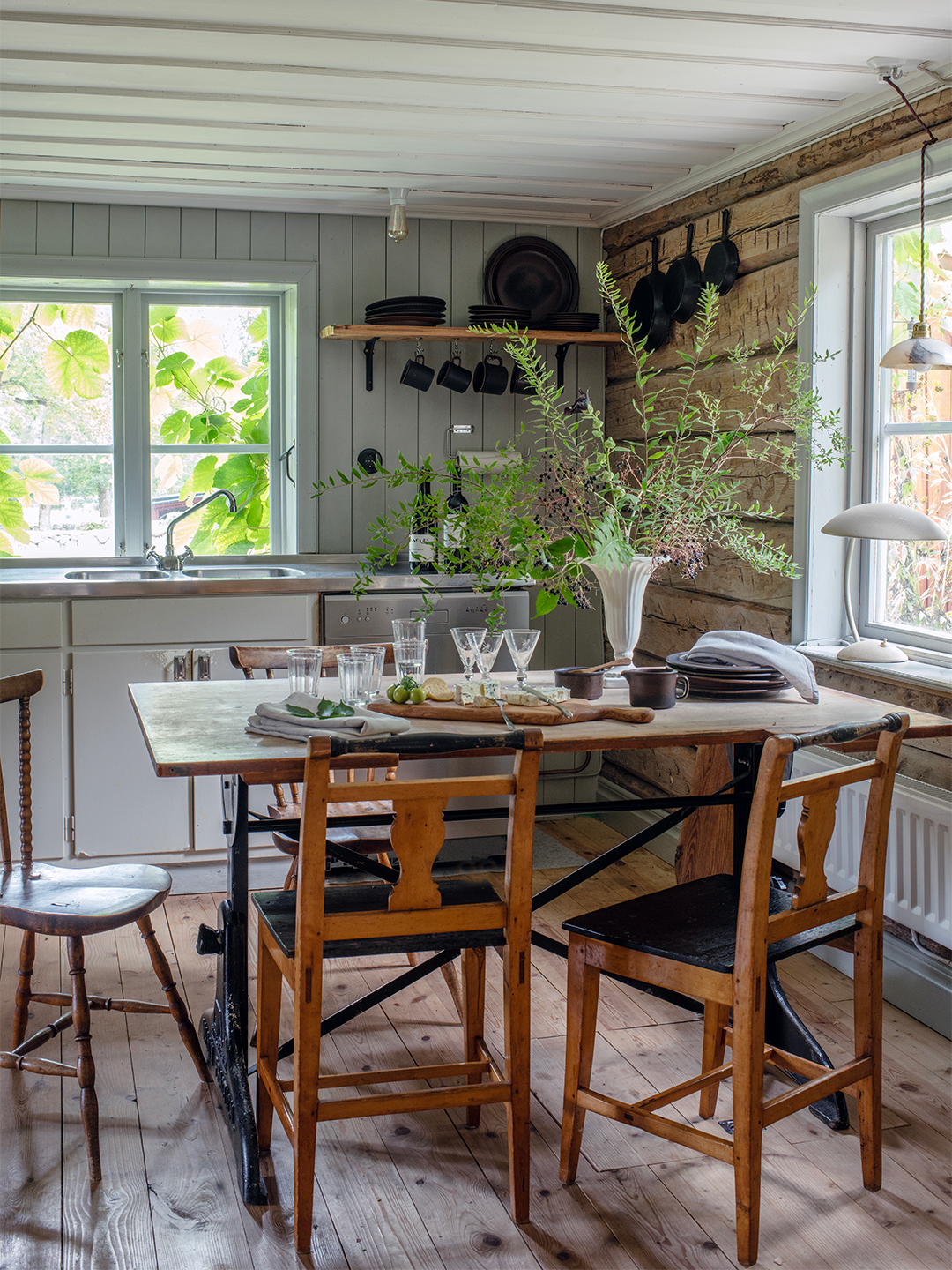
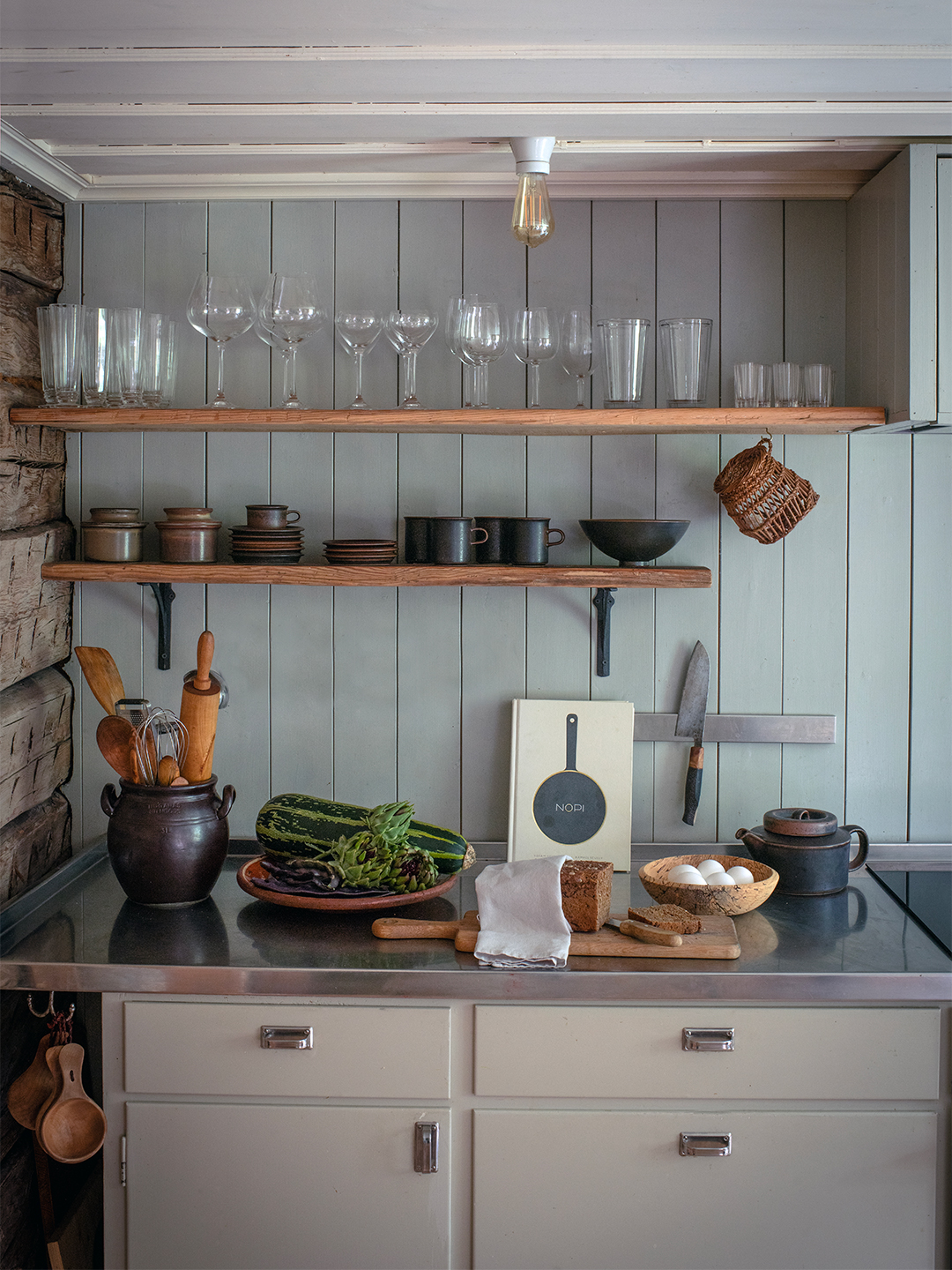
There is something so unique and special about the light here, we’re lucky for that. The original kitchen was actually what is now the pantry, just this little galley space. But we knew that we were going to be entertaining a lot so we moved it into the room where it is now. The cupboards are secondhand, bought really cheap. They were probably made in the ’60s or ’70s and luckily fit perfectly along that wall.
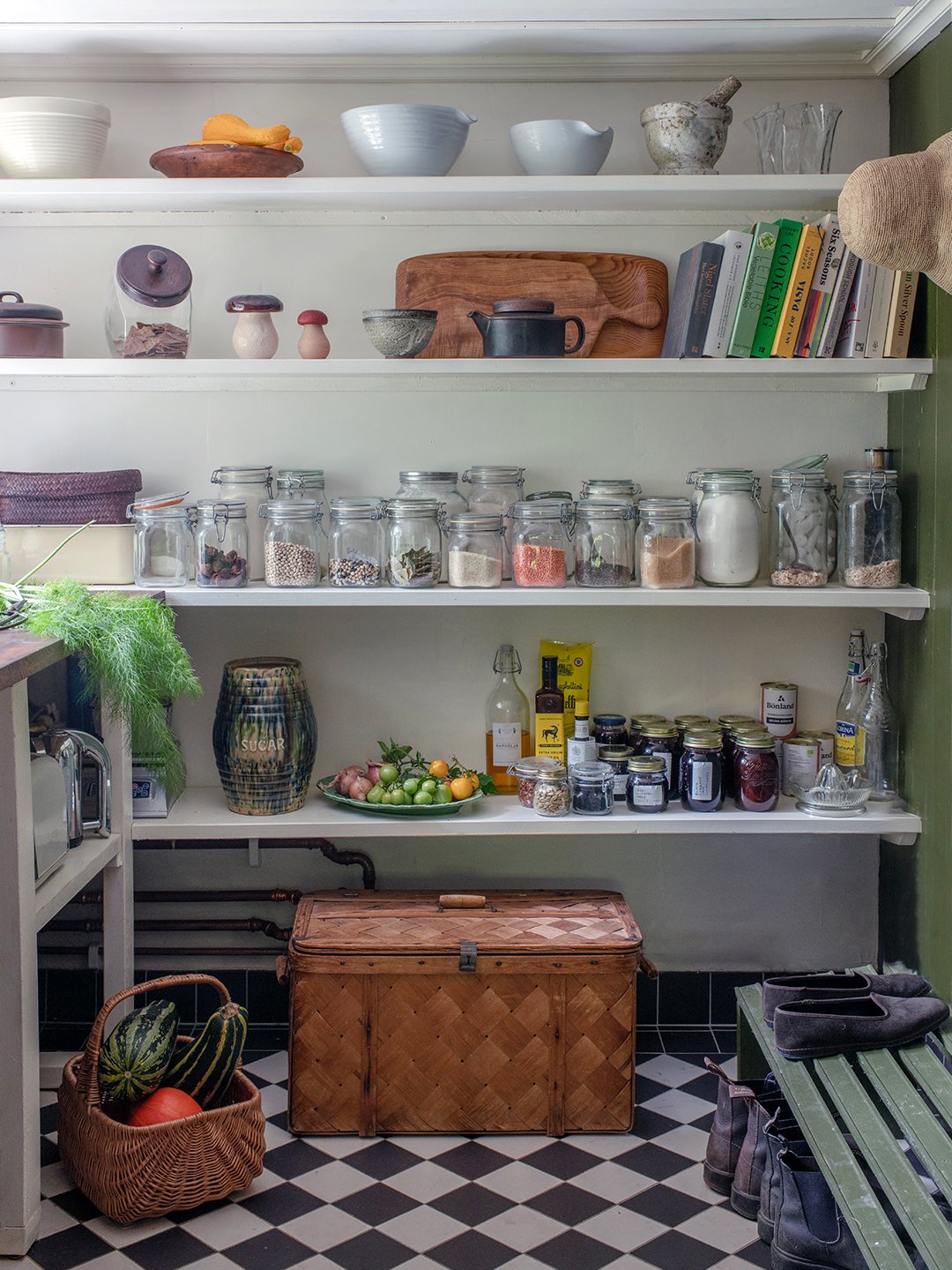
We saved a lot of wood as we went along because we realized it could be reused, so the shelves are leftover boards from the ceilings and floors. The kitchen table is actually the first piece my husband and I ever purchased together. It was in our first apartment in London, we’ve loaned it to friends to use in their houses; we even used it as a headboard for a while. We had the legs shortened so it would work as a dining table here. It’s very sentimental.
Your cottage is such a specific era and style, but what lessons do you think others might be able to take away from it and apply in their own homes?
One thing I hope people take away is just the idea that a country home is a great place to experiment and let your creativity go a little wild. We never really planned anything in this house. We kind of couldn’t, because there were just so many obstacles that came up in the renovation, so we had to make spontaneous decisions and trust that it would all work out. So I think you need to follow intuition and also just try to let go of a need for anything to be too perfect. Old houses were never built perfectly. You have to live with mistakes, and sometimes they become features.
There are so many little cheeky lamps in this house, which I mean as a high compliment. I am particularly enamored with the teeny red-topped one in the bedroom.
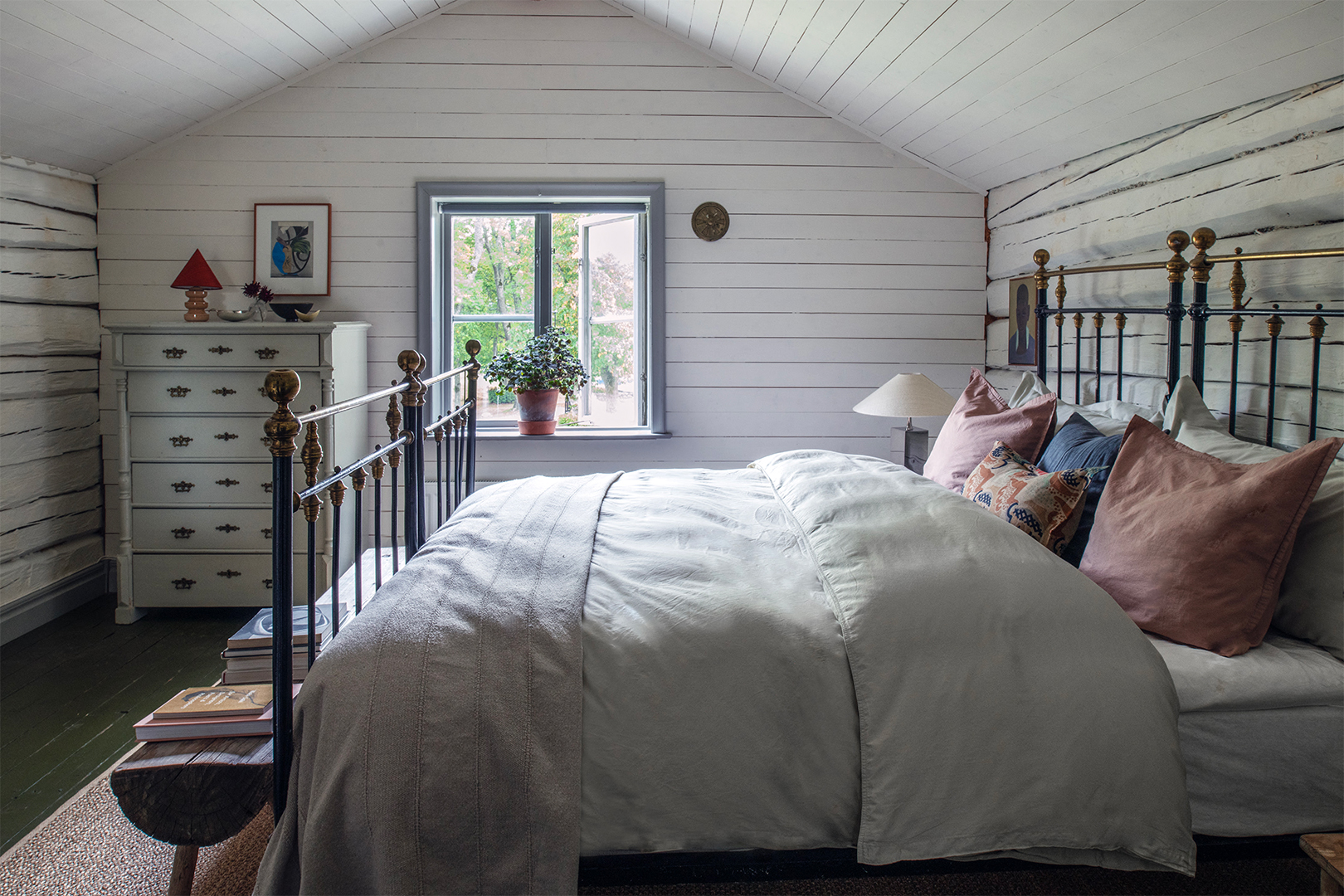
I really enjoy working with contrast, putting the old with the new, dated pieces with shiny chrome—I love a weird little lamp. In England, we live with a lot of lamps and lampshades, and when I first moved to Sweden 15 years ago it seemed like everyone was using modern lamps and there weren’t so many lampshade options. I hit upon a lady who makes all my lampshades for me and she came up with all these different ideas. It’s really so easy to update a vintage lamp base, have the electrics redone, and just fit it with an interesting shade.
The primary bedroom is also such an exercise in contrast between the ancient and the modern. The white walls also give it a kind of gallery feel.
Definitely, and that’s also to do with the art in the bedroom. I’m not an art dealer and I don’t deal in expensive art, but the portraits in the bedroom are really special. They’re by this Swedish painter, Vera Frisen, who was very prolific but not especially well known during her time. Swedish art is really fantastic.
You’ve leaned into some classical English decorative elements as well with William Morris wallpaper.
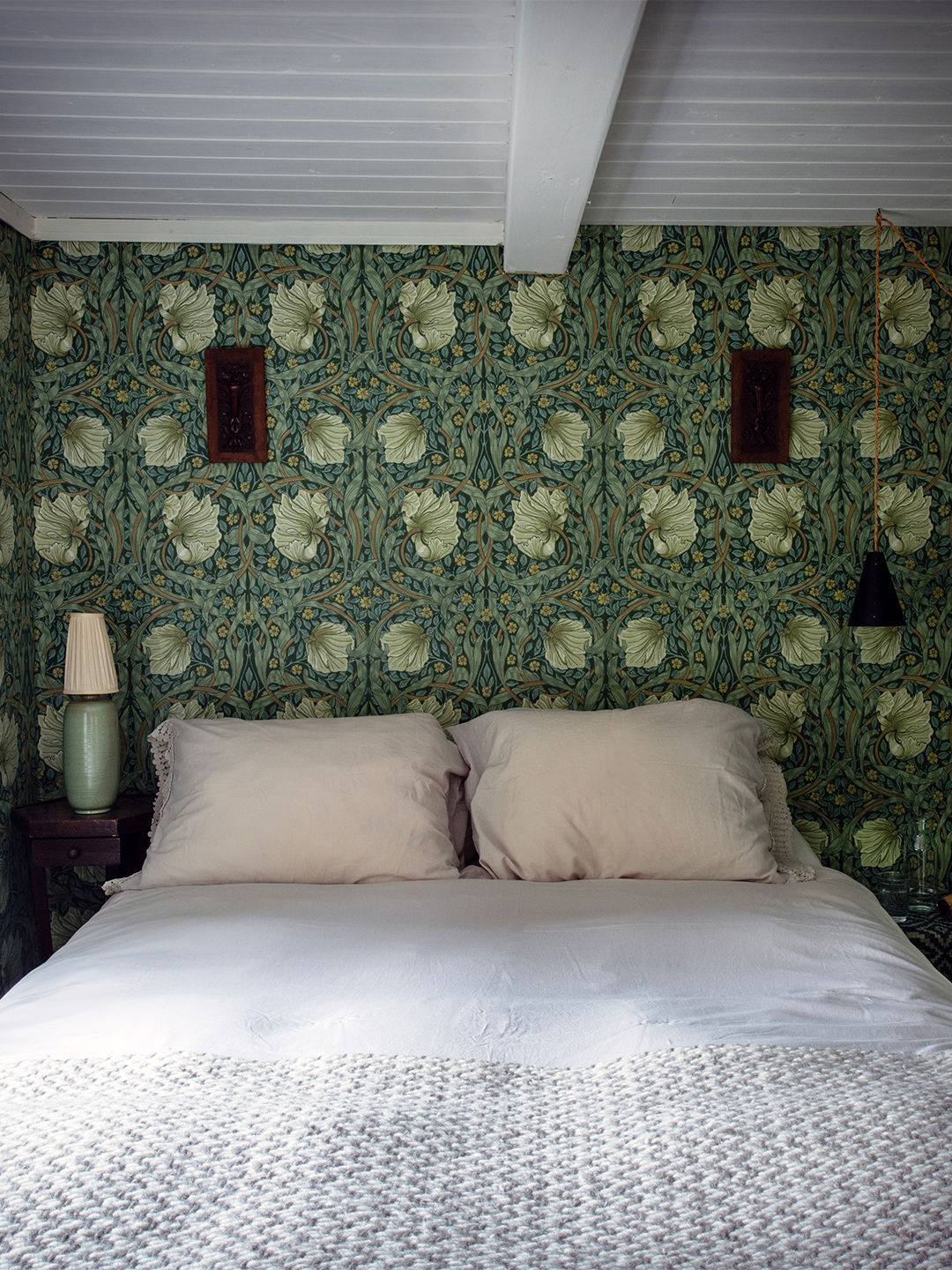
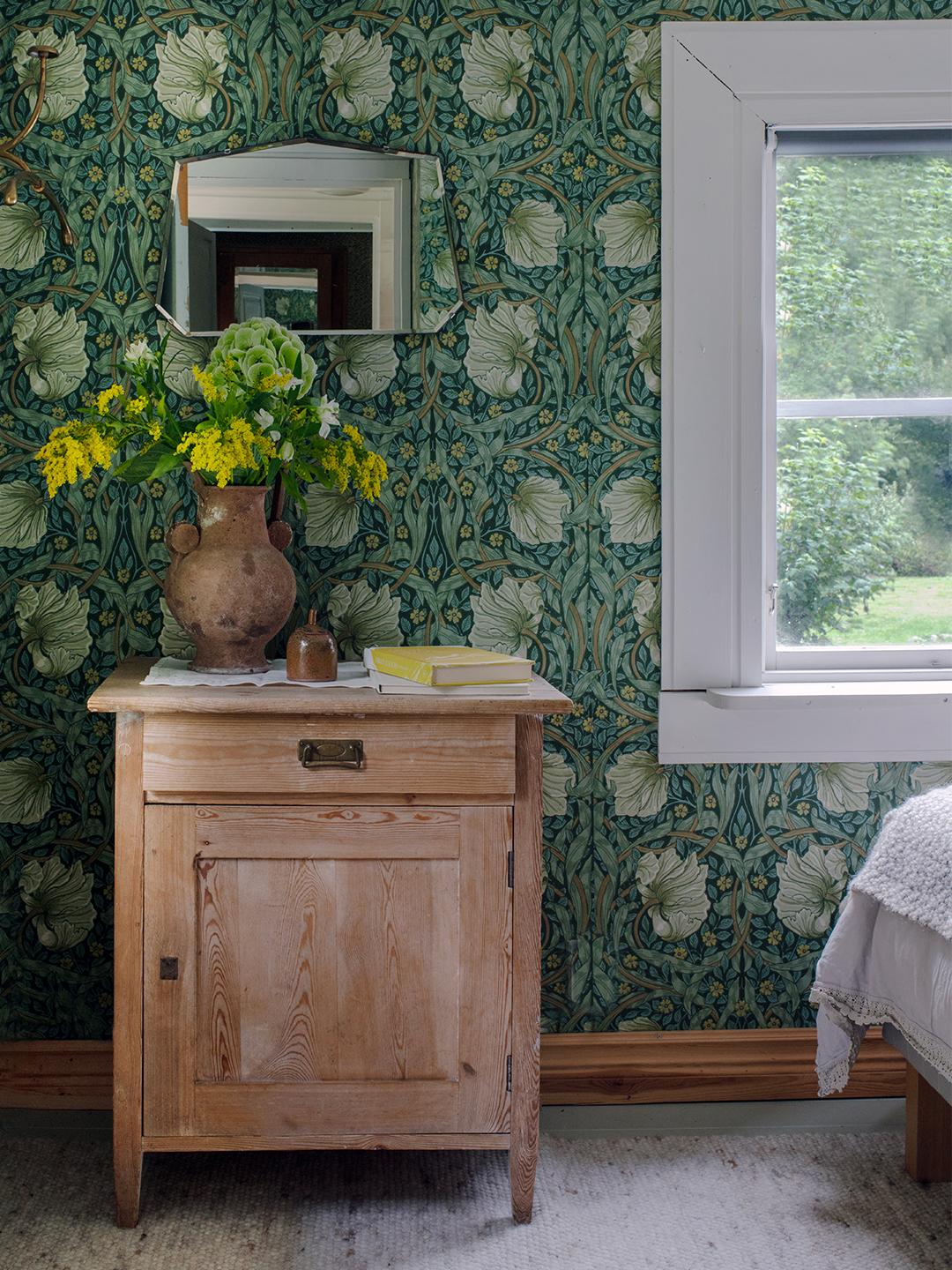
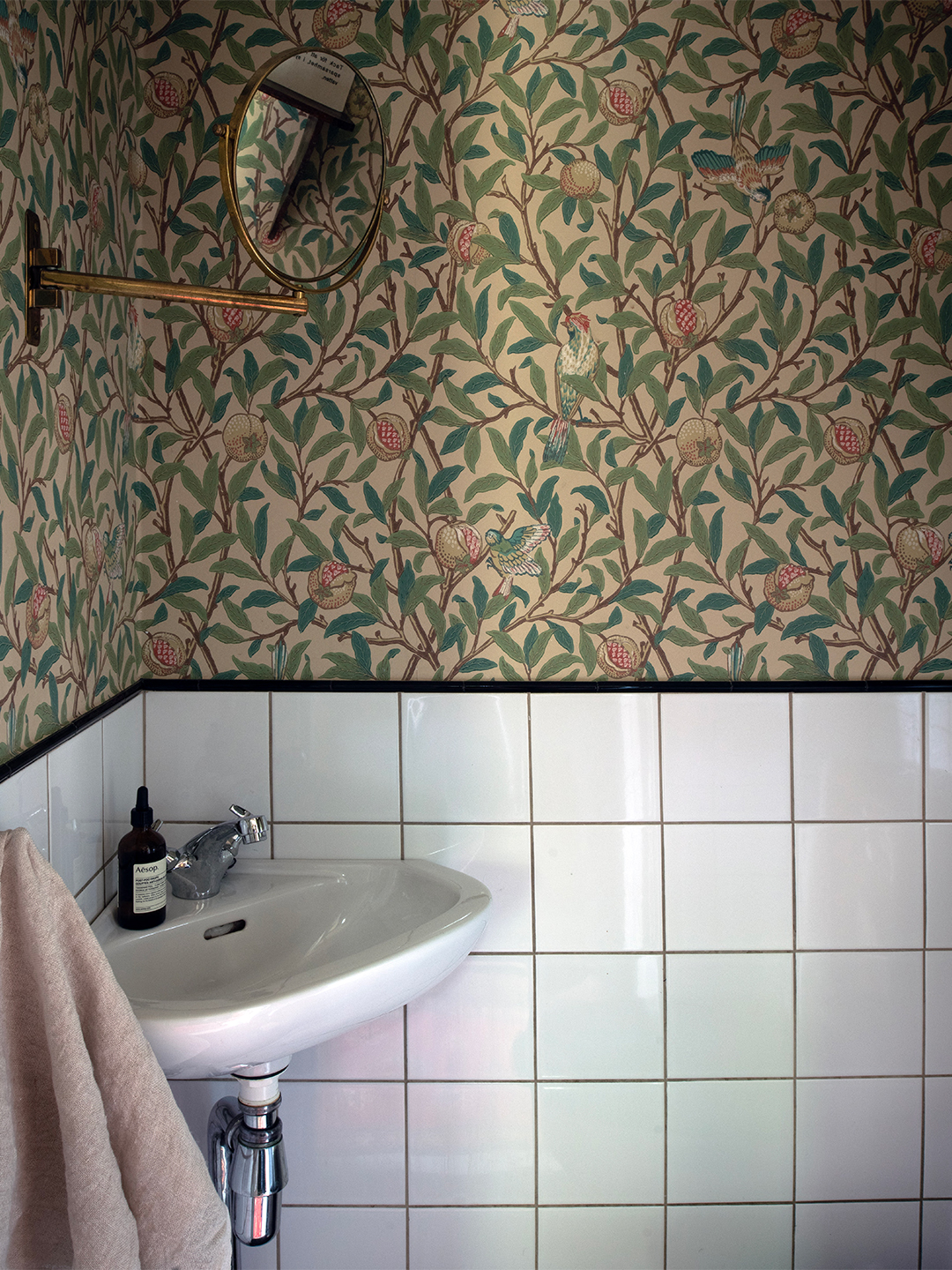
Growing up, all my friend’s homes had that classic William Morris Boughs pattern. I used that in the little bathroom, and then I also used William Morris in the guest house. Those patterns have such texture and they’re printed beautifully. I love to use wallpaper in a little bathroom or a guest house—somewhere I don’t go into a lot, so I don’t get bored of it. I would never do a whole living room. When something is special, you don’t want to get too accustomed to it.