We may earn revenue from the products available on this page and participate in affiliate programs.
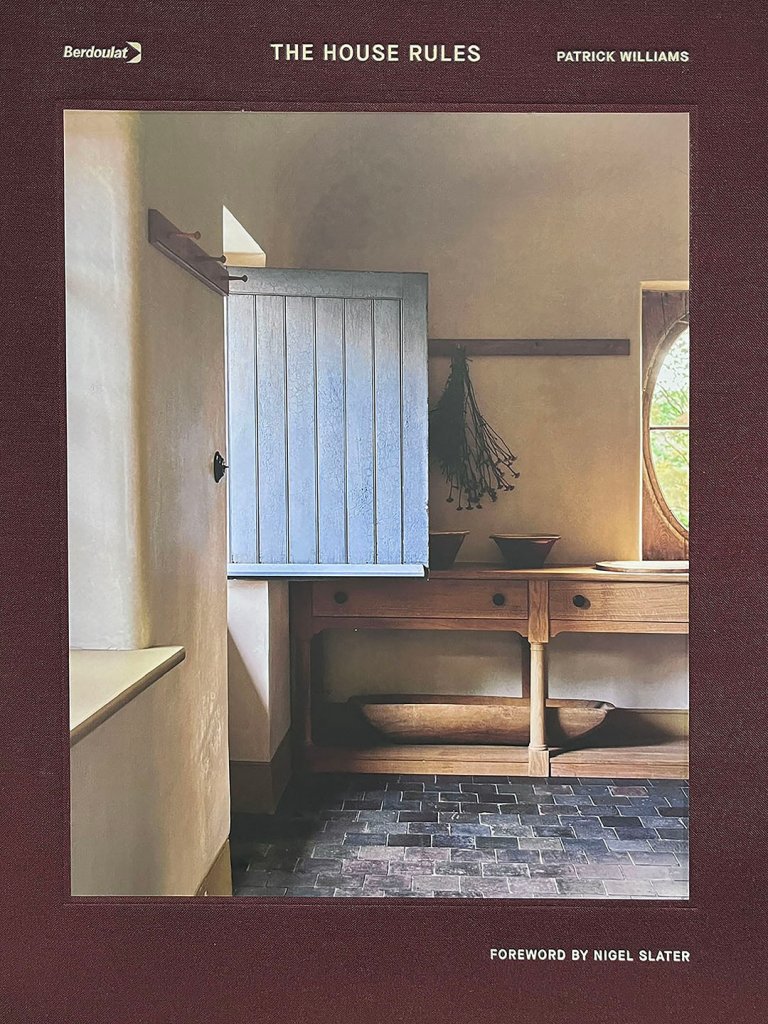
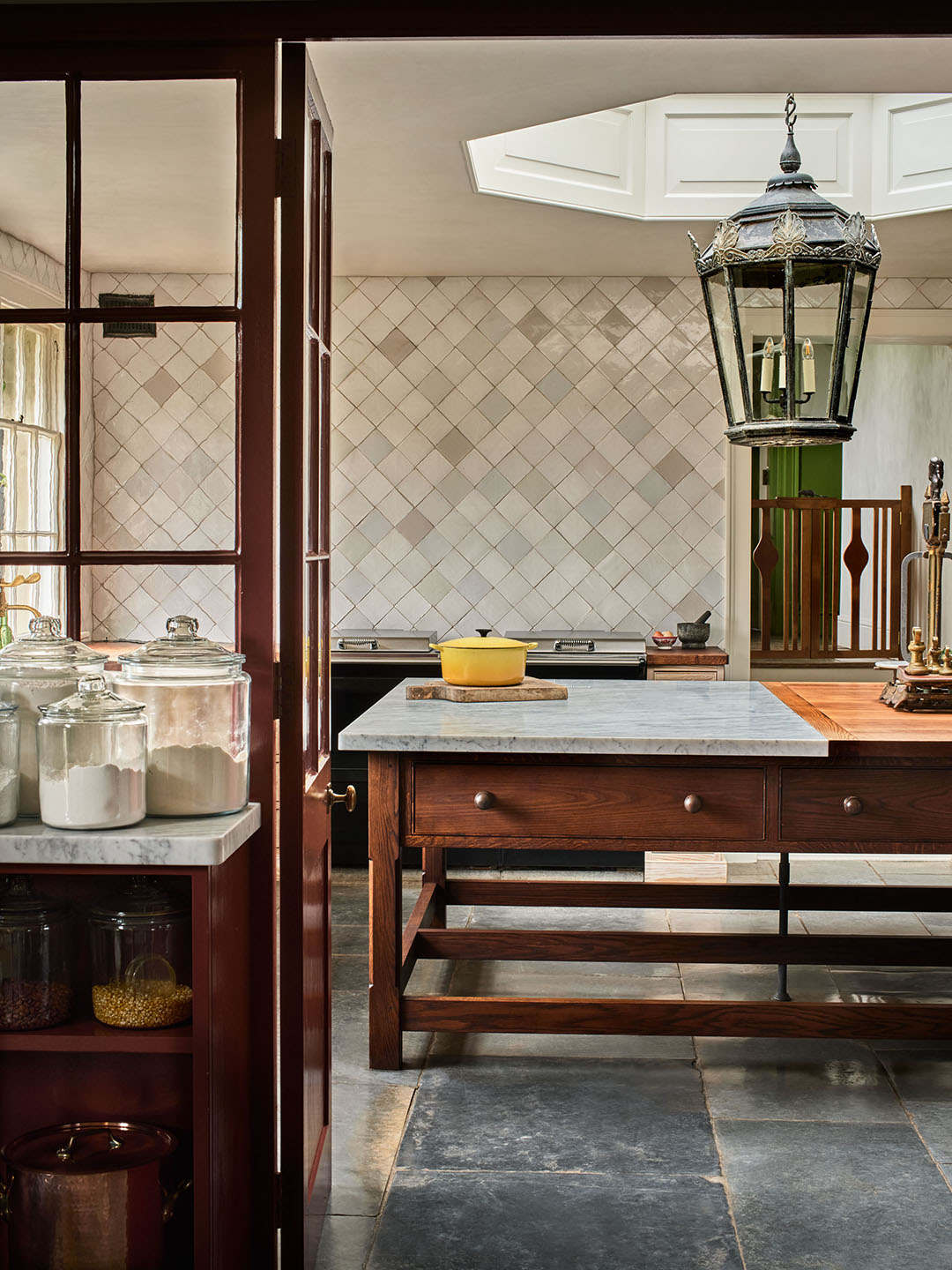
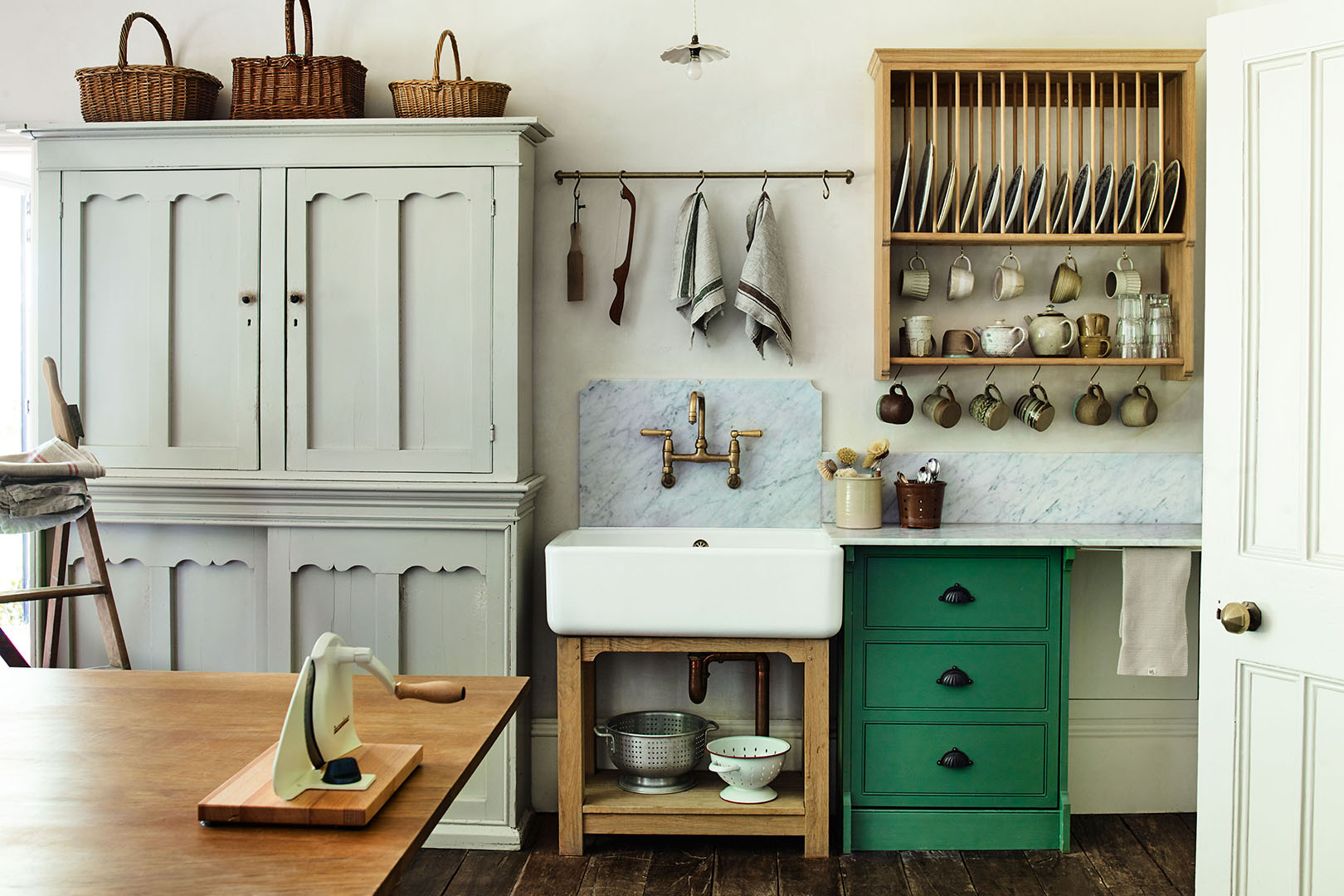
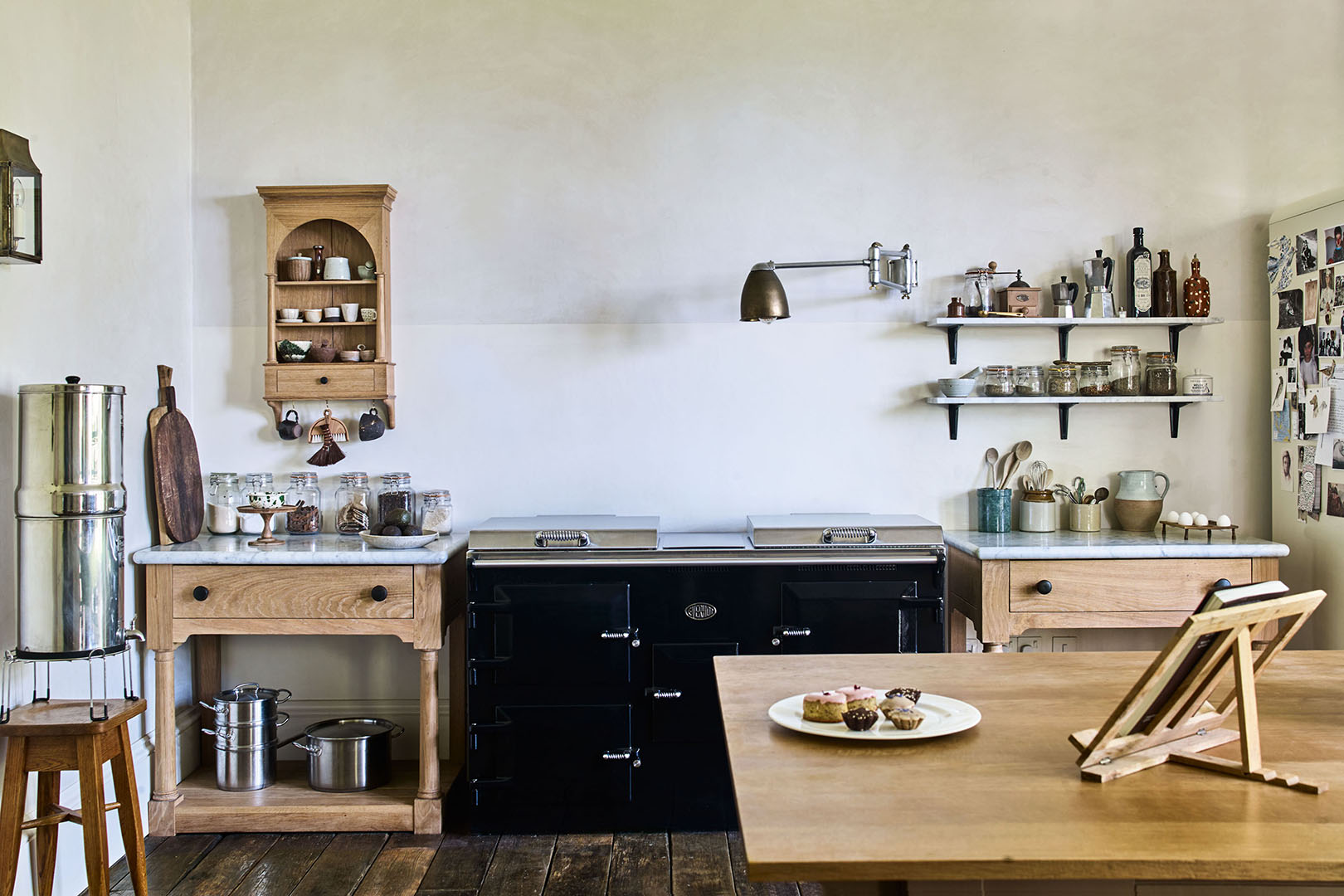
The modern kitchen is tailored to Type As; every inch is optimized, every pot and pan accounted for. But Patrick Williams, founder of design firm Berdoulat, proposes a more intuitive alternative in his new book, The House Rules—one that treats the kitchen less like a system and more like a room to be lived in. Instead of factory-made cabinets, Williams’s spaces are composed of mainly standalone pieces. A worn table at the center, a generous dresser along one wall, open shelving that feels collected rather than freshly installed. The effect is subtle but transformative, shifting the kitchen from something engineered to something arranged.
The House Rules is about much more than culinary spaces, of course. It goes through the origins of the designer’s studio, his early home memories, and favorite commissions. But seeing his novel approach to freestanding kitchen furniture, we had to ask Williams more about it.
Tell us about your approach to kitchens as “furnished rooms.”
Post lockdown, people started to think a little differently about furniture in their homes, and the way in which their various spaces are used. Not only did the desire for open plan start to shift gradually towards a preference for more contained spaces, but also the appreciation for properly made “heirloom” pieces of furniture grew.
Maybe we had all been stuck in our homes for so long we decided the status quo wasn’t good enough, so we sought better. Maybe we became increasingly aware of the importance of connection between family and so wanted to invest in pieces that might transcend generations. Maybe we became increasingly conscious of throwaway culture—and poorly made, mass-produced, flat-pack kitchens that last a few years seemed wrong versus freestanding proper pieces of furniture that will outlive us.
The shift aligned with what Berdoulat has been doing for 20 or so years—an approach to kitchens that’s all about separate rooms furnished with pieces that have proper proportions, not proportions dictated by the appliances they house.
What do you do about appliances?
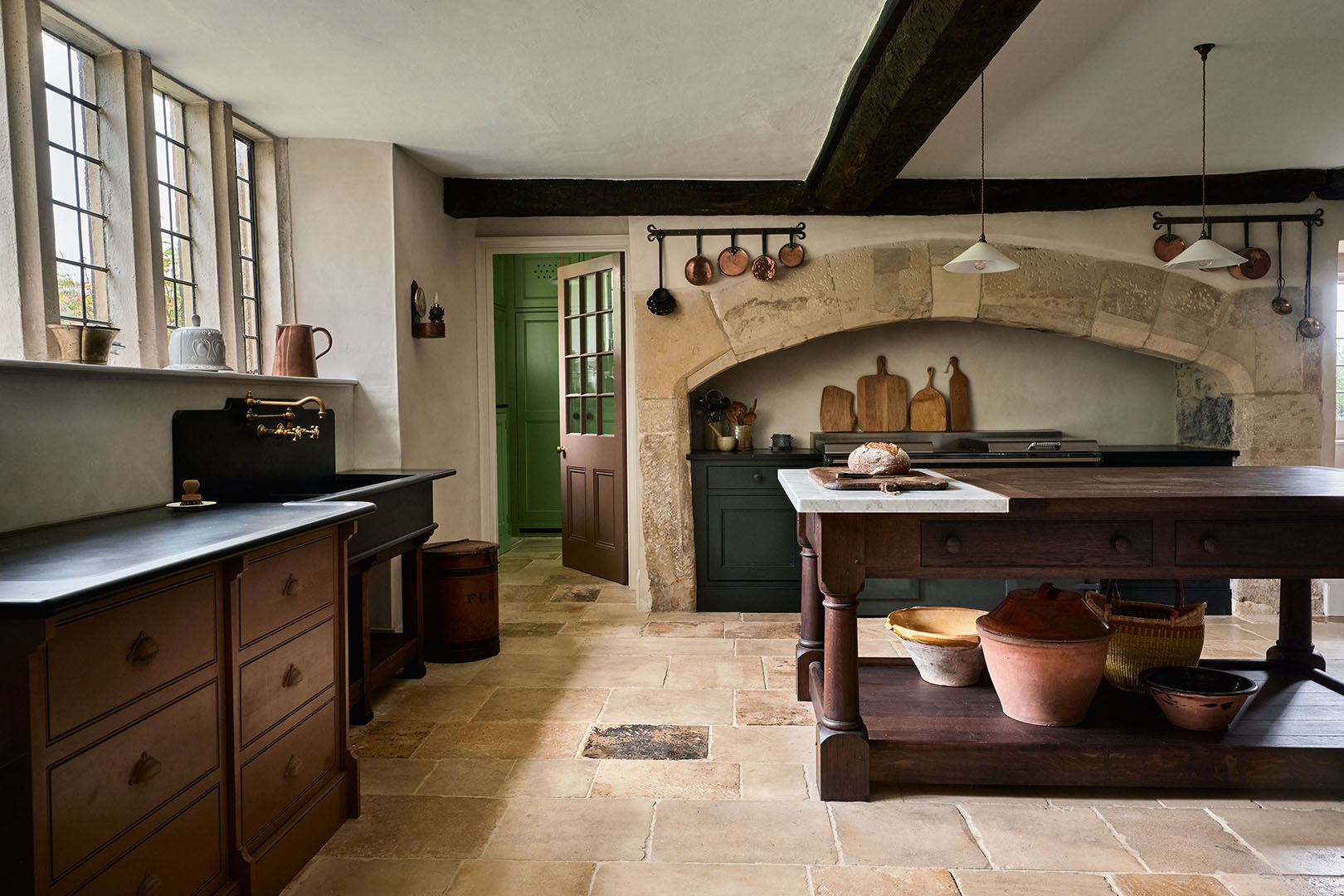
We frequently work on properties that have pantries, larders, and sculleries alongside the main kitchen. If these auxiliary spaces can do all the hard work and incorporate appliances, chaotic food storage, and house awkward pots and pans and ice cream makers etc., it means that the main kitchen can have the requisite breathing room and be furnished with proper pieces of furniture. So the monolithic island (housing a dishwasher) can become a cook’s table with an open base, enabling you to read the floor running beneath it.
When one cannot keep appliances in an auxiliary space, I try to either be totally honest about them—“Hello, I’m a modern fridge”—or I house them in such a way as to break their inevitably awkward and unpleasant proportions. So for example, a dishwasher and pull-out bin within the central portion of a breakfront dresser.
What’s the first decision you make?
The title of my book, The House Rules, refers to our mantra as a practice: the building is the client. As such, the design of any added architectural detail or room should be a direct response to its history, fabric, setting, and spirit. Honesty is key. Whatever is introduced or whatever work is carried out must be in harmony with, and the correct approach for, the building. There’s no room for something simply because it’s “on trend.” The best spaces invariably feel like they’ve always been there or have come together organically over time.
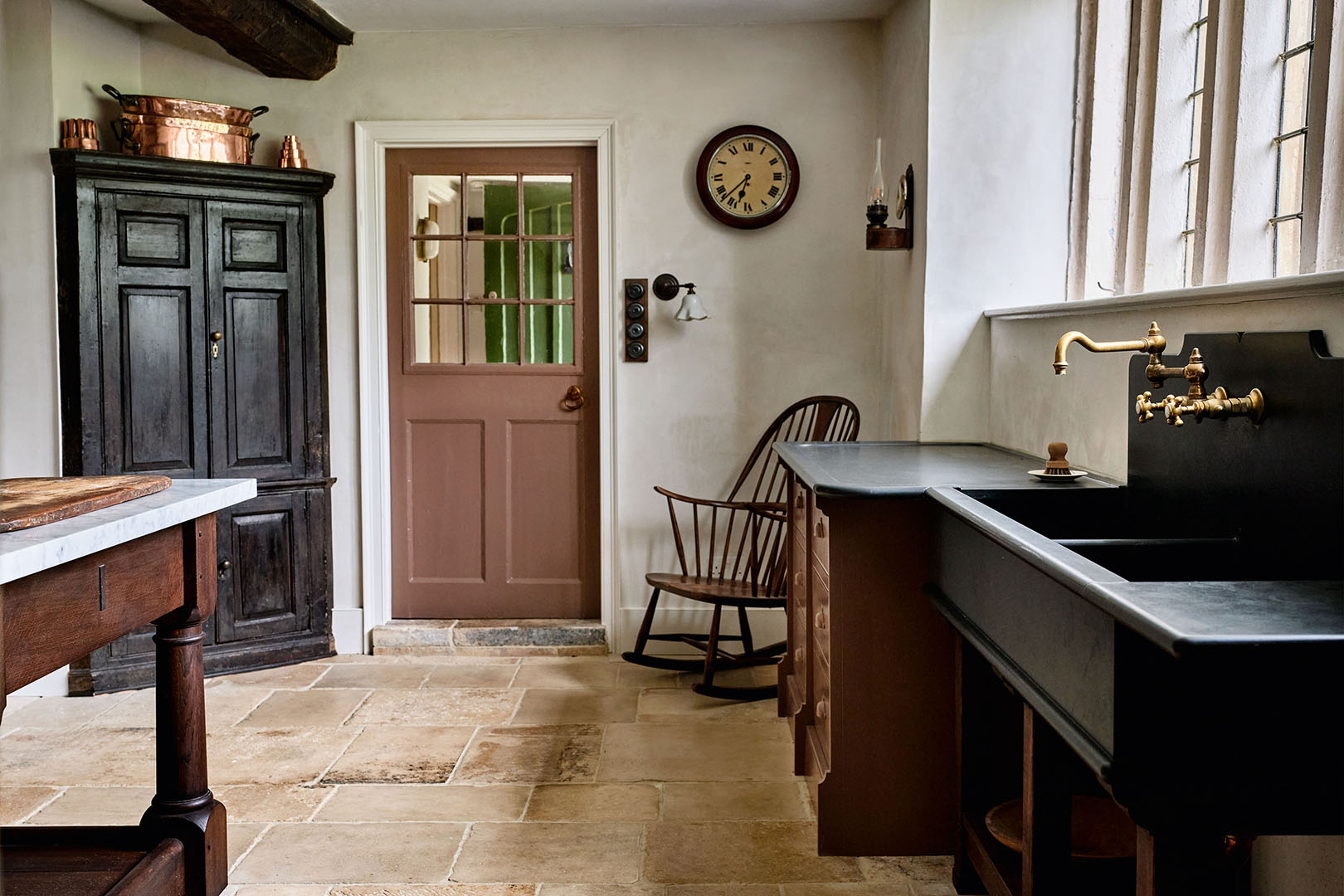
How do you define a “good” kitchen?
The best bathrooms are ones that feel the least bathroom-y, and ditto for kitchens. I like them to not feel too sterile or too cold and practical. Of course you are prepping and often eating food in the kitchen, so it’s important that it can be kept clean, but ultimately my favorite kitchens feel warm and inviting, and are furnished as one might a living room.
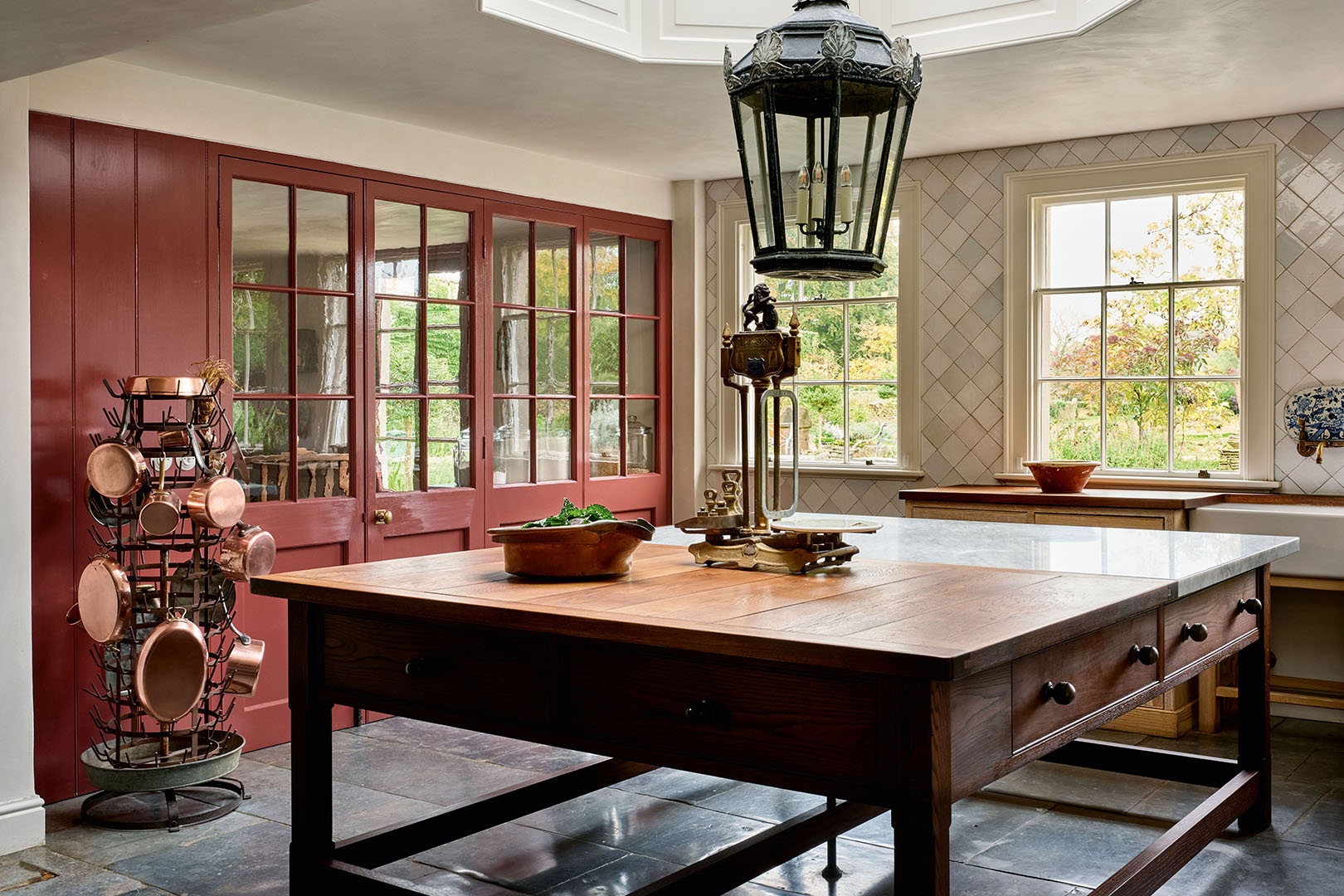
What is one of the most important pieces to have in a kitchen?
I’d say the table is the most vital part of any kitchen. It frames so much of family life, it welcomes, it hosts, it reassures.
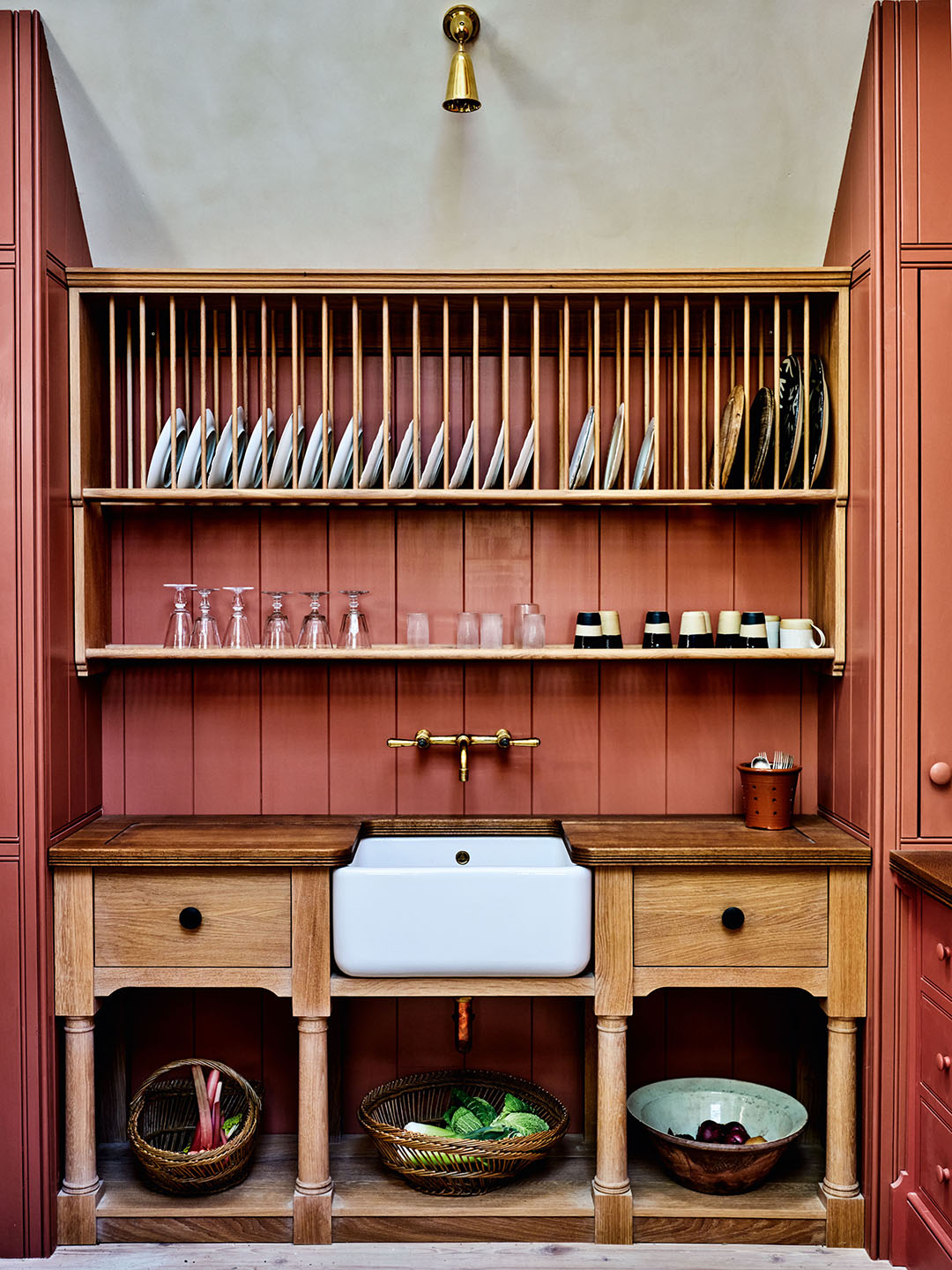
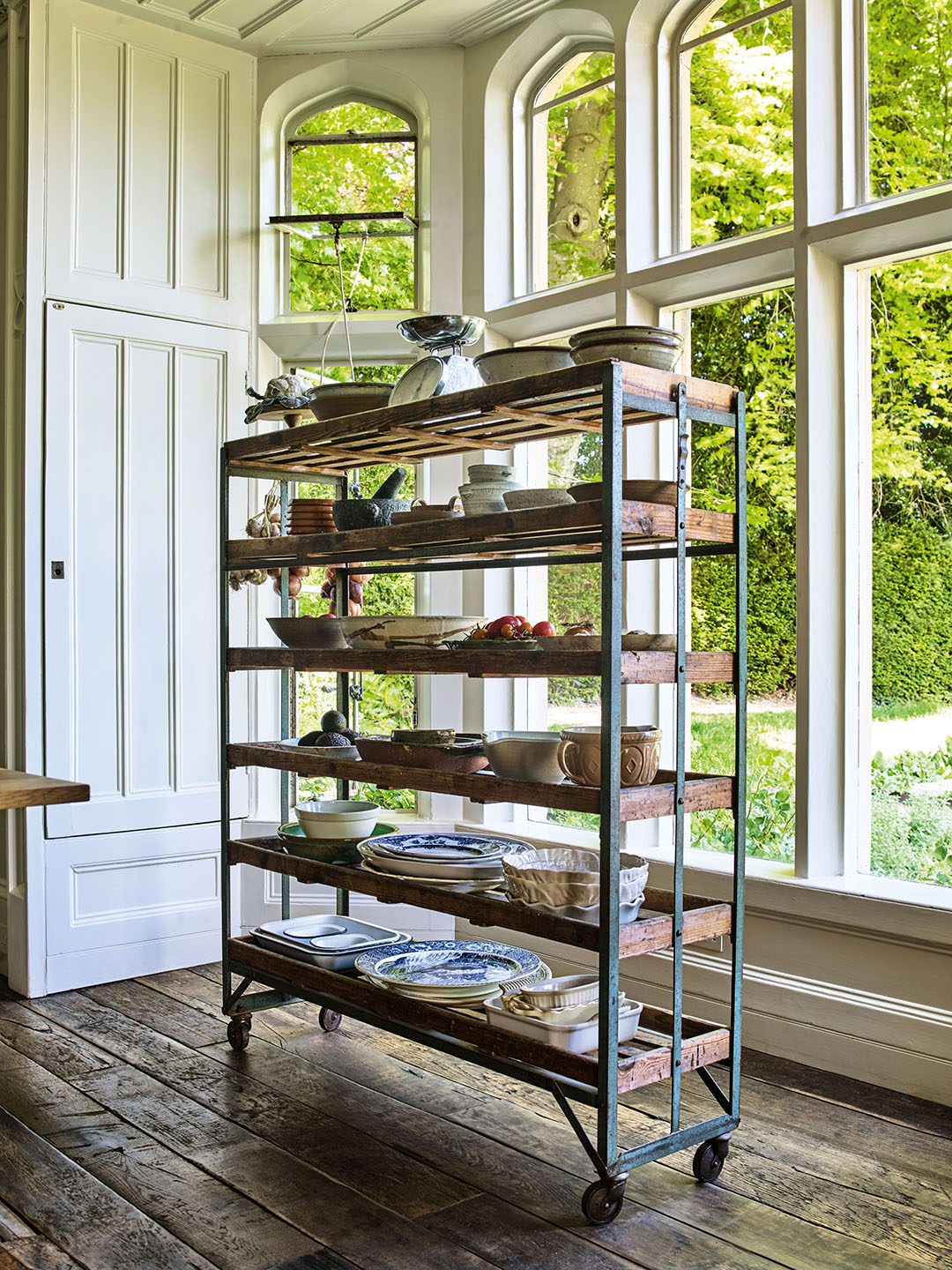
Are there historical references you return to, or is the design process more intuitive?
Fashion or trends have never been factors for me when it comes to design. That said, I don’t think what I do is necessarily “period” in feel. It’s simply that very often the materials and techniques used in the past are ones that last, that chime with the buildings I am working on and best suit the people who live in them.
A great deal of the furniture we produce is directly inspired by the great Edwin Lutyens, for example, who was heavily inspired by 18th-century pieces, whose designers had in turn been inspired by classical forms ultimately inspired by nature. There’s certainly an element of “why change a winning formula?” But in the same way that a recipe is passed down from generation to generation, the design may be adapted a little by each cook. Each arrangement will be nuanced, and carry a little flavor of the arranger, but ultimately the song is owned by no one and belongs to everyone.
Which kitchen in the book would you most want to cook in tonight?
Because I have been travelling for such a long time (an epic three-week road trip through the U.S. promoting my book), it would probably be my own kitchen at home!