
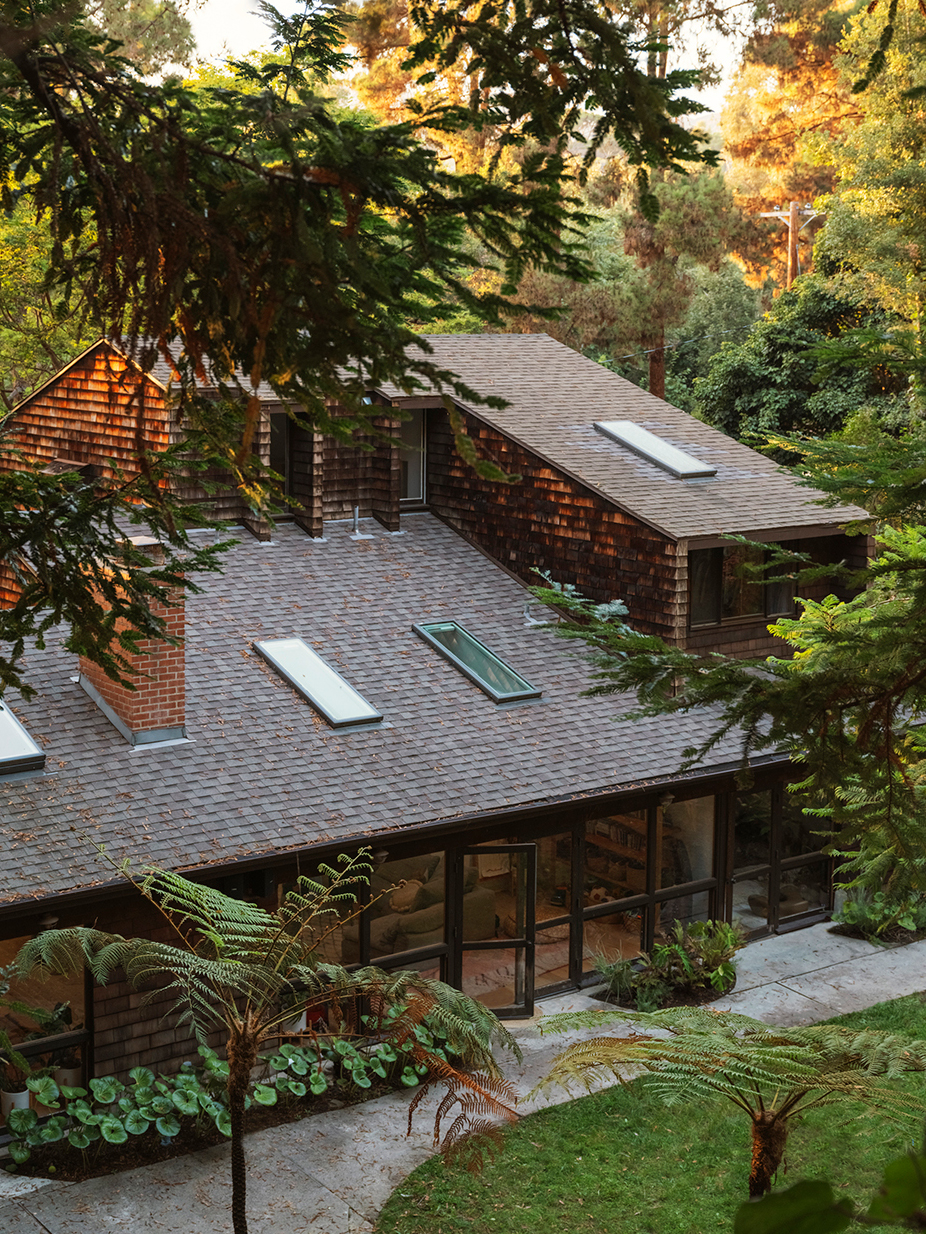
We may earn revenue from the products available on this page and participate in affiliate programs.
Before a buyer ever steps through the door of a potential new home, the front yard has already made the case for whether or not a house is going to be the house. Think of it as the residence’s opening line, explains designer Nick Spain, whose work extends across gardens and interiors. Spain’s firm is known for outdoor spaces that strike an organic balance: elegant yet playful, relaxed, and easy to maintain. When it comes to selling, he’s advised several clients on the matter of exteriors: “the immediate value of the house is shown the moment you pull up.”
But that doesn’t mean you need to undertake a massive landscaping overhaul. “The most important thing is that you are having some type of conversation with your house,” Spain said; a yard should feel connected to the home’s architecture, both stylistically and visually.
What should you do to prepare your outdoor spaces when you’re getting ready to go on the market? Below, six things Spain would encourage sellers to keep in mind.
Let the Architecture Shine
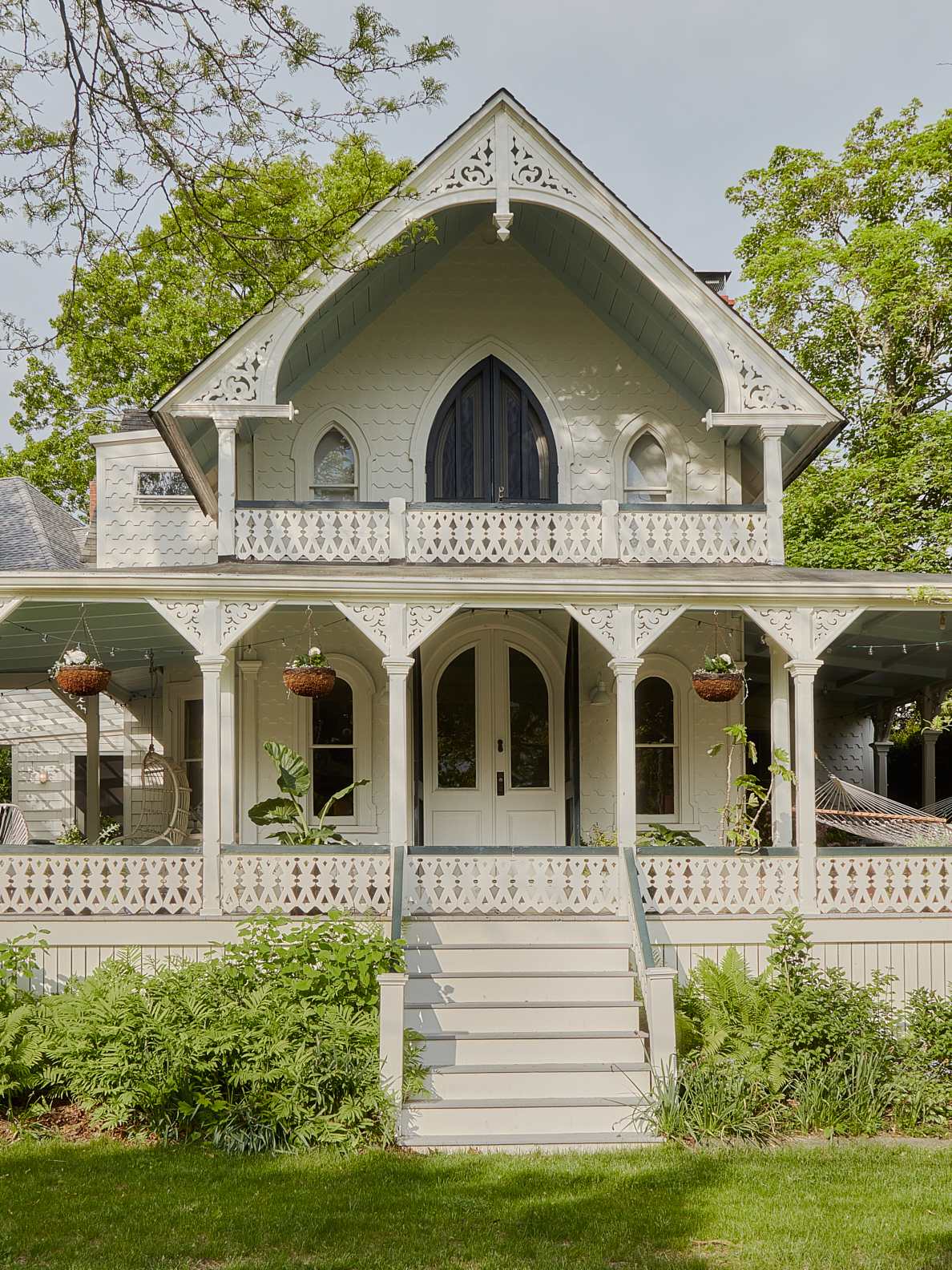
One of the biggest mistakes sellers make, according to Spain, is allowing overgrown trees and shrubs to obscure the home itself. “The last thing you want to do is diminish the immediate value in the house,” he says. Trim things back, especially around windows and entryways. Although, Spain cautions against stripping a yard bare in pursuit of perfection. “I would much rather see something that is maybe a little bit awkwardly placed but feels mature,” he says.
Time Your Plant Purchases Right
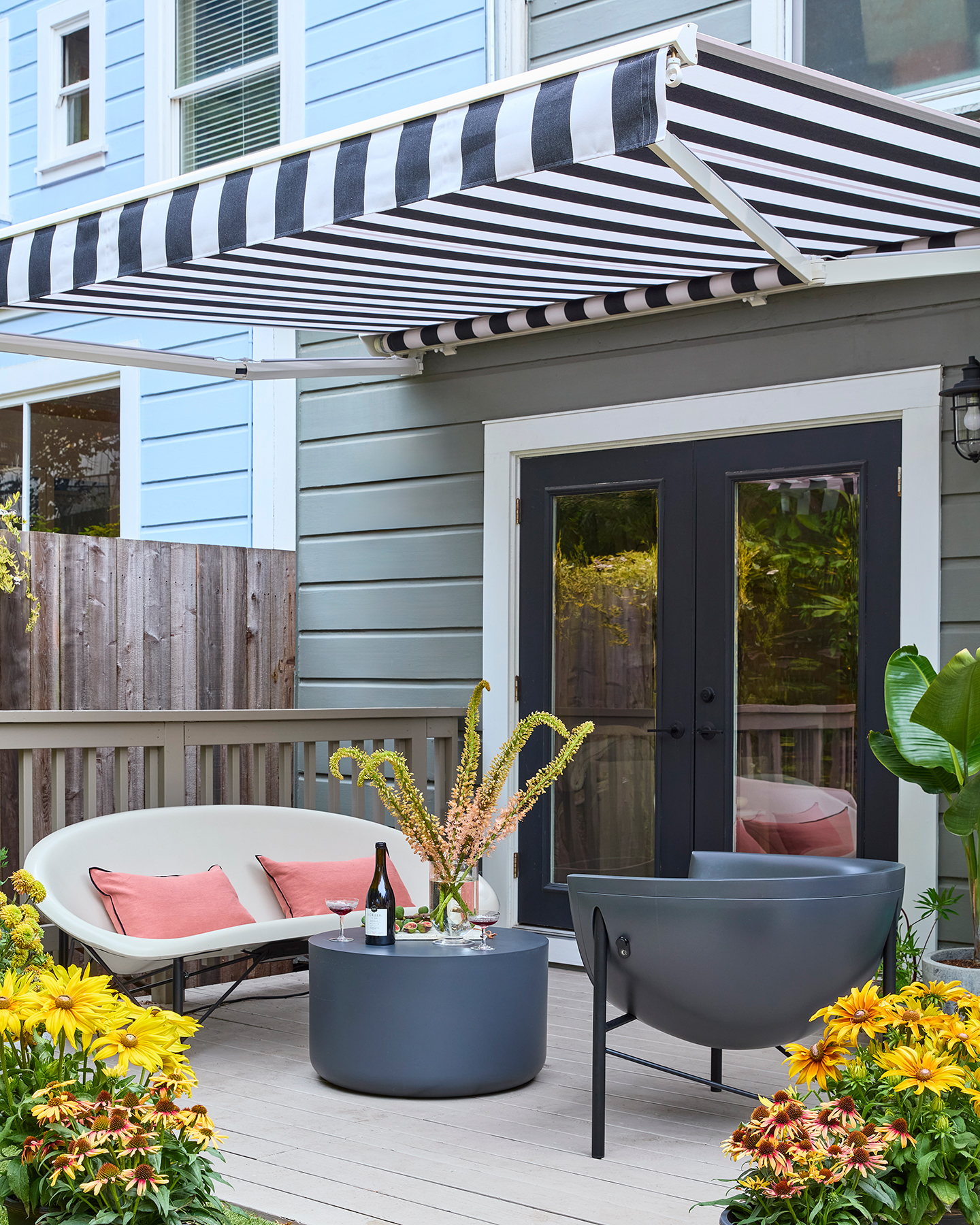
“We all have that impulse to buy things that are already in bloom,” Spain says. “But that, in fact, is not the best thing to do.” Instead, he recommends purchasing plants that are just beginning to bud. “That means that you’re going to get something that has a longer bloom time,” he explains. Annuals can be surprisingly effective for quickly refreshing a yard before sale, even for designers and gardeners who typically favor perennials. Spain points to long-blooming flowers, like hollyhocks and Gaura lindheimeri (also known as Lindheimer’s beeblossom), which add color and life throughout the season without requiring a major investment.
Commit to a Color Palette
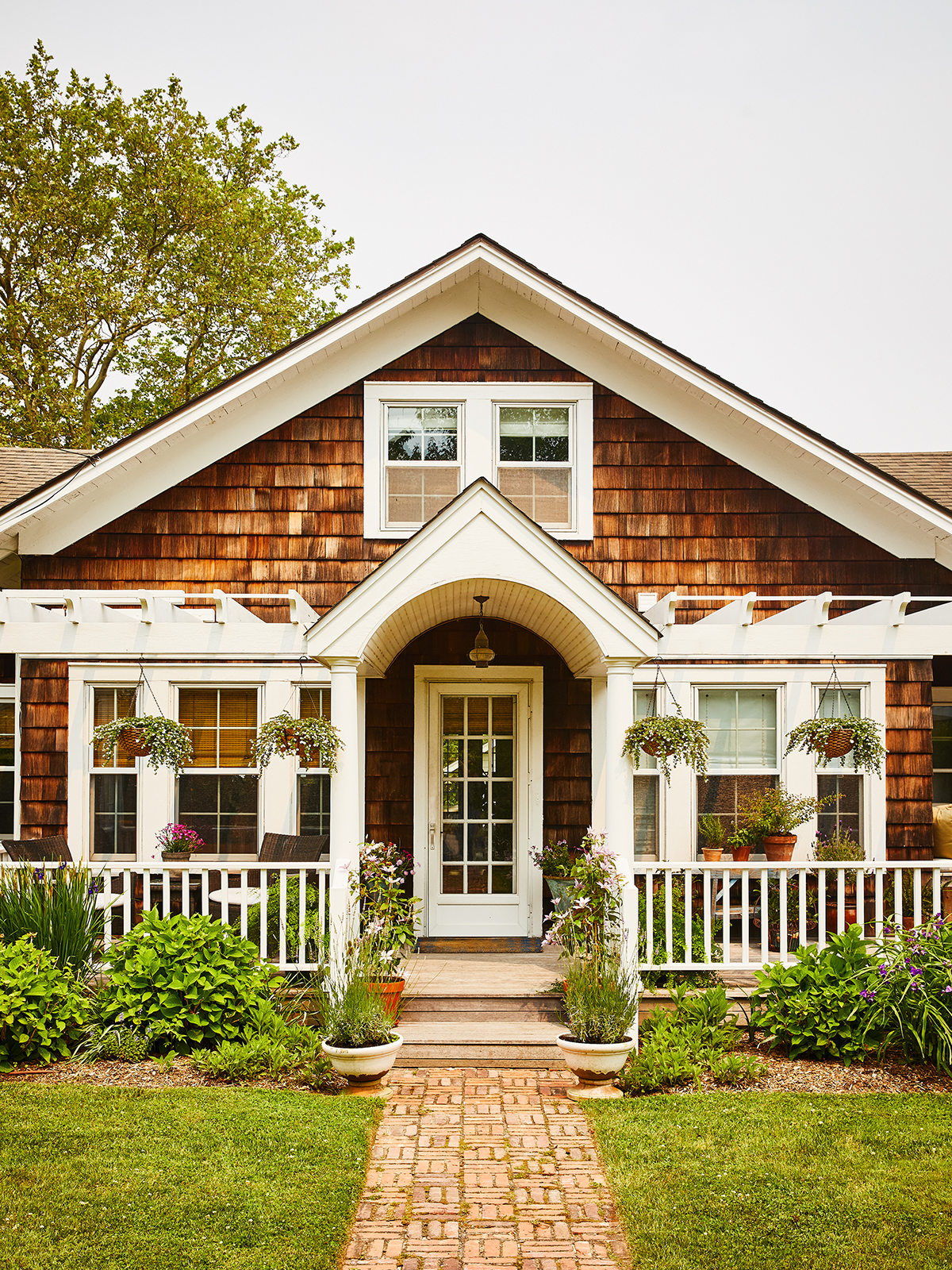
The key, he says, is being purposeful. “If you feel your garden isn’t cohesive, just get one or two things and repeat those throughout the entire scheme,” he says. Using the same flower or color across your property will help unify a space that may otherwise feel random or disconnected.
Skip the “Mulch Desert”
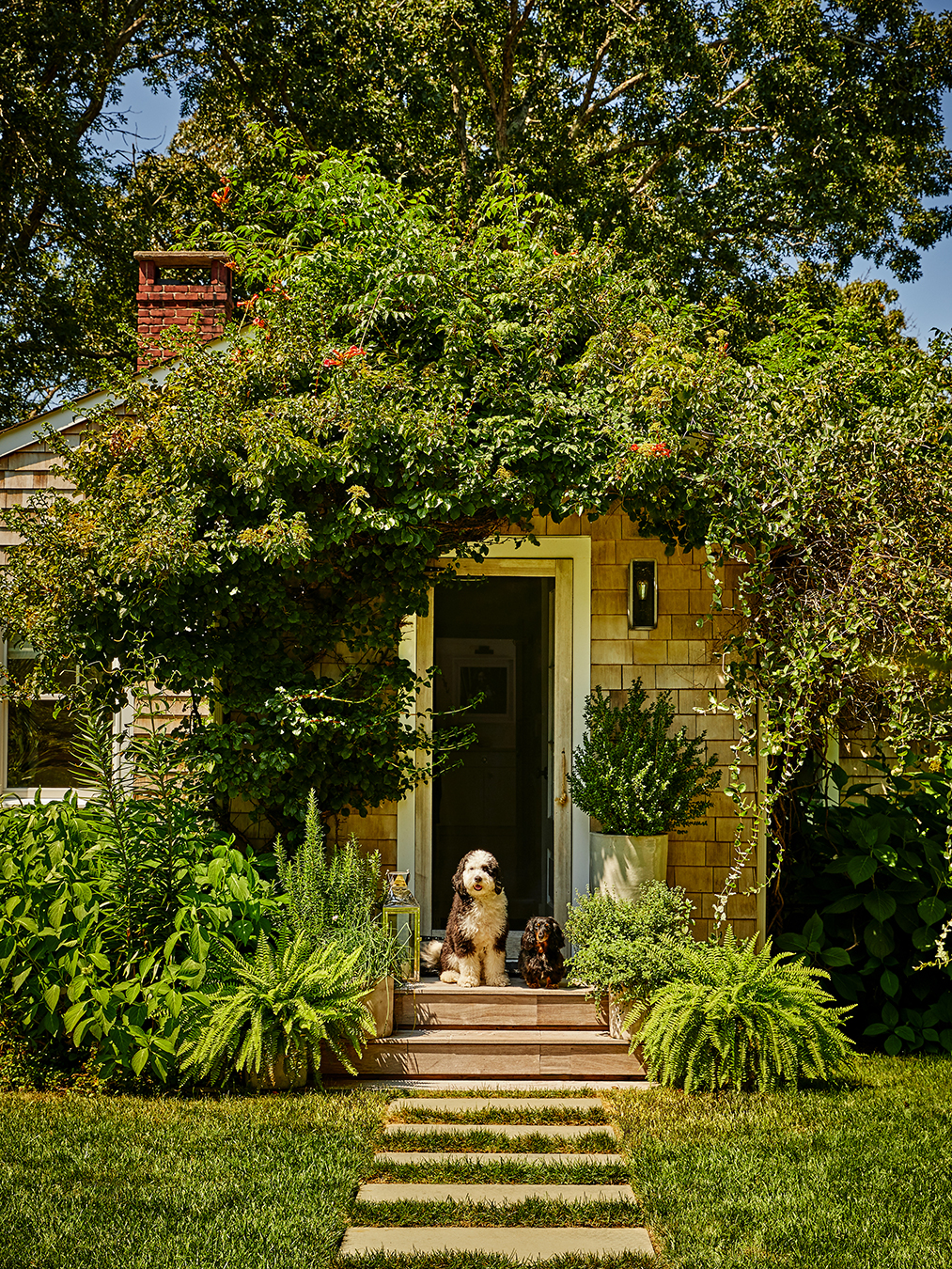
Spain isn’t a fan of expanses of wood chips broken up by isolated plants. Instead, he suggests layering ground cover, annuals, and perennials to create fullness and texture. The result, he says, offers “a sense of generosity and health and abundance.”
Keep your Paths—and Vision—Clear
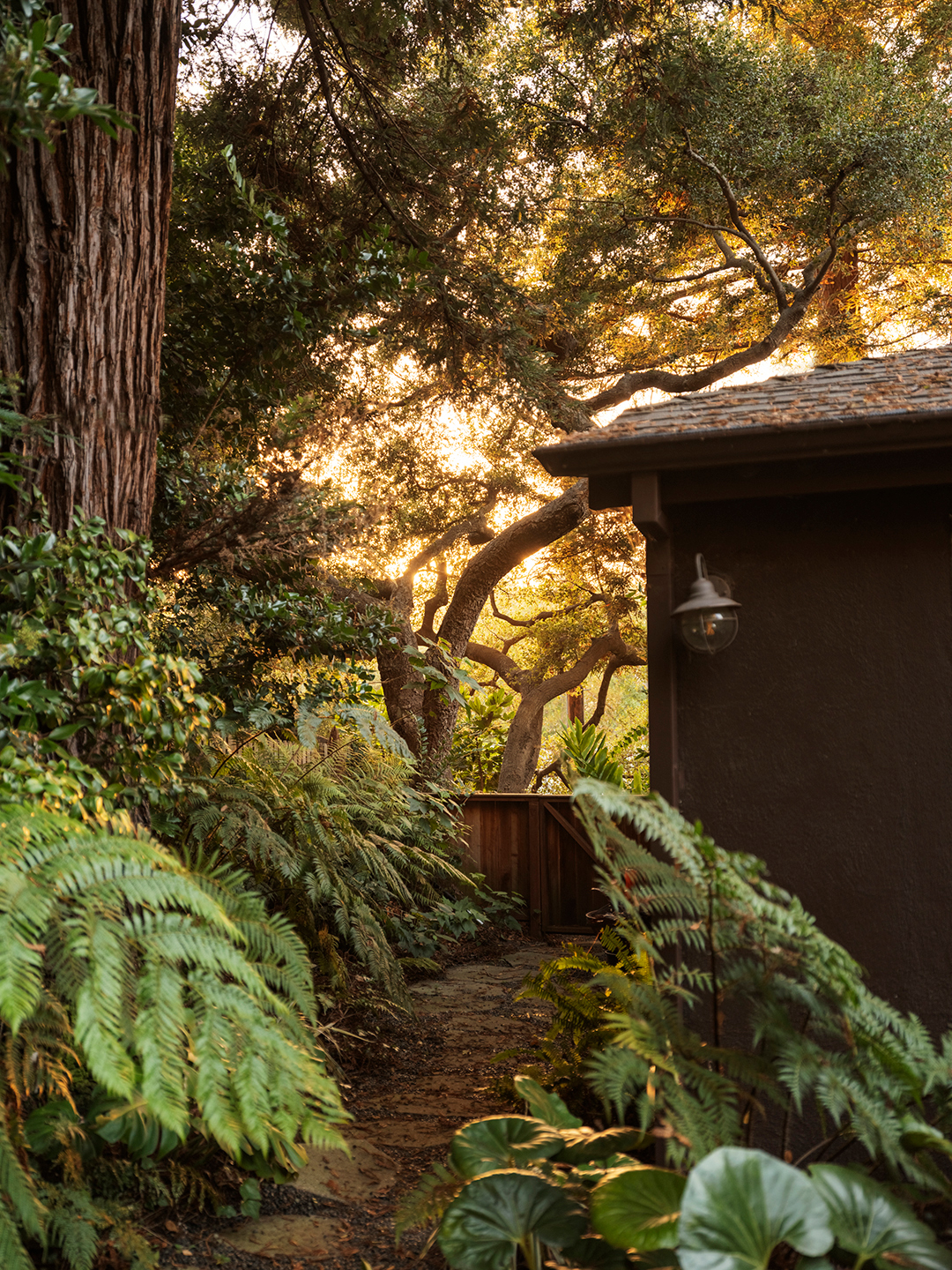
Homeowners with wild or more naturalistic landscaping don’t necessarily need to tame everything. Alternatively, Spain prefers “cues for care”—subtle signs that the landscape design is intentional. “If you have been doing rewilding or a meadow, that doesn’t mean you actually have to cut down the meadow,” he says. “But doing a mown path through it or edging the front of the bed gives that cue that it’s supposed to look like this.”
Make Porches and Backyards Feel Lived-In
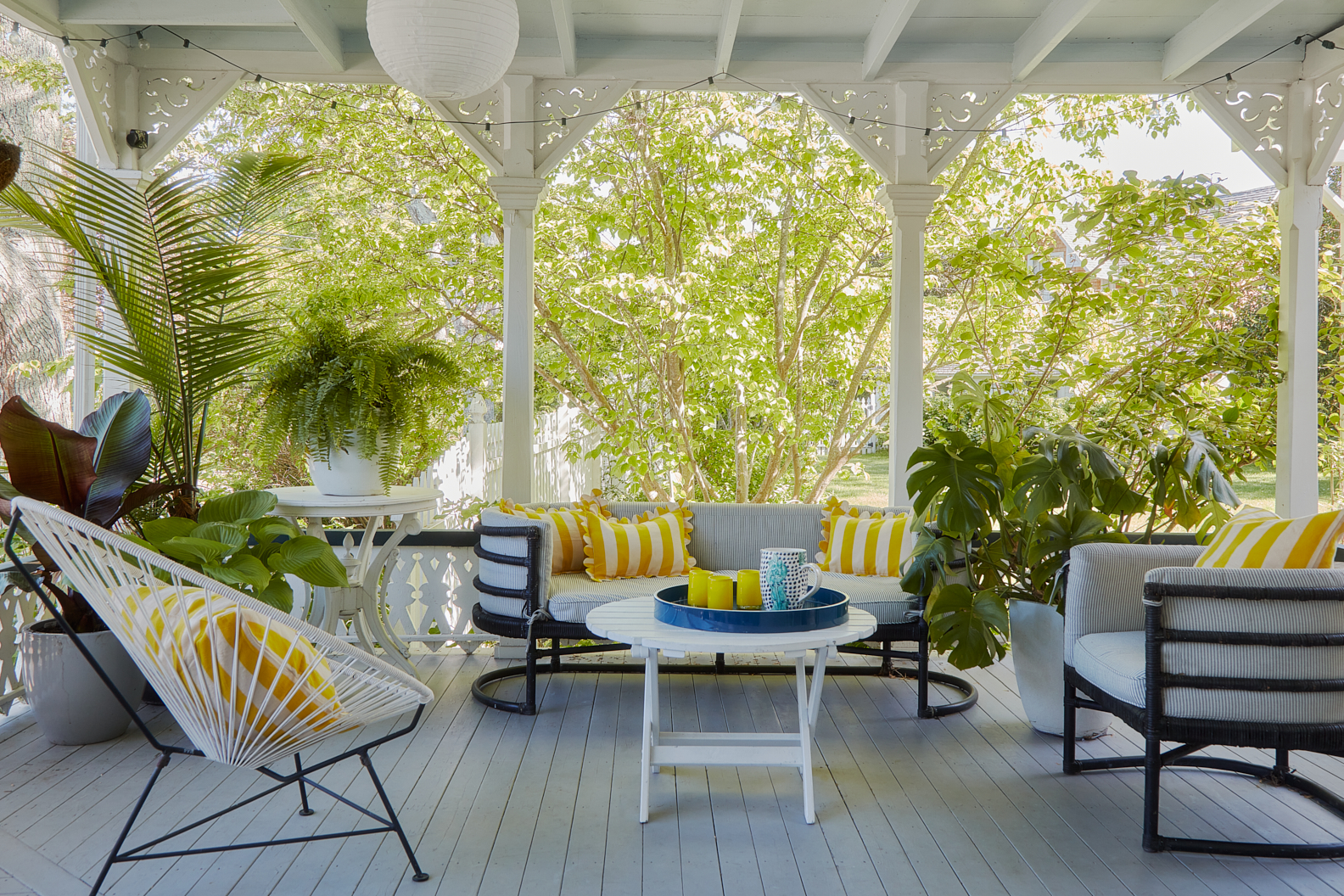
Outdoor living spaces can be major selling points, but there’s such a thing as overly staged. “Good taste is all about context,” Spain notes. A high-quality patio set or a thoughtfully-placed fire pit can tell a story within the yard, which in turn can help buyers imagine themselves in the center of the scene.
Consider the View From the Living Room
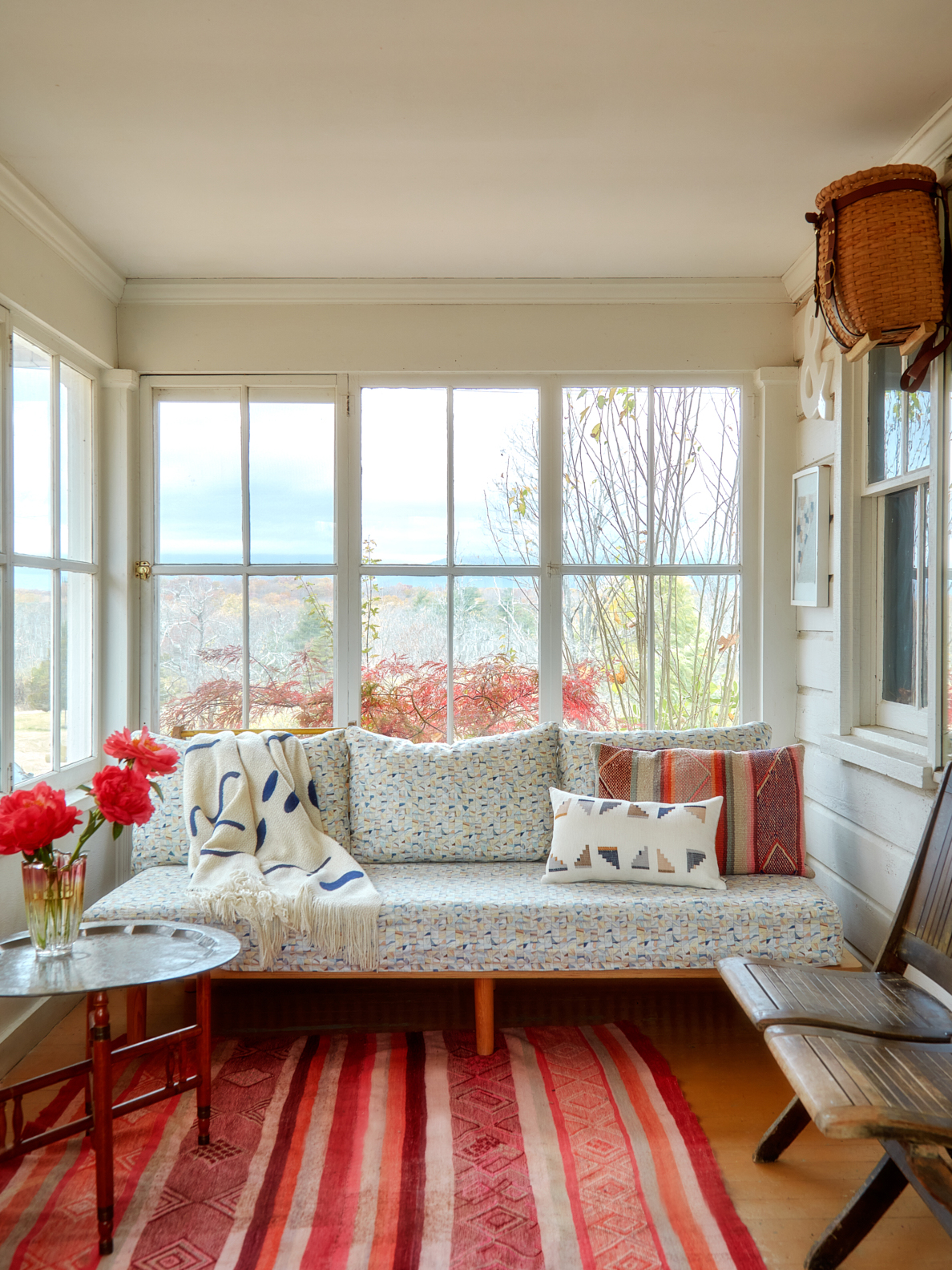
One of the most overlooked aspects of exterior design, Spain says, is how the yard looks from inside your home. “The views are natural artwork,” he says. Before listing, walk through the house and pay attention to what each window frames. A garden may look beautiful from the street, but awkward from a second-floor bedroom or the kitchen. Even small adjustments, like moving containers, trimming plantings, or coordinating paint or decor colors with outdoor blooms, can make your home feel more unified.
Spain points to one historic property he visited where the fabric on a window seat perfectly coordinated with the rhododendrons blooming outside. “It’s that connection between your interior and exterior,” he says. “That’s super important.”