We may earn revenue from the products available on this page and participate in affiliate programs.
Photography by Jenna Peffley; Styling by Merisa Libbey jenna peffley
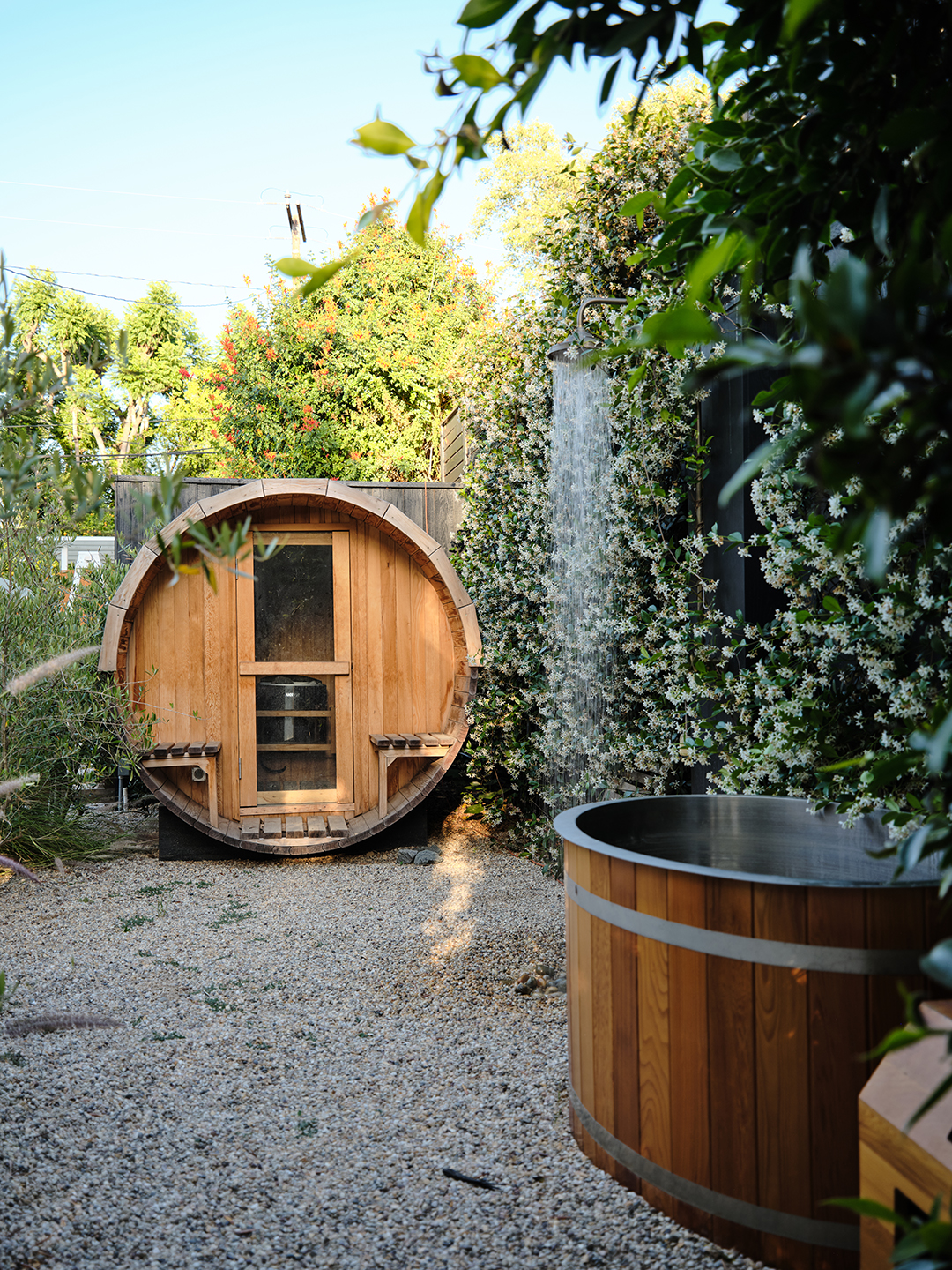
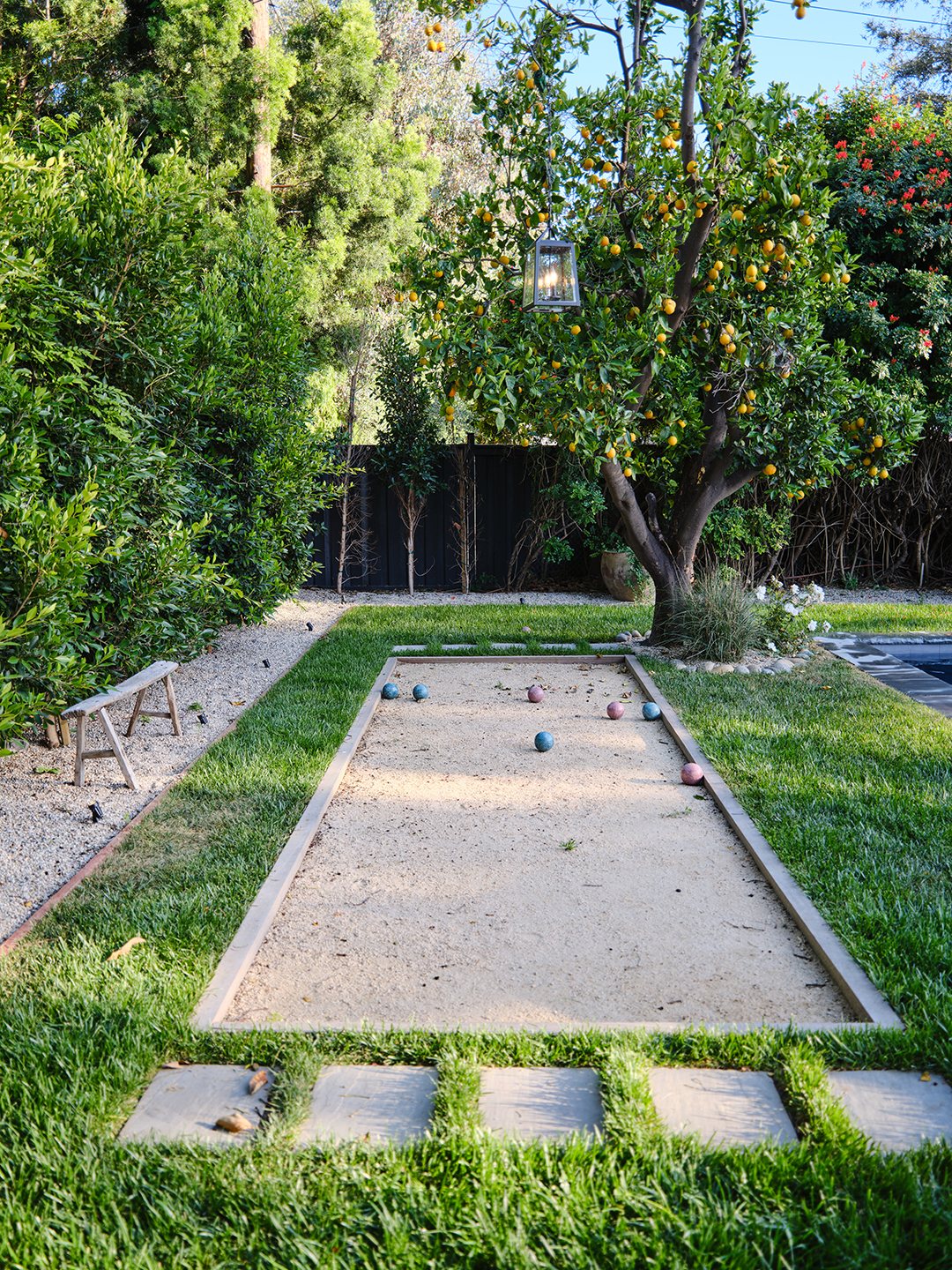
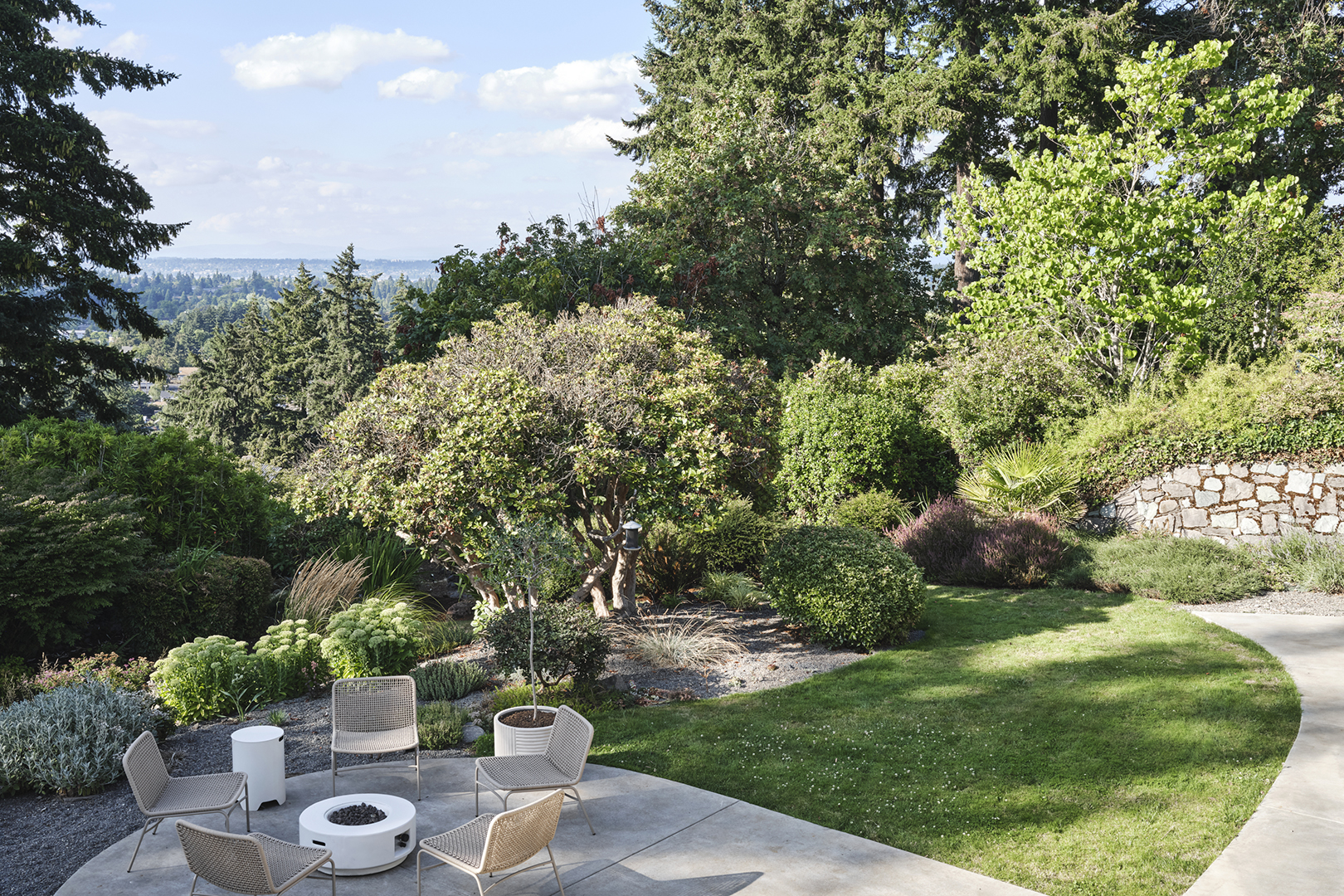
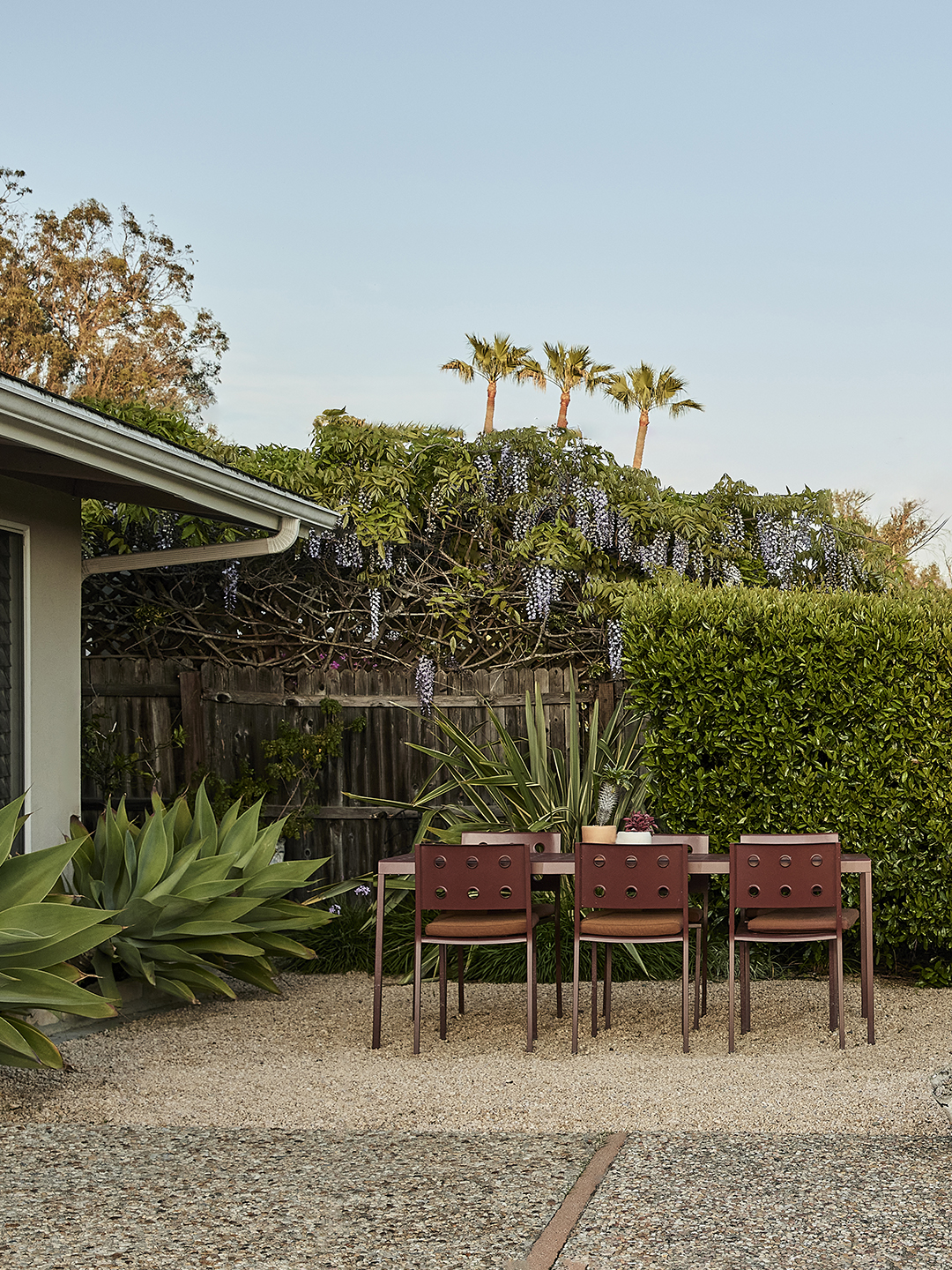
Most backyards are dedicated to activities: BBQing, lounging, cooling off in the pool if you’re lucky. But what if you stepped outside and had a spot to support every mood? A café dining set catching the morning sun for your first cup of coffee. A cocoon-like chair tucked beneath a tree for a reading (and recharging) break. A long dining table for gathering with neighbors on balmy evenings, near a small patch of raised beds that brings you joy between meetings. According to two newly released reports, one from Yardzen and another from Houzz, that’s exactly how homeowners are thinking about their outdoor spaces right now.
Yardzen’s 2026 Outdoor Living Trend Report calls this shift the “Experiential Yard”—an outdoor space designed around feelings rather than features. Instead of focusing on what a yard contains, homeowners are increasingly prioritizing the experiences it supports, whether that’s hosting friends for dinner or simply finding a quiet moment alone.
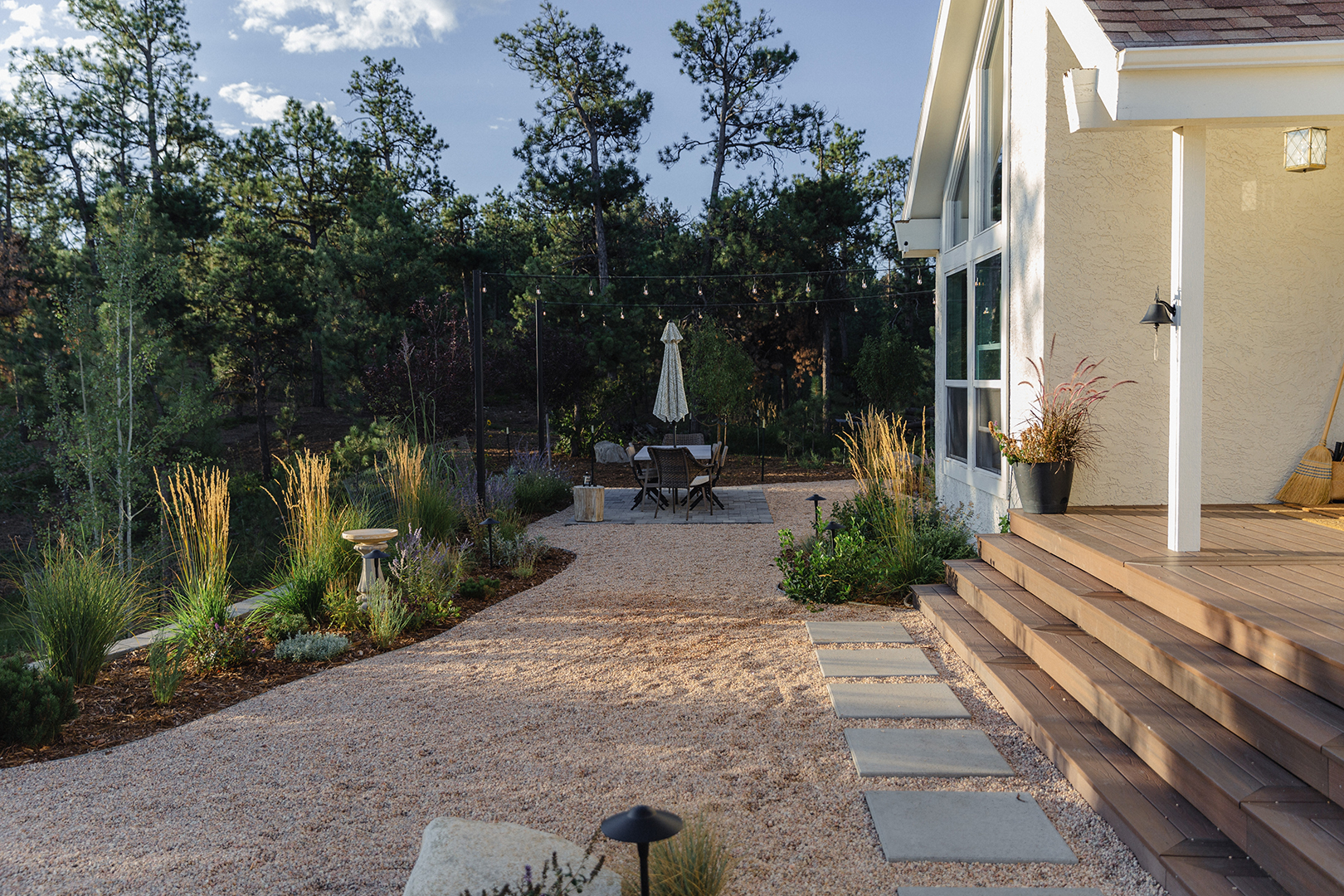
The idea is echoed in the Houzz Outdoor Report, which found that homeowners are customizing their yards beyond the usual, carving them into dedicated zones. While lounge and seating areas are the most popular addition (83 percent of the homeowners surveyed including one in their outdoor plans), more than half are creating quiet retreats or reading nooks. Gardening areas (49 percent) and outdoor cooking zones (48 percent) aren’t far behind.
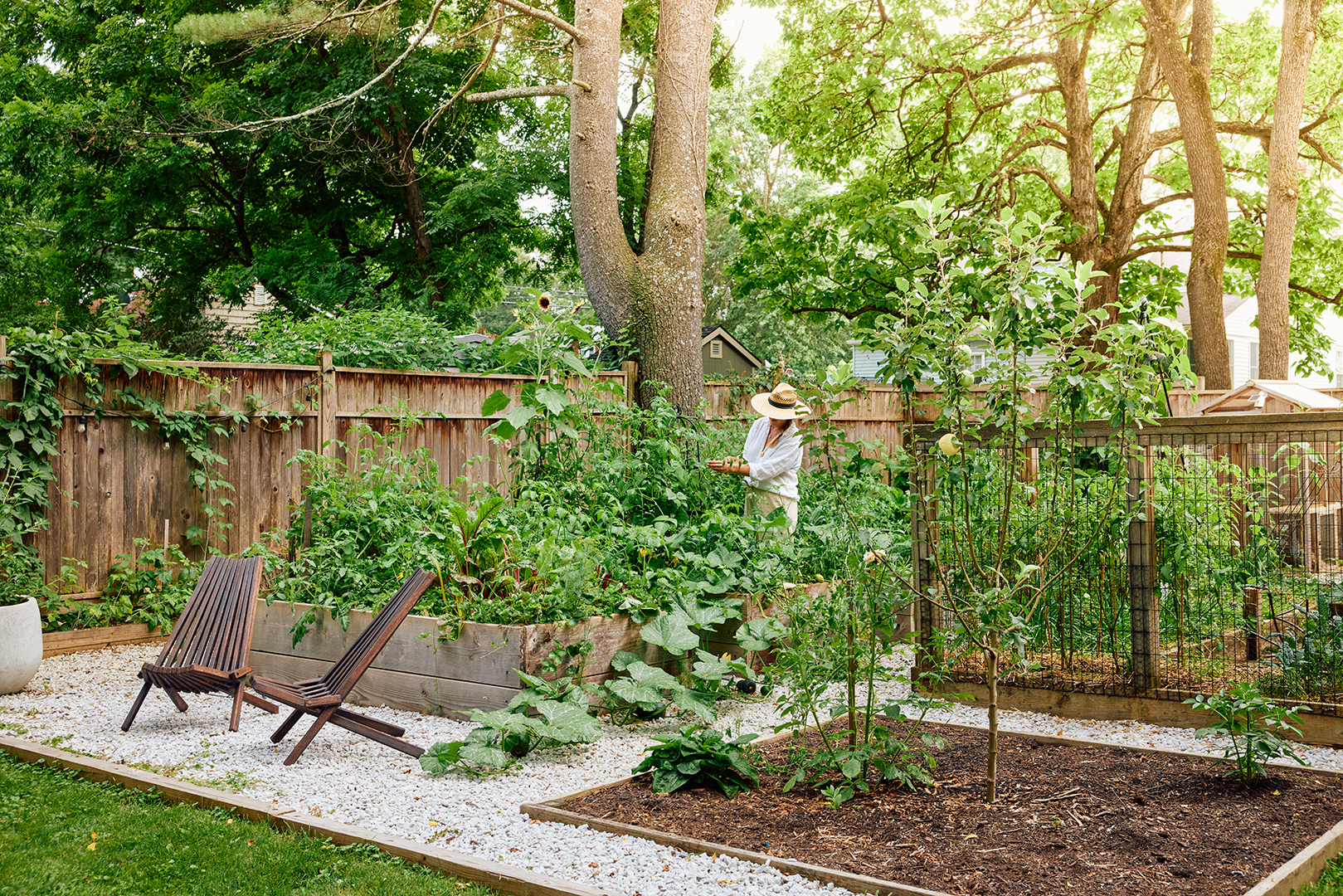
In many ways, people are applying the same logic to their yards that they’ve long applied indoors. Rather than asking a single patio or deck to do it all, they’re creating spaces with specific purposes. The trend also reflects a broader shift in design priorities: According to Houzz, fewer homeowners are fewer are making updates to their outdoor spaces with resale value top of mind. The most desirable backyard of 2026 isn’t defined by a single must-have feature—it’s defined by the lack of one.