
We may earn revenue from the products available on this page and participate in affiliate programs.
In Renovator’s Notebook, homeowners open up about the nitty-gritty of their remodels: How long it really took; how much it actually cost; what went horribly wrong; and what went wonderfully, serendipitously, it’s-all-worth-it-in-the-end right.
Room: Kitchen
Size: 60 square feet
Year built: Pre-war
Total renovation cost: $3,410
Top priority: Revamping a dated kitchen without changing out cabinetry or built-in finishes
When Allie Sutterer decided to make the move from Denver to Brooklyn last winter, she knew that she didn’t need a perfect rental—just something she could work with. She found it in the form of a one-bedroom apartment in Fort Greene. “It was very ‘landlord special’ in here, but it clearly had potential,” says Sutterer of the 400-square-foot apartment.
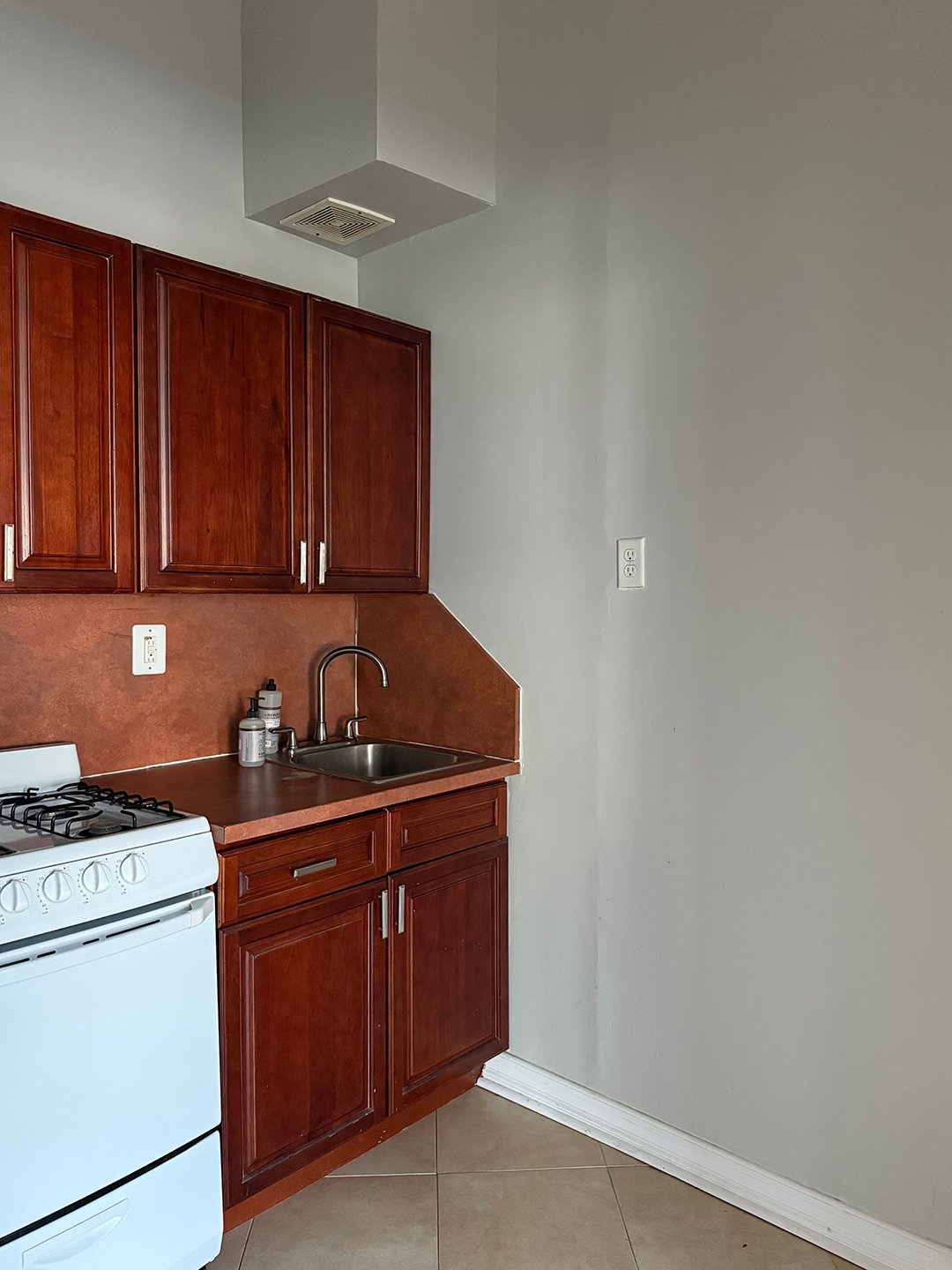
An interior decorator and the founder of Sille Studio, Sutterer is no stranger to reworking small spaces on a budget. She decided to start in the kitchen, as it seemed the most straightforward: “Function-wise, I needed it to be done—plus it’s the entrance to my apartment, as well as the smallest room besides the bathroom, so the scope was limited.” Dark cabinets, grey walls, and Formica countertops formed a drab scene, but she knew that a dramatic change had to come at a reasonable cost. Here’s how she pulled off a major transformation with renter-friendly solutions and a surprisingly light touch.
The Wall Paint That Matches the Cabinets: $350
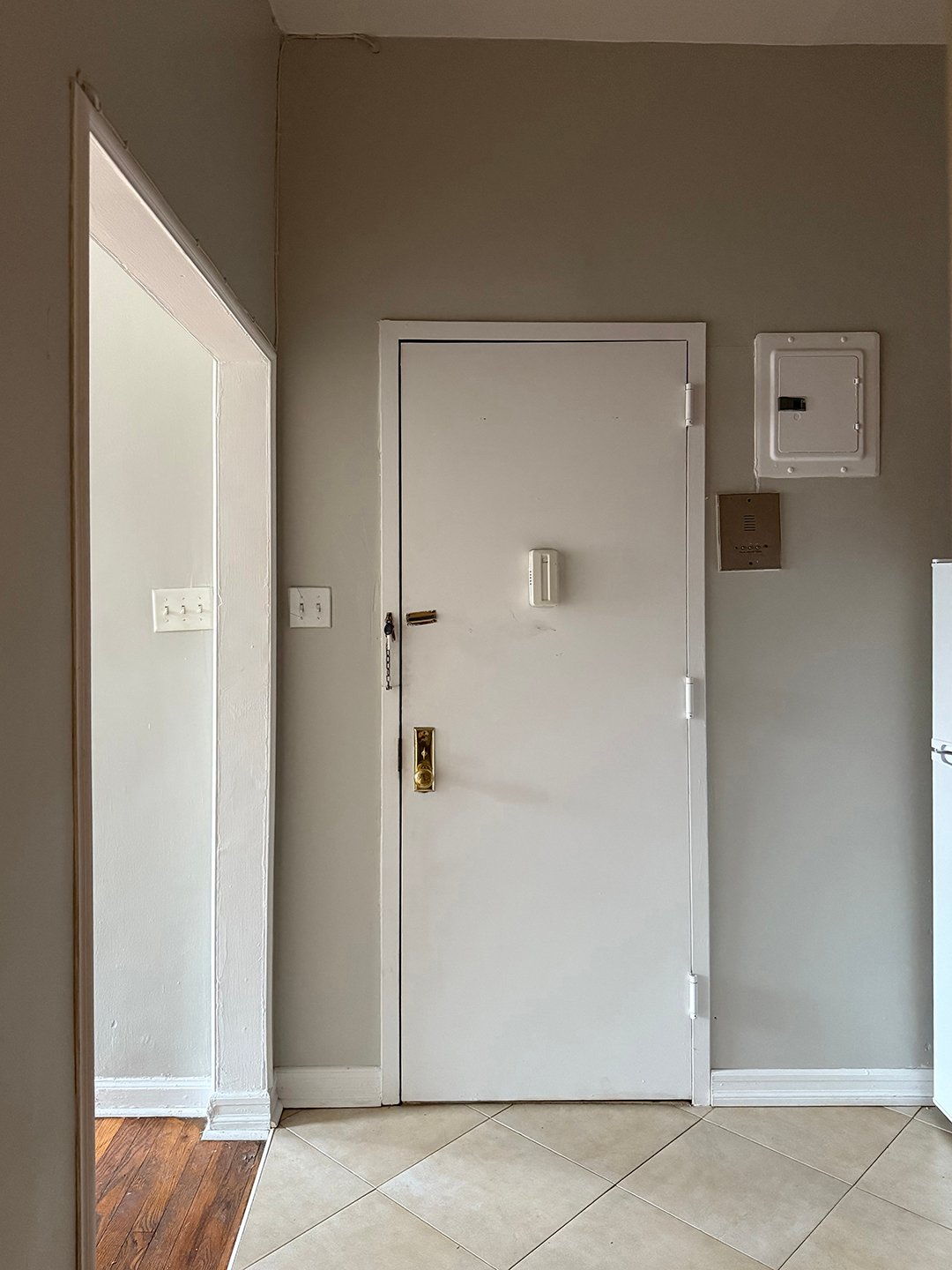
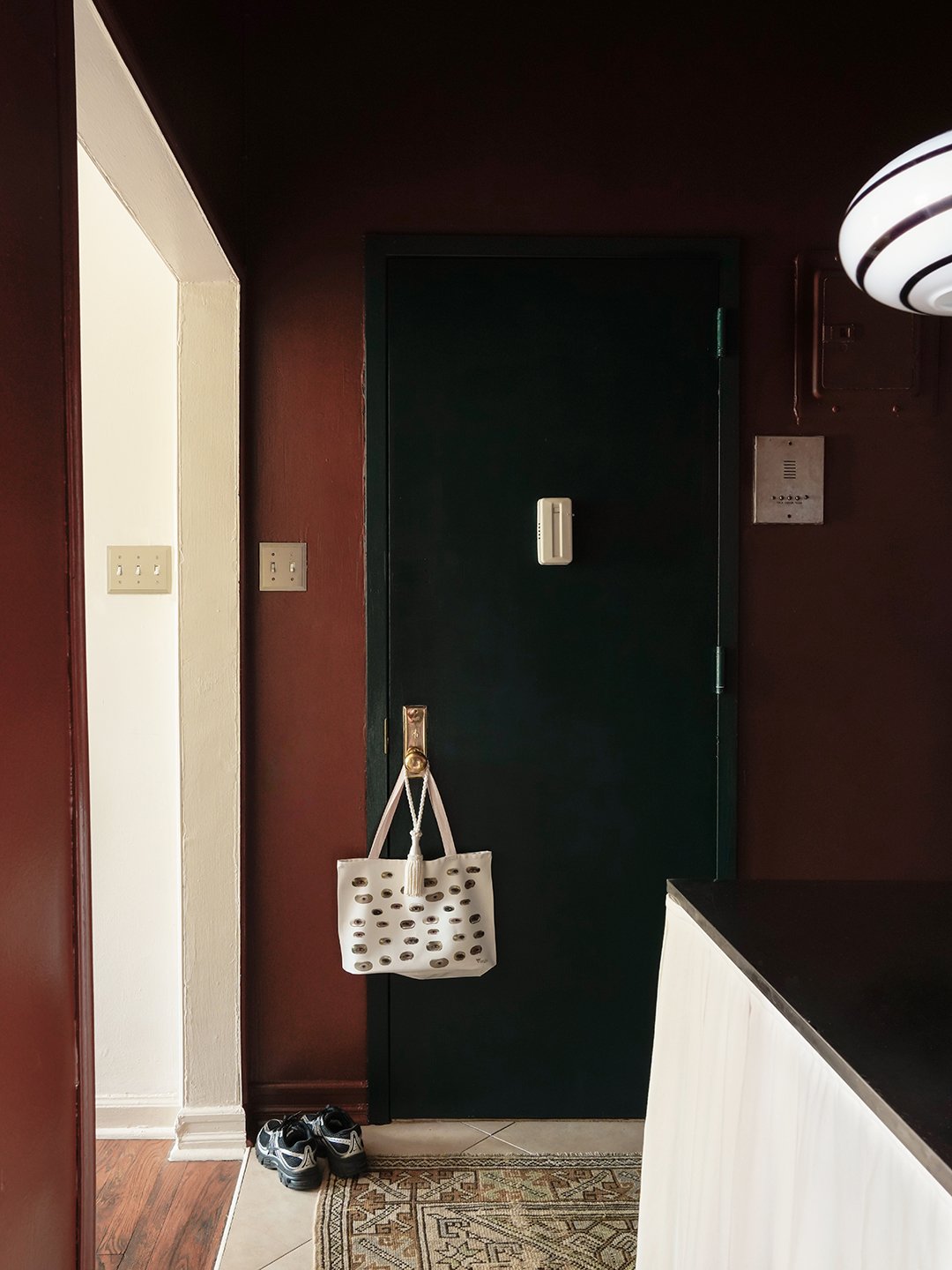
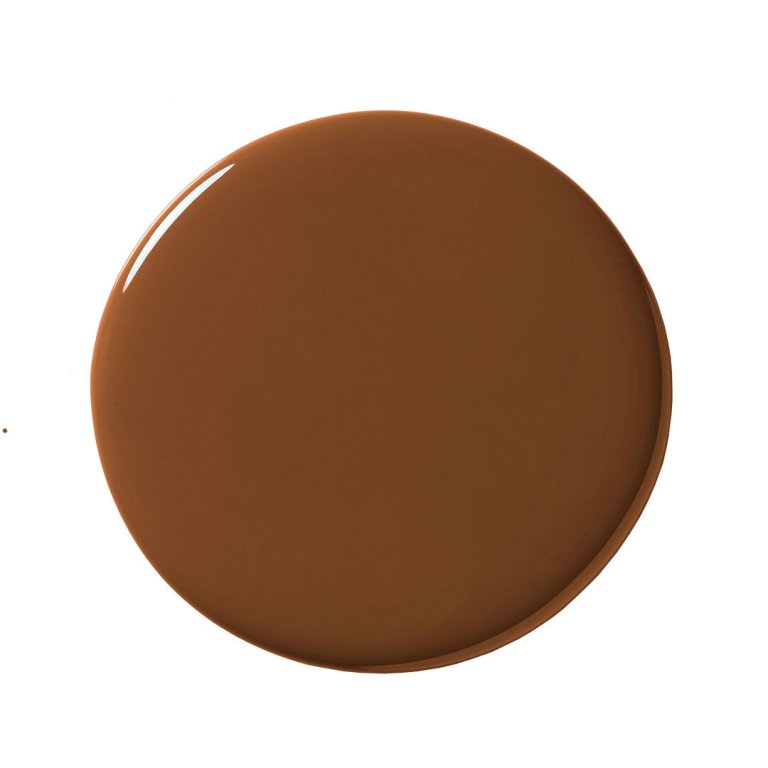
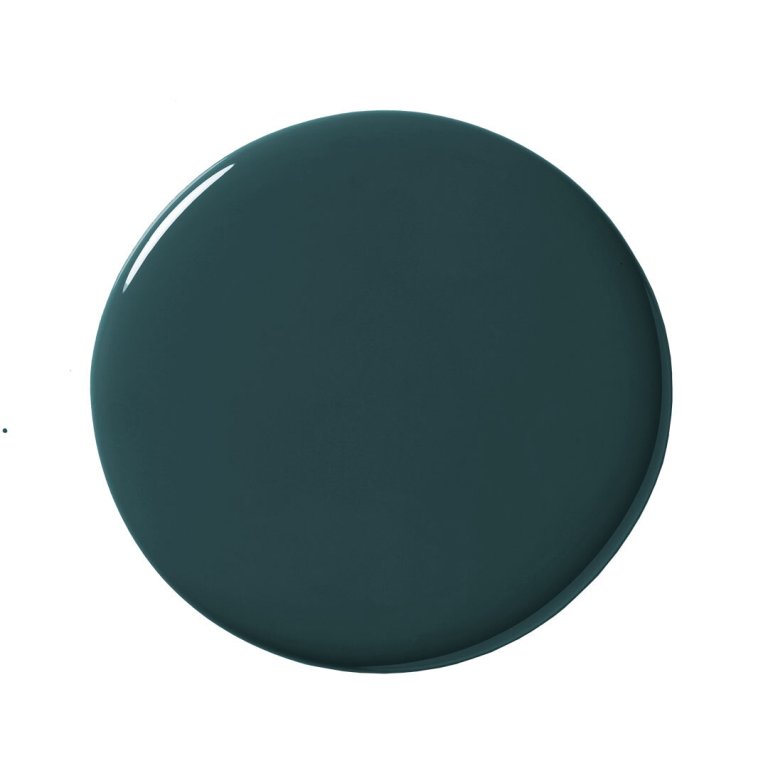
At first, I considered painting the walls a shade of creamy white. Then I realized that, by matching the wall color to the cabinets, I would be able to eliminate a lot of visual noise. Plus, I didn’t want to try and cover up the cabinets or anything like that, so keeping it all a similar color would decrease the contrast and help it all come together. For the walls and ceiling, I went with Cimmaron by Benjamin Moore. For the inside of the entry door, I used Salamander, which is a deep teal color. I did the painting myself with my sister, who lives nearby. It took us a full day, start to finish.
The Custom Skirted Peninsula: $580
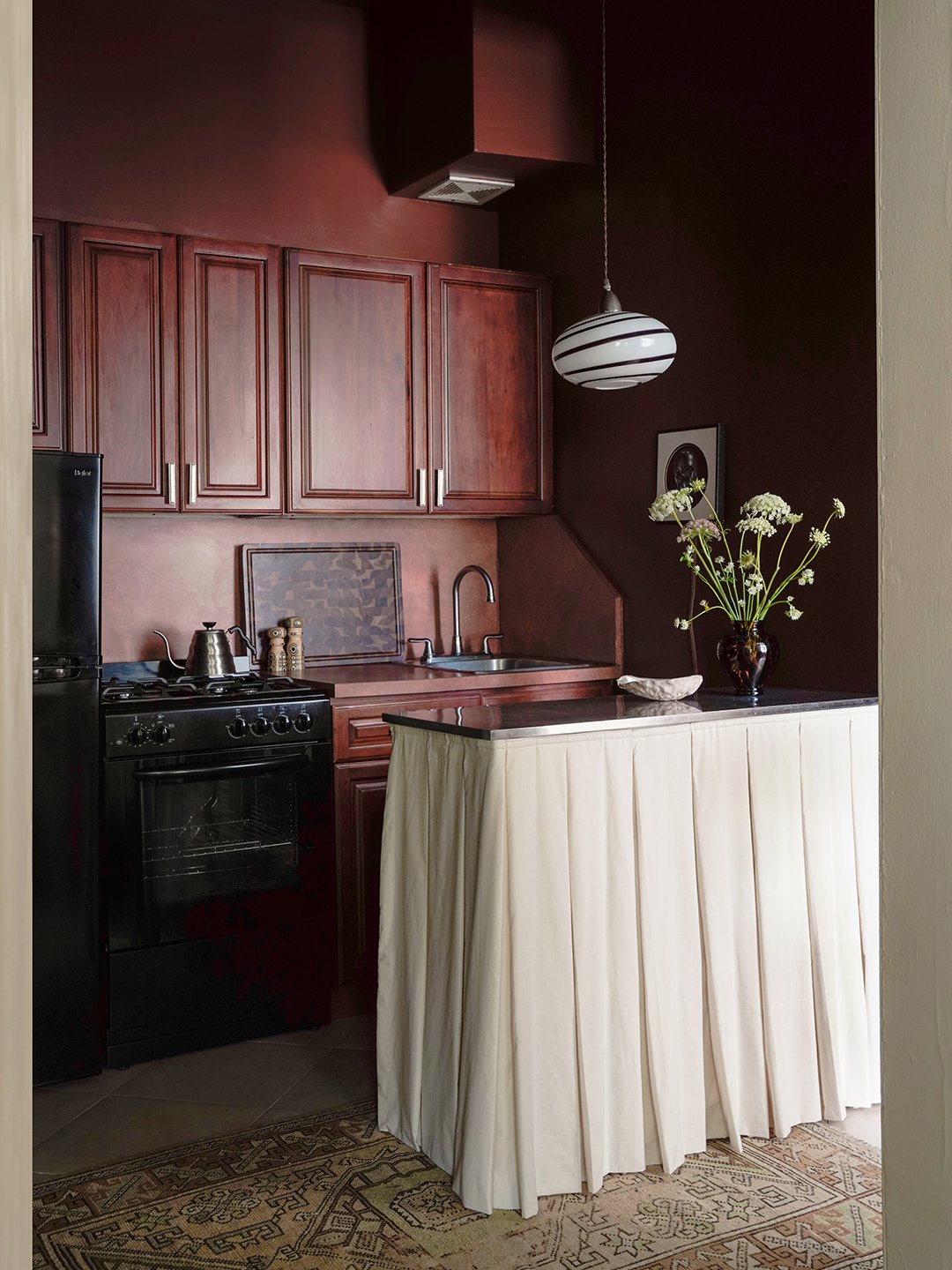
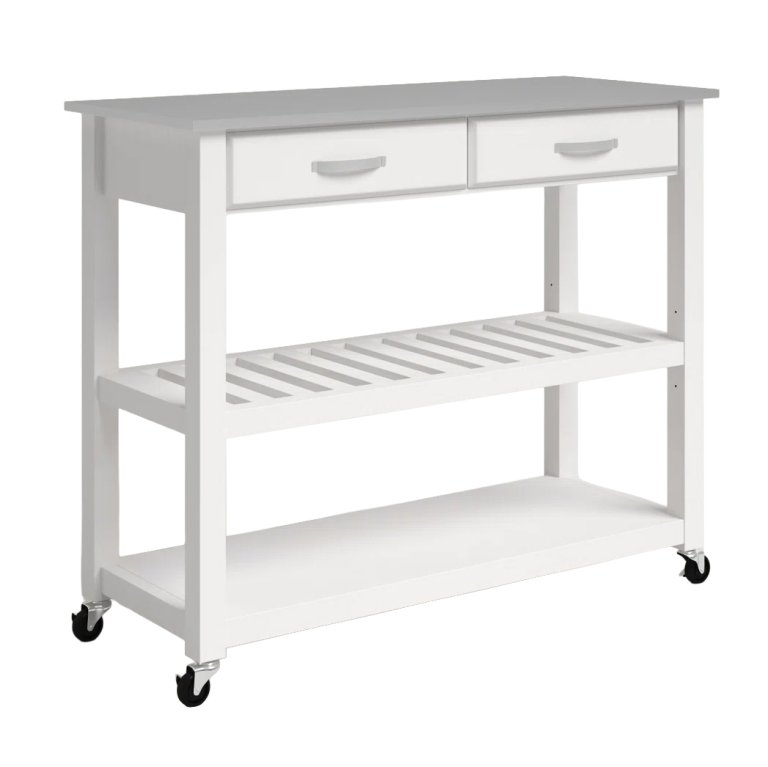
I needed more storage and somewhere to put small appliances, so I knew I wanted a peninsula-style island, which functions as a kind of landing strip and helps to divide the space between the kitchen area and the living room. This one was affordable and I liked the stainless steel element. The skirt softens the vibe—I was able to customize the length and width with a vendor on Etsy. It all just stays put with a velcro strip.

The Appliance Swap: $1,300
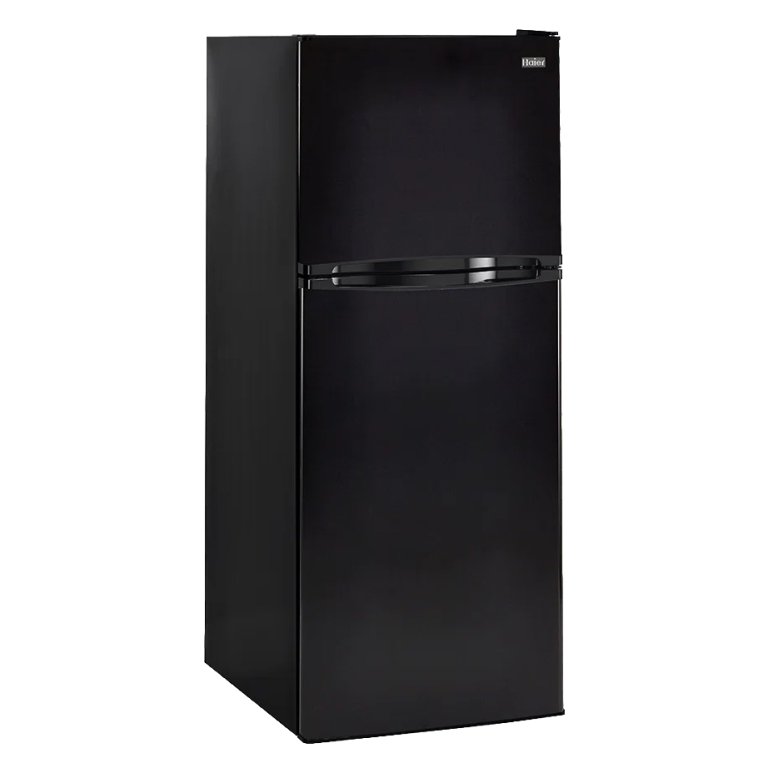
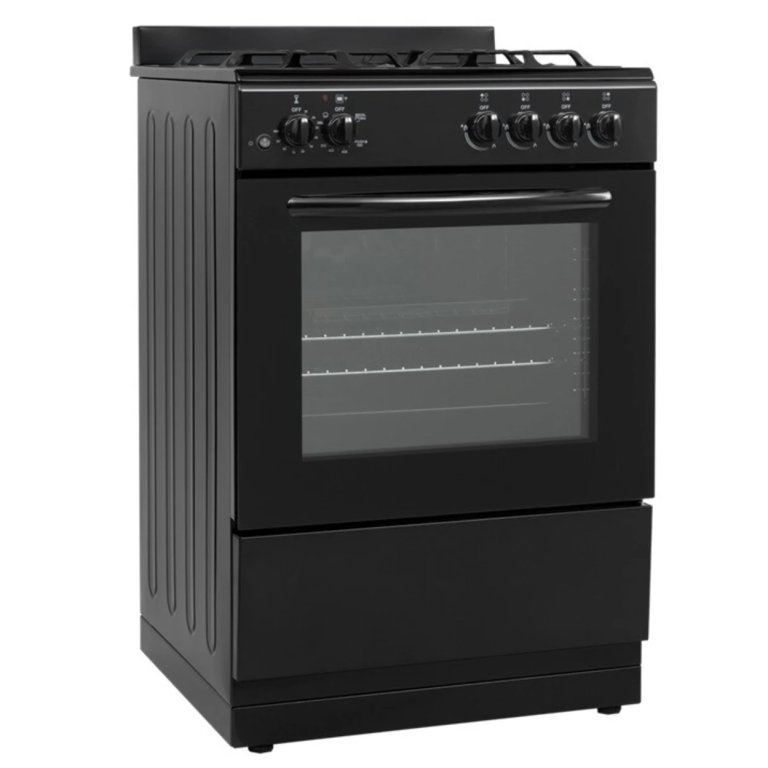
When I moved here, I wasn’t really prepared to replace the appliances. But once I decided to go with a moody color scheme it was like, Oh, these definitely stand out. I talked to my landlord about replacing them and he said it was fine; I sold the old ones on Facebook Marketplace for cheap to get them out of there. Whenever I leave, I won’t take the new ones with me.
I was posting bits of the transformation along the way and at some point the comments were like, “You’ve got to get rid of those,” and I was like, “Just wait, I know!” The black just made sense here, it makes the stove and fridge altogether less noticeable, and I bought the same brand that was already there so everything fit. I spent $250 to have them delivered.
The Perfect Pendant: $580
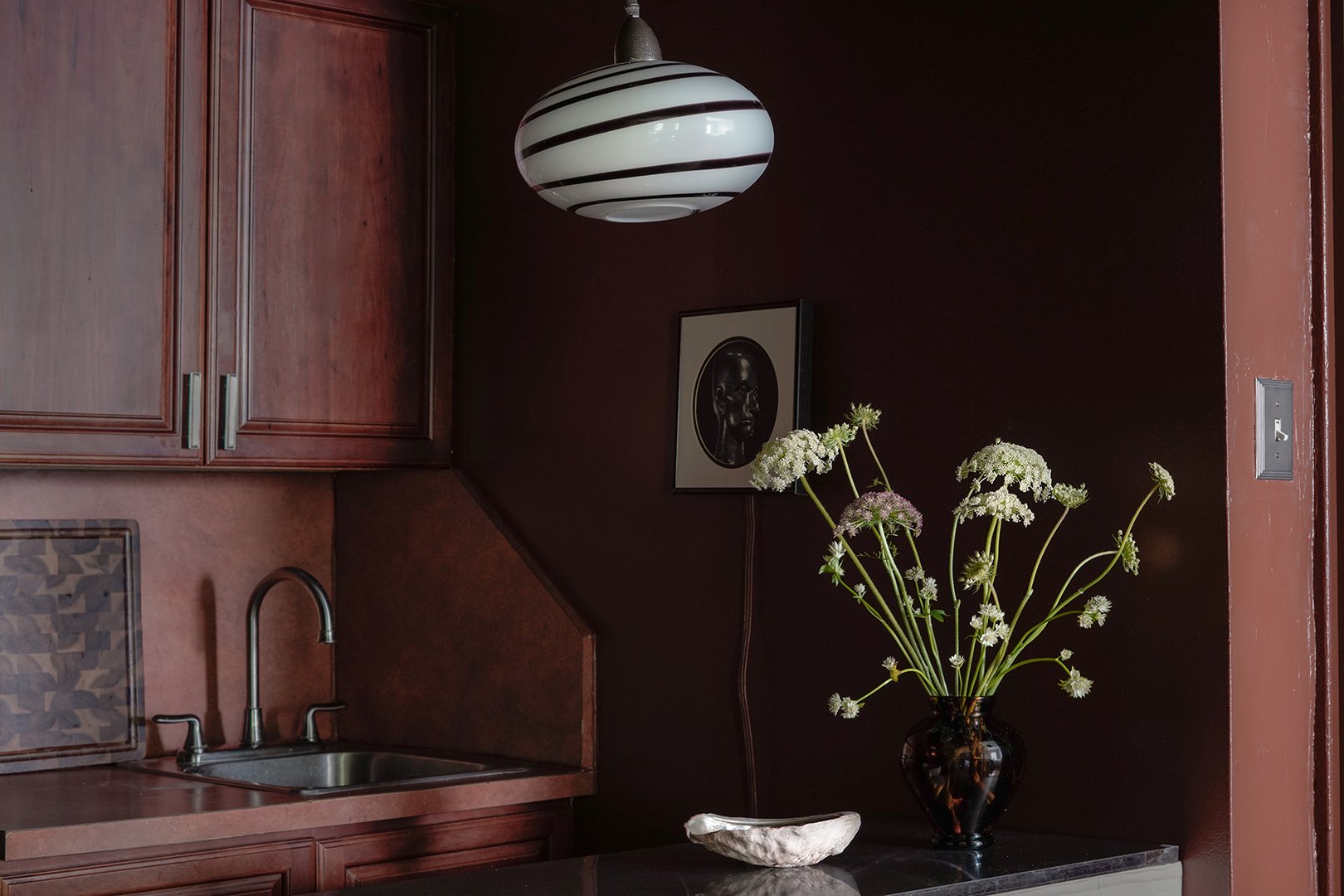
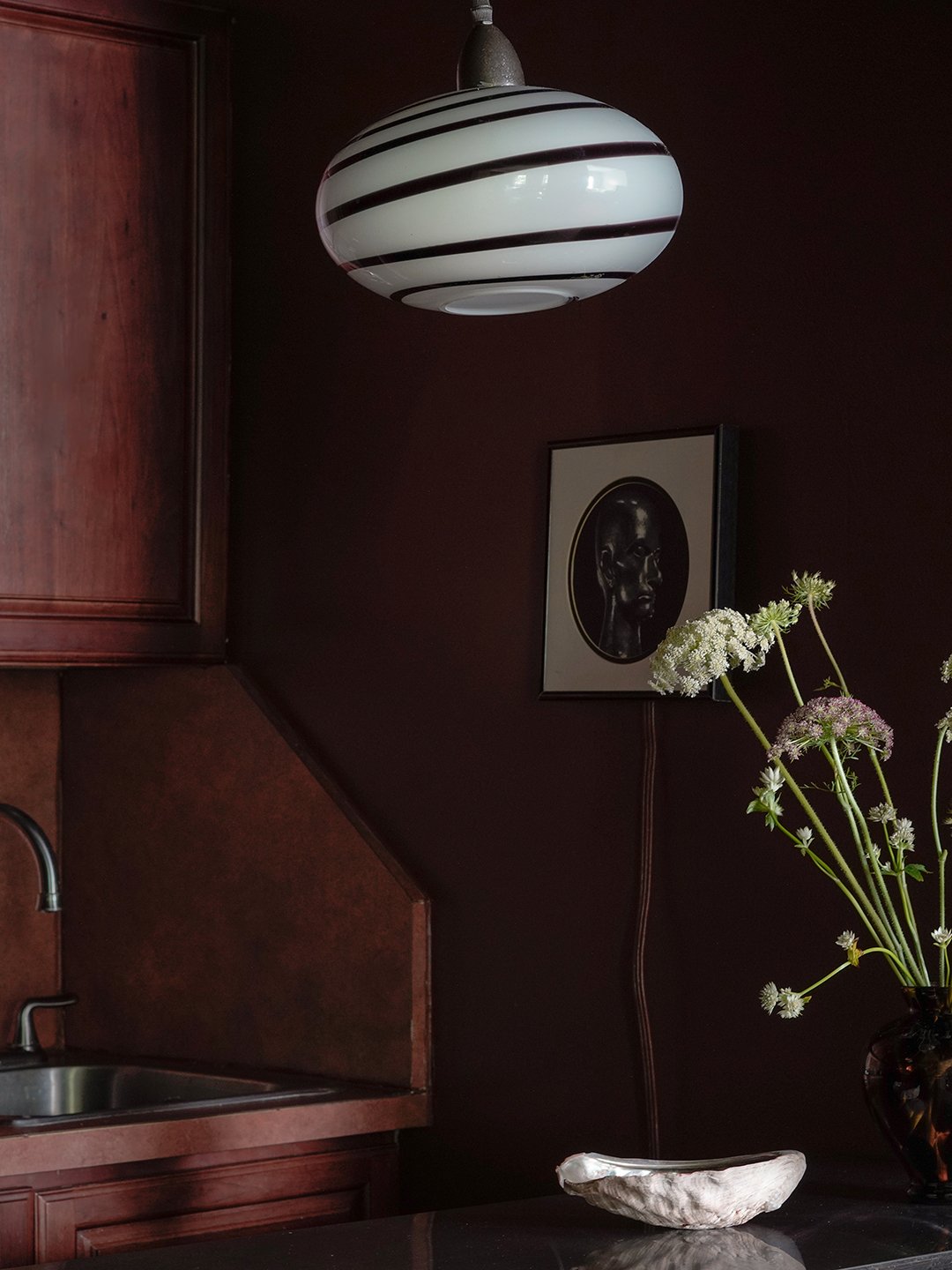
When I moved in, there was this very ugly track light in the kitchen that was partially broken. I found a vintage Murano glass pendant on Etsy for $280. It came from France so of course it needed to be rewired—that was around $200—and I needed it to be on a longer cord so I could float it over the island and then swag it over to the electric box on the ceiling. I also hired someone to install it for $100: Since moving to Brooklyn, it feels like TaskRabbit has become my most-used app!
The Artful Accessories: $600
A little bit of accessorizing can do a lot of work. For instance, that cutting board is mostly for display: It’s covering up an ugly outlet that I just left as-is. I also picked up some cool salt and pepper shakers that also function as interesting objects. The rug is a vintage Turkish find from Etsy: It brought some texture, and I liked that it has a low pile and is already a little worn looking.
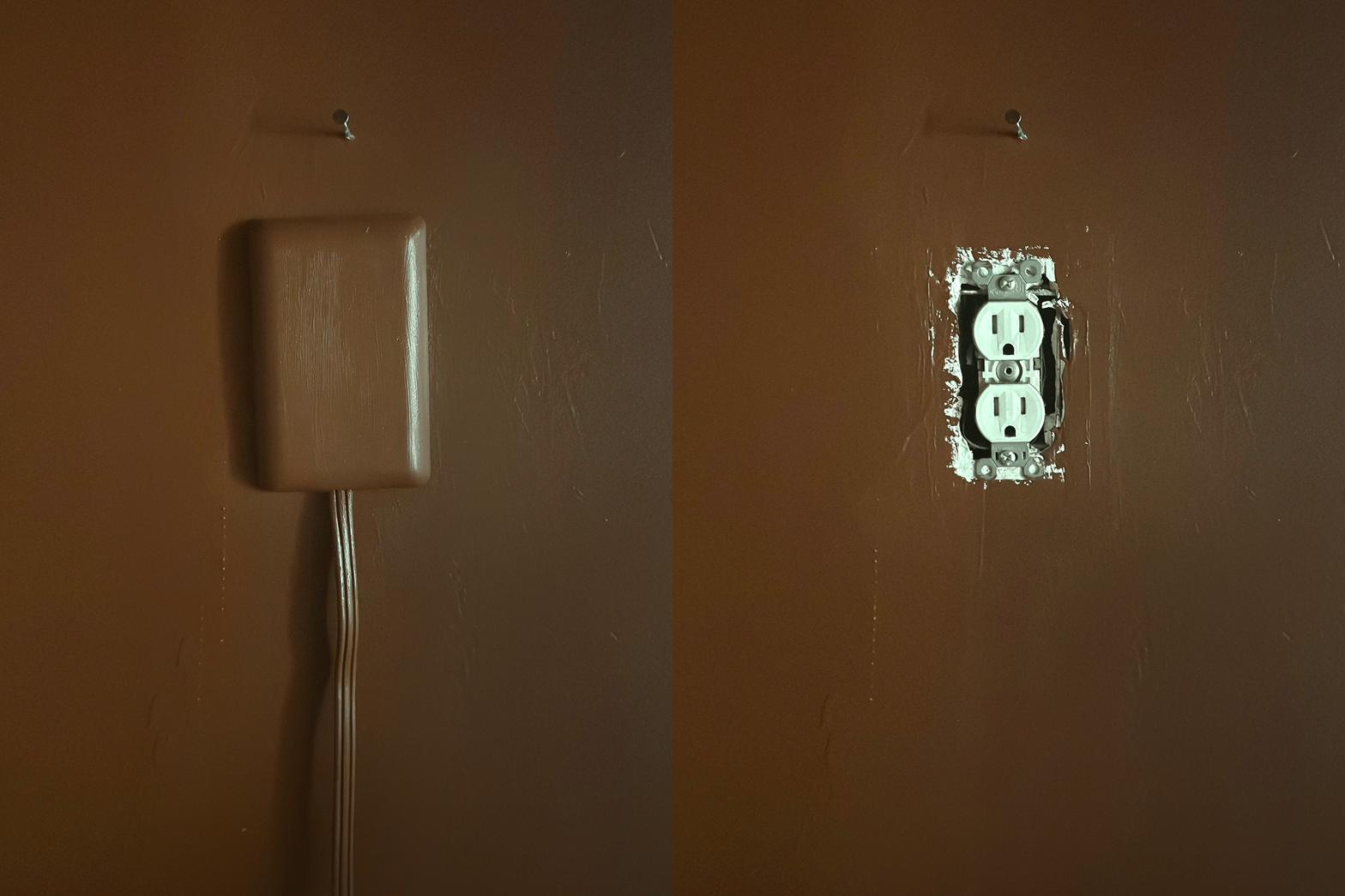
The outlet I needed for the small appliances was on the far wall and I didn’t want to try to move it, so I just bought a flat extension cord that plugs into a little power strip on the inside of the island and painted the cord the same color as the wall; the plug is behind that picture frame. Originally, I was going to secure it to the wall with little clips or something but I kind of like that you can see the cord—it adds some humility in a kind of beautiful way. It just is what it is!