We may earn revenue from the products available on this page and participate in affiliate programs.
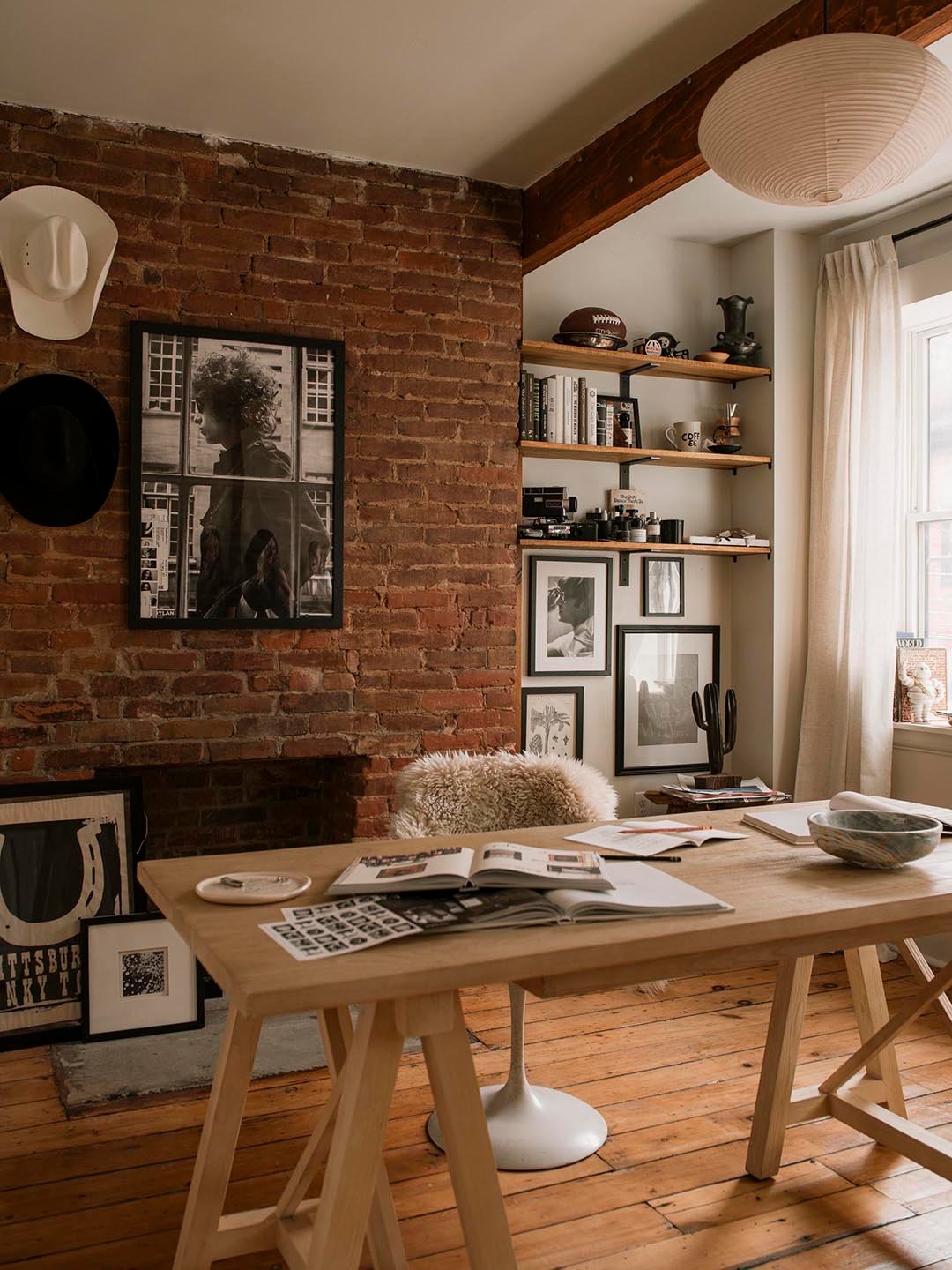
The listing photos for this 1880 row house in Pittsburgh’s Lawrenceville neighborhood weren’t exactly seductive. The rental’s kitchen cabinets were bright blue, the bathrooms Pepto-Bismol pink, and faux-glass hardware and steampunk-inspired light fixtures appeared throughout. But Noel Knostman, who has spent years working and training under renowned designer Leanne Ford, could see the bones underneath it all—she and her husband decided to go for it and signed the lease.
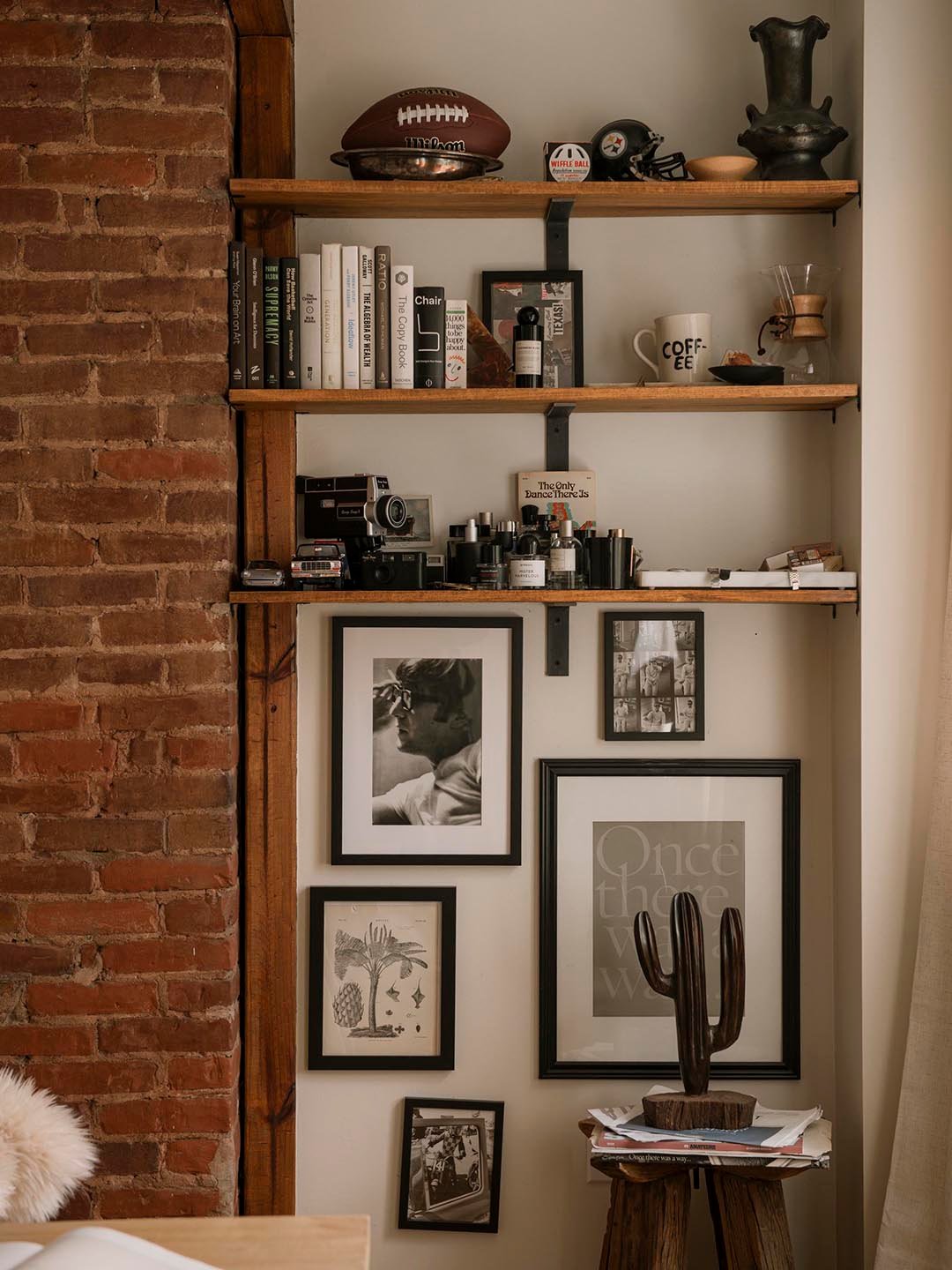
There were original fireplaces, weathered brick, creaky oak floors, oversized windows, and the ultimate persuasion: a claw-foot tub. The 1,800-square-foot house also came with a backyard, two off-street parking spaces, and a front stoop, a milestone for the couple after years of apartment living in places like New York City and Salt Lake City. “I’ve always believed that old houses tell you what they want to be if you’re willing to listen,” says Knostman. “This one wasn’t asking to become a modern house. It simply wanted to be an old house again.”
Knostman didn’t want to treat the rental as a placeholder even though a relocation for work was something the couple knew was possible (and, indeed, ended up happening). With her landlords’ permission, she painted, wallpapered, switched out hardware and lighting, and even commissioned furniture for its trickiest room. “Owning a home and making it feel like home aren’t the same thing,” she says. Here are five of the brightest ideas she used to help the house settle back into itself.
Pick a Paint Finish That Works Overtime
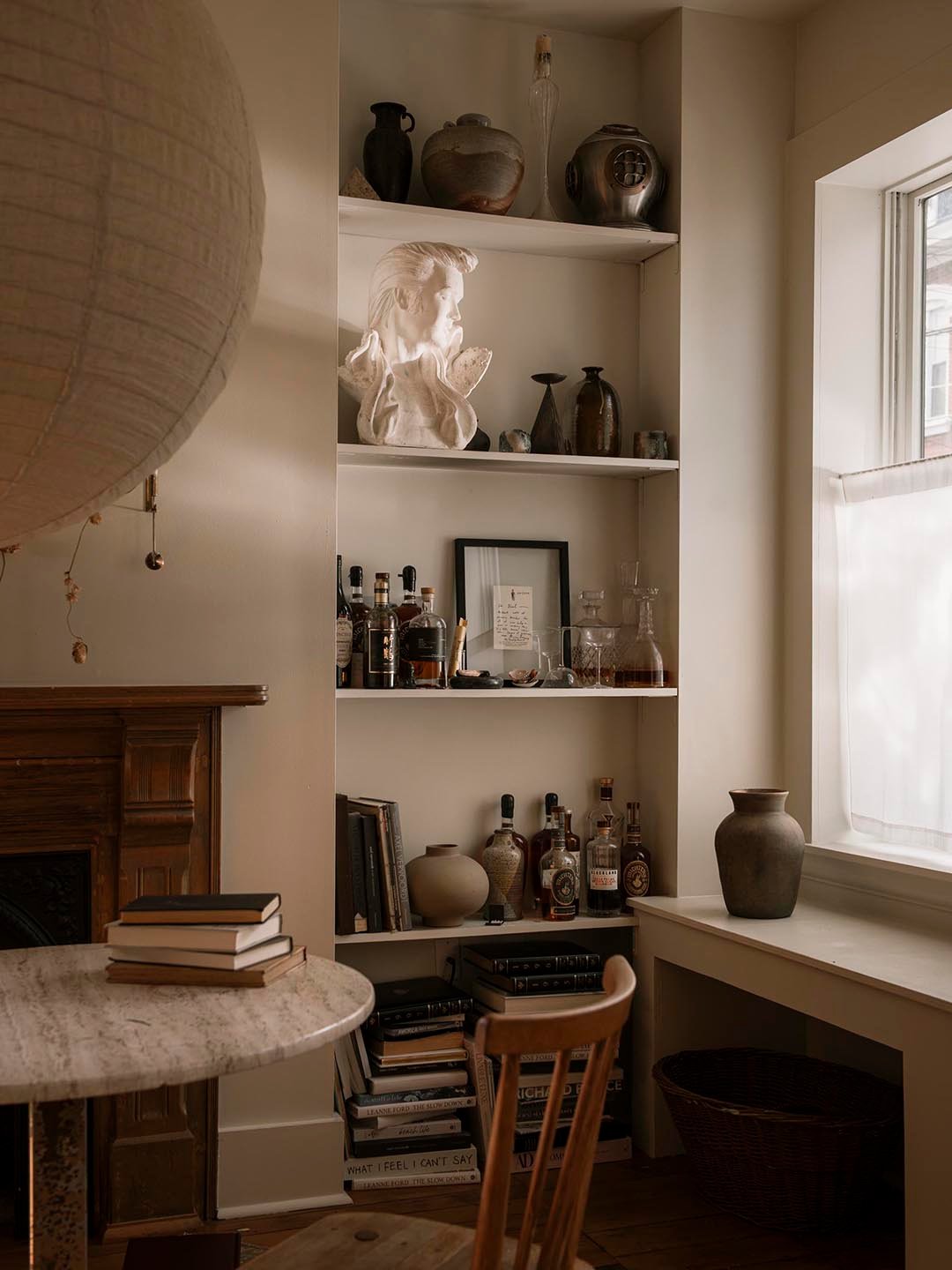
The existing cool white color only emphasized the disparity between the house’s historic architecture and its more recent updates. Knostman covered the walls, ceilings, and trim in Sherwin-Williams’s Shoji White, a warmer shade with subtle pink undertones that complemented the brick and aged oak floors. Rather than defaulting to a modern matte finish, she chose light-reflecting semigloss. Because the structure shares one wall with its neighbor and natural light enters from only three sides, the slight sheen helped bounce light deeper into the rooms while also giving the walls a more traditional—and future-renter-friendly—durability.
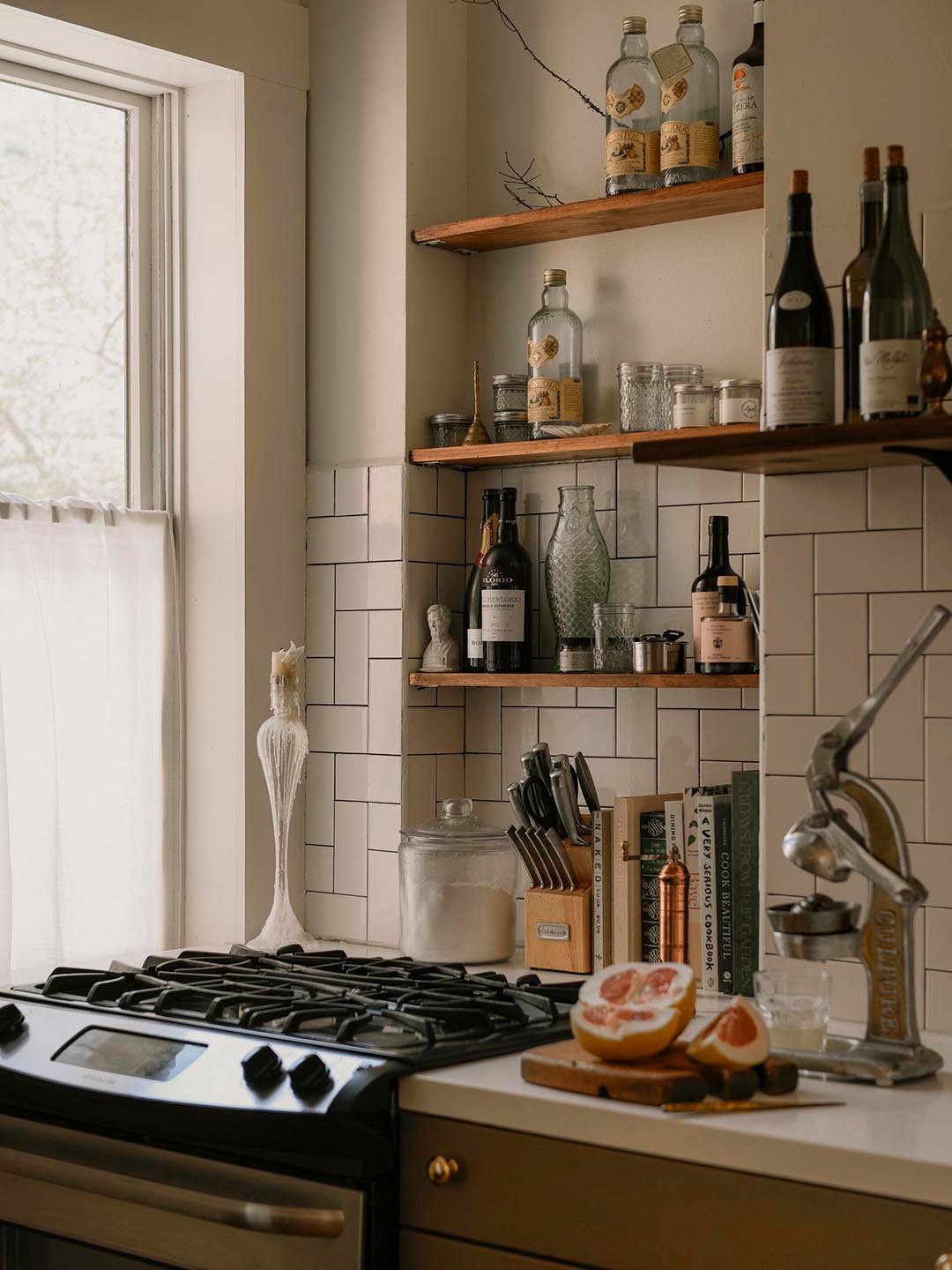
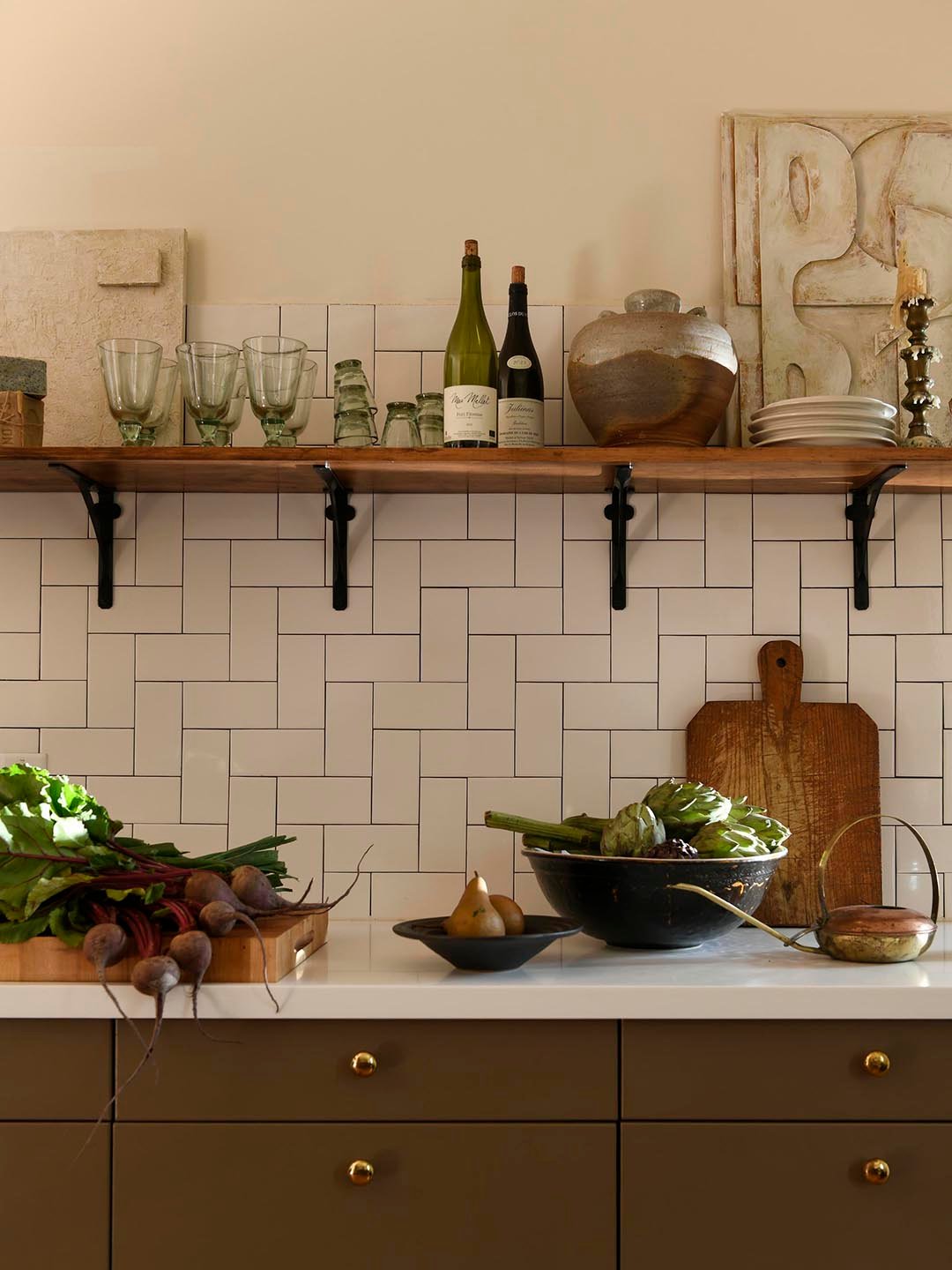
Knostman color-drenched the kitchen, too, painting the formerly cobalt cabinets Farrow & Ball’s earthy Broccoli Brown. The green-brown shade connects it to the landscape outside and the home’s warm materials. “The afternoon I repainted those cabinets, you could literally feel the whole house shift,” she recalls.
Trade Privacy-Blocking Blinds for Café Curtains
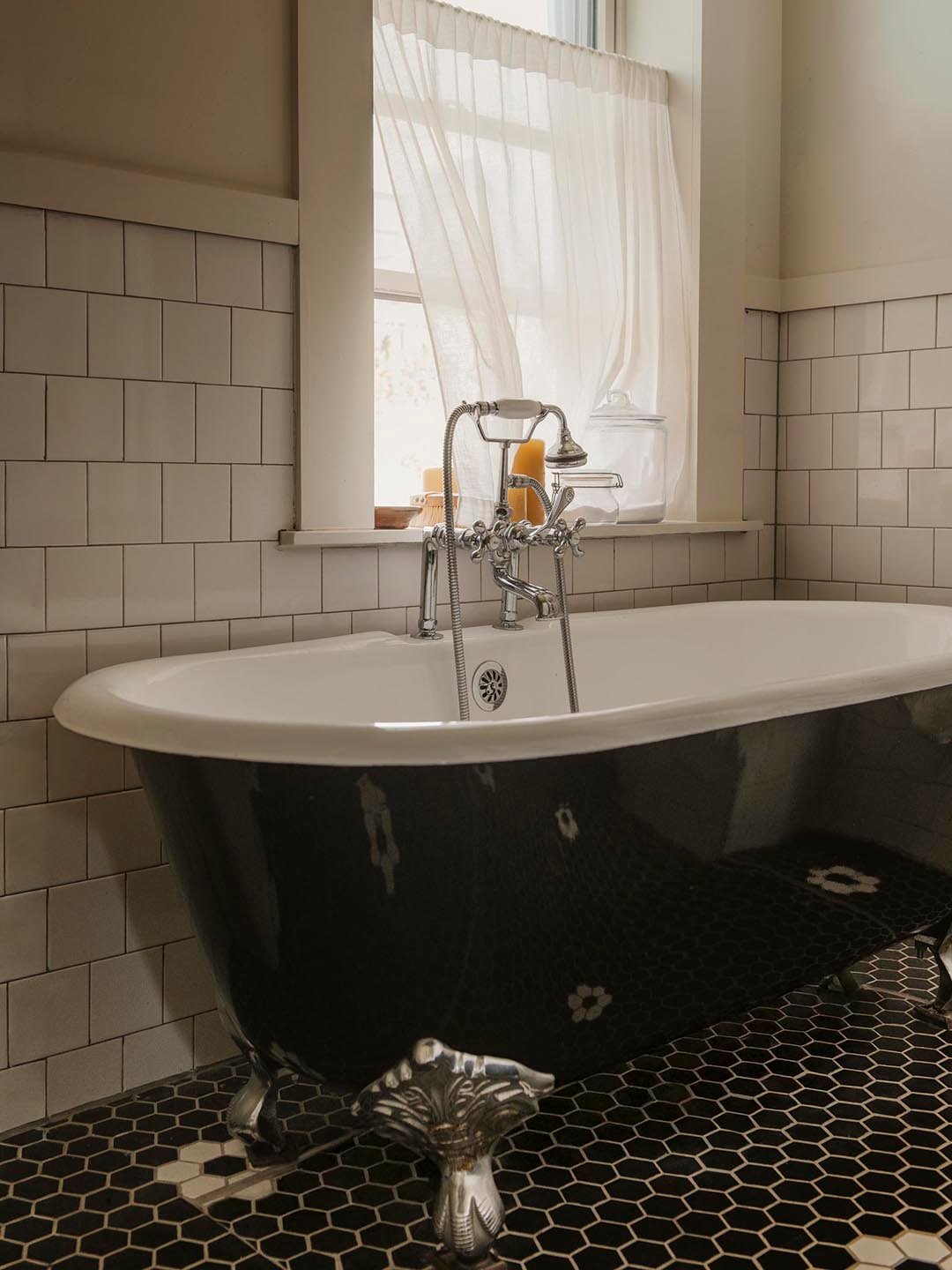
One of the first things Knostman’s husband did after they received the keys was remove the old roll-down blinds. In their place, the couple installed custom café curtains from Etsy on inexpensive tension rods. The half-height panels provided privacy from the closely-packed neighboring houses without sacrificing the sunlight streaming through the tall windows. They were especially transformative in the bathroom, where they fluttered in the breeze beside the claw-foot tub. “It’s funny that one of my first investments wasn’t a sofa or dining table,” Knostman says. “It was finding ways to let more light move through the house.”
Don’t Assume a Small Room Needs a Tiny Sofa
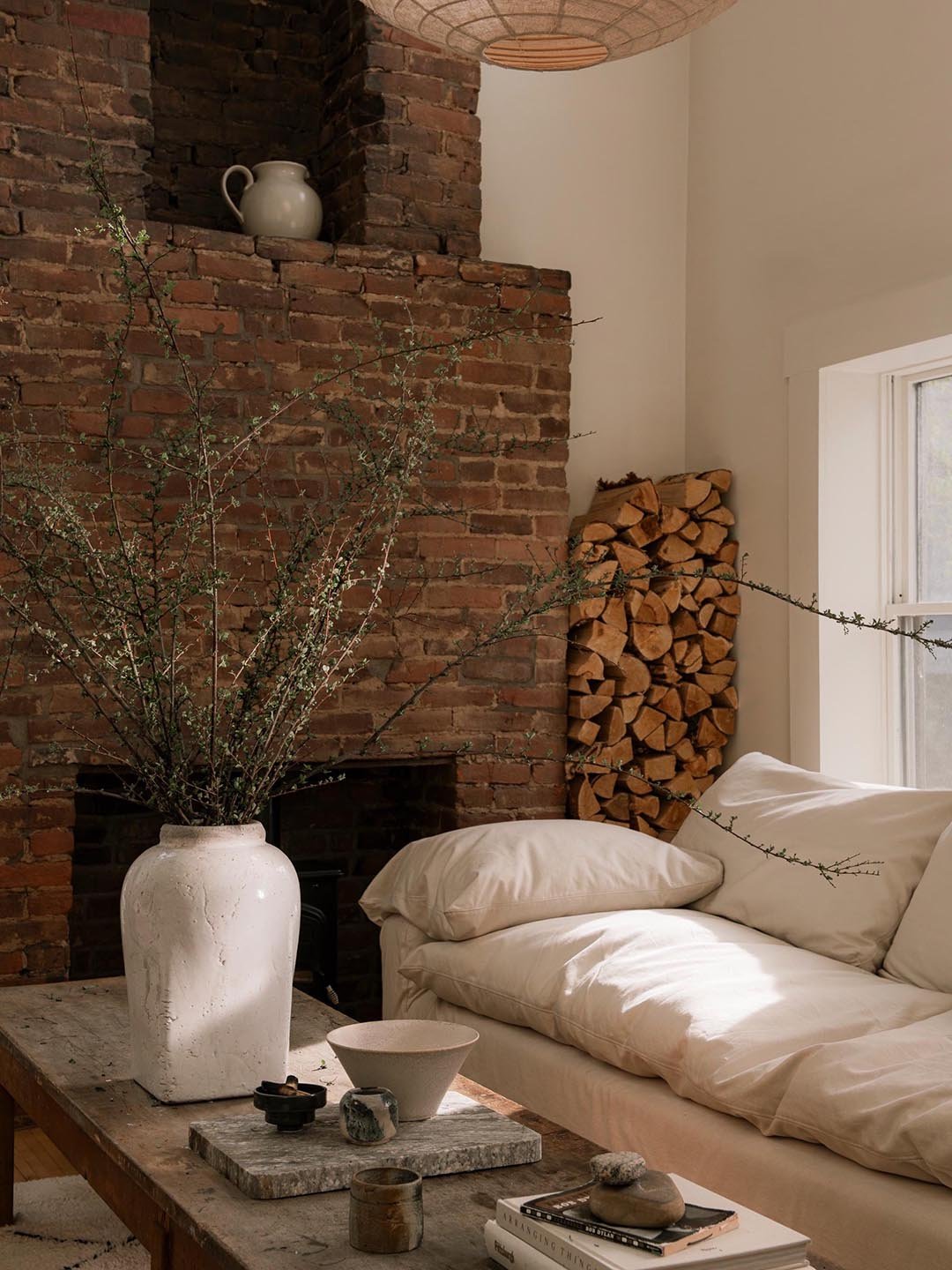
The family room presented the biggest challenge. A nine-foot-wide addition at the back of the house, it had soaring ceilings, repurposed bowling-alley floors, and a path to the backyard running straight through it. Conventional furniture arrangements only made its awkward proportions more apparent.
Instead of filling it with several petite pieces, Knostman went big. She commissioned a 10-foot sofa that spans an entire wall, then found a nine-foot table salvaged from nearby Robert Morris School and cut it down into a generously scaled coffee table. “It taught me one of my favorite design lessons,” she says. “Small spaces don’t always need small furniture.”
Add Ambience Without Calling an Electrician
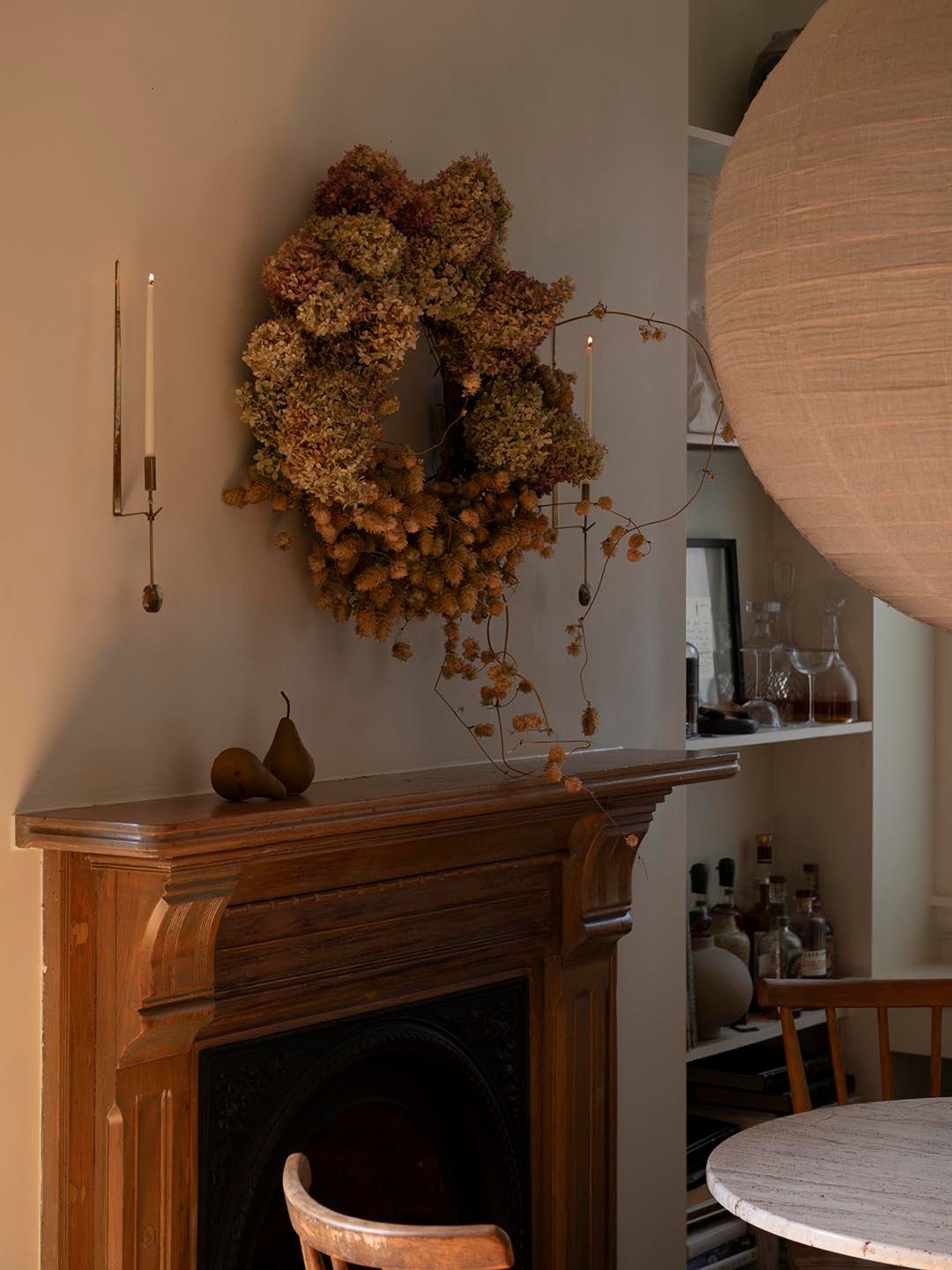
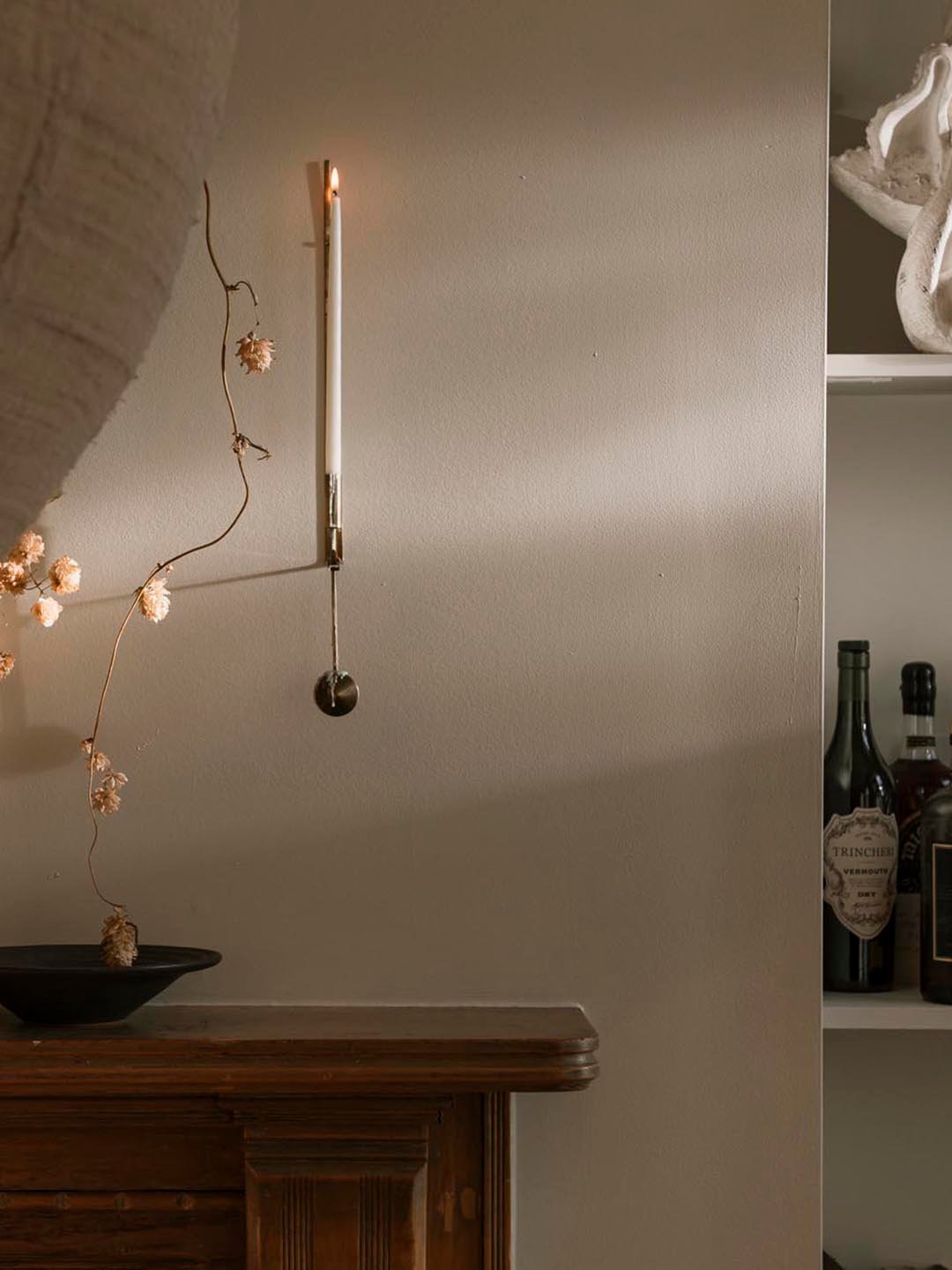
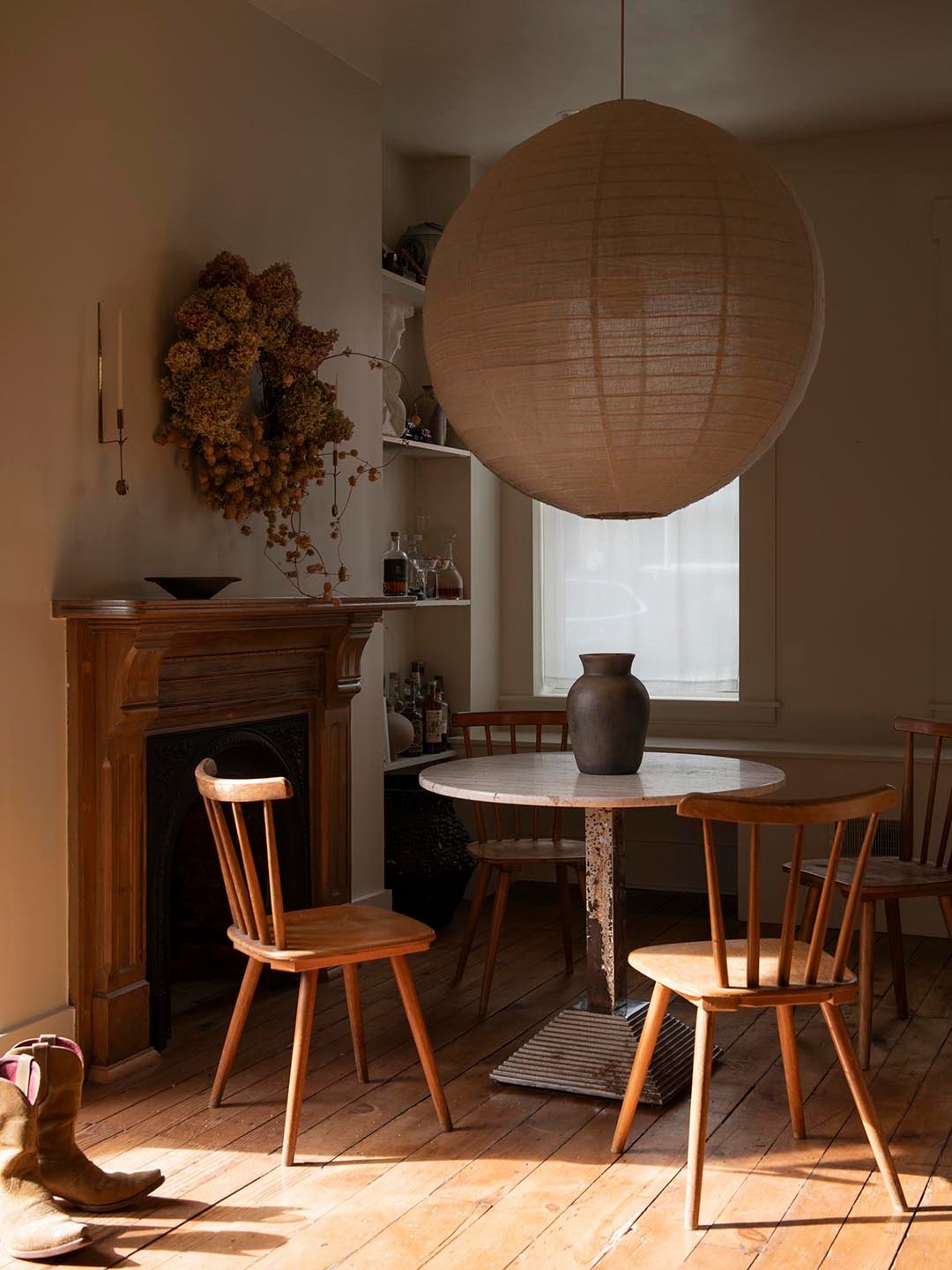
Replacing builder-grade fixtures with softer, more sculptural ones brought character back to the rental, but Knostman couldn’t hardwire lighting everywhere she wanted it. Her workaround was candle sconces, including a brass pair flanking the fireplace. She even repurposed an old light fixture that had lost its wiring by nailing it directly to the wall and placing a taper inside. Elsewhere, a modern linen globe pendant inherited from Ford got a historic counterpoint in the form of an inexpensive ceiling medallion. The pairing created just enough tension to keep the interior from feeling like a period piece.
When the Right Furniture Doesn’t Exist, Get Creative
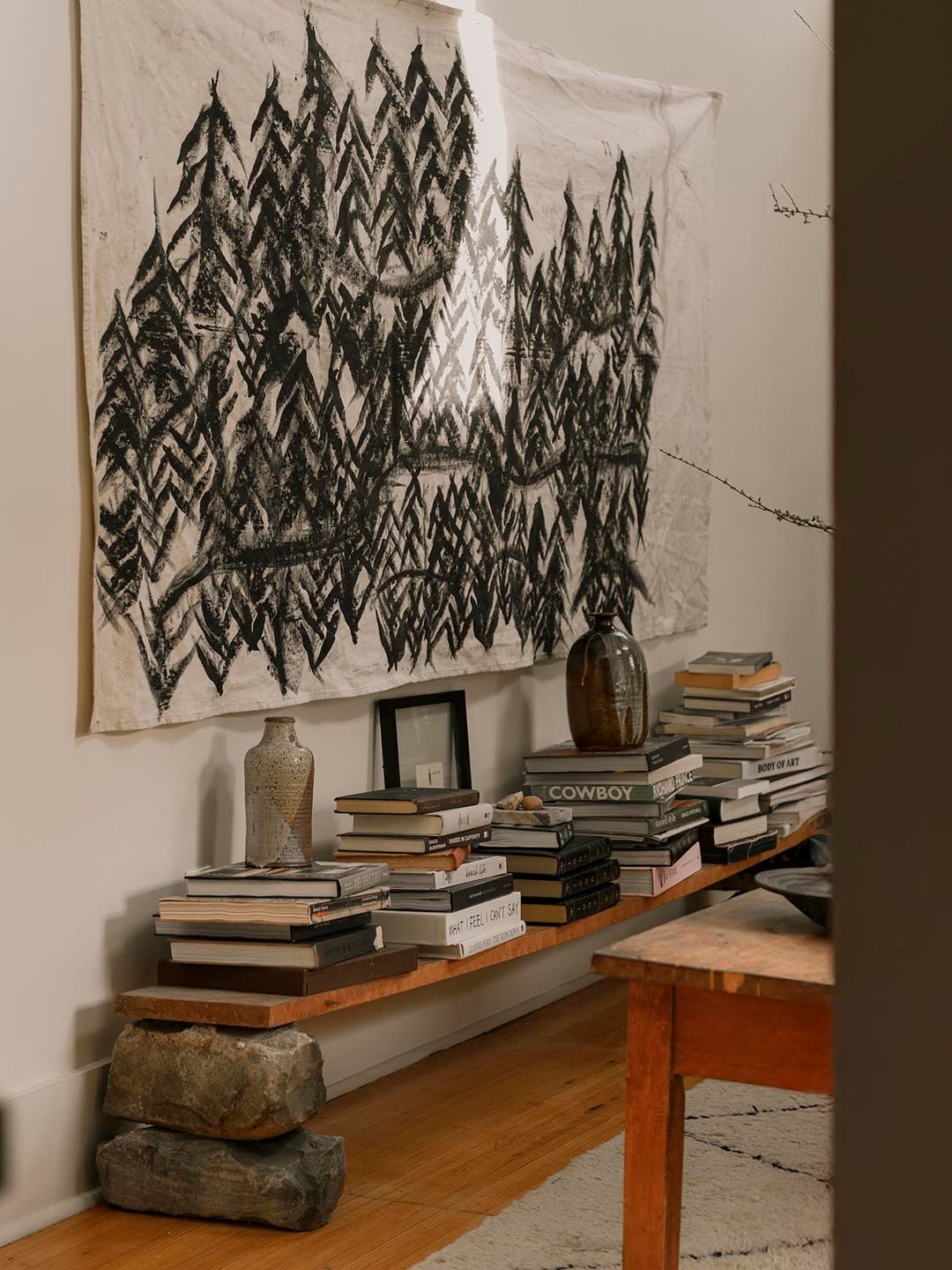
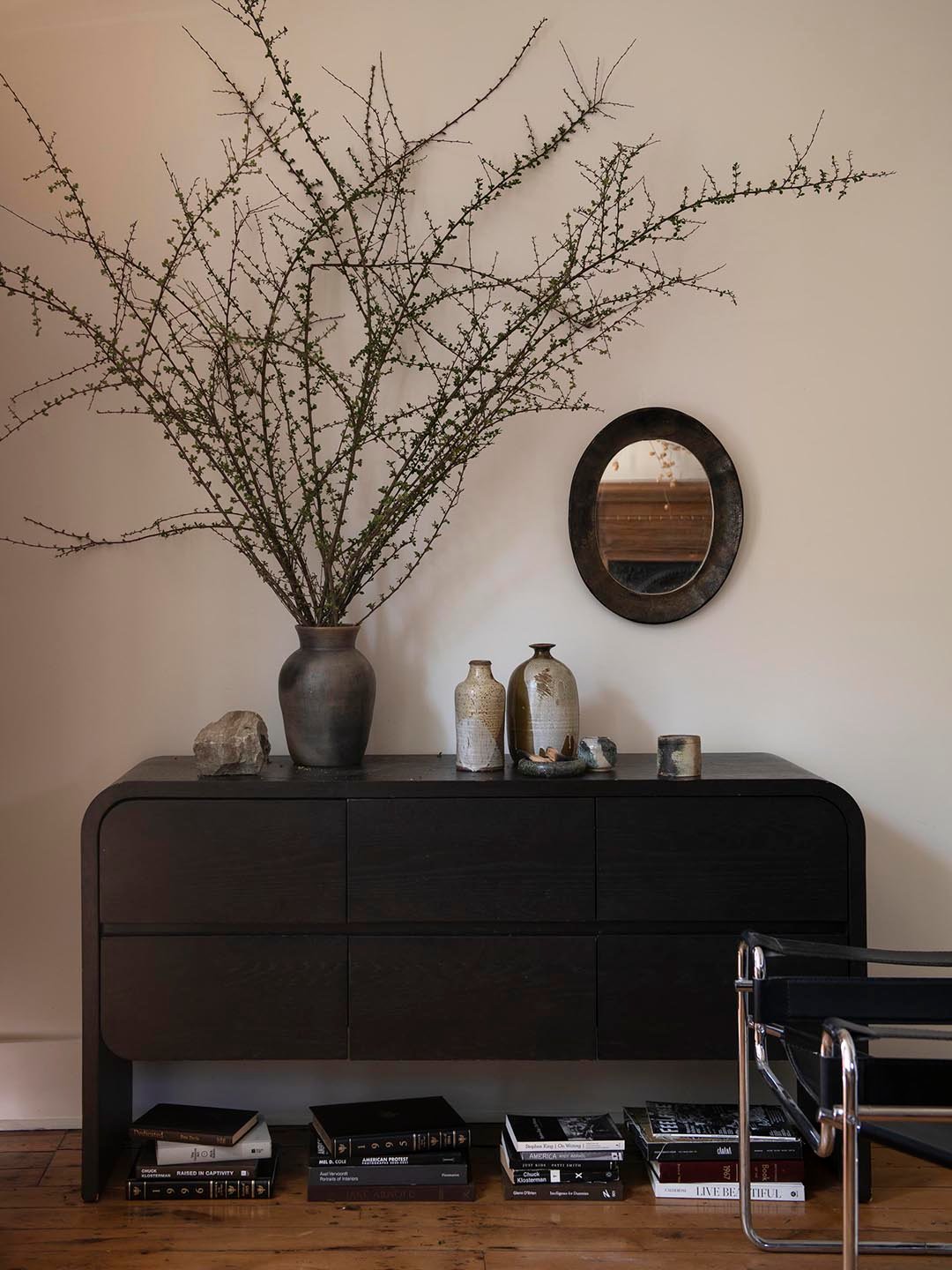
Finding a media console for the narrow family room proved nearly impossible. It needed to stretch across most of the wall beneath the television while remaining shallow enough to preserve the walkway to the backyard. Everything Knostman found was either the wrong size or outside her budget. So, the couple made their own from a $15 wooden plank and four rocks gathered in the backyard. The low, sculptural shelf fit the room better than anything they could have purchased. Above it, a piece of drop-cloth artwork concealed the television when it wasn’t in use.
The solution encapsulates Knostman’s approach to the entire house: Look closely at what is already there, embrace its imperfections, and resist waiting for some future home before making daily life more beautiful. “We lived there for three years,” she says. “This wasn’t a placeholder. It was our home.”