
We may earn revenue from the products available on this page and participate in affiliate programs.
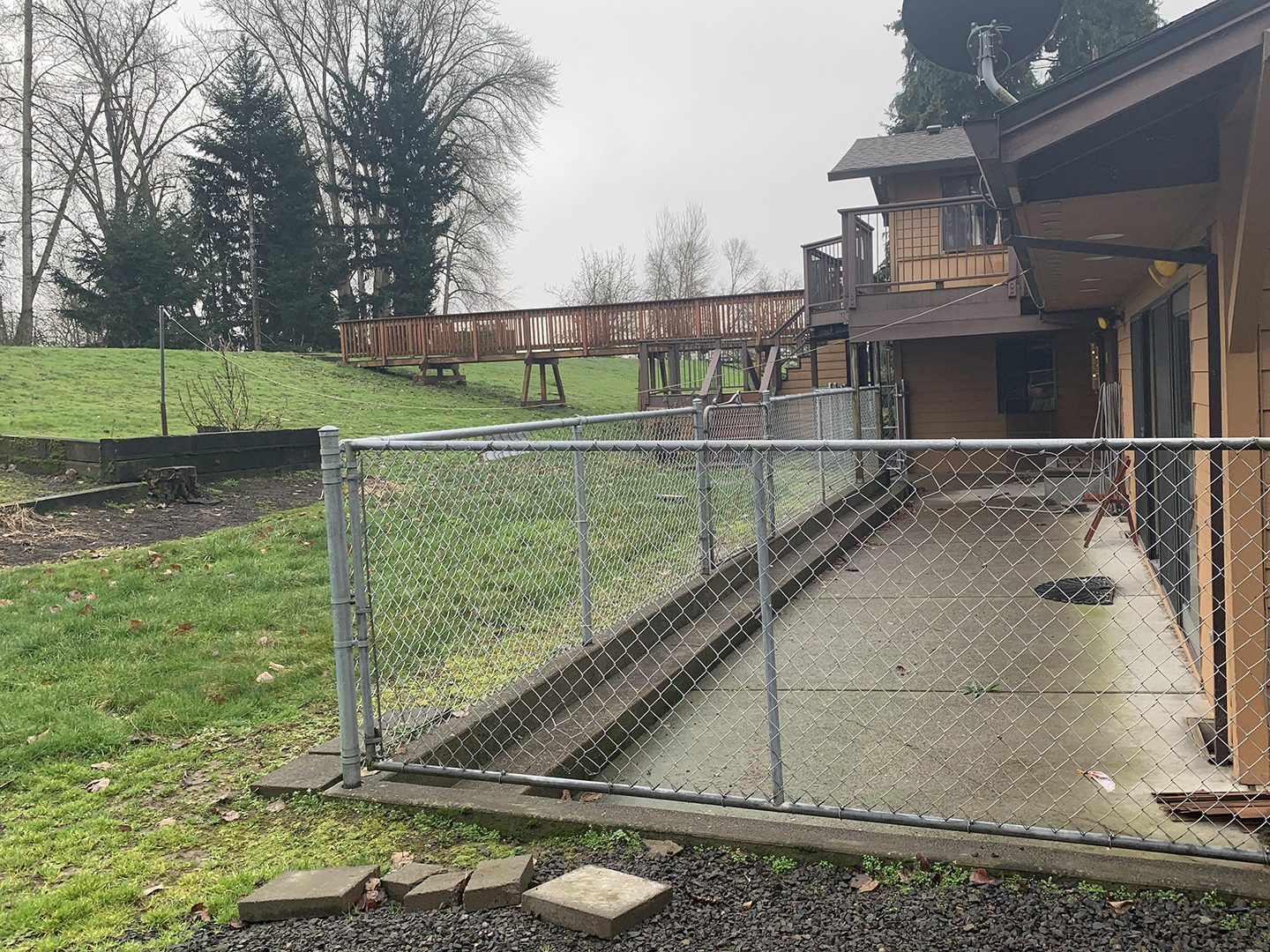
When landscape architect Connie Migliazzo first arrived at her client’s property on Sauvie Island, a secluded expanse of farms and wetlands just 20 minutes from downtown Portland, Oregon, she found two acres of pure potential. There was a lot to work with, but it needed a lot of work. “I remember some chain link fencing, some concrete around the buildings. No garden whatsoever,” recalls Migliazzo, whose firm Prato was hired to transform the property in coordination with the team renovating the house. The snaking limbs of a mature Weeping Blue Atlas Cedar draped across metal ladders in the front yard. In the back, a levee constructed by the Army Corps of Engineers to keep potential flood waters at bay formed a hill that bisected the property and obscured views of the Columbia River from the ground floor of the house. On the plus side, the outer boundary of the flood plain included a private beach.
Prato’s brief: to reimagine the landscape to accommodate how the clients wanted to spend time outdoors, in a way that worked with the new home and its interiors. The result is a project full of lush plantings and soft looking, hard-wearing materials, underpinning a smart layout that makes the most of the acreage. Below, Migliazzo digs into the details and, in doing so, divulges how to break up a big grassy lawn into zones that are actually put to use.
Create Zones for Different Uses
“At the beginning of a project, I ask my client for the programming they want to include in their yard,” explains Migliazzo. Programming in this context just means how a space will be used, and outdoors that might include anything from a fire pit to an area for planting dahlia tubers. A landscape architect then plots out zones for each of those programs.
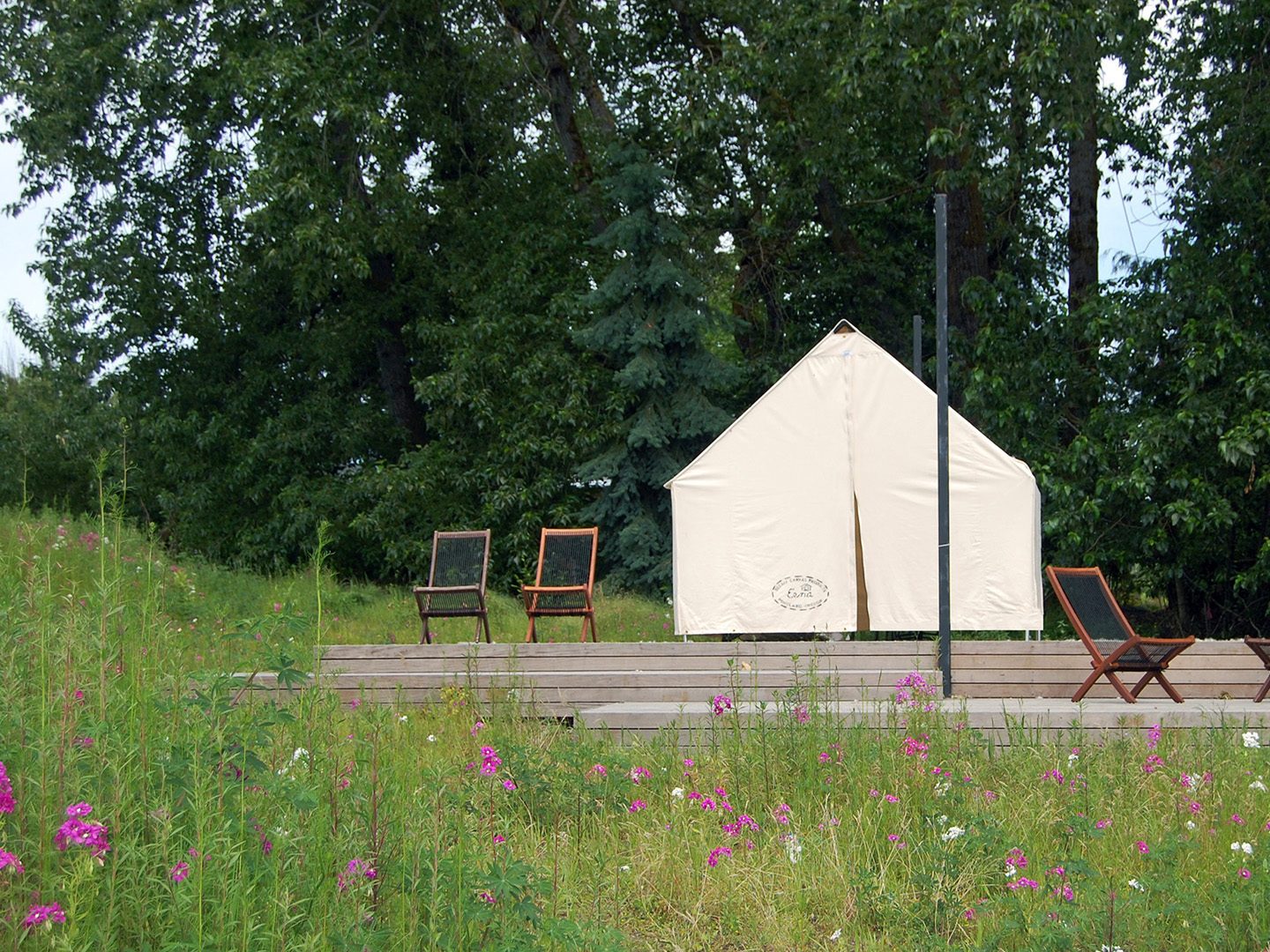
For her Sauvie Island clients, Migliazzo created a plan that included a patio spanning the back of the house with raised garden beds for edibles and cut flowers, a beachside meadowland dotted with rolling hills and a tucked-away hangout area, as well as an attractive walkway out to the beach. “The further we get from the house, the more wild—meaning, less managed—the landscape becomes, which corresponds to how the spaces are being used,” Migliazzo explains.
Start With One Section
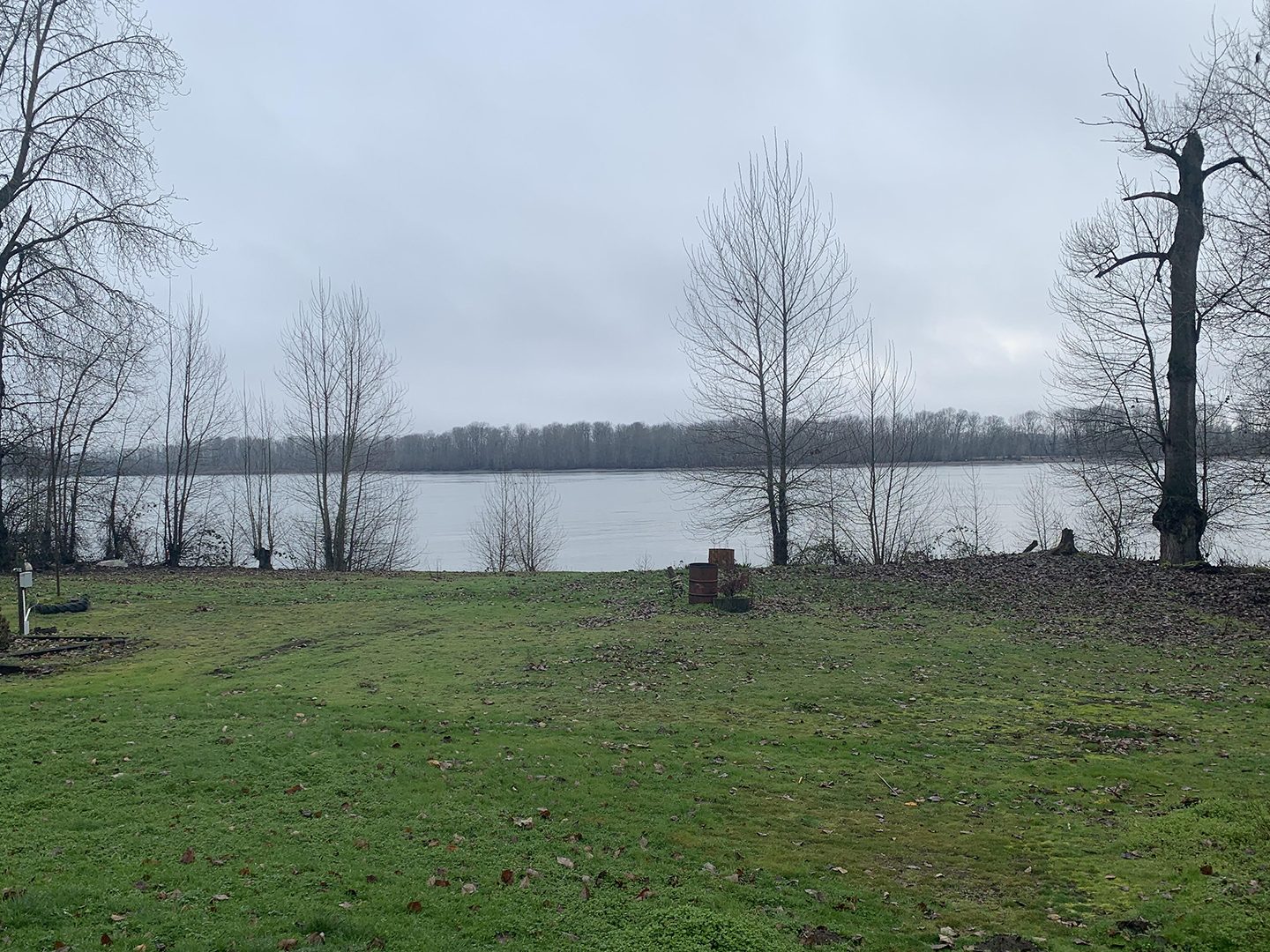
Even if you aren’t transforming multiple acres, it can help to focus your energy on one area first so there is a place to enjoy while the rest of the work is going on. For this project, one much-loved zone was in need of immediate attention. “Long before the house was done, my clients were having friends over to hang at the beach,” the designer explains. Located at the furthest reaches of the property, it was accessible by crossing the levee and a large, flat lawn with patchy grass and few ragged cottonwood trees.
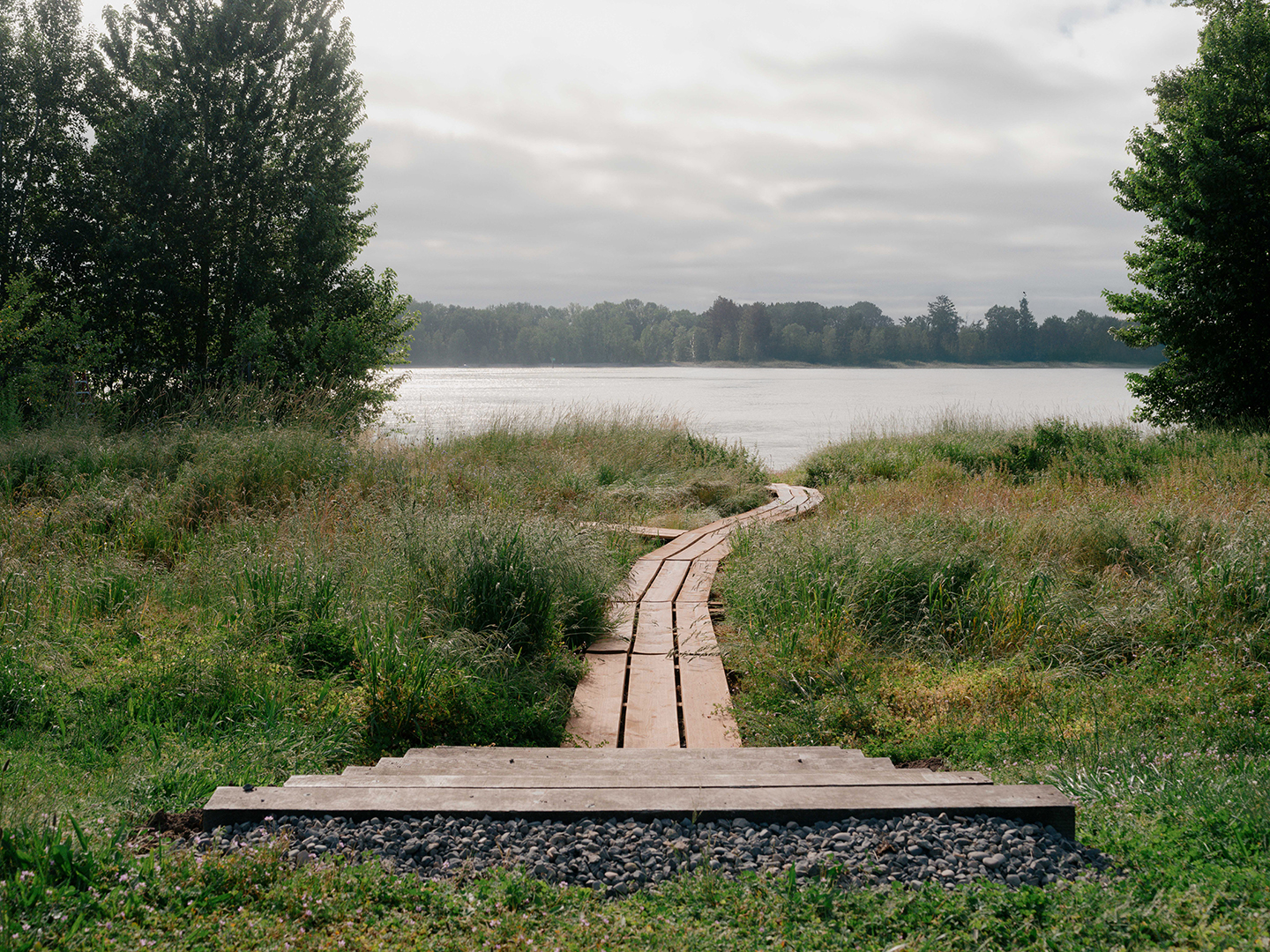
Migliazzo began working on this flat section first, bringing in earth-moving machines to create large mounds of soil called berms and seeding a wildflower meadow on the new topography. Eventually she wove an elevated wood walkway through the meadow for easy access to the shore. “We wanted to create more micro-habitats and visual interest,” Migliazzo explains. The meadow itself is a growing habitat for pollinators and wildlife, and they added a star-gazing deck and canvas tent for enjoying the landscape nearly year-round.
Choose Pathways Before Plantings
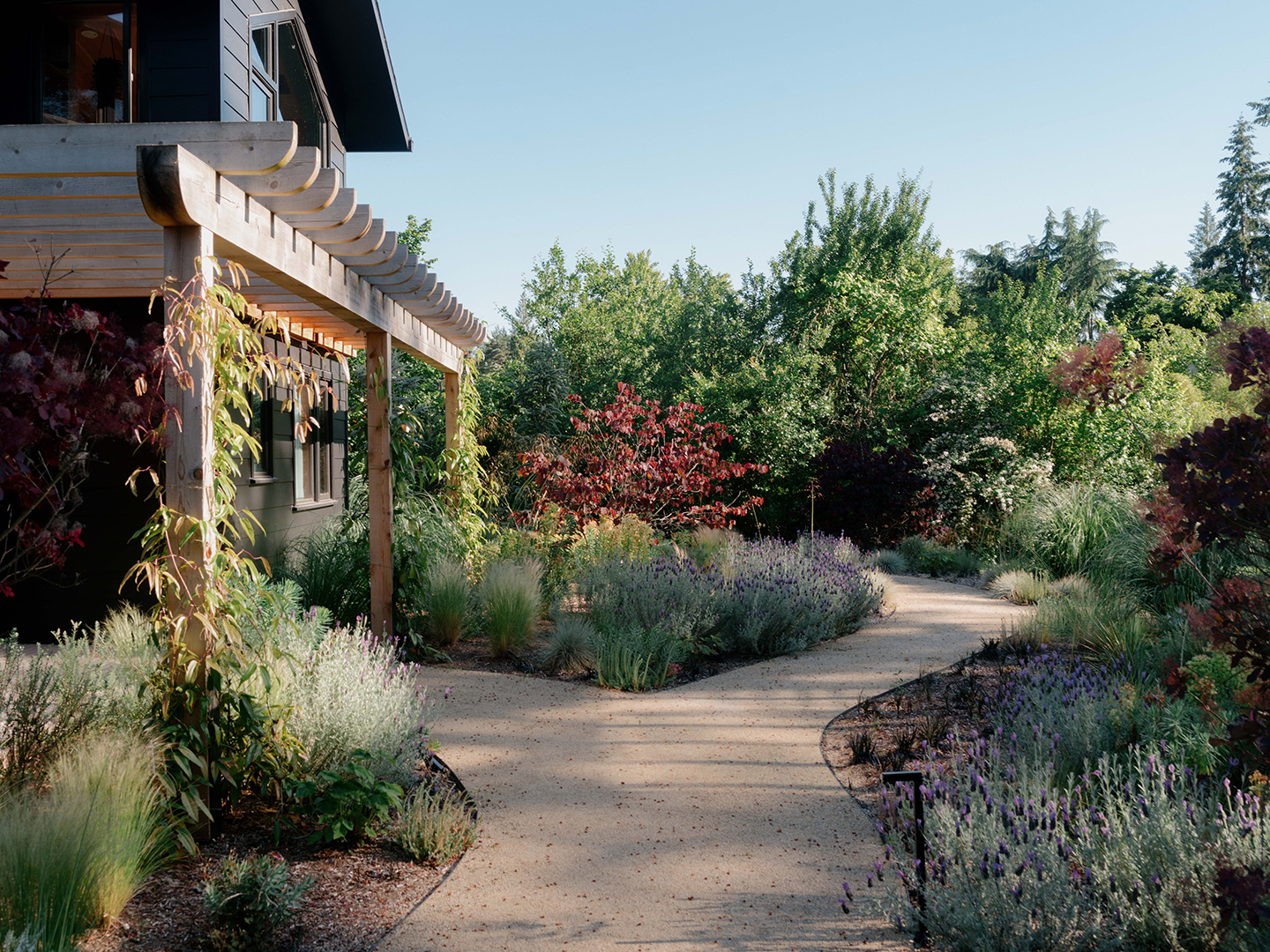
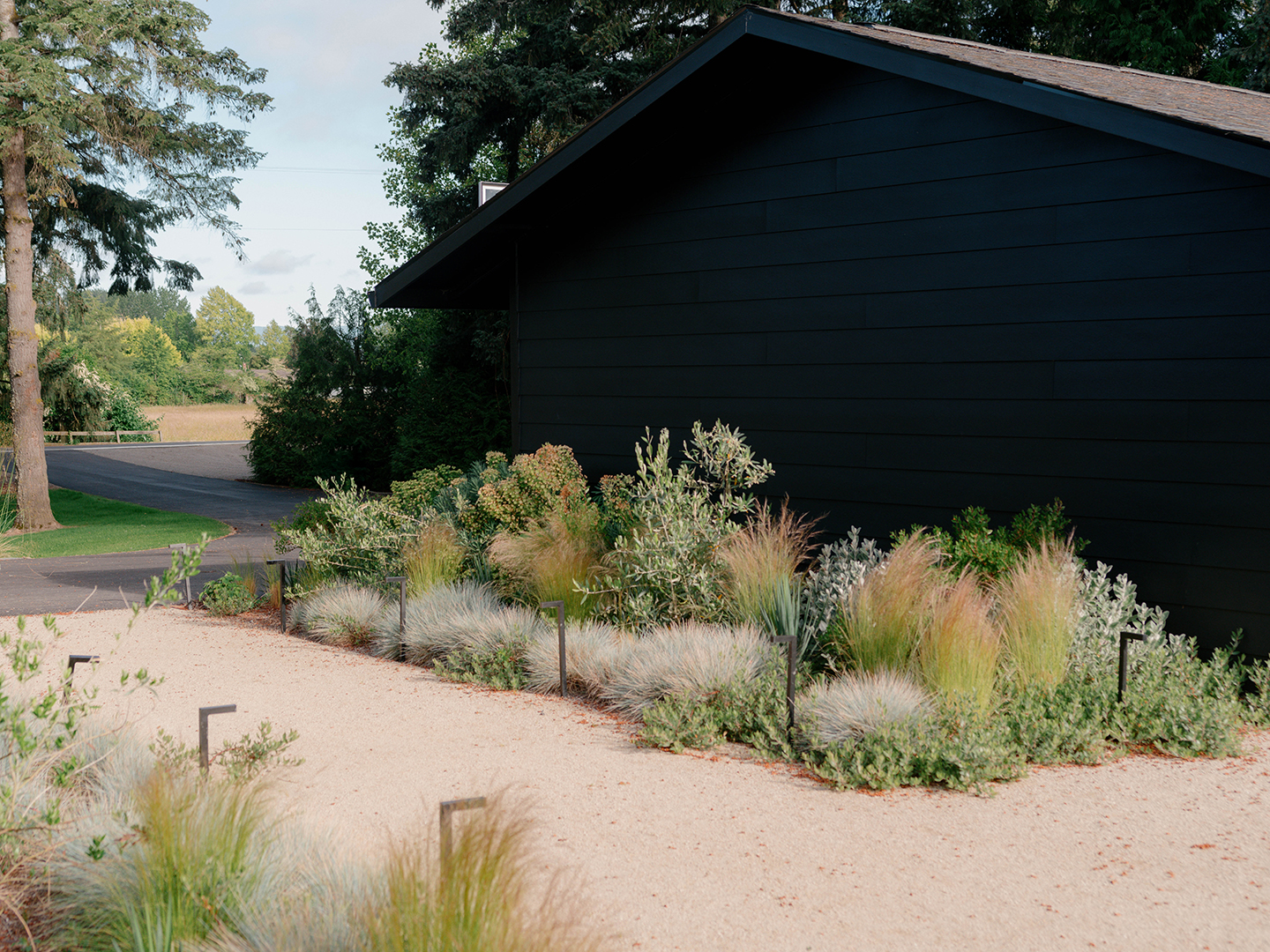
A good designer prioritizes circulation, meaning they will consider how people and vehicles make their way through the landscape and create a plan that supports that flow. To accomodate beachgoers, Migliazzo placed between the house and the garage a wide pathway that leads to the stairs up the levee, and ultimately out to the water. Paths that go around the house and to the front door are purposefully narrower, intended for more personal use.
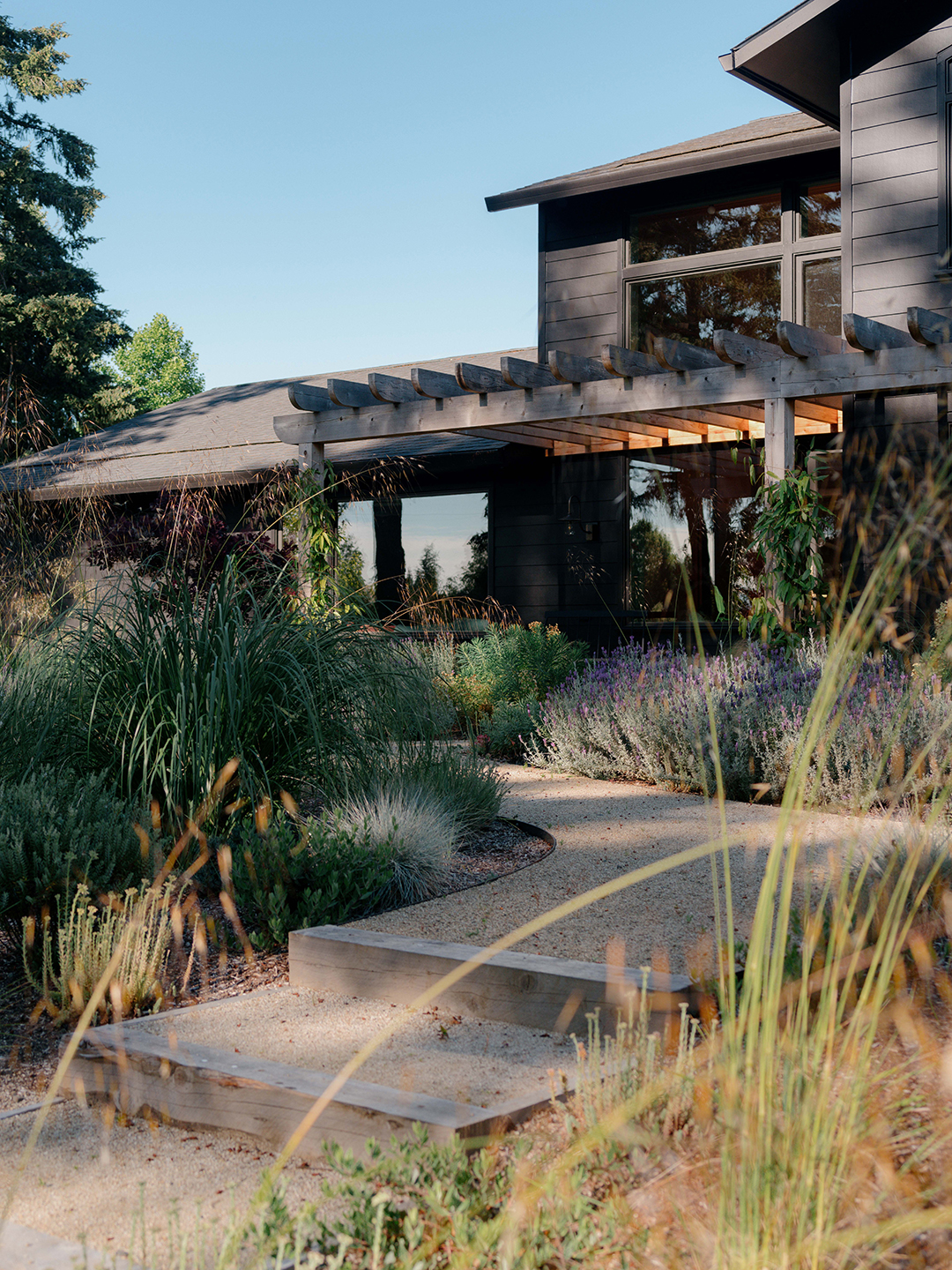
“Having that wide boulevard was really important because lots of people come over and go straight to the beach,” Migliazzo explains. “But the circulation path to the front door is around four feet wide, and that scale feels more intimate and dialed into someone coming over for dinner.” Repetition of materials echoes the serenity of the scenery: “We wanted the materials to feel quite natural and earthen: It’s all naturally-aging wood, gravel and decomposed granite, and blush-toned brick that kind of disappears into the landscape.”
In front and back, Migliazzo filled the borders and beds with low-maintenance, climate-conscious plants that are largely evergreen: drifts of lavender, structural shrubs, a variety of clumping grasses. From there, she added some perennials that would “pop through the gaps” at certain times of year: “I tucked Japanese anemones into little pockets behind the evergreens, so when those flowers die back you don’t have a giant hole.”
Embrace the Unchangeable
The levee on this property was more or less untouchable: Even the stairs that Migliazzo added had to be set on top of the hill, not into it. But that constraint turned into an asset, creating a demarcation between the more private, manicured space closer to the house and the wilder, freer meadowland that lay on the other side.
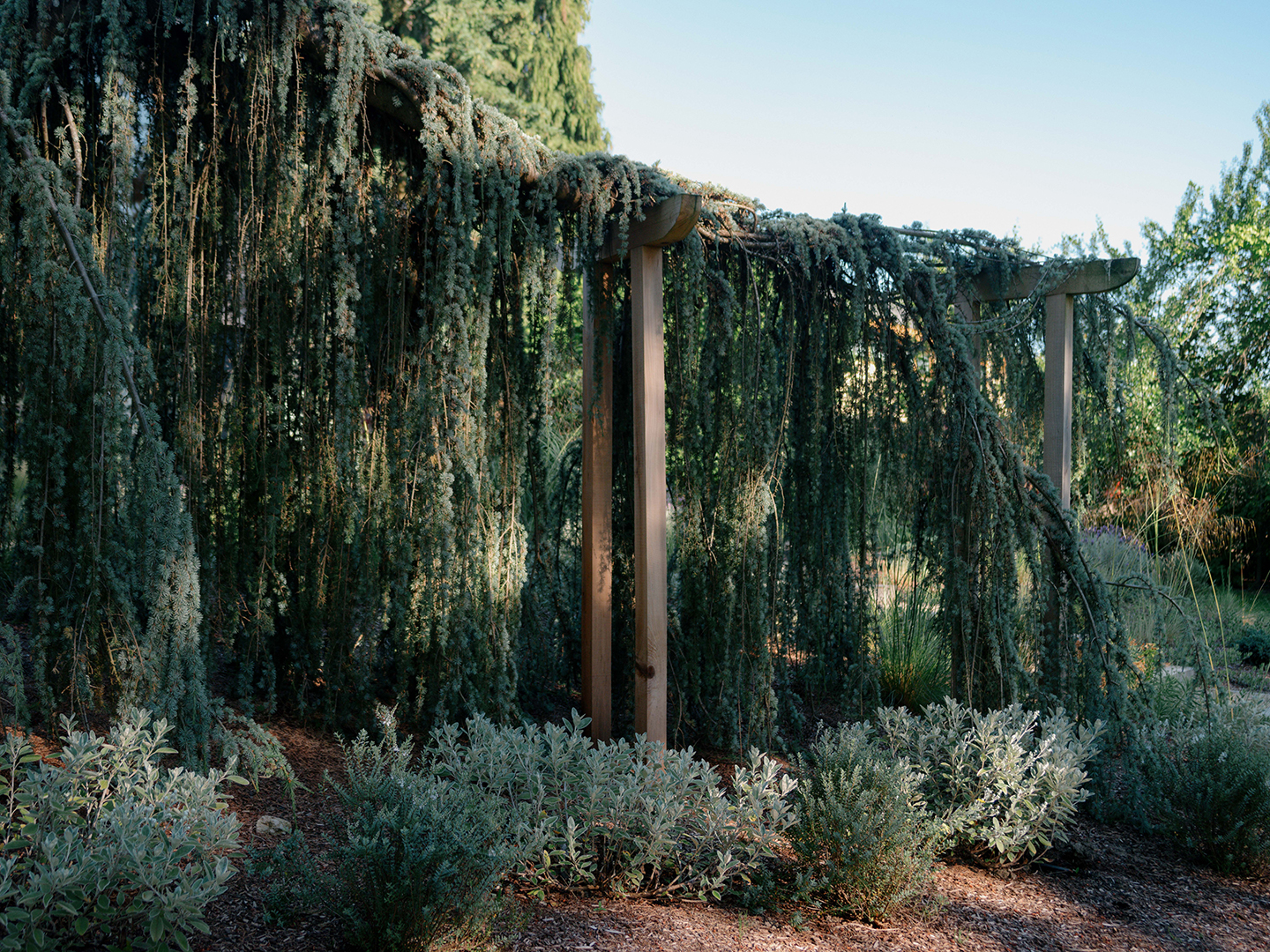
Then there was the Weeping Blue Atlas Cedar, about 60 feet long (the length of a bowling lane!), with branches reaching out from the central trunk in both directions. “Rarely in my career have I seen a weeping cedar this old or colossal,” Migliazzo says. “They grow relatively slowly, a foot to two feet of new growth per year, so it’s very old. It gives a sense of age and history to the house.” Long gone are the metal ladders, replaced with sculptural supports that Migliazzo designed to echo the arbor, designed in coordination with the home’s architects, on the front porch.
Keep Your Vegetables Close
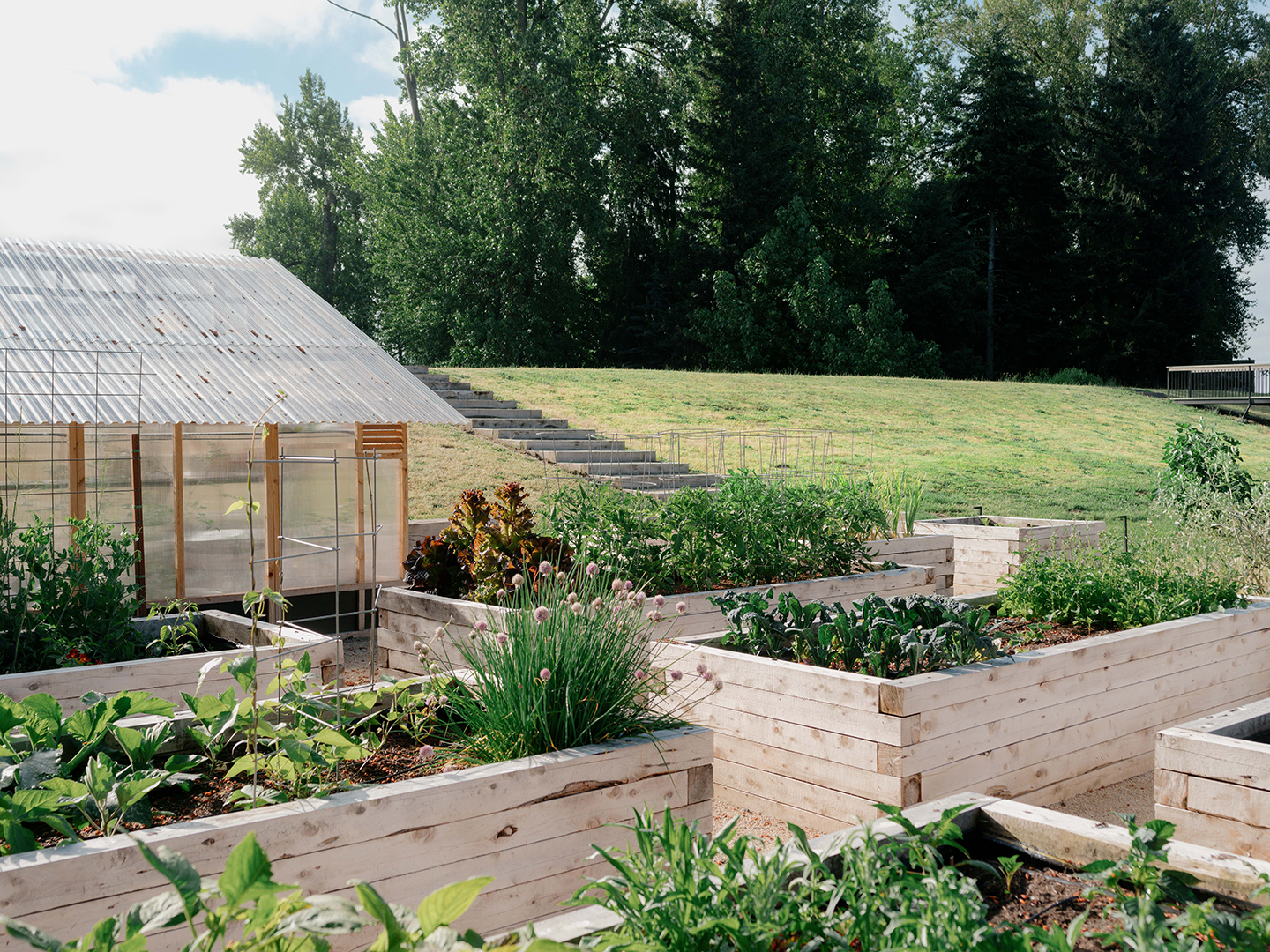
A vegetable garden was a non-negotiable for the property owners, and Migliazzo knew they’d need easy access to it for dinnertime prep. The raised beds, installed just out the back doors, are standing height and set in a grid. Some are four feet square, whereas others are eight feet long. “We designed the varying dimensions in part based on what the owner wanted to grow, and then set them apart from one another to have enough space for a wheelbarrow,” says Migliazzo.
The garden is also a focal point from inside the house, and the homeowner incorporates cut flowers into the raised beds alongside the vegetables. “I like the idea that this area feels quite organized: The interior of the beds themselves can be chaotic, but the overall space feels modernist, streamlined,” the designer says. A greenhouse—which the client uses for seed starting in the early spring, protecting plants during the cold season, and growing salad greens in the winter—and storage outbuildings provide additional structure to the space, while breaking up the view of the hill.
Commit to Meadow Mode
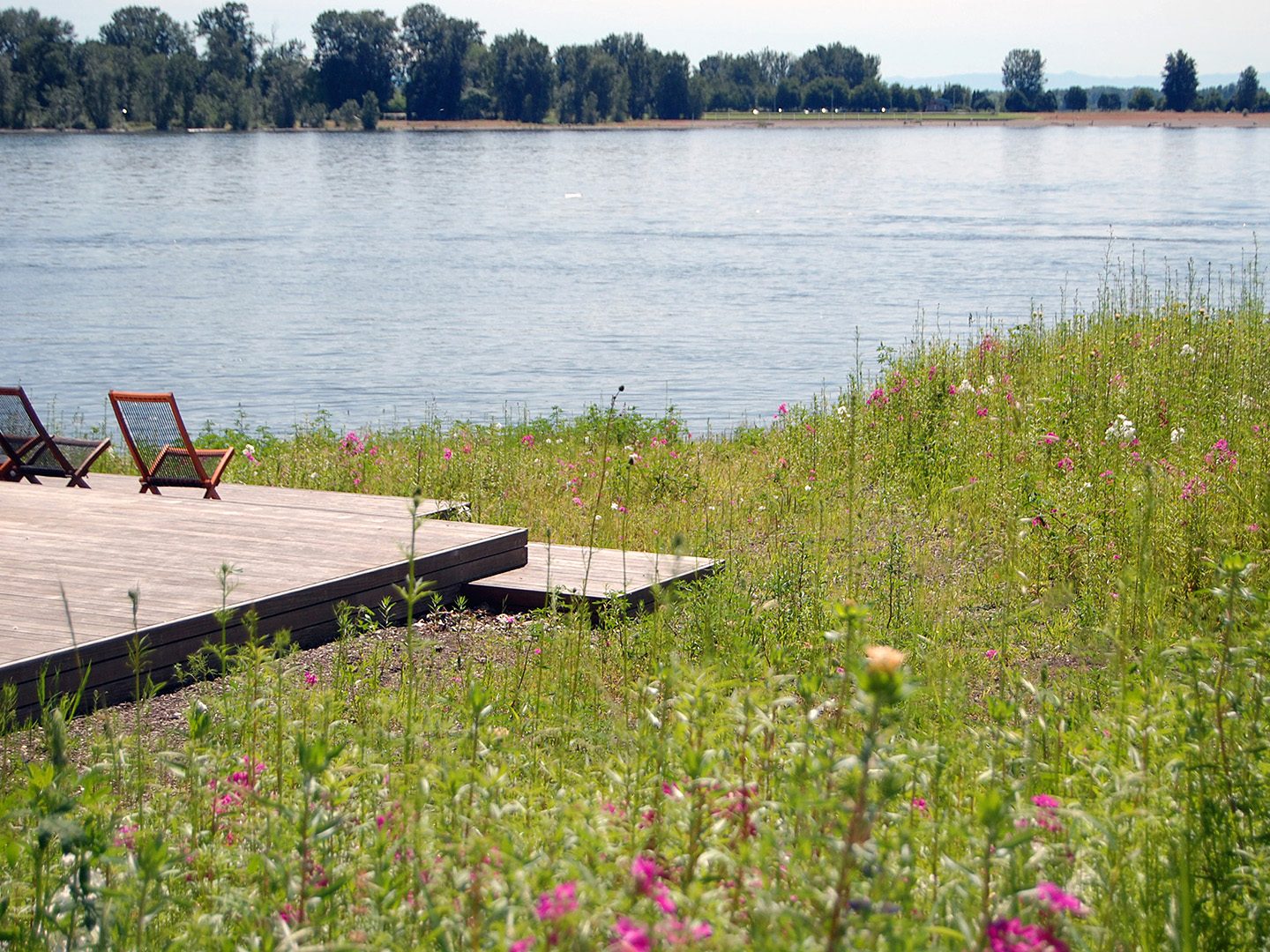
While the main draw of the beachfront was the water access, the scenery left something to be desired. After creating berms out of the sandy soil, Migliazzo was able to add a few inches of new topsoil and begin seeding the area with native flowers and grasses to make a meadow. “Meadows are really, really hard to do,” Migliazzo says. That first season you may see masses of glorious blooms, but weeds start creeping in the next season. “If you really want to stay on top of that,” without spraying chemicals to kill the weeds, she says, “you have to go in there and just hand-pull everything you don’t want.” The third year, perennial grasses become more established. Cultivation is a commitment, but it’s worth it for the ecological benefits—not to mention the explosion of flowers.
The project highlights how the work of a landscaping team doesn’t end after a yard is seemingly complete. “Last fall, this client decided she wanted to add some evergreen woody plantings that would create more year-round structure, so we added some groupings,” Migliazzo explains. “We did these in little clusters around the meadow so they would reveal themselves as you moved through the space.” She and the client are also discussing future plans for an ADU near the beach. Though the project may never be truly finished, it’s a dream exactly how it is.
Contractor: Autumn Leaf Landscaping