
We may earn revenue from the products available on this page and participate in affiliate programs.
We all have our home non-negotiables. Yours might be plenty of natural light, two bathrooms, a big backyard, or maybe even hardwood floors. But unless you’re building from scratch or ready for a big renovation, something usually gives. And often, it’s the foyer. Instead of a tidy entry moment, the front door swings open straight into the living room.
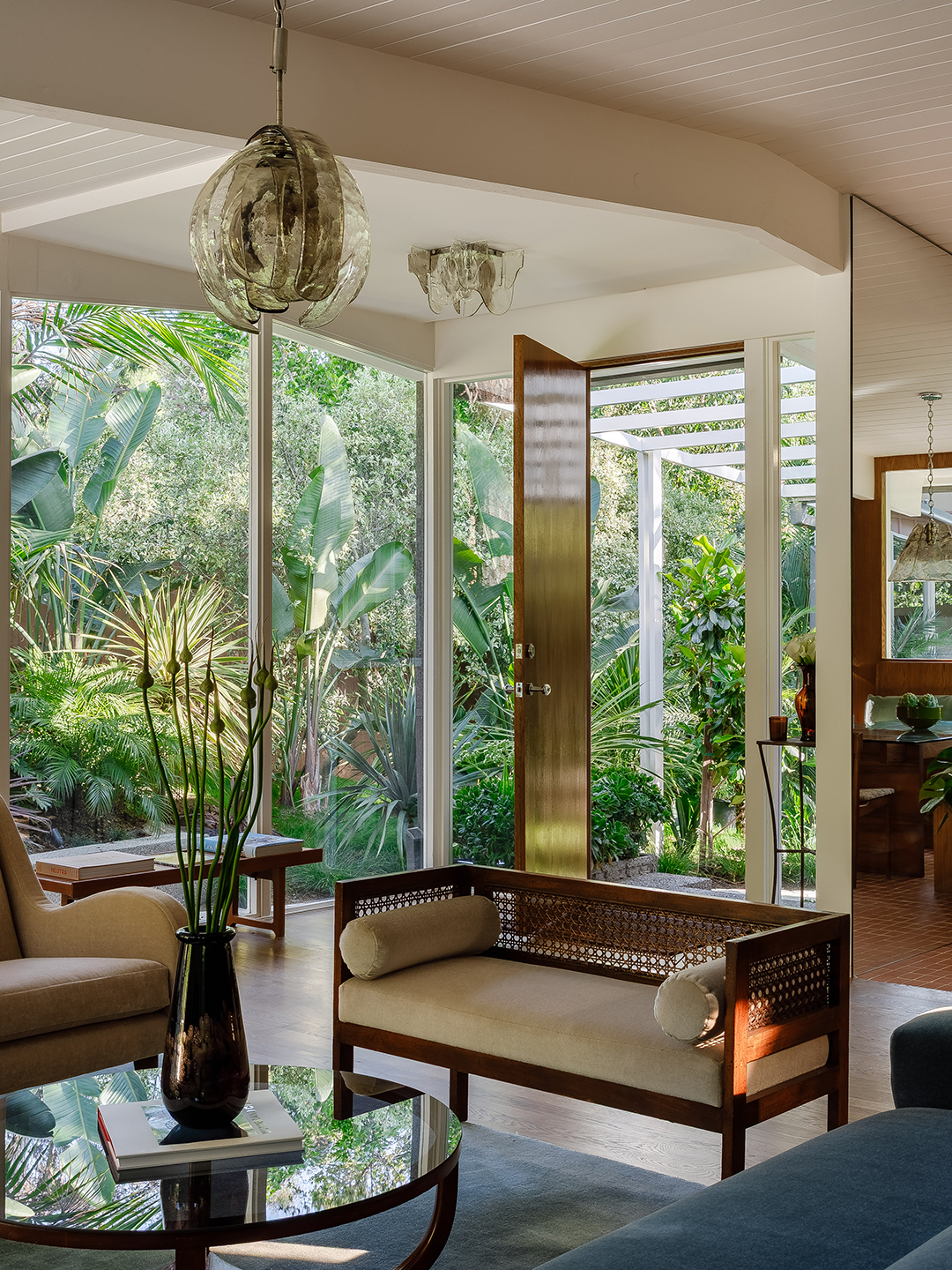
Luckily, designers have plenty of tricks to share for carving out a sense of arrival, even when square footage is tight or the layout is lacking. Here are a handful of inspiring living rooms that double as hardworking entryways.
Float Your Sofa to Fake a Foyer
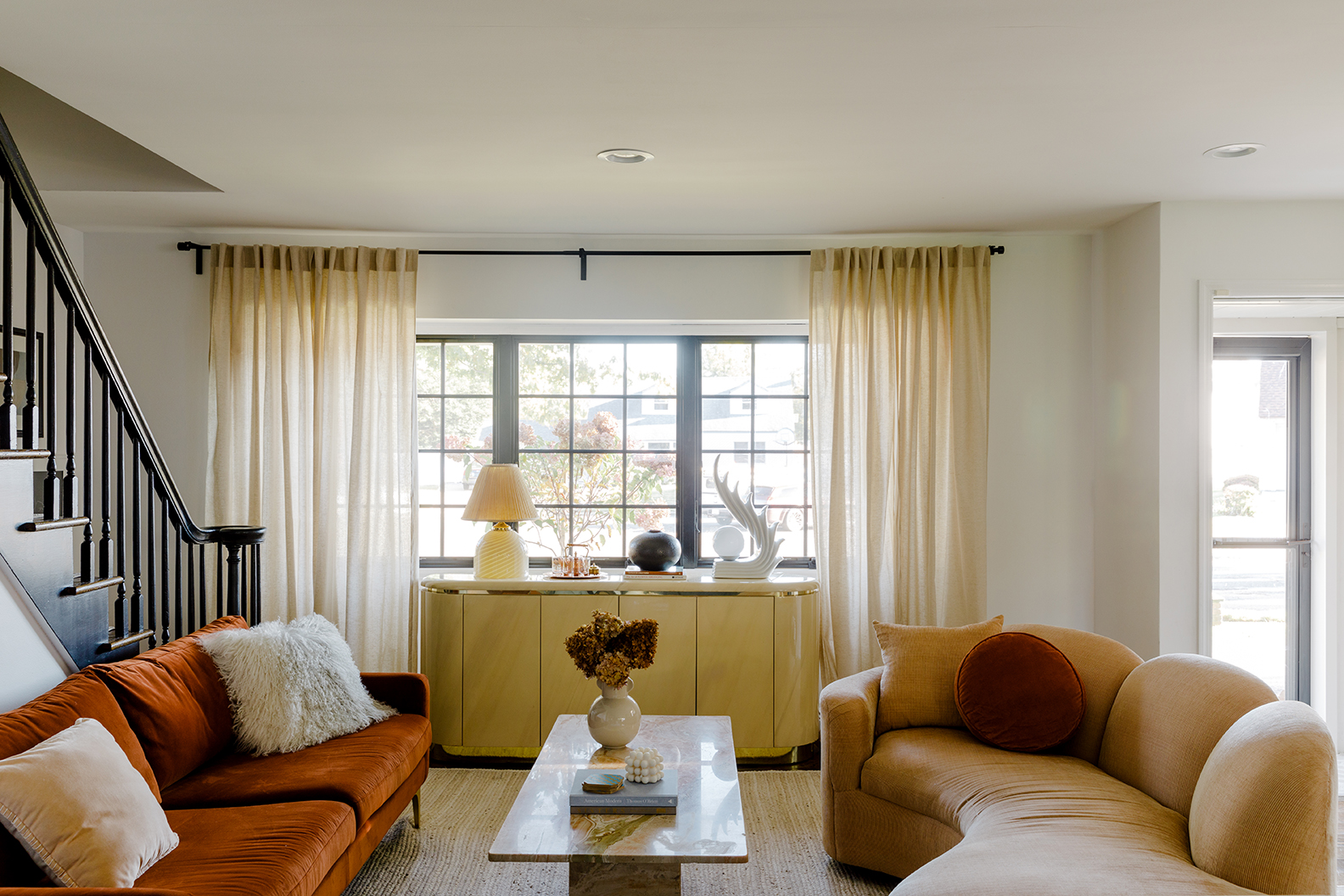
If space allows, pull your sofa a few feet away from the wall and orient the back toward the door. This instantly creates a visual divider between the entry and seating area. Designers often add a slim console table behind the sofa for keys, mail, and a small lamp—turning the back of the couch into a purposeful entry table.
Arrange Furniture to Create a Walkway
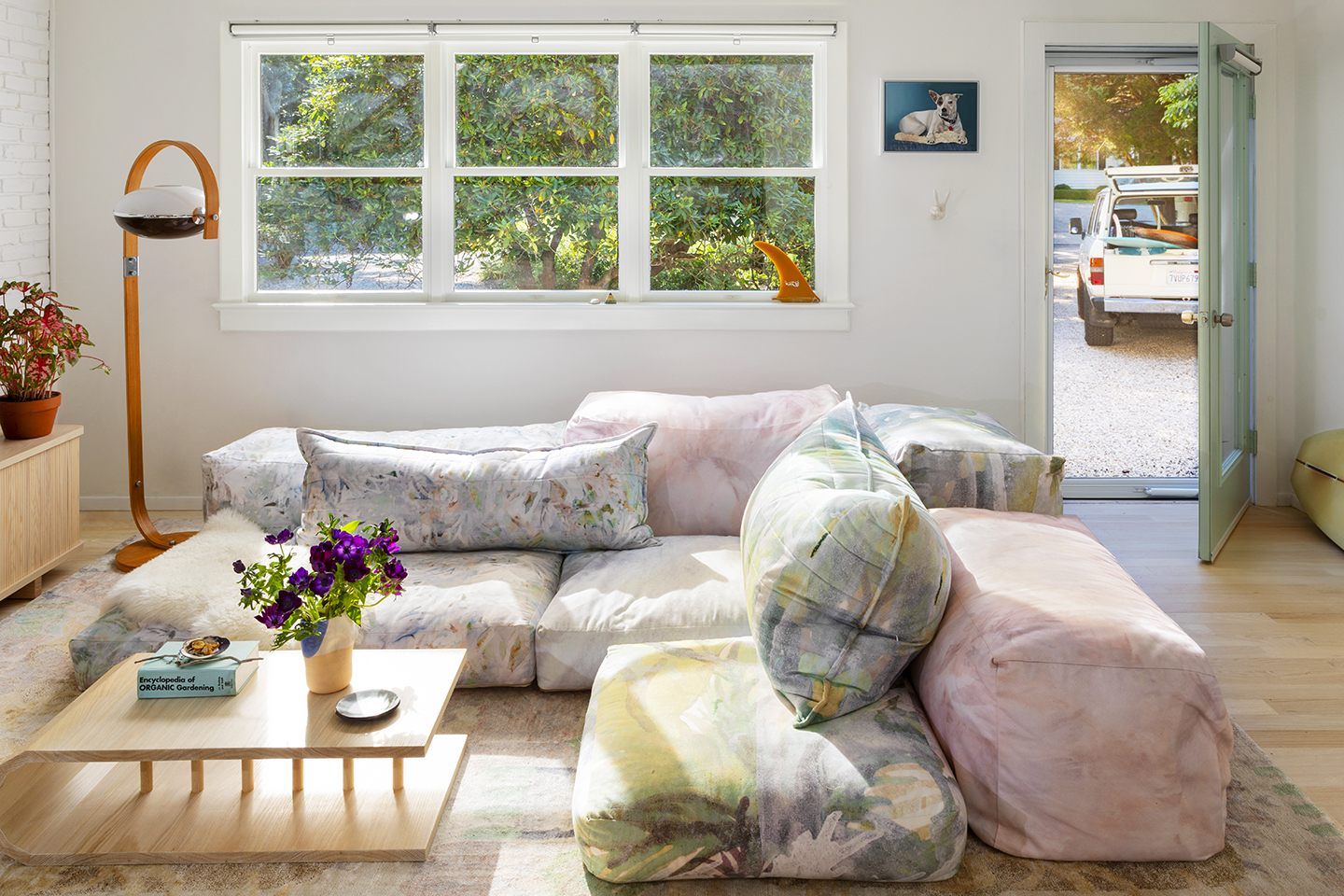
Instead of letting the door open straight into your seating area, position furniture so there’s a natural path into the room. A chair angled away from the door or a sofa placed perpendicular to it gently guides traffic and make the layout feel more considered.
Add a Bench for Shoes and Bags
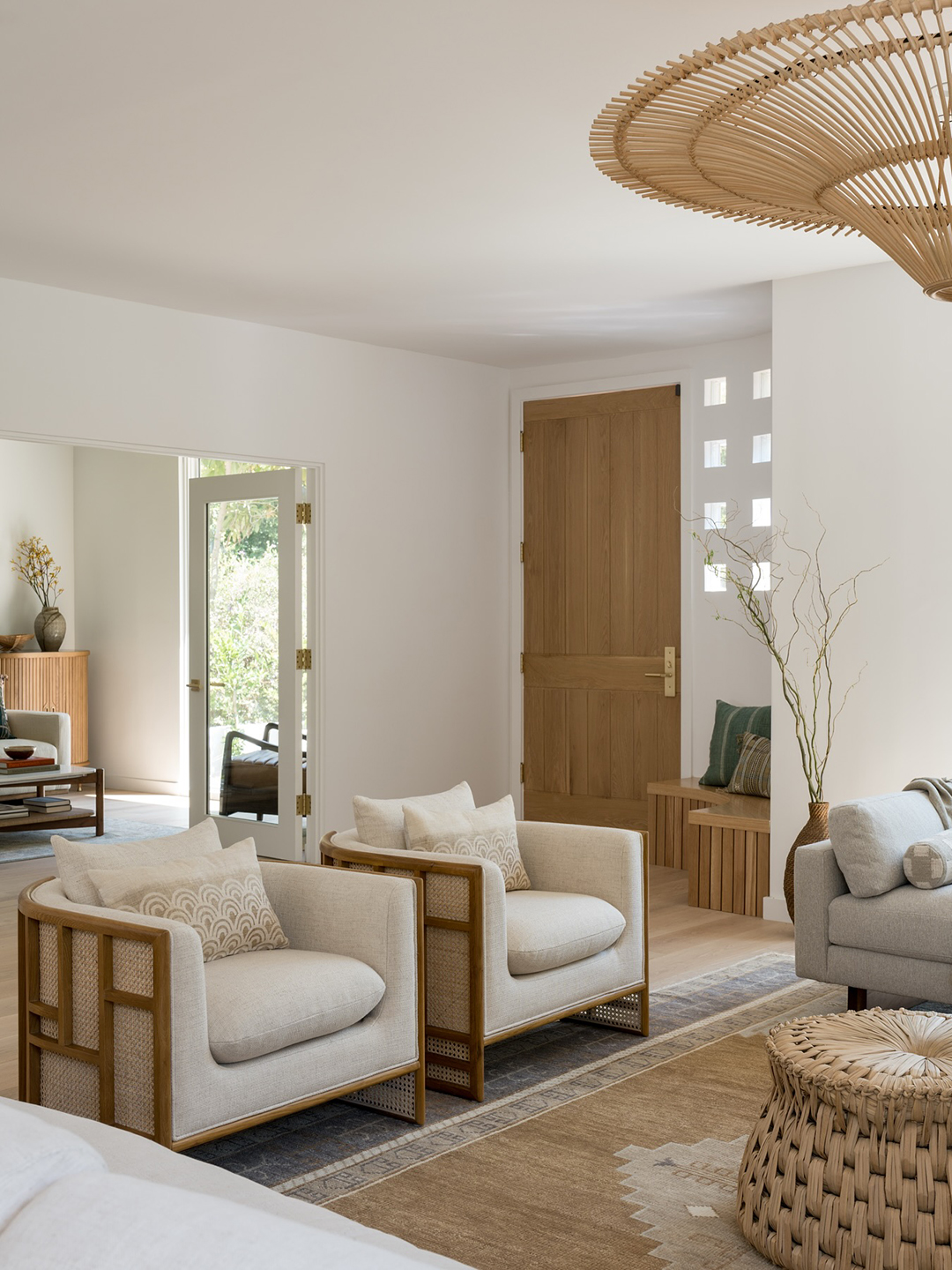
A narrow bench or stool right by the door creates a landing spot for shoes, bags, and guests putting things down when they arrive. Even a small piece signals that you’re passing through a threshold, not heading right into the middle of the living room.
Install Hooks In Lieu of Closet Space
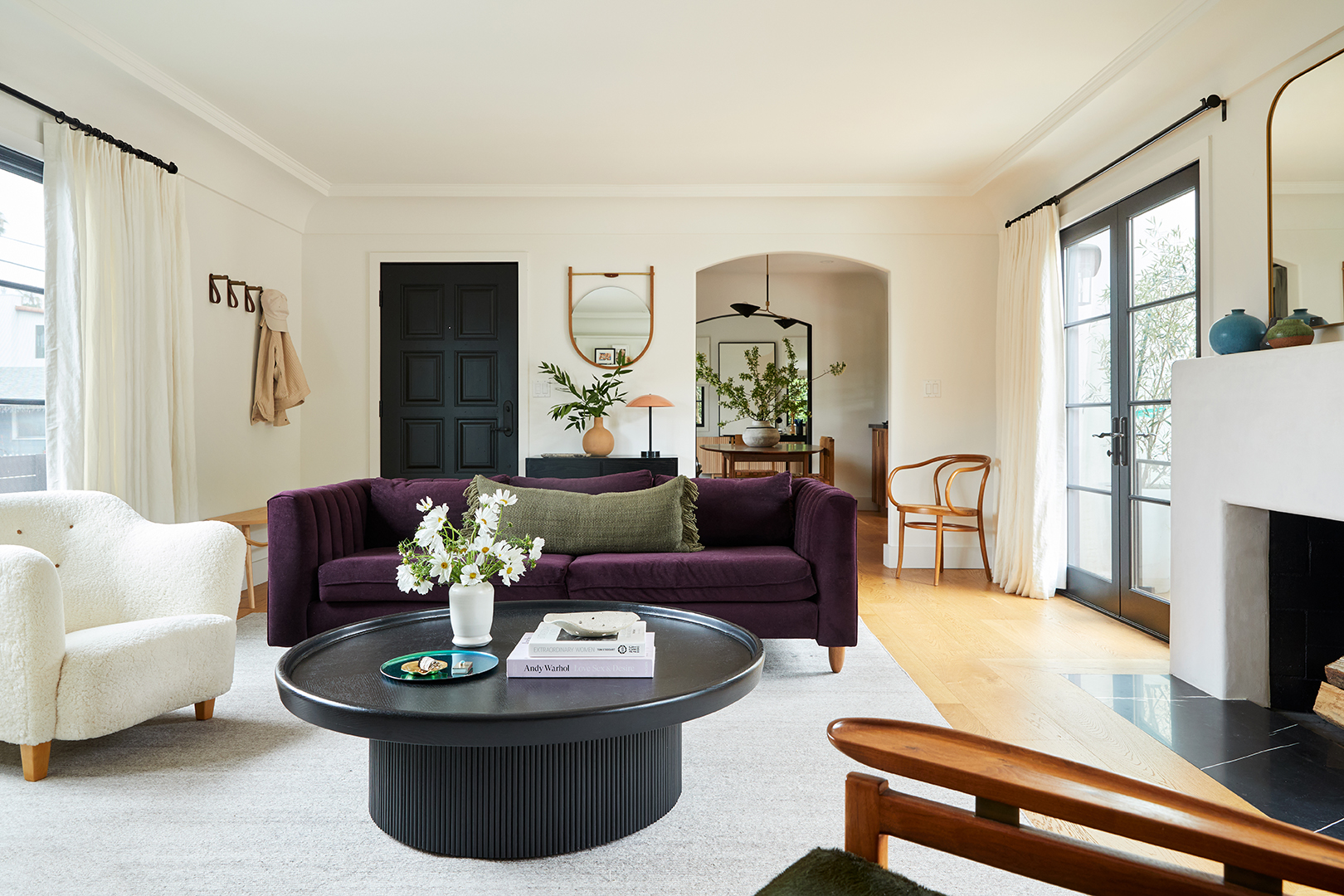
Without an entryway closet, wall hooks or a peg rail become essential. Mount your choice near the door for jackets, tote bags, hats, and leashes so they don’t end up draped over chairs or the sofa.
Roll Out a Rug or Two
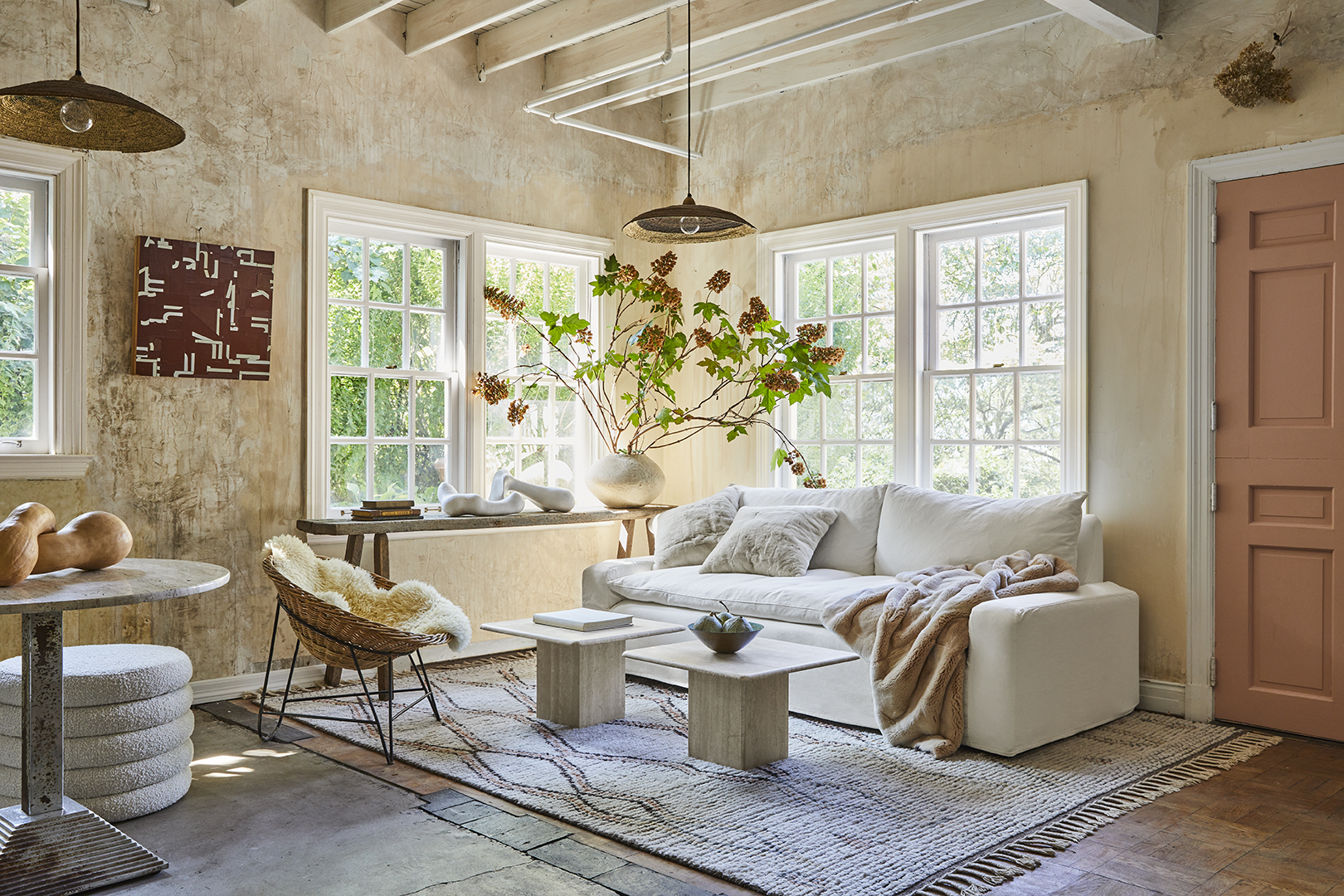
A rug visually creates a drop zone where one doesn’t technically exist. Place a durable entry rug or mat just inside the door, then transition to your larger living room rug beyond it. The subtle shift helps organize the space and keeps dirt contained. If you don’t want to double up on rugs, simply using one in the area segmented as living room space will help separate the different zones.
Employ a Slim Table
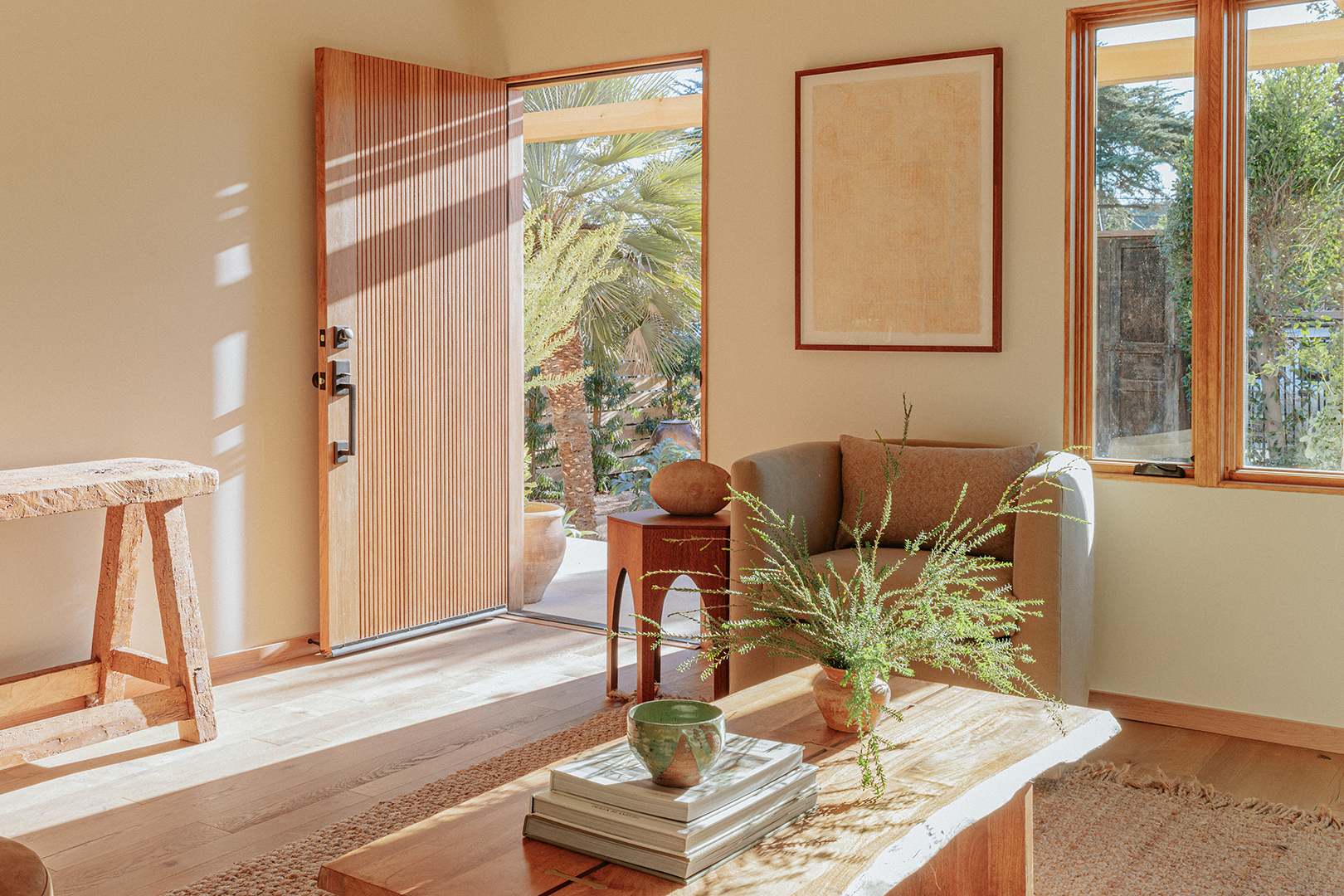
A narrow console table, floating shelf, or wall ledge acts as a small command center for everyday essentials. This is for keys, sunglasses, and mail. Add a mirror or piece of art above it to make the area feel intentional rather than improvised.
Use Lighting as an Arrival Moment
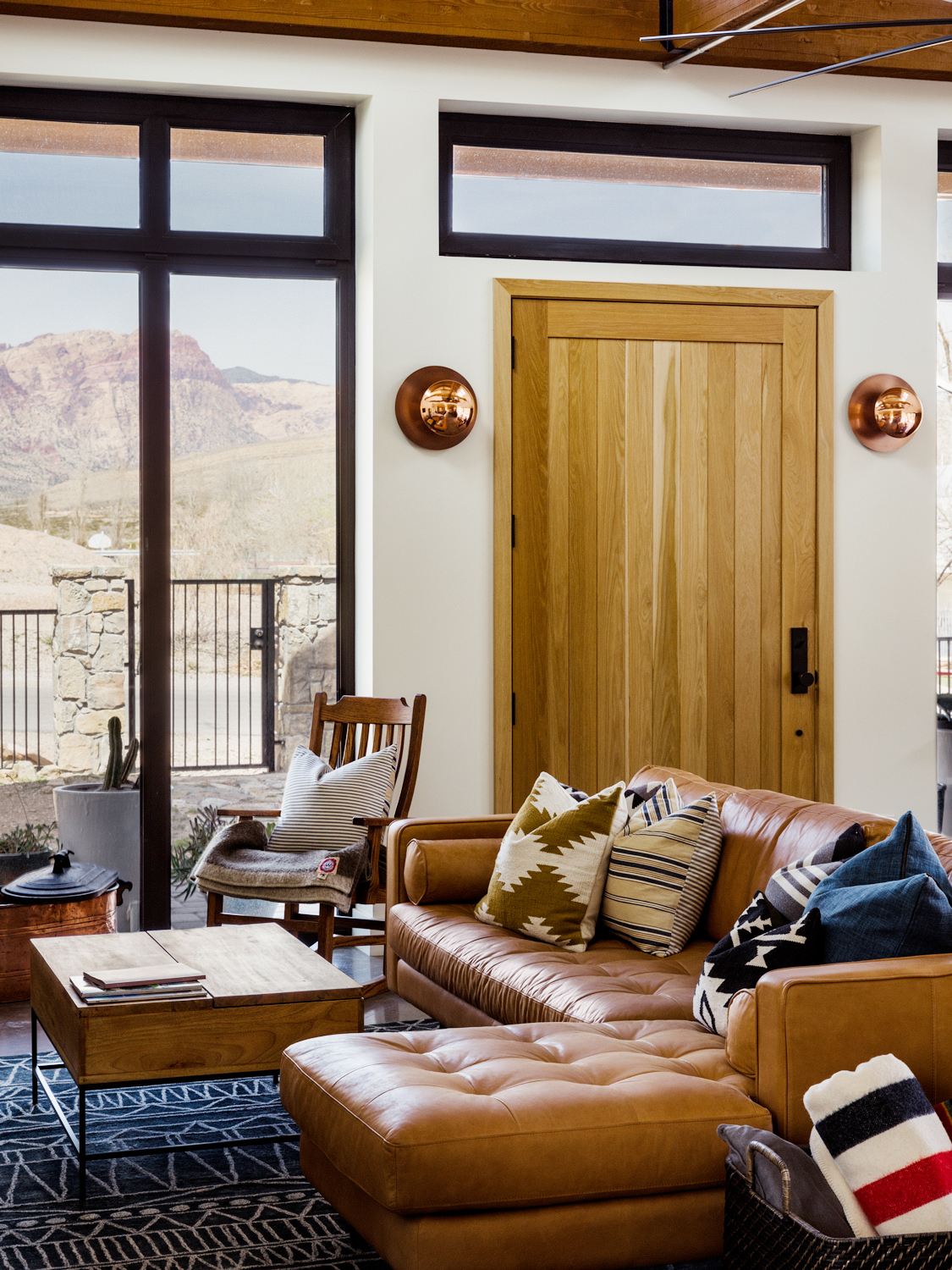
A table lamp or small sconce near the door makes the entry feel warmer and more welcoming. That soft glow subtly defines the area as a transition—even when the living room is doing double duty.
Define the Area With Decor
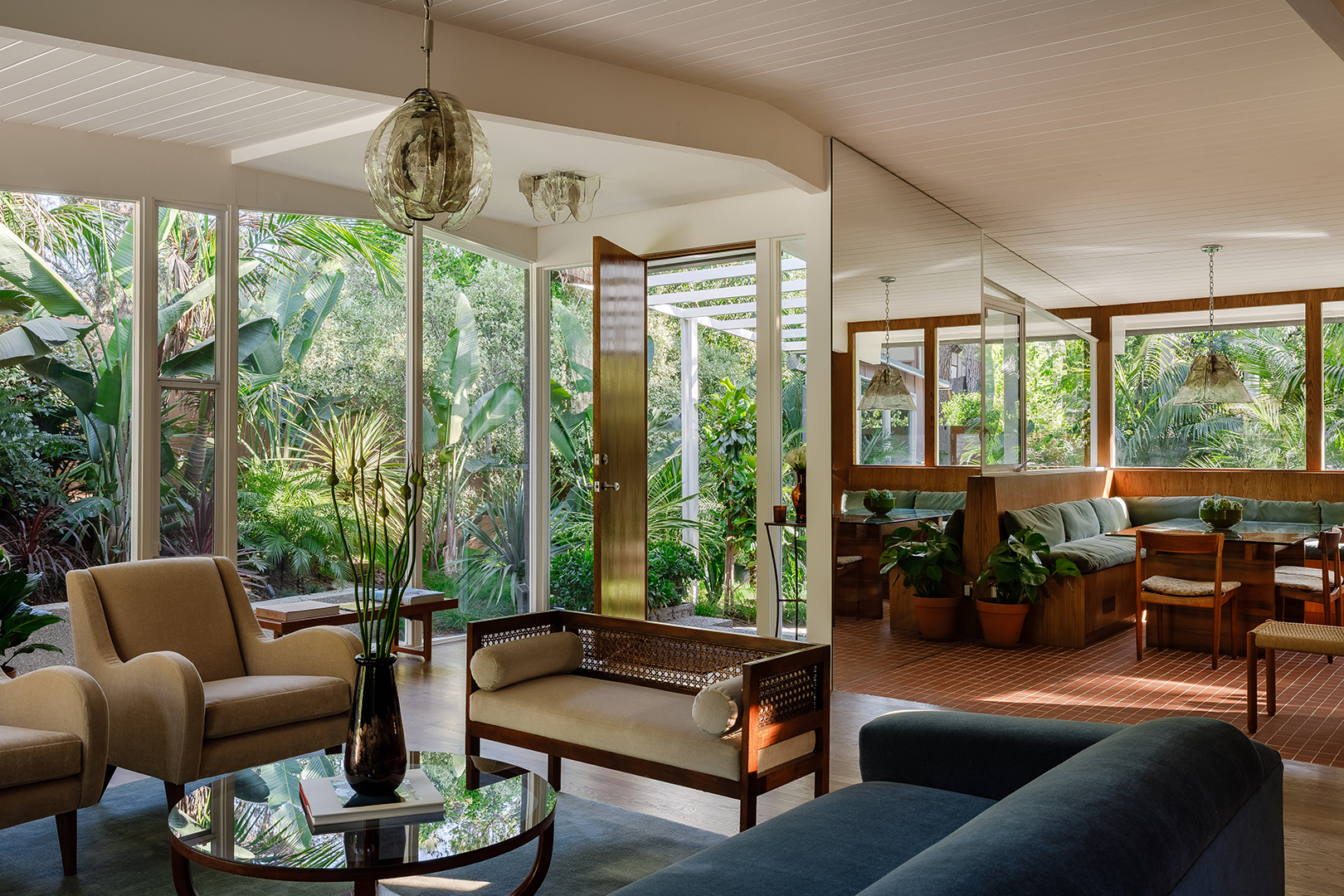
A little visual zoning goes a long way. Try featuring a small table with a candle and a vase of fresh flowers or a bench with coffee table books. You could even paint the wall by the door a contrasting color, add a wallpaper panel, or install vertical paneling to create a subtle shift. Even though the room is technically one space, the eye reads it as two.