
We may earn revenue from the products available on this page and participate in affiliate programs.
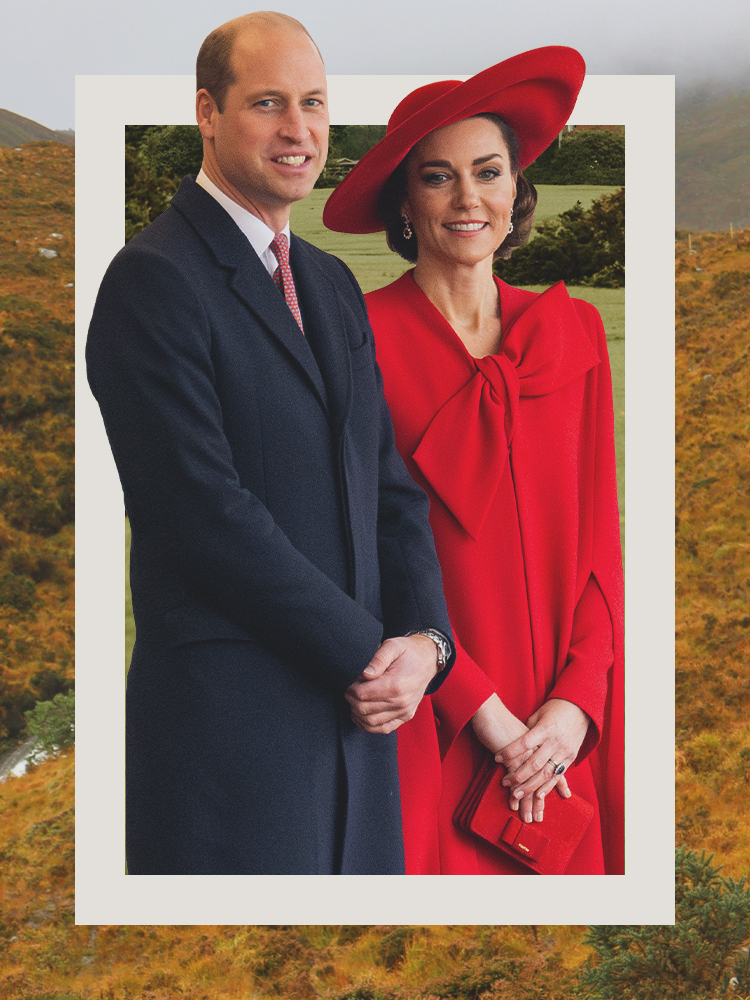
As pros who run their own firms, architect Nicholas Potts and designer Rachel Robinson can easily imagine the ultimate project: one with an unlimited budget, ample time, and clients who cheer on their boldest ideas. So when news broke that the Prince and Princess of Wales—aka William and Kate—were getting a new address, the creatives were more than game to answer our question: What if the royals rang you up for a redo?
Even if these clients wear crowns, Robinson suspects their wishlist would be similar to yours. “Despite the fact that the clients are literal royalty, I would guess that William and Kate are looking for what so many people want: A warm, welcoming space that effortlessly supports their lifestyle and their particular family,” she says.

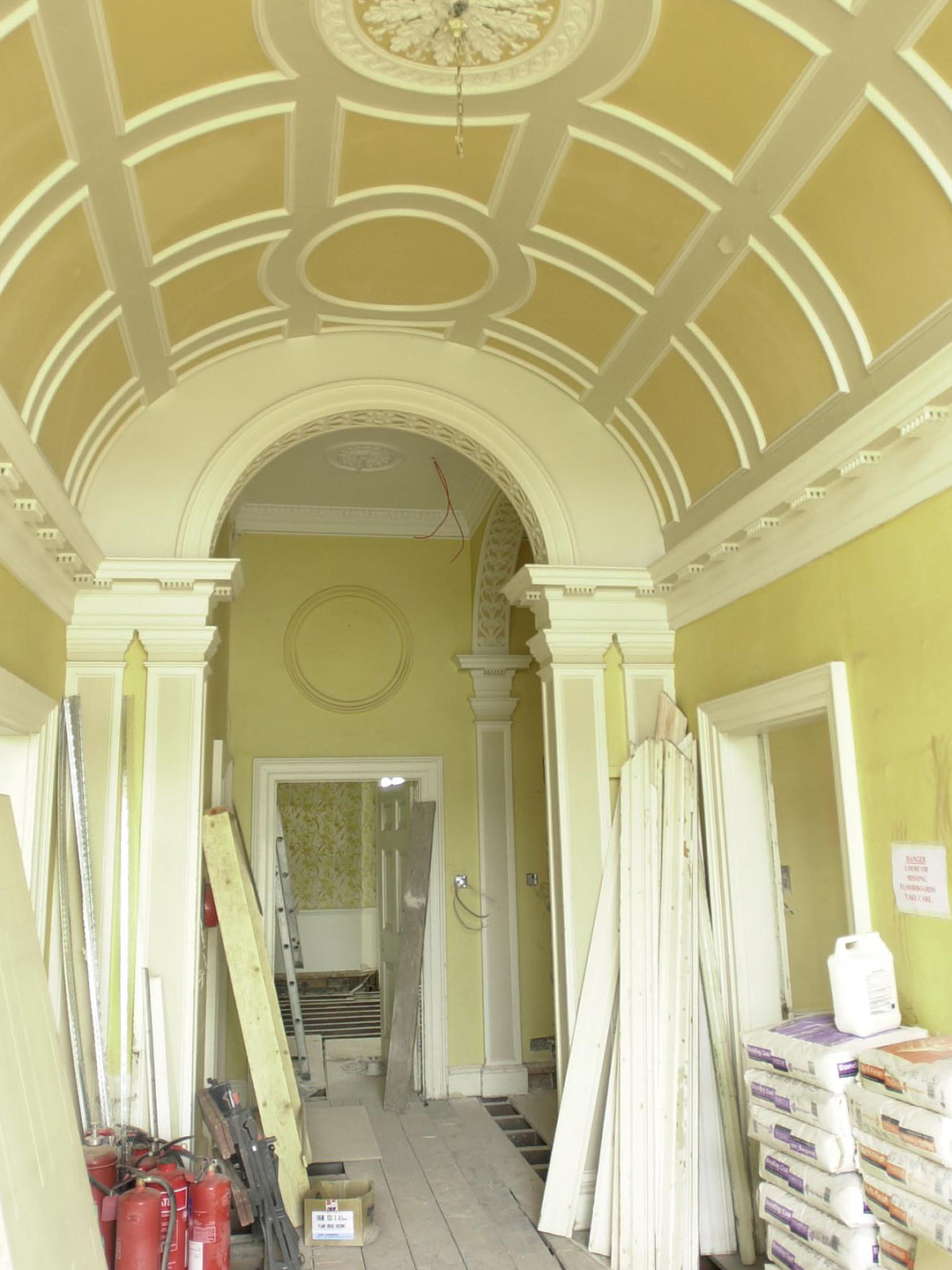
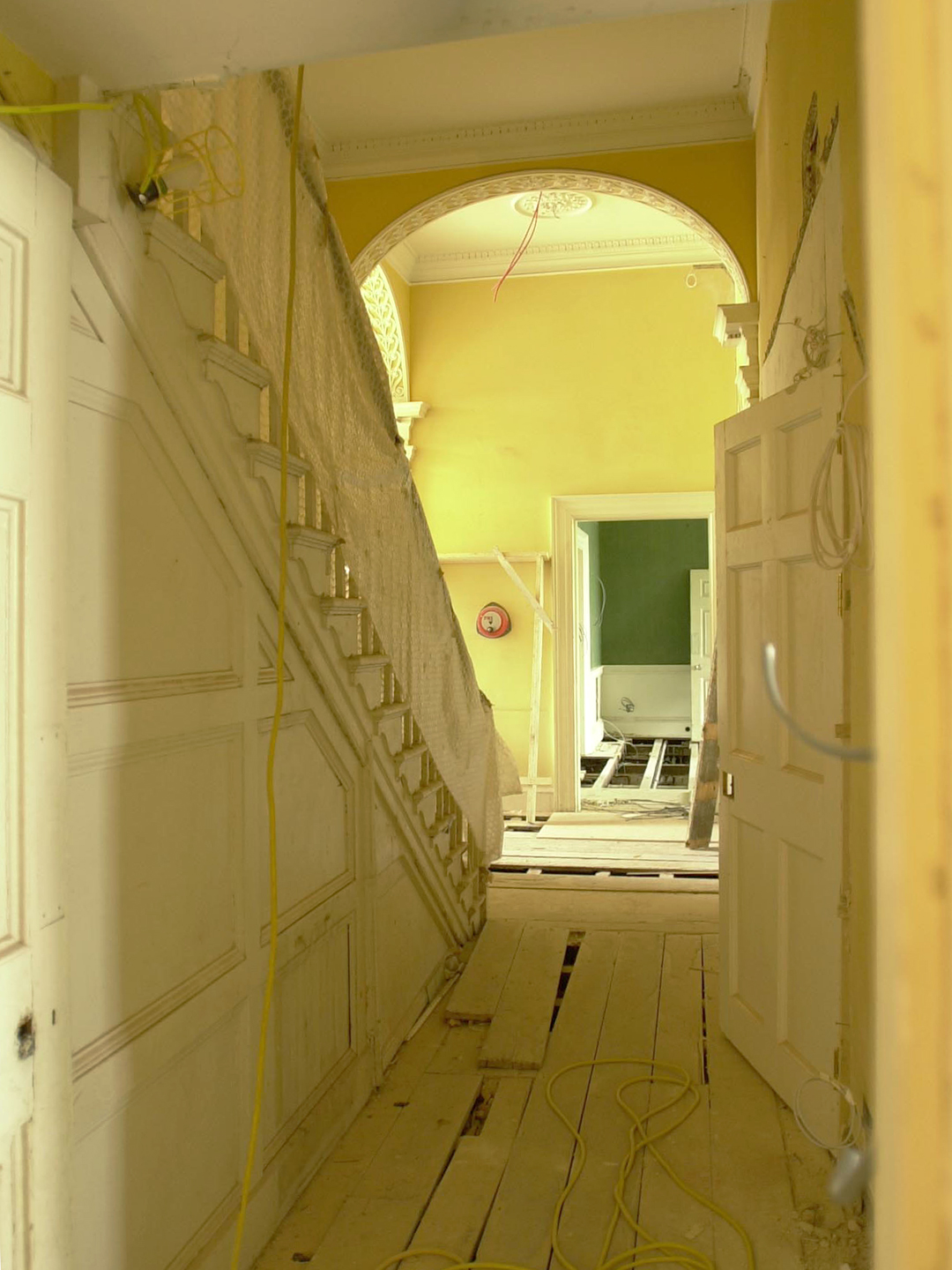
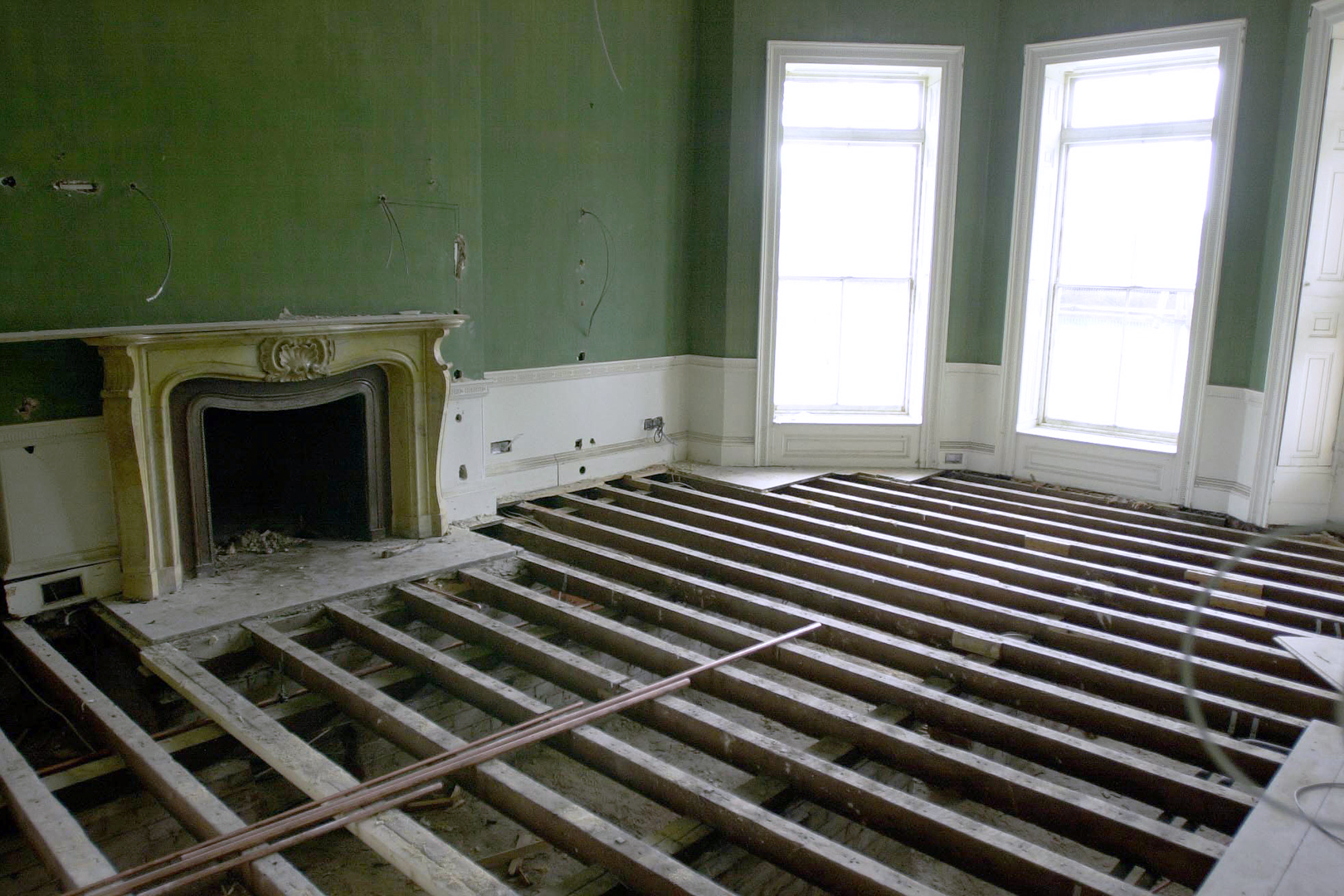
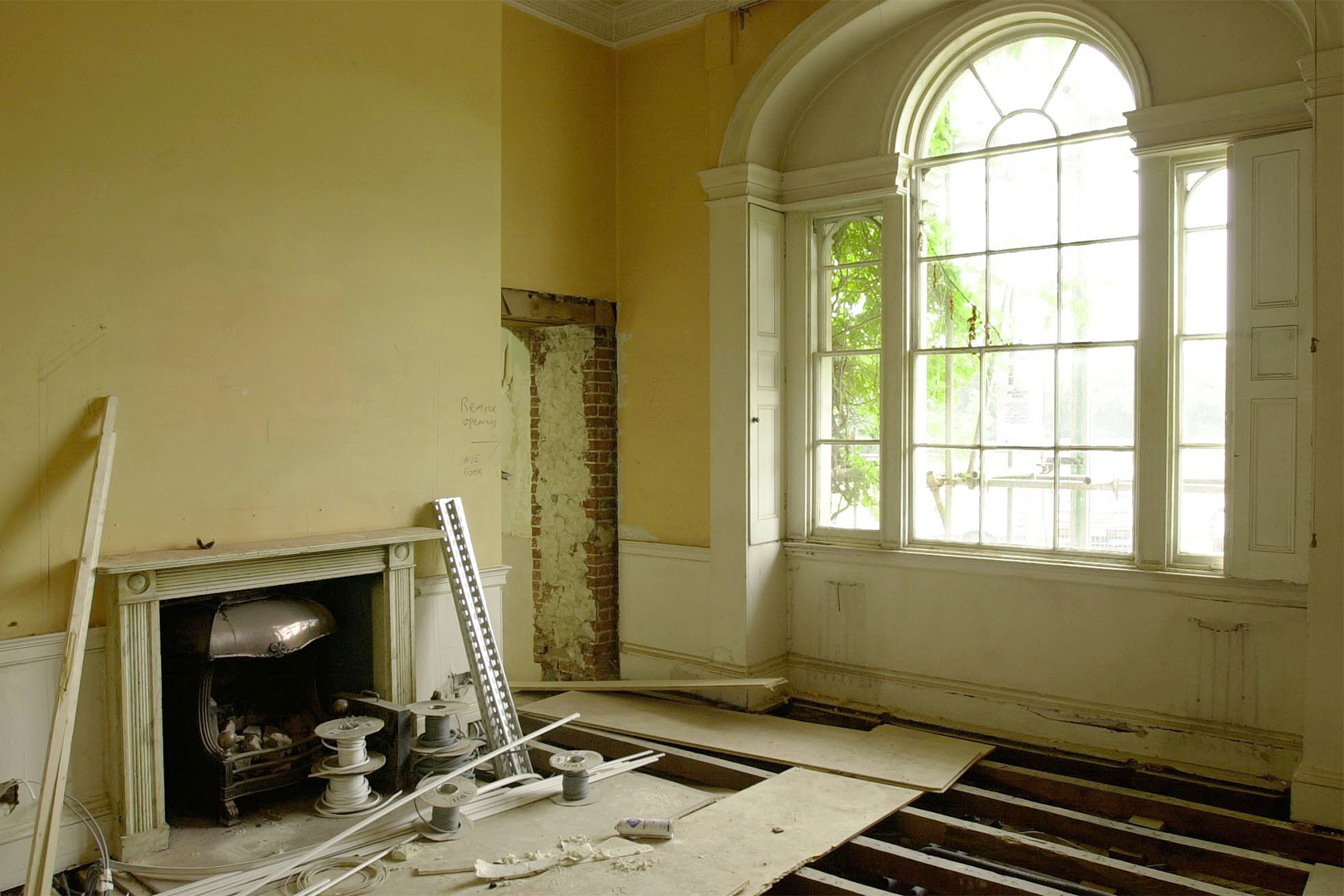
William, Kate, and their three children are expected to move to Forest Lodge in Windsor Great Park by the end of the year. The Georgian-era property dates back to the 1770s, though the last real overhaul was in 2001. Reportedly, the royals will do some “light” updates before unpacking. Here’s how Potts and Robinson would steer the project if it was theirs to manage.
Make It Colorful
Potts, an architectural-history buff, says the house was never meant to be a sea of beige. “Interiors of this period were a riot of color, so the first thing we’d do is shed this trope of today’s ‘historicism’ that assumes everything is a deadly serious soft tone,” he says.
He’d embrace a polychrome look—including shades of jade and pink to highlight the architectural craftsmanship—and might even incorporate some silver leaf. “In the opposite direction, we could do everything in one color to allow the stucco to shine,” he adds.
And while wallpaper is a classic option for injecting color, Robinson says she wouldn’t pick it for this project. “It can compete with the existing historic details rather than complementing them,” she explains. Instead, she’d rely on furnishings to bring in color and pattern.
Move a Wall or Two
This might be controversial, but Robinson would consider opening up the floorplan. “At its best, a project like this is about continuity: preserving the history while making space for a modern family,” she says. “For instance, if we thought about adjusting the layout of a wall to create a more open floor plan, we would then compensate for that modernization.” Recreated moldings would make it look seamless, she shares.
Bring in the Bespoke
The best part about working on a historical home for the eventual king and queen is that even small details become opportunities for highlighting craftsmanship. “We’d take advantage of this as a royal commission and look for artisans working in metals, stone, and glass to create fittings, not as derivative replicas, but as high-quality works of art clearly of and for today,” Potts says.
Robinson agrees, and would follow suit with the millwork. “For more striking interventions, like adding built-in cabinetry, we would emphasize those elements as unapologetically new,” she says. “That interplay between subtle continuity and clear modernity is what we believe allows old and new to sit gracefully together.”
Now, all that’s left is for Will and Kate to pick up the phone.