We may earn revenue from the products available on this page and participate in affiliate programs.
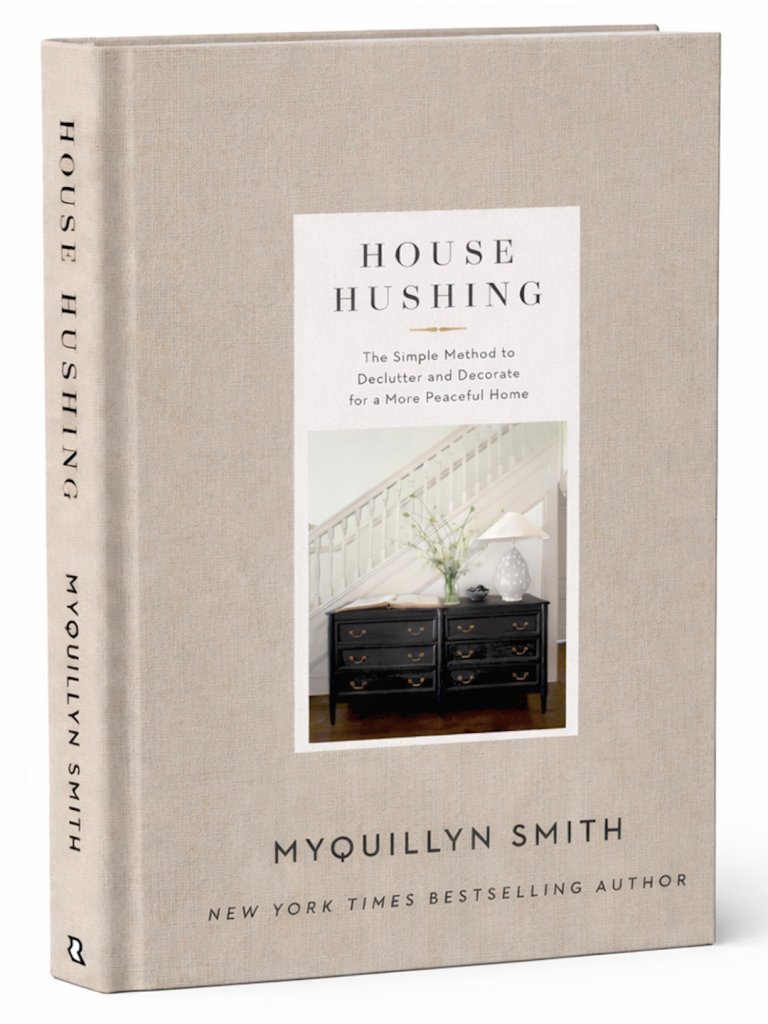
What if decluttering didn’t start with deciding what to get rid of? In her new book, House Hushing, bestselling author Myquillyn Smith proposes a gentler and somewhat backwards way of editing your home. The goal isn’t minimalism or an empty room. It’s figuring out what you actually want to live with, then giving those things enough space to shine. Here, Smith shares an excerpt of her book, which details how to turn down the visual volume without sacrificing personality.
How to Declutter Backwards
Backwards decluttering is a simple process that helps you experience your home with less without the pressure of making permanent decisions. It starts with clearing space and ends with protecting your peace.
You don’t have to do this perfectly. You just have to start.
Step 1: Pick Two Rooms
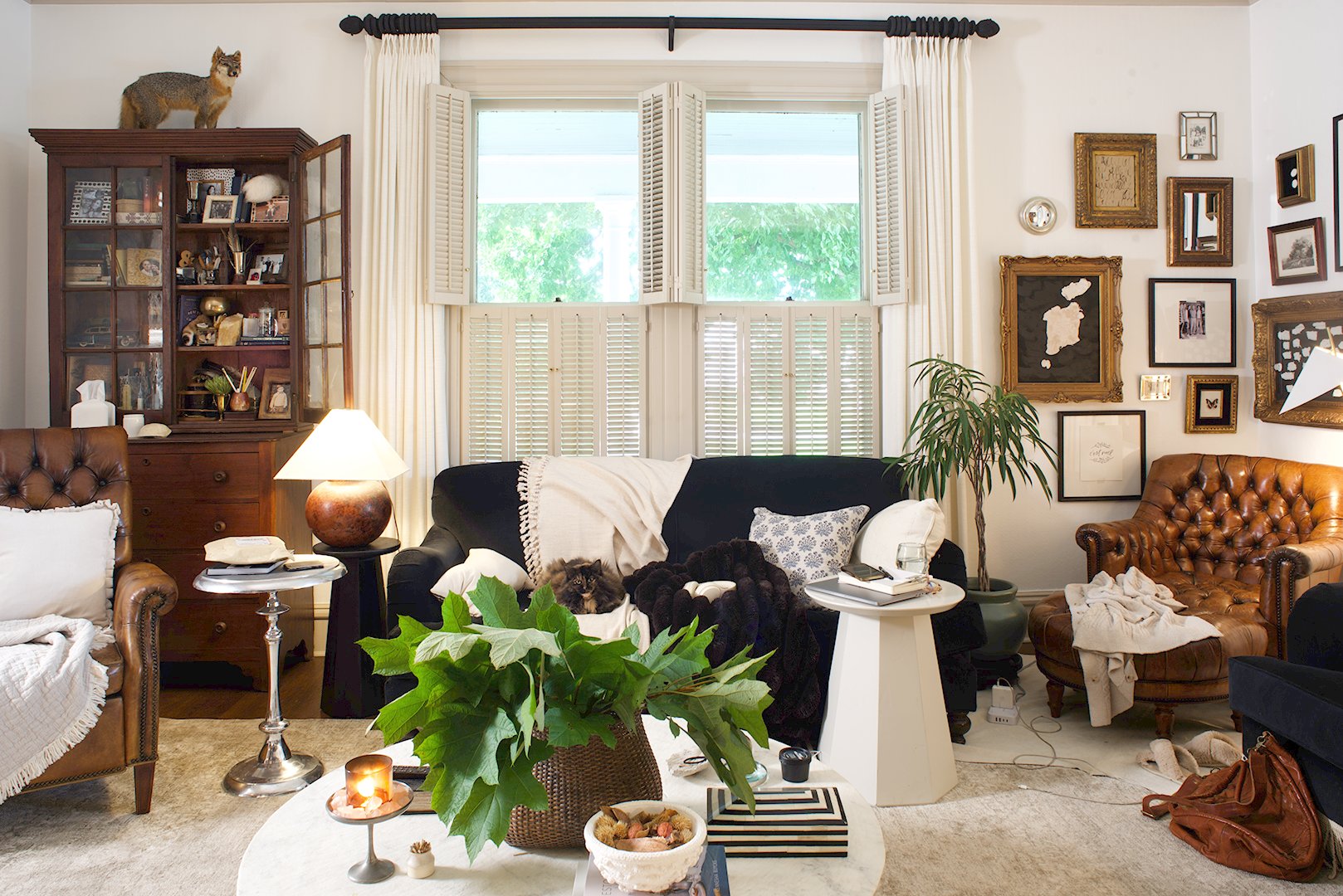
Begin by picking out two rooms. One room is the room you want to backwards declutter. Maybe you pick the room that feels the loudest, that has the most stuff, that needs to be visibly hushed. Maybe you pick the guest room because guests are coming this weekend. Backwards decluttering helps in every situation.
The second room or area you pick is your holding area. Find another room or corner of your house where you can stash things for a few days. It’s imperative that the stuff leave the room you are decluttering, so a corner of the room you’re working on will not do. You won’t get the visual effect if you just pile the extra stuff in the room you’re focusing on.
This is not forever, so don’t overthink it.
Step 2: Tell the Family
Next, you are going to let your family know that you’re doing a little experiment. Tell them you’re going to hush the house a bit by removing a few things out of whatever room it is you’re working on. Let them know where you’re going to be putting everything and that after a few days, most of it will go back.
Step 3: Remove the Stuff
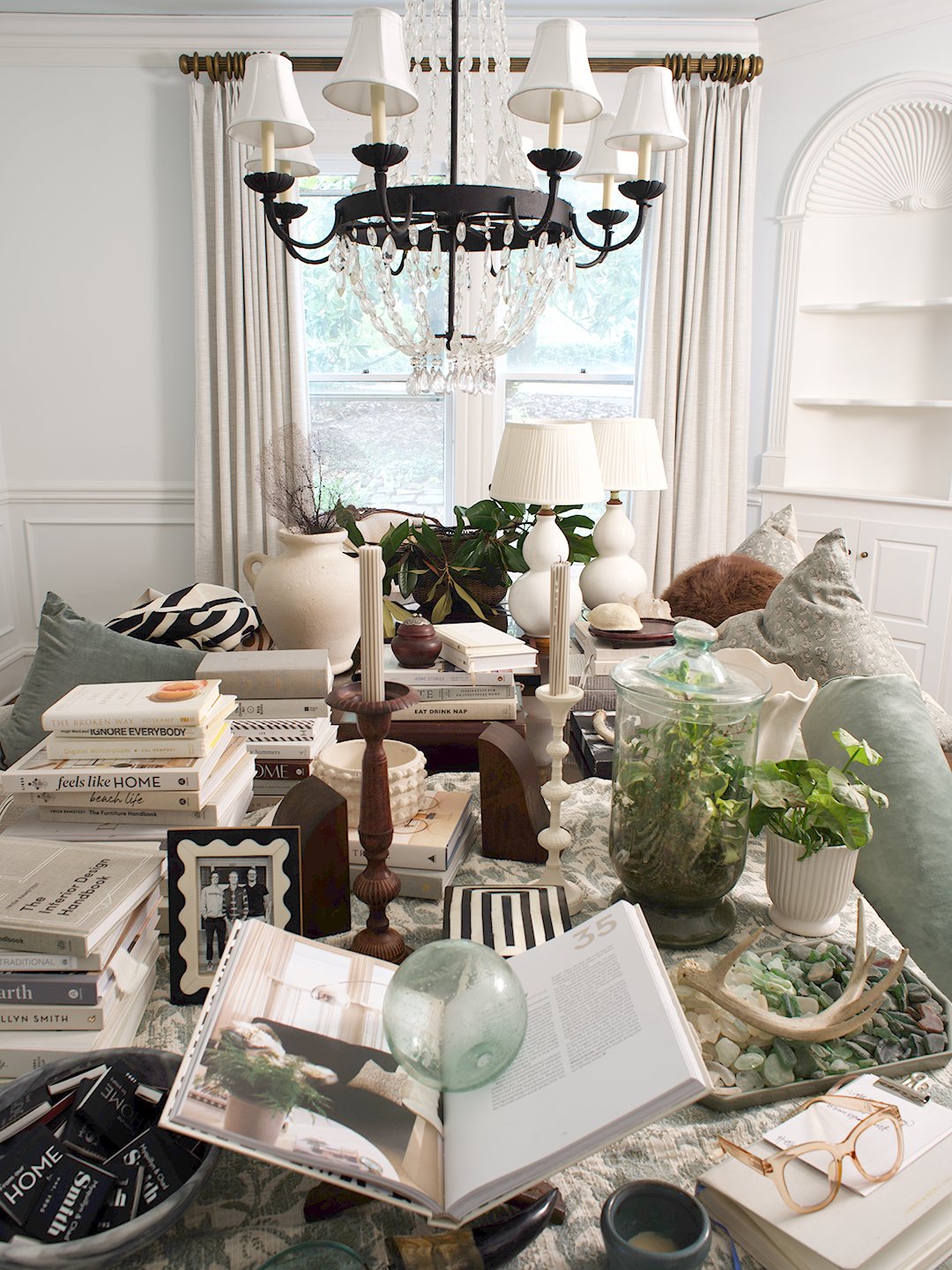
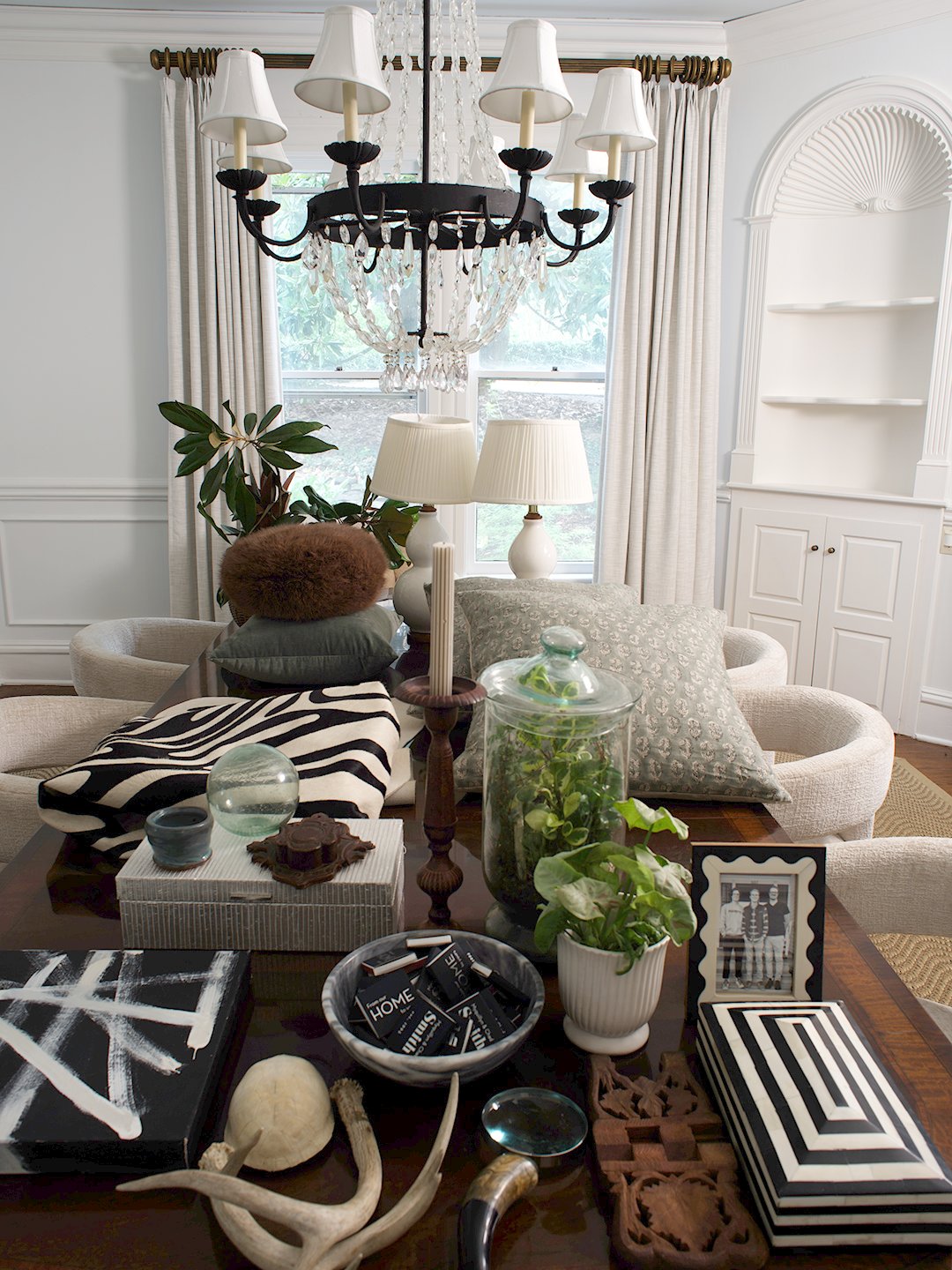
Now’s the fun part. It’s time to actually remove stuff from the room. This is about hushing the house and turning down the visual volume, so you are going to remove the first layer of smalls. You are going to remove stuff from the surfaces, from the seating, and from the floor. You don’t need to open doors to closed storage or move out big furniture, rugs, art, or window treatments.
For things that obviously belong in another room, I’ll quickly take them to their homeroom. I’ll also throw away any trash, but mostly this step involves moving stuff into a holding area.
You’re finished when all the smalls are removed from the room.
Step 4: Enjoy the Room
This is the lifechanging part. Go back into your hushed room and look at it. Be in it. Eat your lunch there and enjoy it. Read a book in the room. Use it. At first it will feel so disorienting. It will feel weird. It will feel naked, and you will dislike me and wonder why you are even reading this book.
Then the dog will sprawl out on the floor, and the kids will come home from school and stand in awe and wonder. They’ll want to do their homework sitting on the floor around the coffee table, and you’ll let them as long as they clean it up when they’re done, and they will instantly agree because suddenly the room feels sacred, and even the kids don’t dare mess with that feeling.
Step 5: Let Two Days Pass
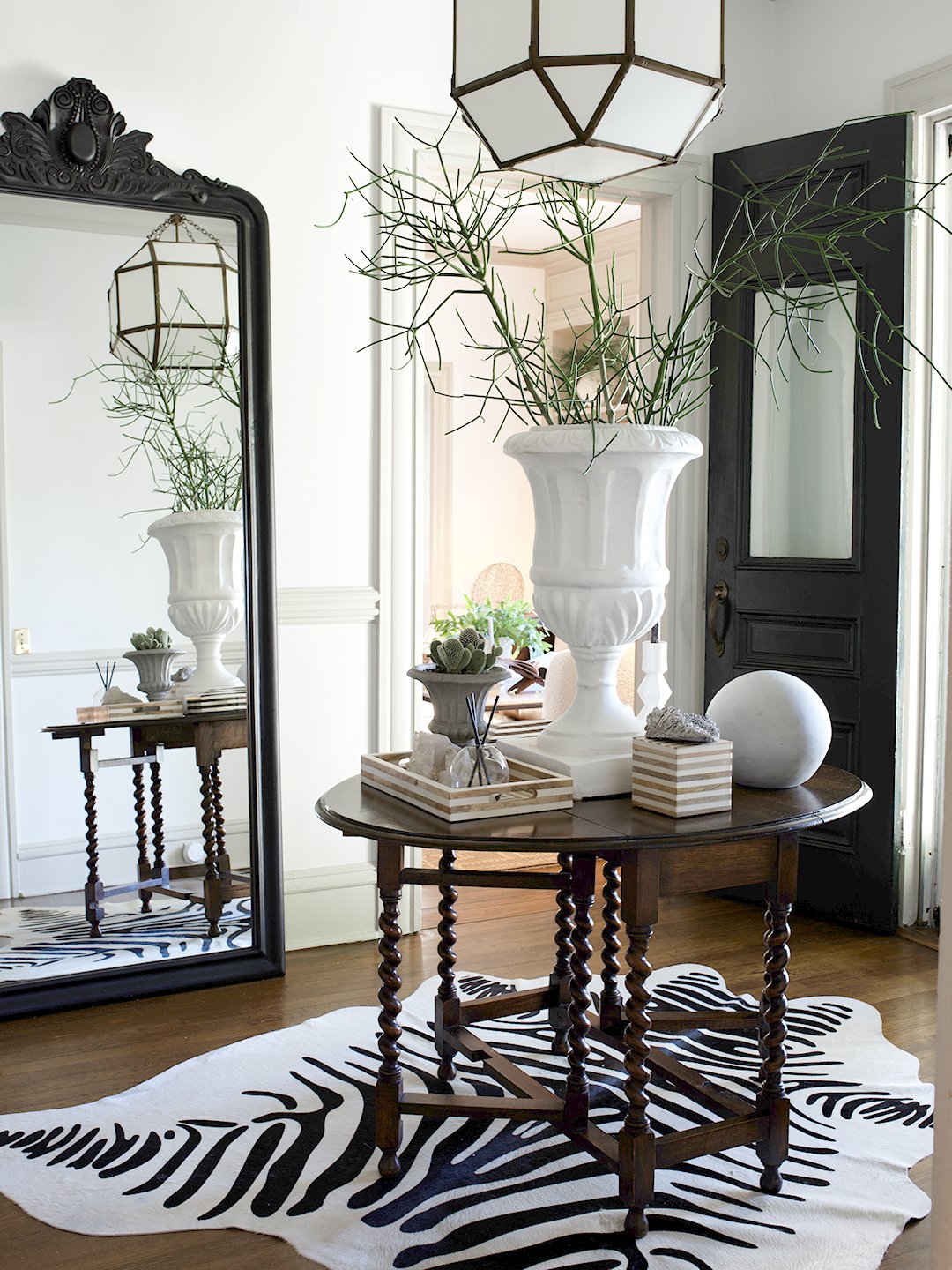
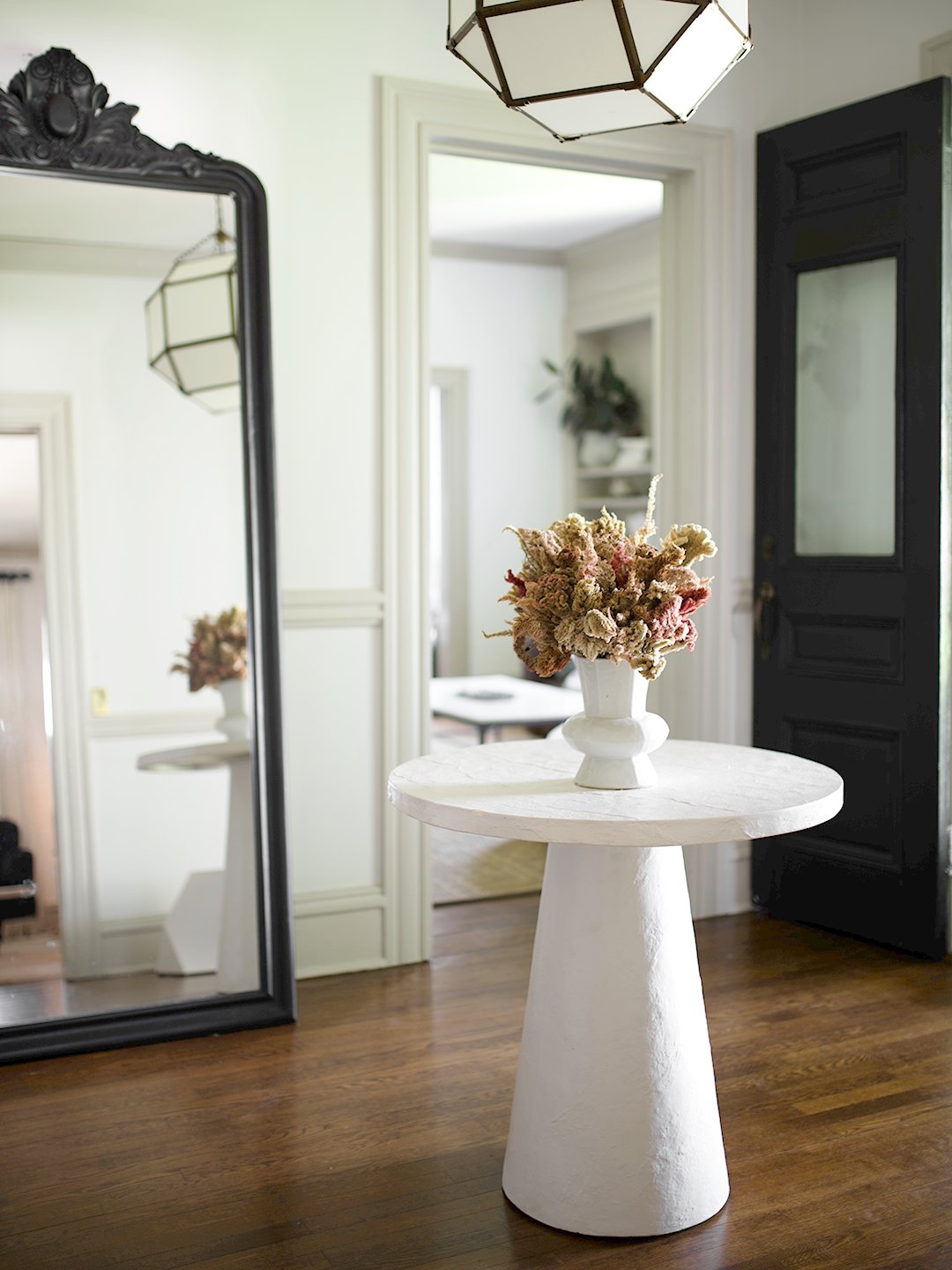
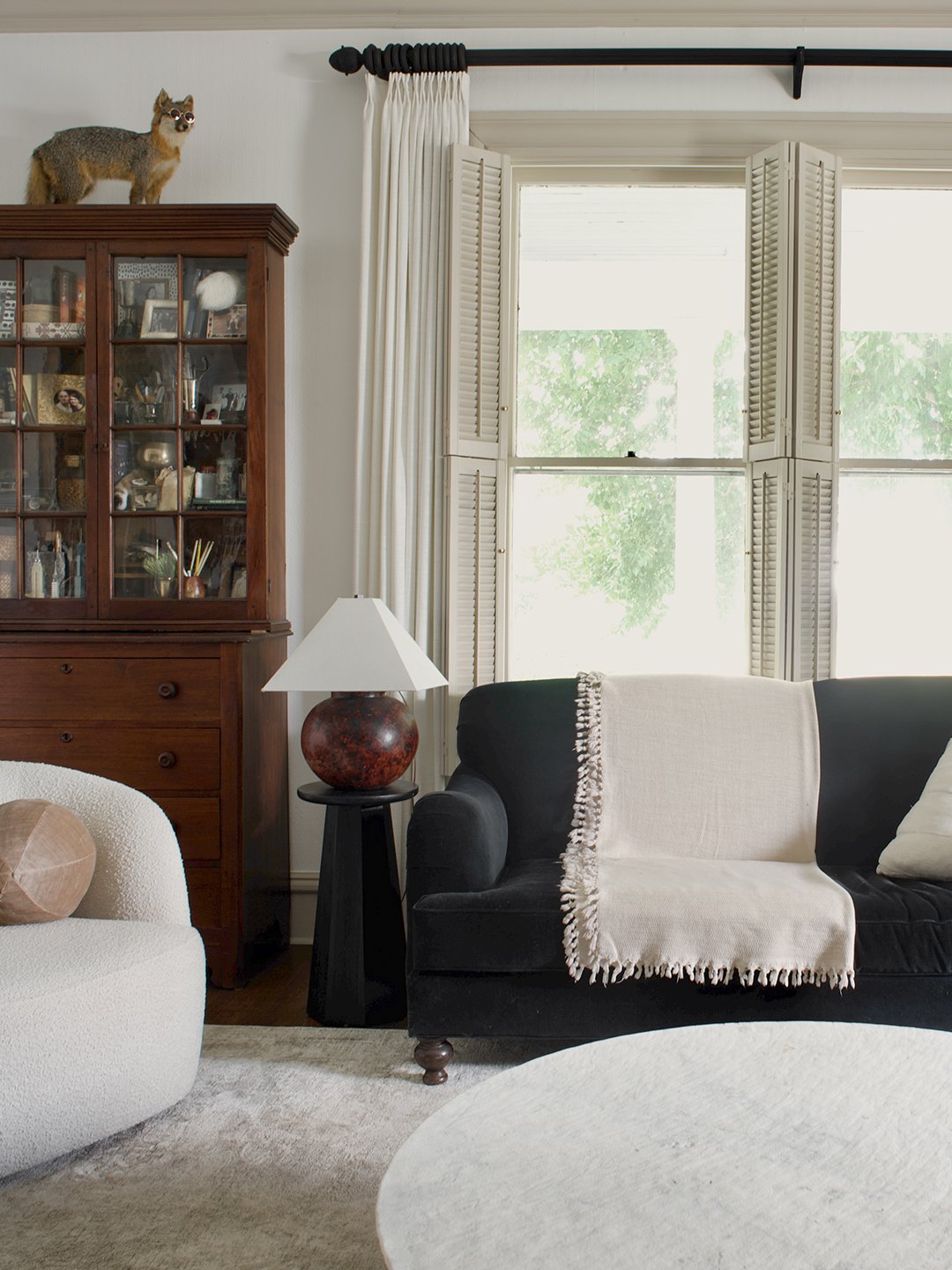
You are going to allow this room to be hushed for two full days. This is where the magic happens. This will give you enough time to get over the weirdness factor and fully use the room and experience the space with less stuff. It will give others time to make observations. You’ll see how or if it’s being used differently.
- Are people more or less drawn to the room?
- Are you more or less drawn to it?
- What do you like about this space when it’s hushed? What do you dislike?
Every single time I hush a room in this way, without fail, I end up wildly motivated to clean it. At the beginning of the process I make sure to give myself permission that this is just backwards decluttering. I’m not trying to trick myself into cleaning, and I don’t have to go any further. And I promise, every time I do this I want to clean.
Step 6: Listen to Your Hushed Room
At first I’m always a little sad to move things I love out of a room. I can’t imagine the room would be any better by taking away things I think are pretty and meaningful—this makes no sense! I’m glad it’s just a two-day experiment! But then after a few hours something begins to happen. No matter what I’ve been hiding from myself, no matter the harsh realities and truth of the room, I begin to appreciate the margin I’ve created. And that’s the entire point. Without excess stuff, the room feels like a quiet haven.
Step 7: Bring Back the Highest Contributors
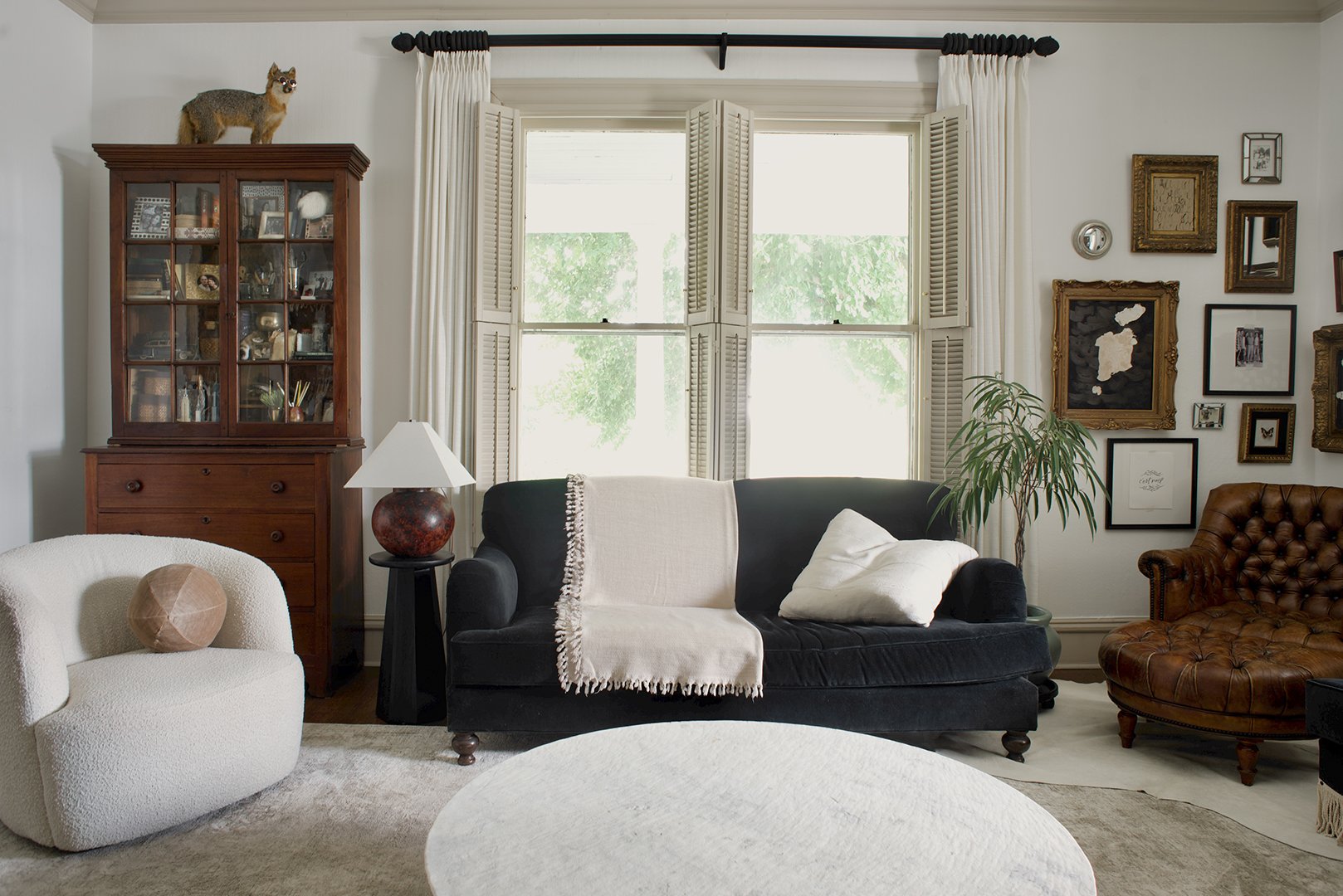
Bring back what matters. Now is the time to look around your hushed room and decide if it’s missing anything vital that you can solve with any of the items you removed.
Step 8: Deal with the Leftovers
When you secretly wish you didn’t have to deal with leftover stuff in your holding area, that’s when you know it’s time to go back there to evaluate and deal with what’s left. This is why it’s called backwards decluttering. You have now given yourself and others time to experience the joys of less. You have visible proof that the room can still function and feel like home without displaying everything. Decisions are much easier when you have data to back them up.
Step 9: For Stuff You Are Unsure About—Pack It Up
This particular step held me back from sharing this method for years. I used to believe that all the “real” decluttering methods had to come with a bossy checklist, a three-part decision rubric, and a final judgment on every object before it left my hands. But over the years I’ve realized something: I rarely make decisions by evaluating each item on its own. I make decisions by first seeing what’s needed in the room and then trusting I can let go of the rest.