We may earn revenue from the products available on this page and participate in affiliate programs.
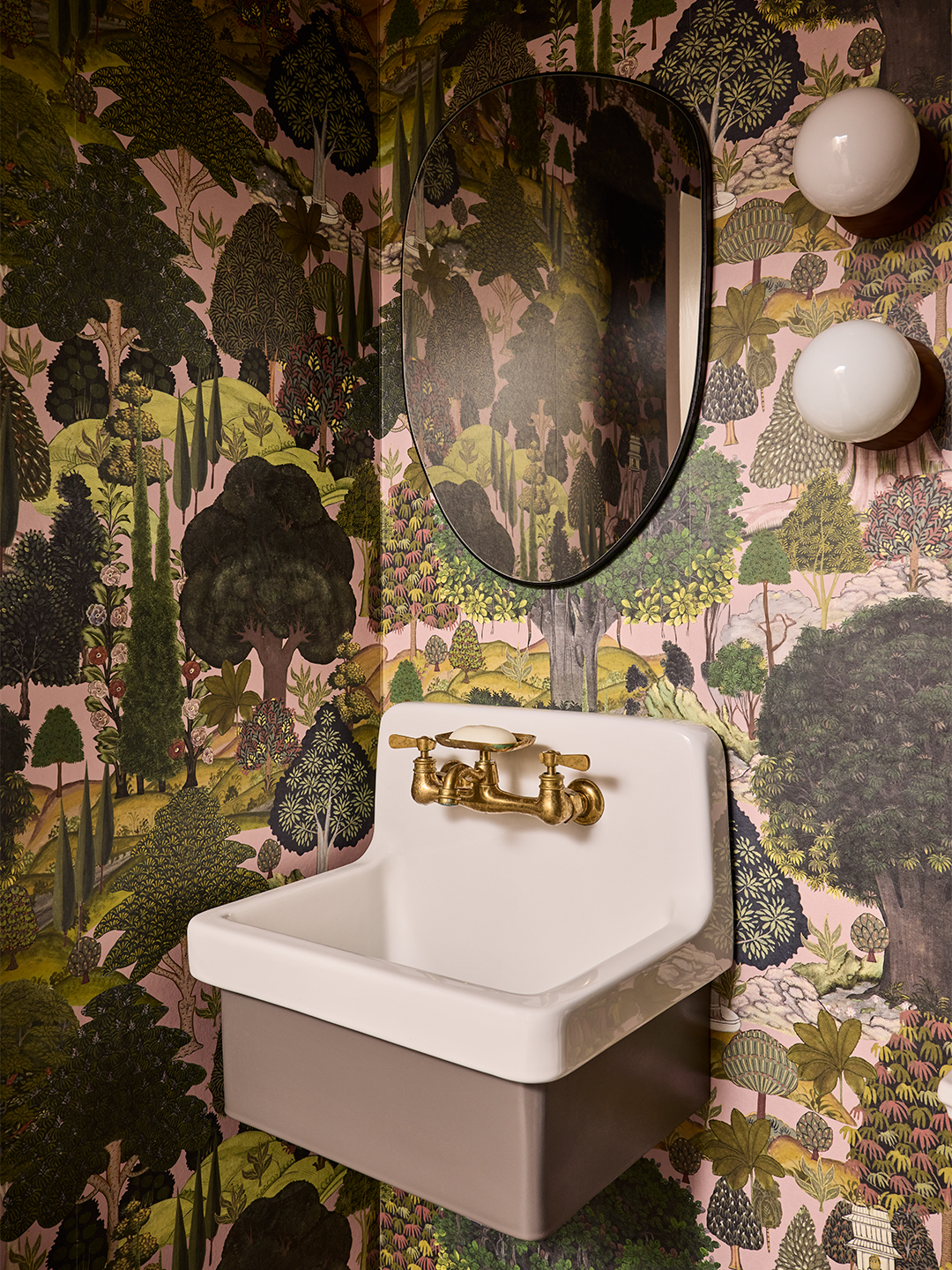
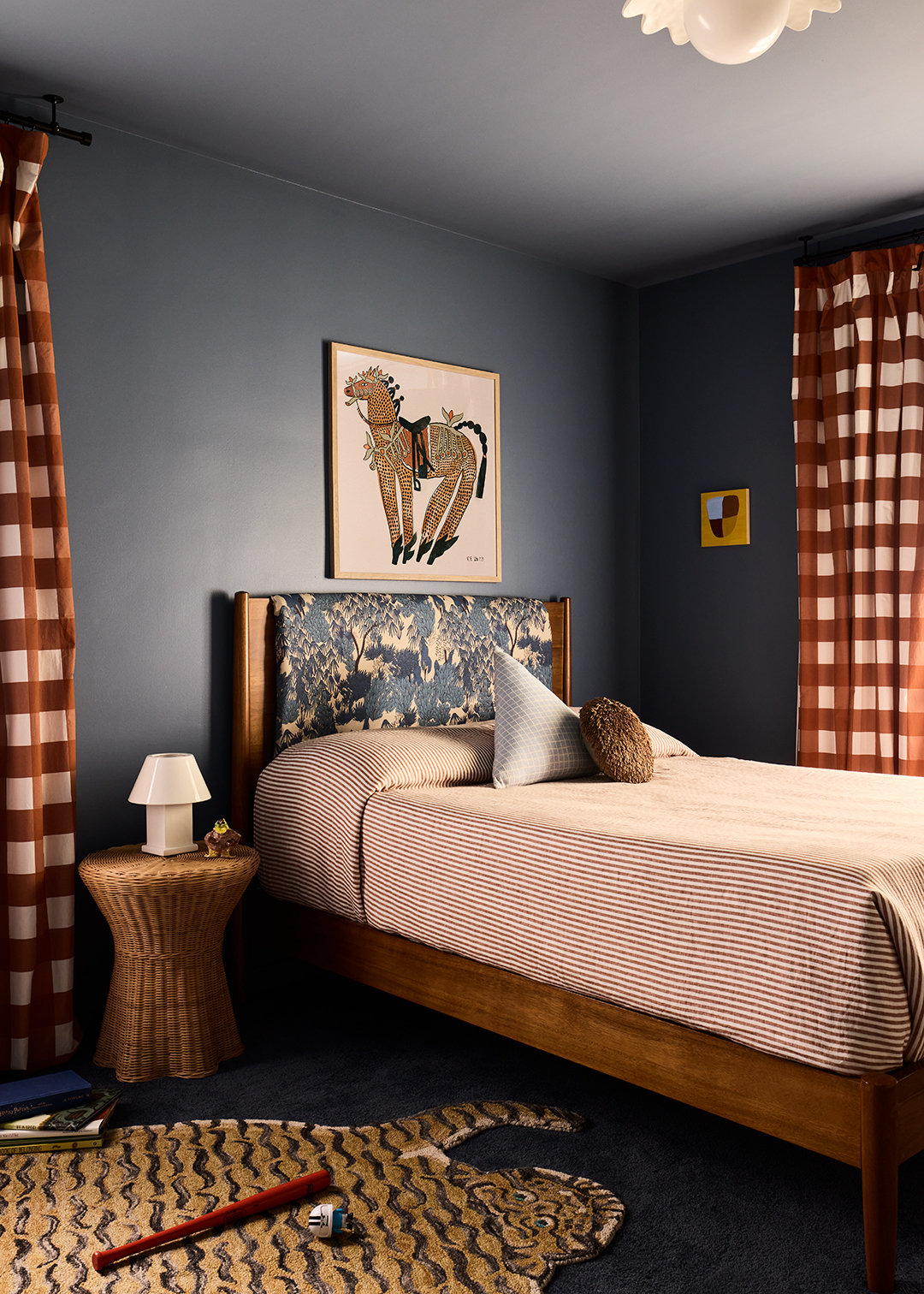
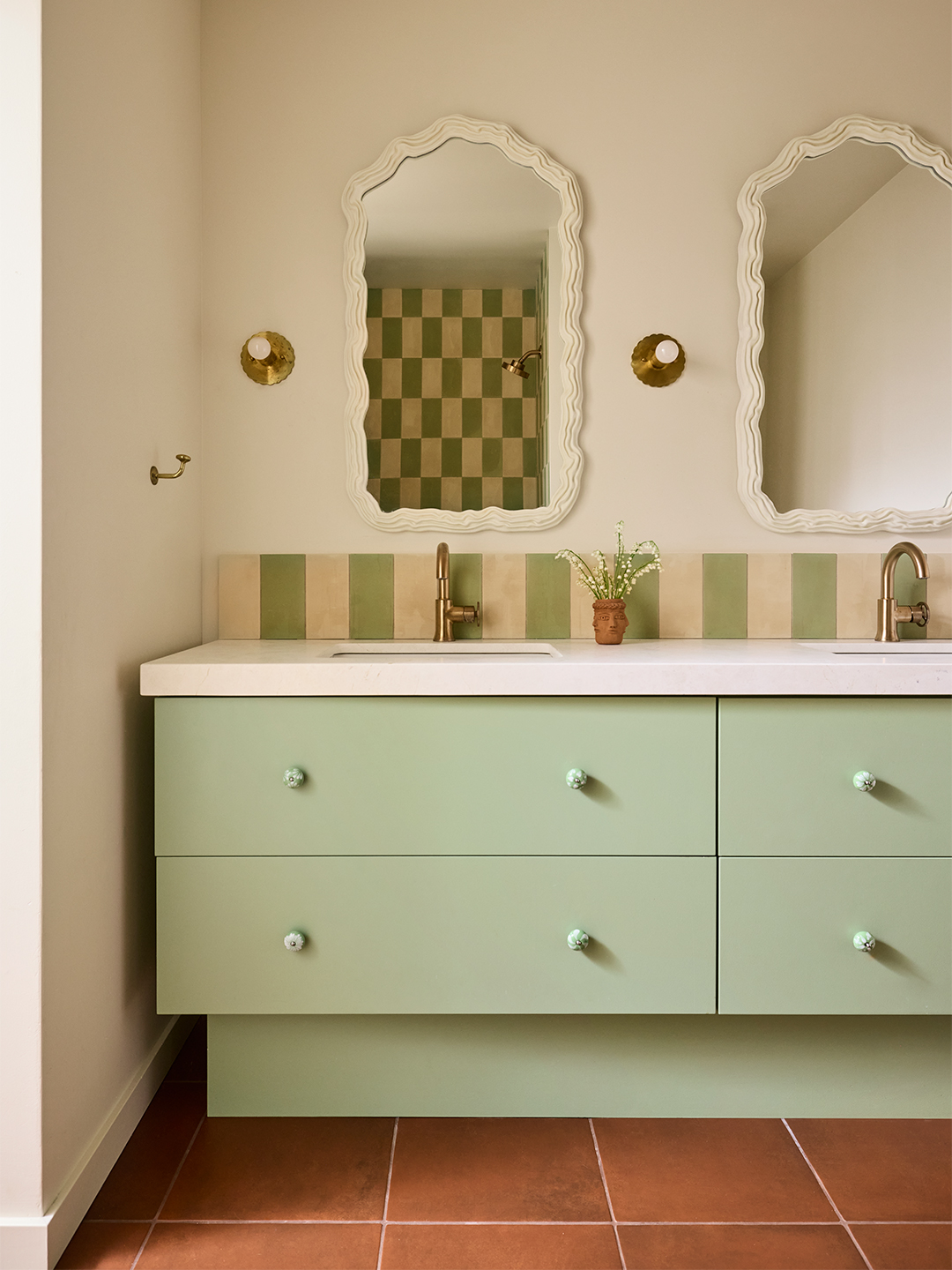
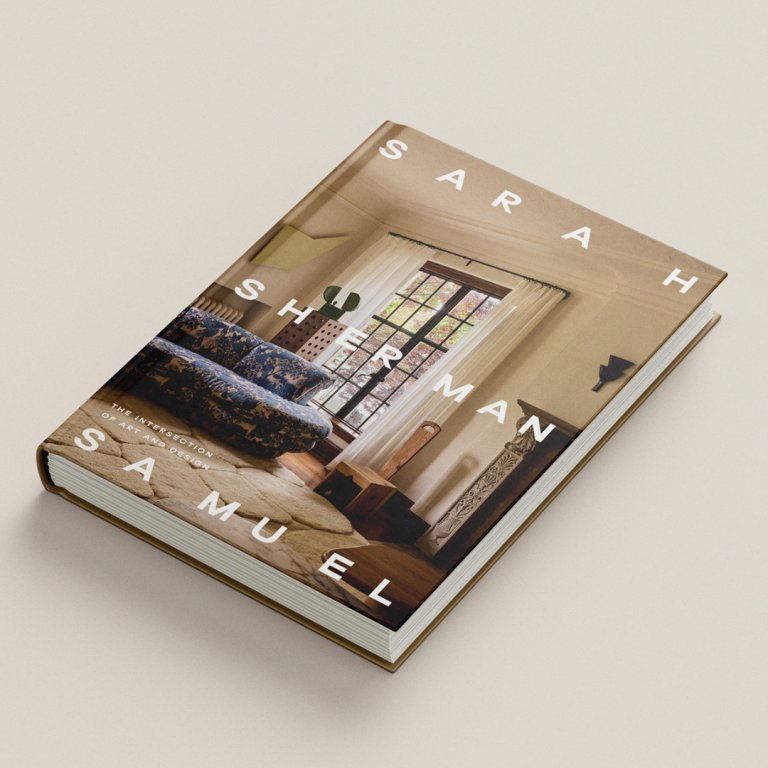
In the introduction to Sarah Sherman Samuel: The Intersection of Art and Design (Abrams), Mandy Moore describes the author, who designed her home and whom she now counts as a friend: “She doesn’t decorate; she narrates a story. To spend time in Sarah’s spaces is to remember that style doesn’t have to overwhelm. It can be layered, playful, considered, but never overthought.” The following house, plucked from the pages of the book and shared exclusively with Domino readers, is a testament to exactly that. It honors the past but sets the stage for the next act to play out.
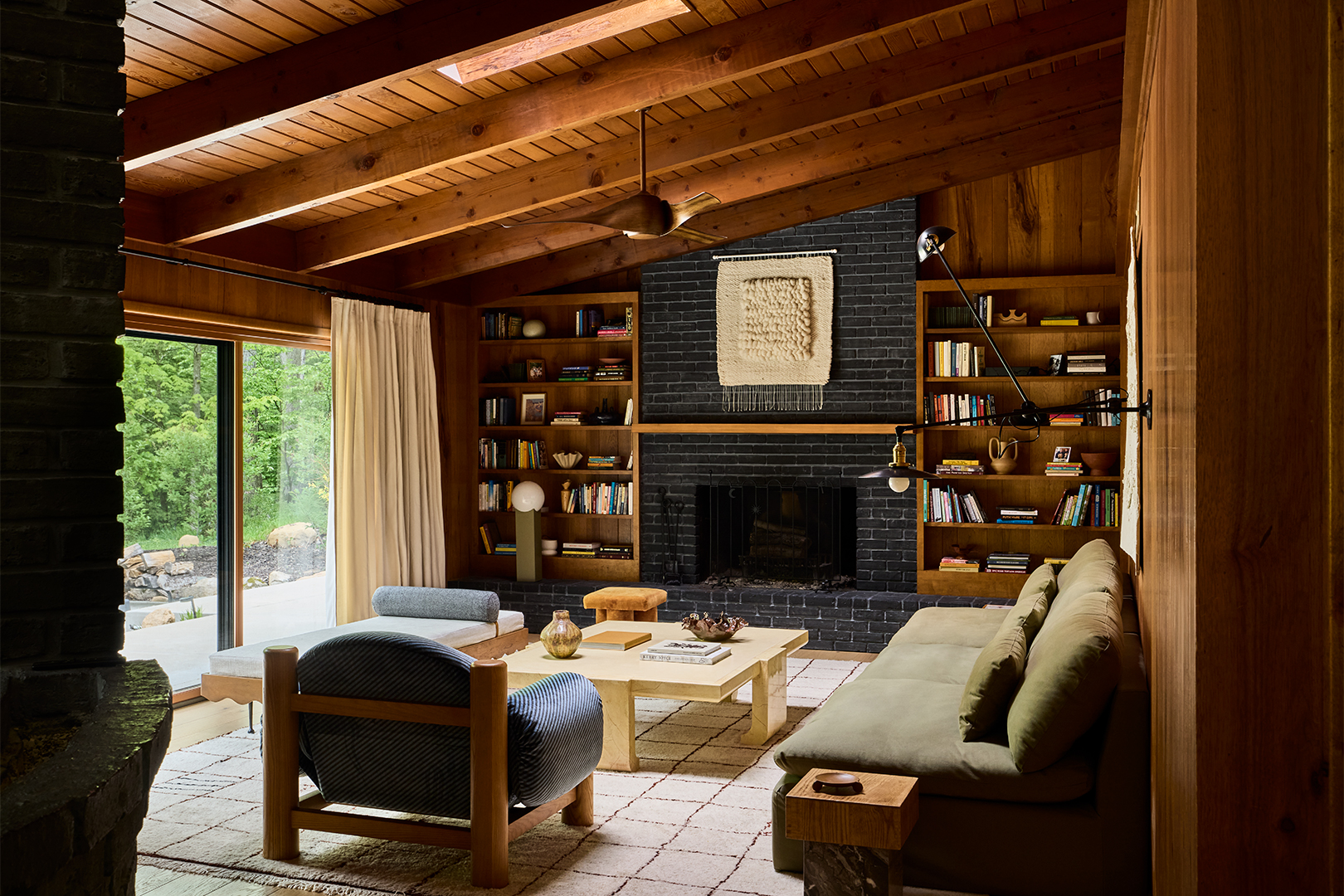
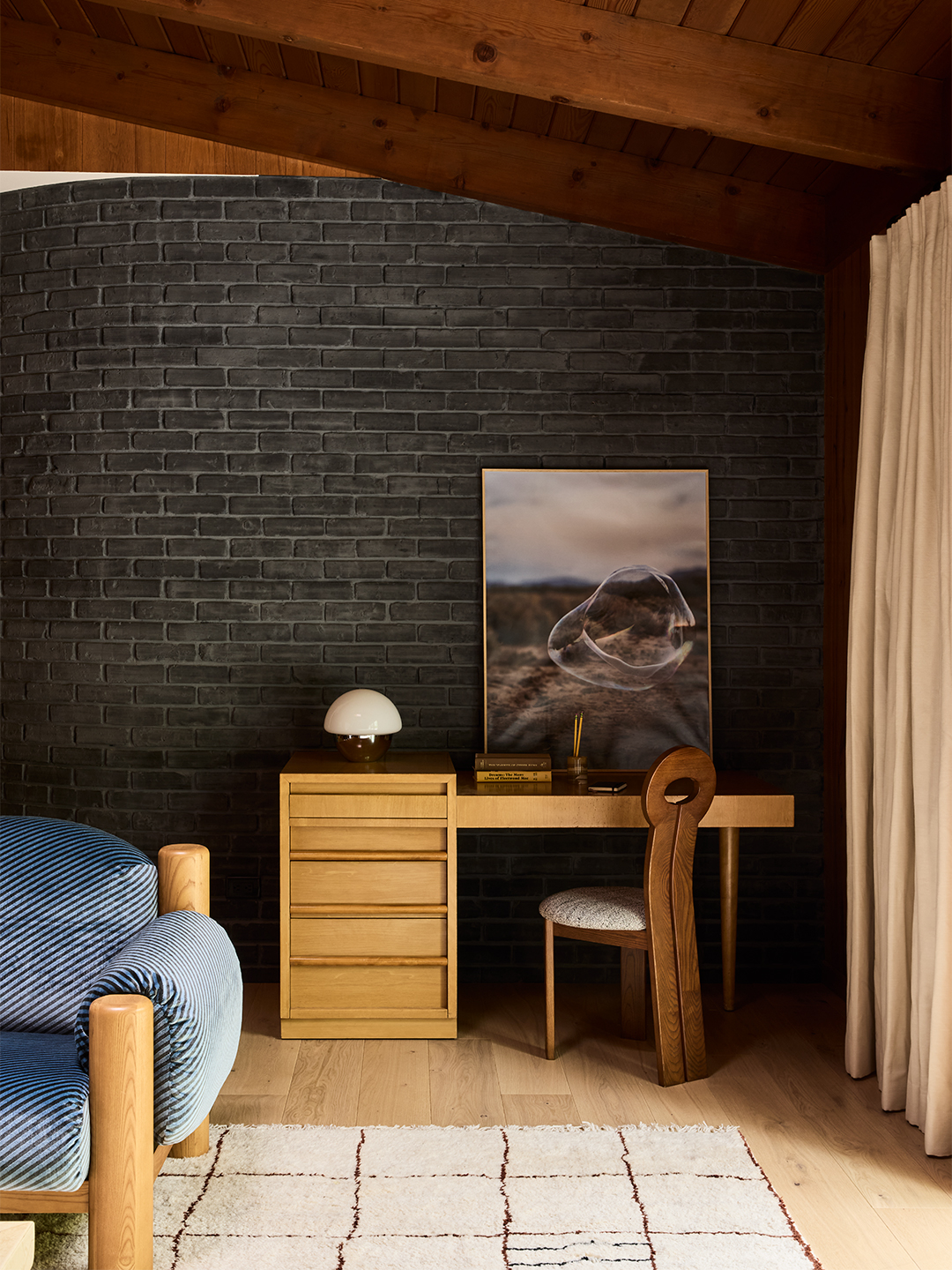
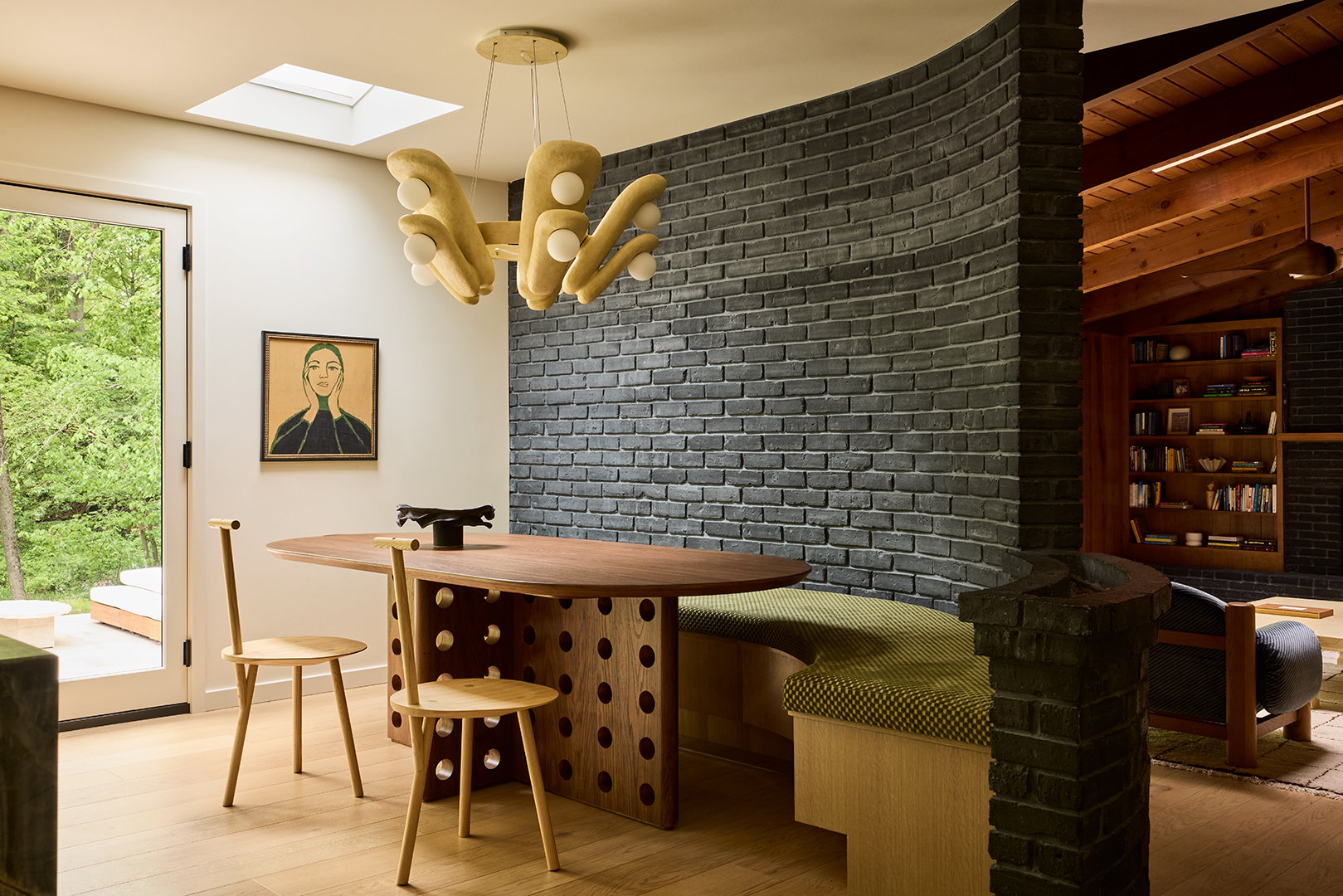
Tucked at the end of a cul-de-sac surrounded by leafy oak-covered hills sat a charming 1964 Edward Hawkins custom home. From the outside, it appeared to be a humble-sized ranch. But once inside, the interior unfolded into a generous midcentury enclave. The positives included a wood-clad family room with high ceilings; a unique curved brick wall sculpturally delineating the space between the kitchen and family room; and the gorgeous, wooded setting with a meandering stream, complete with a wooden footbridge. But the 4,000–square-foot home had disjointed exterior finishes of vinyl siding and brick, a claustrophobic kitchen, a fragmented primary bedroom, and virtually no connection to the lush landscape beyond. And everything was brown. Every surface, every finish, every fixture—a sea of various shades of brown and taupe. I appreciate a rich, earthy tone, but this was just too much. The lack of contrast and variation left the interiors feeling dated, flat, and visually stagnant.
The structure of the house itself was built with exceptional craftsmanship and remained relatively untouched. It was apparent that in its time, it really shined..and not only because of the metallic wallpaper, in a shade of light brown, of course. As dated as it was, each room reflected intentional design choice: unique wallpapers, custom details like built-in desks, and even an integrated brick planter built directly into the architecture. The assignment was to build on those strengths while thoughtfully updating the home, expand and update the primary suite and kitchen, open the home to its surroundings, and infuse the space with color and personality to reflect the young family who would live there. I firstmet the clients at my son’s preschool orientation. It was a late session for just our two kids, my son and their daughter, as we had only just moved from Los Angeles and my clients from San Francisco. We bonded quickly over being recent California transplants and the shared experience of relocating with a toddler and a baby in tow. When they eventually found this property, I already had a sense of their personal style and priorities. It became a matter of translating it into the home while still honoring the original architecture—and addressing its shortcomings
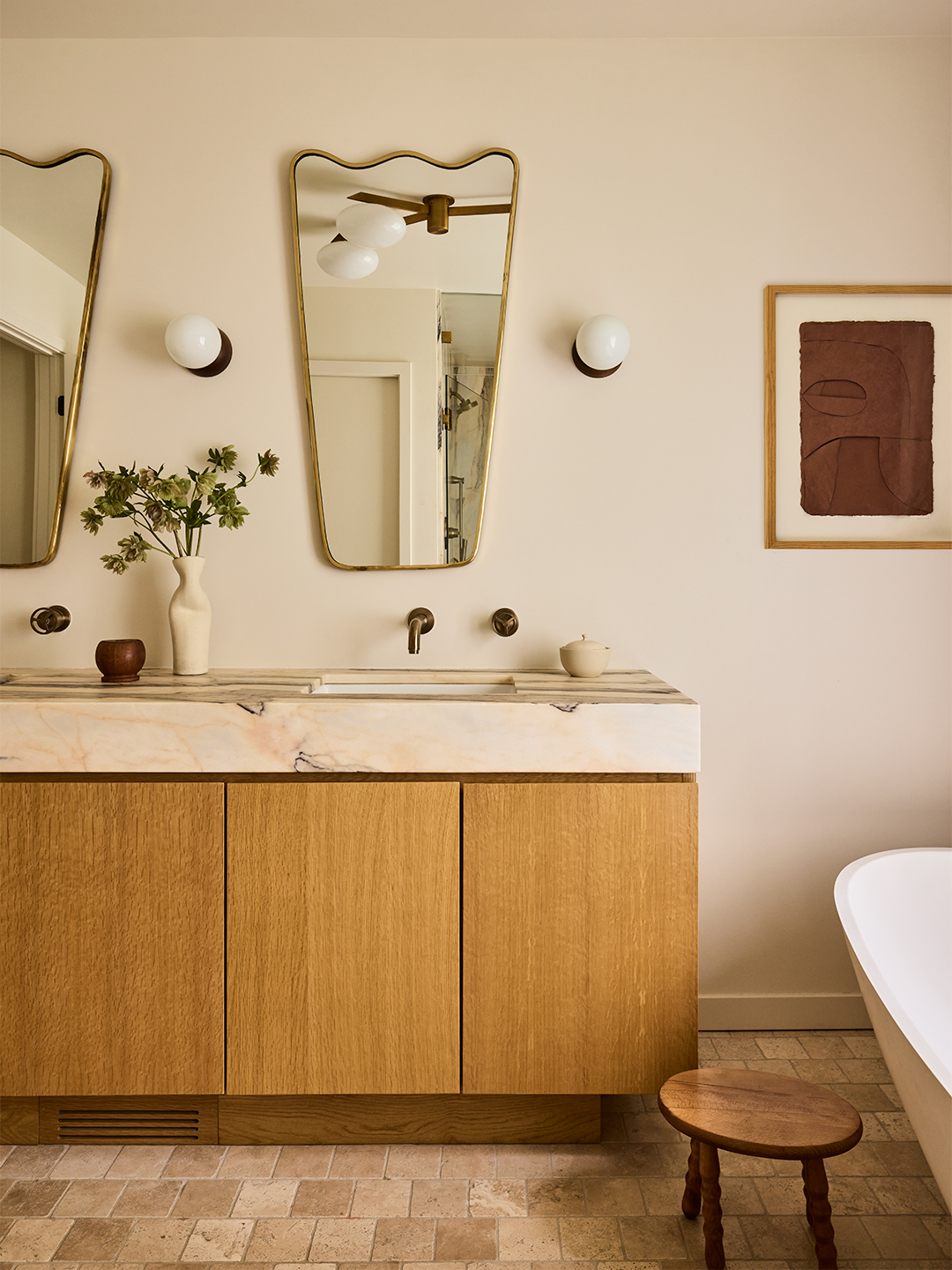
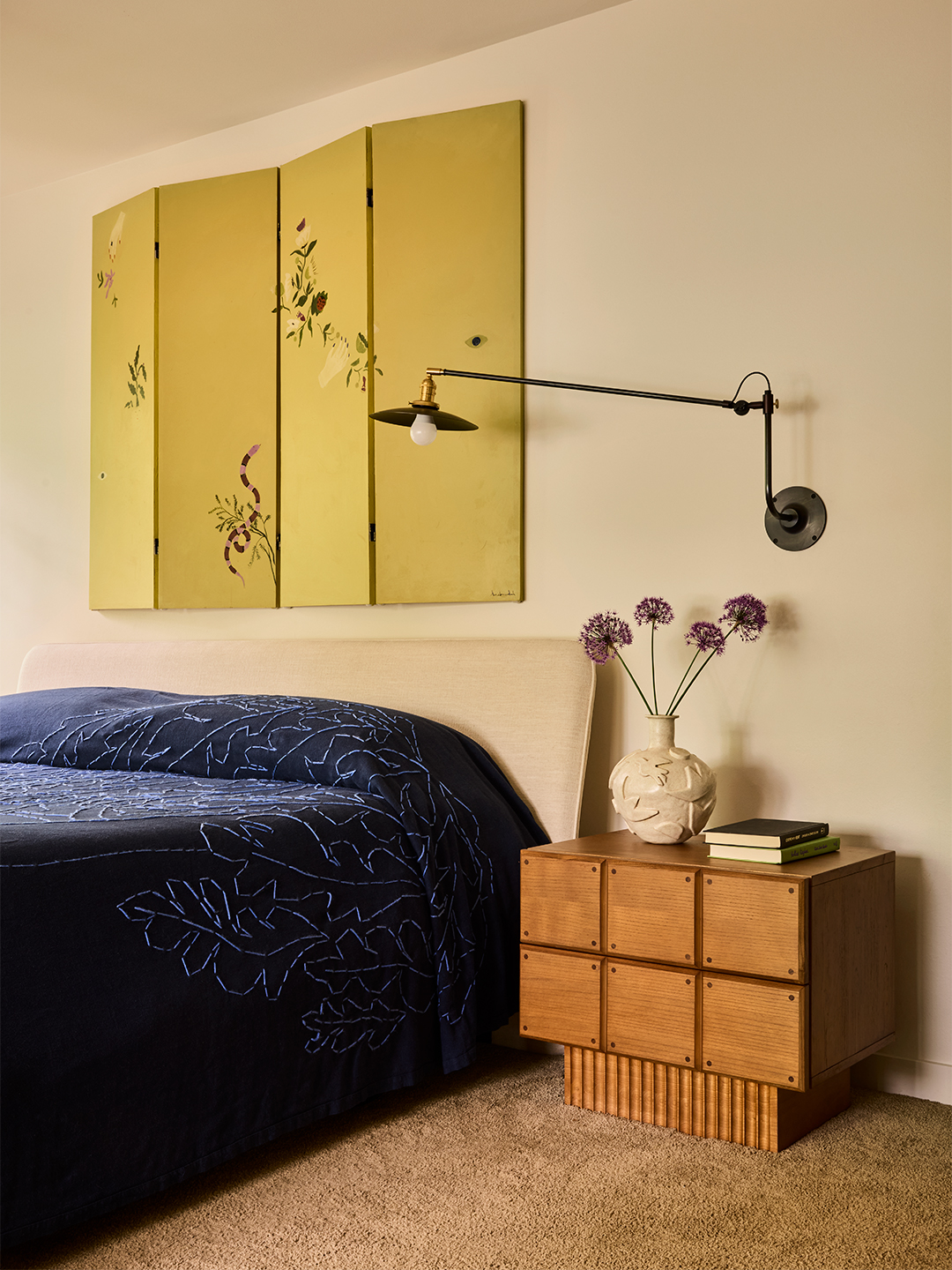
The original primary bedroom felt constrained—a patch-work of undersized rooms with little sense of cohesion. We reimagined the layout, converting a narrow bath into a generously scaled walk-in closet and merging the bedroom with an adjacent nursery-office hybrid to create a proper suite with presence. The new primary bathroom emerged as a blush marble–clad retreat, grounded by tumbled travertine and a warm wood vanity.
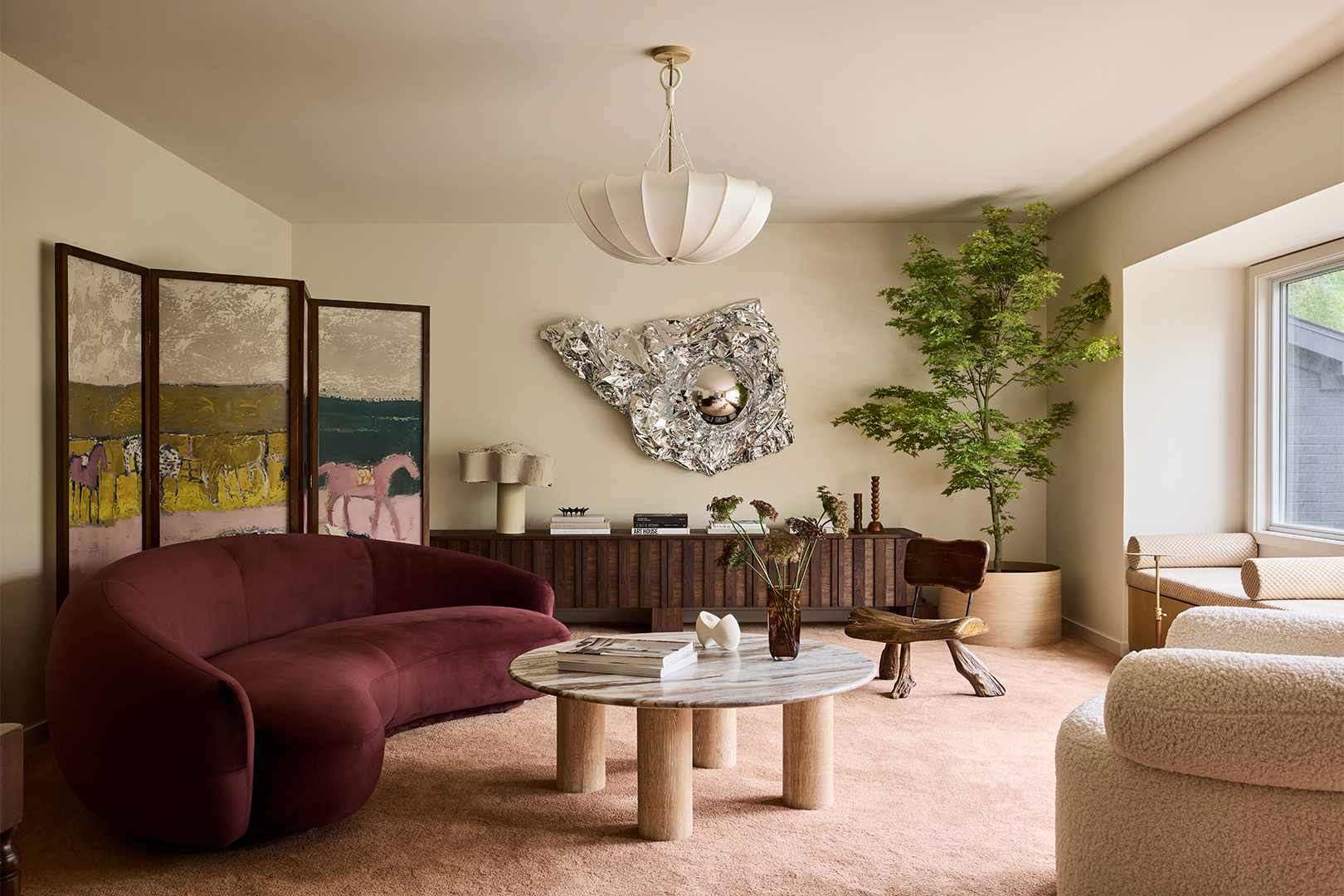
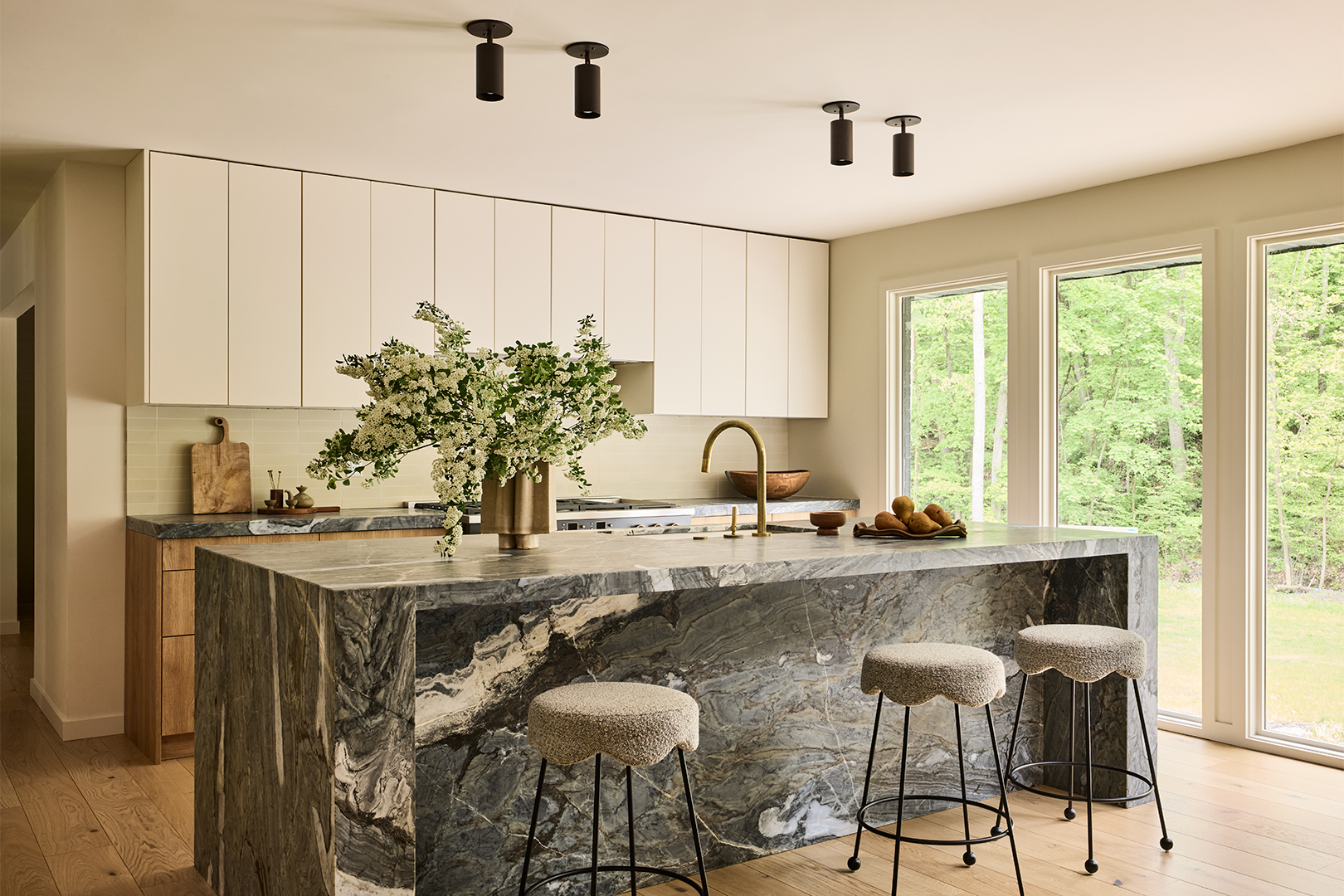
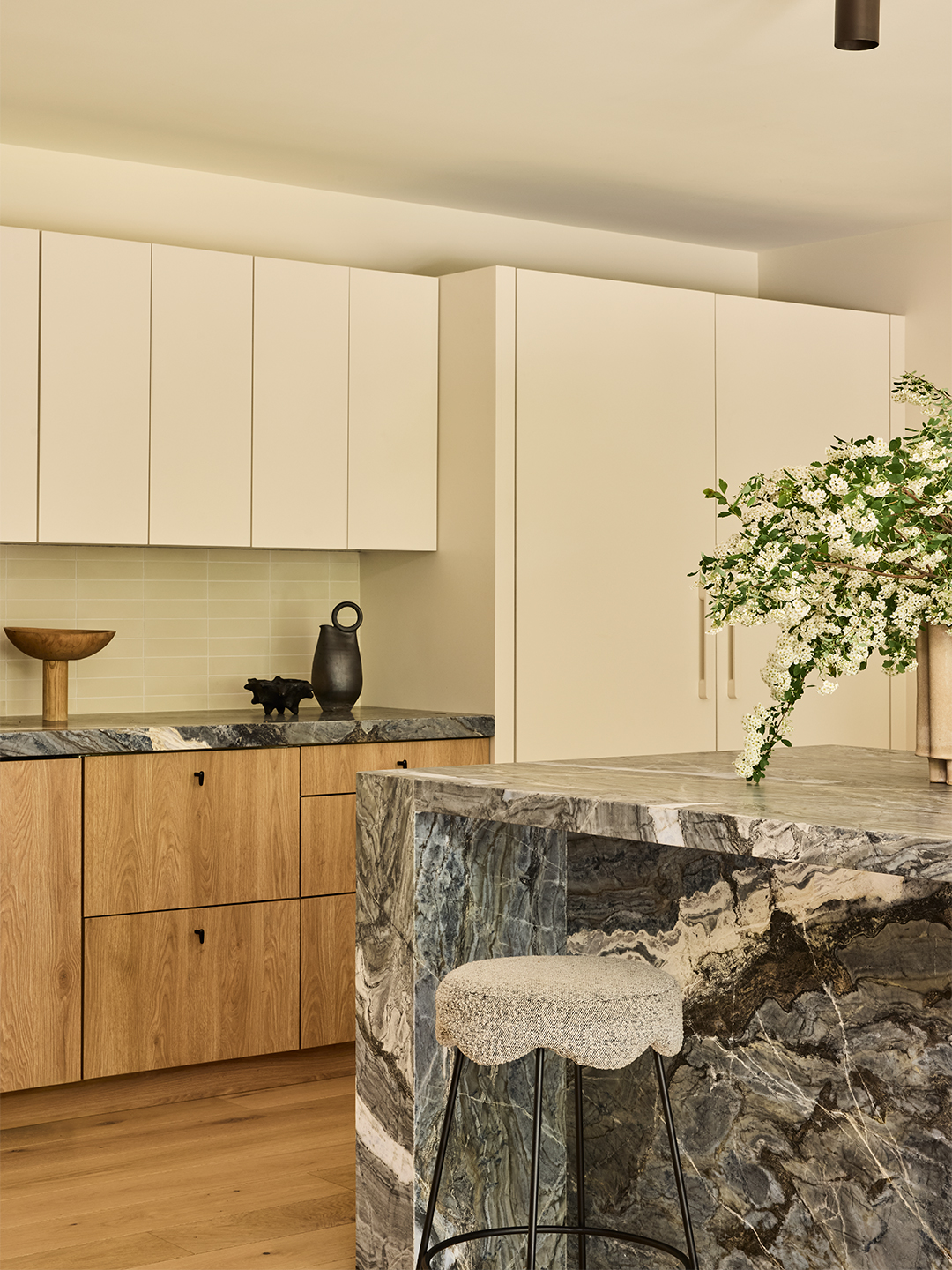
The kitchen, now a central hub, features a monolithic blue marble island sitting center stage while new floor-to-ceiling windows dissolve the divide between indoors and the surrounding landscape. Throughout, a material palette of jewel-toned carpets, saturated grass cloth wall coverings, and richly pigmented marbles lends the home a vibrant new spirit—a layered domain designed for family life, full of texture, color, and intent.
Tour the House
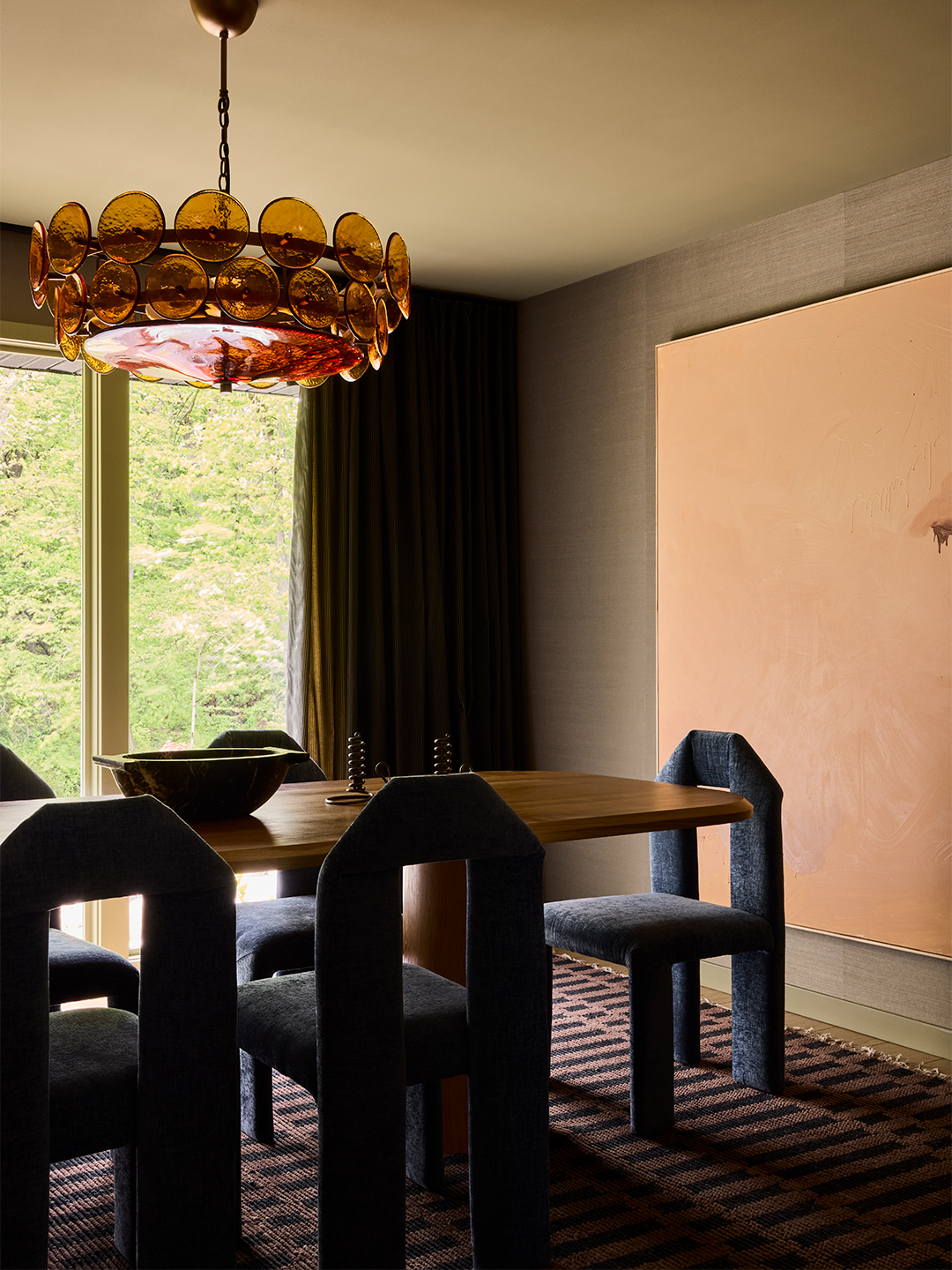
room is a study in color and mood. Green grass cloth walls wrap the space in texture, while blue dining chairs, an amber glass chandelier, and an apricot-toned painting layer in saturated depth. The result is a palette that feels intimate and atmospheric—a tonal shift from the light-filled kitchen just beyond.