
We may earn revenue from the products available on this page and participate in affiliate programs.
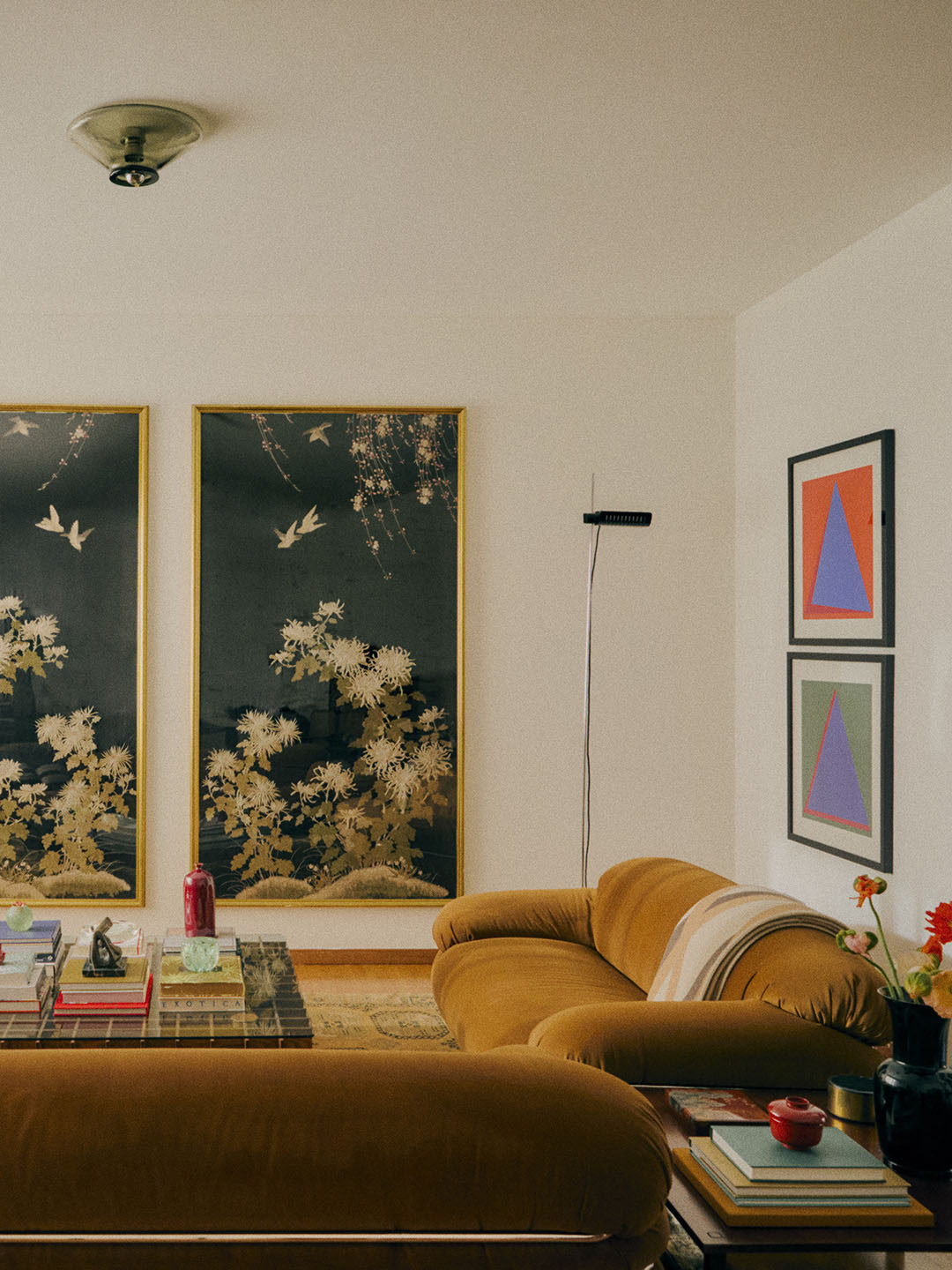
Most art-hanging advice involves measurements—center this, space out that—but designers will tell you that the real mistakes are less about math and more about instinct. Or rather, the ways we override it. We hang pieces too high, too scattered, in too large a space—in general, too safe. We treat walls like afterthoughts instead of opportunities. And often, we wait until we have the perfect piece, leaving walls blank in the meantime. The truth is, hanging art is one of the fastest ways to make a room feel personal and alive, and also one of the easiest places to go wrong. Ahead, design pros share the mistakes they see homeowners make most often—and one in particular was mentioned many times over.
Don’t Skimp on Support
What’s less discussed is structure—ensuring the wall and hardware can truly support the piece. Especially with sculptural work, that invisible layer is what allows it to sit with confidence, not just hang. —Marcela Cure, artist and interior designer
Don’t Forget About Lighting
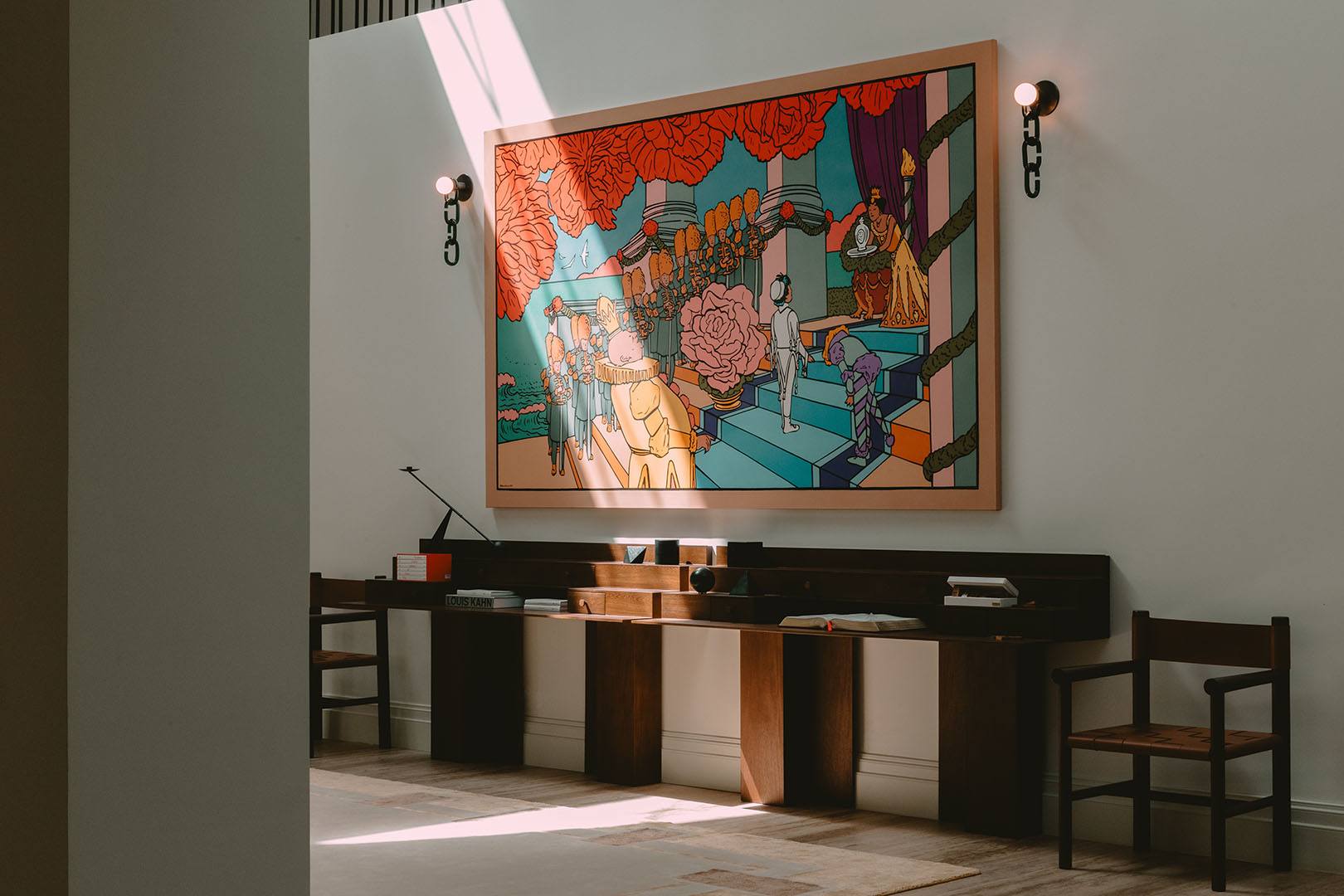
Lighting is the other oversight; when it’s flat or indirect, the work loses depth and presence. —Cure
Don’t Ignore the Surroundings
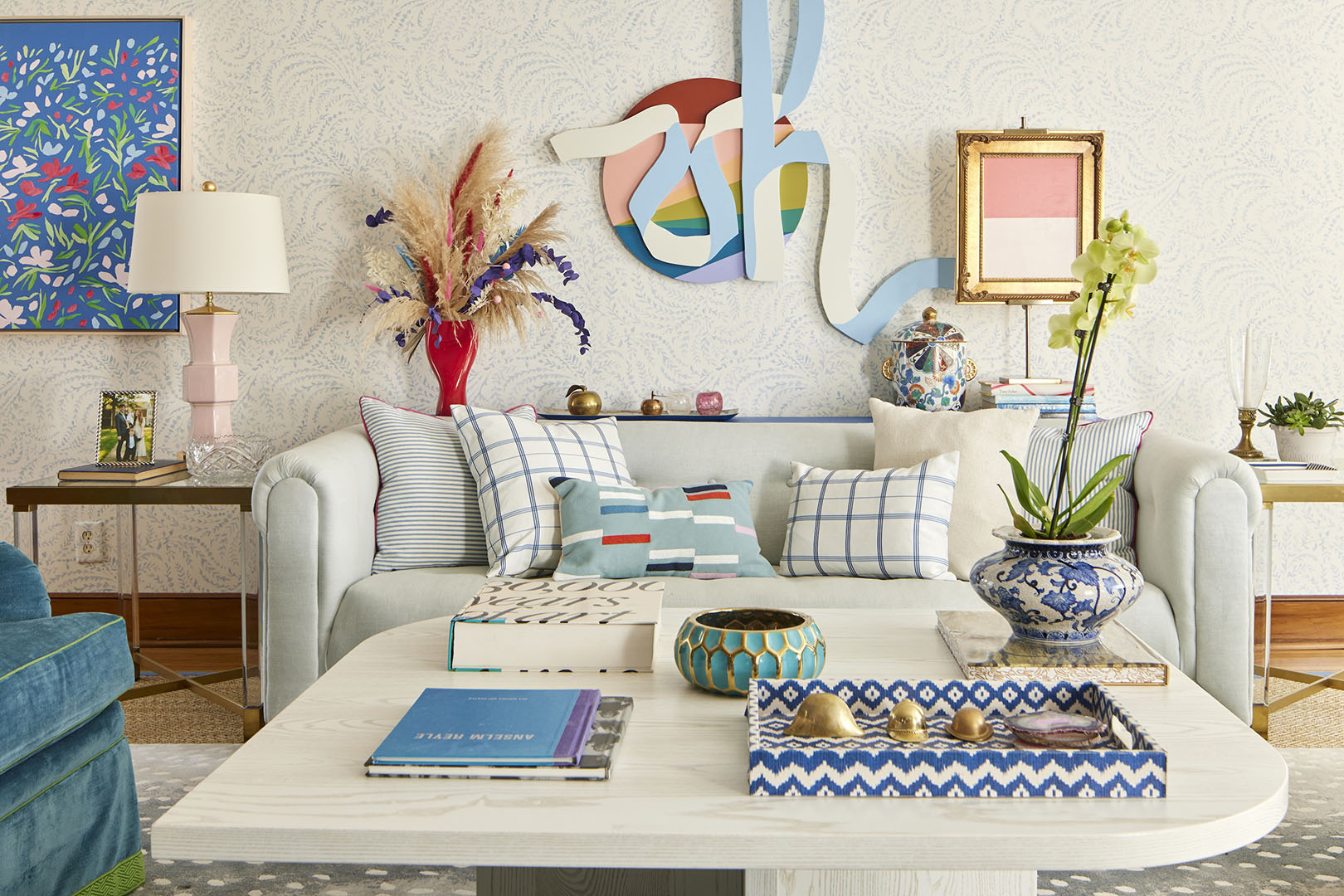
The mistake I notice most often is treating art like an afterthought—hung too high, too small for the wall, or isolated without any relationship to the furniture below it. Art should feel anchored in a room, not floating above it. My advice is to center pieces at eye level and make sure the scale feels intentional, whether that’s one bold statement piece or a curated grouping. —Liz Lidgett, gallerist, art advisor, and author
A common art-hanging mistake I notice is ignoring the relationship between the artwork and the furniture. For example, a wide sofa with a narrow piece above it feels off-kilter because their proportions are so different. I typically aim for art to be around 60 to 70 percent of the width of whatever grounds it to keep the pieces visually connected. That said, rules are meant to be broken. —Talia Mayden, artist, designer, and writer
Don’t Hang Your Art Too High
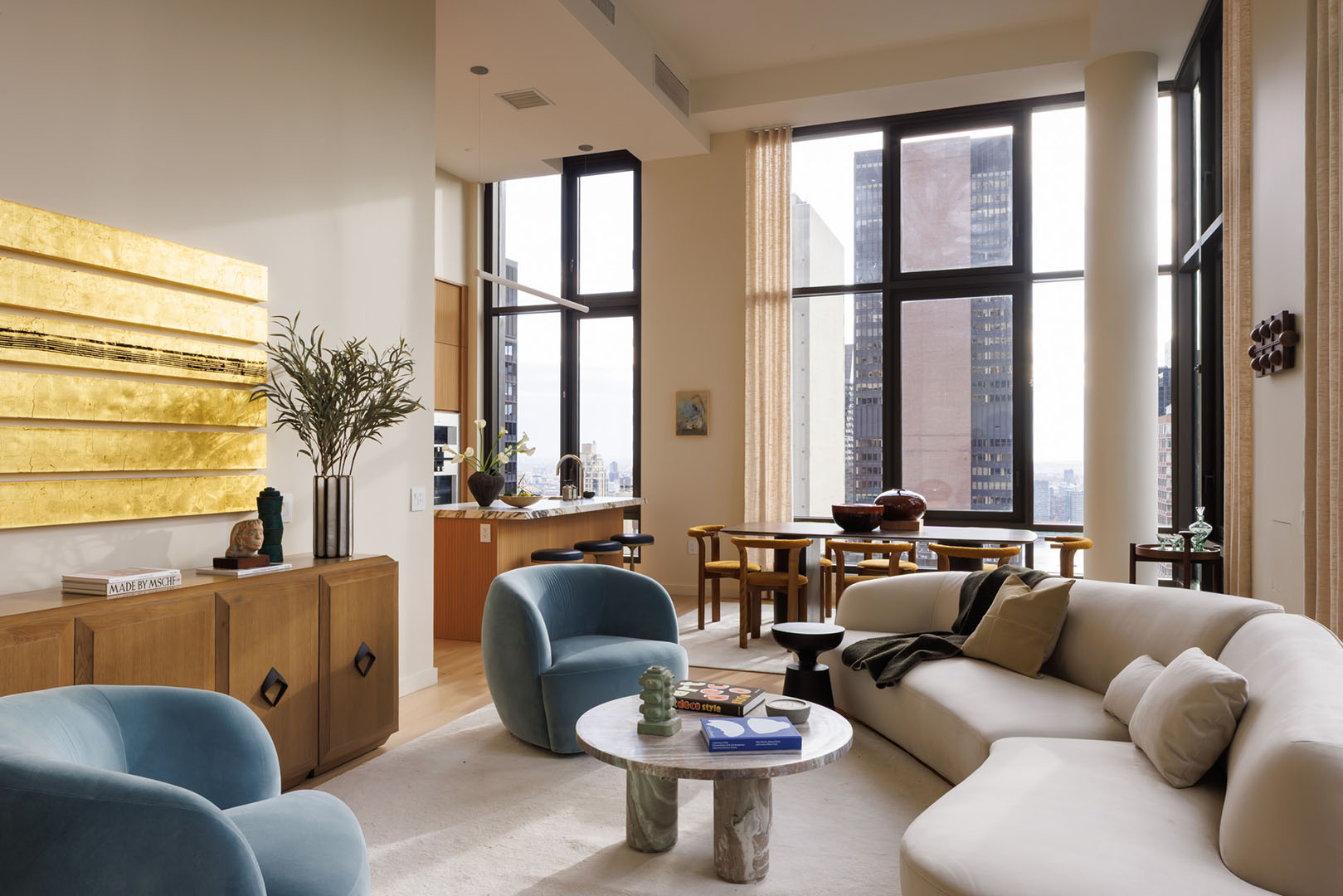
The most common mistake I notice is hanging artwork too high, as if it’s meant to be admired in isolation rather than lived with. Art should sit within the rhythm of a room, anchored to furniture, aligned with sightlines, and be part of a larger composition. Lowering a piece even a few inches can completely transform its presence, making it feel integrated rather than decorative. Ultimately, art works best when it participates in the life of the space, not when it floats above it. —Guillaume Coutheillas, interior designer and founder of frenchCALIFORNIA studio
Art is often hung too high, as if it belongs to the wall instead of the room. I prefer to place it lower, closer to the body, so it feels anchored in the life happening around it. —Cure
When a piece sits too high, it can feel slightly disconnected—almost as if it’s floating away from the rest of the space. When placed at the right level, the room feels more grounded and intentional. Most artwork feels right when its center aligns with average eye level—around 57 to 60 inches from the floor. Once you get a feel for this height in your space, you can adjust slightly up or down depending on the room. When hanging artwork above furniture, think of the two as a connected composition. Keeping the distance between the bottom of the artwork and the top of the furniture at about 6–8 inches helps create a cohesive, layered look. —Cathy Glazer, founder of Artfully Walls