We may earn revenue from the products available on this page and participate in affiliate programs.
There was a time when a tassel-trimmed lampshade might have conjured images of your grandmother’s sitting room. But these days, the humble embellishment is getting a much more glamorous reputation. Think less dusty drawing room, more dimly lit cocktail bar where the martinis are cold and the lighting is exceptionally good.
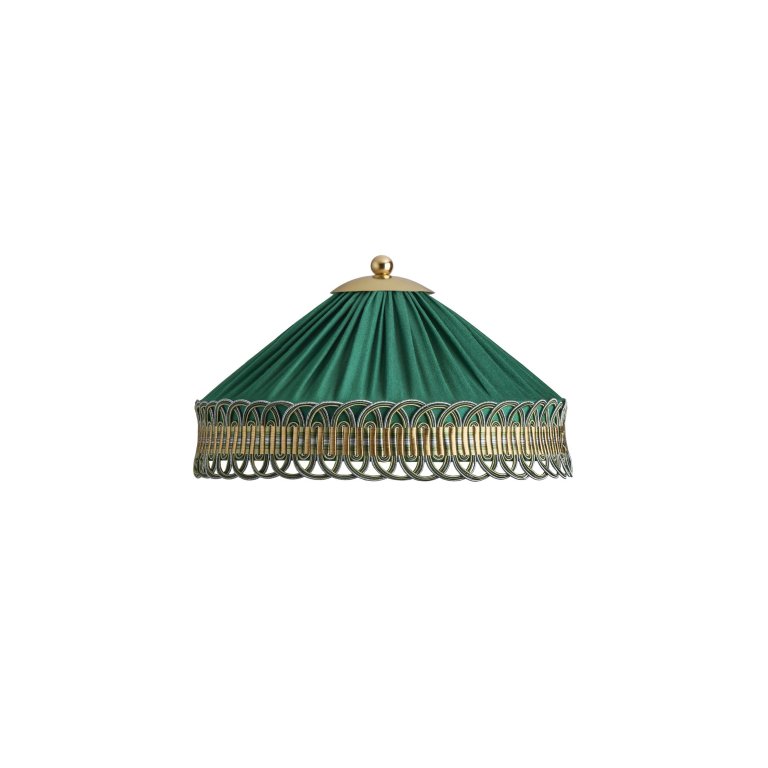
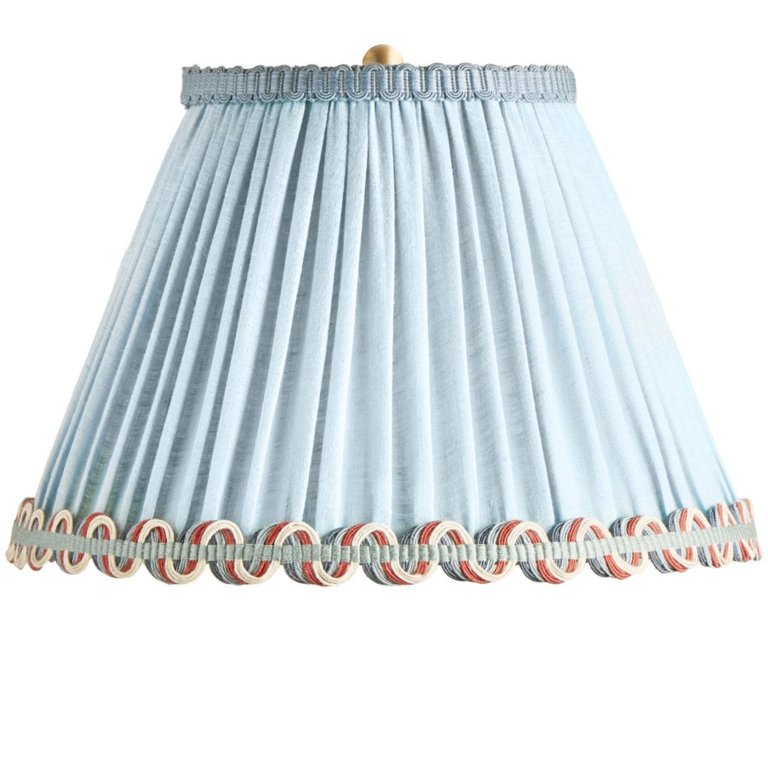
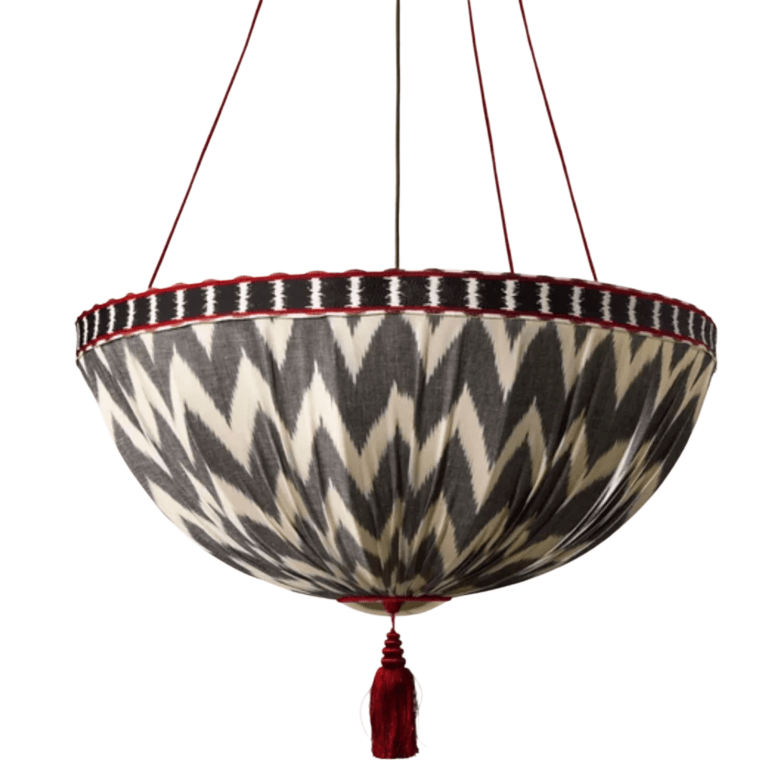
British lighting brand Pooky and passementerie powerhouse Samuel & Sons have teamed up on a 13-piece collection of lampshades, pendants, and flush mounts that makes a very convincing argument for going a little overboard. There are scalloped borders, handwoven braids, pleated silks, colorful linens, and, yes, plenty of tassels. The palette runs from coral and emerald to sky blue and cotton candy pink, with unexpected combinations that feel both vintage and entirely fresh.
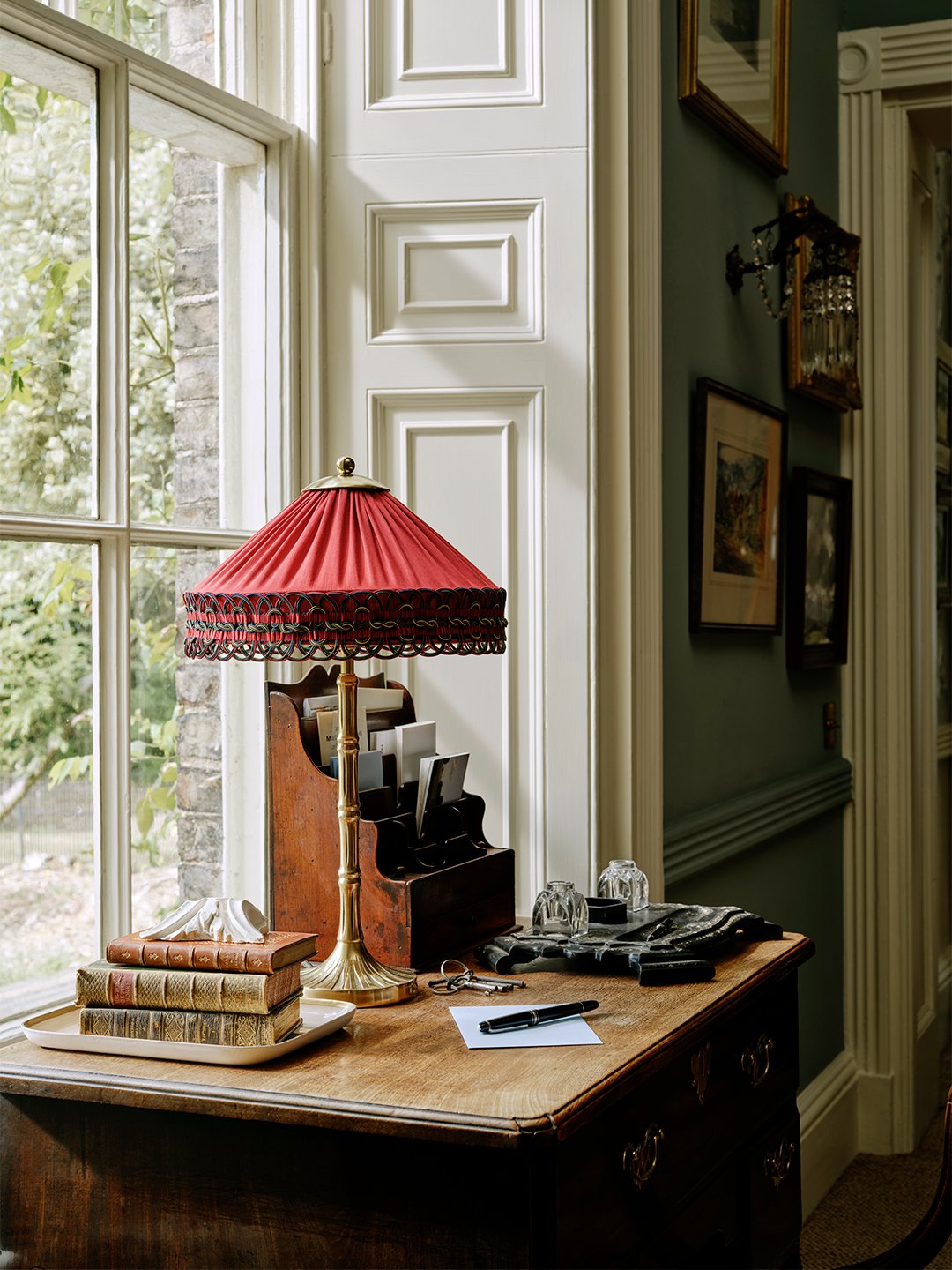
The collaboration began over a cup of tea in Paris, with a creative brief that was refreshingly simple: “Go wild.” The result is a collection that brings a bit of old-world ornamentation into the present, with a wink. We caught up with Pooky chief creative officer Jo Plant and Samuel & Sons president Michael Cohen to talk about the art of the trim, the return of decorative excess, and why your bathroom might be begging for a fancy lampshade.
First things first: How wild did things really get?
Michael Cohen: “Go wild” was really about one thing: Don’t play it safe. We knew from the beginning that this wasn’t going to be a collaboration about adding a simple tape to a lampshade. We wanted to have fun, push the possibilities of what trimming could do, and create something unexpected.
With more than 10,000 trims to choose from, how on earth did you narrow it down?
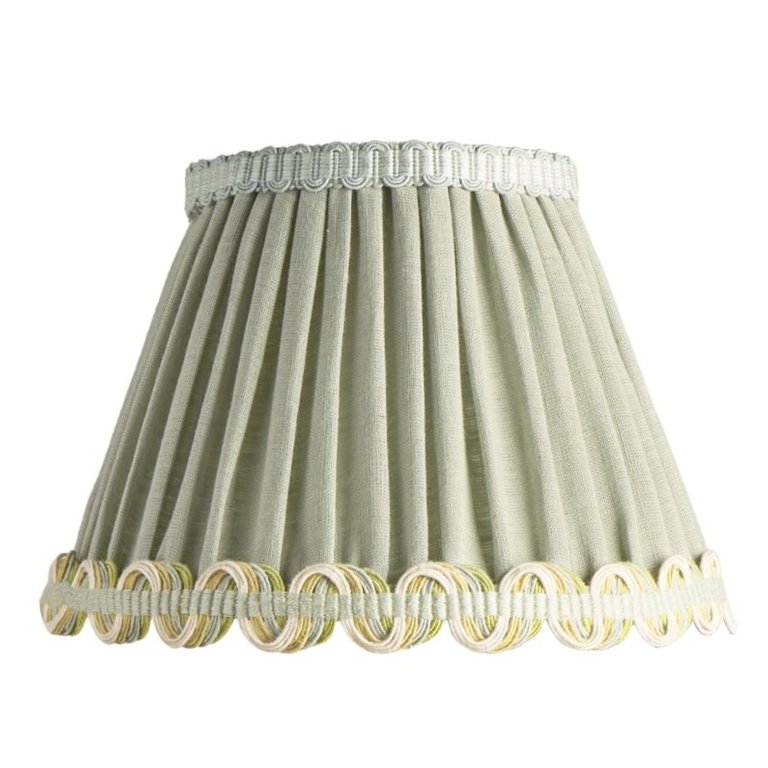
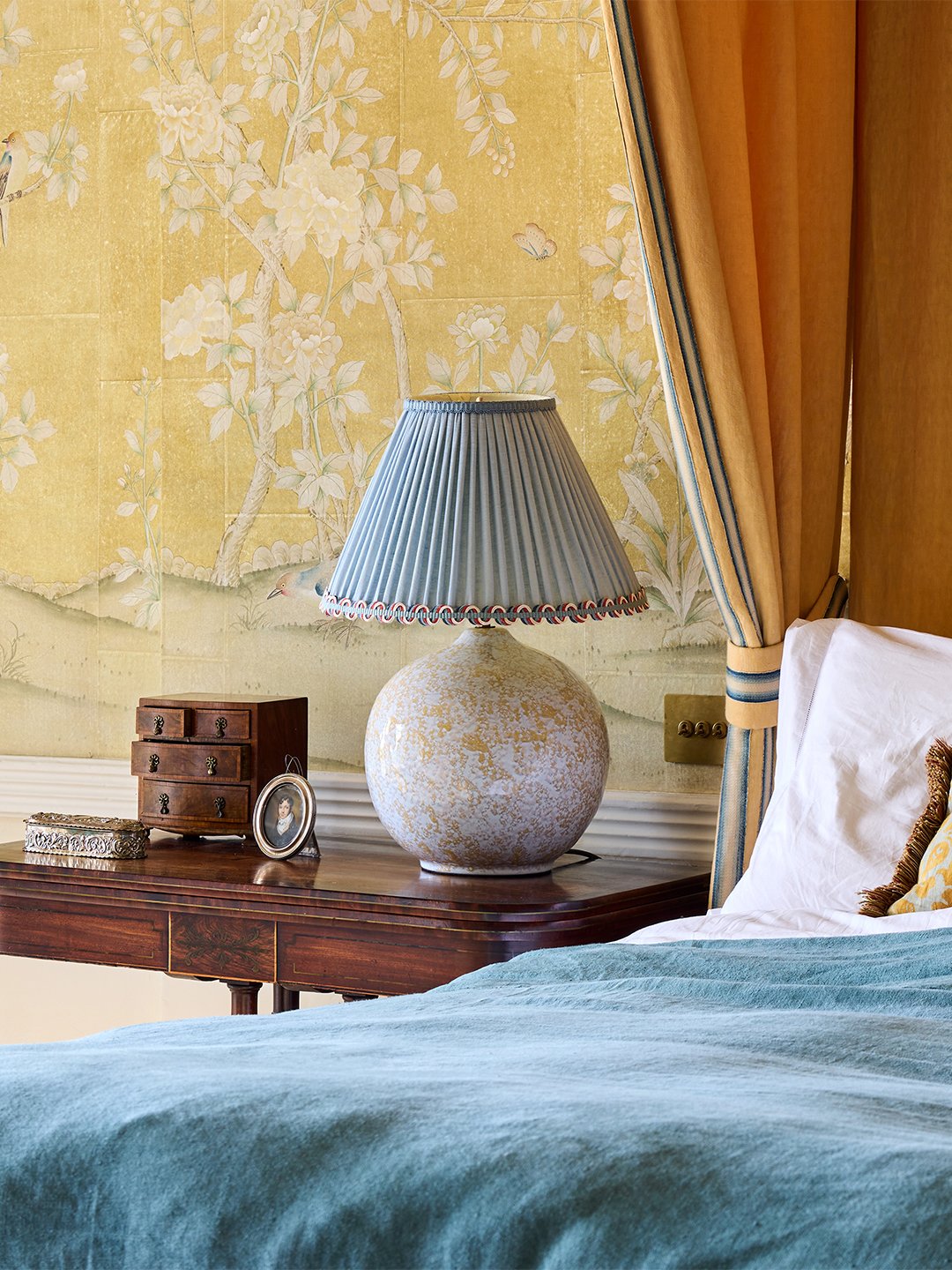
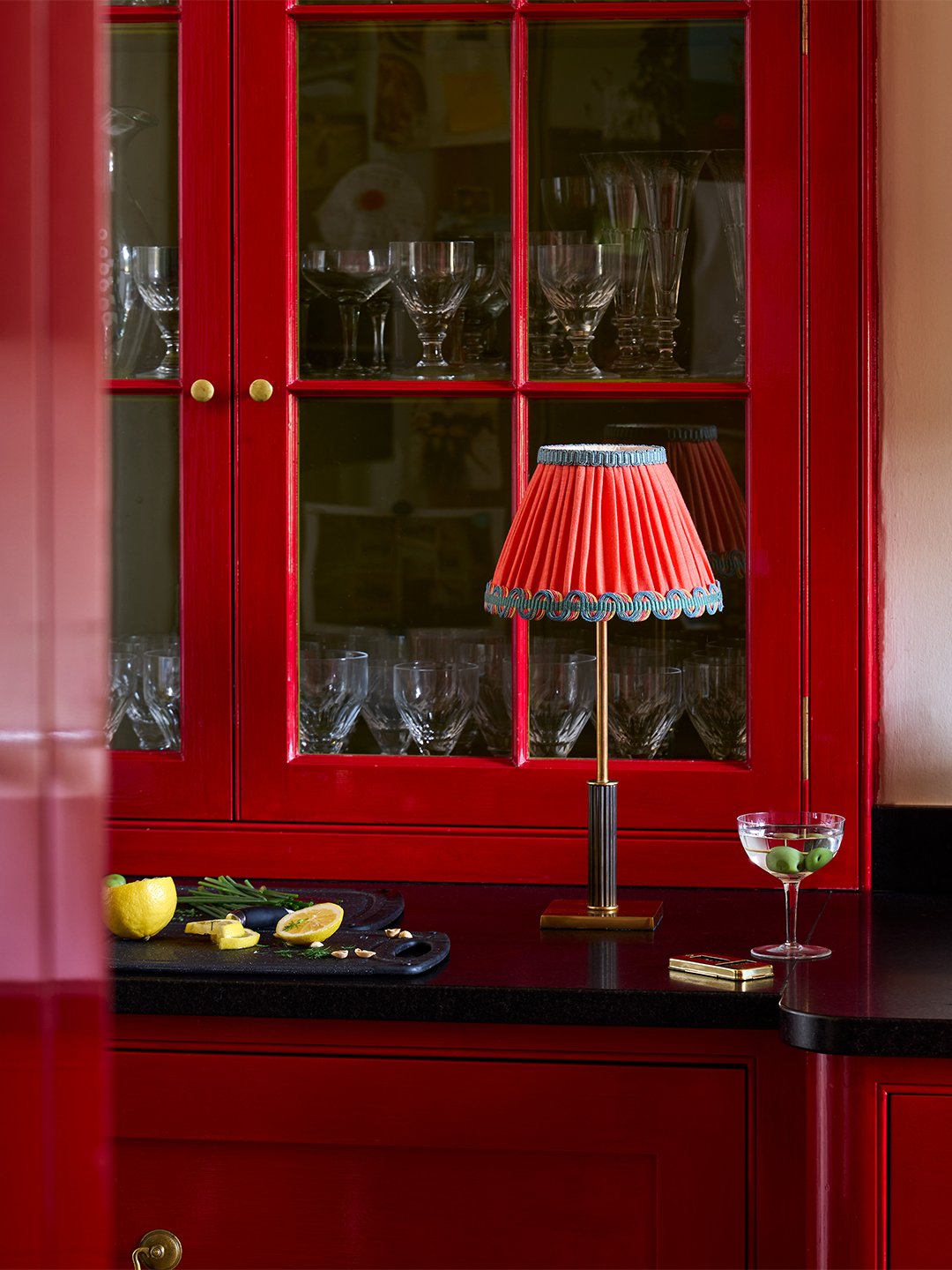
Plant: There is so much to choose from in the passementerie chocolate box that is Samuel & Sons. I knew I didn’t want to do a classic fringe. The gorgeous little Cretian scallops with the beautiful color combos kept calling to me. When I paired them with our plain linens, they reminded me of something I’d find in an antique shop in Paris. They have such a sweet vintage feel.
Cohen: The Veranda Linen Crête is a great example. It requires incredibly meticulous, traditional craftsmanship, but uses color and an undulating pattern in a way that feels fresh and playful. It creates this beautiful scalloped detail along the edge of a lampshade, bringing together a sense of formality with a little whimsy.
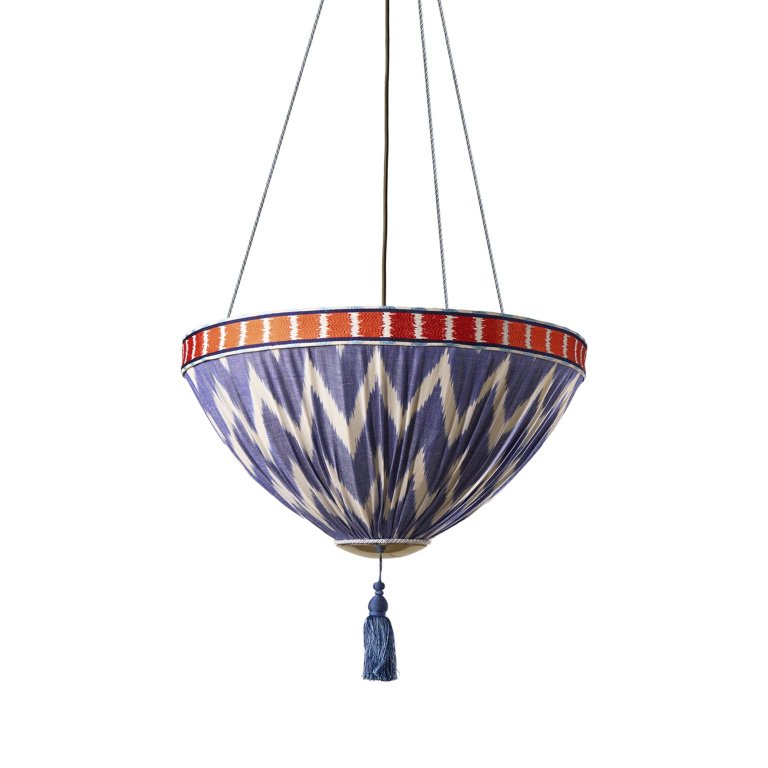
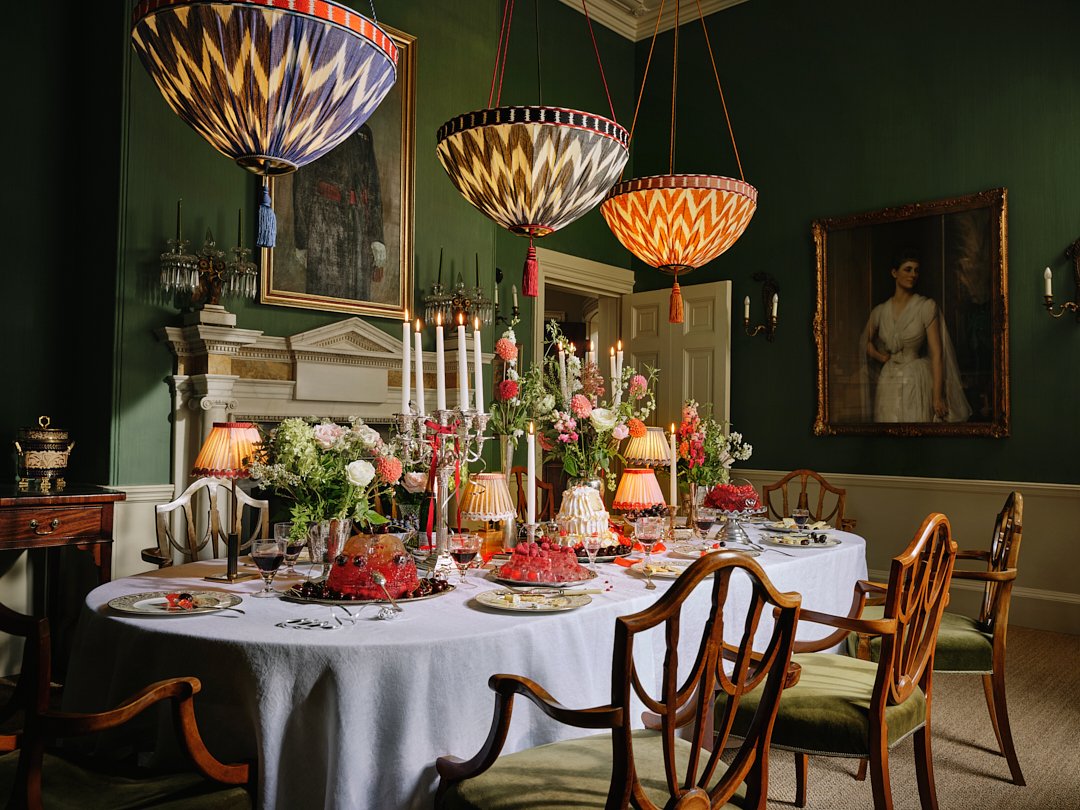
What inspired those rather fabulous Taos pendants?
Plant: We started with an early mock-up suspended over a bar, and the whole story grew from there. They just felt a bit louche and glamorous. The vibrant colors and luxurious trims and tassels above a table or a bar felt like somewhere beautiful glasses and silverware would be sparkling with candlelight and a magical evening would be enjoyed by all. Who doesn’t want that?!
What makes a silk lampshade different from a linen one?
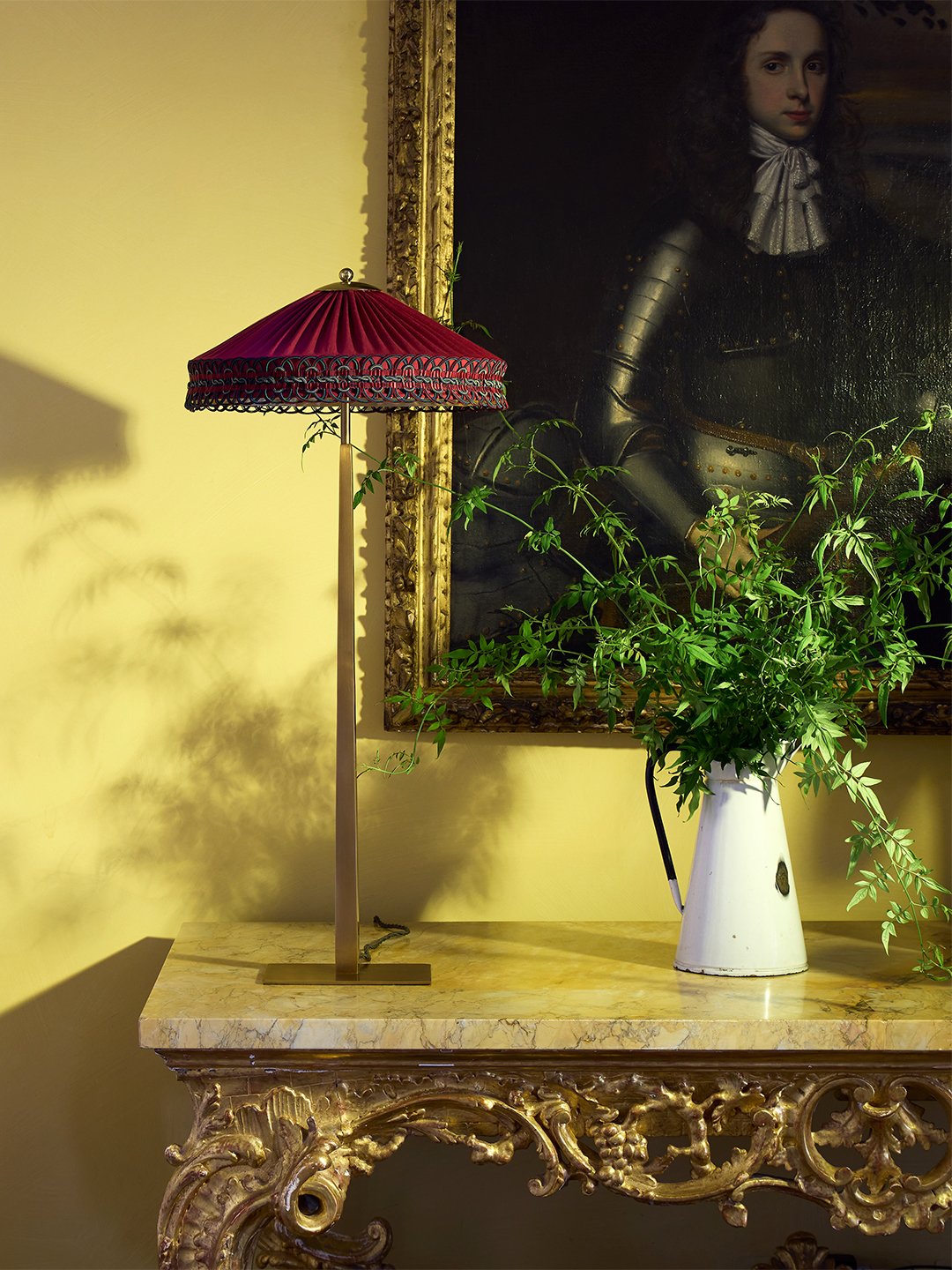
Plant: We use real silk, which is rarer than you’d think! Lots of shades sold as “silk” are actually polyester or viscose. With the light off, the sheen on the surface feels wonderfully glamorous, and when it’s illuminated, the lighter weight of the fabric gives a fantastic glow.
We’ve used linen for the Cretian Scallop shades and Taos pendants because linen diffuses light more softly than silk. It’s naturally strong and slightly irregular, with a subtle texture. It can be plain or highly decorative.
Do you have a favorite detail in the collection?
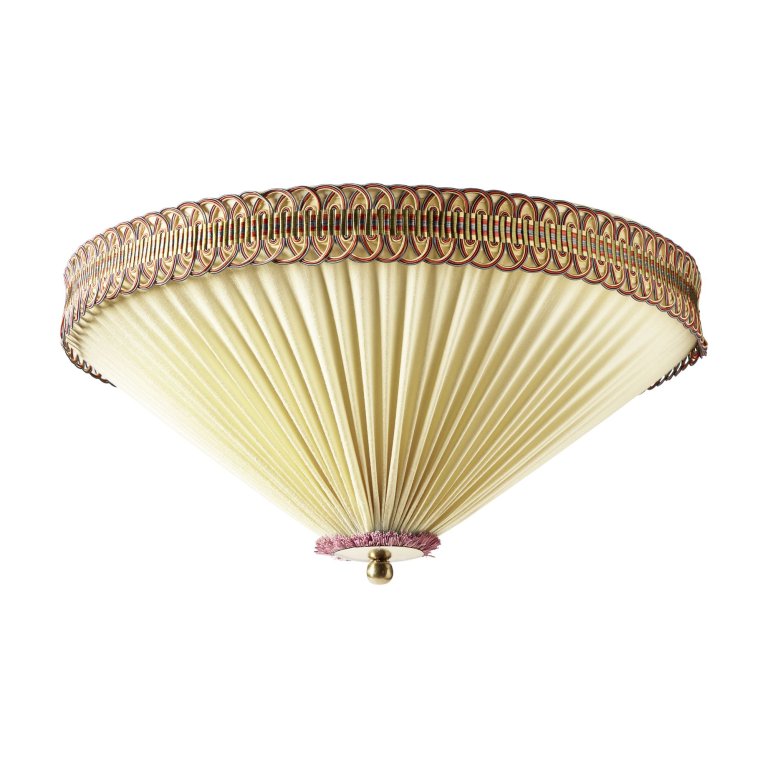
Cohen: One of my absolute favorites is the Margaux flush mount. I love that Pooky created a flush mount that’s genuinely decorative. You have this beautiful, formal handwoven trim along the top, paired with a much more playful tie-dyed raffia rosette at the bottom, partially concealed by a brass detail so just the edges peek out. It really shouldn’t all work together as beautifully as it does, but it does!
Let’s talk tassels. Why are they suddenly so cool again?
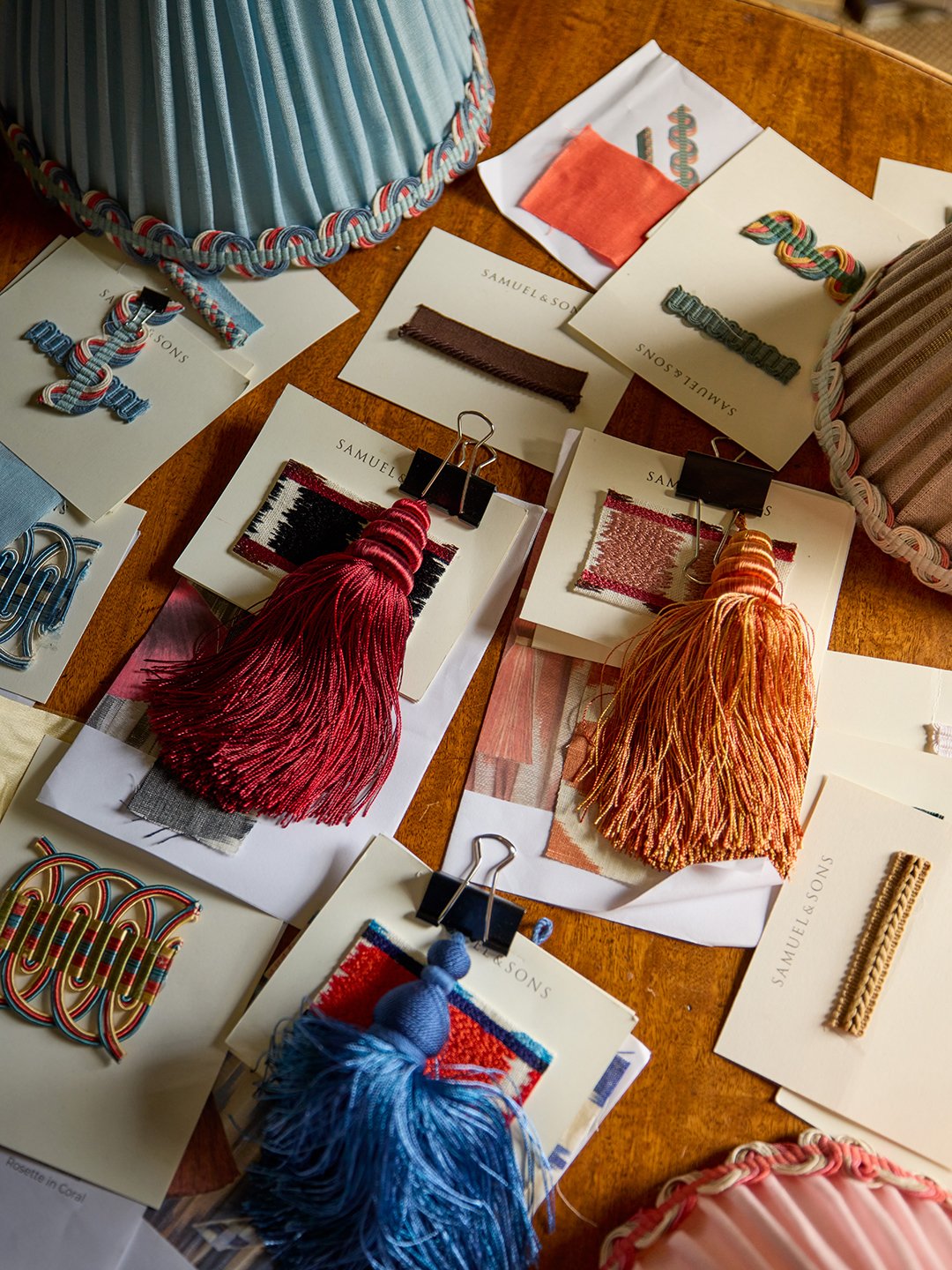
Plant: Tassels have a reputation for being a bit stuffy, but to me they’re the most fun you can have with a lampshade. They swing, they catch the light, and they’re just a little bit naughty. Add real craftsmanship and an unexpected color, and they feel like a party rather than a period drama.
Cohen: We have a new generation of designers who didn’t necessarily grow up working with tassels, fringes, and decorative braids. They’re discovering these elements with fresh eyes, without feeling bound by the old rules. Sometimes it’s not about reinventing the element. It’s about reinventing how you use it.
Are we finally ready to embrace a little decorative excess again?
Cohen: Absolutely. For more than two decades, interiors have increasingly moved toward cleaner, simpler, and sometimes almost sterile environments. And I think people are ready for something different.
Where would you put these pieces?
Plant: I always pictured this collection in the chicest cocktail bars and members’ clubs of London, Paris, and New York. Think pendants over a bar, shades at a soirée, and a few nods to the morning after for good measure.
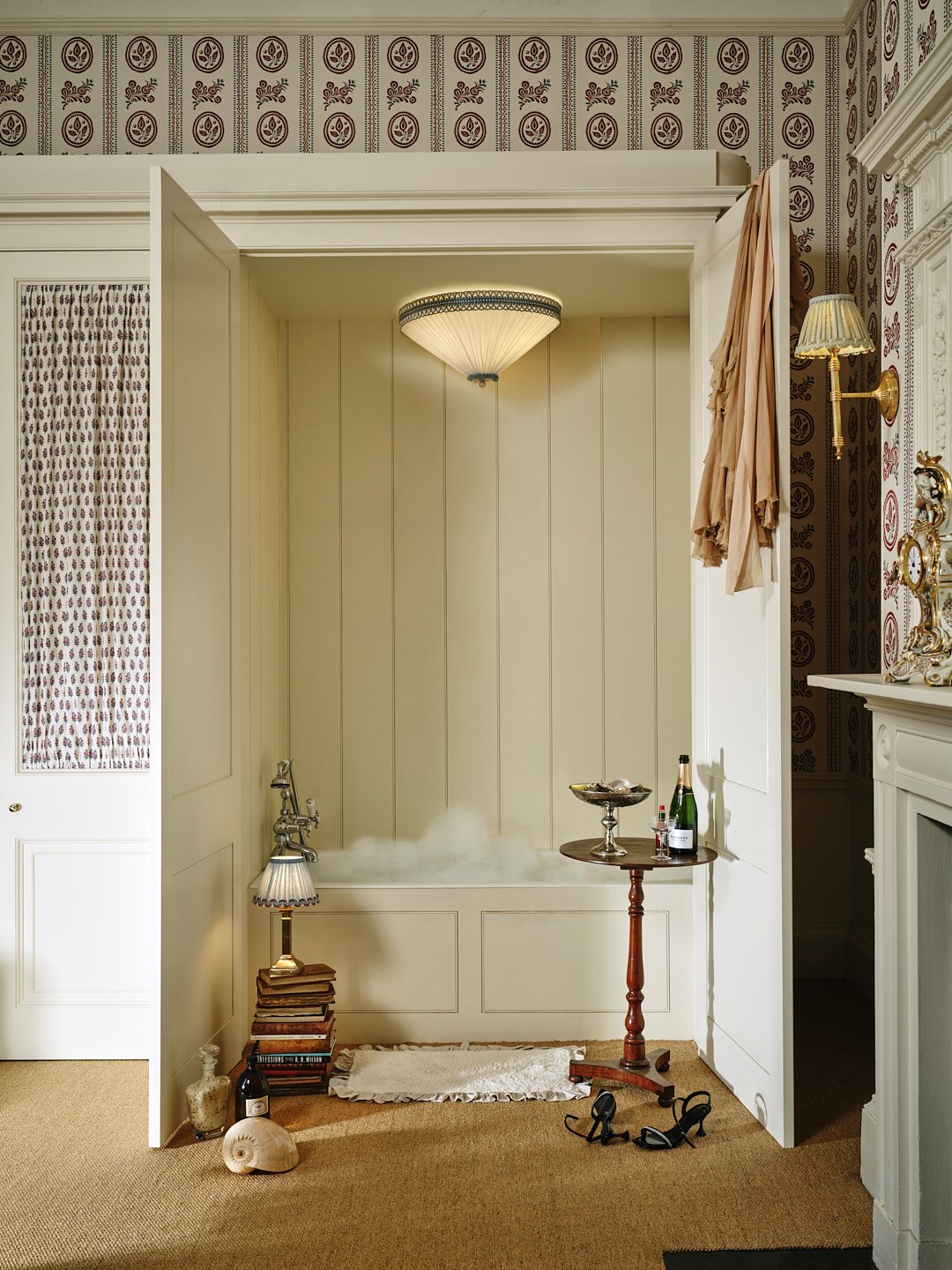
My favorite unexpected spot is the bathroom. For the shoot, we had a Margaux flush mount glowing overtop the built-in tongue-and-groove tub and scallop-trimmed shades dotted around the room. A trimmed shade turns a bathroom from somewhere purely practical into a room you actually want to linger in.
Any advice for the tassel-curious who aren’t quite ready to go full maximalist?
Plant: Start small. Lighting is the easiest way to bring personality into your home, and a pair of beautifully trimmed Cretian Scallop shades on your bedside tables is a lovely way in.
When you’re ready for a bit more, try a Taos pendant. In a contemporary room, a Taos pendant works brilliantly as a vivid, almost sculptural focal point. And in a calm, minimalist room, a detail like that becomes the thing everyone notices.