
We may earn revenue from the products available on this page and participate in affiliate programs.
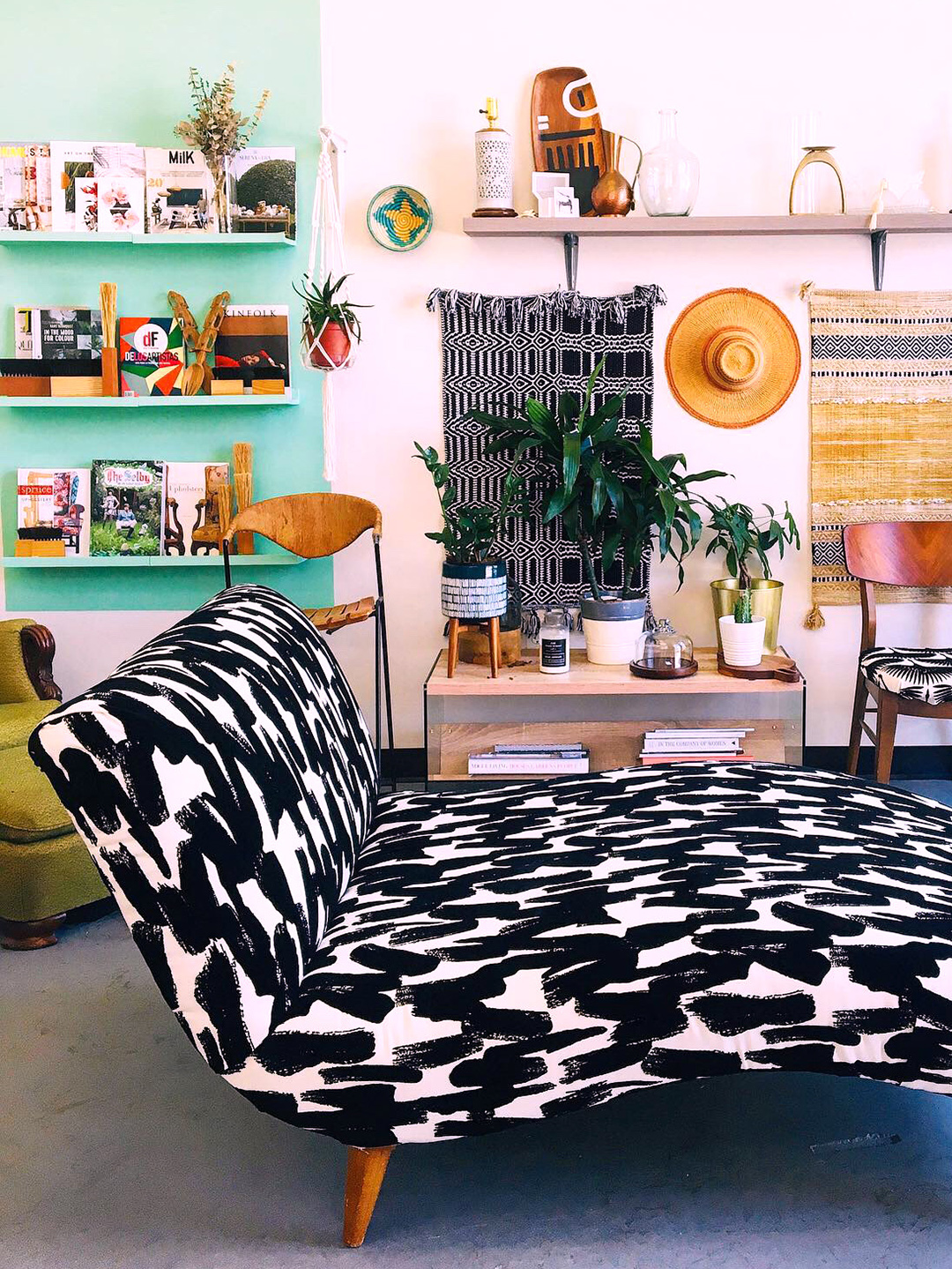
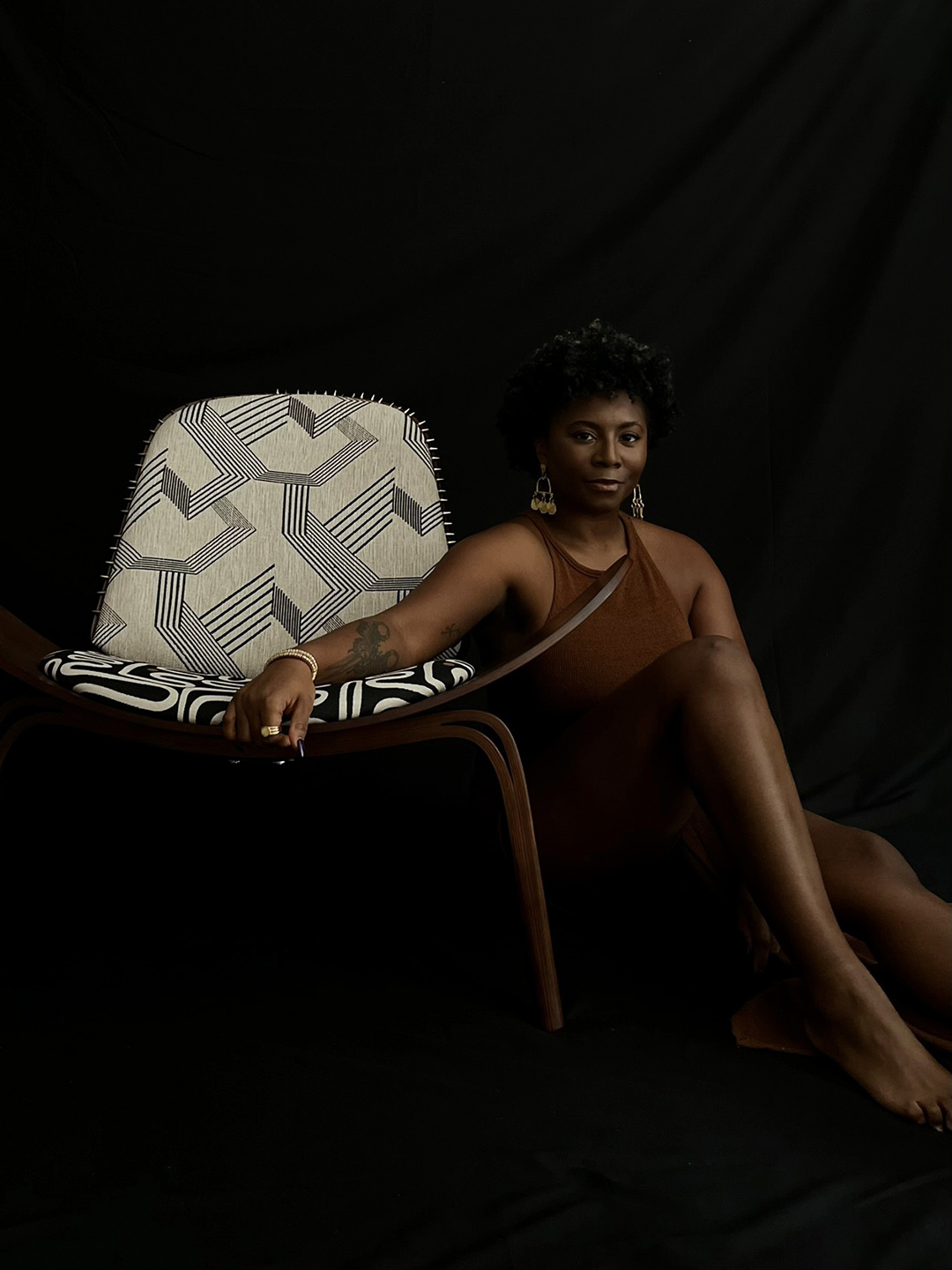
Nicole Crowder didn’t come to upholstery through a traditional design pipeline—she came to it through storytelling. A longtime editor and media professional, Crowder spent years balancing creative instincts with hands-on making before everything clicked into place. What started as a Craigslist chair experiment in the early 2010s turned into a full-fledged practice spanning residential, commercial, and hospitality work. Eventually, she added a teaching platform that has introduced thousands to the craft.
At the core of her work is a belief that furniture isn’t disposable—it’s editable. And increasingly, she’s focused on helping people realize they can be the ones doing that work.
The Kit That Makes Upholstery Feel Possible
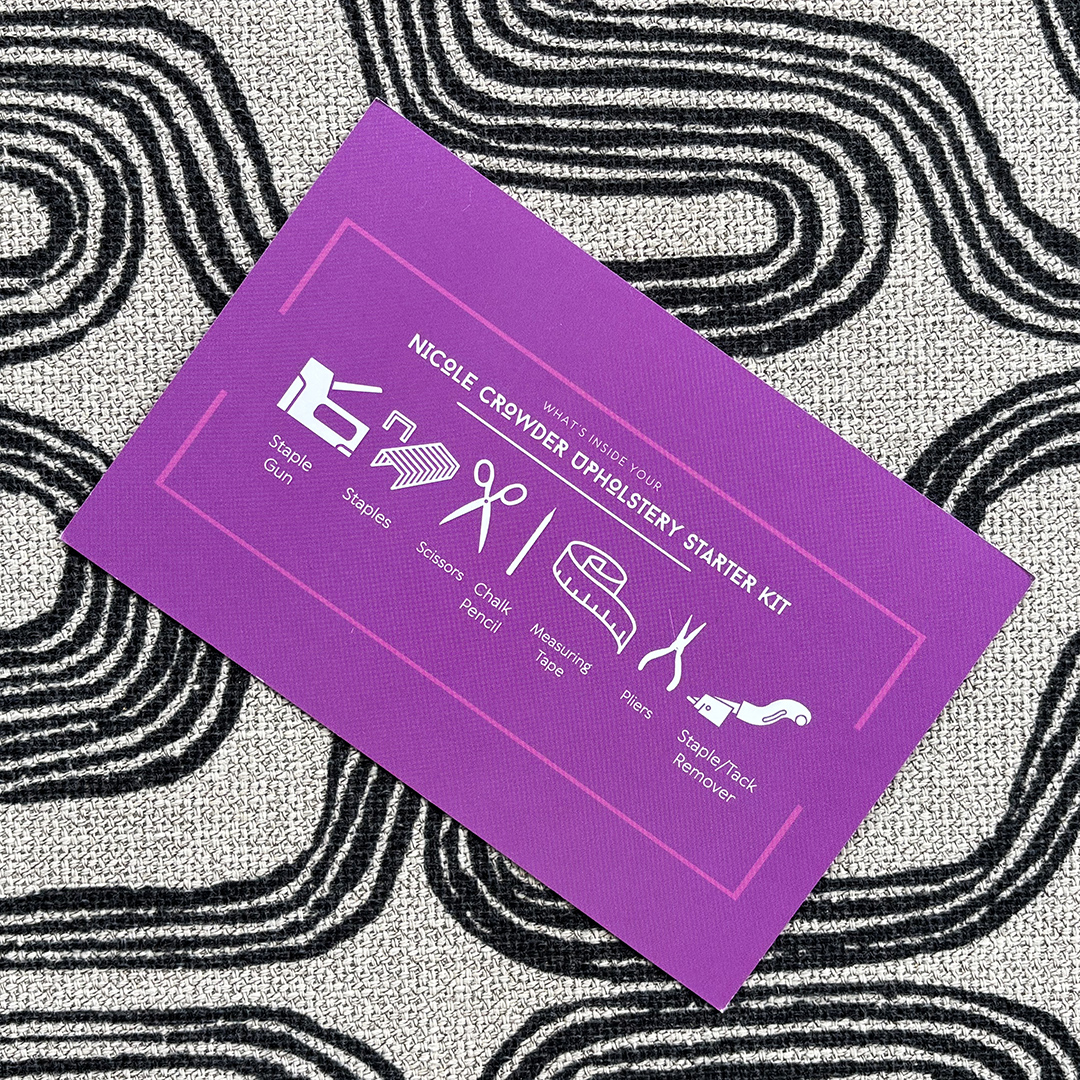
That philosophy led to her newest venture: the Nicole Crowder Upholstery Starter Kit, a design-forward entry point into what can otherwise feel like an overwhelming activity.
The kit bundles professional-grade tools, step-by-step instructional videos, and fabric sourcing perks all in one place. This essentially removes the biggest barrier beginners face: not knowing where to start. It’s a direct extension of her wildly popular workshops (she’s just announced new cities for a nationwide tour this year), where she noticed the same hesitation over and over again. Too many tools, too many fabric choices, and no clear first step.
Crowder’s goal isn’t just to teach upholstery, it’s to reframe it. We picked the pro’s brain on the best advice for those who are interested in trying it out with a DIY spin.
Do Start Simpler Than You Think
If there’s one mistake beginners make, it’s aiming too high, too fast.
Crowder recommends starting with pieces where fabric can be stapled directly to a frame—think dining chairs, stools, or simple seat cushions. These allow you to learn tension, placement, and finishing without introducing complex sewing or shaping.
More intricate forms, especially anything requiring hand-stitching, can quickly derail confidence. “Those are the projects that can intimidate people out of the process entirely,” she says. If it requires sewing to make the fabric fit, save it for later.
Don’t Let Mid-Century Curves Fool You
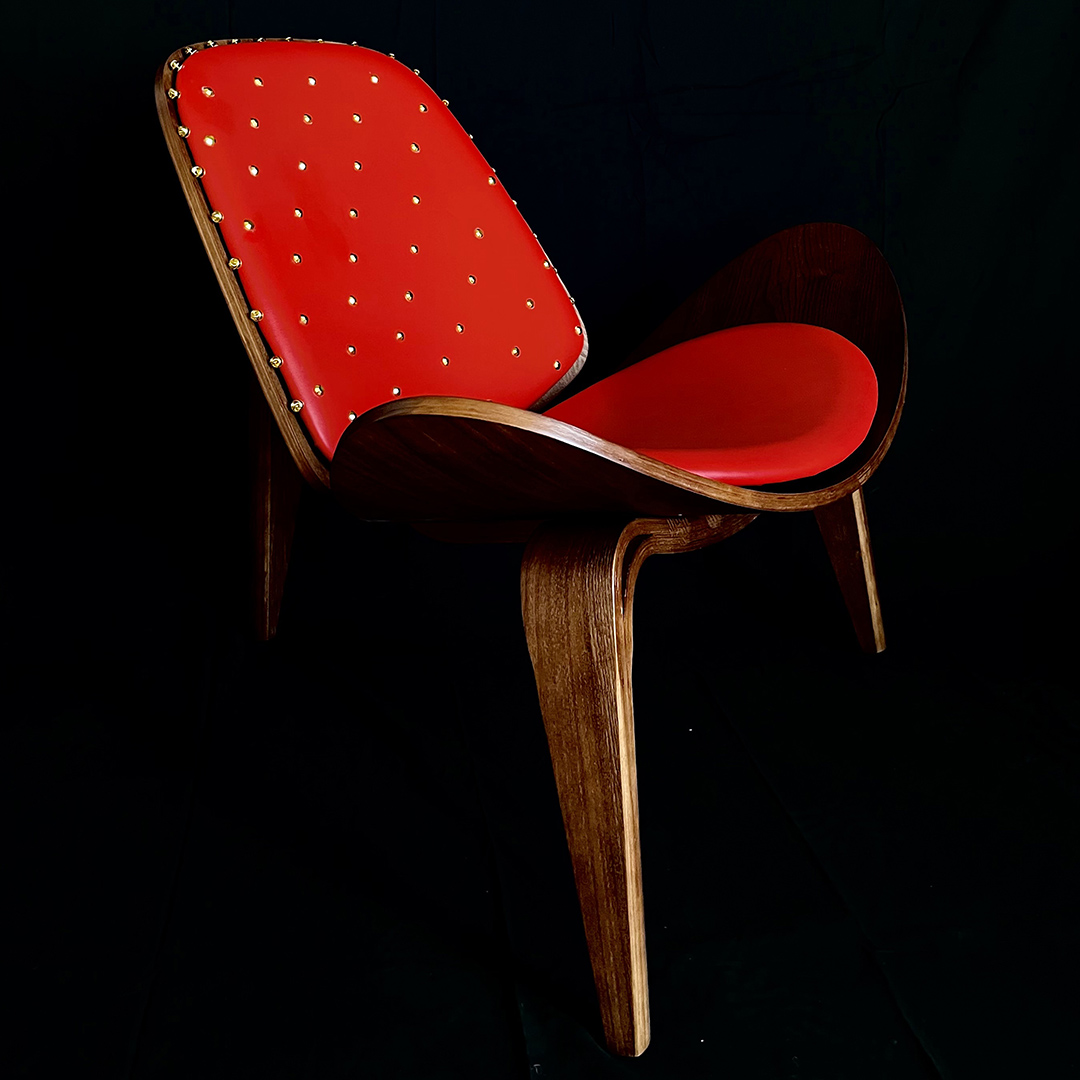
Mid-century furniture may look minimal, but it’s often anything but beginner-friendly.
Those sleek curves and tight profiles typically require precise shaping and hand-stitching, which comes from skills that take time to develop. Starting there can turn what should be a satisfying first project into a frustrating one.
Instead, work your way up to those pieces after you’ve mastered the basics of pulling, stapling, and finishing.
Do Choose the Right Fabric (It Matters More Than You Think)
Fabric isn’t just about aesthetics: it determines how easy your project will be and how long it lasts.
Crowder recommends:
- Upholstery-grade fabrics (they’re built to hold tension and wear)
- Woven textiles like jacquard, twill, chenille, or Belgian linen
- Heavier weights that won’t shift or stretch unpredictably
If the piece will get daily use or sits in sunlight, durability becomes even more important. And for pet owners, tighter weaves can help resist claws and snags.
Don’t Use Clothing Fabric, Even if It’s Cute
Lightweight or stretchy fabrics, like jersey or rayon, may look good initially, but they won’t behave the way upholstery demands. They’re harder to pull taut, more prone to wrinkling, and less durable over time. What feels like a fun shortcut often leads to a redo.
Do Budget for More Than Just Fabric
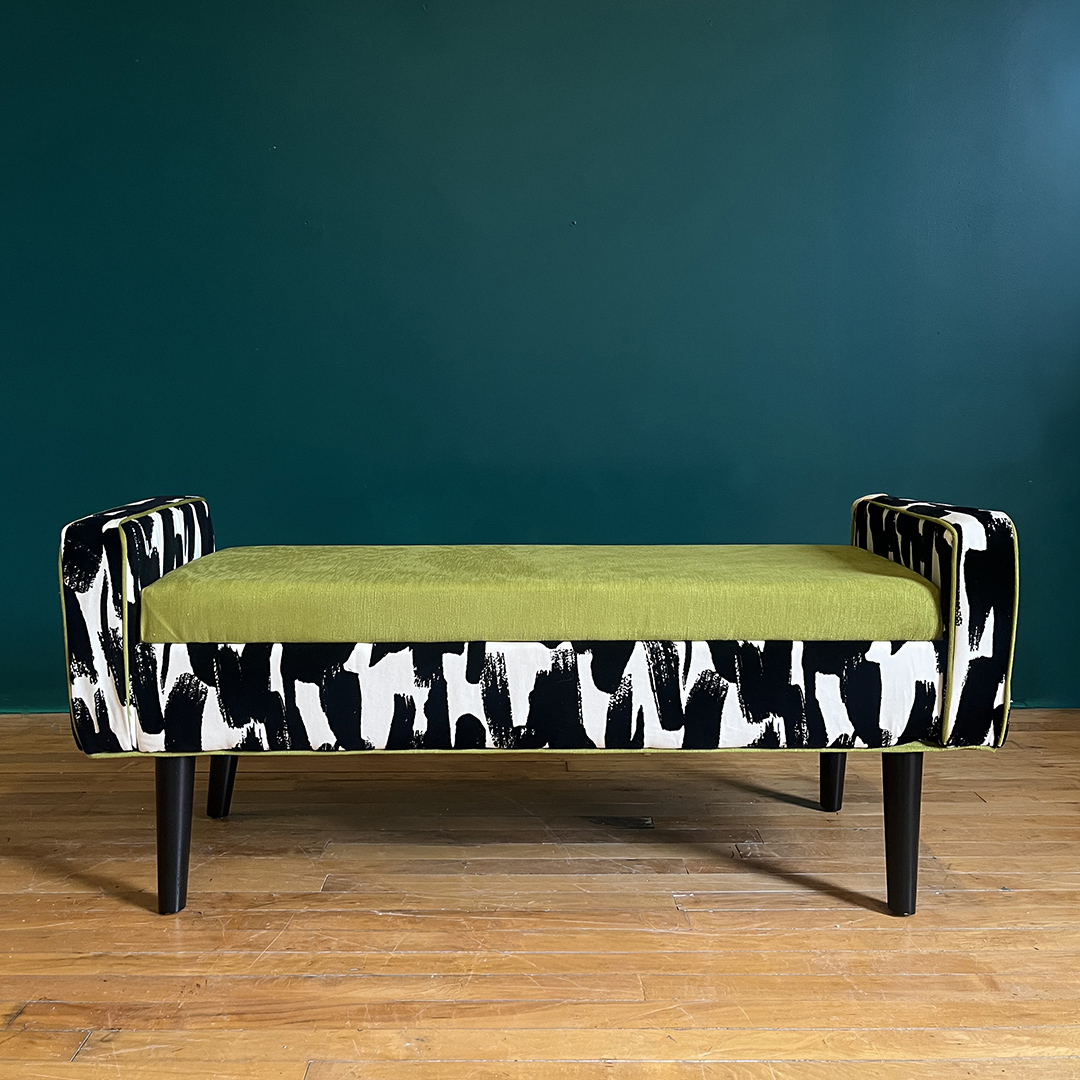
A common misconception is that fabric is the biggest expense. In reality, costs come from a mix of materials and process.
Depending on the project, your receipt may include:
- Tools (especially at first)
- Staples and nails (you’ll use a lot)
- Padding or structural repairs
- Time (the biggest hidden cost)
Intricacy also plays a role—leather, multiple cushions, or exposed wood details all add complexity.
Don’t Assume It’s a Quick Weekend Project
Even simple upholstery jobs take longer than expected. What looks like “just swapping fabric” often involves stripping layers, navigating staples and internal structures, and carefully rebuilding tension. Crowder notes that even a basic cushion can take an hour and more complex pieces can stretch into days.
The biggest mindset shift: this isn’t draping fabric over furniture. It’s reconstructing it.
Do Give Yourself Room to Experiment
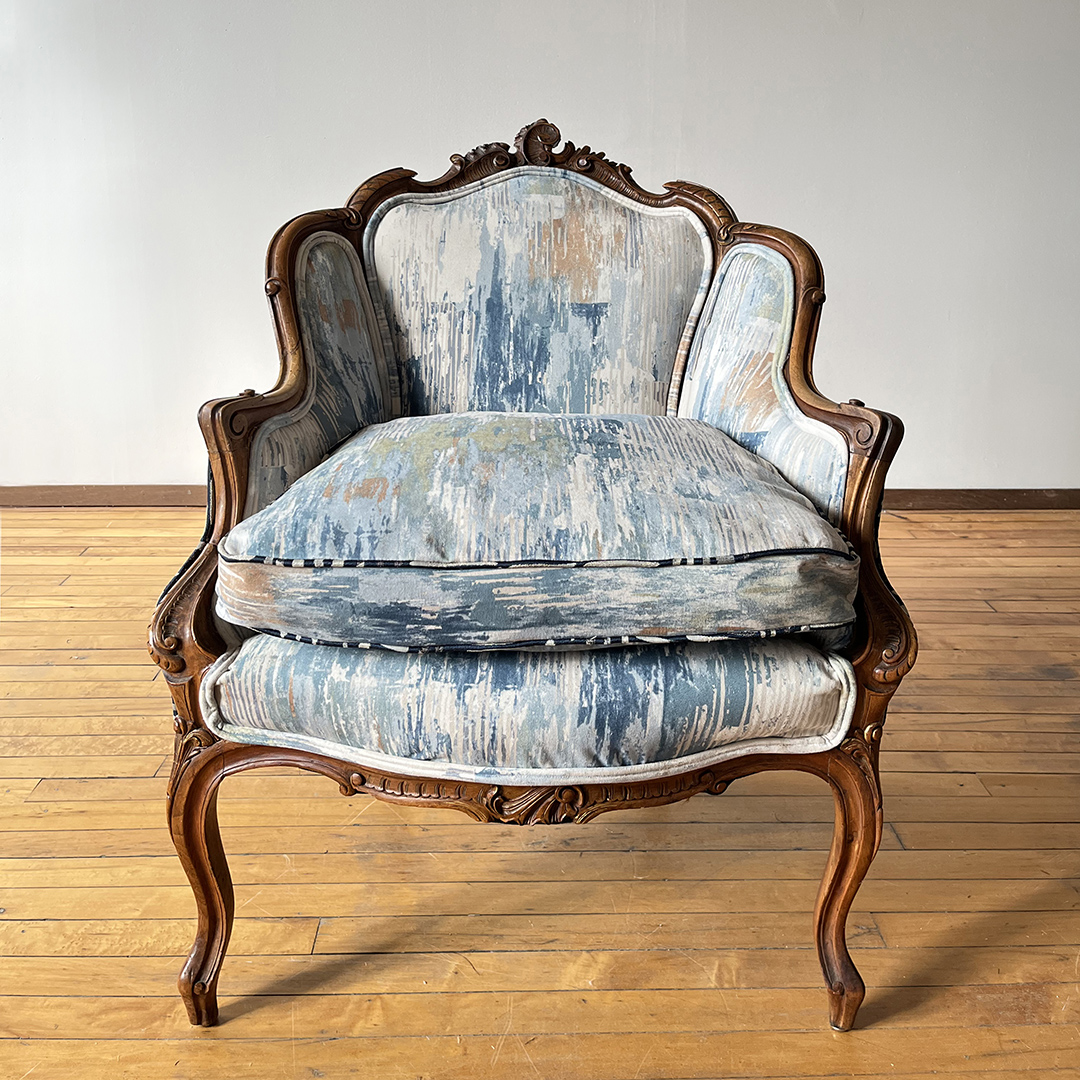
One of Crowder’s biggest pieces of advice is also the most freeing: nothing is permanent.
A staple isn’t a final decision, it’s a placeholder. You can pull it out, reposition, and try again. Fabric can be rotated. Patterns can be reinterpreted. “The furniture takes on whatever personality you give it,” she says.
Don’t Aim For Perfection On Your First Try
DIY upholstery isn’t about getting it “right” the first time, it’s about learning how materials behave. Crowder herself started by removing staples with a butter knife. The skill comes from trial, error, and repetition, not precision out of the gate.
Do Start With Something You’ll Actually Use
If you want to stay motivated, pick a piece that fits into your daily life, like dining chairs or an ottoman. There’s something powerful about sitting on, or living with, something you transformed yourself. That sense of utility tends to keep people engaged long enough to improve.
In Crowder’s world, upholstery isn’t just about fixing furniture, it’s about shifting your relationship to it. Less consumption and perfection, more participation and play.