
We may earn revenue from the products available on this page and participate in affiliate programs.
All the walls in this Washington D.C. home may have been painted a color called Agreeable Gray, but when architect Nicholas Potts stepped in to update the place for a writer and her advertising executive husband, he had a bone to pick with the name. “Over the course of the renovation, we joked that it was very disagreeable,” says Potts. Luckily, his clients could look past the one-size-fits-all paint job and see a home that seemed tailored to their search.
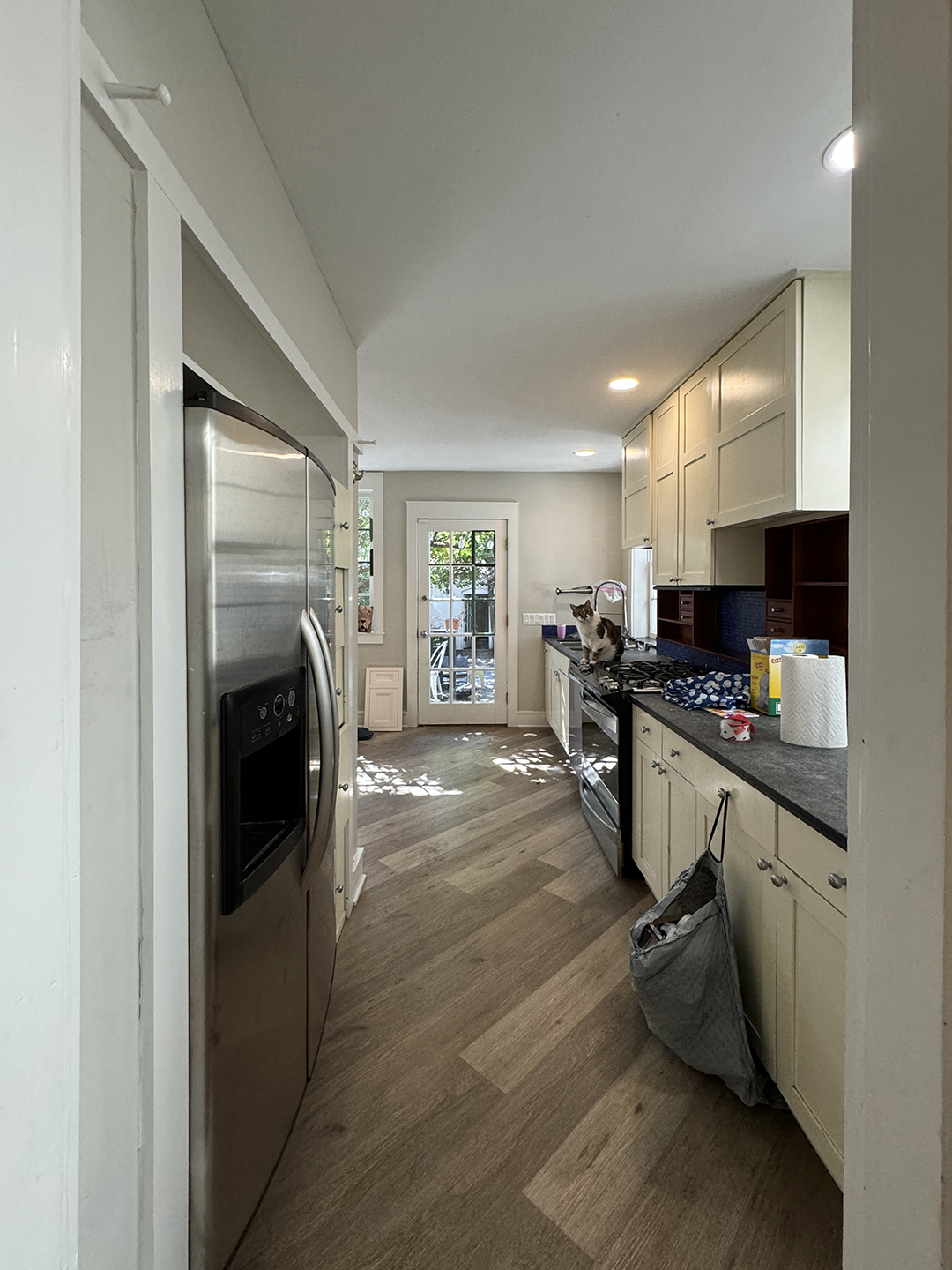
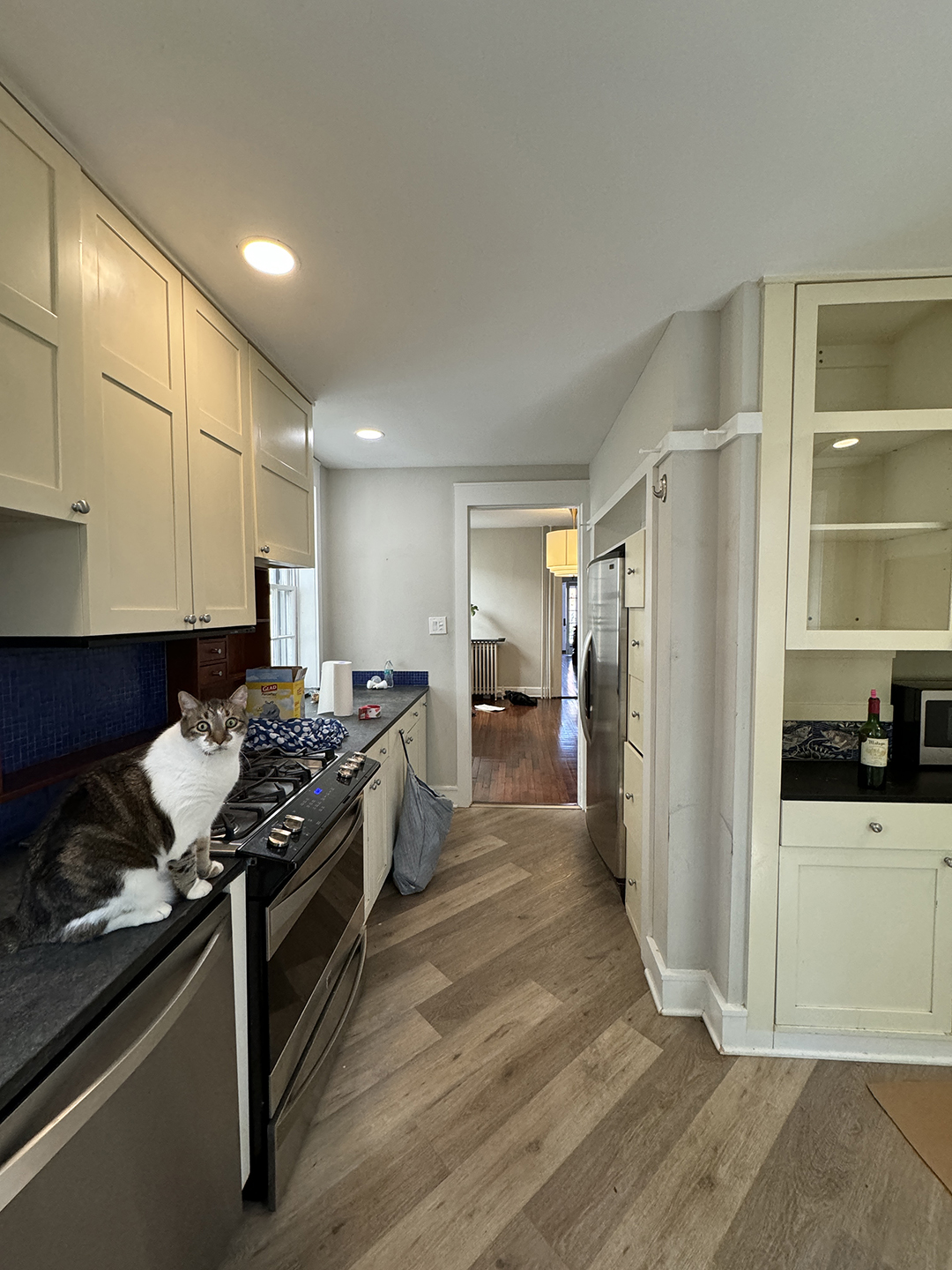
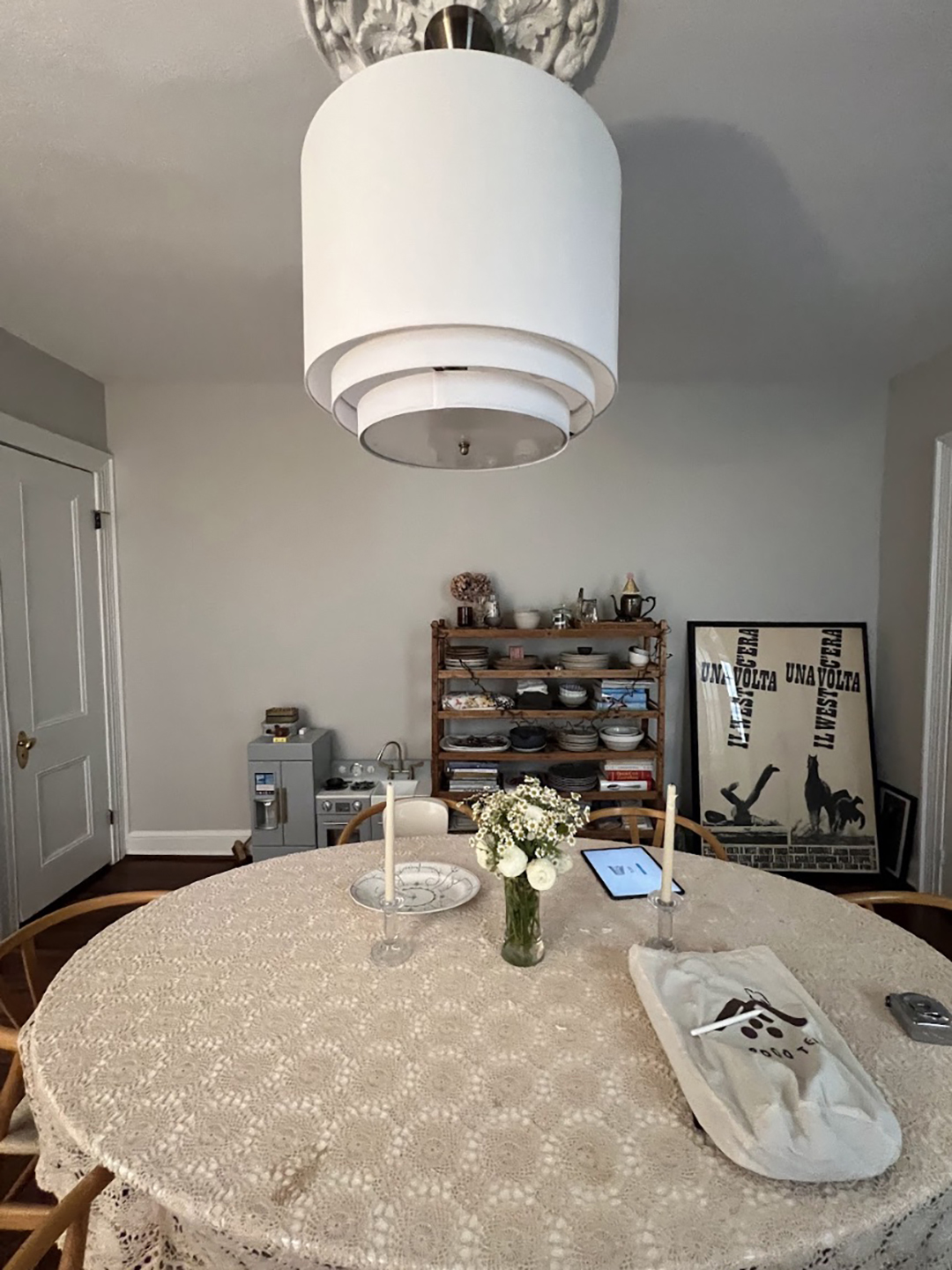
They had been looking for a historical address to raise their two children, but others had beaten them to the punch with changes that replaced the past with modern sameness. When the couple finally lucked out by finding this 1880s townhouse on Capitol Hill that retained some period details like plaster walls and ceiling medallions, they wanted to make sure any changes they made proved how happy they were to still have those old features around.
“The home had its issues, but we did not want something that had been given the ‘Home Depot Special,’” says the homeowner. Here’s how Potts helped them put their own spin on a hard-won time capsule.
Flip the Layout
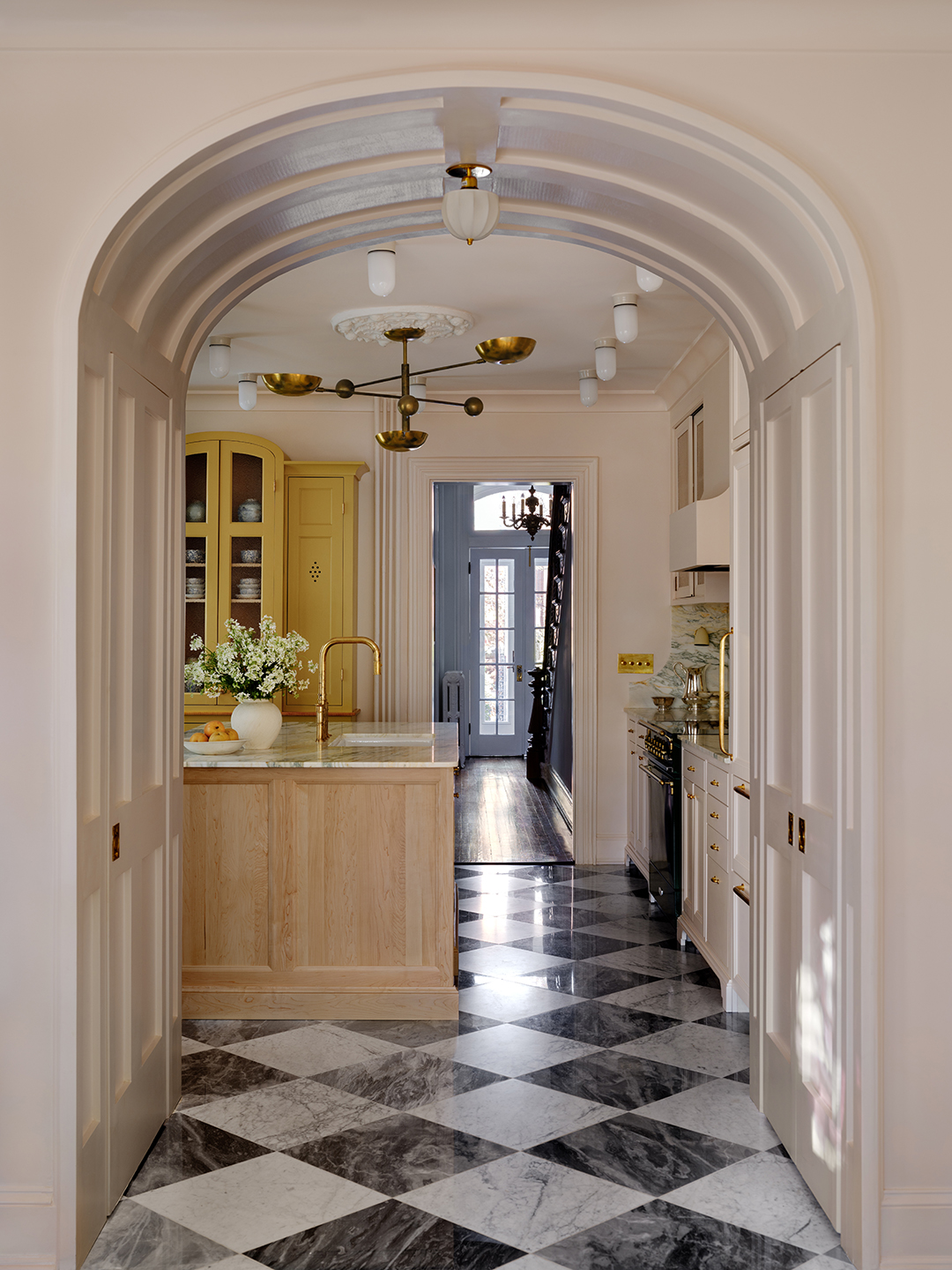
The kitchen was initially at the back of the house, overlooking the yard, with the dining room situated toward the center of the ground floor. Potts proposed the idea to swap the layout so that the cooking space would get the spotlight. At first, the owners were apprehensive—they pictured being at the sink watching their kids play outside. Potts reassured them that it was the right call.
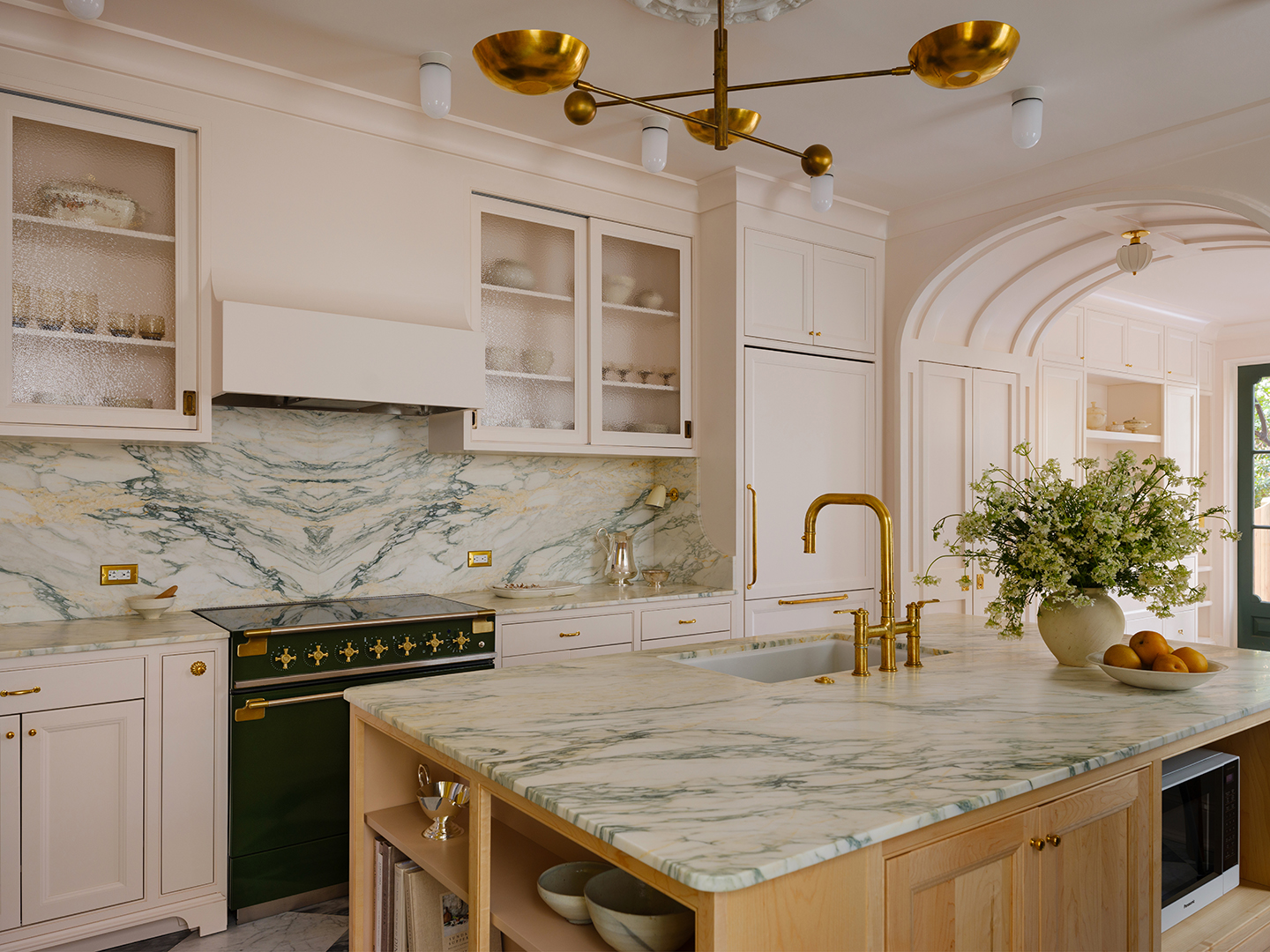
“By making the switch, the kitchen would actually feel more established,” the designer says. “There’s a fireplace on one side, and it’s easier to imagine that it might’ve been used for cooking a long time ago. It gave the kitchen a European feel that felt cozier and more intentional.”
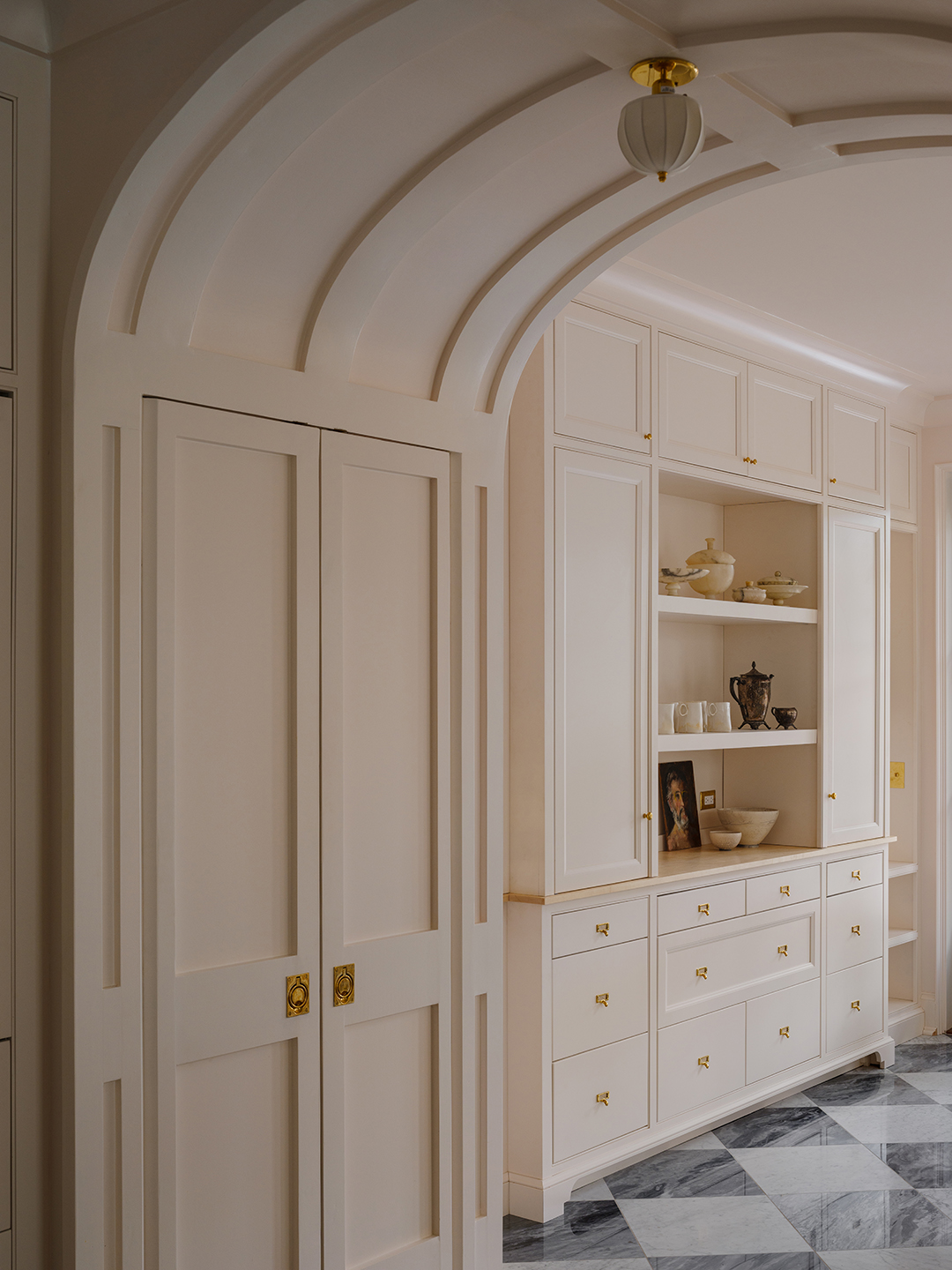
A powder room also had to be carved out somewhere, given the closest bathroom at that point was up a flight of stairs. Potts and his clients considered stealing a few square feet from a kitchen corner when they had an even more clever idea: Conceal it with character. Potts devised an archway between the two spaces that now hides a small powder room on one side and a supply closet on the other. “Sometimes guests don’t know where to go when I tell them it’s through the kitchen, and it’s this fun surprise,” the owner says. “It’s not original to the house, but Nick made sure that the archway was period-appropriate. And that’s so him.”
Make It Blush
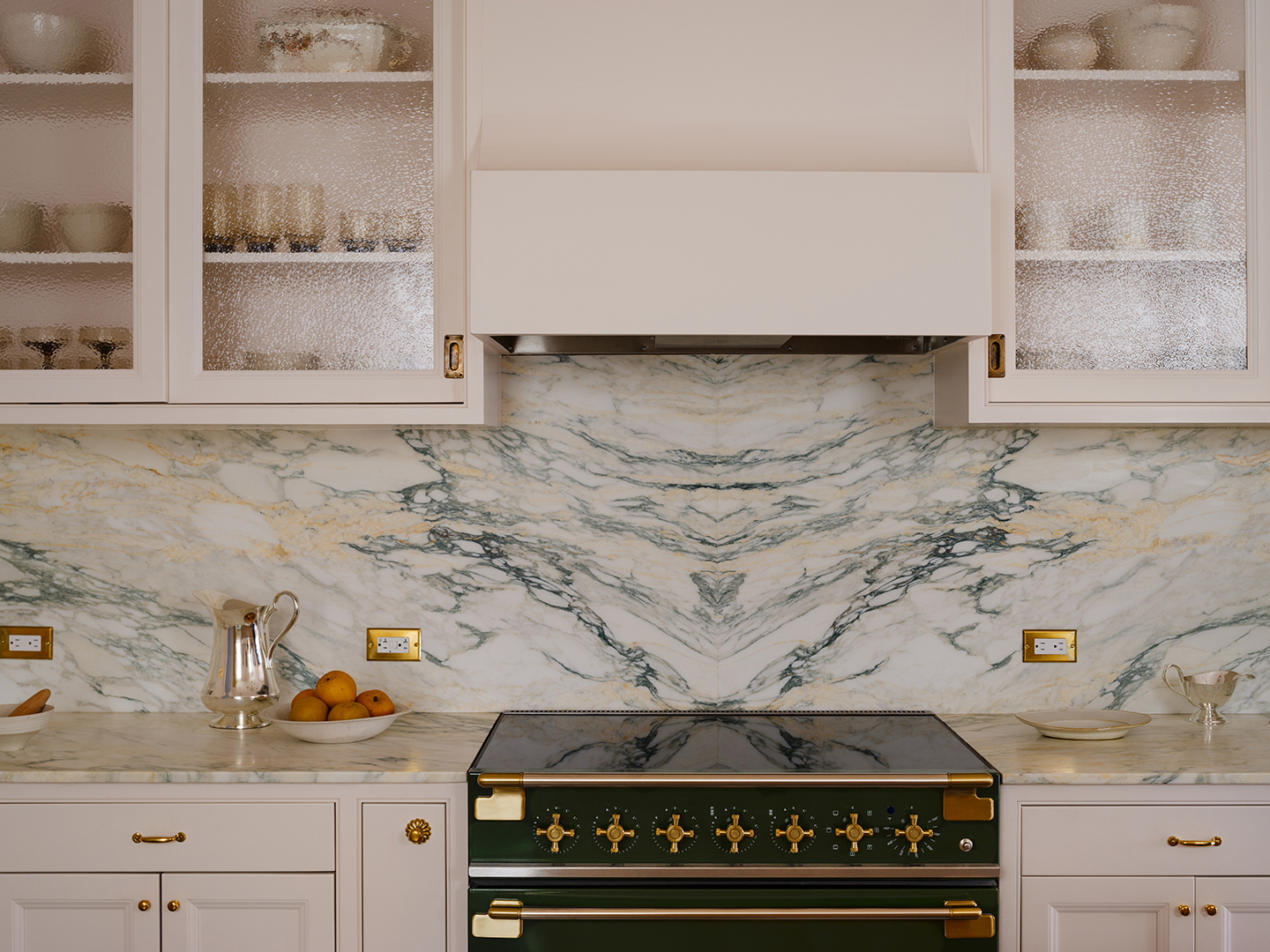
In the beginning, the owner was dead-set on having a green kitchen (it’s her favorite color, and she thought it would help bring a bit of the outside in). So, Potts came up with color combinations that included a variety of verdant shades, but none of them landed. That’s when he did a 180 and suggested drenching the rooms in Tailor Tack by Farrow & Ball. “I think of this color as the perfect anecdote to Agreeable Gray,” he says. “It’s warm, but subtle.”
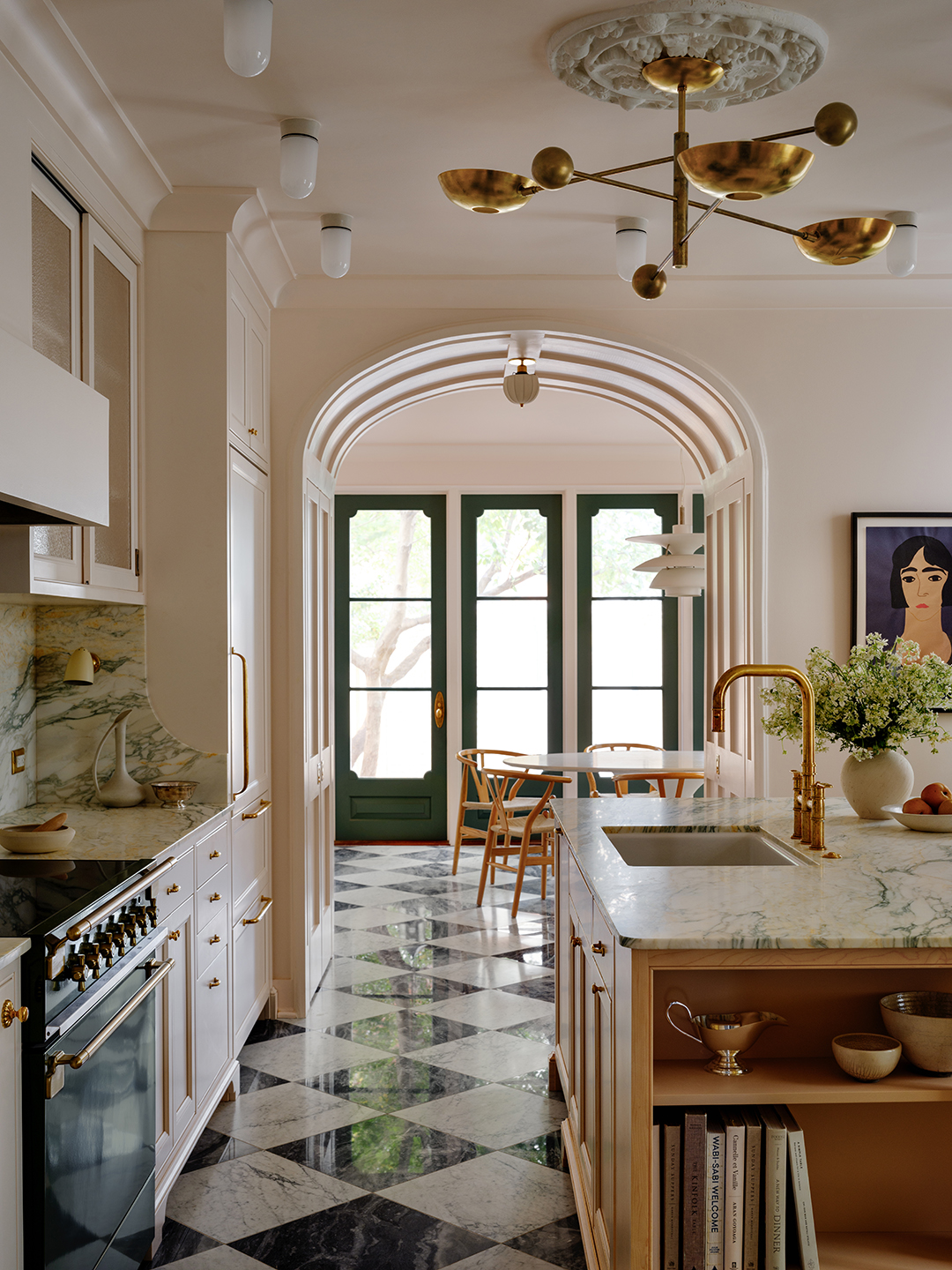
By using a delicate pink as a backdrop, Potts could choose louder finishes. He installed oversized Carrara checkerboard floors to give the illusion that the area is larger than 415 square feet. He kept the marble theme going with countertops punctuated with slight yellow veining, and cut the slab at two-centimeters thick to better resemble a tabletop. As for the island, which was also commissioned to feel like a piece of furniture instead of cabinetry, Potts opted to keep the wood base as is.
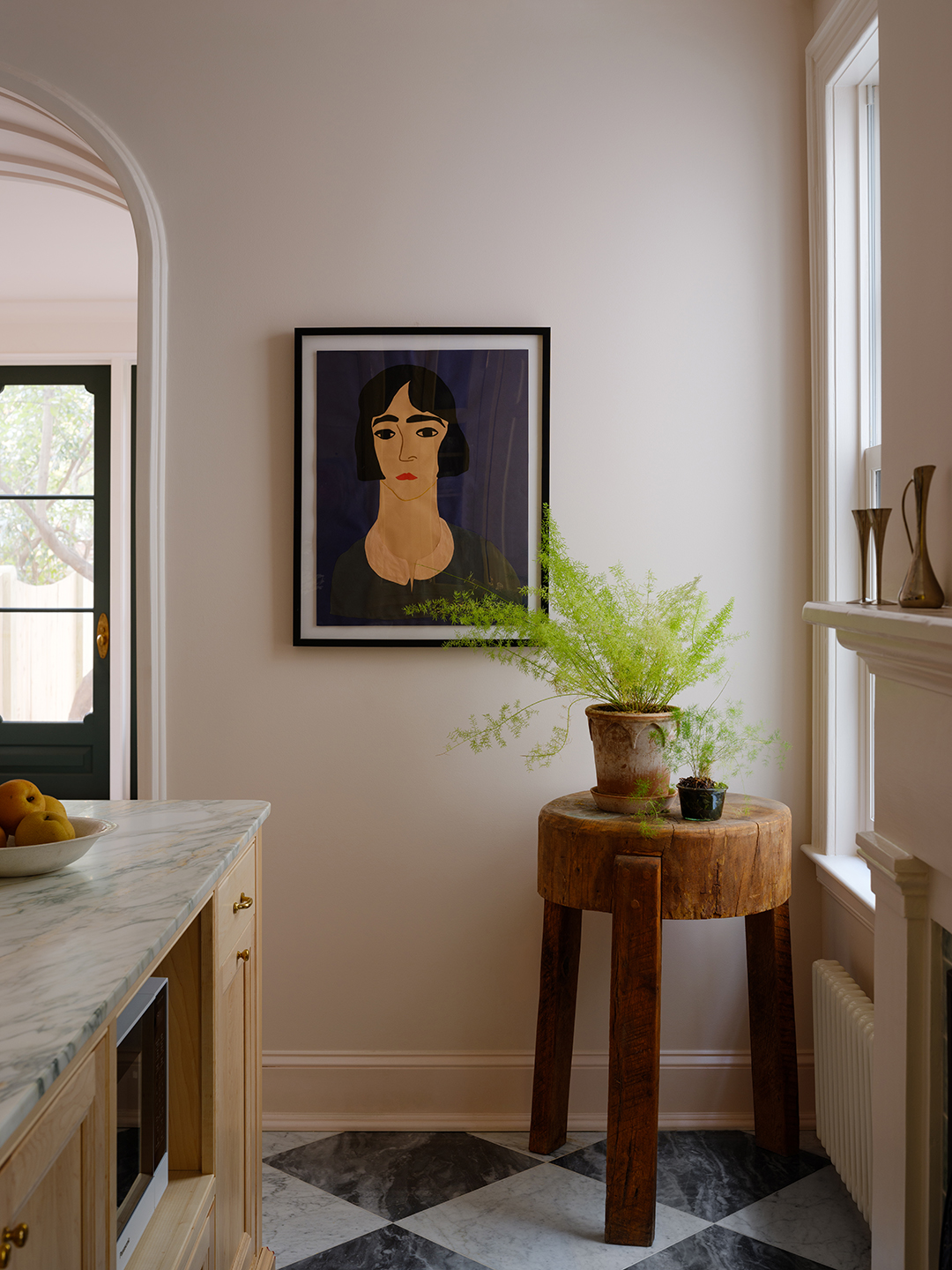
“We looked at painting it green, and then yellow, but it felt like too much,” the designer says. “The maple doesn’t feel like it competes.” But to make sure that he did get his client’s favorite color into the renovation, he swathed the doors leading to the backyard in Farrow & Ball’s Green Smoke.
Lighten Things Up
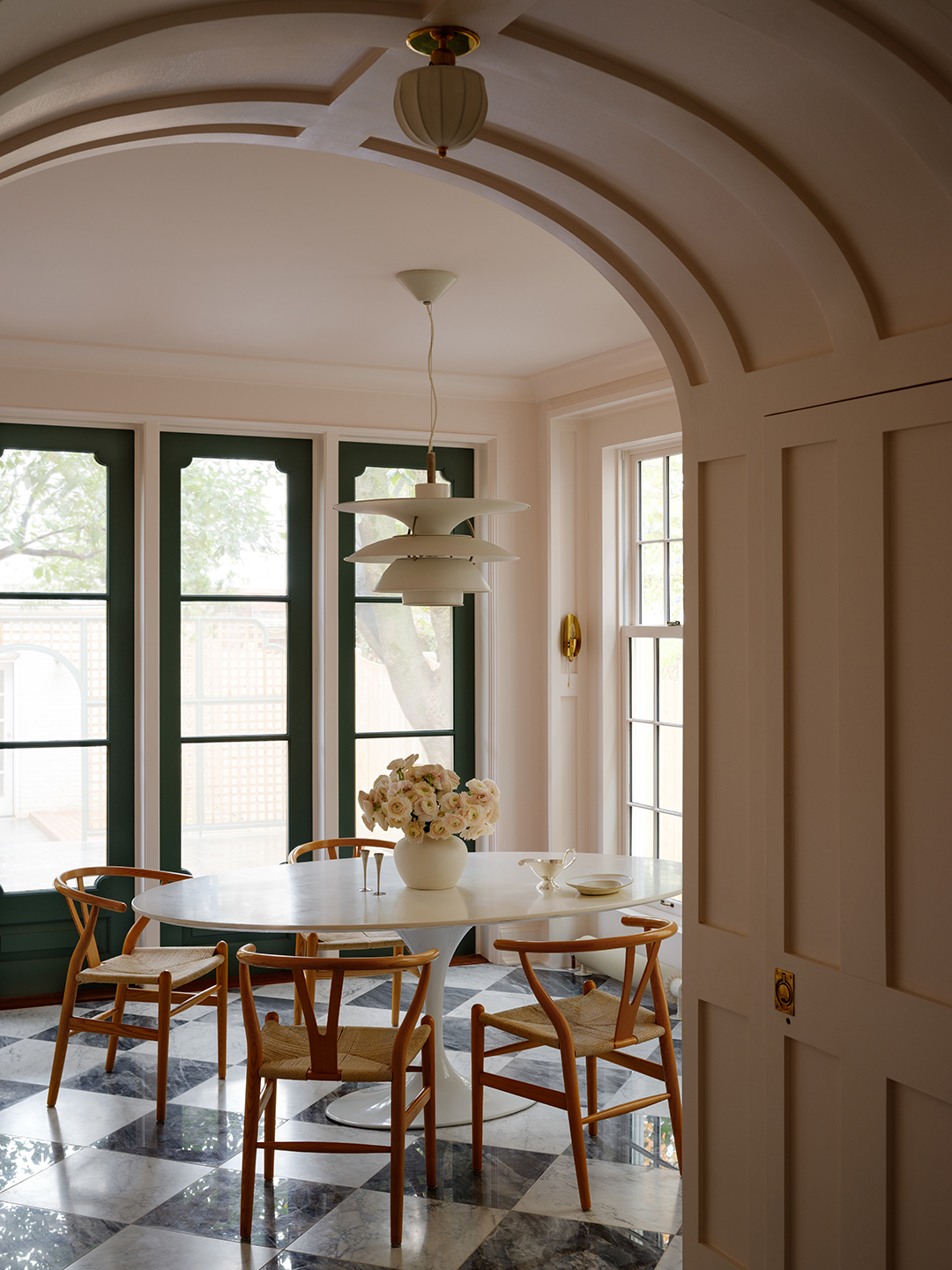
There was a lot of back-and-forth about the best light fixture to use over the sink, given whatever they chose had to work with the original ceiling medallion. A Victorian fixture felt too fussy, but something overly contemporary felt like a misstep, too. He found a sweet spot in pieces from the 20th century, pairing.an orbital chandelier from 1stDibs with vintage Czech flush mounts throughout. “I despise can lights, and punching a bunch of holes in this historic home didn’t feel right,” he says. “The light is better diffused through these flush mounts, casting fewer shadows and creating more of a glow.”
To lighten up a corner of the kitchen, the owners commissioned a yellow larder designed by Potts and built by close friend Adam King of Arcadia Restorations, who drove the finished piece down from Vermont himself when it was ready. King also crafted the doors to the backyard. “We sought out a lot of artisans during this project,” Potts says. “It was important to make this home feel special, and a lot of that came down to the details.” Now, the space is staged for a crowd, but made for one grateful family.