

We may earn revenue from the products available on this page and participate in affiliate programs.
Baseboards are a standard component of every space but unless they’re noticeably terrible, they’re also forgettable. But to a creative DIYer like Drew Michael Scott of Lone Fox, this overlooked detail can be transformed into something that makes your home memorable—without major construction.
“Ripping out and replacing baseboards can seem really daunting, which is why I love my hack,” he says. Scott’s trick in a nutshell: He stacks a piece of trim either directly on top of an existing baseboard (or slightly higher) and then paints everything to make it all look cohesive. It’s a bit of an optical illusion for heightened architectural flair.
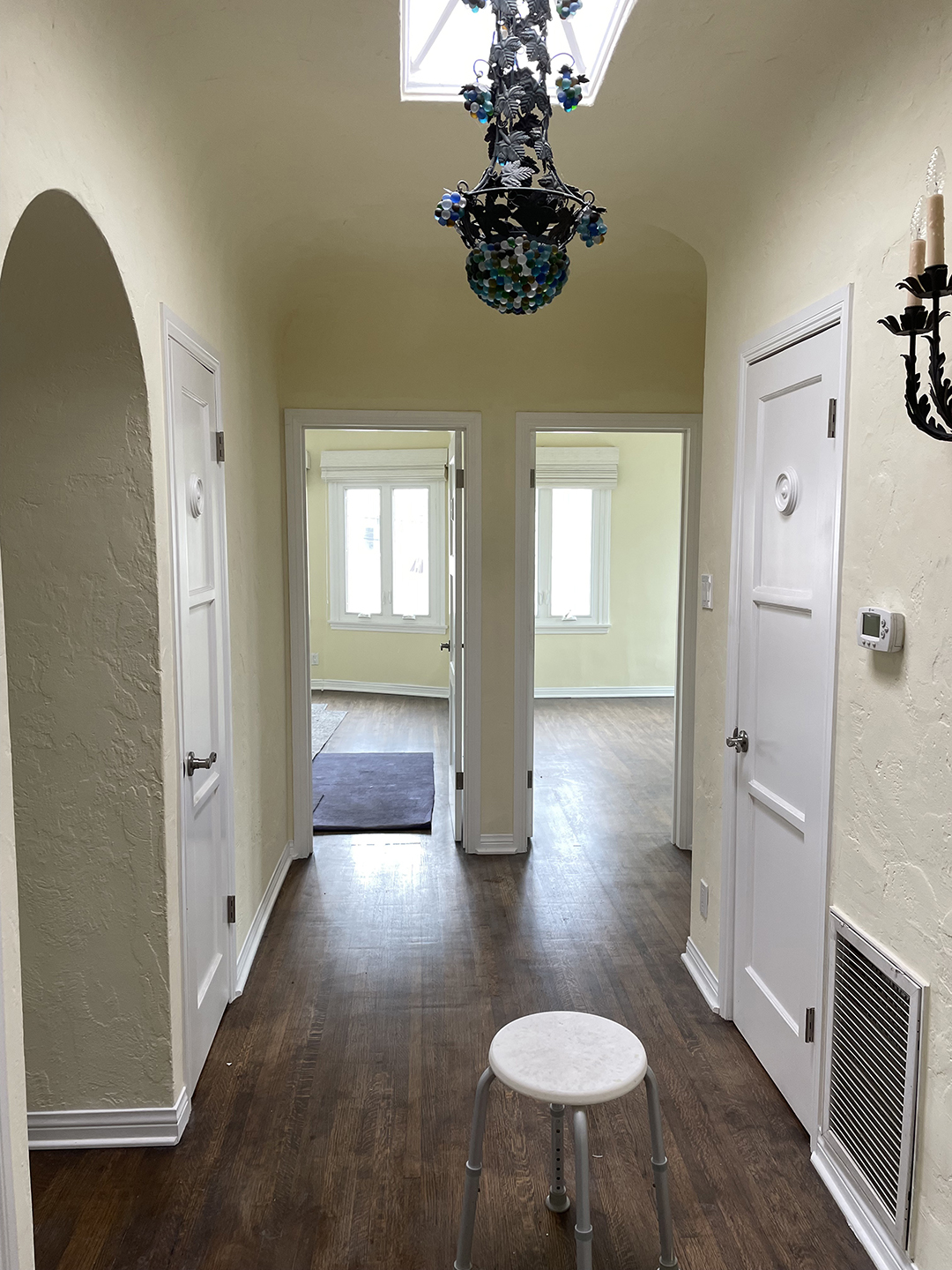
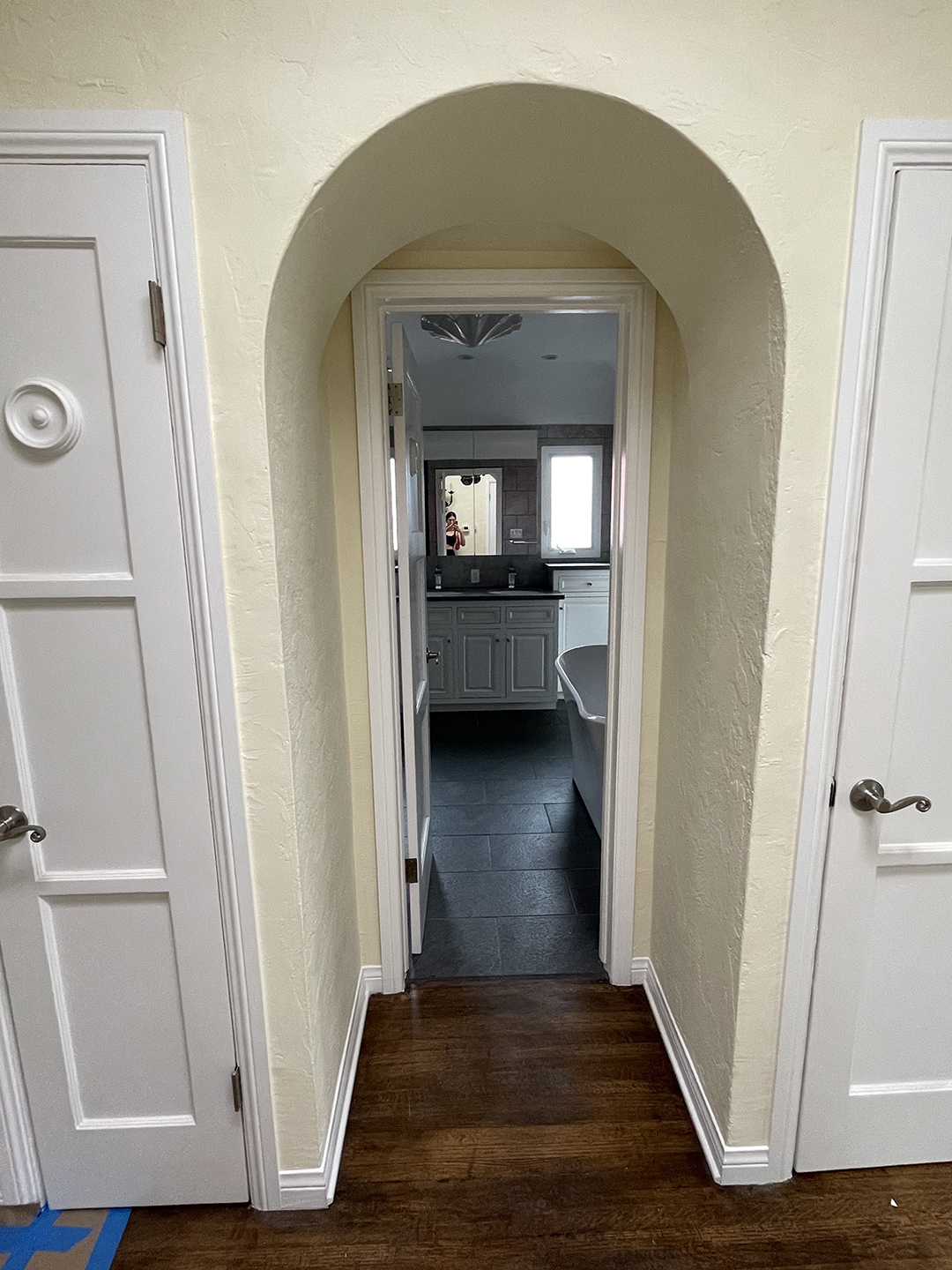
Luckily for the rest of us, “it sounds much harder than it is!,” he adds. If you give this idea a go, the small glow-up could make a big difference in your room or hallway’s overall appearance. Here’s his step-by-step for giving your baseboards more oomph.
Gather Your Tools
There are two ways this project can go, depending on the tools you have. A more experienced DIYer who has a heavy-duty miter saw and a brad nailer could use those. But if you’re a beginner, Scott thinks you could get by with miter shears, a hammer, and nails.
You’ll have to cut the molding yourself since every space is different. “You might be able to find flexible trim online that can be cut with scissors, but honestly, that would probably end up being more complicated than just using a miter shear,” Scott notes.
Pick Your Trim
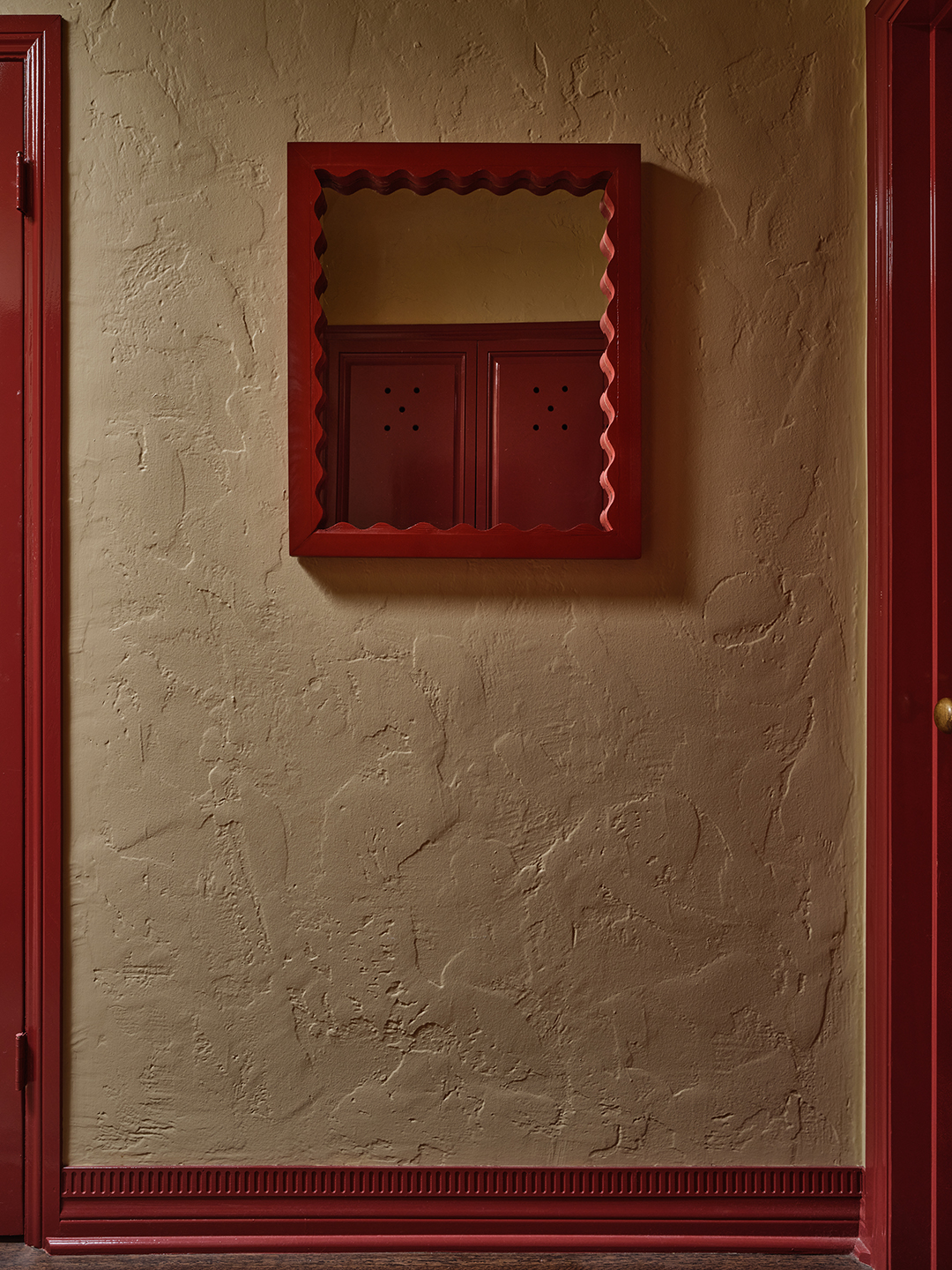
The trim you choose for this project is a personal preference, but Scott suggests playing off the existing baseboards—that’ll help you cut the trim in a complementary fashion. “The trim can be quite thin and still make a big difference,” he says. “If you’re using miter shears, MDF or PVC are the easiest materials to cut. Pine works too, but stay away from hardwoods like oak.”
Put It All in Place
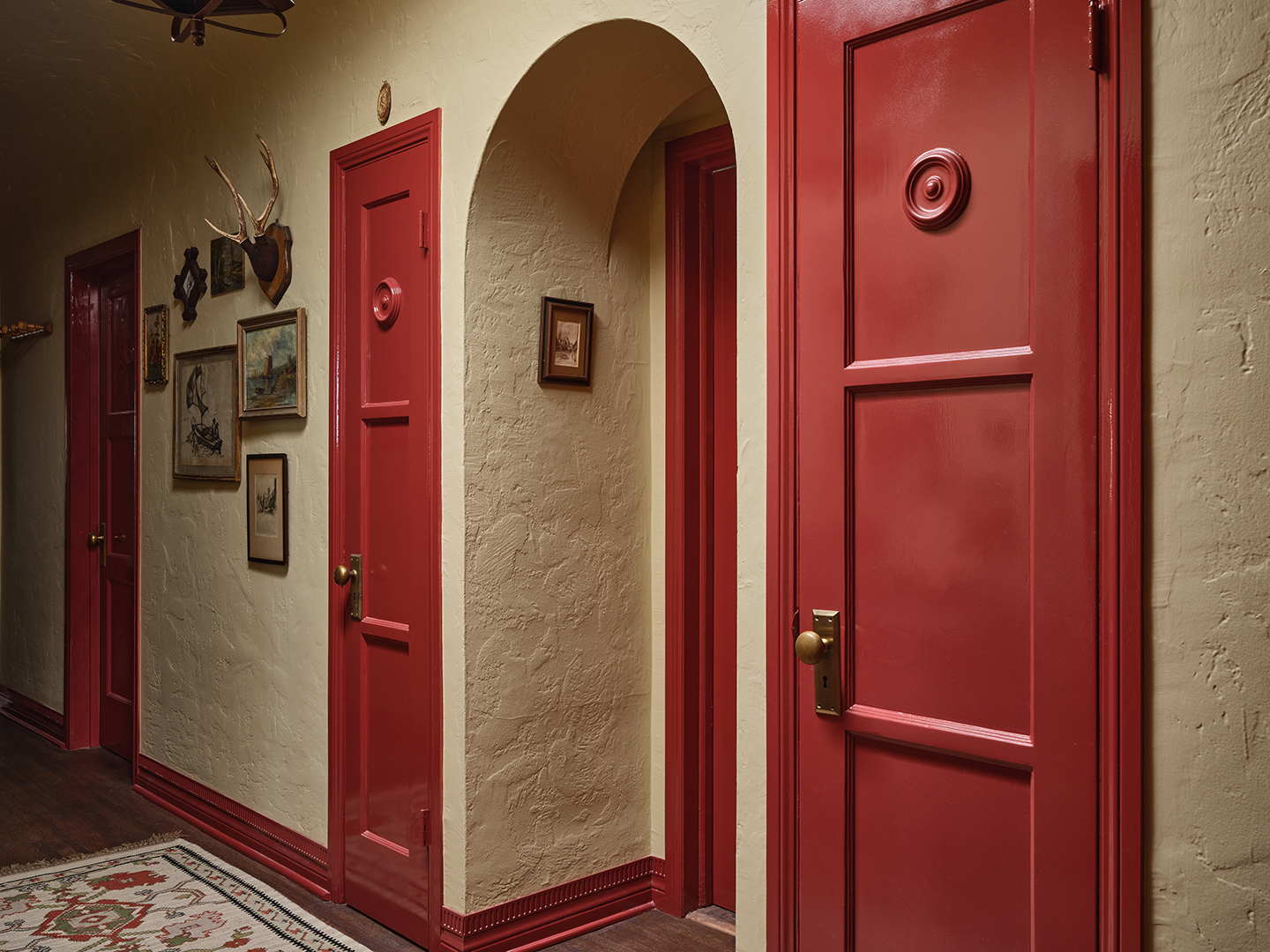
Wherever you decide to set your trim above your baseboard is also up to you. The higher you go, the larger the effect. “Six inches is a good place to start,” Scott says. “For example, if you have a three-inch baseboard, you could stack another three-inch board on top.” Attach the trim using a few nails, and then caulk the seams and the top edge for a clean finish. “Cut only the tiniest hole in the caulk tube at an angle, and smooth it out with a wet wipe wrapped around your pointer finger,” Scott recommends. Try to swipe in one continuous motion, and take your time.
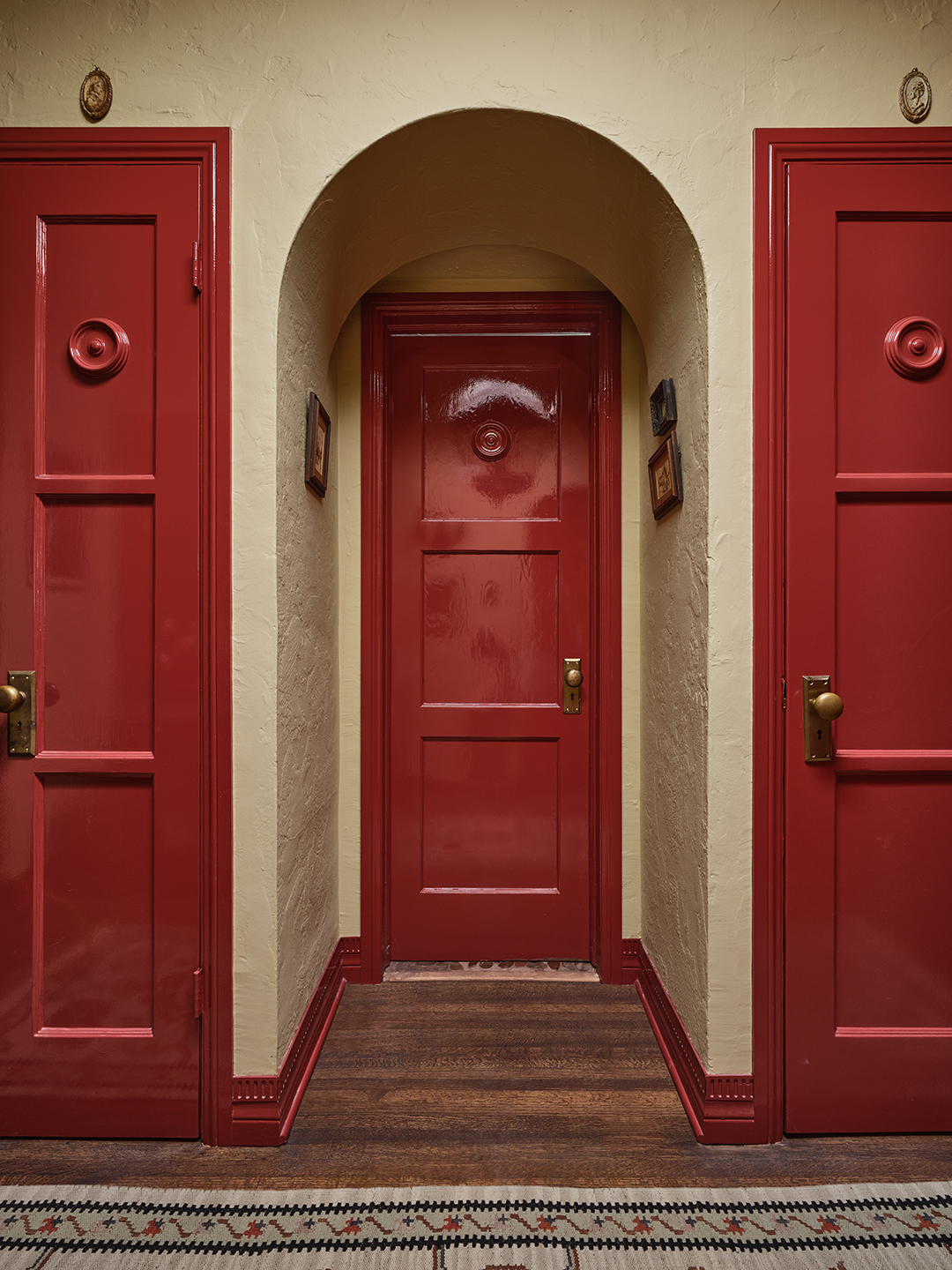
Once the caulk has dried, it’s time for paint. As a show of confidence, consider leaning into a heavy contrast that’ll make your DIY a standout feature. “Semi-gloss or satin finishes are traditionally used for baseboards because they’re easy to wipe clean but I still prefer a flat finish—you just might have to do an occasional touch-up,” he shares. “The paint also helps everything adhere a bit more.” Trust us, you’ll want this style to stick.