

We may earn revenue from the products available on this page and participate in affiliate programs.
Once relegated to drapery tiebacks and throw pillows, tassels are officially breaking free. Lately, they’ve taken on new forms, scales, and materials: doubling as metal table legs, showing up in sculptural iterations, even trompe-l’œil’ing their way into wall treatments. It’s a detail that adds movement, softness, and a hint of old-world romance without feeling too precious.
Case in point: Jeremiah Brent recently called out a fringed flourish as one of his favorite design moments of the year (more on that ahead). Our takeaway? Tassels have moved from frill to focal point. Below, four ways designers are using these decorative details and how to make them feel modern in your own space.
Use It on the Walls
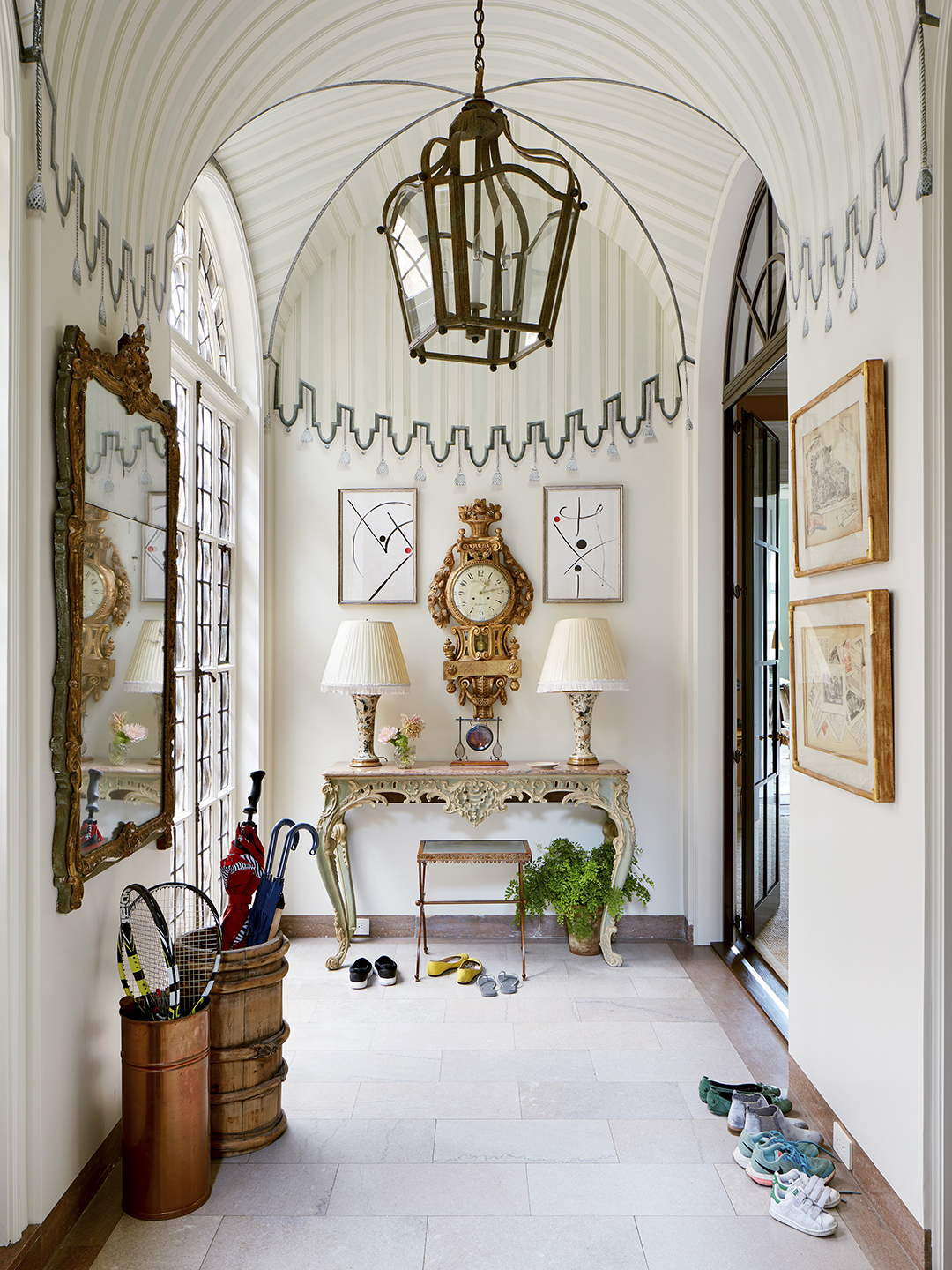
Designers are increasingly playing with painted cords and fringe-inspired motifs on the walls, referencing historic interiors while still keeping things fresh. Wallpaper patterns can be subtle and repeatable, like Schumacher’s Villa Panel, or full maximalist, like MINDTHEGAP’s Grand Suite Keys adorned with colorful detailing that channels the glamorous nostalgia of a vintage-themed hotel or the Orient Express.
You can also go hand-painted for a more bespoke route. Take Atlanta-based painter Hayden Gregg’s “tented” motifs, which nod to the whimsical circus aesthetic currently on the rise. Whether through wallpaper or paint, tassels on the wall introduce drama that feels intentional rather than overwhelming—perfect for nurseries, powder rooms, or anywhere you want a little extra magic.
Loop One Onto A Door
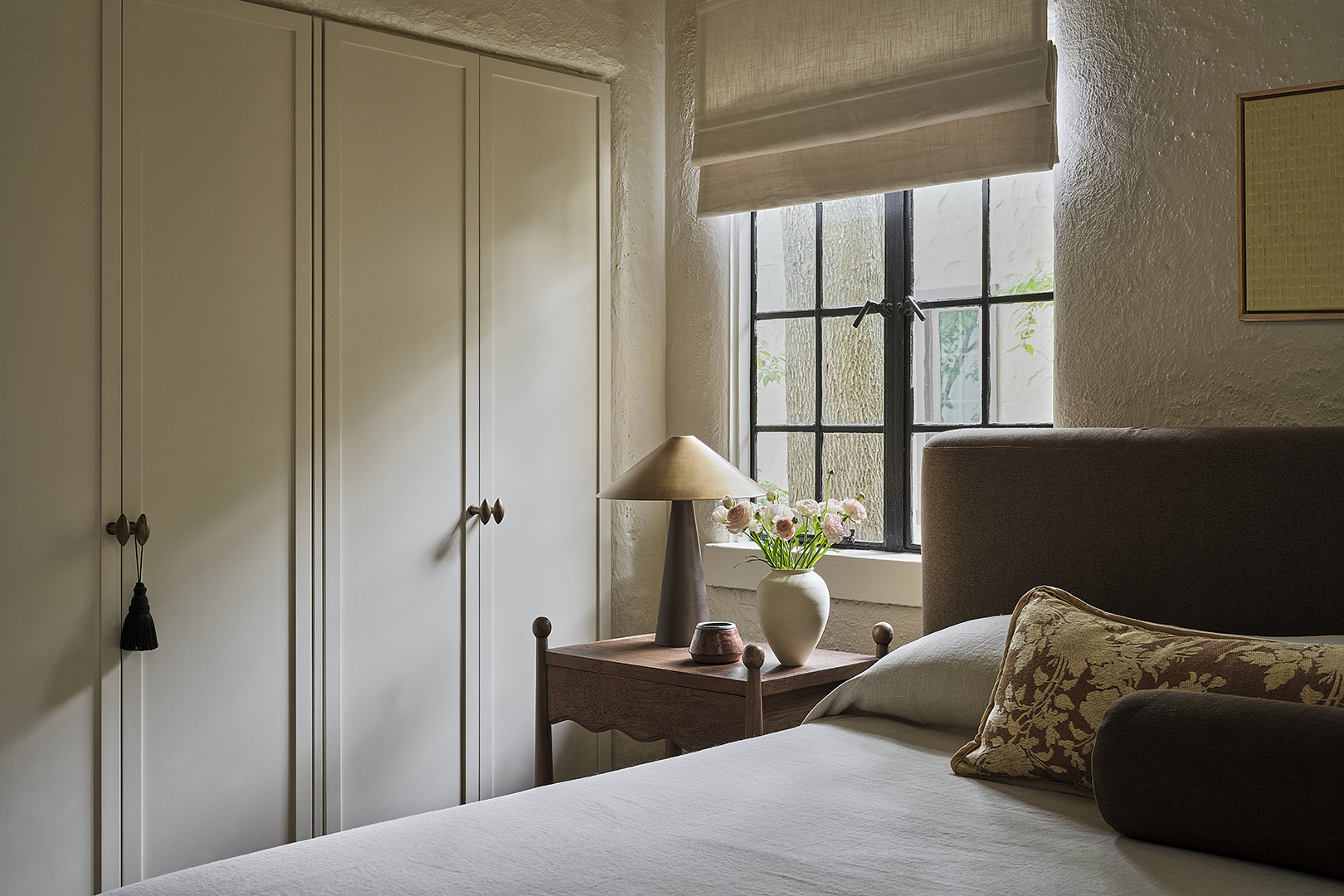
In an Upstate New York before-and-after moment, interior designer Nicole Arruda replaced her standard mirrored closet with Shaker-style swing doors finished with tassels—a small move that instantly softens the look. She also doubled down in the guest space by introducing an antique wardrobe for extra storage, again adding some flair to the door pull. It brings a touch of personality that makes the piece feel thoughtfully styled, especially in a bedroom or dressing area.
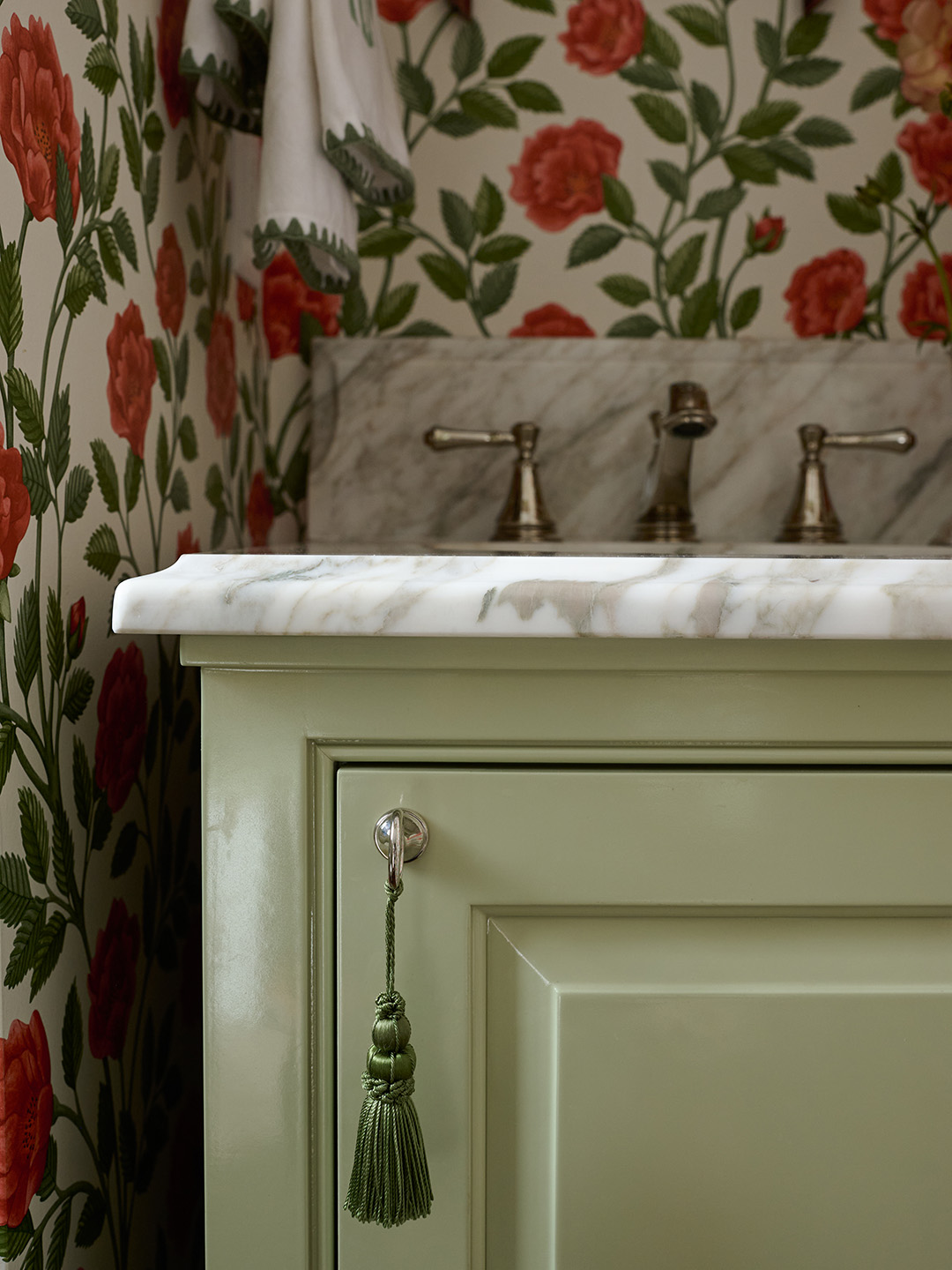
Swapping traditional knobs for a cluster of cords is another simple move that instantly adds texture. Interior designer Jenna Chused pulled it off seamlessly with a pair of pulls on this mid-century Swedish cabinet.
Hang Them on Picture Molding
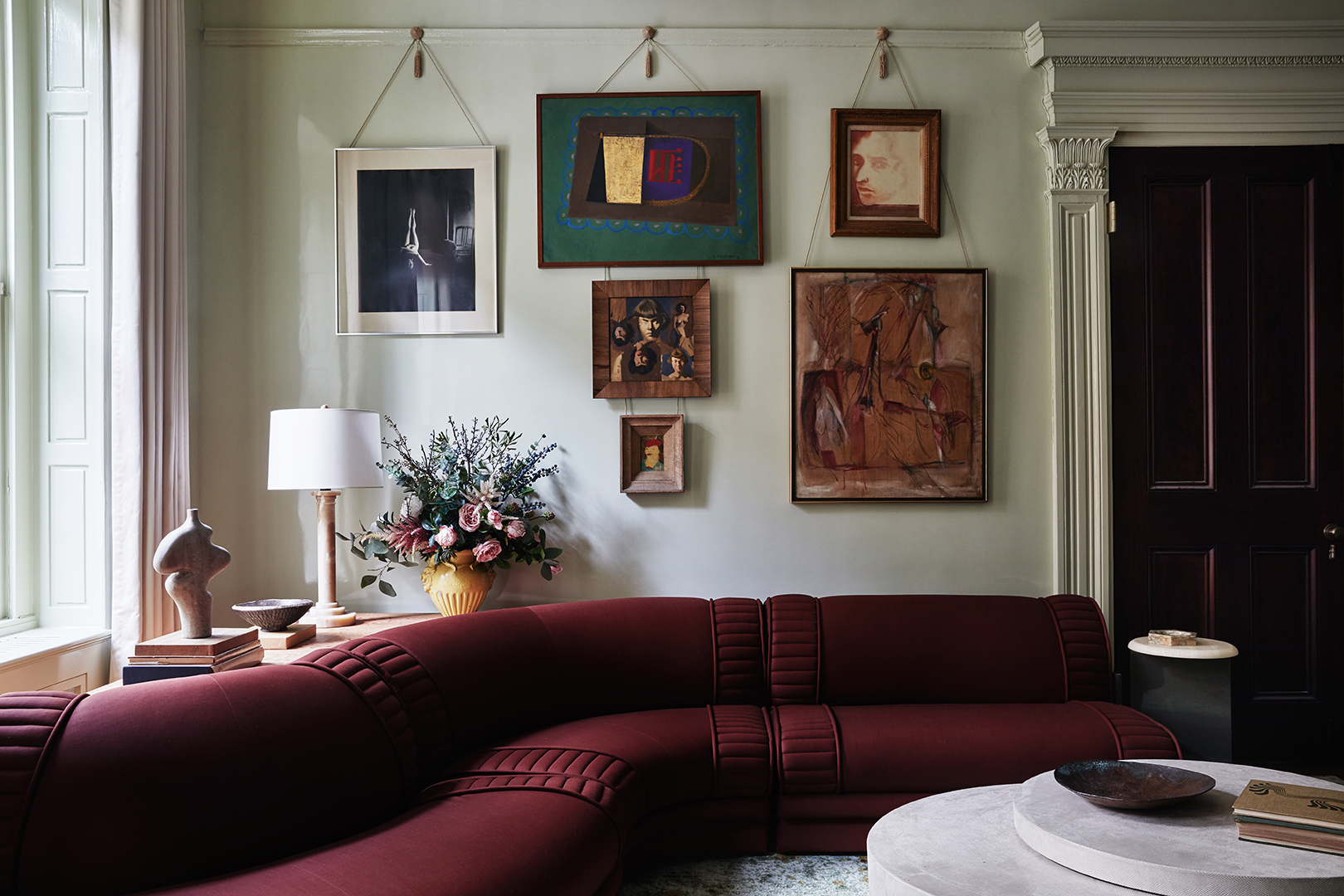
Picture rails were once purely pragmatic, but a little fringe gives them a second life. Hung from hooks or draped along molding, these tactile accents add visual rhythm, whether standing alone or layered alongside art, as Chused did once again with her gallery wall at the Brooklyn Showhouse. Think of them as punctuation: breaking up symmetry and giving the space something to say.
Use It As A Stair Bannister
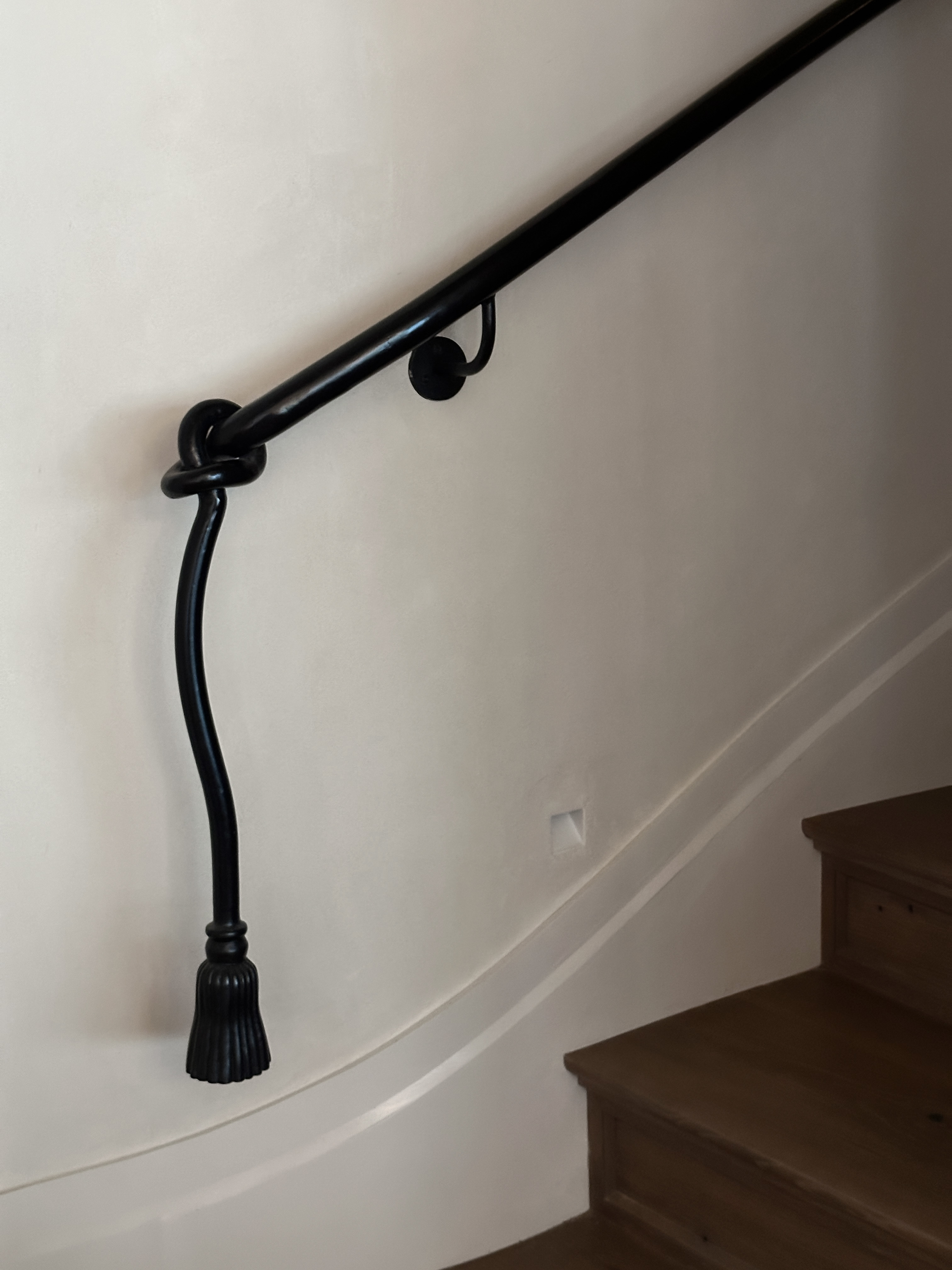
Getting back to Brent’s fave, this custom-crafted iron banister is a masterclass in adding movement while staying completely grounded. It’s also a refreshingly practical flourish: unlike its upholstery or textiles counterparts, this doesn’t require any special cleaning and will never fade. Designer Athena Calderone has also swooned over versions where corded details appear almost seamlessly attached to the ends of angular banisters, blurring the line between ornament and construction. One look, and suddenly every staircase feels a little underdressed.