

We may earn revenue from the products available on this page and participate in affiliate programs.
Open-concept layouts, which gained considerable traction in the mid-20th century and exploded in the 1990s and early 2000s, promised better flow, more light, and seamless entertaining. Over the past few decades, reality renovation shows have gleefully chronicled taking sledgehammers to the walls of dated homes. But post-pandemic living has complicated the picture. Suddenly, a door you can shut for a Zoom call, a loud play date, or a sink full of dishes feels like a luxury. Is bigger and breezier better or has the era of the great room peaked?
To take the temperature from the pros, we asked six designers to weigh in on the great floor-plan debate: do you prefer the open-concept or closed-concept home?
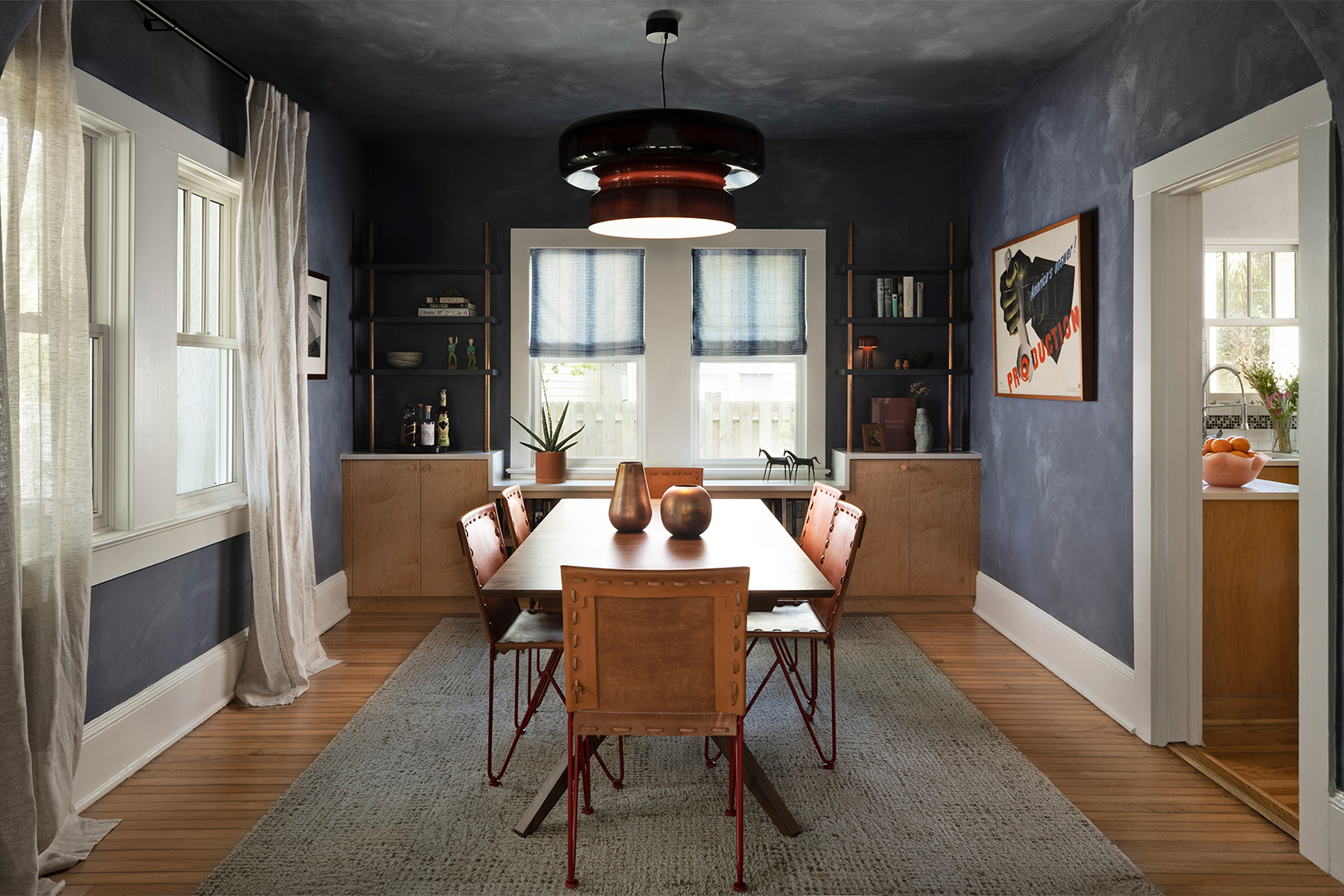
We are in favor of closed-concept homes because they allow us to realize an immersive design point of view in each space, which might not be possible in an open concept. While we know there is a time and a place for open-concept (we are fans of honoring the architecture if it calls for it), a closed concept is cozy and allows for more creativity. —Chelsey Cox and Rachel Rector, Chinotto House Interior Design
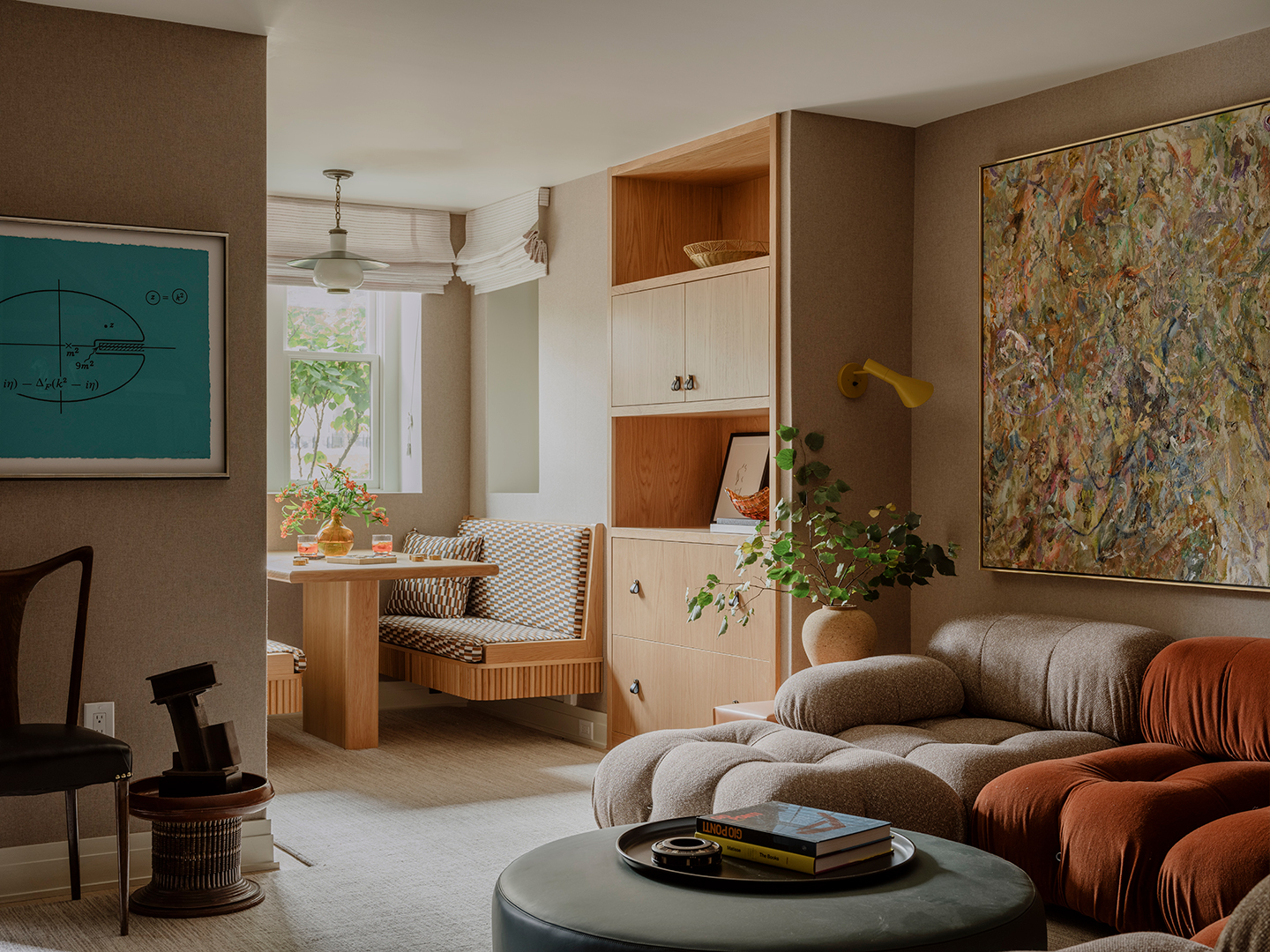
While open-concept living has its place, I’ve always believed that a home should unfold in chapters, not one continuous sentence. Defined rooms create a sense of intimacy and intention; they allow color, pattern, and mood to shift from space to space in a way that feels layered and emotionally resonant. When everything is open, you often lose the opportunity for contrast and surprise. I’m far more interested in designing homes that feel collected over time, where a moody dining room can coexist with a light-filled sitting room, and each space supports a different rhythm of living. That said, it’s never about being dogmatic. I love a thoughtful opening between rooms—cased thresholds, steel-framed doors, or wide passages that maintain flow while preserving a sense of place. The goal is balance: connection without sacrificing character. —Zoë Feldman, Zoë Feldman Design
We generally prefer to create some sense of separation of space, even in more modern or open-floor plan homes. It’s essential to give identity to each room, to create a mood and a function. We love creating in and out breaths within the home, as you go from a cozier or moodier space into a more airy, open room. —Austin Carrier, Hommeboys Interiors
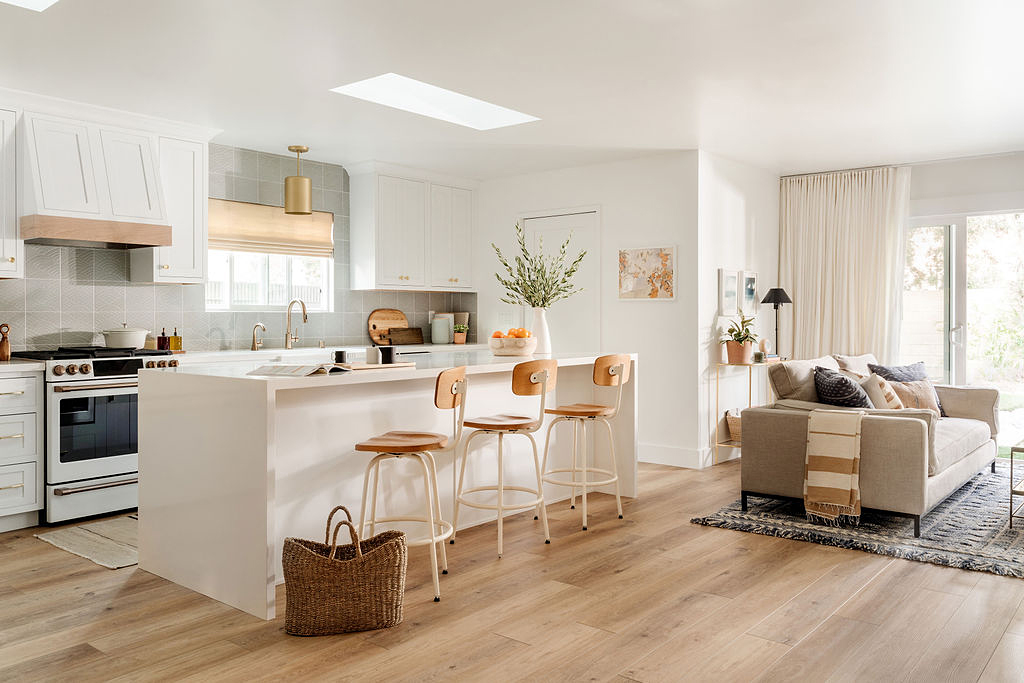
I don’t believe in an open concept as a blanket rule. I believe in intentional openness. In smaller homes, removing walls can dramatically improve light flow, visual continuity, and perceived spaciousness, all of which support a more regulated, grounded experience. In my book Grounded Living, I discuss the biophilic design concept of prospect and refuge. It explains our innate desire to experience openness (prospect) while still feeling a sense of containment and safety (refuge). In larger homes, excessive openness can create acoustic echo, visual overstimulation, and a lack of spatial hierarchy. Without subtle boundaries such as shifts in lighting, ceiling height, materials, or defined zones, an overly open space can feel disorienting rather than restorative.
Open spaces work best when they balance flow with structure. That means defining zones with lighting, rugs, ceiling detail, or furniture placement so the eye and body understand where to gather, cook, rest, and focus. —Anita Yokota, Anita Yokota Design
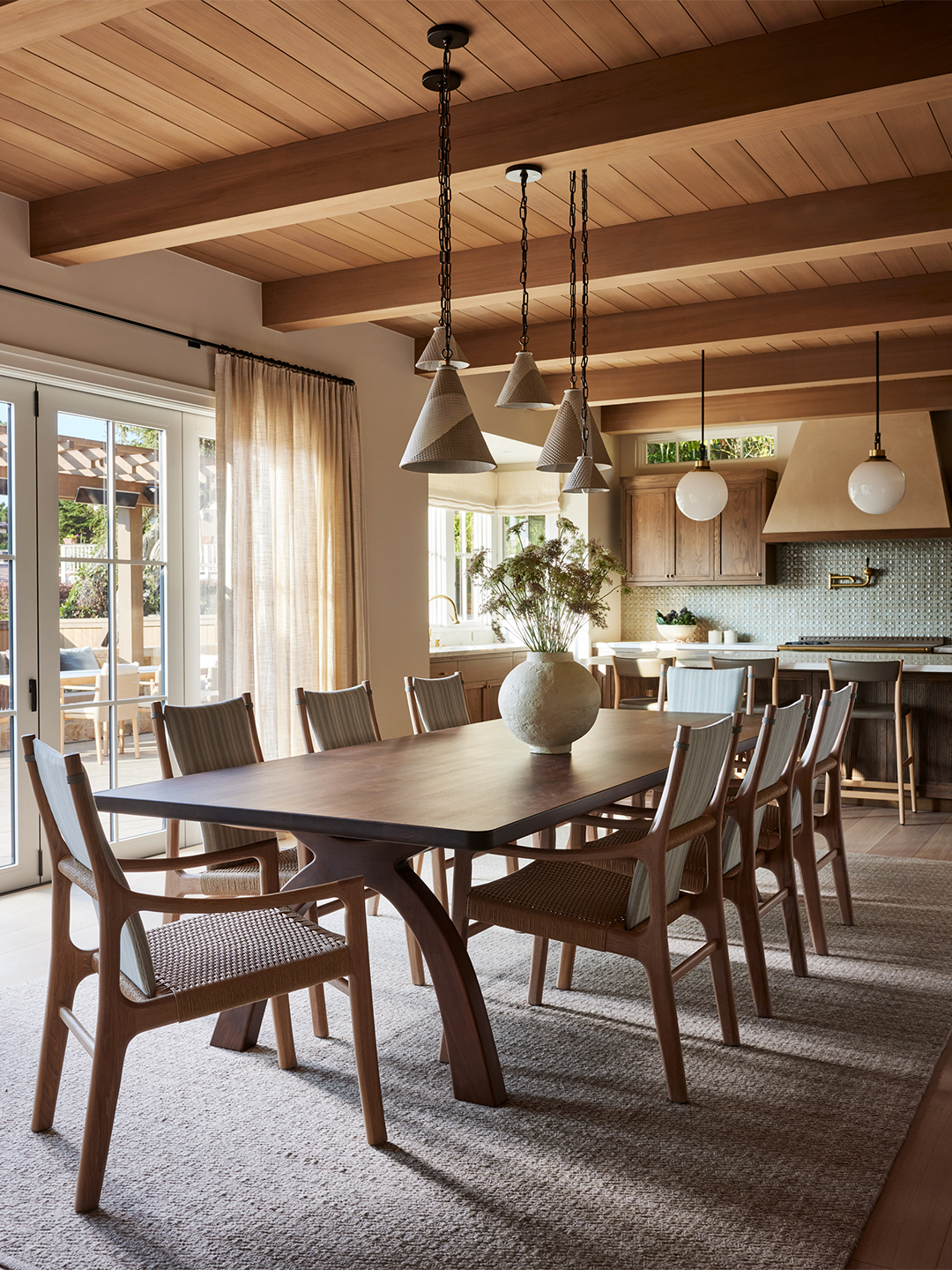
The challenge with an open-concept home is that you want each space to have its own identity and an inviting sense of warmth. Many early open-concept homes were cold with white walls, and there was nothing that held spaces together as you went from room to room. However, you can tie rooms together with a unifying element that allows them to feel cohesive, yet distinct. —Kristen Peña, Kristen Peña Interiors