
We may earn revenue from the products available on this page and participate in affiliate programs.
There’s a running joke between architects and interior designers: A designer will splurge on a stunning antique sconce or sculptural chandelier, and the architect will chime in, “Sure, it’s pretty, but does it actually light up the room?”
It’s a question architects Serene Kim and Elliot Meier kept coming up against on job sites—so often, in fact, they started designing custom fixtures themselves. “I’ve been making light fixtures for projects for over 10 years,” Meier says.


This past May, the duo made things official with Equal Equal, a new lighting studio that offers made-to-order pieces dreamed up by the architects and shipped straight to your door. Named after the architectural symbol for equidistant length (EQ, for short), Equal Equal brings Kim and Meier’s exacting mindset to two collections—the Frankie and the Vianne.

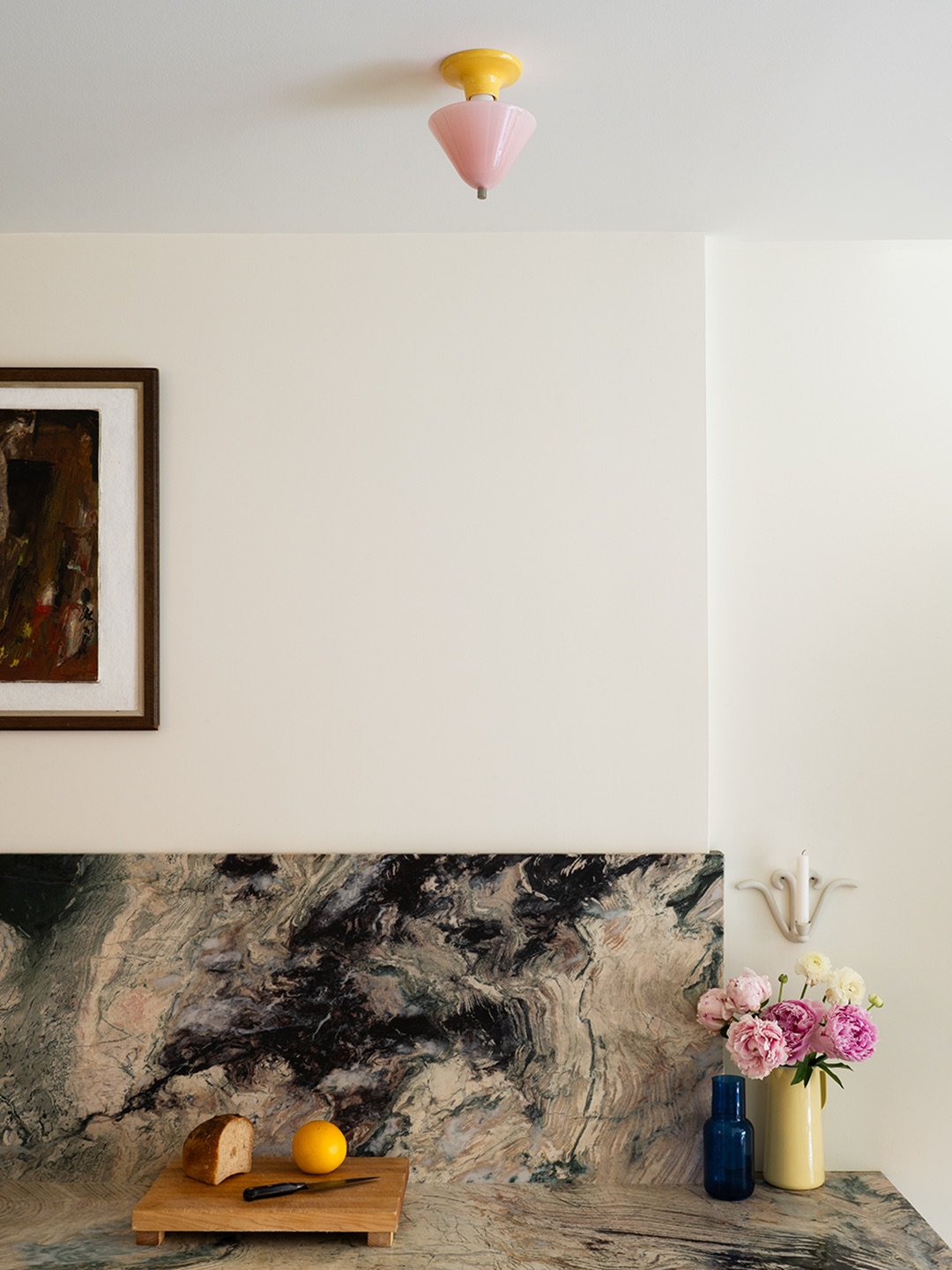
The classic Frankie lights ($240) feature ceramic bases that are pressed and glazed in their New York City studio and are available in 18 color-and-glaze combinations. Part of the Frankie collection, the Sena light ($780) consists of a Frankie light base topped off with a hand-blown glass shade, which makes for fun color pairings.
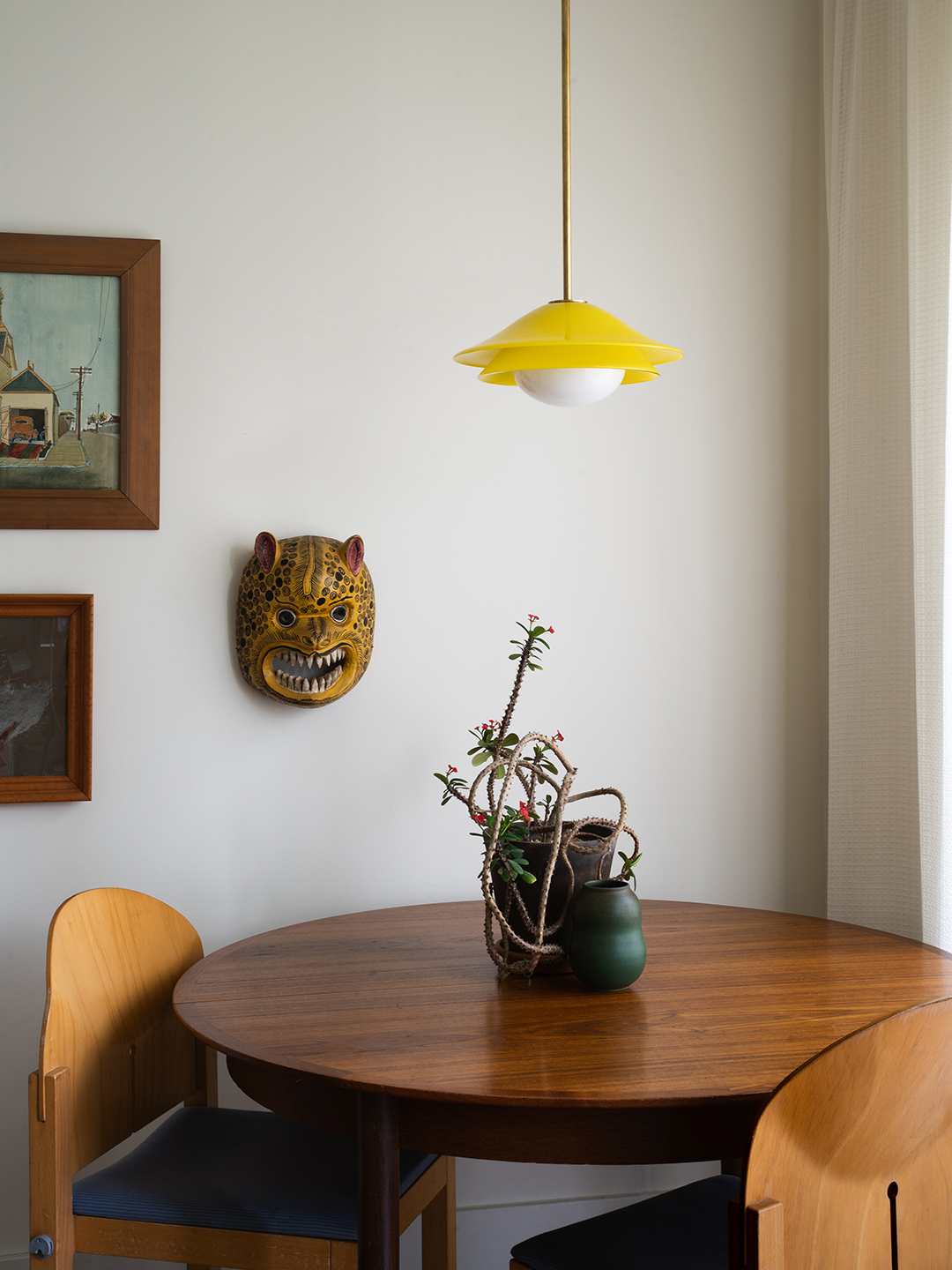
The Jessica pendant (from $2,800) nods to the vibrant glasswork of a 1920s French collective known for their bold hues and distinctive silhouettes. The glass is produced to order at Brooklyn’s KEEP studio, then assembled by Kim and Meier, who pair each piece with warm, contemporary hardware.

The colorful fixture is designed to feel just as at home above a wood dining table as it does floating against a tiled bathroom wall. Meier affectionately compares its role to that of a film’s supporting character. “An award-winning supporting actor, though,” he adds.
While a pink-and-yellow sconce might seem like a bold choice for a white-walled hallway, Kim and Meier encourage their clients to keep an open mind. “We want to show that color accents don’t have to be loud to make an impact,” Kim explains. “Sometimes the most unexpected combinations feel the most harmonious.”