
We may earn revenue from the products available on this page and participate in affiliate programs.
I have a habit of buying fresh herbs with the best of intentions, usually for a single recipe that calls for a few sprigs of basil or parsley, only to watch the rest wilt away in the fridge a few days later. Considering how expensive those small plastic clamshells have become, tossing them feels like throwing money away. I’ve tried to break the cycle by growing my own herbs in indoor planters, but the results have been frustrating—drooping leaves, stalled growth, and plants that rarely last more than a few weeks. So when the Oslo, Norway–based company Auk sent me their Auk Mini, the so-called “first open-system smart garden” to test, it felt like a chance at redemption. The name itself is a nod to this goal: Auk comes from the Norwegian word matauk, meaning “to harvest from nature.” Could a thoughtfully engineered indoor growing system finally keep my herbs thriving? Spoiler alert: Yes!
Thoughtfully Made—and Quiet
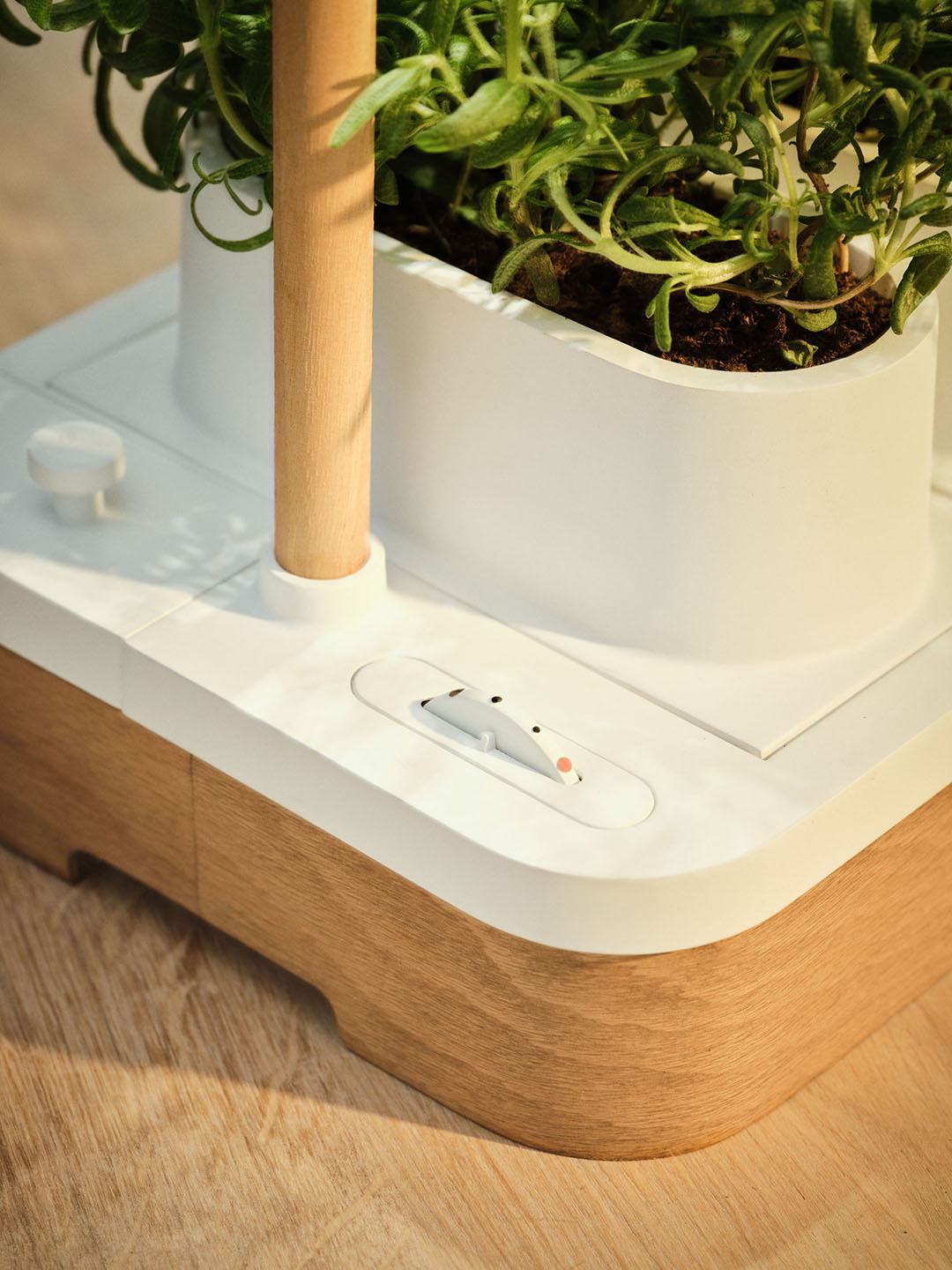
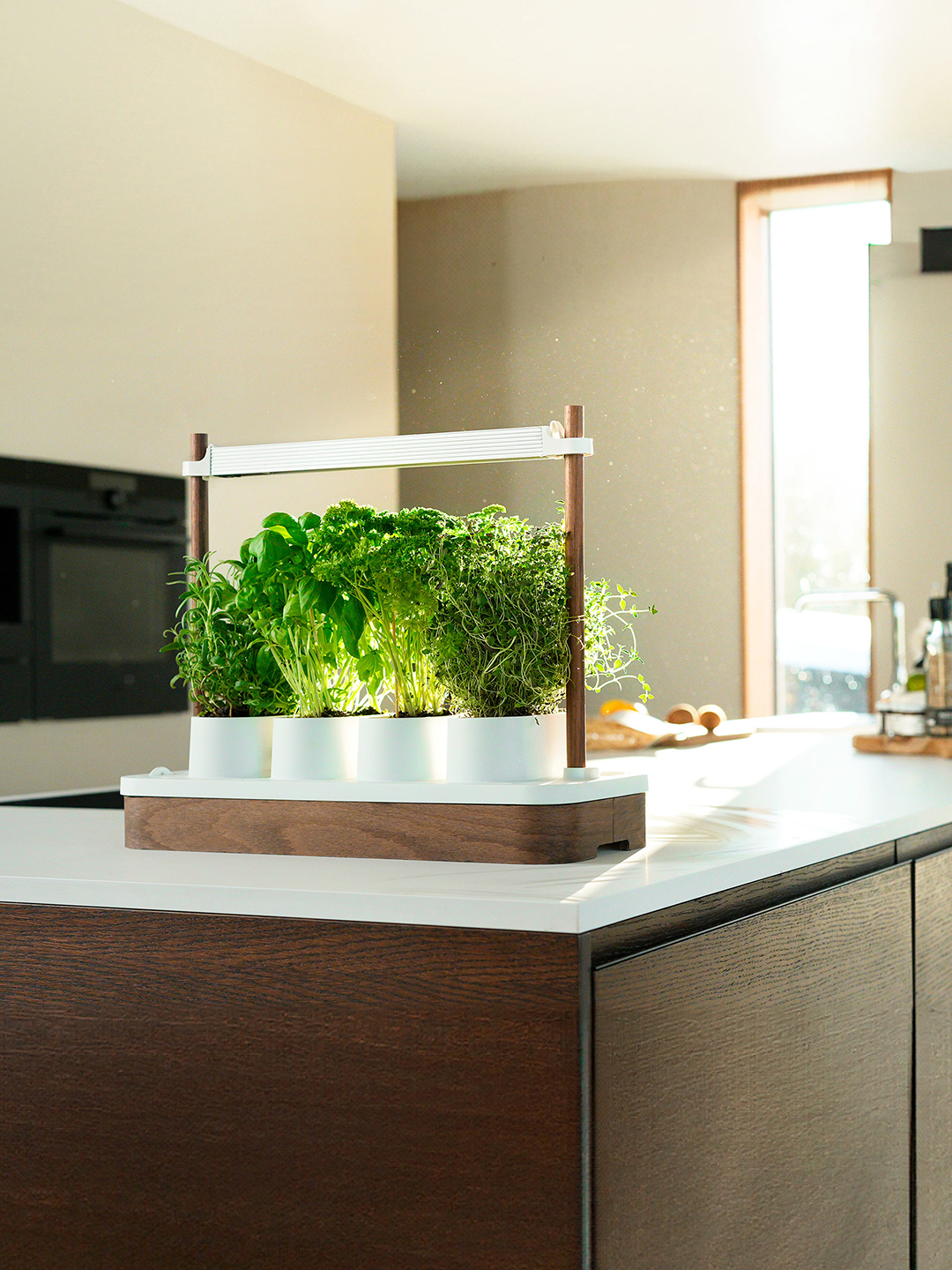
With a distinct warm minimalism, the Auk Mini feels more like a well-designed kitchen accessory than garden equipment. “When creating this product, we asked ourselves, ‘Why can’t growing plants at home feel intuitive and beautiful?’” says Jostein Kvitvang, the COO of Auk. The base is created out of cork, oak, or walnut, while the planter portion (including the four planting cups where the seeds are placed), is made from recyclable ABS plastic and comes in black and white. The light bar is crafted from aluminum, and the vertical poles are made from solid oak, giving the unit an elevated quality that stands apart from your typical plastic hydroponic systems.
At 17.8 inches long, 8.3 inches wide, and 14 inches high, it’s about the size of a large coffee maker and you’ll need a place to park it. The unit has only one annoying design drawback, in my opinion: a 70-inch cord. I keep the planter in the center of my kitchen table and the relatively short cord barely reaches my wall outlet (family members have to lift the taut cord to slide into the room’s banquette seating). If your outlets aren’t conveniently placed, you may need to position the planter closer to the wall or use an extension cord. But the tradeoff is that the system is entirely silent—there’s no need for a pump or noisy motor, things many indoor gardens require. I noticed some customers like to set up shelves on the wall to display their Auk Mini, though according to Kvitvang, there isn’t anything built into the unit for hanging.
Hydroponics Without the Hassle
The planter operates as a passive hydroponic system—water feeds the plants from below, and roots stretch down naturally into the reservoir, eliminating one of the most common indoor plant killers. “Root rot typically happens when roots sit in stagnant, oxygen-poor water,” Kvitvang explains. “This unit uses coco fiber which is cleaner, lighter, and more optimized for indoor growing than soil, allowing oxygen to circulate resulting in healthy roots that can fend off fungi.” An added bonus I found is that the system is also mess-free: no spilled potting mix or drainage trays to manage.
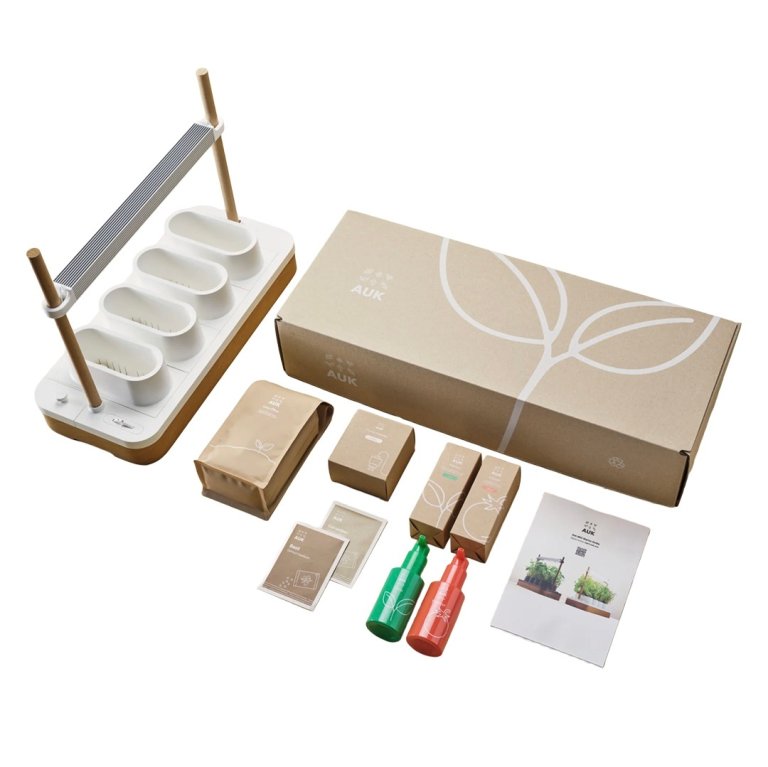
Putting together the Auk Mini took less than five minutes—I simply added the coco fiber, dropped in basil, parsley, sage and oregano seeds, filled the reservoir with water and a few drops of nutrients, and plugged in the light. (All of this, save water, is included.) It took about three weeks for the first sprout to appear. At one point, I wondered if anything was going to come up. However, once the herbs broke the surface, the growth was steady, and I was soon throwing Auk Mini–grown basil on my caprese salad. Unlike popular pod-based systems, the Auk Mini is compatible with virtually any seeds—whether from Auk’s curated collection of herbs, fruits and vegetables including arugula, lettuce, tomatoes and chilies, or your local garden shop. “Our system gives you more freedom to grow what inspires you, without being locked into proprietary seed pods,” explains Kvitvang.
No Daily Watering Required
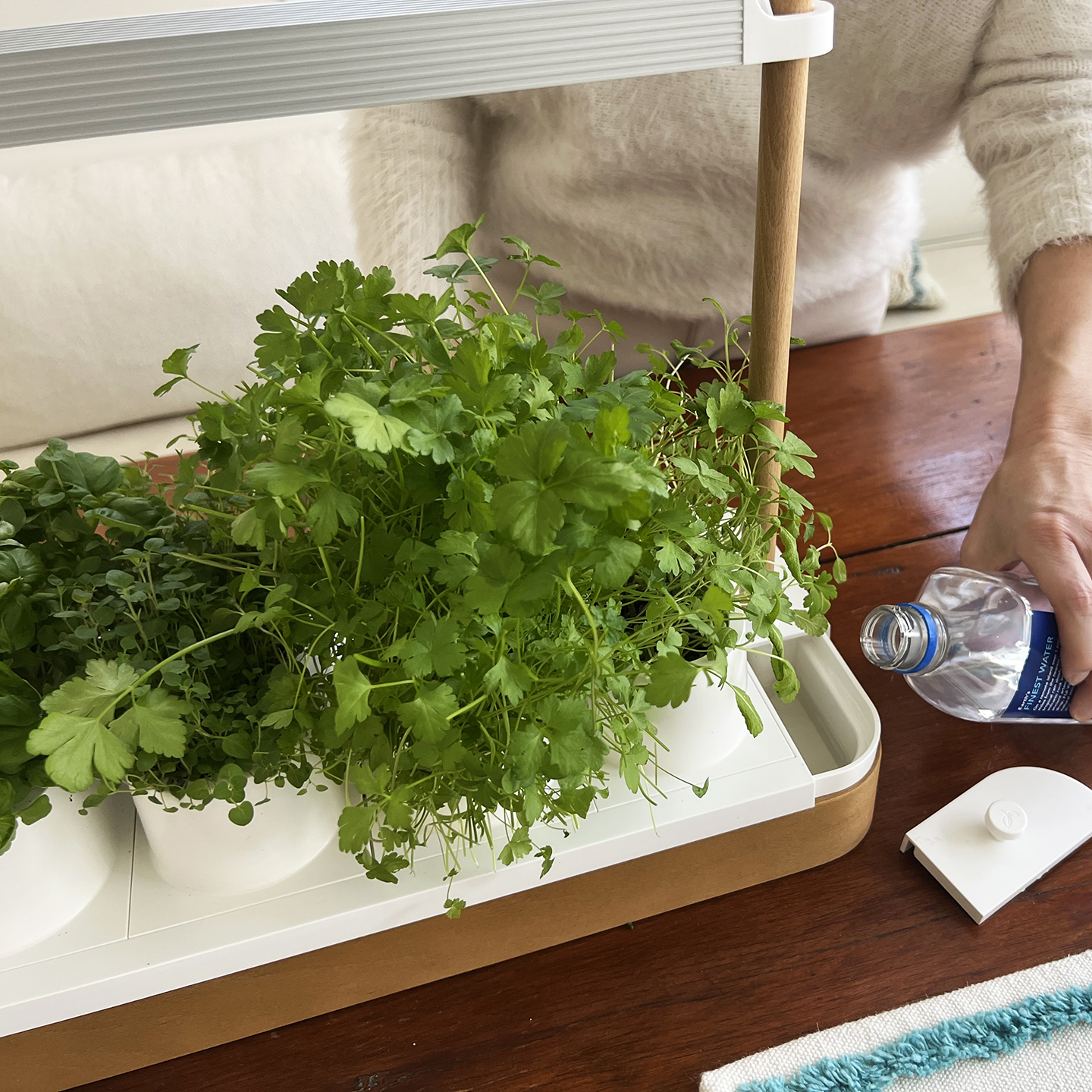
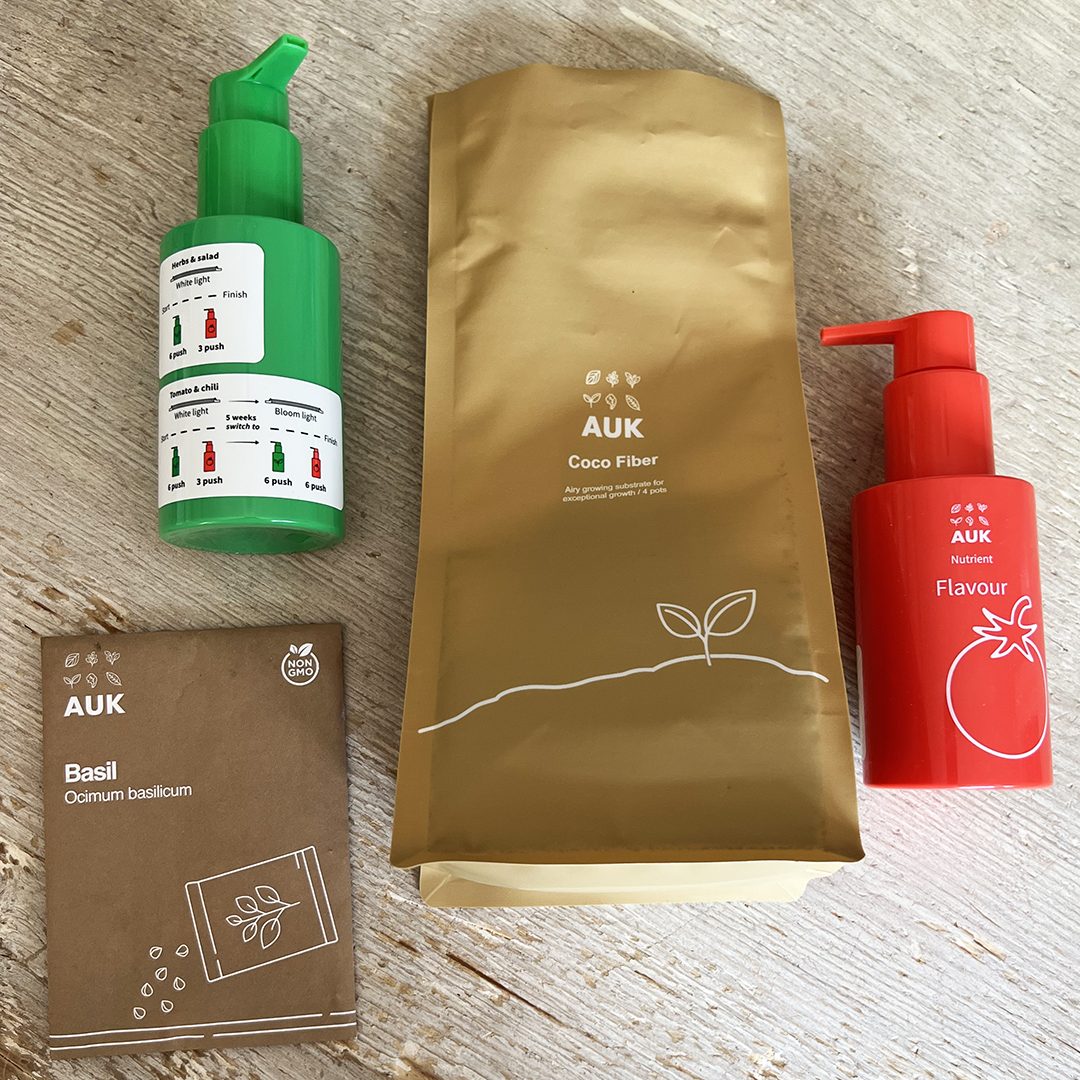
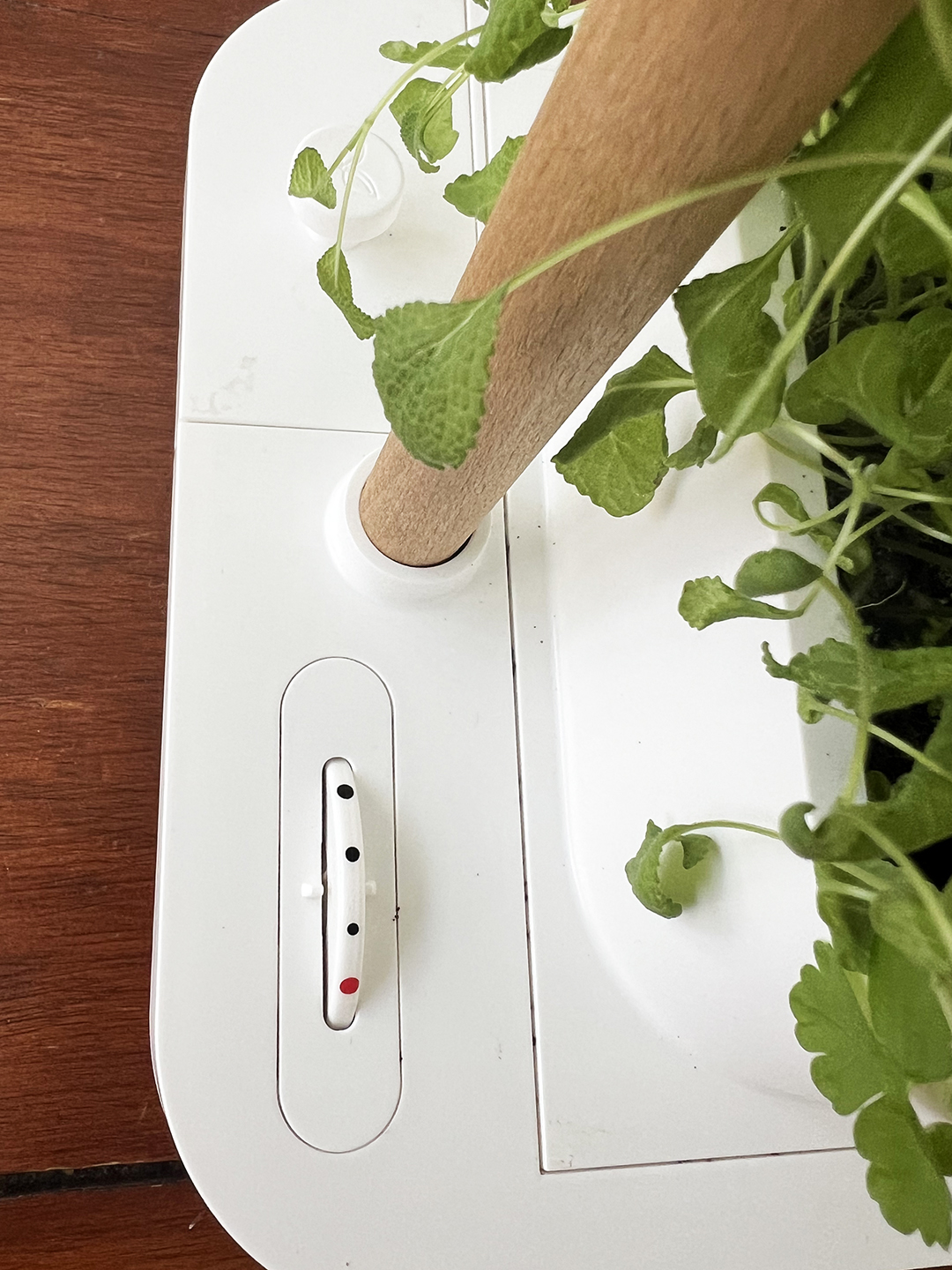
If you’re heading out of town for the weekend, you can simply top off the water reservoir before you leave. Auk says a full reservoir can last up to 9–15 days, though it depends on the size of your plants; as my basil and parsley grew larger, I found myself adding water closer to every four days. There’s a wheel that serves as a water level indicator; it turns to a red dot when it’s empty. Each time you refill the reservoir, you’ll mix in a few drops of the brand’s custom nutrient blend, which contains 14 essential growth elements including nitrogen, potassium, phosphorus, calcium, magnesium and iron.
Coco fiber and two nutrient bottles are included with the Auk Mini, and when you run out you can buy more on Auk’s website ($35 for a bundle of all three items, or $14 for a bag of coco fiber plus $17 each for a bottle of nutrients). The company includes instructions about how many pumps of nutrients your particular plant will need, and adding these to the water reservoir is a fairly easy added plant-care step. In four months of growing herbs in my Auk Mini, I never ran out of nutrients, and I’ll probably buy more when I do—my herbs have been so healthy and vibrant, the cost of the products is worth the result.
Designed to Mimic Natural Daylight
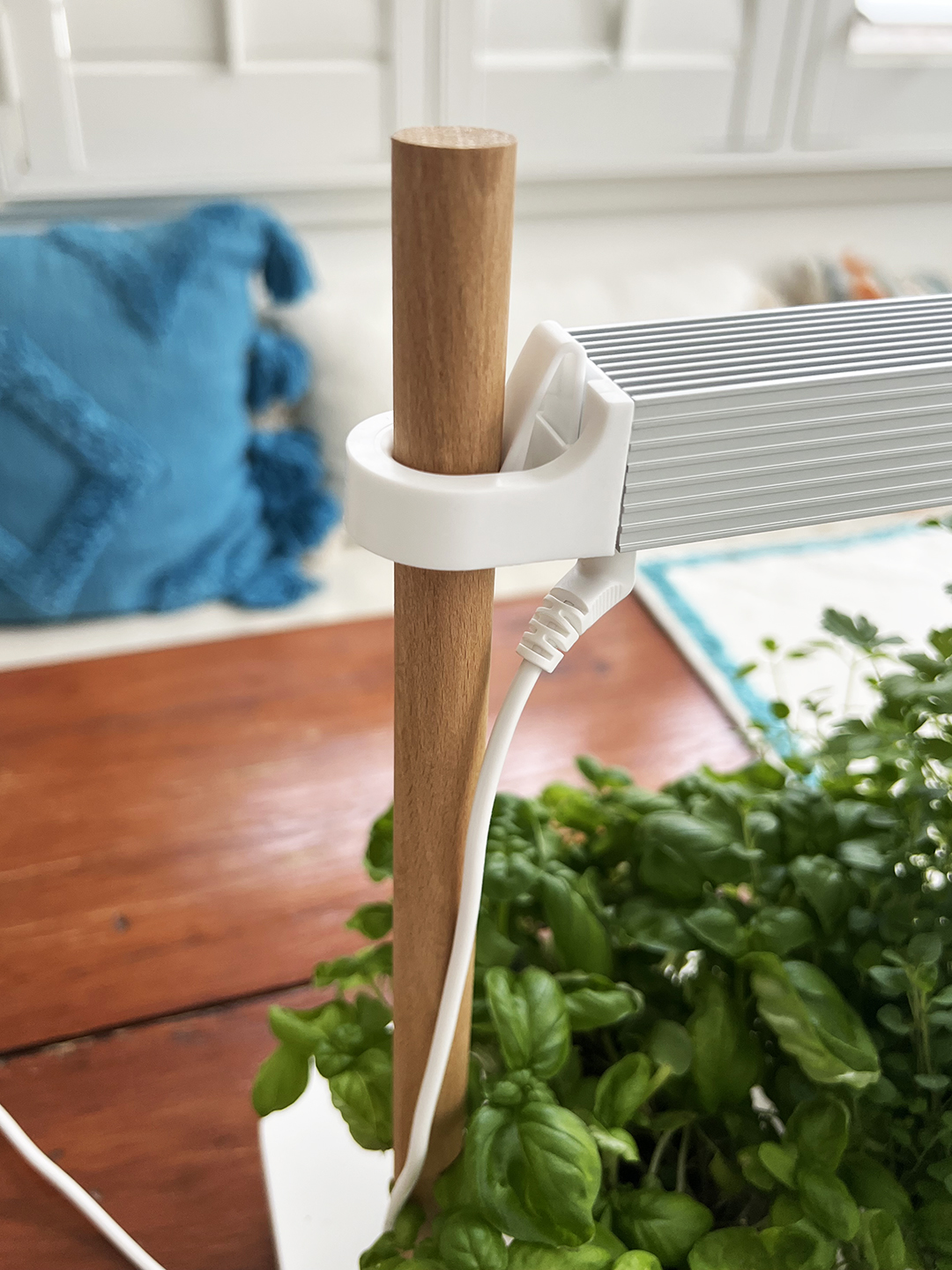
The Auk Mini runs on a 17.5-hour daily cycle, providing consistent light regardless of season, window placement, or latitude. Once you set your preferred “sunrise” time, the LED light turns on and off automatically. Keeping the adjustable light bar about four inches above the plants prevents “legginess,” when a plant grows tall and spindly. Too close, and you can burn the leaves. The height can be easily repositioned by pinching the small plastic clips at the end of the bar and sliding it up or down as the plant matures.
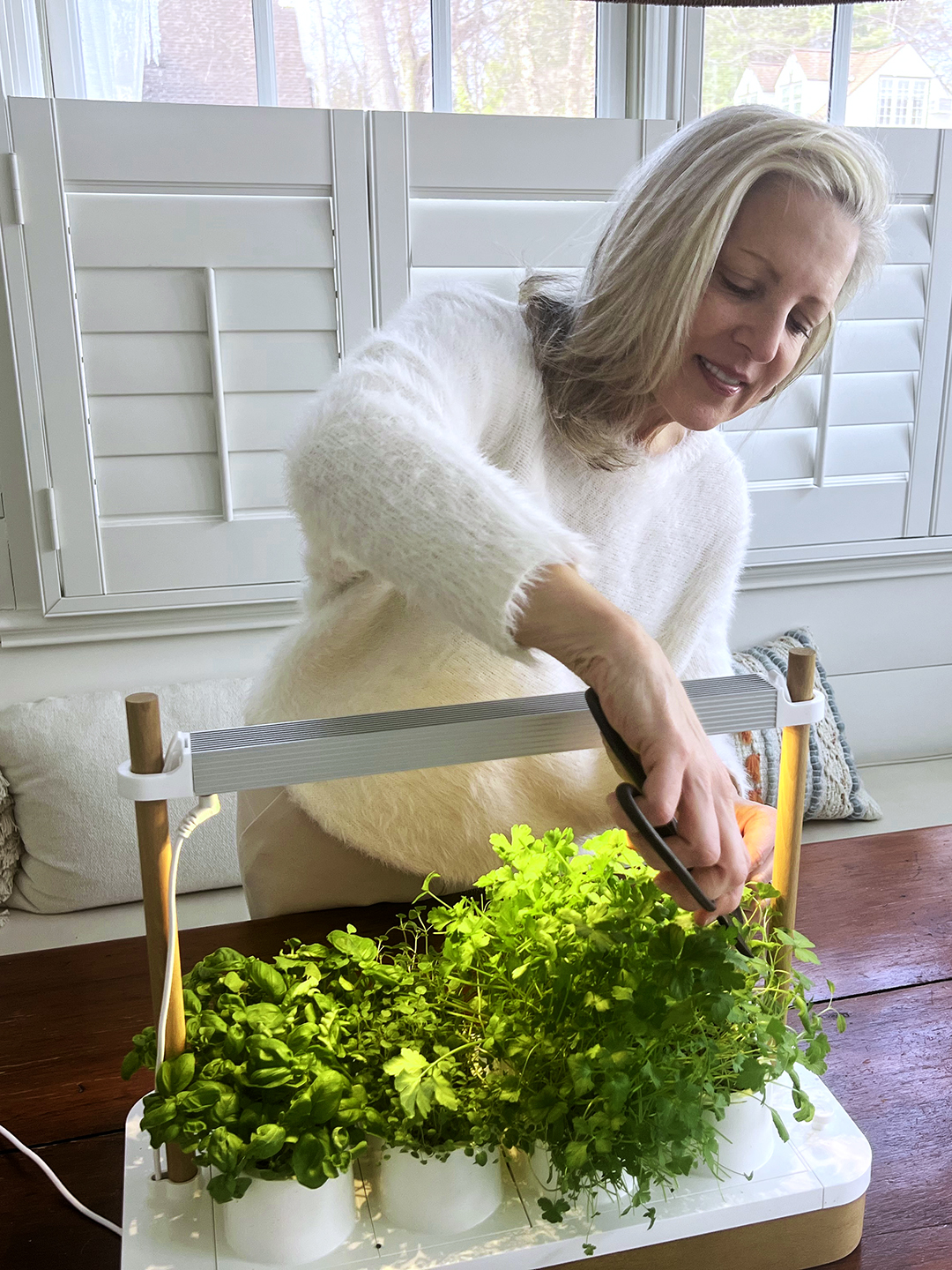
Kvitvang suggests maintaining a room temperature between 68 and 77 degrees—mercifully, a normal range for most people—to help herbs thrive. Auk advises waiting until your herbs reach about four to six inches tall before trimming them (to encourage bushier growth), and not to remove more than one-third of the plant at a time (to avoid stressing it out). Setting up the Auk Mini turned out to be surprisingly simple. The care instructions were clear and easy to follow, so everything felt manageable from day one.
An added bonus: By evening, the planter transforms into a soft light source, casting a warm glow across my kitchen. Walking into the room and seeing fresh herbs quietly thriving under the ambient light has become an unexpectedly soothing part of my evening wind-down. Though if you don’t love the LED light, you might not see this as an upside.
Worth the Splurge for Years of Use
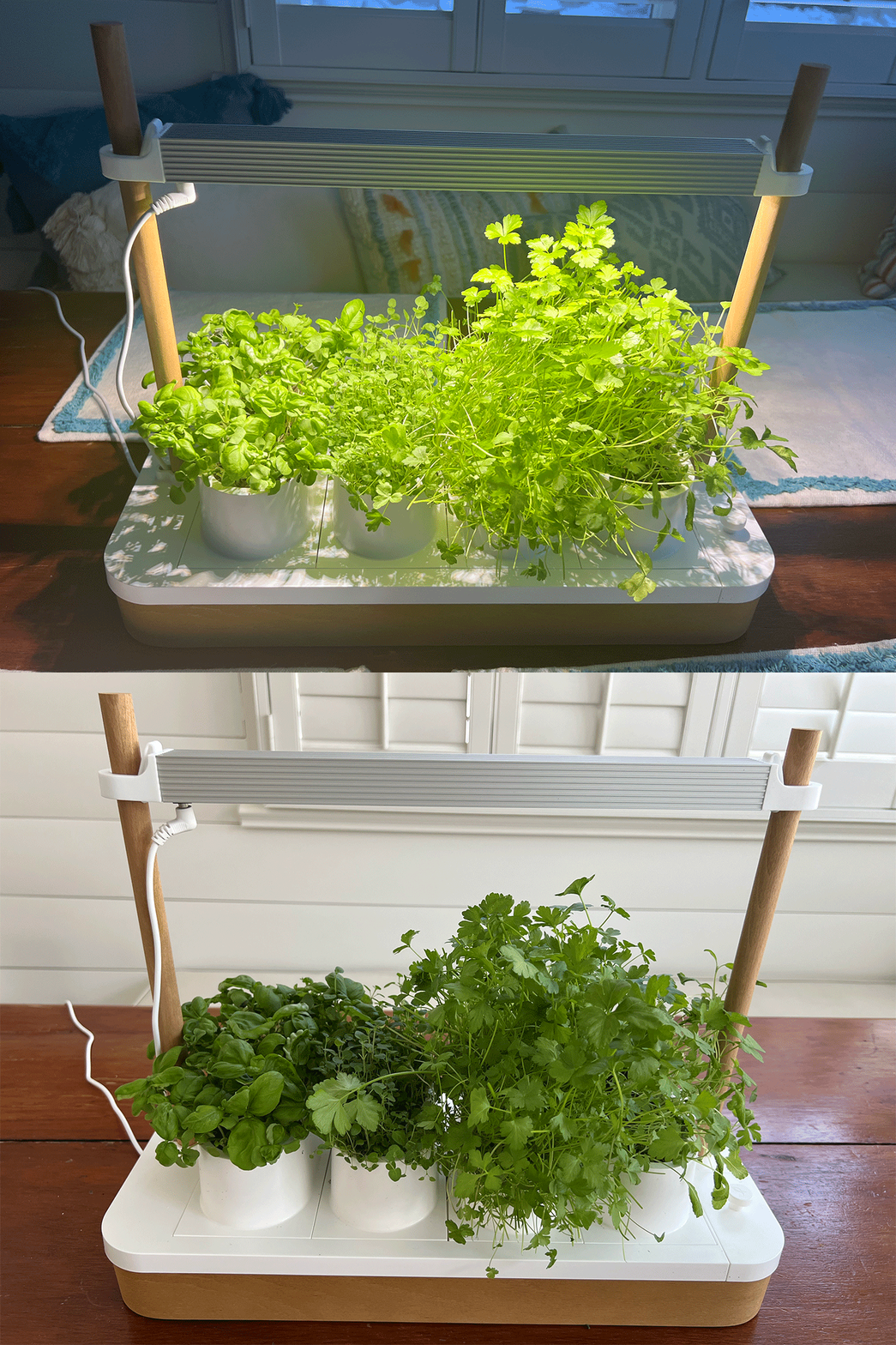
The LED light is engineered to last roughly 10 years on the standard 17.5-hour daily automated cycle, and there are no complex moving parts to wear out. But starting at $239 for cork ($259 for oak and $284 for walnut), the Auk Mini is not an impulse purchase. When you factor in the ongoing cost of store-bought herbs, the investment begins to make sense. At places like Whole Foods, a single clamshell of organic herbs can easily run $3 to $4 (sometimes more), and replacing them week after week can add up quickly. Plus, I’ve found that my Auk Mini herbs taste incredibly vibrant—the quality is there. To round out the value, it comes with free shipping and a 100-day guarantee. Yes, you’ll need new nutrients at the 6-month mark and new coco fiber when you plant new seeds, but those are in my opinion a small price to pay for the overall investment.