
We may earn revenue from the products available on this page and participate in affiliate programs.
For its 20th anniversary, Zillow looked back at two decades of for-sale data and uncovered a clear shift in how Americans want to feel at home. According to the company’s newly released analysis, the era of oversized, beige “dream homes” built to impress is giving way to spaces designed to actually support daily life. Homes are no longer status symbols; they’re sanctuaries. Here’s exactly how today’s living spaces are changing.
Layouts Are Getting Smaller
As affordability pressures grow, Zillow’s data shows buyers prioritizing homes that work harder rather than simply sprawl. New builds are shrinking in both lot size and square footage, echoing a mindset we’ve seen firsthand in homes like this SoCal couple’s; they intentionally capped their house at 1,000 square feet to stay connected (and consume less).
Formality Is Out; Flexible, Purpose-Built Spaces Are In
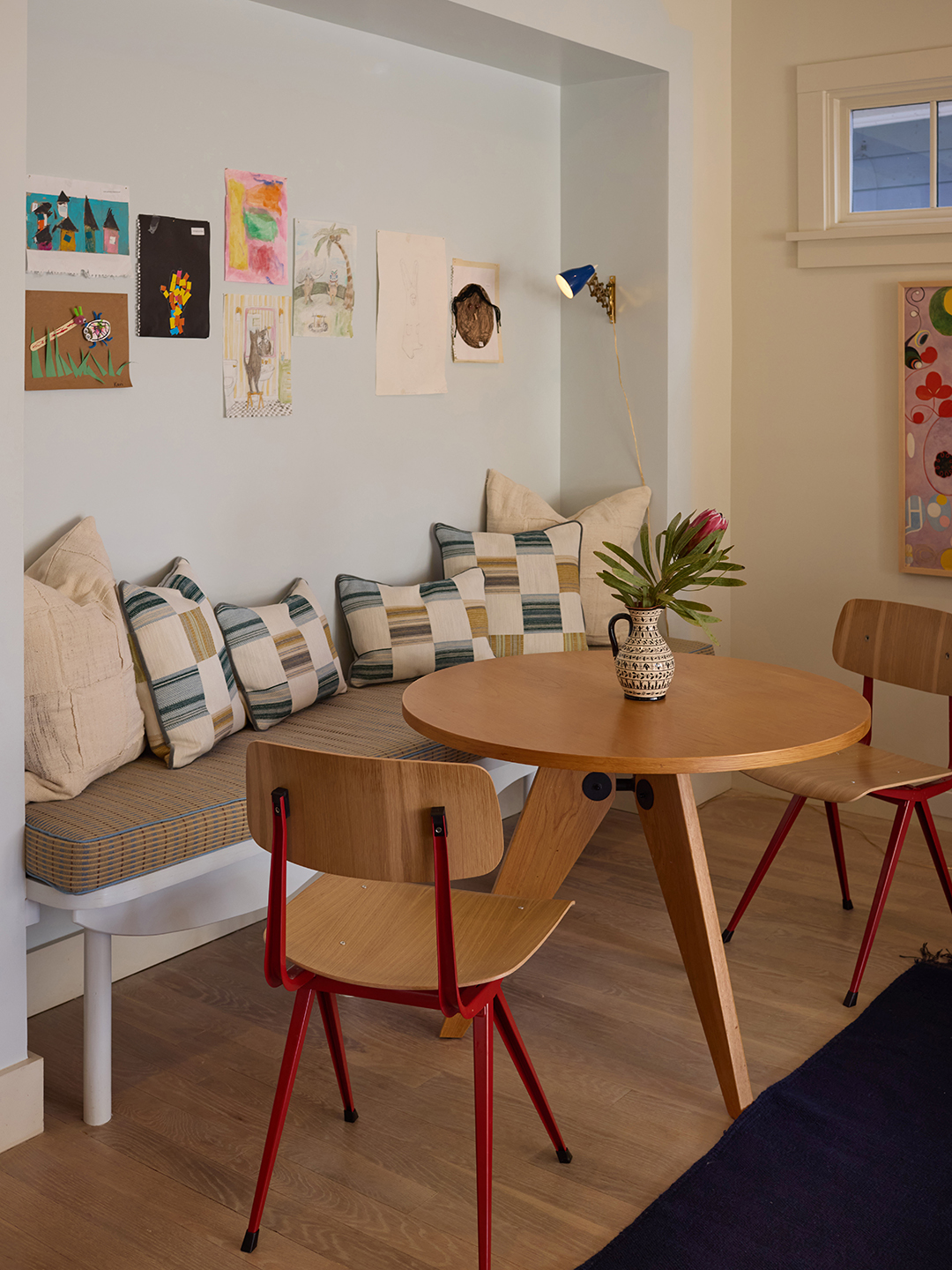
Two decades ago, listings flaunted formal living and dining rooms reserved for special occasions. Today, buyers want rooms that earn their keep. Think breakfast nooks carved into unused alcoves or dens that double as craft corners. One recent reno in Atlanta turned an awkward opening into a place for casual meals that also rotates their kids’ artwork—contained, personal, and intentionally “not messy”. It proves function doesn’t have to sacrifice charm.
Cozy Details Like Reading Nooks Are Rising
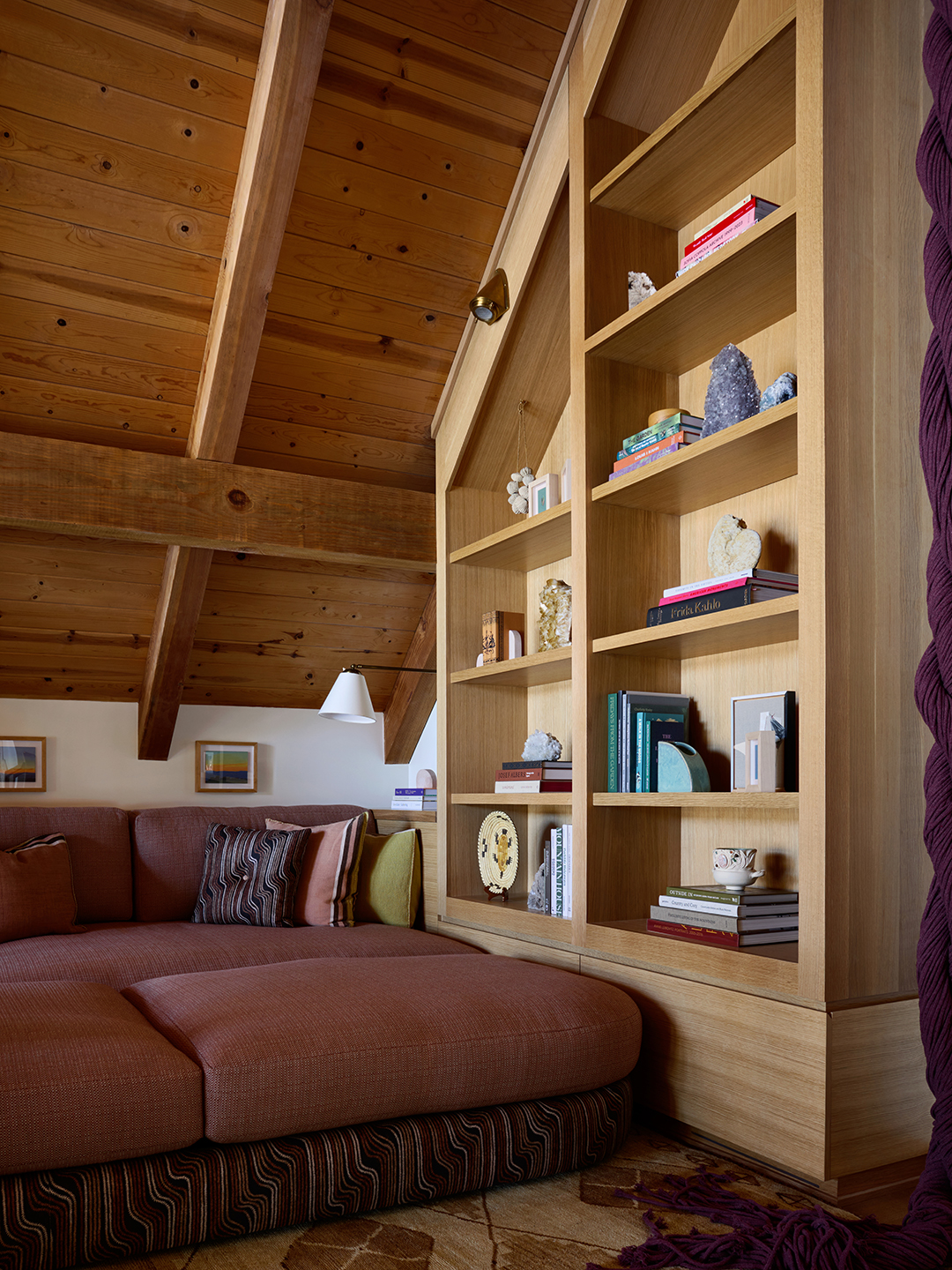
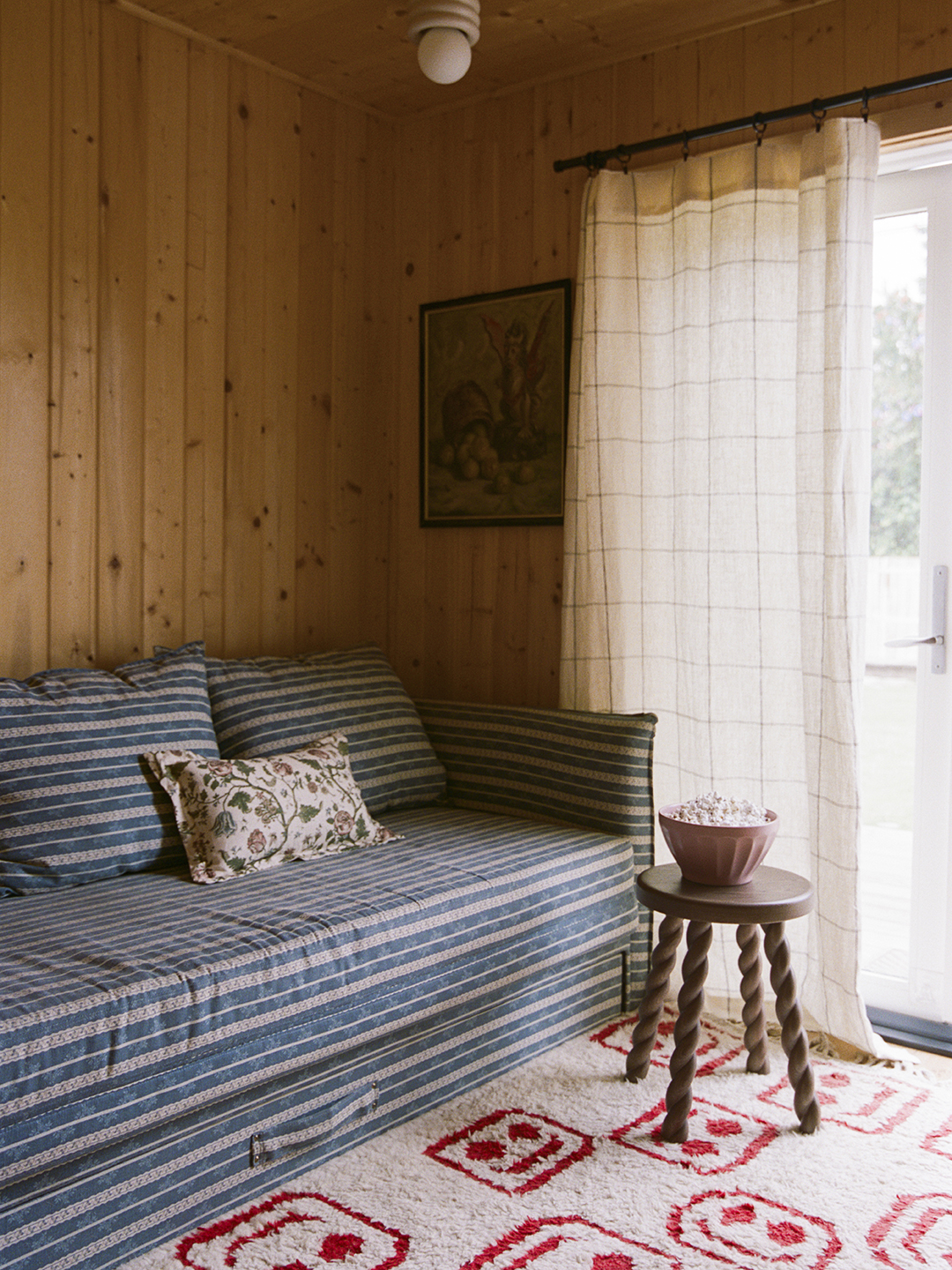
After years of wide-open floor plans, quieter corners are making a comeback. Reading nooks have jumped 48 percent (bonus points if they’re completely screen-free), signaling renewed demand for restorative spaces largely absent from early-2000s homes. We’re seeing this shift show up in clever, multiuse designs like this musician’s Yosemite home, where every sofa doubles as a guest bed, including one special spot tucked beside a small library.
Bold, Color-Drenched Interiors Are Back
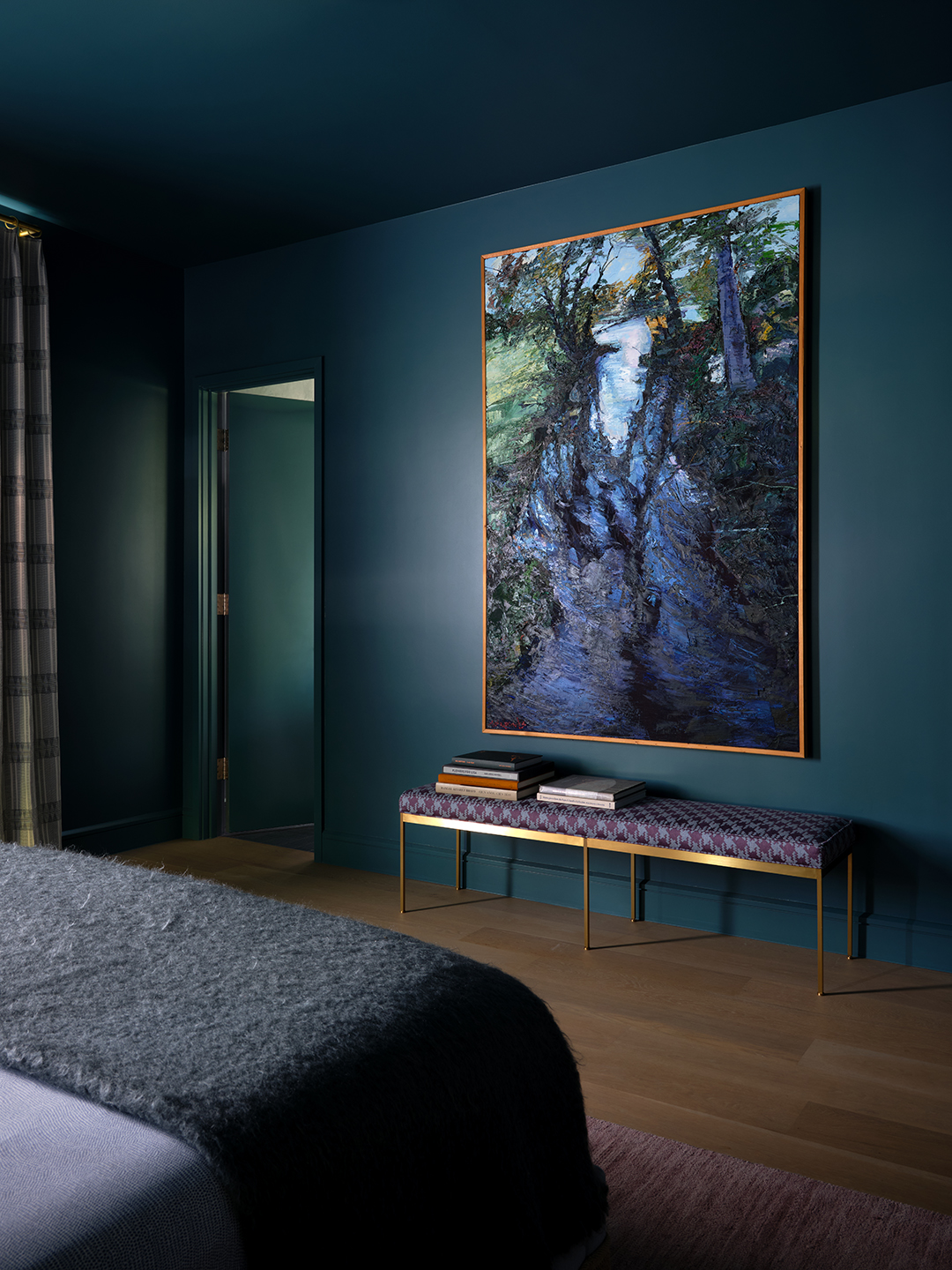
If the mid-aughts belonged to beige, today belongs to saturation. Zillow found mentions of “color drenching” up 149 percent, with buyers even willing to pay more for homes featuring deep hues like navy, olive, and charcoal. Recent tours we’ve featured make the case for this: bedrooms and bathrooms are getting the wall-to-wall (and ceiling-to-ceiling) treatment, like in this moody blue primary bedroom in Austin. To us, the message is clear. American homes are less about impressing guests and more about supporting the people who live there, and honestly, that feels like real progress.