
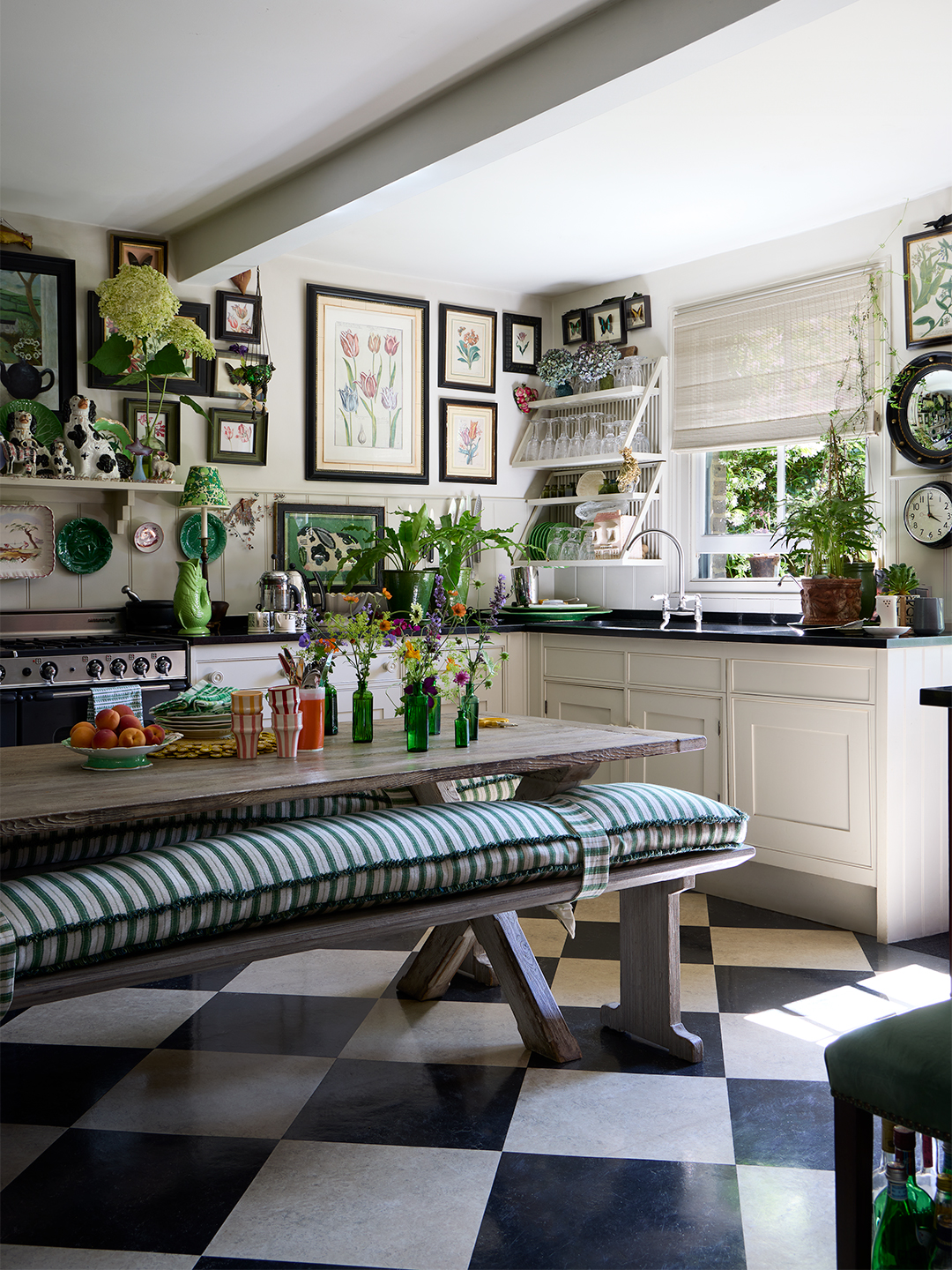
We may earn revenue from the products available on this page and participate in affiliate programs.
As a young boy, I sometimes found myself frozen with wonder when I entered certain rooms, particularly those displaying echelons of detail both high and low (the more surfaces the better). At the time, I didn’t know what this reverence meant, but I knew it was important. Almost sacred. As my career evolved, it dawned on me—the layered look is its own visual language, and one that invites an incredibly deep degree of comfort and individuality. Sure, design playbooks can be handy, especially for essential and practical purposes, but seeing how others combine pattern, form, texture, color, and personality is best learned through observation.
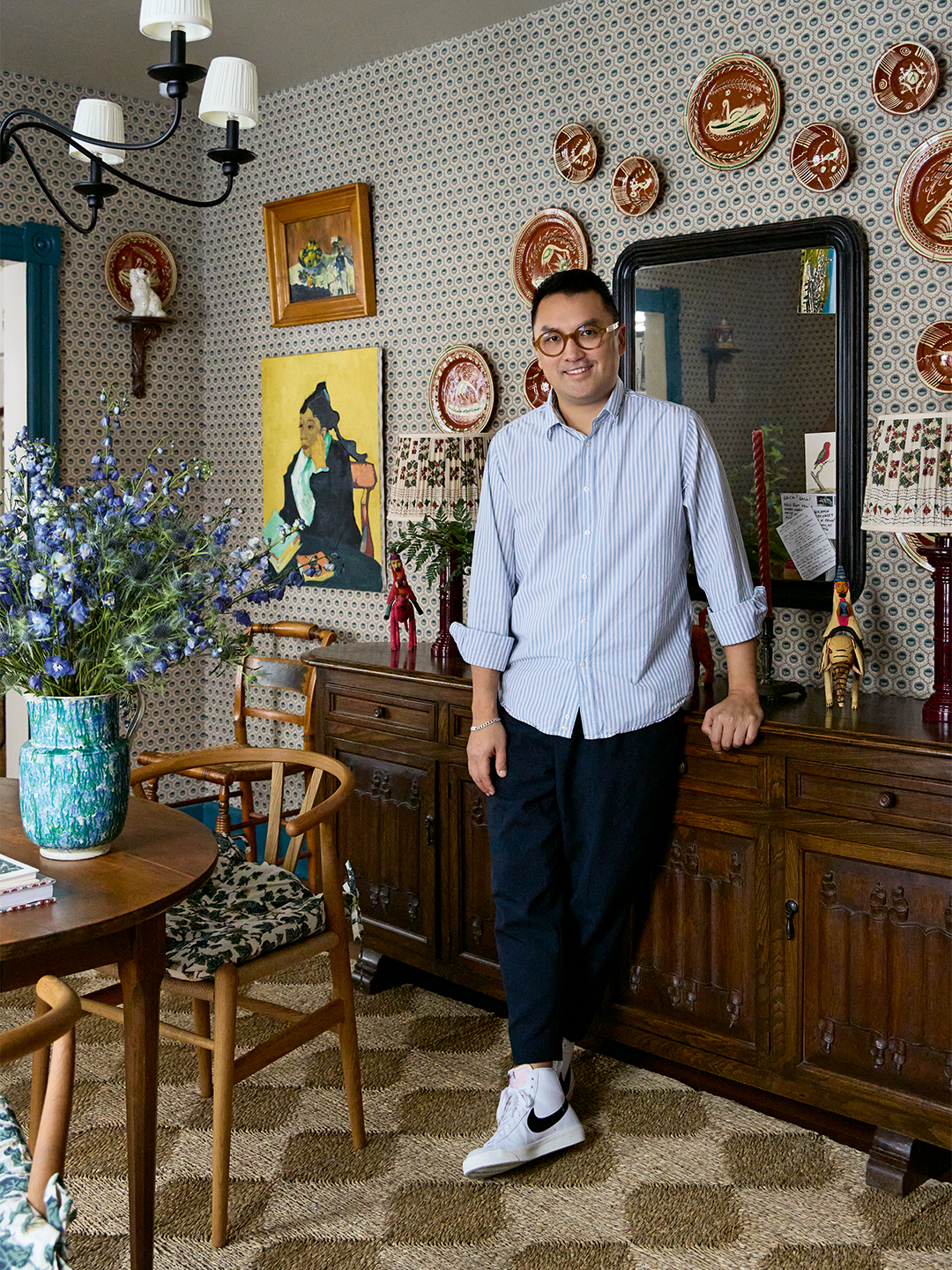
In an age when trends pick up, take off, and die on social media in the span of a season, I believe in the idea of slowing down. These personal spaces are examples of dressing a room leisurely, with intention, and are ever mindful of the personality of a space, even if it’s unfinished. Indeed, I am perfectly fine with a room not being done for months or years if it means holding out for the right thing that will encourage unity, not confusion. Blank spaces are just opportunities for a surface to breathe, or simply to keep room for what’s meant to be there.
The places we call home, like our lives, contain multitudes. To this end, I often think about the Albert Hadley pointer that “A room should feel collected, not decorated.” If you choose one playbook rule, let this be your guide: Layers plus personalization is the combination that creates absolute spatial magic. Nothing else comes close. Do these collections and layers remain changeless? Absolutely not. In fact, the beauty of the layered home is that there’s a flexible impermanence to what enters, and exits, the arrangement. Knowing when to let go of things is just as important to preserving the special cohesion of a space.
From this band of experts and creatives who have welcomed me into their homes and lives, I have learned so much about the psychology and applications of collecting, arranging objects, and modifying rooms over time, and I know you will, too.
Check the Chaos
For those who chase the blitz of color and pattern throughout living spaces, seek out patterns and hues that carry the same intensity and saturation. “It works for my aesthetic, and I find it’s the thing that keeps different designs working in harmony,” says Butter Wakefield.
Stock Up on the Things You Use Most Often
Wakefield exhibits a great fondness for generously sized vessels and jars, and keeps her eyes peeled for them when out and about. “I love to stuff them full of flowers in the summer and a huge variety of greens at Christmastime.
Ditch the Matchy-Matchy Vibe
In Wakefield’s rooms, one will encounter a variety of chairs: some with exposed legs and some skirted, some old, some new, and nothing too matching. “It delivers a relaxed, eclectic feel, which I think makes guests feel at ease.”
Elevate Area Rugs
Assorted small rugs from Mongolia, Nepal, and Turkey are soft souvenirs from world travels and, underfoot, they break up the train-car effect of a railroad apartment or any long hallway.
Invite Curiosity Through Shapes
There’s something so tactile about a vase or a pot, or anything with handles, almost encouraging you to pick it up, a merchandising tactic Ambrice Miller employs in her own spaces. It works by forging a more personal connection to pieces that make up your layers. In other words, not everything should just be looked at all the time.
Save Color for Last
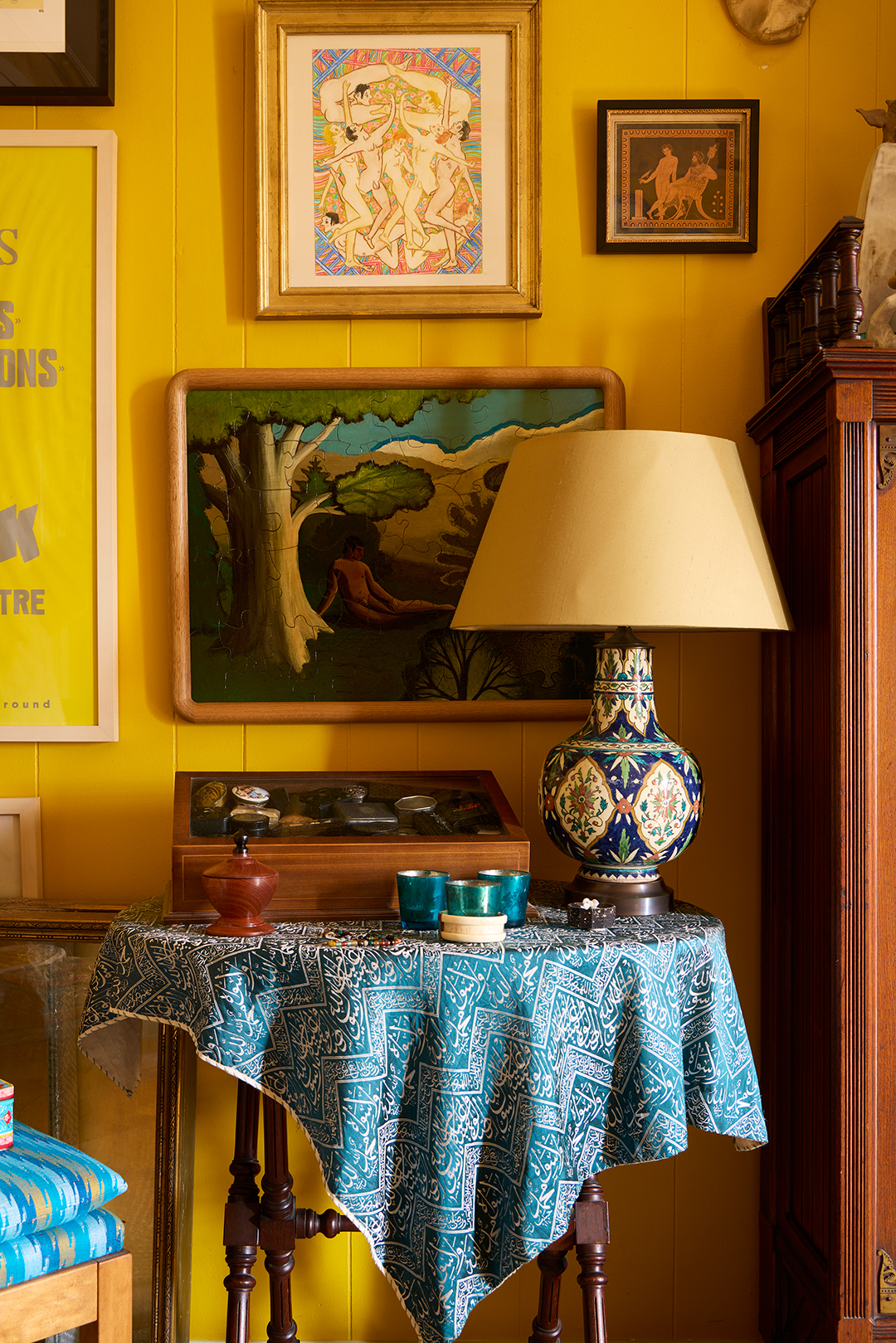
The rooms that people decorate for themselves tell very personal stories, and Patrick “Paddy” O’Donnell likes considering how color doesn’t need to dictate the narrative from the get-go. “While color is also very personal, ideally, it will come last so as to give you more freedom with everything else.”
Be Adventurous
Bolder color choices can be great fun, especially with the fifth wall, aka the ceiling. No longer an afterthought, the ceiling is very much part of the decorating repertoire, says O’Donnell. “At the more subtle level, painting in a ‘white’ that complements the wall color or going ‘off-piste’ with a bolder accent color done well can be a triumph and makes a wonderful design statement. You can even mix up the finish, such as using full gloss instead of the go-to emulsion like flat or eggshell.”
Return to Patterns You Love
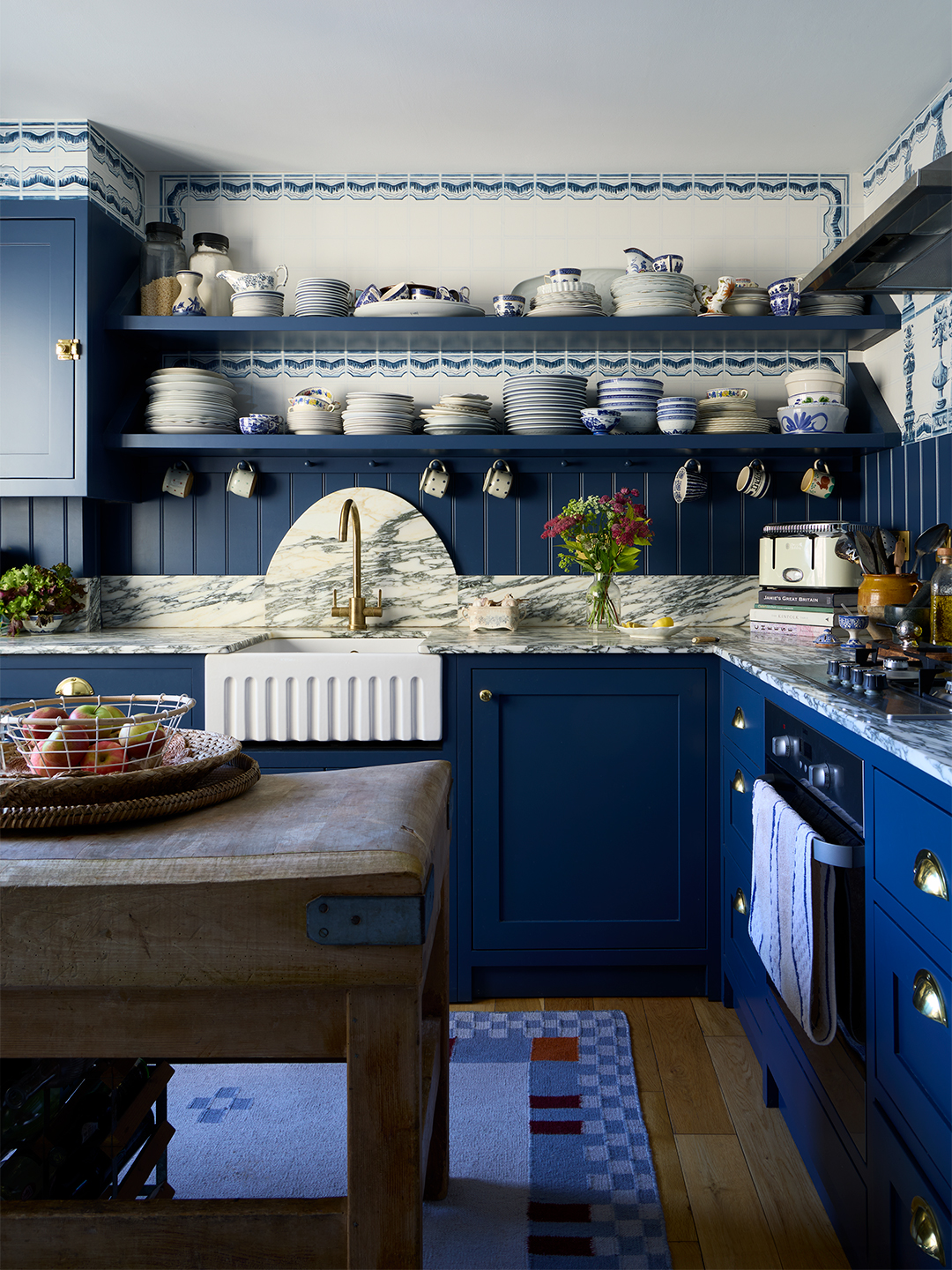
There are always those fabrics or patterns that you adore timelessly. Enjoy what moves you, says India Holmes. “If I had to pick one designer whose patterns capture my personality, I would always come back to Josef Frank. I have so many of his prints in my house, and I never get tired of them. They are all really busy, with lots of color and lots going on.” She also loves flame stitch, and, although it’s not exactly a pattern, she has a soft spot for moiré, too, especially on walls. And, of course, block prints. “Block-printed fabrics, picked up on my many trips to India, will always be seen in multiples in my home,” she says. “You can often mix and match many different ones and they look great alongside each other.”
Test Your Comfort Zone
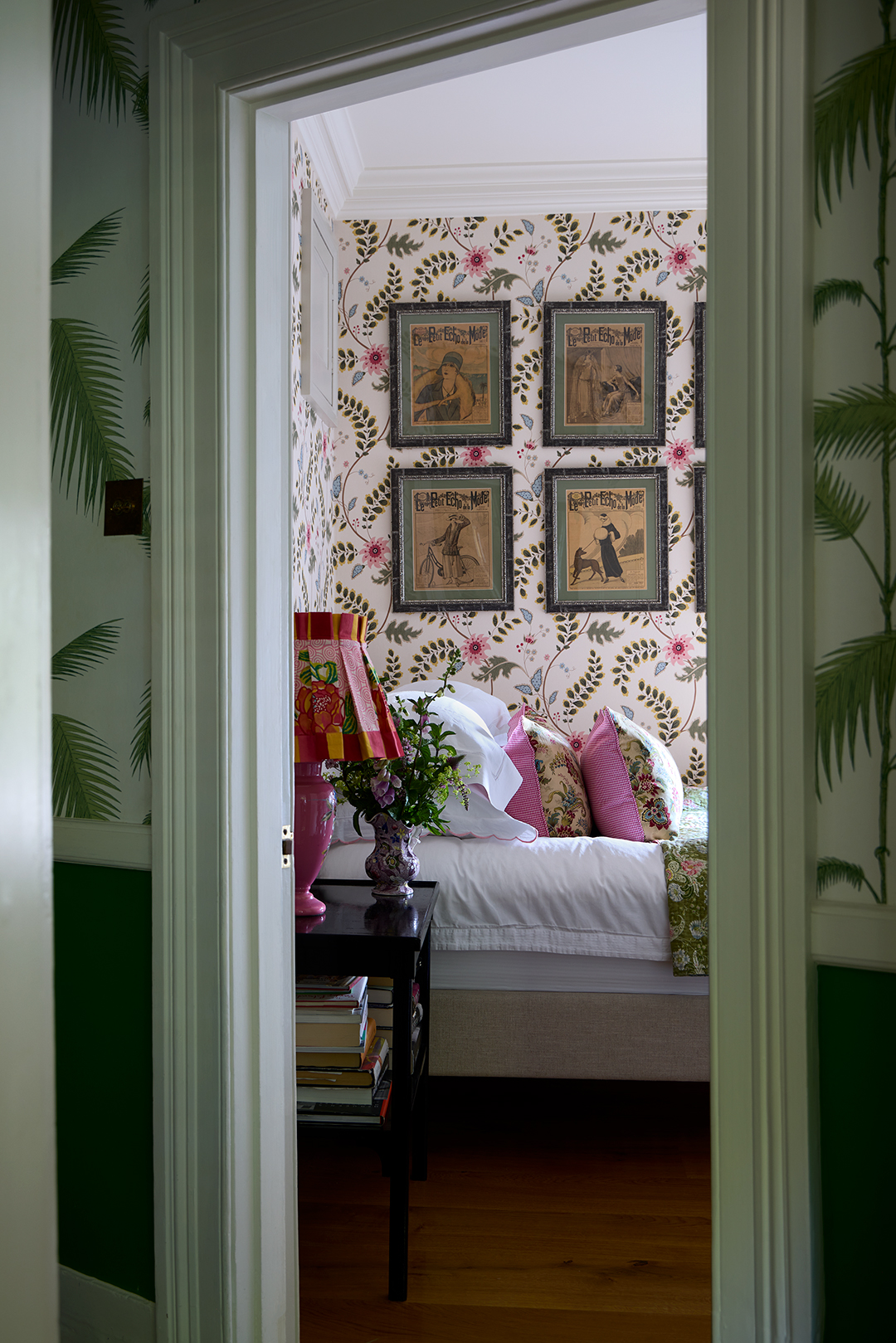
If you are drawn to a particular pattern, go ahead, give it a try. It might be the very thing you need for your space, says Holmes. “I love layering different patterns, I only find them uncomfortable if I don’t like the pattern! Color, of course, plays a big part. If you can marry and align colors from two different patterns, you can put almost anything together.”
Celebrate What Came Before
In the main seating area, Alice in Wonderland fabric from Holmes’s childhood bedroom curtains was repurposed into cushy pillows. The sofa was in India’s father’s first ever flat. “We should all embrace the cyclical movement of possessions,” she says.
Find Your Idea of Cozy
Once you land on it, add it to every space where it makes sense. For Kate Donovan, it’s soft lighting and candles in just about every room.
Celebrate Creative Mentors
It goes without saying that Donovan and Leslie Joblin’s approach to decorating is inspired by the Bloomsbury Group and the ethos of what Vanessa Bell and Duncan Grant created at Charleston. “Nothing is too precious, and any surface has the potential to become an experiment in color or pattern,” says Donovan. “Things can be painted over or changed or moved around. Our home is a lived-in space where we can read and make art, sit in the morning light with our coffee, and snuggle with the cats.”
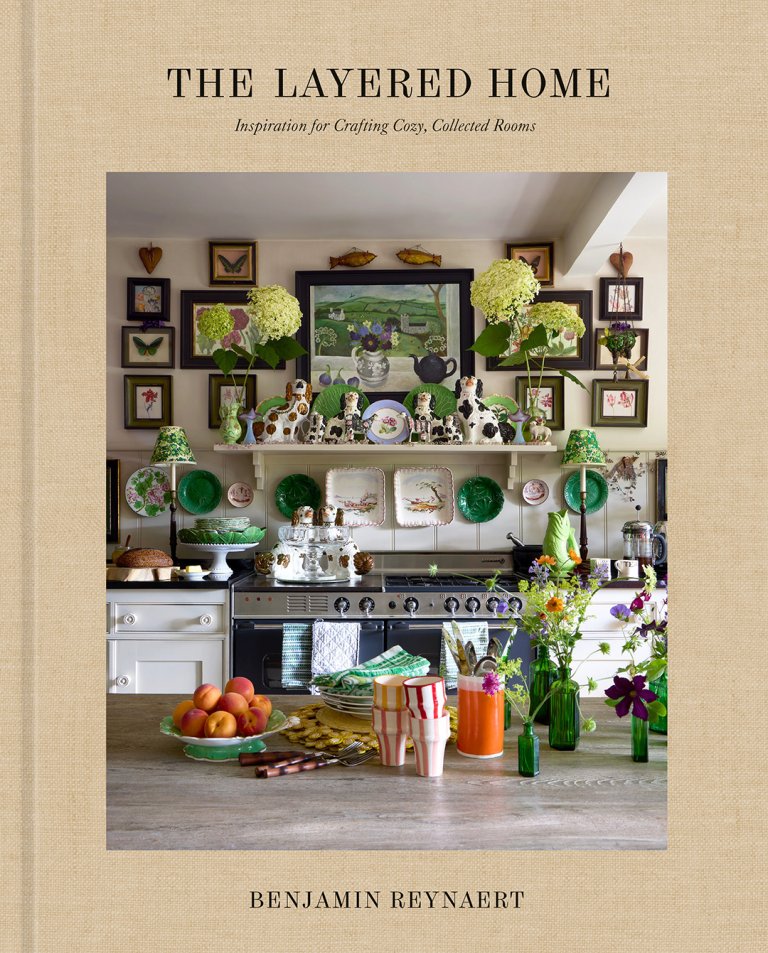
Text and images are excerpted from The Layered Home Copyright © 2026 by Benjamin Reynaert. Photographs copyright © 2026 by Manuel Rodriquez. Published by Clarkson Potter, an imprint of Crown Publishing Group.