We may earn revenue from the products available on this page and participate in affiliate programs.
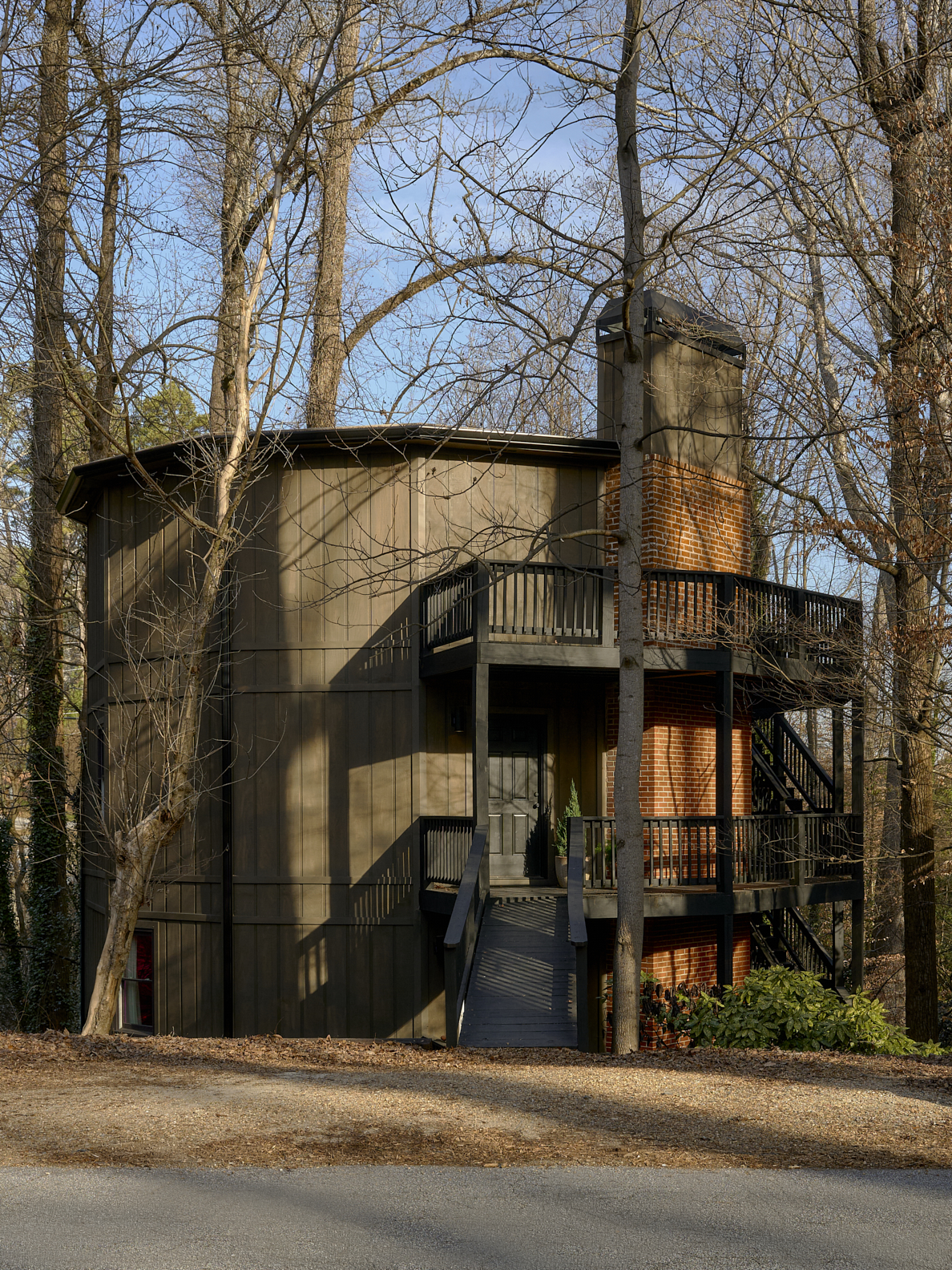
When Mason Riza pulled up the listing for a circa-1972 catalog-order home in Atlanta’s Buckhead neighborhood, he hesitated before showing it to his husband, Lance Trachier. “My husband is a little bit of a Redfin aficionado,” Trachier, who is the creative director of American Leather, says of Riza. “It’s like his pastime, whether we’re looking for houses or not.” Riza knew if he showed Trachier the unique round structure it was going to be the one. The fact that it was an original Deltec Homes construction, designed for and built on stilts for wind resistance, and situated on a prominent corner of the city only made it more irresistible.
The couple, who moved to the city in early 2022, had a pattern of choosing “problem homes” to puzzle through. This one would be their most challenging yet. They took it down to the studs, added a top floor, and spent 14 months renovating while living in a 450-square-foot apartment with their two dogs, Moose and Gnocchi. “It didn’t feel quick,” Trachier admits. “Especially in a new city without a home base.”
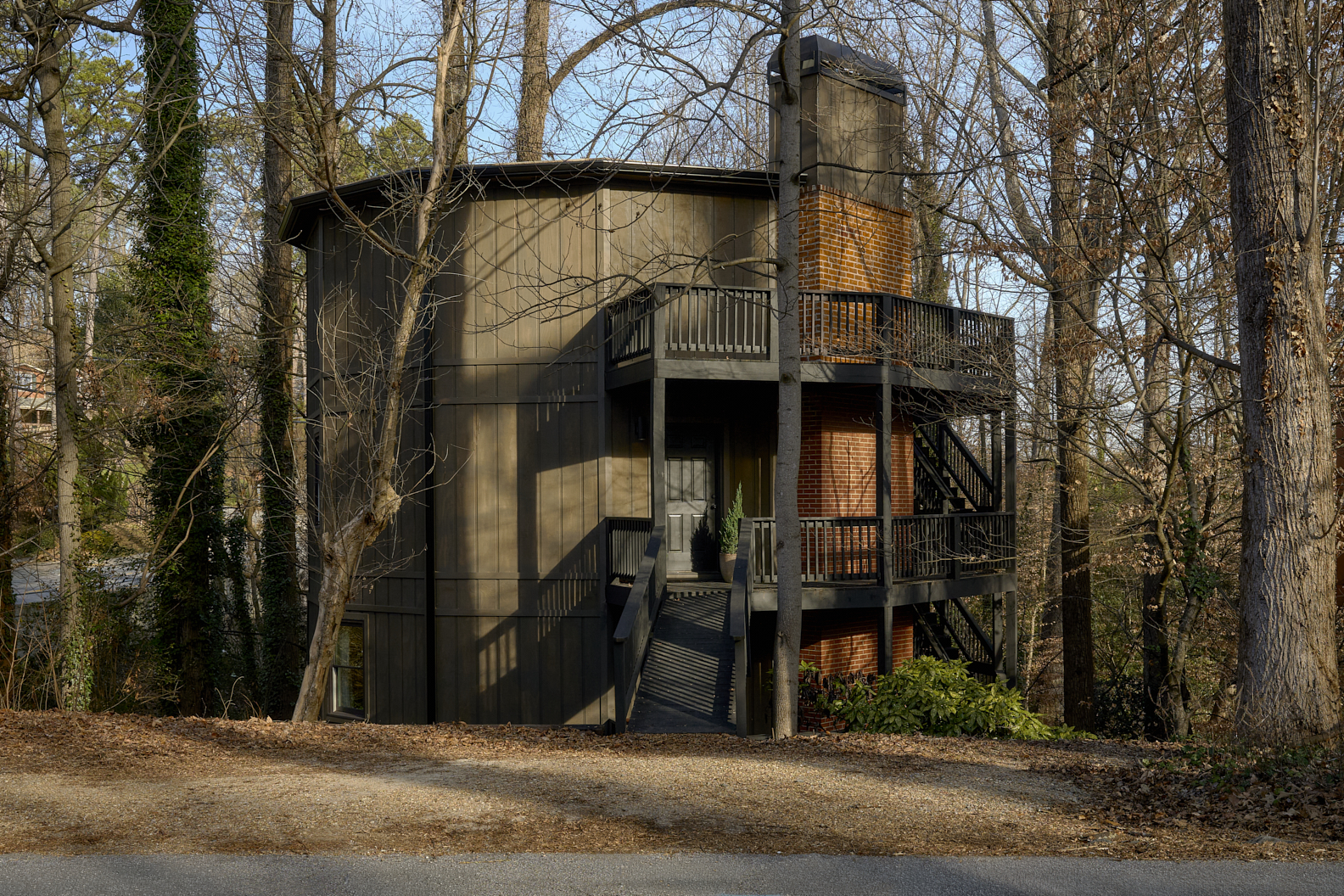
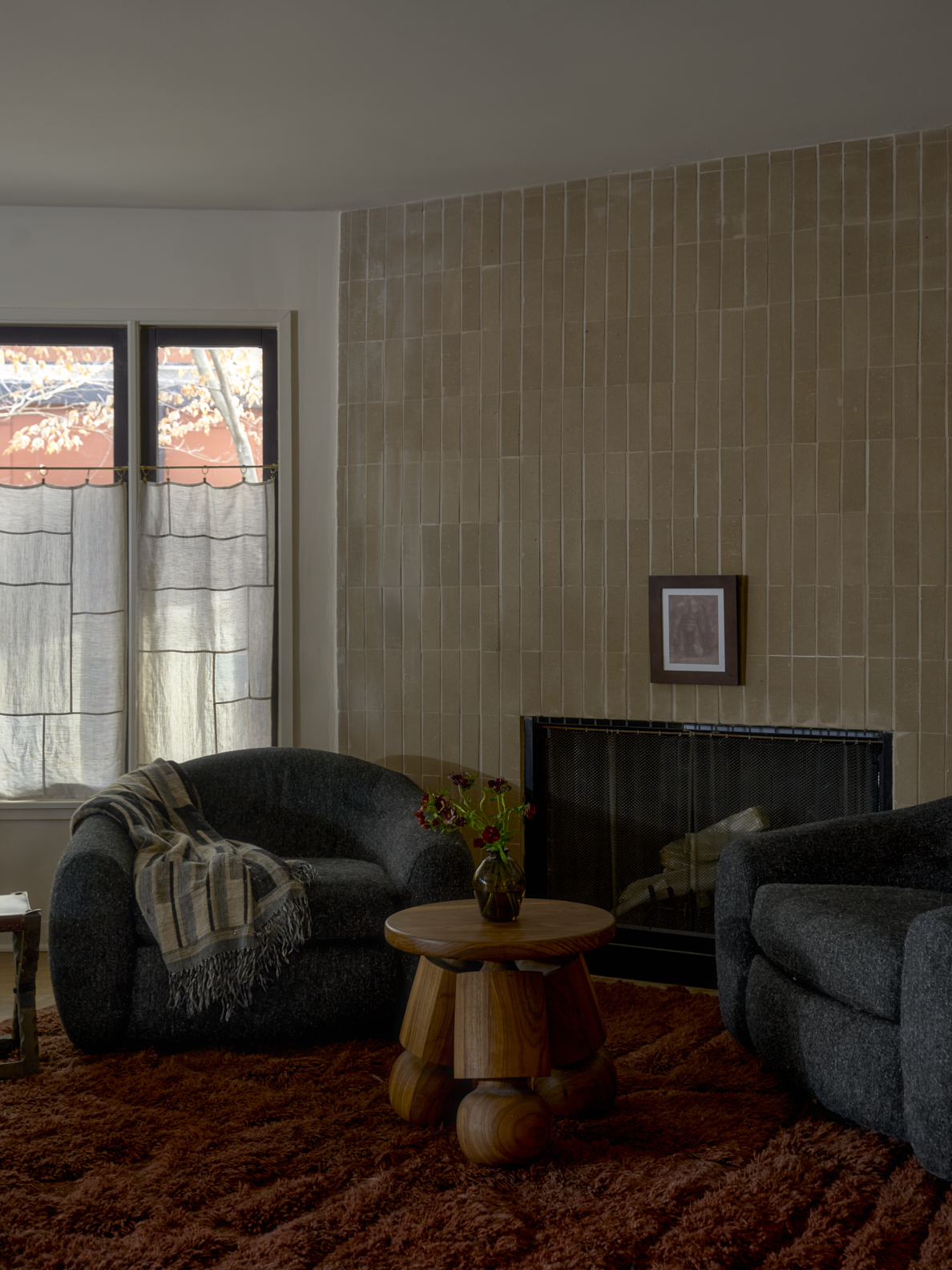
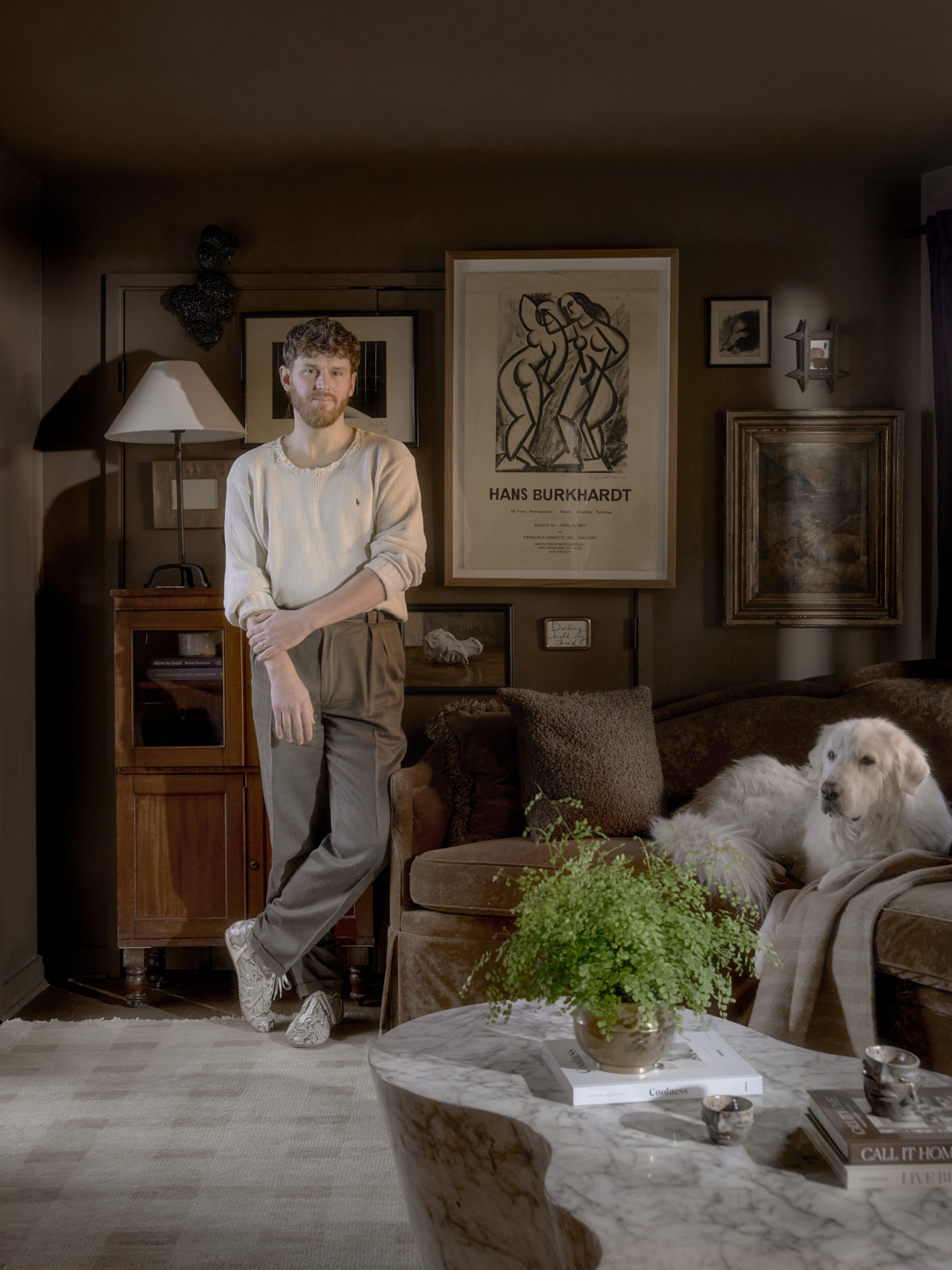
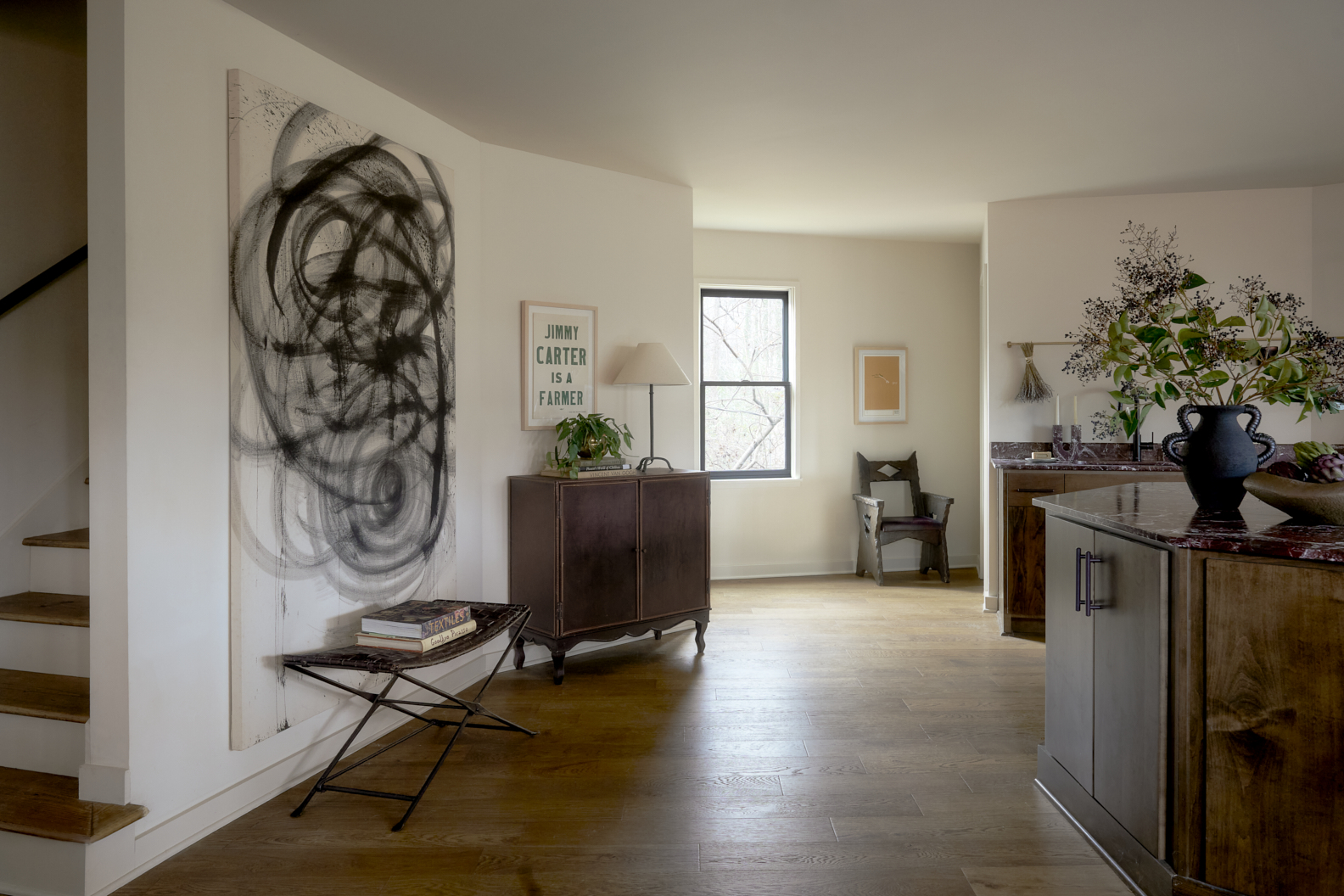
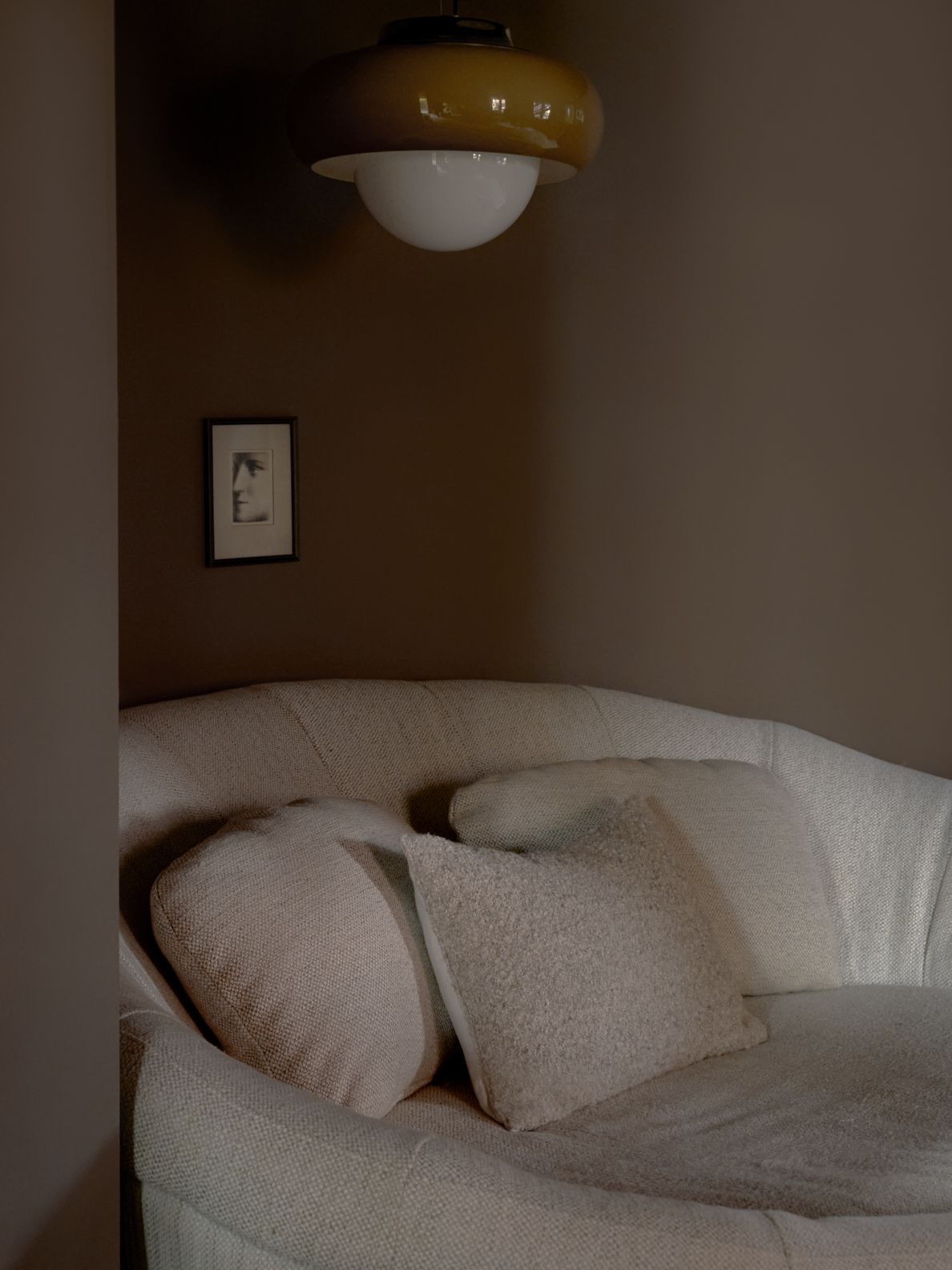
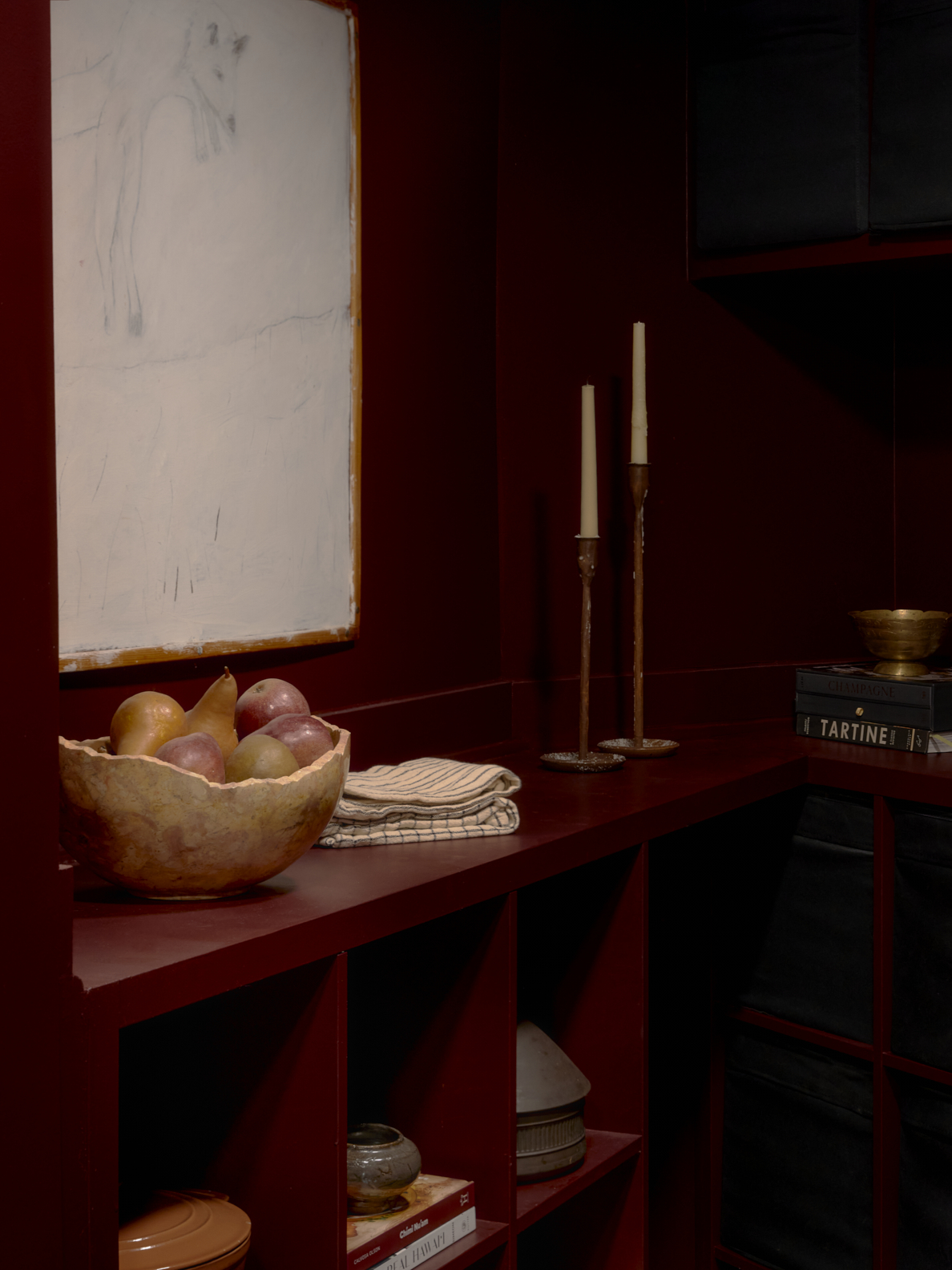
Instead of fighting the home’s circular footprint, the couple decided to lean in. The kitchen island is round and sits squarely at the center of the main floor. Pantry walls are built concentrically to echo the exterior curve. Downstairs, a rounded sofa anchors a cozy alcove. “In the original layout, it felt like square pegs in a circle,” he says. “We wanted you to feel the shape at all times.”
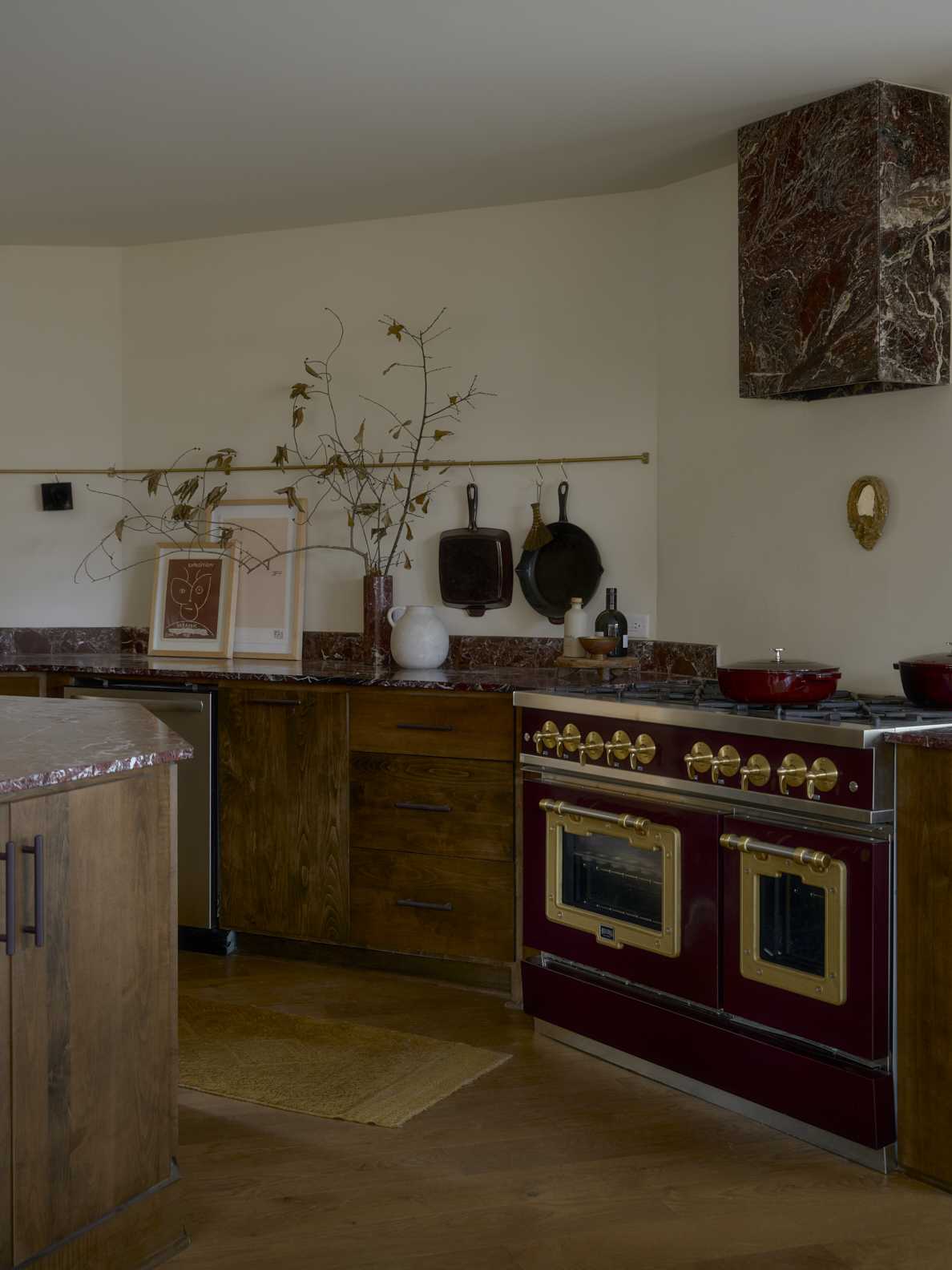
If the architecture is the framework, a $50 Facebook Marketplace find is the soul. Years earlier, the couple had driven 90 minutes outside Dallas, where they were living at the time, to investigate a poorly photographed marble dining table. “[Mason] thought it was black. I thought it might be purple,” Trachier recalls. It was the latter: a 1980s Italian postmodern Rosso Levanto number, scored for the price of a takeout dinner. When they moved to Atlanta, Trachier used that dramatic, wine-toned stone as the jumping-off point for the entire palette, even cladding the kitchen countertops in the same material. “What if the whole house was inspired by this piece?” he remembers thinking.
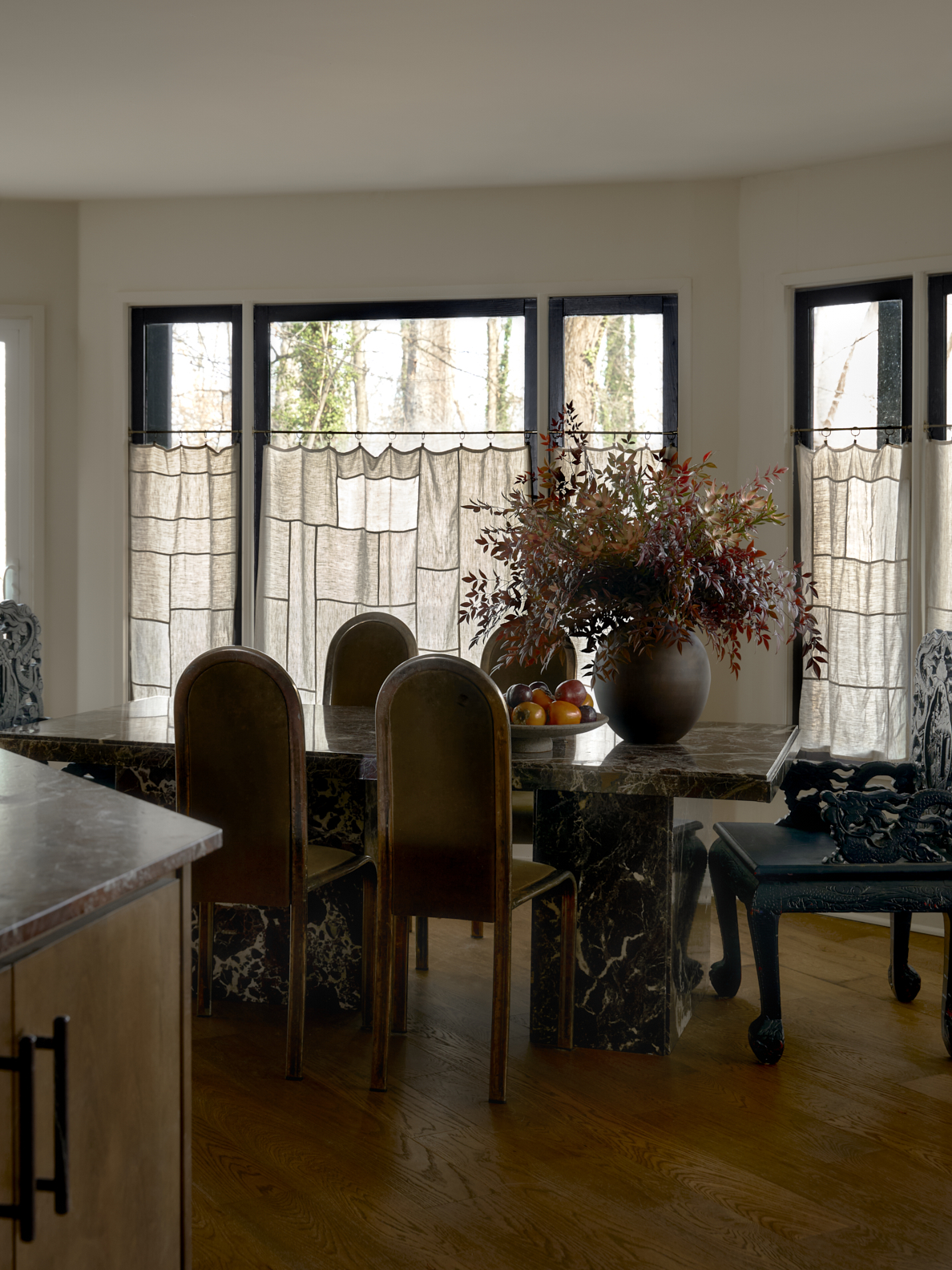
Two months after moving in, the statement table cracked clean in half when a friend leaned on it. “It split like a biblical stone tablet,” Trachier laughs. Undeterred, he set alerts across Craigslist and resale sites—and eventually found another. They drove to Nashville and back in a single day to bring its twin home.
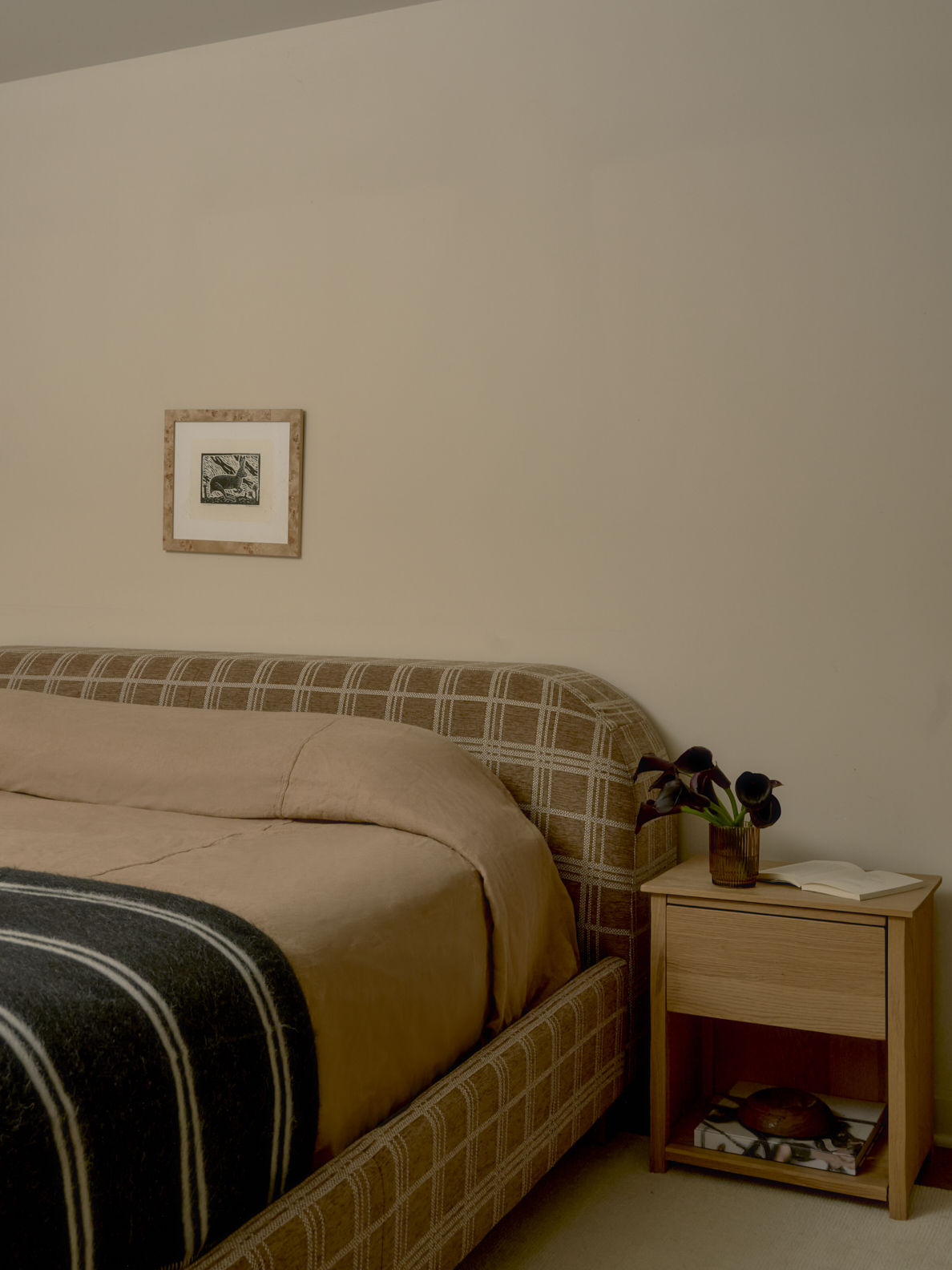
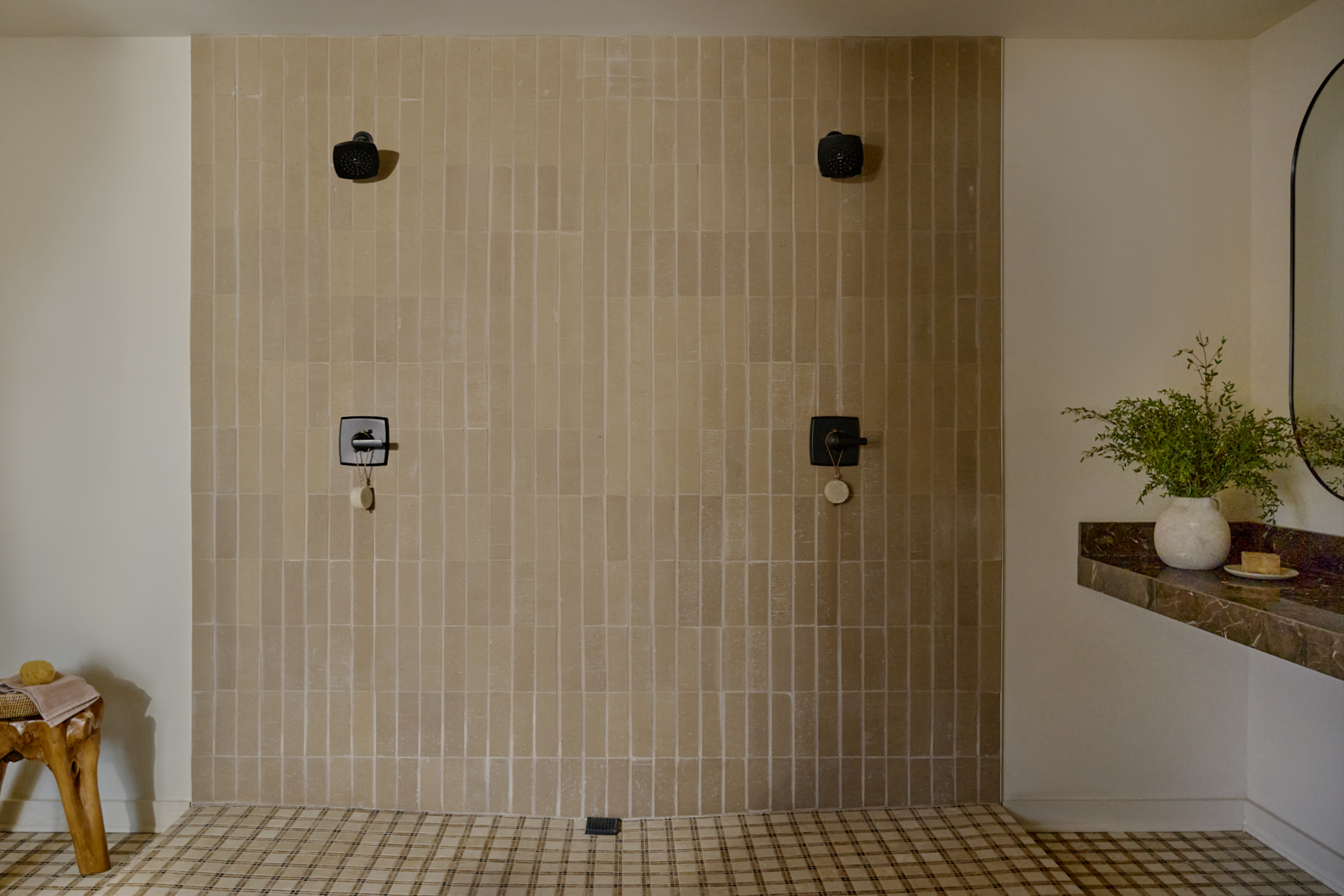
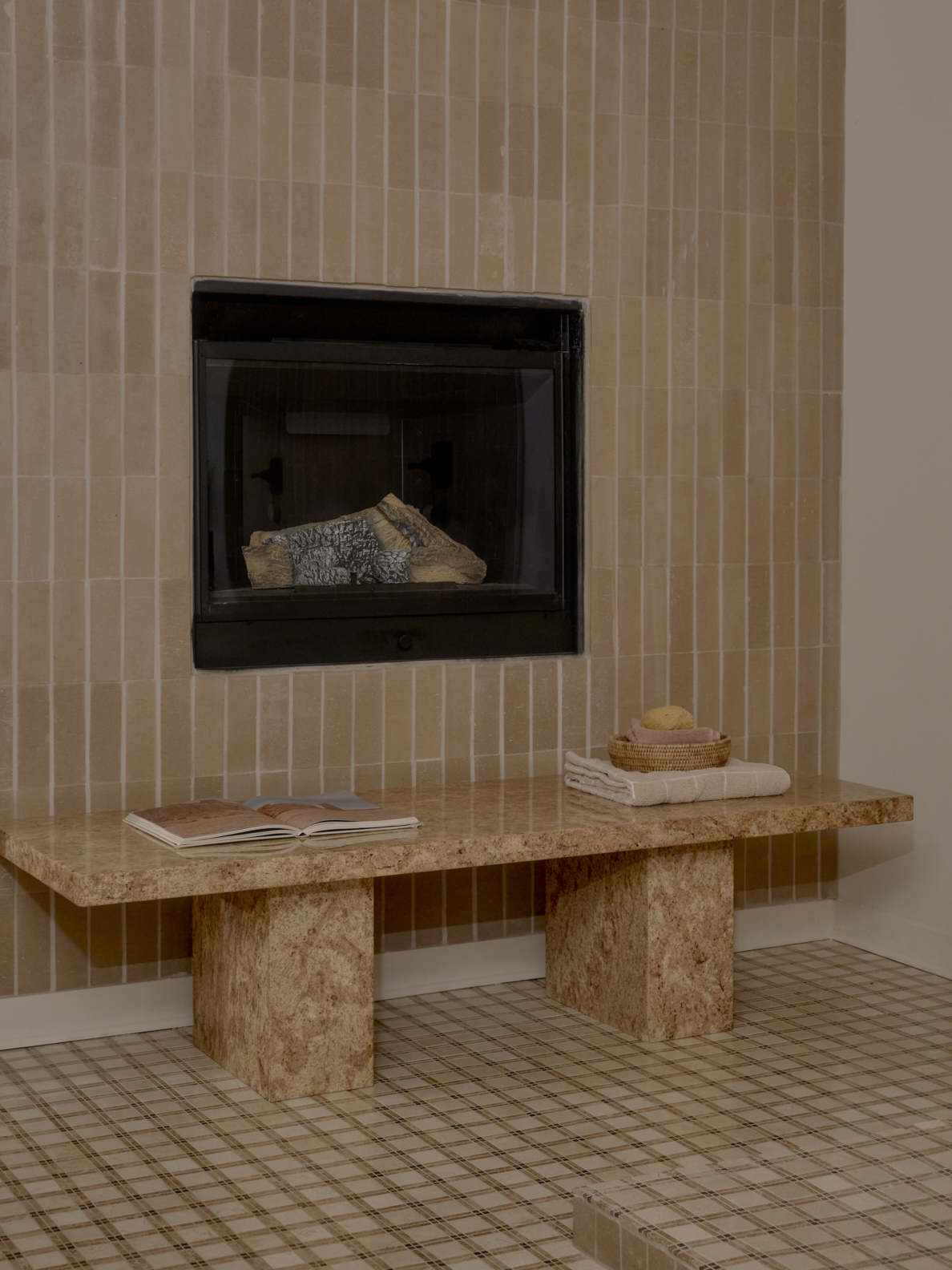
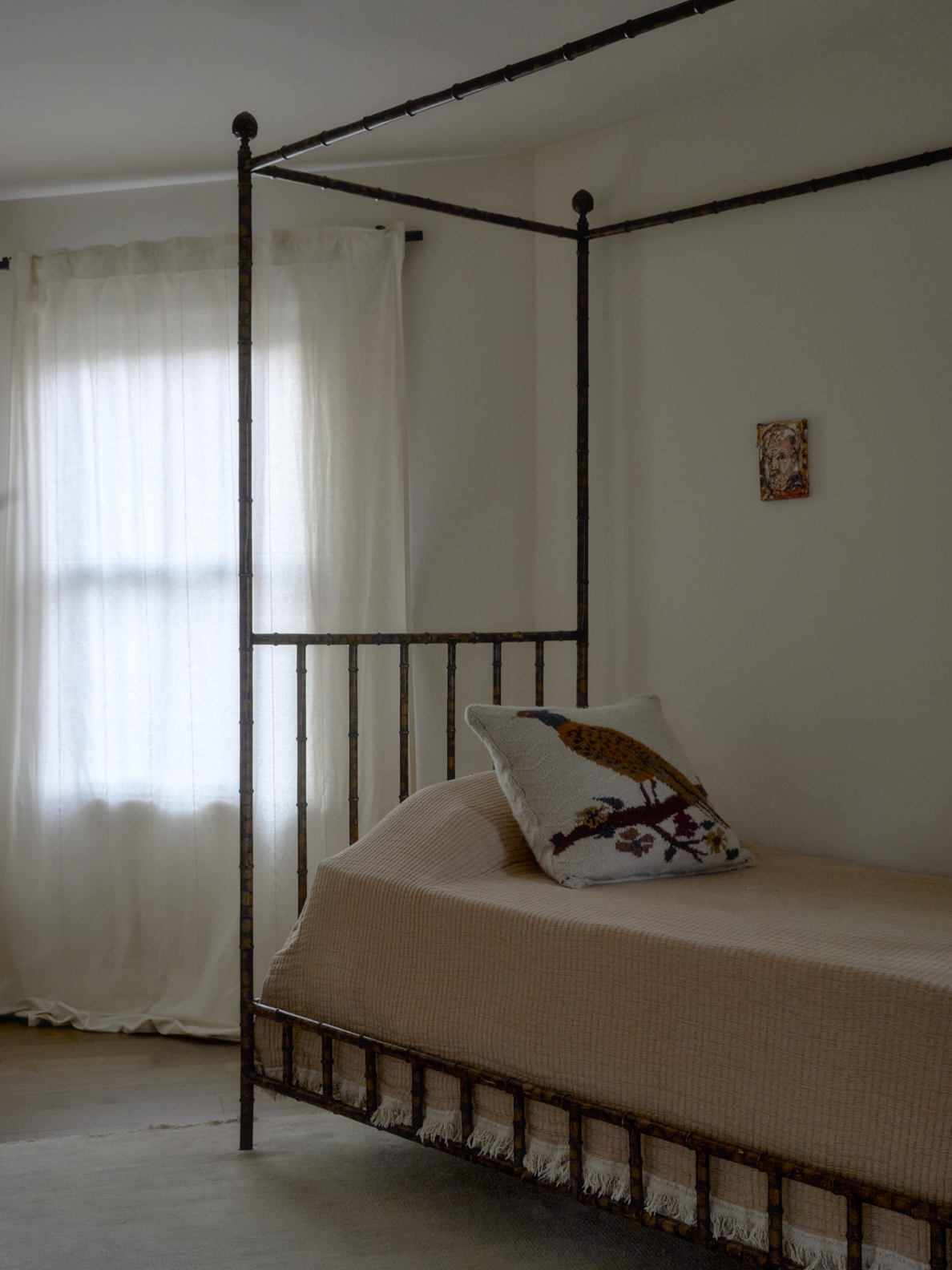
The rest of the interiors balance that monolithic marble moment with something softer and more nostalgic. The couple calls it a “grandma’s cabin vibe,” reimagined. Plaid tiles line the bathrooms; a plaid headboard adds pattern upstairs. The primary bathroom was designed as a comforting retreat, complete with dual showerheads to settle any temperature debates. And in the kitchen—their “love language” space for cooking and hosting—the refrigerator is hidden in the pantry to preserve an uninterrupted sweep of counters. “People don’t even notice until they need it,” Trachier says.
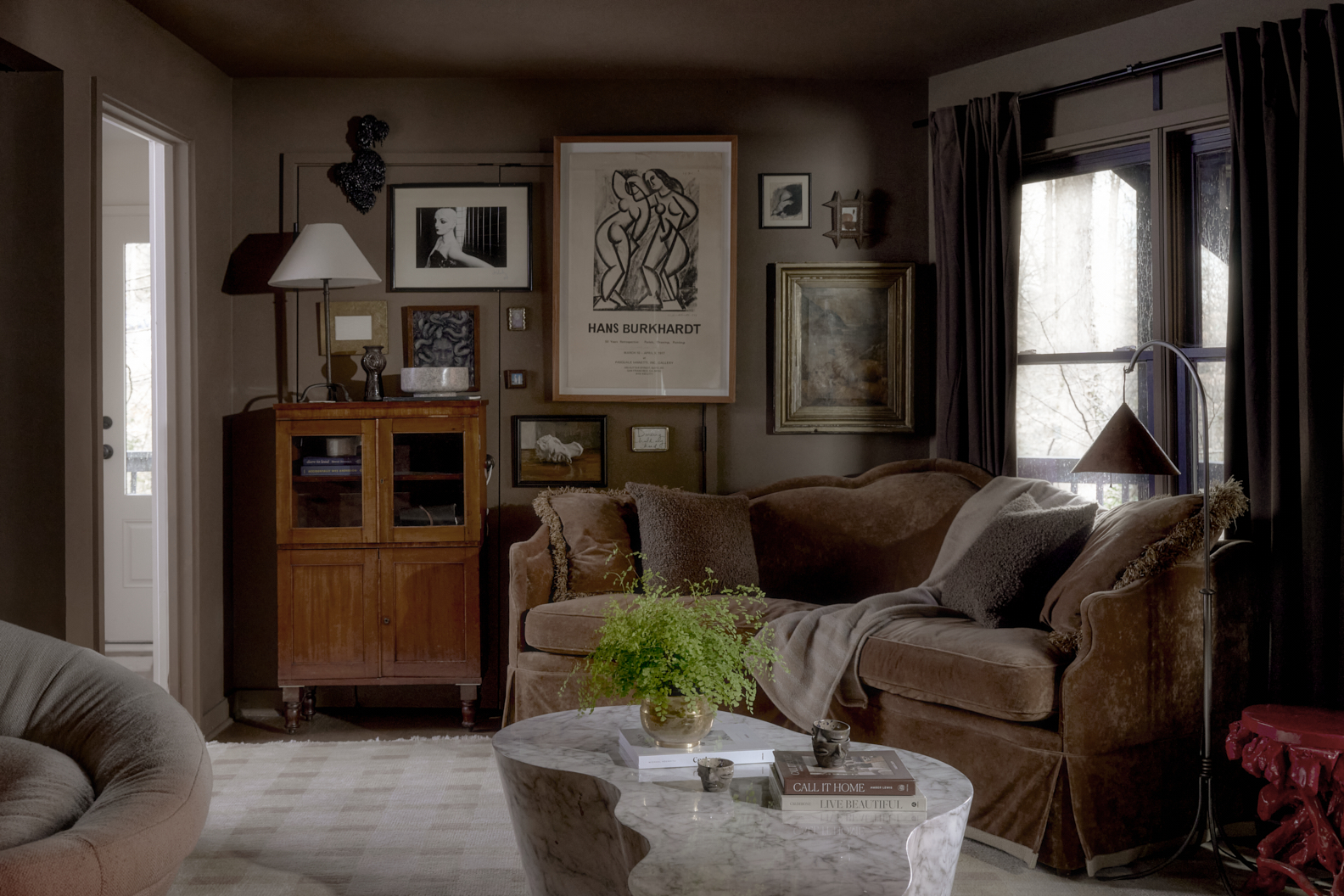
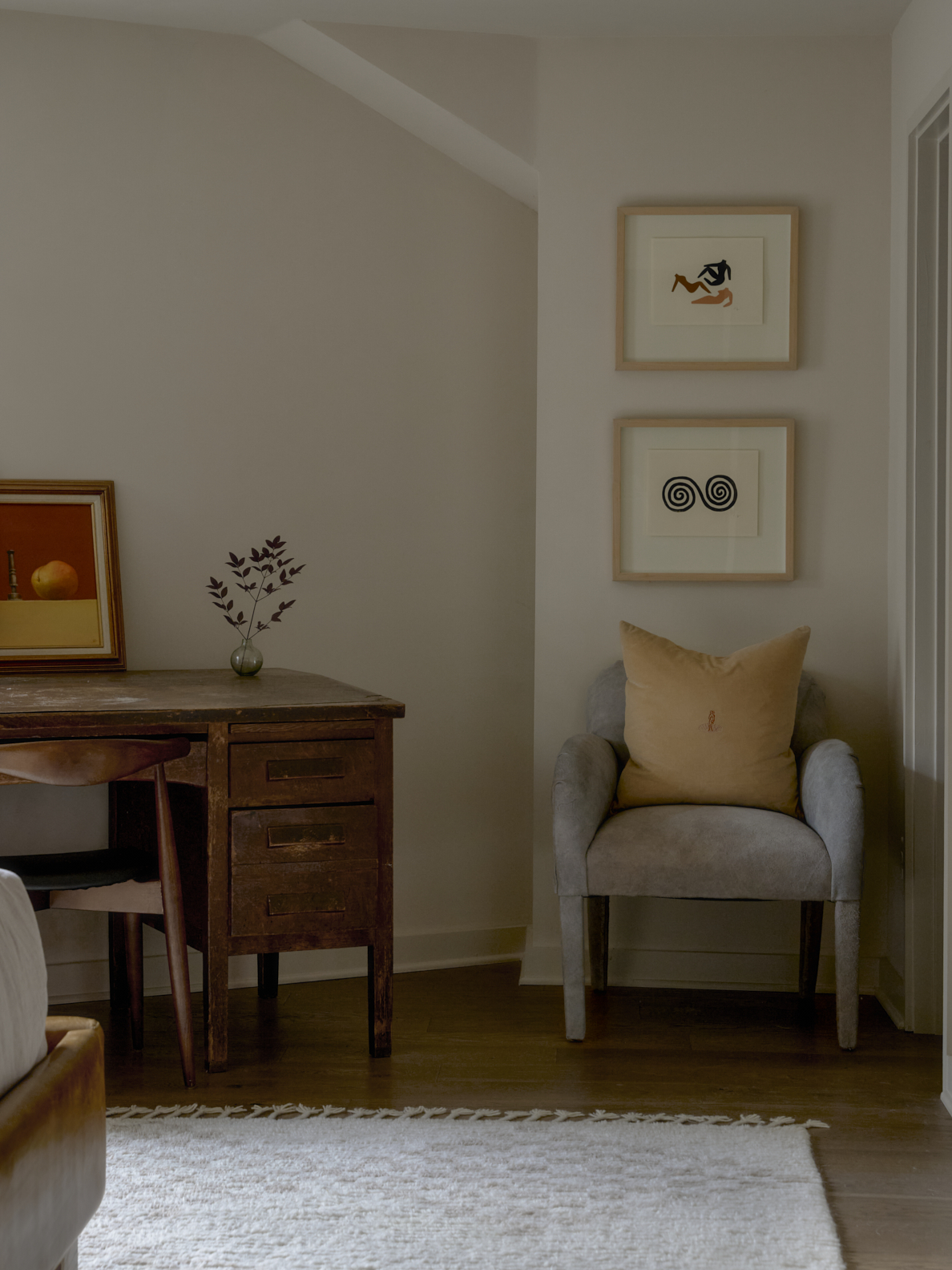
Art grounds the space emotionally. A large Japanese ink–inspired work by Atlanta artist Elisa Berry hangs in the dining room, folded up and rescued after a test shoot. In a guest room, two long-coveted artworks by California artist John Zabawa flank a 120-year-old printer’s desk passed down through creative directors. The desk serves as a reminder, Trachier says, of where he started.
It took nearly two years to fully furnish the house. Some items came and went; others required road trips. “We didn’t buy everything at once,” Trachier says. “Every piece has a memory.” In a home defined by curves, it’s that accumulation of stories, risks, and a little postmodern drama that makes it feel complete.