We may earn revenue from the products available on this page and participate in affiliate programs.
Maybe it’s the gridlocked housing market and limited square footage of forever-starter homes. Maybe it’s a reflection of current parenting approaches: the idea that literal togetherness creates deeper emotional connections. The fact is, today’s family homes are increasingly likely to include kid-friendly furnishings in all rooms—not just in a separate, closed-door playroom. Probably, this has something to do with the fact that “kid stuff” has taken an aesthetic turn for the better, and can thus live more harmoniously in communal surroundings. And it helps that modern performance fabrics are really, really good. Parents can breathe a little sigh of relief about all this, but you don’t have to have kids to create a home that’s inviting and comfortable for them. (They will find a way to come over!) Here are some ideas for creating an adult-approved, kid-inclusive home from the designers who are doing it best.
For Crafting
Art Table in the Living Room
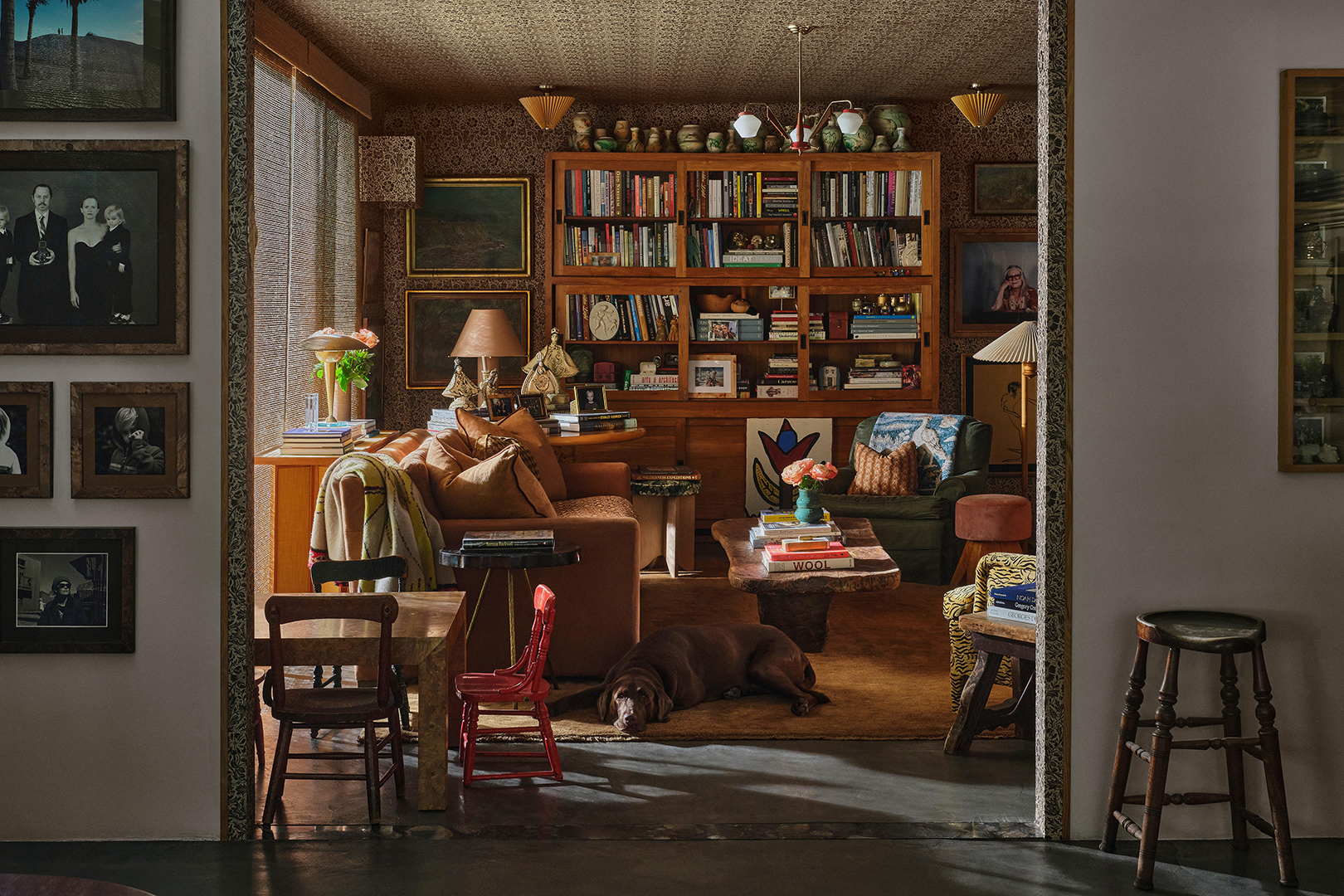
Children’s brands have clearly received the message that design-conscious multi-functionality sells. Items like Oeuf’s Moss table and chair sets, as well as West Elm’s Dewey Activity Table, fit into a range of decor styles, and with a little styling, easily become an attractive feature within a room rather than a concession. Vintage pieces can also provide the perfect setup, as in Pierce & Ward founder Louisa Pierce’s living room pictured above. “Just having your kid’s working space in your working space is so good for the family, but it obviously has to look good. I love the beauty of all the markers and the beautiful glass jar with all their papers,” says Pierce, the co-founder of Pierce & Ward. “You can always make a creative space look really beautiful and not like a plastic glob.”
Display Board in the Kitchen
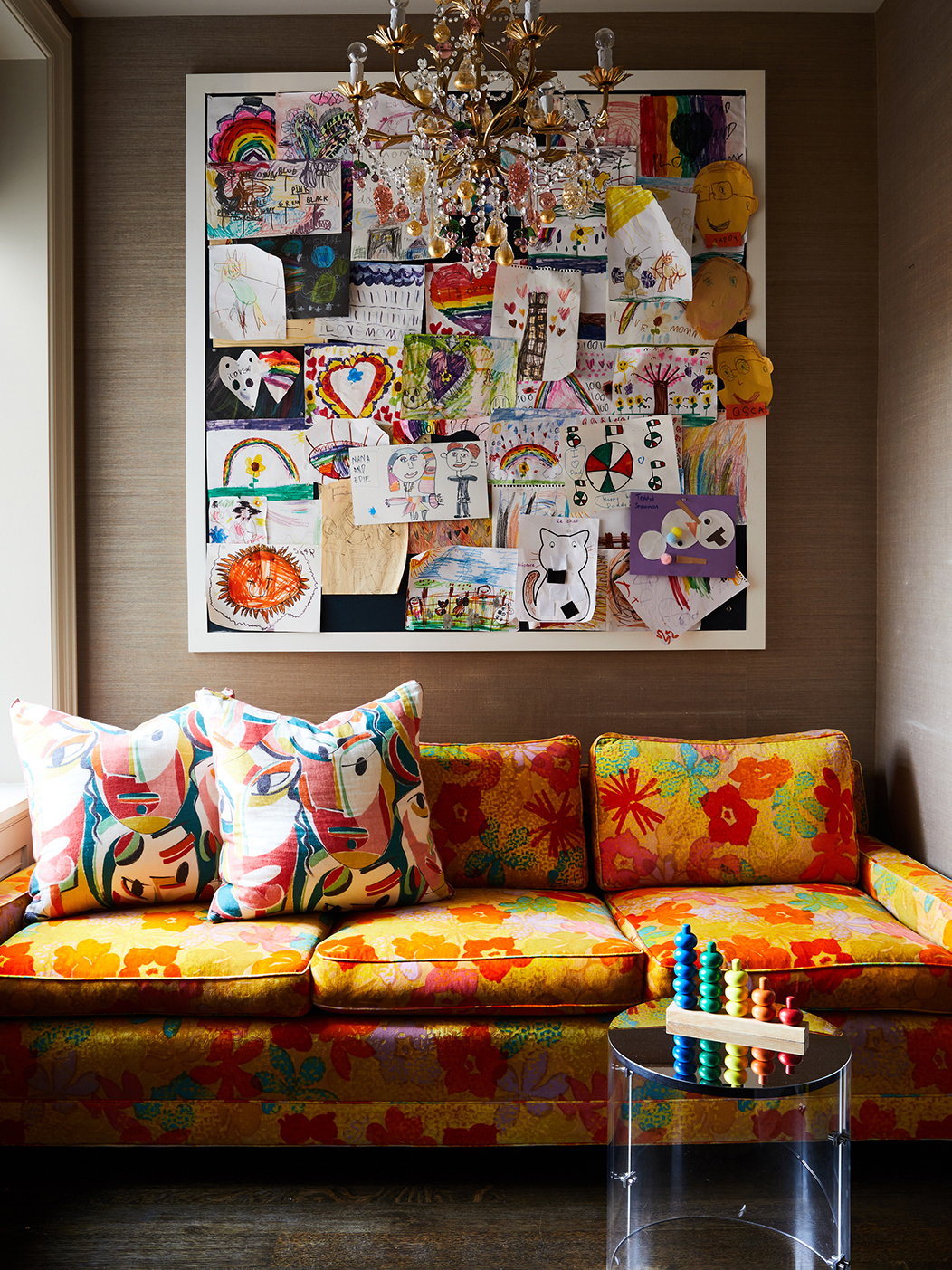
“That’s going on the fridge” has long been high praise for kid’s art projects. But in Edie Parker founder Brett Heyman’s Manhattan apartment, drawings and paintings have graduated to pride of place on a kitchen corkboard that houses a vibrant printed sofa and rococo chandelier. “The taste veers colorful and joyful, so kid art works well in that context,” says Heyman. “We treated it like anything else we would hang. Nothing makes me happier than seeing their hard work.” That said, she does curate a nice selection to put on display: “There’s a certain standard of art that makes the board. They have to have made some effort and be proud of it.”
For Physical Fitness
Trampoline Inside the Ottoman
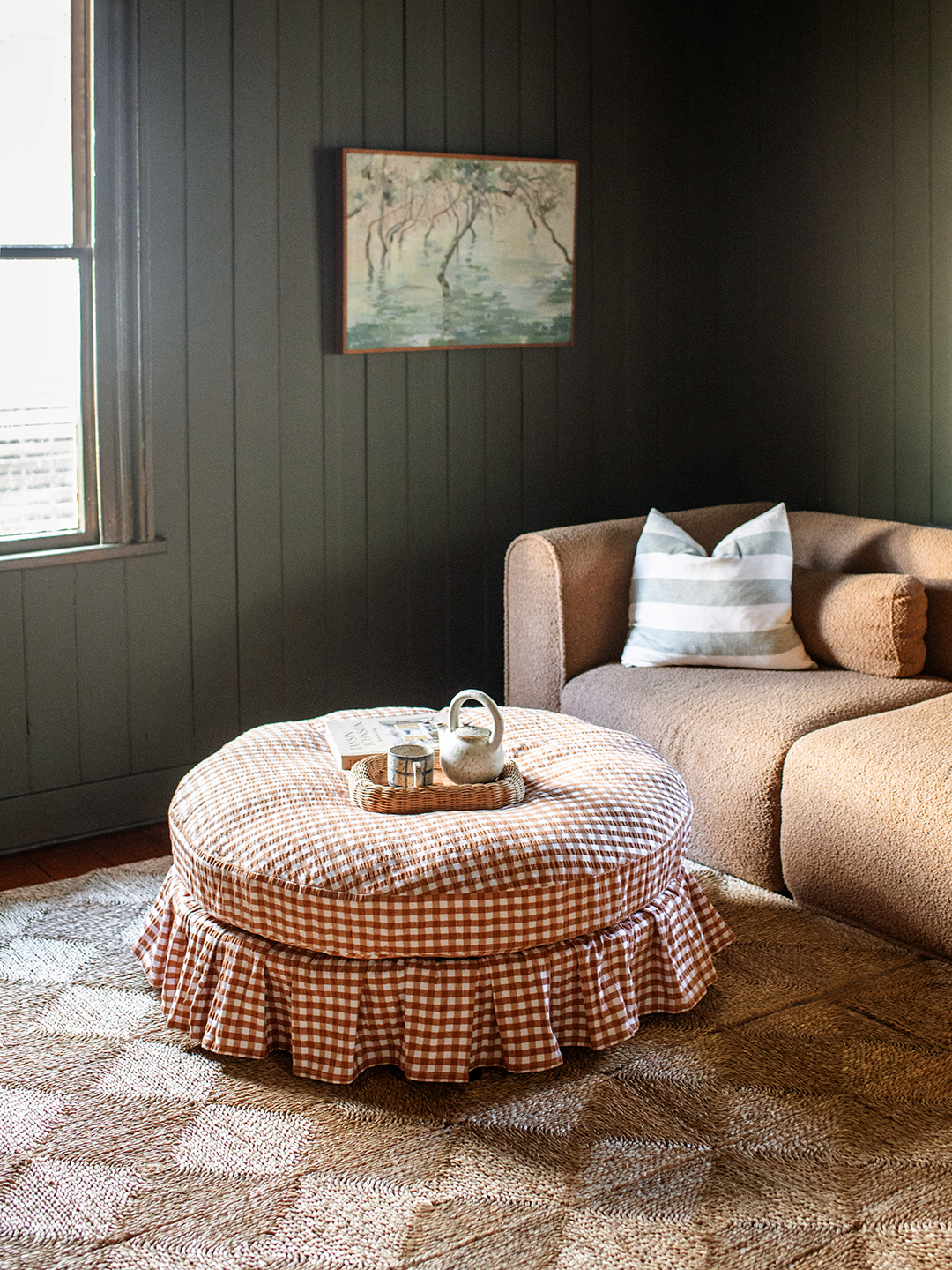
Geneva Vanderzeil’s home doesn’t hew to any particular style—a modernist sofa fits in with cottagecore details, clean lines, and funky vintage pieces. “For us, it’s all about finding pieces that are beautiful enough to live in the main areas but still functional for the kids,” she says. Last fall, a bespoke ruffled cover she made for a trampoline went viral; when not in use, it looks like a darling ottoman. In addition to being darling, it made the room more usable: “Having it in the living room really changed the way we use the space,” says Vanderzeil. “It became a central hub for activity, not just a place to sit and watch TV. It encourages movement and interaction where we all are.”
Climbing Frames in Any Room
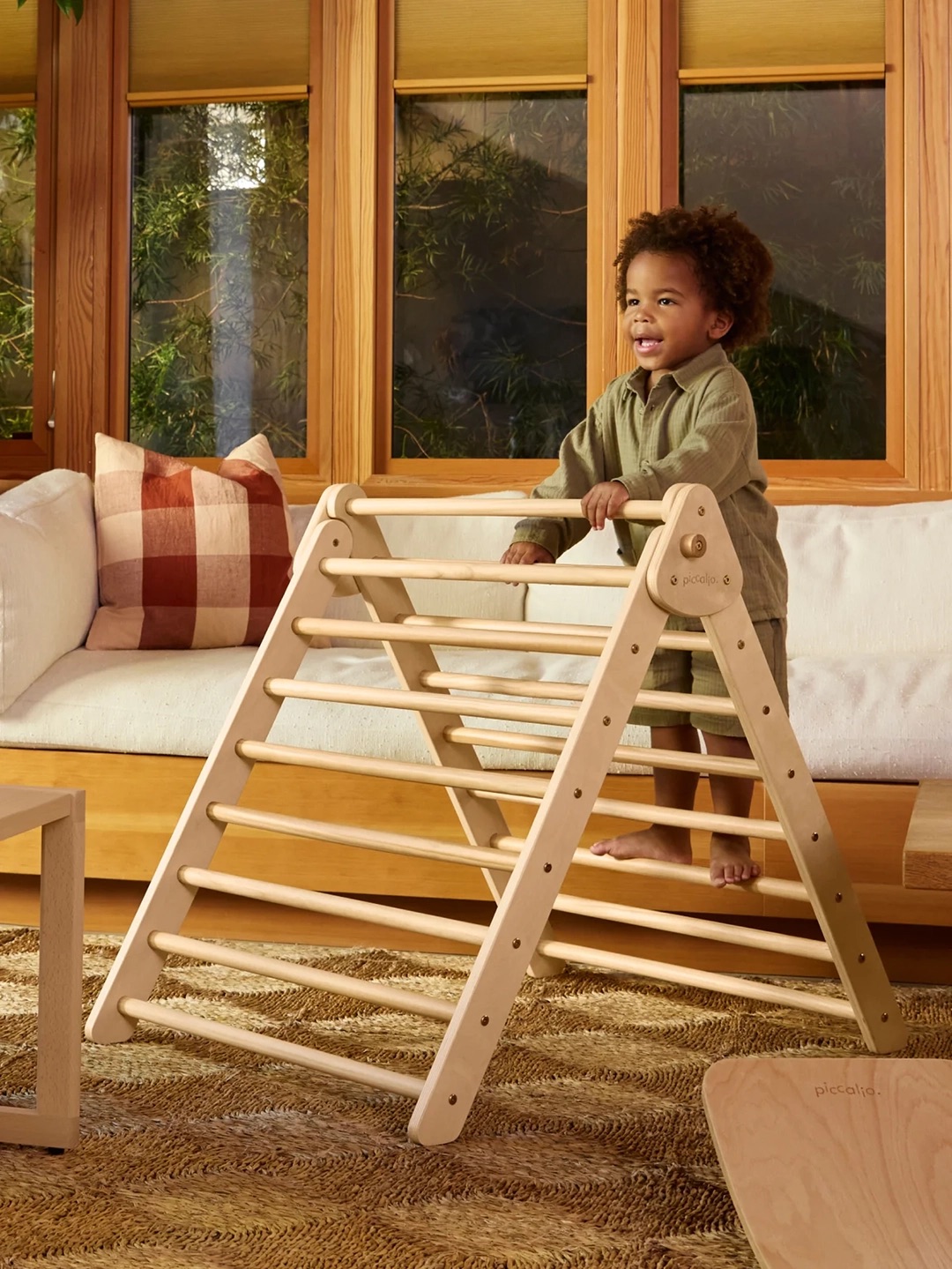
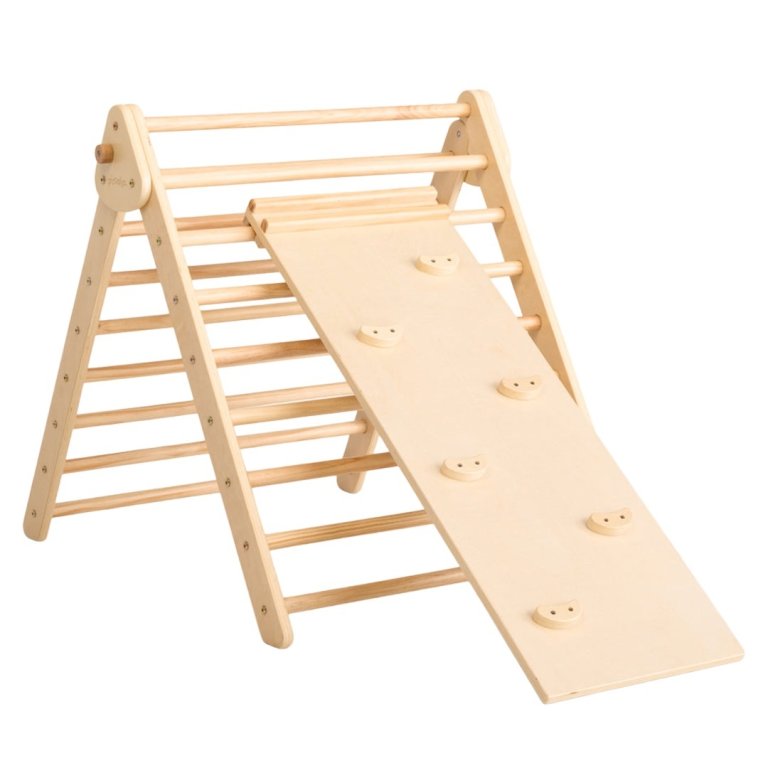
Kids who were cooped up during the pandemic years had to find entertainment somewhere. Instead of plastic Playschool slides, parents turned to products that didn’t necessarily undermine the aesthetics of a space. This climbing triangle, by 2025 Domino Design Award winner Piccalio, is a prime example of how neutral wood activity centers were crafted to fit into a variety of styles without detracting from the overall aesthetic—of a kitchen corner, or home office, or even the home gym. They denote the presence of children and are sculptural, rather than an eyesore.
For Homework
Little Chairs at the Coffee Table
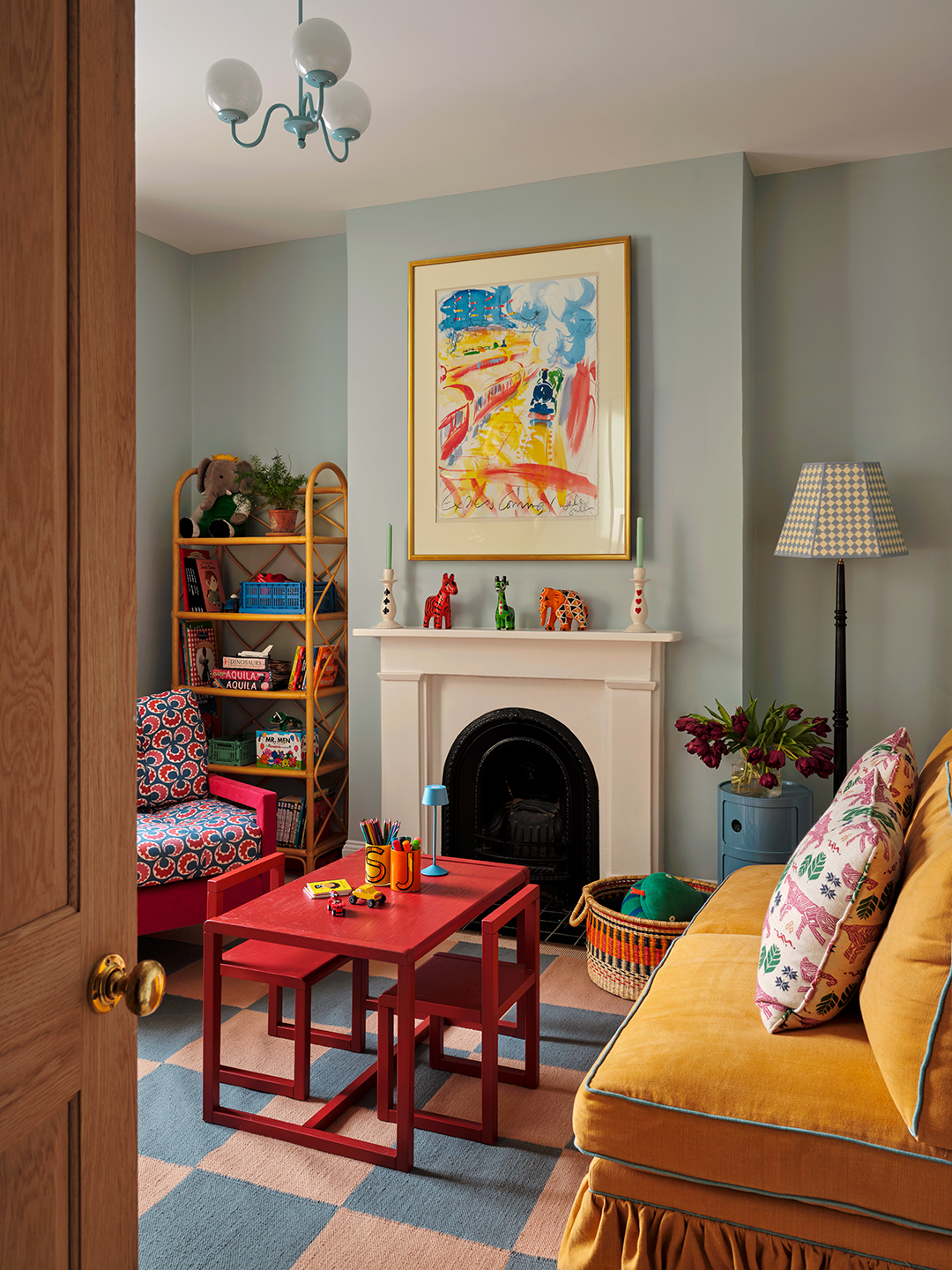
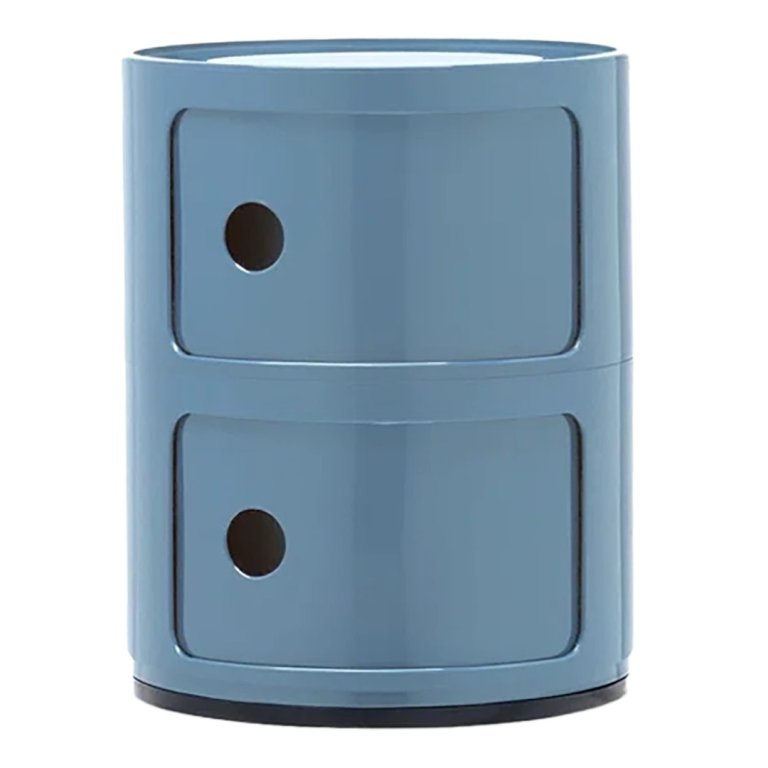
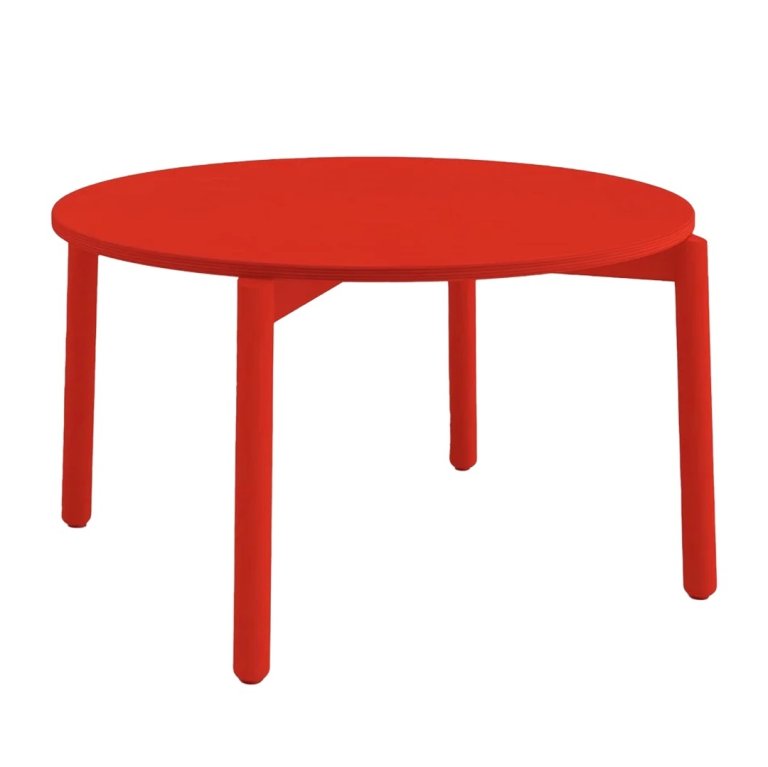
A cherry red kid-height table centered between two loveseats provides the perfect tinkering or workbook station in this room by Sophie Garland, but could also serve as a coffee table for adults. Even the little chairs provide additional tabletop surface area in a pinch—you could pull a few of these up to your existing coffee table to make it more useful for kids. Spot the bonus adult-approved, kid-functional storage piece peaking out from the corner: a classic Kartell Componibili end table. Stash their supplies within reach.
Desks Hidden Inside Built-Ins
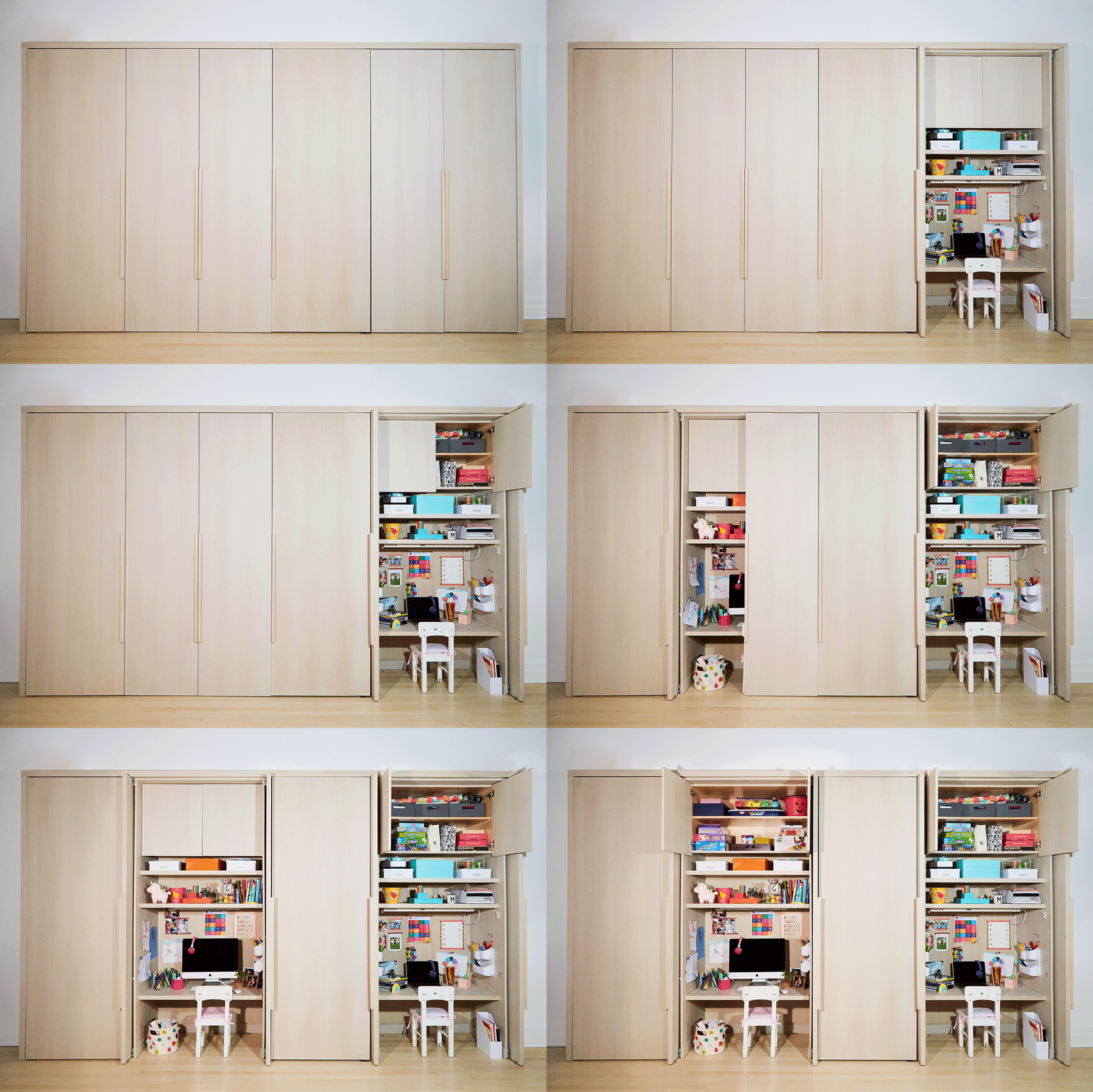
Chaos and clutter are two major issues when it comes to finding a place for your child’s stuff—and this custom storage solution, in a Brooklyn apartment by John Rawlins, was designed to address both. But more than just providing two children with a homework hub and supply storage that could be quickly hidden away, the aim of this project was to bring the family together in a common space, where everyone could be together. The result is priceless, across the board.