We may earn revenue from the products available on this page and participate in affiliate programs.
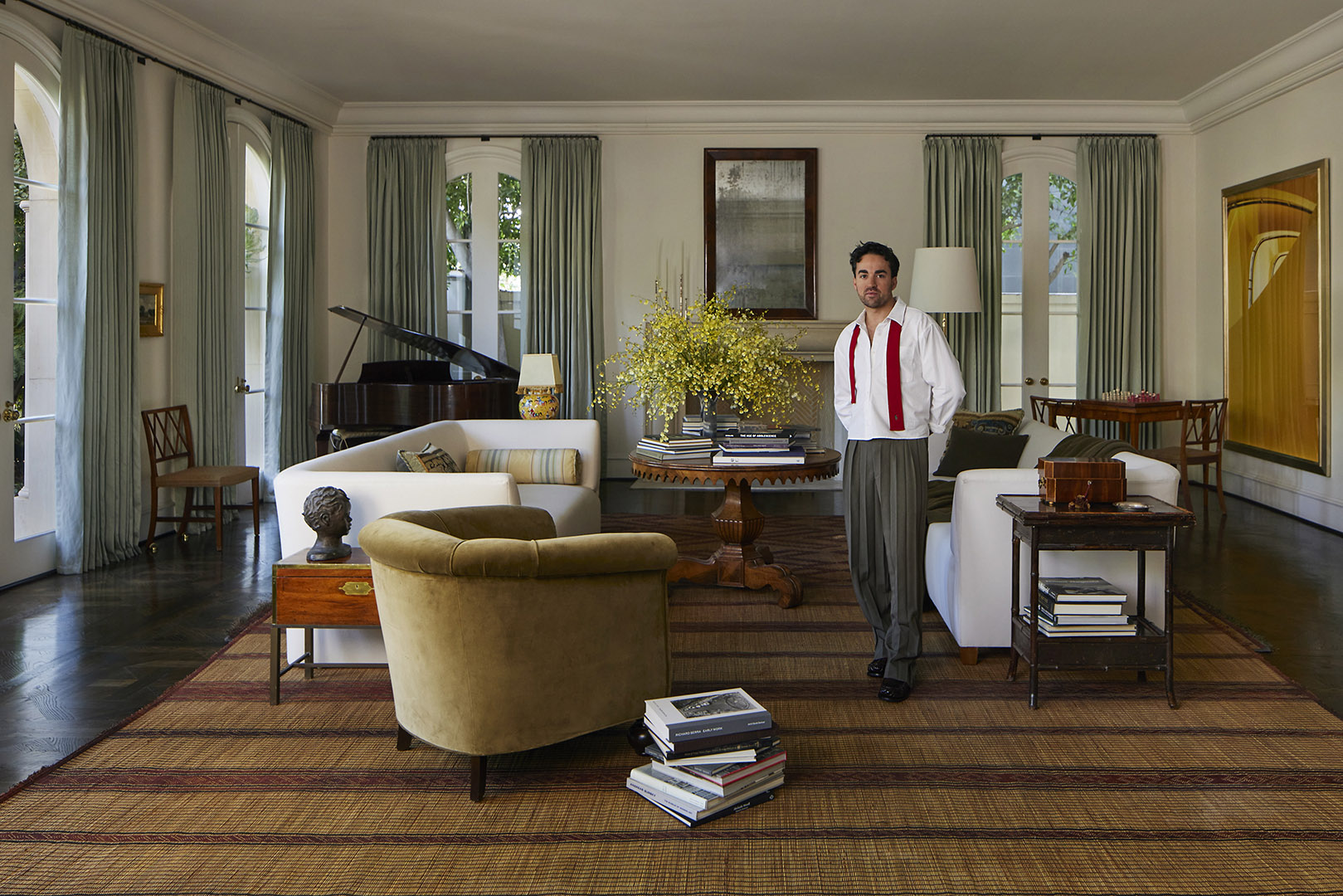
Designer Jake Arnold holds the same opinion on curtains as he does wallpaper and rugs: They should never be an afterthought. With clients like Katy Perry, his name is a popular one for big collabs spanning everything from furniture (including a pool umbrella that doubles as a table) to wallpaper. This time, he’s heading for the windows. His new curation with Everhem dropped today.
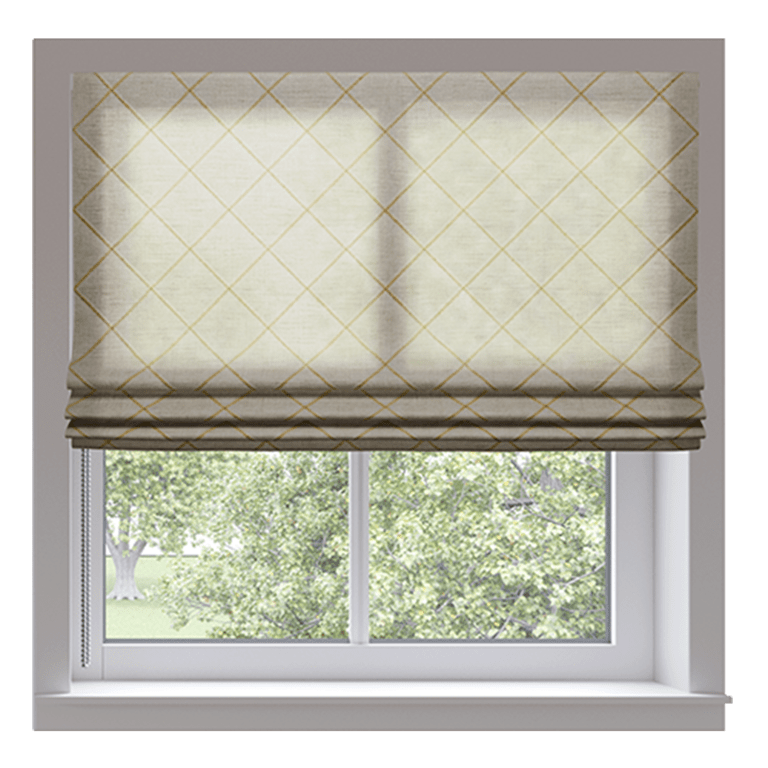
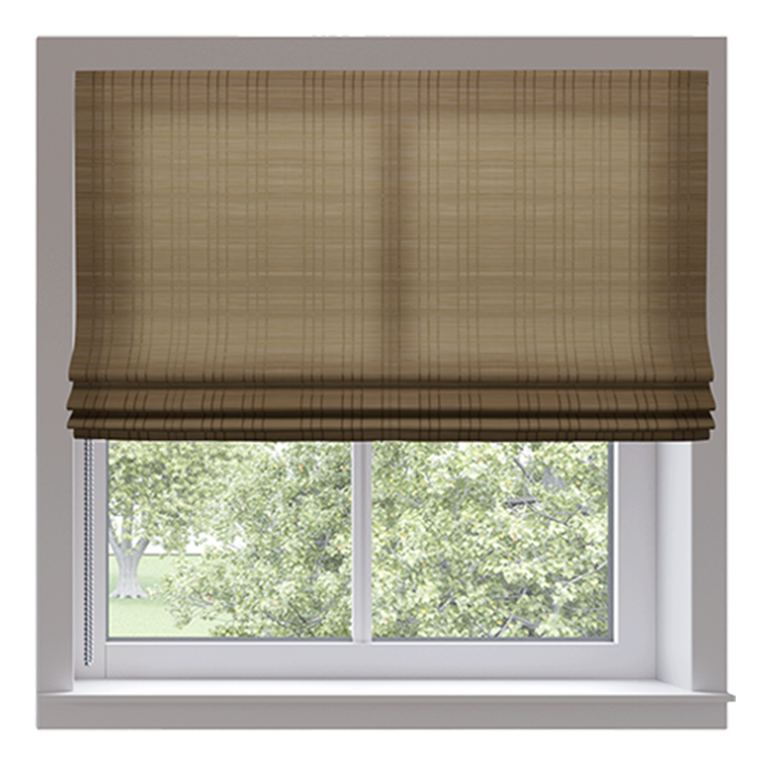
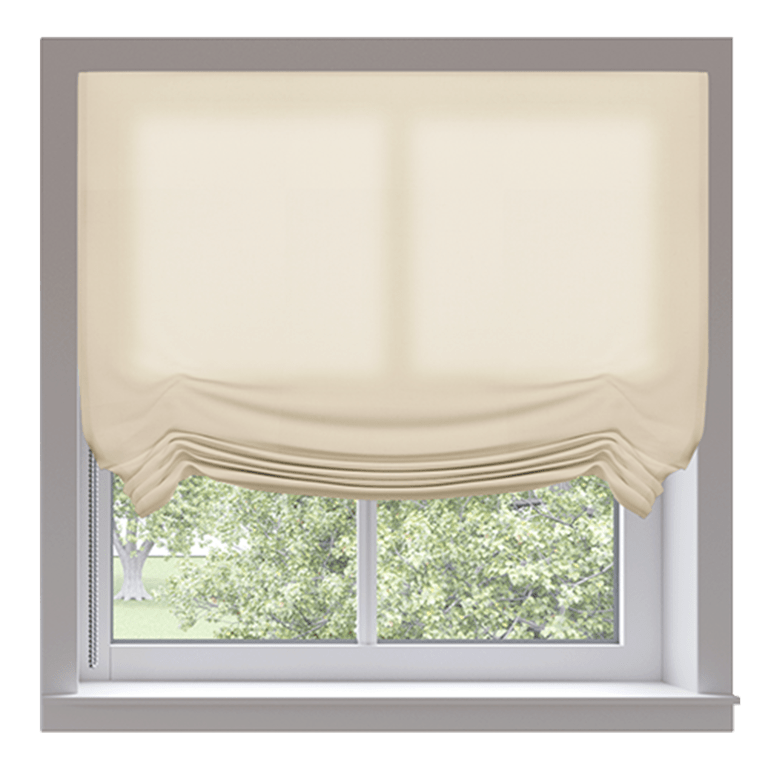
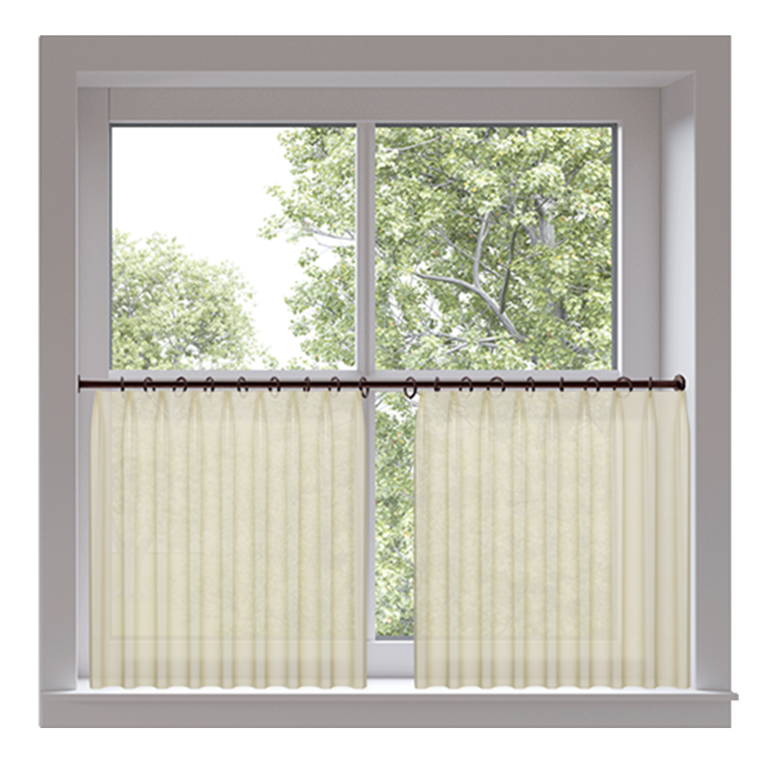
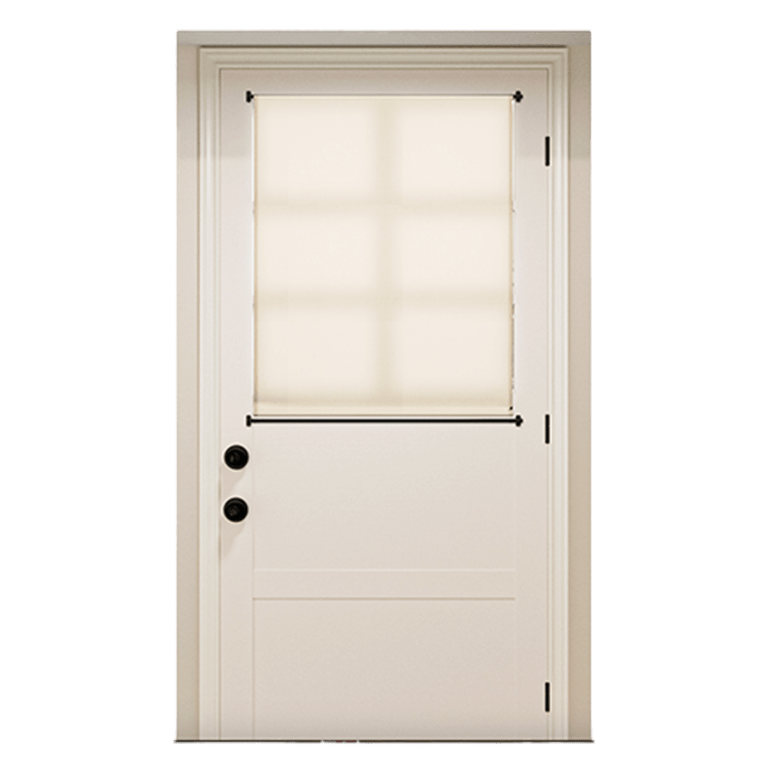
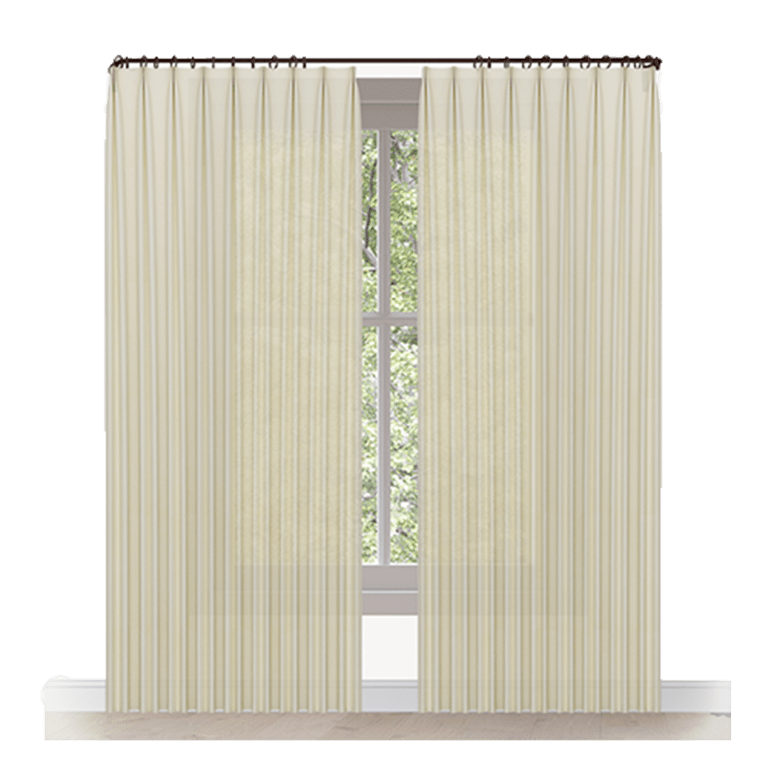
Arnold’s goal? To bring a sense of quiet confidence to window treatments. “So much of what’s available feels either overly traditional or overly minimal in a way that lacks warmth,” says the designer. “This collection is all about balance. Softness with structure. Restraint with richness. Pieces that support the room rather than perform in it.” The assortment includes drapery, Roman shades, café curtains, and fixed panels (a first for Everhem) in 11 different fabrications and materials. Arnold was so particular with every single creation that he even named one of the curtain styles, the Jake Pleat Drapery, after himself.
Ahead, in his own words, the pro shares his thoughts on all things window treatments, from where to use fixed drapery to what’s on his radar for 2026.
The Biggest Mistake He Sees People Make
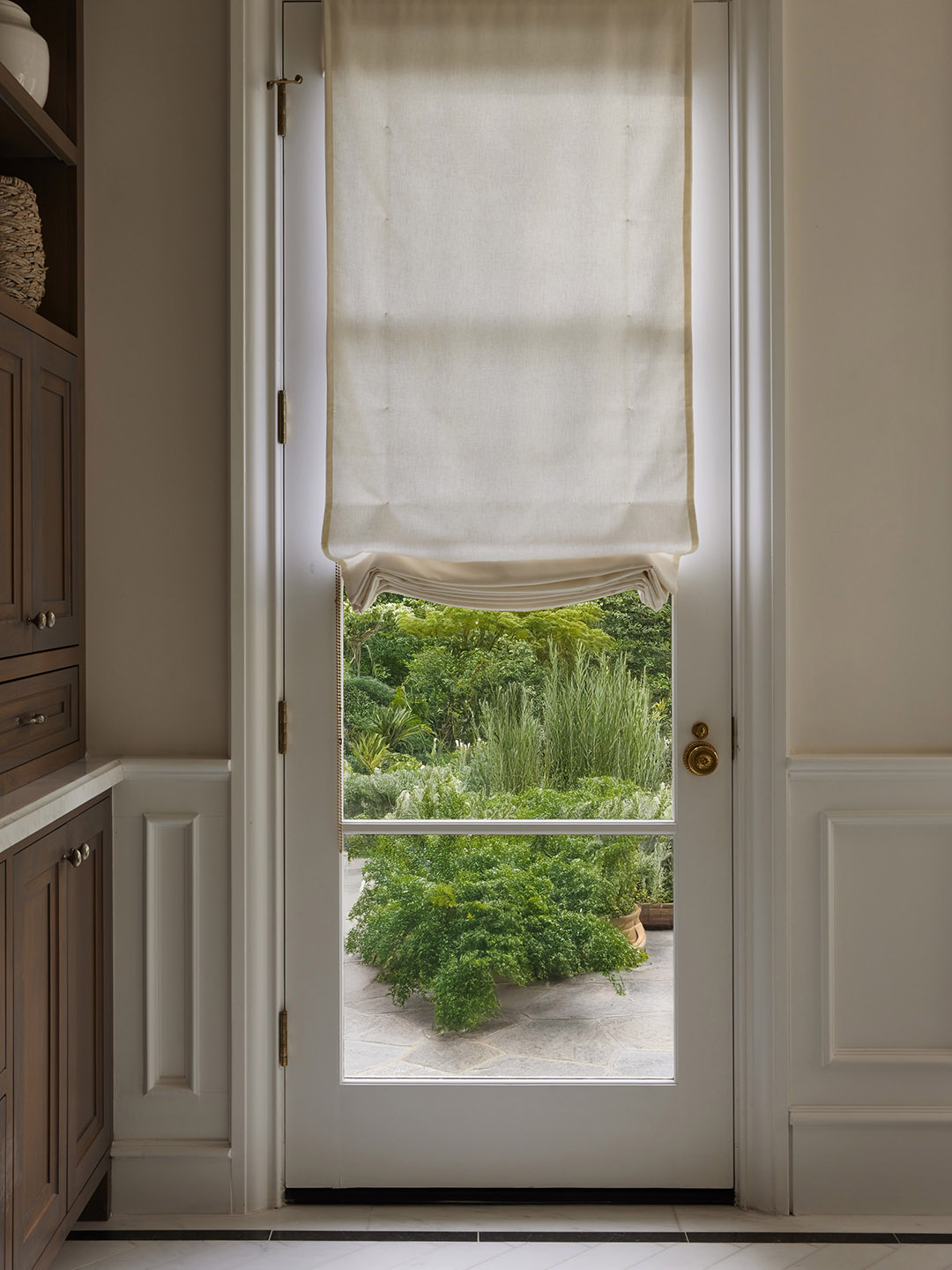
Treating them as an afterthought. Window treatments are one of the most powerful tools for creating atmosphere, softness, and a sense of completion in a space. Another common mistake is overcomplicating them. Too many layers, trims, or decorative details can quickly overwhelm a room. Simplicity, when it’s done thoughtfully, almost always feels more elevated and more enduring.
The Overlooked Curtain Style About to Get Its Due
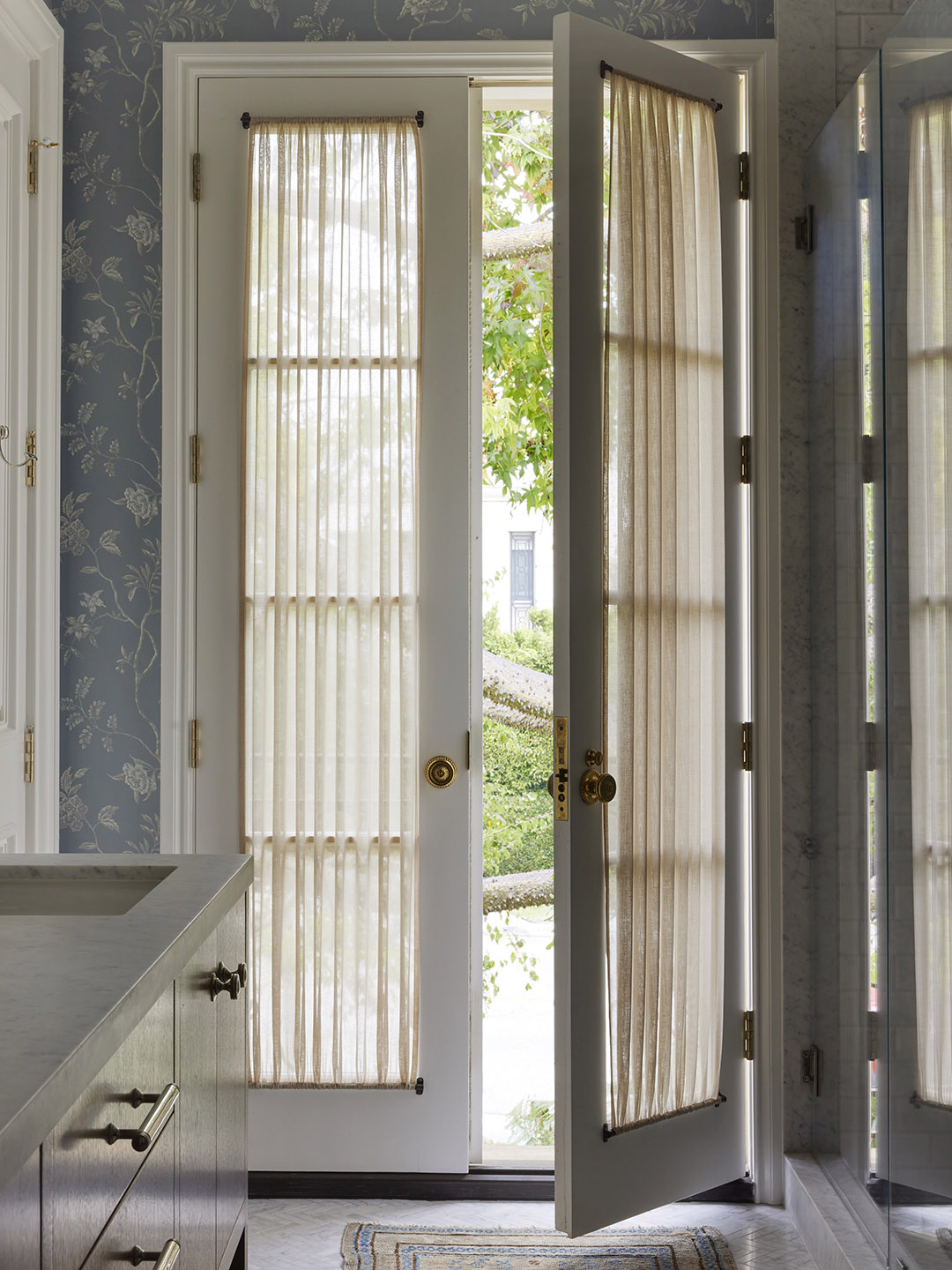
Fixed curtains are ideal when you want the softness and presence of drapery without the need for daily function. I often recommend them for rooms where privacy or light control is already handled by another layer, like a shade, or where the curtains are meant to frame architecture rather than be opened and closed. They’re especially beautiful in living rooms, dining rooms, and bedrooms where the goal is mood, balance, and visual calm.
The First Thing He Notices About Someone Else’s Drapes
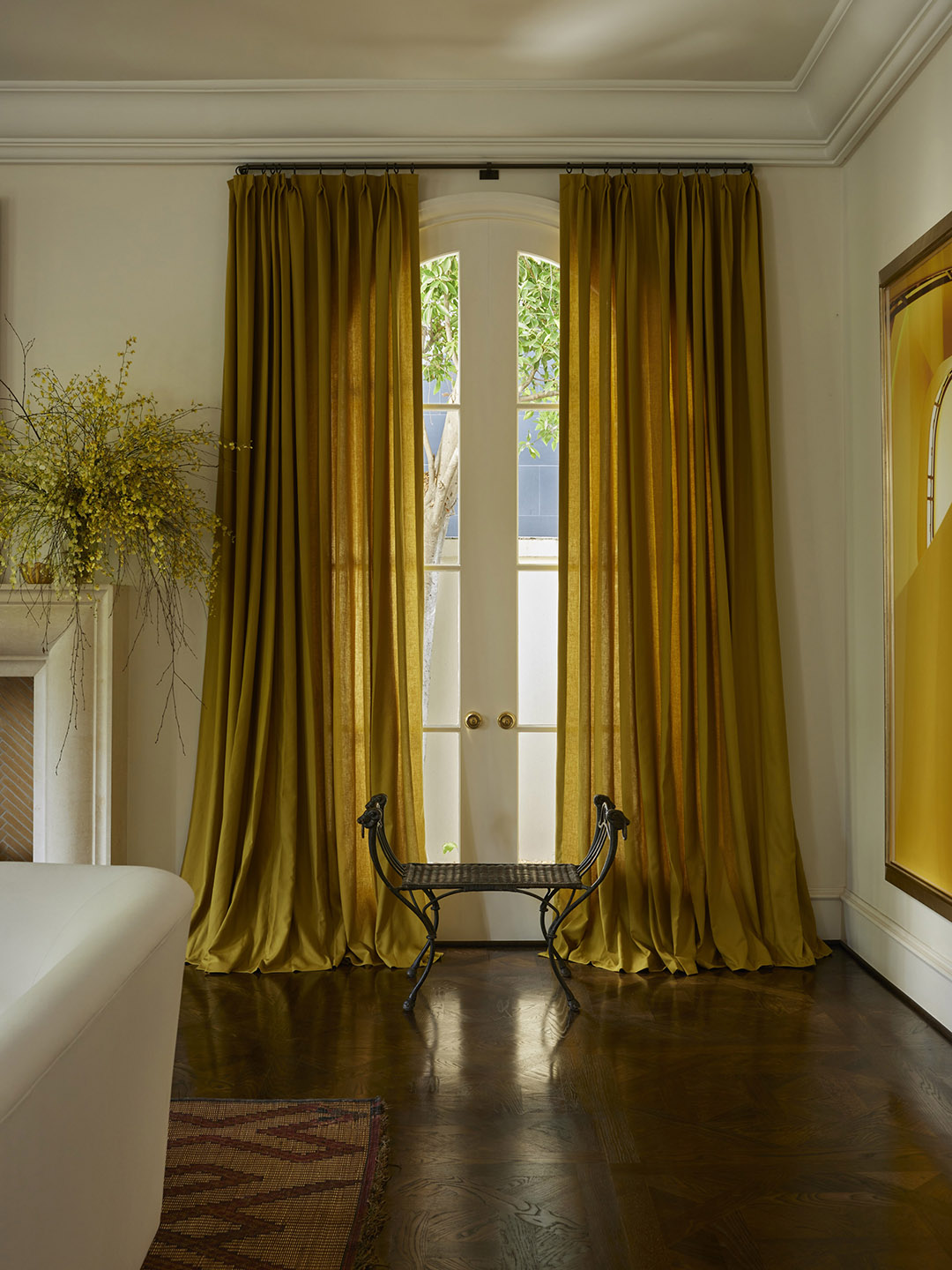
Proportion. I immediately notice where they start, where they stop, and how they relate to the architecture of the room. Curtains should elongate and soften a space. When they’re hung too low, too narrow, or too short, they visually compress the room. When they’re done well, you don’t consciously notice them at all. You just feel that the room works.
His Fresh Spin on Pleating
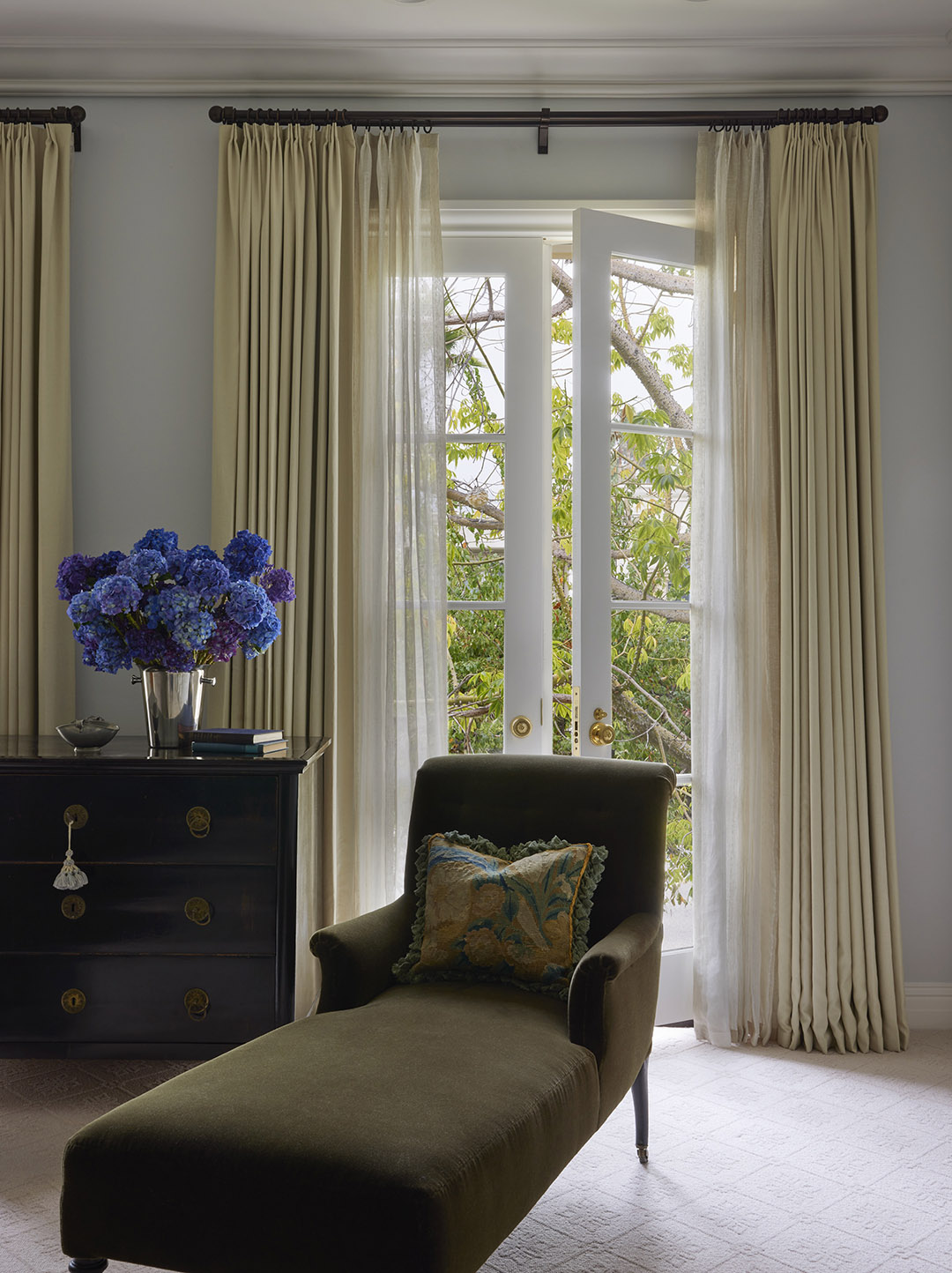
The Jake Pleat is tailored but relaxed. It has structure without stiffness. It’s less about a rigid, decorative pleat and more about a soft architectural fold that holds its shape naturally over time. I wanted something that felt modern but not trendy, refined but not fussy. It works just as well in a formal space as it does in a lived-in home, which reflects how I approach design overall.
Up Next in Curtain Trends
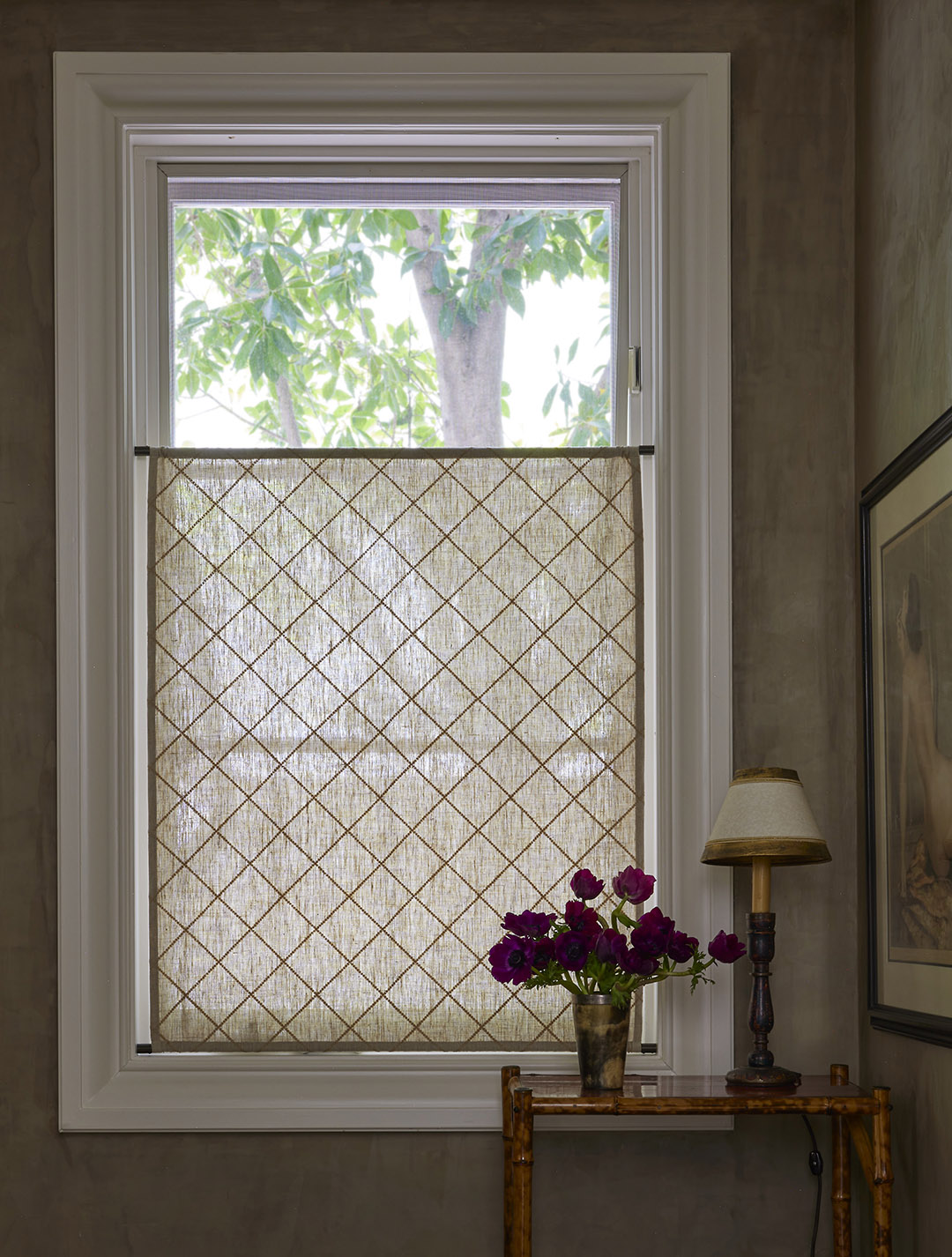
I think we’re moving toward more restraint and fewer rules. Softer neutrals instead of stark whites. Natural textures layered with tailored forms. Hardware that feels architectural but understated rather than ornamental. Overall, there’s a shift toward window treatments that feel integrated into the room rather than applied at the end. Less decoration, more intention.