We may earn revenue from the products available on this page and participate in affiliate programs.
Architect Rafe Churchill had visited this Connecticut farmhouse with several prospective clients more than 10 years ago. A 1820 farmhouse situated on nearly fifty acres of open farmland in the bucolic Oblong Valley sounds like something you’d jump at immediately, but it turned out many potential buyers found the poor condition of the home daunting. It wasn’t until Purdy and Josh Eaton came along that the home was given a second chance at life. The new owners tasked Churchill, who runs the acclaimed architecture and interior design studio Hendricks Churchill alongside his designer wife Heide Hendricks, with the job. By 2015, they rebuilt the chimney, raised the kitchen ceiling, added a side entrance and so much more. Fast forward a decade, the Eatons were ready for a new challenge: adding a guest house.
In their book, Distinctly American: Home and Interiors, published by Rizzoli, the pair look back at some of their best projects, many of which are rooted in historical architecture and the rural landscape. Ahead, in this excerpt, they bring the story of this country house full circle by revealing its second phase.
Following a successful collaboration on the original farmhouse, the clients and Hendricks Churchill eventually worked on the second phase of the project. The team had discussed a broader scope during the original renovation but suggested that they hold off until the family was settled and enjoying life in their new home. A little time living on the property seemed like a good idea before doubling the scope and budget.
former residence. | Photography by Chris Mottalini
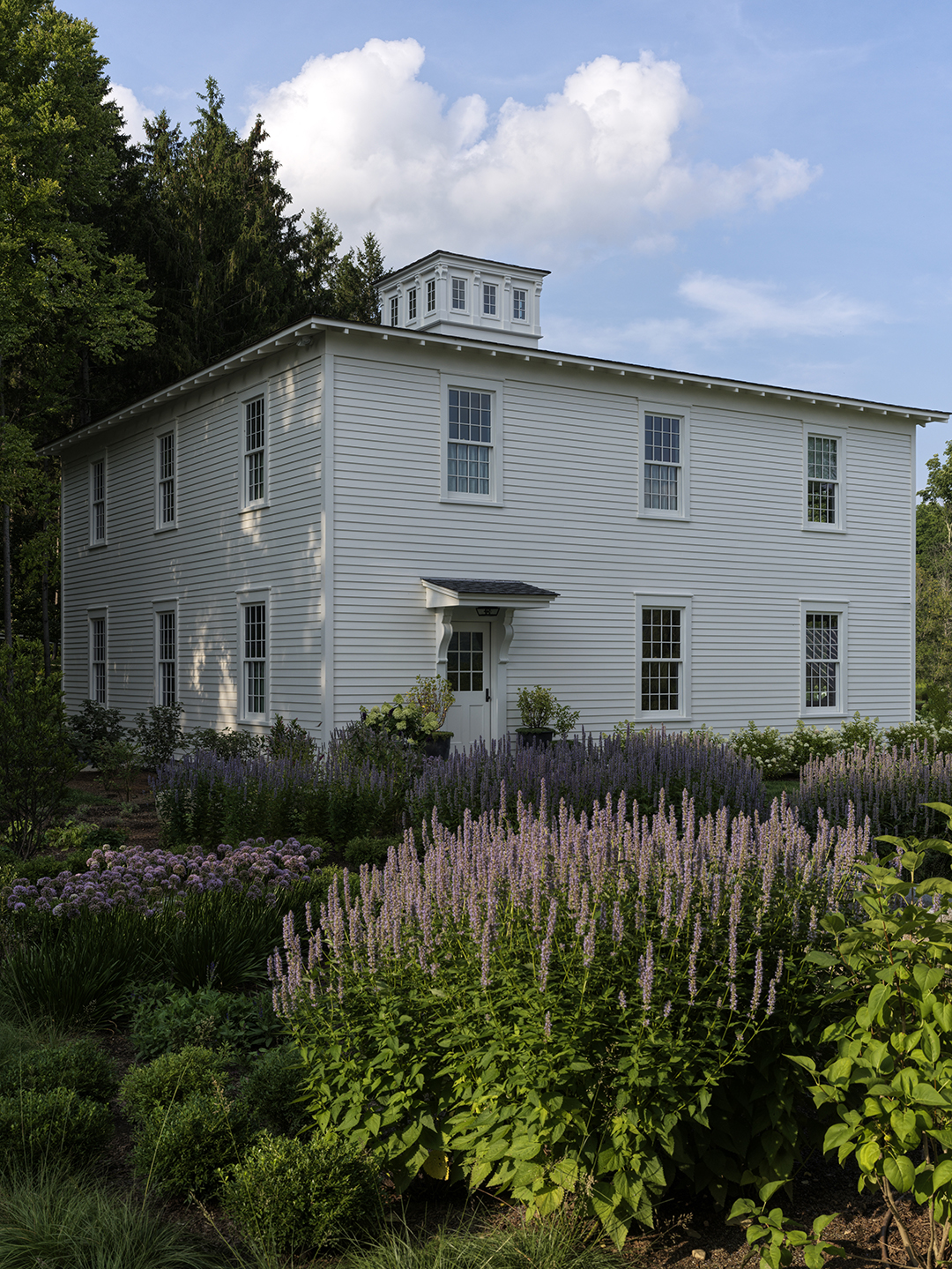
It was during the Covid-19 pandemic that the owners, Purdy and Josh Eaton, decided to leave Manhattan to live full time in Sharon, Connecticut. While living with two teenagers, working from home, and accommodating a steady flow of guests, the family decided it was time for the second phase. This started with a master plan for the property, along with a carriage house, a greenhouse, and a swimming pool. There were discussions about having a physical connection, via a tunnel or a corridor, between the main house and a new carriage house—Rafe having realized both strategies on previous projects. The design team, however, opted for a freestanding structure to ensure the composition of buildings felt traditionally authentic and in keeping with the rural setting.
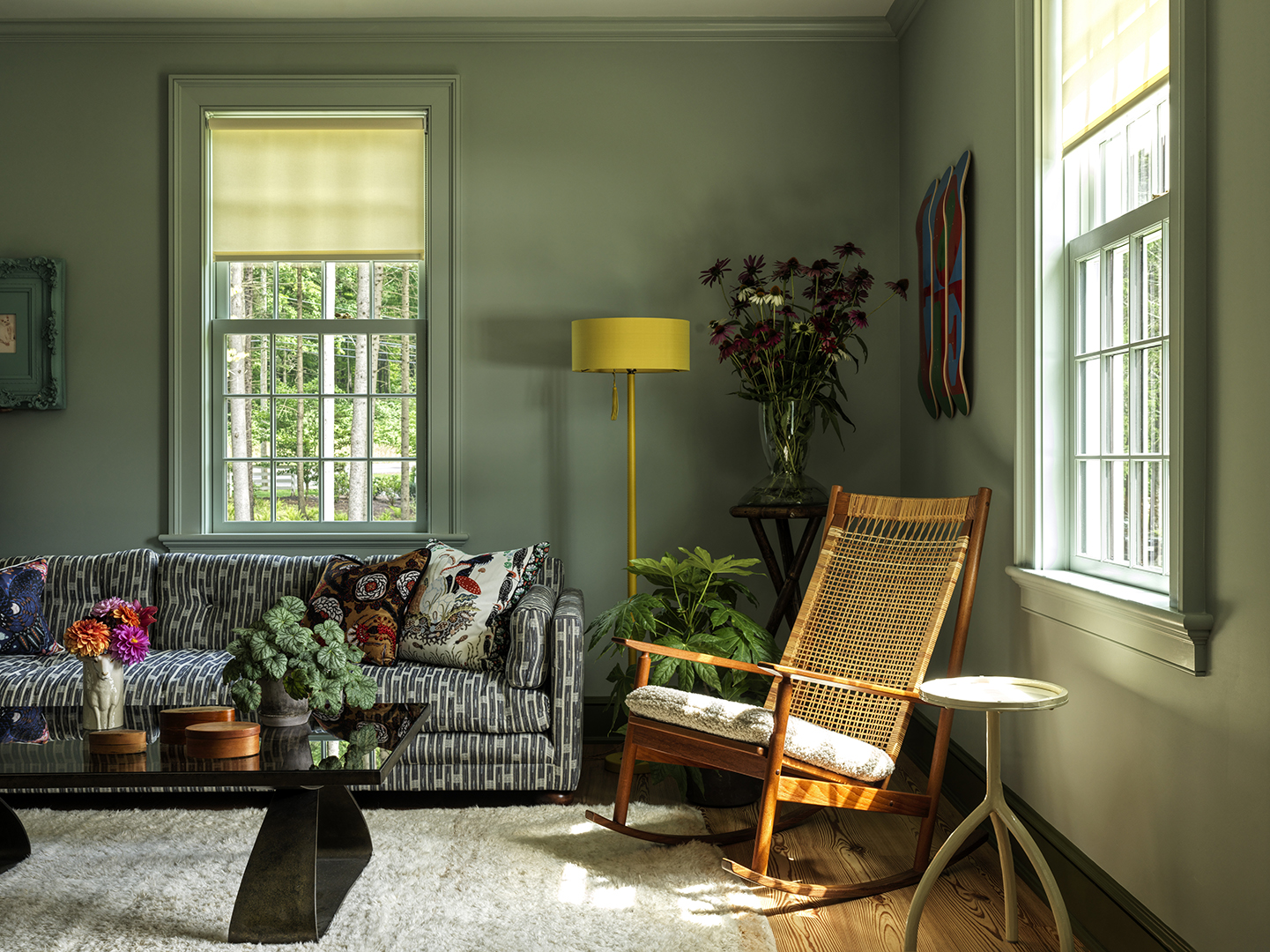
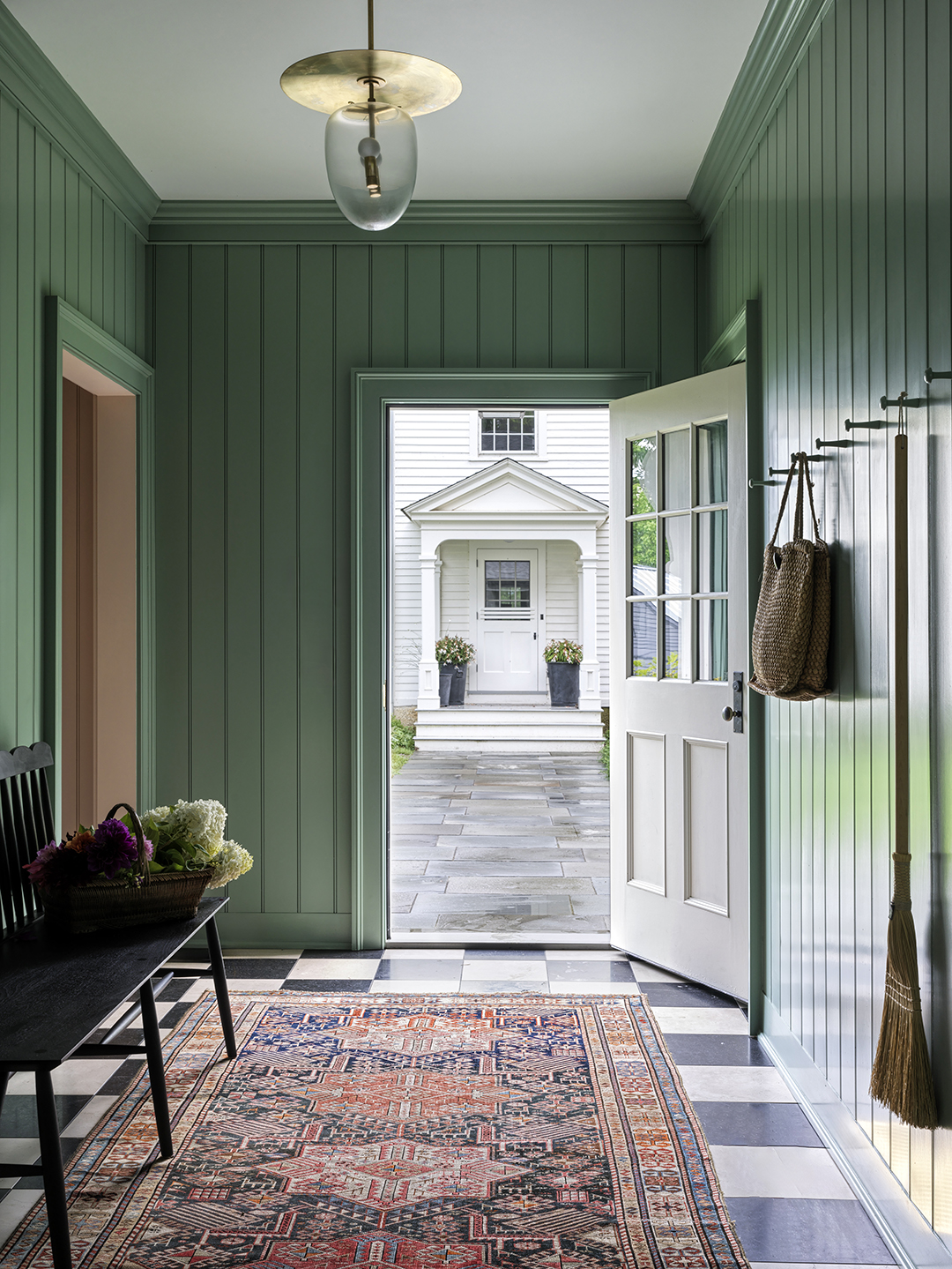
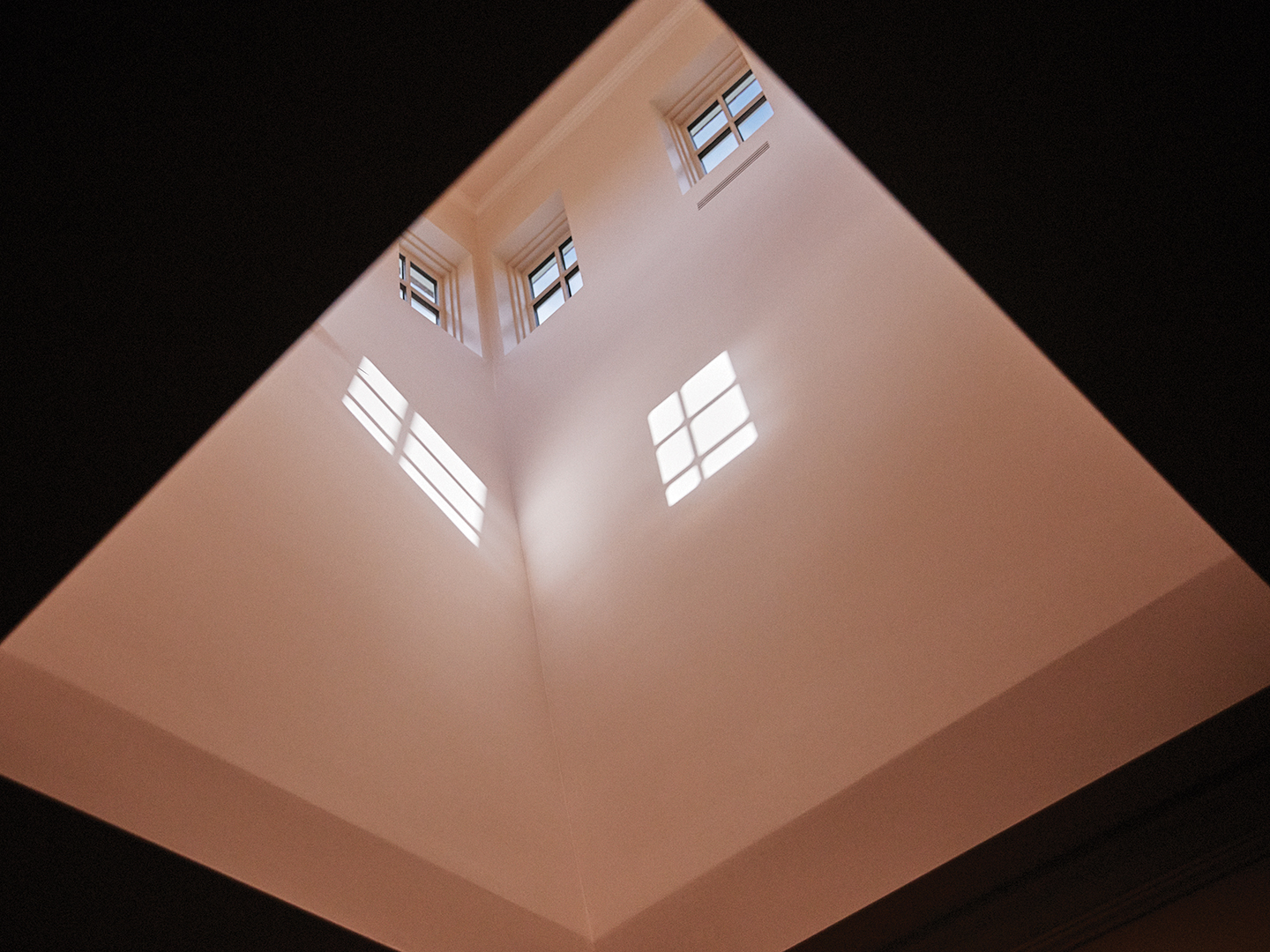
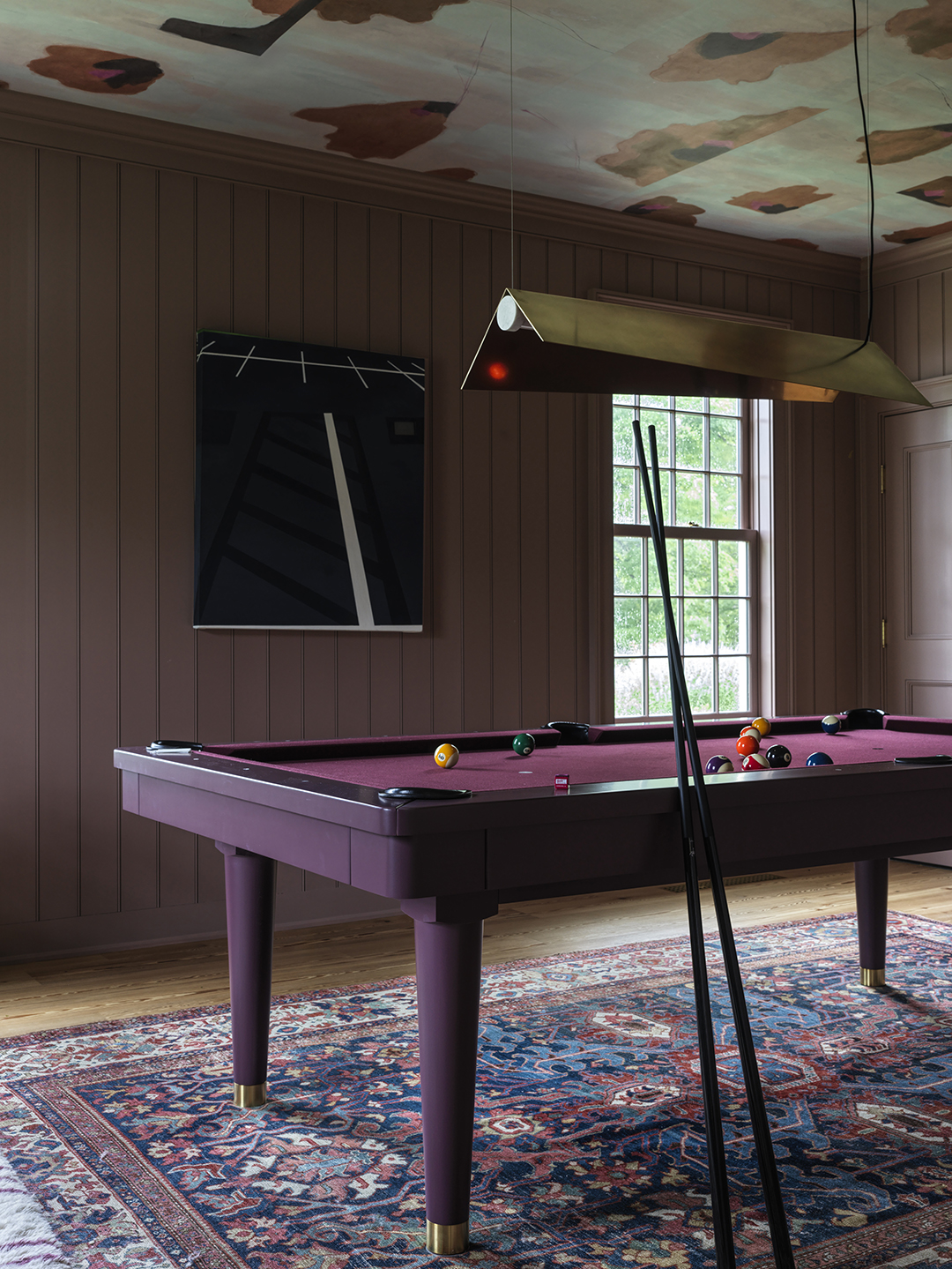
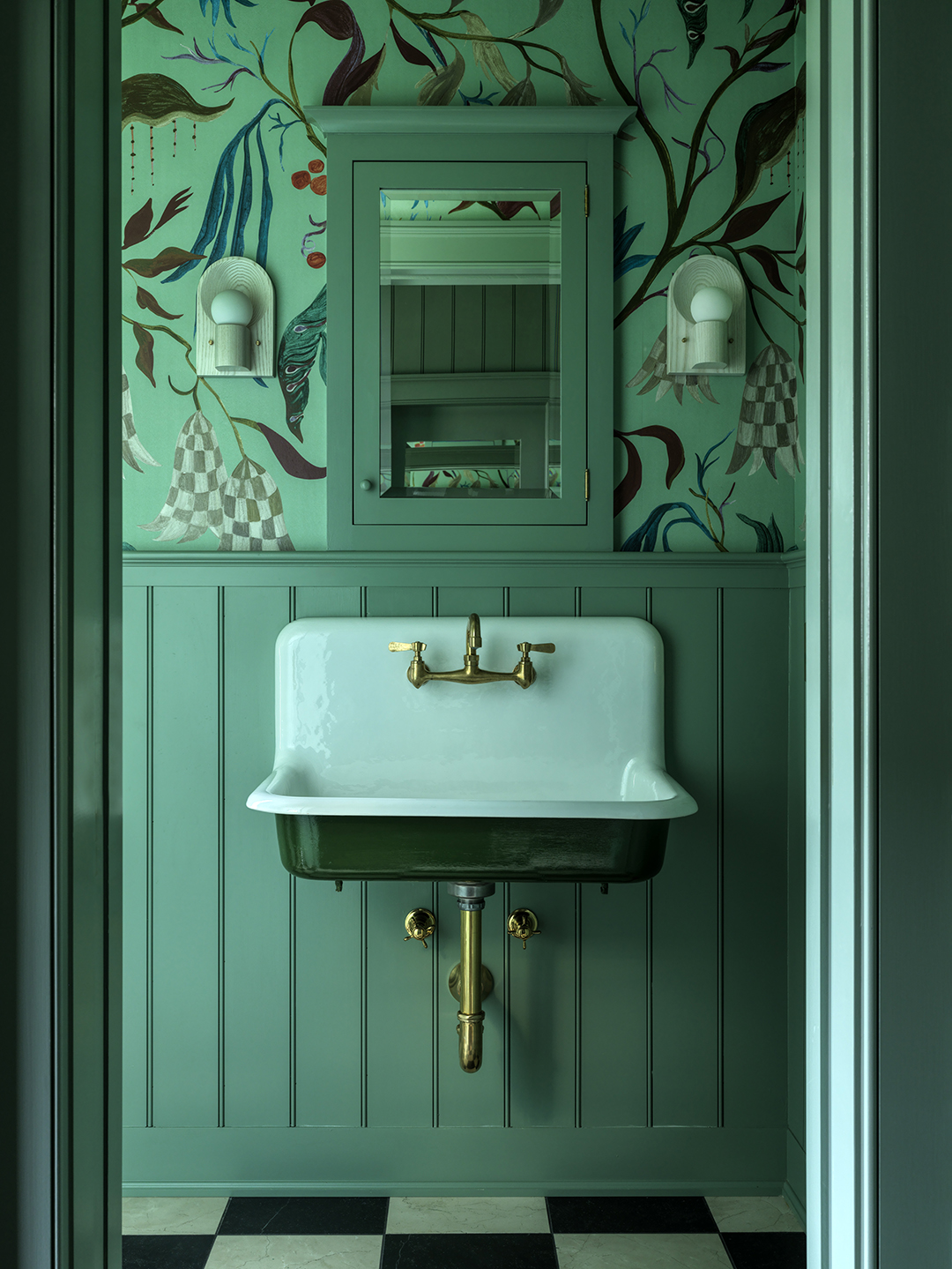
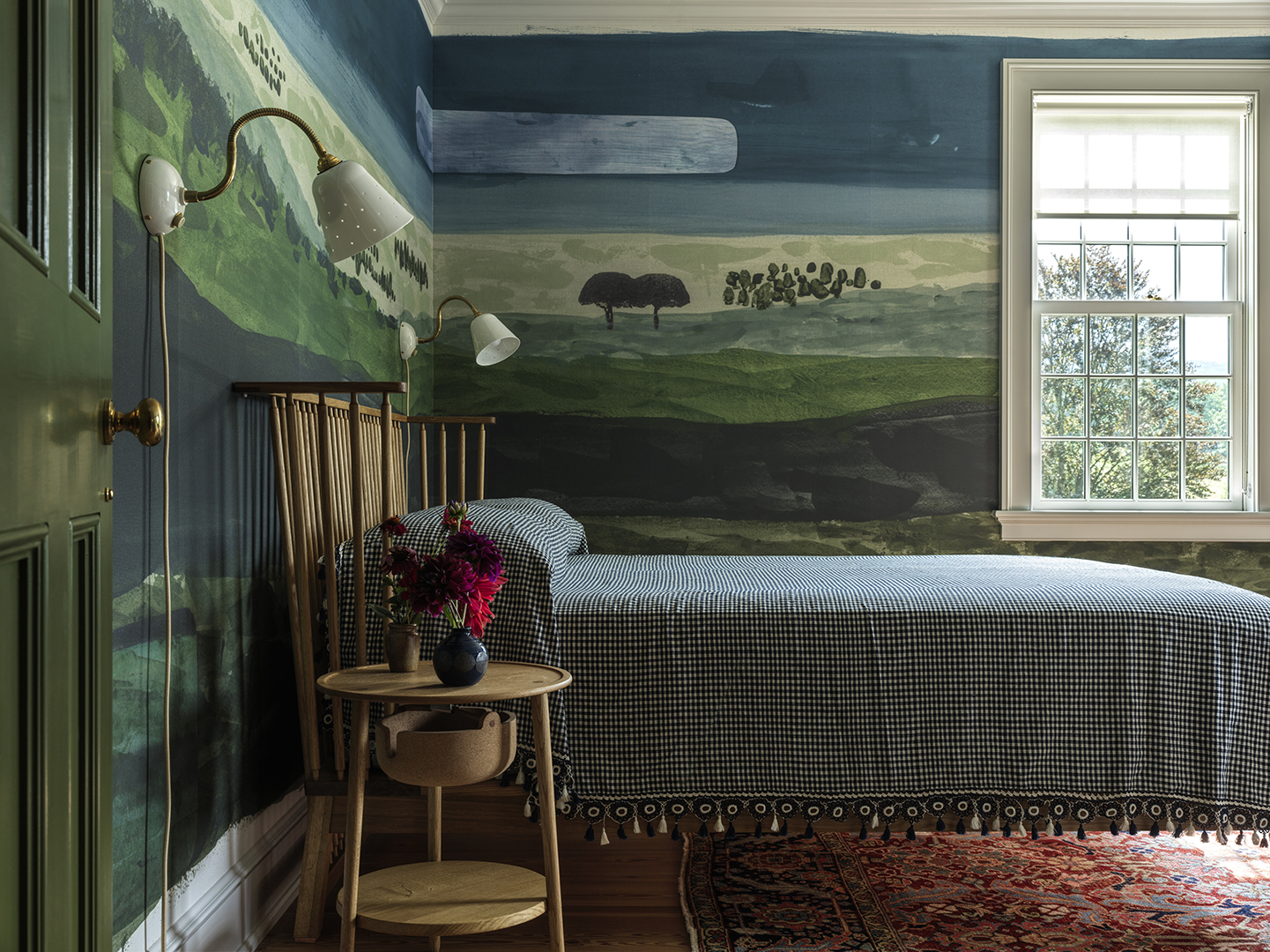
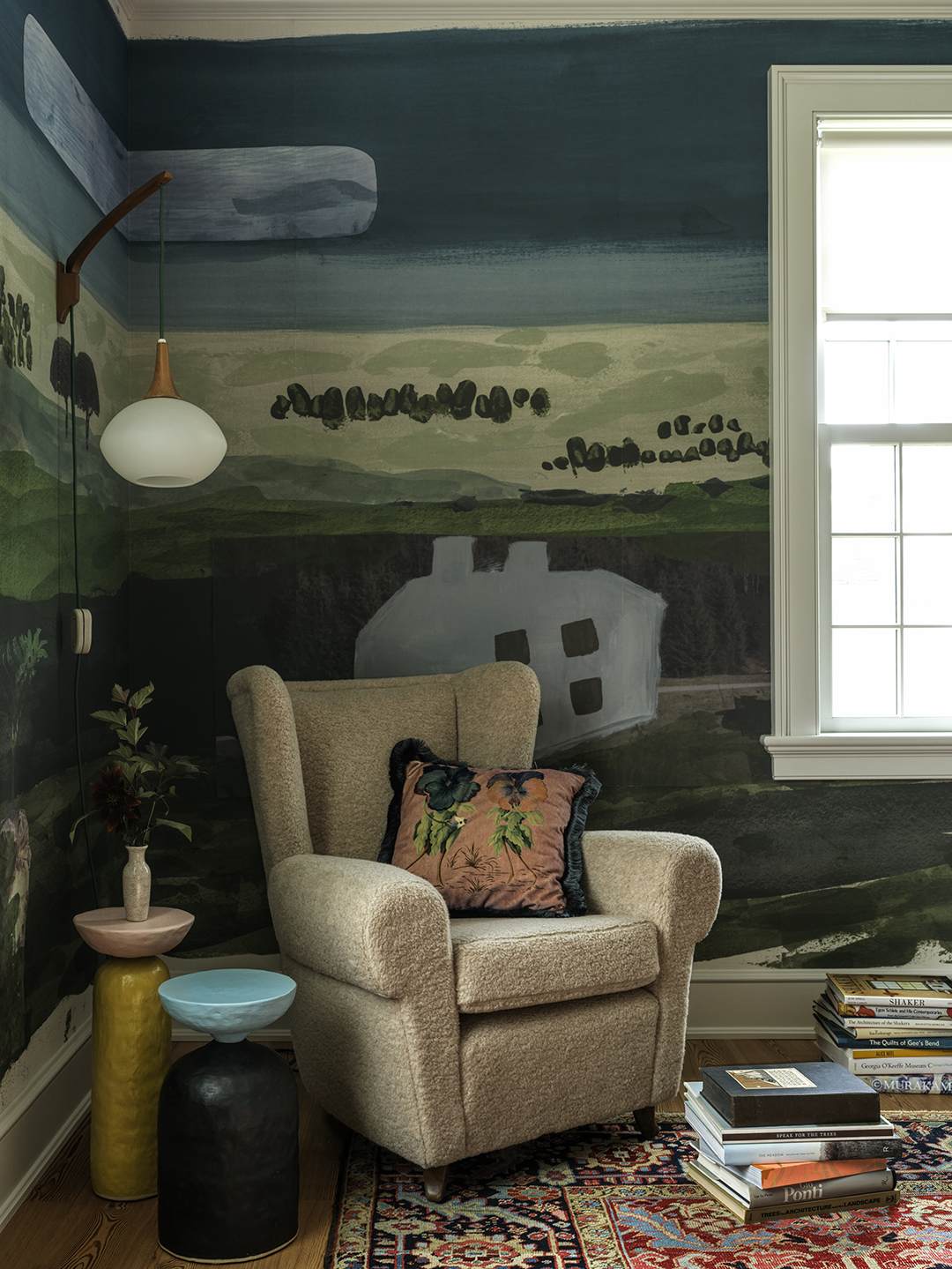
The clients requested a three-car garage, which dictated the length of the north and south elevations to be forty feet long. To avoid the building looking like a garage, the team landed on a certain cubic mass, with the scale of the building relating nicely to the goal of creating a “new–old” carriage house. For this second phase, the interiors team joined the collaboration, bringing in color, bold pattern, and an eclectic range of furnishings from contemporary to mid-century modern. The tone of the carriage house was to be a departure from the main house, taking on a more casual, yet practical, approach. It would serve as a place of entertainment for the family and guests plus house a generous home office, exercise gym, indoor sauna, and recreation room with a pool table.
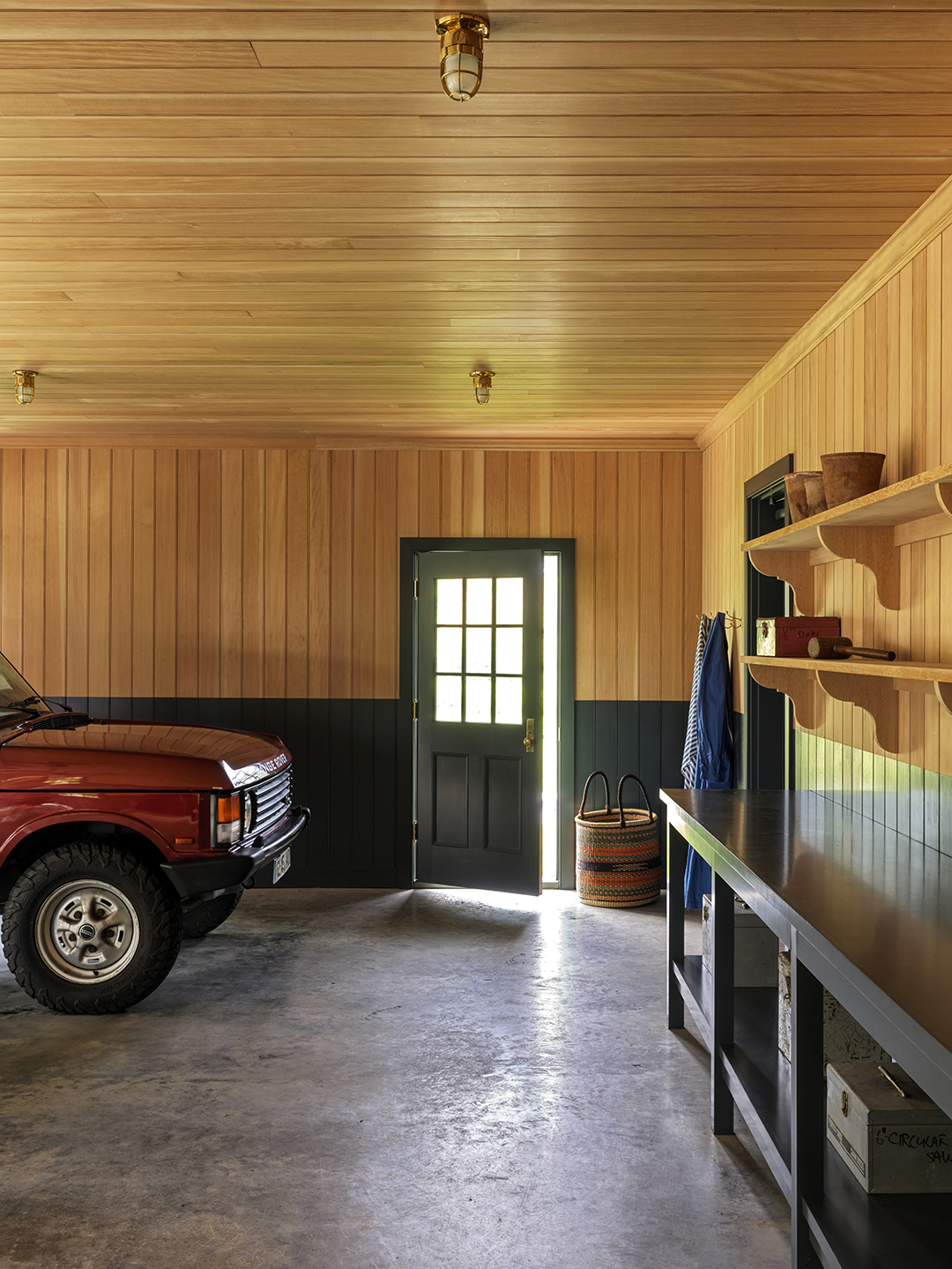
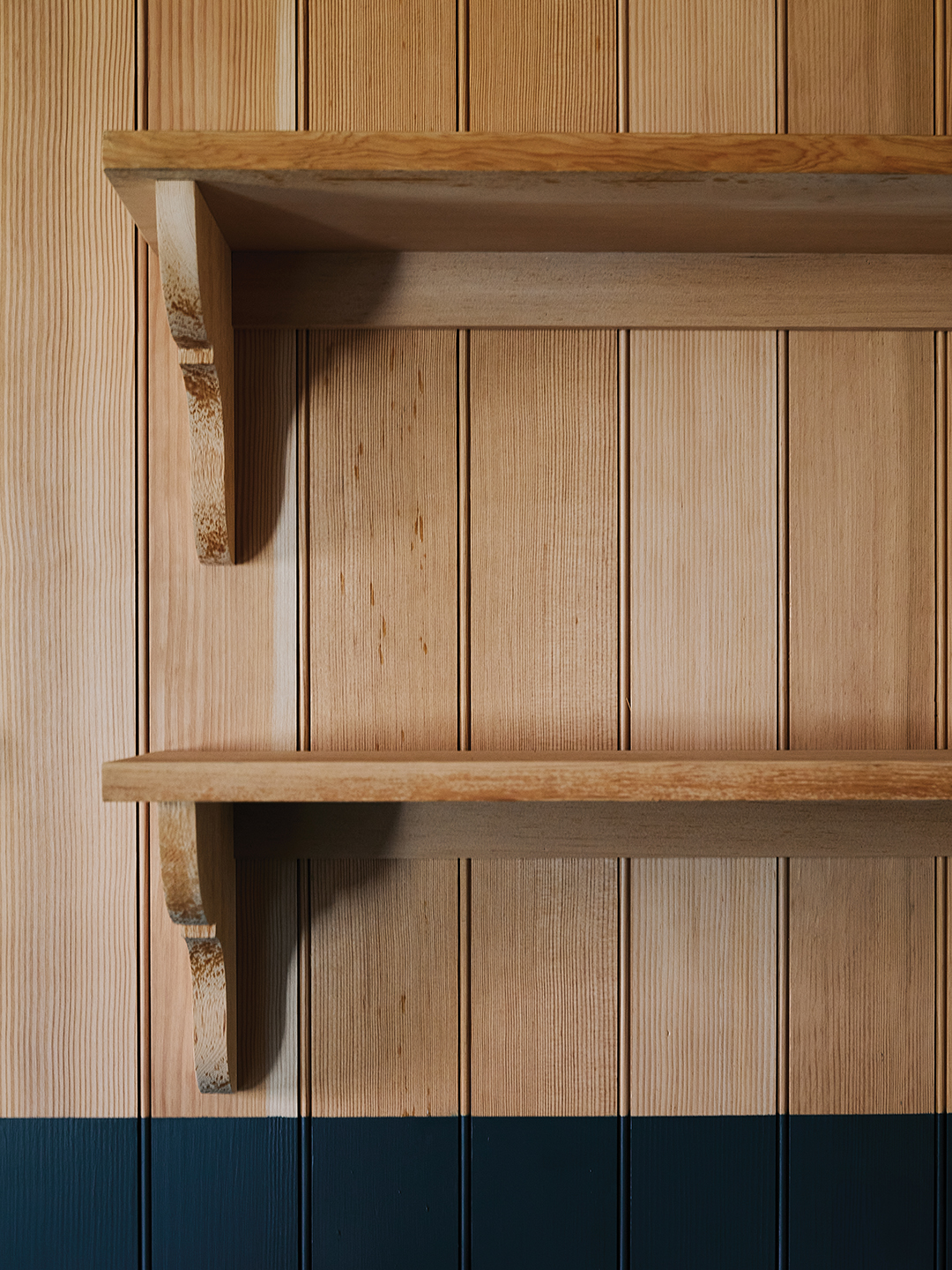
Rafe was concerned that the garage was becoming too precious, with all surfaces clad in clear vertical-grain fir beadboard. Wanting it to feel more durable, he decided the space needed not only a bit of color but also a sense of history. With a painted color-blocked “water line,” the garage was quickly transformed from a monochromatic wood-paneled space to a room feeling more like an old garage or factory. The “water line” has since become a signature for Hendricks Churchill’s projects.
The team opted to go for a more intimate cluster of buildings rather than siting the structures far away from one another, which the land could easily accommodate. In the spirit of a traditional farm setting or even a Shaker compound, each building contributes to the overall success of the site plan.
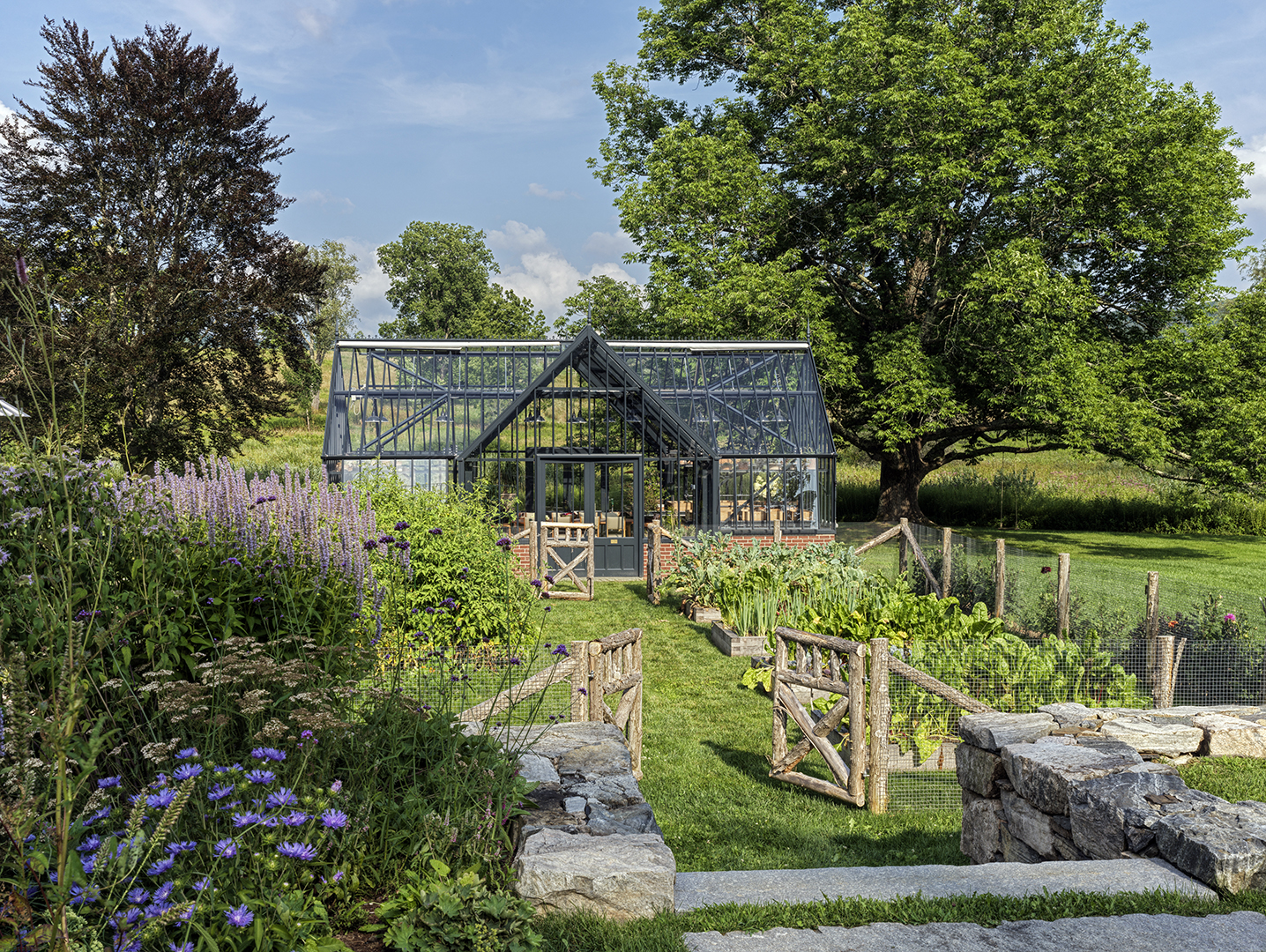
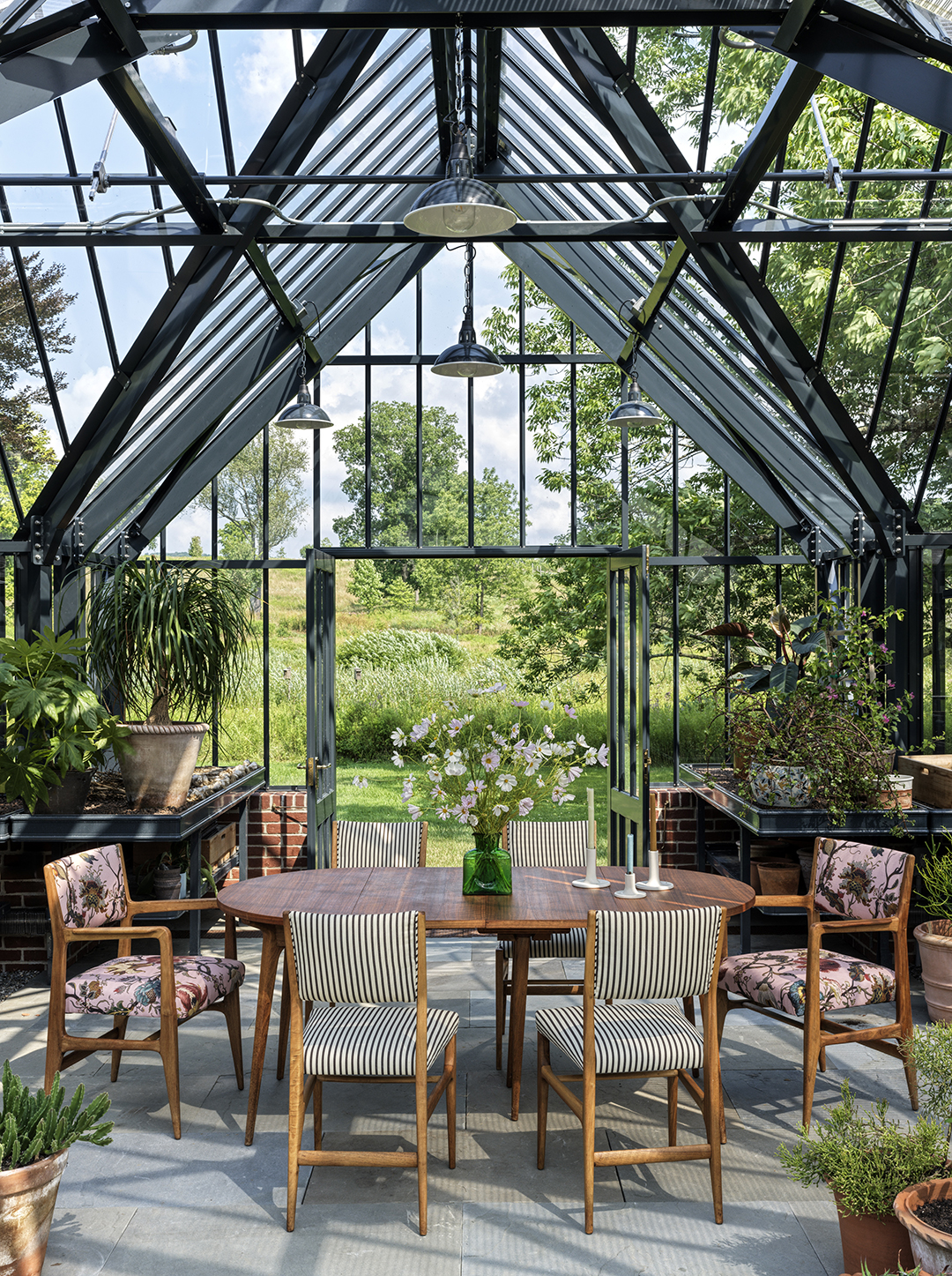
Seeing the other buildings while walking toward the house or looking out any of the windows evokes a feeling of community. It is this relationship between the structures, old and new, that prompts a sense of history and ultimately made this project so special.